Indoor Disconnect Switch Features You Should Know Before Buying
2026-06-29 16:26:30
Understanding the Indoor disconnect switch is essential to working safety and system reliability when reviewing your facility's electrical infrastructure. As separation points, these devices keep circuits literally separate while they are being serviced, maintained, or used in an emergency. To pick the correct switch, you need to look at its voltage ratings, current capacities, safety standards, and fitting needs that are specific to your workplace setting. Making decisions based on good information keeps people and things safe while also following national electricity codes.
 |
 |
Understanding Indoor Disconnect Switches: Functionality and Types
In electrical distribution systems, Indoor disconnect switches serve as safety barriers, allowing for the controlled separation of circuits without the use of circuit breakers. Disconnect switches, unlike breakers that stop fault currents automatically, separate wires in a way that can be seen. This is very important during lockout-tagout processes in hospitals, data centers, and factories.
Core Functionality and Circuit Isolation
These devices make space between powered parts and tools further down the line. When the switch handle is turned, the internal blades physically separate from the unmoving contacts. This creates an air gap that stops the flow of current. Maintenance teams can be sure that all power has been cut off at this point before they work on generators, motor control centers, or sensitive computer loads.The pattern can be made in both fused and non-fused ways. Fused models have high-speed current-limiting fuses built right into the switch assembly, while non-fused models use separate safety devices. This difference has an impact on both the initial prices and the way that security is coordinated in bigger electrical systems.
Classification by Type and Electrical Ratings
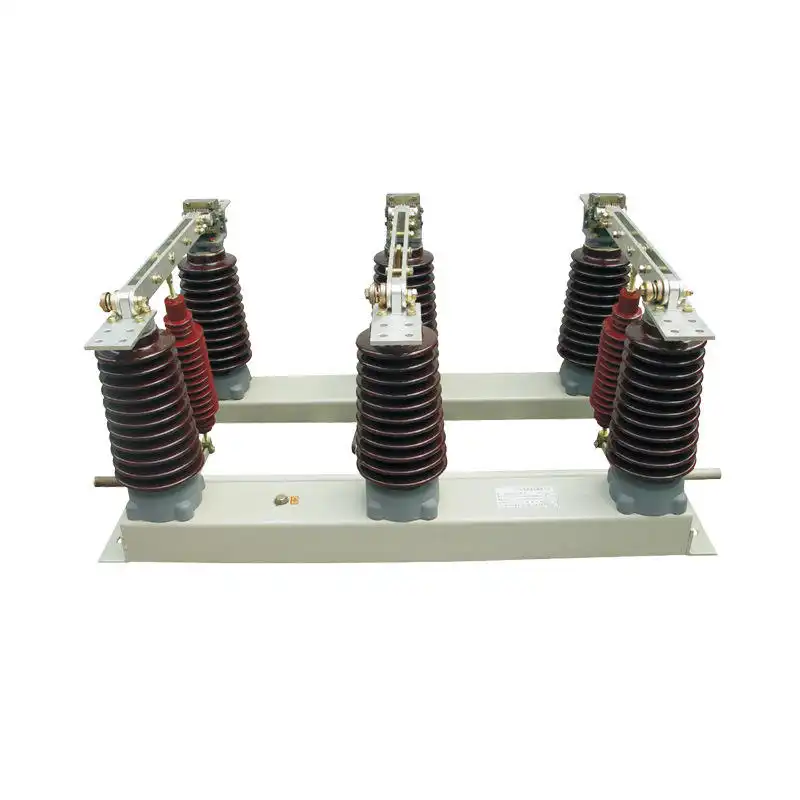
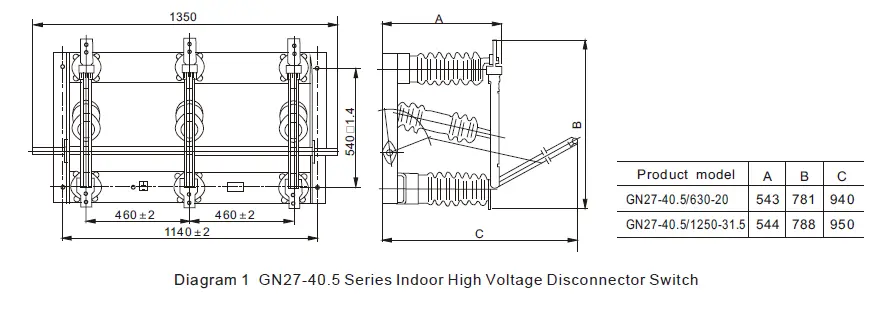
Depending on the purpose, there are different types of Indoor disconnect switches. Heavy-duty safety switches can handle most distribution jobs up to 600V in business buildings. In controlled indoor areas, switches that are enclosed in NEMA-rated shelters keep environmental contaminants out. Utility substations and industrial sites that need strong isolation at transmission voltage levels use high-voltage models, such as the GN27 line, which is rated at 40.5kV.Ranges in current levels from 30A for small branch circuits to 1250A for main service disconnects that power big industrial loads. Most of the time, 600V class voltage is used for low-voltage tasks, and 40.5kV class voltage is used for medium-voltage tasks and base equipment. To make the right choice, these specs must be matched to the real load needs plus enough safety gaps.
Compliance with NEC and IEC Standards
Article 430 of the National Electrical Code (NEC) says that motor disconnections must be safe, and Article 450 says that transformers must be protected. IEC 62271-102 is used for high-voltage switchgear in international sites, and IEC 60947 series is used for low-voltage devices. Minimum clearances, interrupting rates, and mechanical longevity requirements are set by these standards, which have a direct effect on purchase specs.Marks of certification from UL, CSA, or CE show that these standards have been checked by a third party. Before approving buy orders, procurement managers should check test results that cover dielectric strength, temperature rise limits, and mechanical life cycles to make sure they follow the rules.
Essential Features to Consider When Choosing Indoor Disconnect Switches
To choose the right tools, you need to carefully look at technical factors that are in line with operational goals. With the right mix of features, downtime risks are kept to a minimum and worker safety during regular repair is maximized.
Electrical Ratings and Load Compatibility
Voltage and current levels are the most important things to look at when choosing an Indoor disconnect switch. If you don't give enough voltage capacity, the covering could break during short-lived overvoltages. If you don't give enough current capacity, the device could fail thermally under normal load conditions. The GN27 High Voltage Disconnect Switch can handle up to 40.5kV of voltage and 630A or 1250A of current, making it ideal for demanding grid uses where operating margins must not be compromised.Inrush currents from transformers and motors, harmonic distortion from variable frequency drives, and future capacity growth must all be taken into account when figuring out the load. When you order switches with 125% continuous current rates, you get thermal headroom, which increases the life of the contacts and lowers the number of times they need to be serviced over a period of years.
Safety Features and Arc Flash Protection
In industrial settings, arc flashes hurt people badly and damage equipment. Through design advances, modern disconnect switches have elements that lower these risks. Finger-safe shields keep people from touching live parts by mistake while they are working. Interlocking devices keep the doors from opening when they are under a load that would cause damaging arcs.The GN27's swing-contact design reduces contact pressure and wear while increasing heat transfer, two important factors that stop hotspots from forming that can cause arc flashes. High-strength insulators reliably separate dielectrics even in dirty places where dust or moisture can build up and compromise the insulation's integrity. Because of these technical features, the workplace is safer and there is less risk of liability.
Installation Flexibility and Environmental Adaptability
Different types of facilities have very different installation restrictions. To make the most of the restricted floor space, compact substations need to be mounted vertically. Outdoor-rated fences that lead to indoor places need to be able to be set up in a variety of ways. Quality Indoor disconnect switches can be mounted in a number of different ways, including horizontally, vertically, or at an angle. This makes it easier to integrate them into current systems without having to make expensive changes.Selection criteria are also affected by things in the environment. Facilities near the coast are at risk of rusting from the salty air. In places with lighter air, the dielectric strength is lower at higher elevations. Pollution-resistant versions with longer insulator creepage distances keep working in chemical plants where flying contaminants stick to surfaces. By matching switch specs to site conditions, early breakdowns can be avoided and asset lifecycles can be extended.
Comparing Indoor vs Outdoor Disconnect Switches for Industrial Use
The line between indoor and outdoor uses determines how to build something, which in turn affects cost, longevity, and upkeep needs. Knowing these differences helps procurement teams make sure that standards for controlled settings are as good as they can be.
Design Characteristics and Enclosure Standards
Outdoor Indoor disconnect switches have waterproof housings with an IP65 rating or higher that keep out rain, snow, and dust blown by the wind. UV-resistant materials don't break down when they are exposed to sunlight. The heavier structure can handle high temperatures and ice loads.Controlled conditions help indoor models make enclosures that are simpler and cheaper. When temperature and humidity stay the same, IP2X grades are enough. Lighter materials are easier to work with when installing them. This improvement is shown by the GN27 series, which has reliable components like strong insulators and corrosion-resistant contacts without the extra weight of outdoor-rated versions.
Operational and Economic Considerations
Because there aren't as many environmental stresses in indoor setups, maintenance times can be longer. The temperatures in switchgear rooms stay the same, which stops thermal cycle exhaustion. UV breakdown of plastic components can't happen when they aren't in direct sunlight.Over the span of an item, cost benefits build up. When compared to outdoor ratings, cheaper material standards mean 15–25% less in initial purchase costs. Routine checks cost less because maintenance methods are easier to follow. Because of these cost savings, Indoor disconnect switches are the best option for factories, hospitals, and business buildings that already have air control.
How to Select the Best Indoor Disconnect Switch for Your Procurement Needs
Strategic selection frameworks make sure that technical needs are met while also taking into account business factors that have an impact on the total cost of ownership. By using structured evaluation methods, you can be sure that the choices you make are in line with your business goals and your budget.
Matching Specifications to Application Requirements
The first step in developing specifications is to do a load study. Write down the voltage levels, constant current needs, short-circuit fault currents, and transient situations that are already present in the electrical system. You can compare these factors to possible switch rates that take into account things like altitude, ambient temperature, and job cycles.The GN27 High Voltage Indoor disconnect switch is a great example of how to match specifications correctly for tough jobs. It can handle power distribution voltage levels with a margin for short-term overvoltages thanks to its 40.5kV grade. There are two present possibilities at 630A and 1250A to meet the needs of different loads without having to make choices that are too big and waste money. The low operating torque of the swing-contact design cuts down on the need for an actuator and makes it easier to connect to CS6-2 working mechanisms or automatic switchgear controls.
Sourcing from Reputable Manufacturers
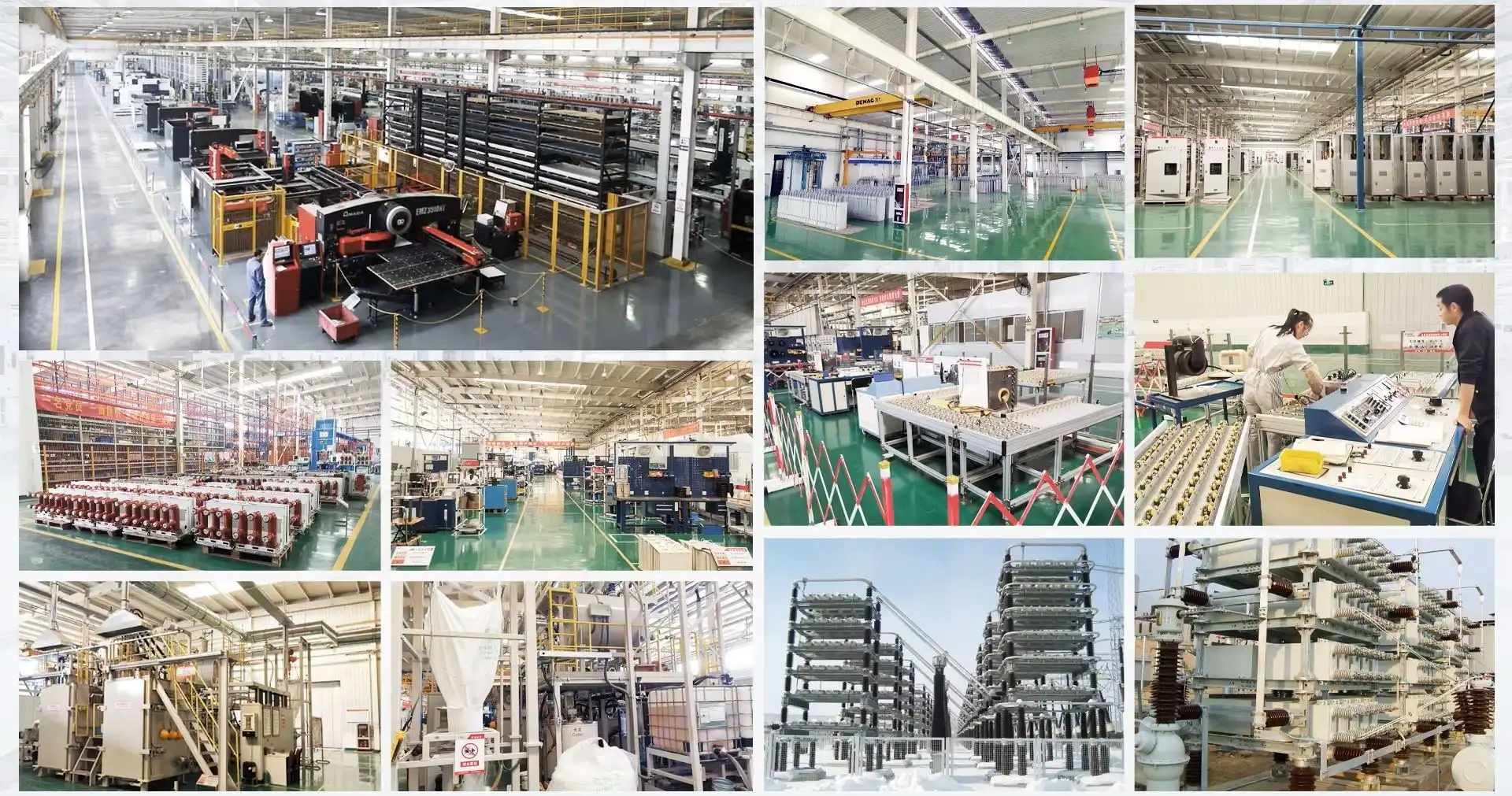
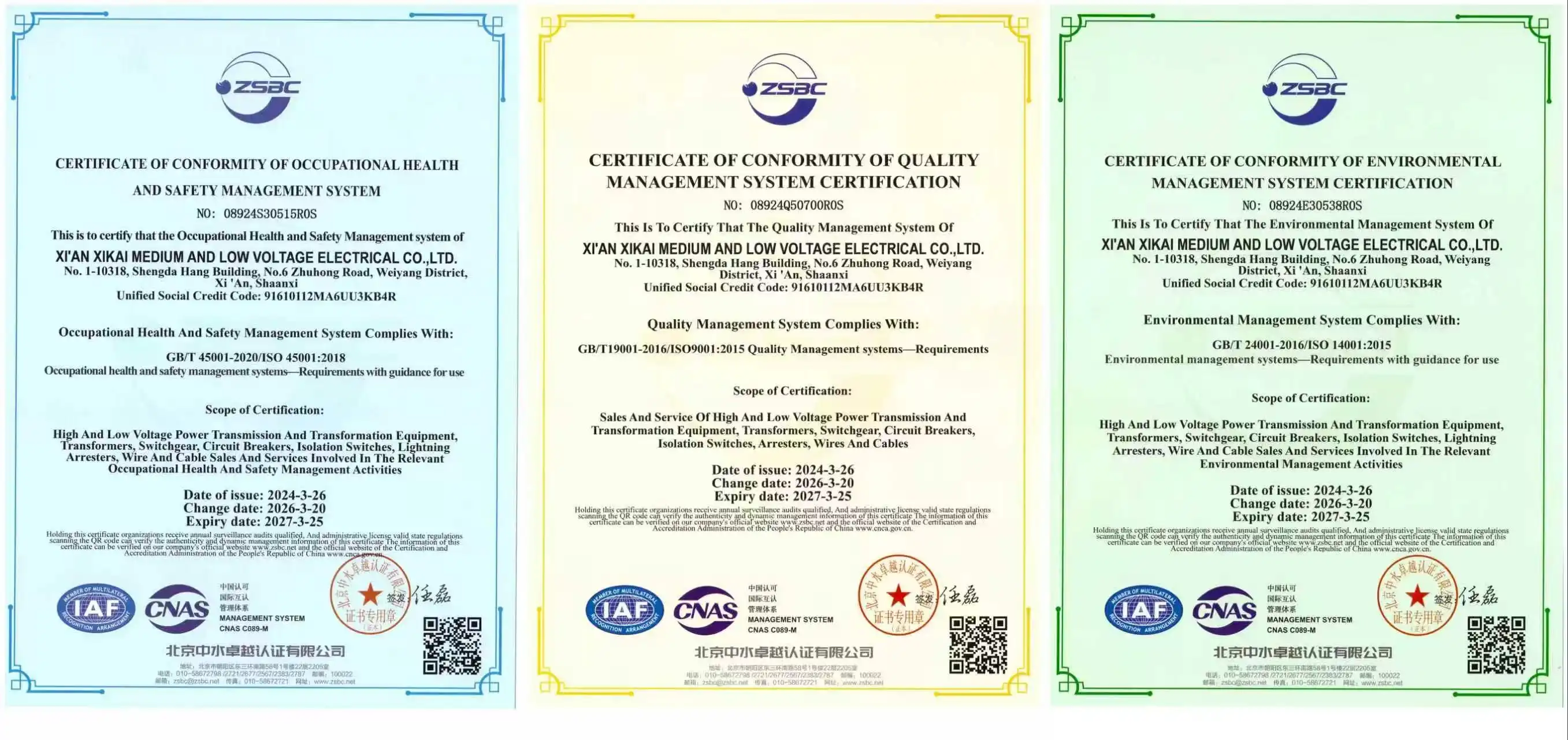
The image of a brand is directly linked to how reliable a product is and how good the customer service is after the sale. Well-known companies put money into quality control methods, strict testing schedules, and detailed instructions that make installation and fixing problems easier. This dedication is shown by Xi'an Xikai's ISO 9001 certification and thorough product validation, which includes 10,000-cycle mechanical endurance tests and high-voltage resist proof.For big buying projects, geography is also important to think about. As a comparison, domestic providers have shorter lead times and easier logistics than foreign sources. Xi'an Xikai runs one of China's biggest factories that makes medium- and low-voltage electrical equipment. Because of its size, it can reliably meet delivery deadlines for large orders without lowering quality standards.
Evaluating Fused vs Non-Fused Configurations
A fused disconnect switch is a single device that can both isolate and protect against short circuits. Current-limiting fuses cut off fault currents in milliseconds, keeping equipment further down the line safe from damaging heat and mechanical loads. This combination makes it easier to coordinate security and takes up less room on the panel.In non-fused setups, fault prevention comes from separate circuit breakers or fuses. This split makes more parts, but it gives designers more freedom when making security schemes and makes selective coordination studies easier. The decision is based on the design of the system, the amount of room that is available, and the need to work together with protective devices further upstream. Bulk procurement strategies should address vendor qualification beyond pricing considerations. Evaluate manufacturing capacity to meet delivery schedules, technical support staff's availability for help with application engineering, and warranty terms covering flaws and performance promises. Authorized distributors add value by keeping track of goods, offering faster shipping choices, and providing local expert resources that lower project risks.
Installation and Maintenance Best Practices for Indoor Disconnect Switches
Correct installation methods and regular upkeep schedules have a direct effect on the dependability and safety of equipment throughout its entire useful life. Following best practices in your business lowers the risk of failure and makes sure you follow the rules.
Pre-Installation Inspection and Planning
Before turning on any Indoor disconnect switch, you should carefully look it over to make sure it's physically sound. Check the insulator surfaces for damage from shipping, loose parts, or dirt. Use micro-ohm meters to check that the contact resistance stays within the manufacturer's guidelines. For high-current uses, this is usually less than 50 micro-ohms. Review installation drawings to verify clearance requirements meet NEC or local code minimums. Adequate working space around equipment facilitates safe operation and future maintenance access. Confirm mounting surfaces provide structural support adequate for mechanical loads during switching operations and potential seismic events.
Wiring Techniques and Connection Integrity
Using the right amount of force when connecting terminals stops hotspots from forming, which slows things down over time. Follow the values given in the installation guides when using calibrated torque wrenches. For medium-voltage uses, these values are usually between 40 and 60 ft-lbs. To stop galvanic rusting, put electrical paste on the places where aluminum meets copper. Phase identification and proper sequencing prevent cross-phasing errors that cause equipment damage during initial energization. Photographs and wiring plans of the as-built versions should be saved for future use. These records help with legal checks and speed up troubleshooting during maintenance.
Routine Maintenance Protocols and Testing
As part of yearly checks, insulators should be looked at visually for tracking or contamination, mechanical operation should be confirmed by spinning them by hand, and thermographic scanning should be done under load to find hotspots that are starting to form before they break. The GN27's modular design makes it easy to change parts during planned maintenance, which keeps production plans from being affected too much by downtime. Testing for temperature rise at the rated current shows that the thermal performance stays within the limits set by the designer. Contact resistance tests find damage from rust or mechanical wear that needs to be fixed. Lightning shock withstand tests make sure that the insulation is still good after a long time of use or after a close fault event that puts stress on the dielectric system.Documentation of maintenance activities supports compliance with OSHA safety standards for electricity work and shows they did their part in case something goes wrong. Digital maintenance management systems keep track of the past of each part, plan routine tasks, and send out work orders when parameters change too much.
Conclusion
Technical requirements must be balanced with operational responsibilities and financial limits when choosing Indoor disconnect switches. Voltage and current levels need to match the needs of the application while also leaving room for safety in case of sudden changes. Safety features, such as arc flash protection and interlocking systems, keep people safe while they do repairs. Different mounting needs can be met in industrial, business, and utility settings thanks to installation versatility.
Strategies for buying things should focus on reputable companies that offer full tests, certifications, and expert help for the whole lifecycle of the tools. The most reliable systems are those that are installed correctly and have regular repair plans that make sure they meet NEC and IEC standards.
FAQ
1.What distinguishes an indoor disconnect switch from a circuit breaker?
Disconnect switches provide visible isolation for maintenance but cannot interrupt fault currents under load. Circuit breakers automatically interrupt overcurrent and short-circuit faults while carrying normal loads. Disconnect switches require opening circuit breakers before operation to prevent dangerous arcing.
2.Can the GN27 disconnect switch operate at altitudes above 3,000 meters?
Standard models perform reliably up to 1,000 meters. High-altitude variants incorporate increased insulation clearances and de-rated electrical specifications to compensate for reduced dielectric strength in thinner atmospheres. Xi'an Xikai offers plateau-rated equipment validated for installations reaching 4,000 meters elevation.
3.How frequently should contact resistance testing occur on high-voltage disconnect switches?
Annual testing during scheduled maintenance outages provides adequate monitoring for typical industrial applications. Facilities experiencing heavy load cycling or harsh environmental conditions benefit from semi-annual testing to detect accelerated degradation patterns before failures impact operations.
Partner with Xi'an Xikai for Reliable Indoor Disconnect Switch Solutions
Xi'an Xikai Medium & Low Voltage Electric Co., Ltd. delivers proven electrical infrastructure components backed by decades of manufacturing excellence. Our indoor disconnect switch portfolio includes the GN27 High Voltage series engineered for demanding utility and industrial applications requiring uncompromising reliability. As an indoor disconnect switch supplier serving global markets, we provide customized solutions addressing unique site requirements including pollution resistance, high-altitude performance, and flexible mounting configurations. Our technical team offers comprehensive application engineering support—from specification development through commissioning assistance—ensuring optimal equipment selection and installation.Contact our procurement specialists at serina@xaxd-electric.com, amber@xaxd-electric.com, or luna@xaxd-electric.com to discuss your project requirements.
References
1. National Fire Protection Association. NFPA 70: National Electrical Code. 2023 Edition.
2. International Electrotechnical Commission. IEC 62271-102: High-voltage switchgear and controlgear – Part 102: Alternating current disconnectors and earthing switches. 2018.
3. Institute of Electrical and Electronics Engineers. IEEE C37.32: IEEE Standard for High-Voltage Air Disconnect Switches, Interrupter Switches, and Accessories. 2022.
4. Occupational Safety and Health Administration. OSHA 1910.333: Selection and use of work practices for electrical safety. U.S. Department of Labor.
5. Cooper, W.D. and Electrical Apparatus Service Association. Maintenance Testing for Electrical Apparatus in Industrial and Commercial Applications. Technical Manual Series, 2021.
6. Zhang, L., and Chen, M. Design and Application of High-Voltage Switchgear in Power Distribution Systems. Electric Power Engineering Press, 2020.