Why Outdoor Disconnect Switch is Essential for Power Grid
2026-04-27 17:21:05
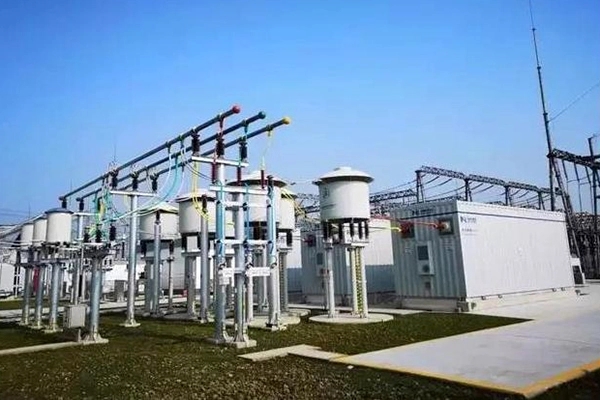
A big problem that power grid operators have to deal with every day is how to do maintenance or handle emergencies without putting everyone at risk or causing widespread power outages. The Outdoor disconnect switch is the most important safety feature that makes this possible. These switches protect people, keep equipment in good shape, and keep transmission and distribution networks running smoothly by providing a clear, mechanical way to shut down circuits during maintenance or faults. Understanding what they do and choosing the right specifications has a direct effect on uptime, compliance, and profits for engineering firms, utility companies, and industrial facilities.
Understanding Outdoor Disconnect Switches and Their Role in Power Grids
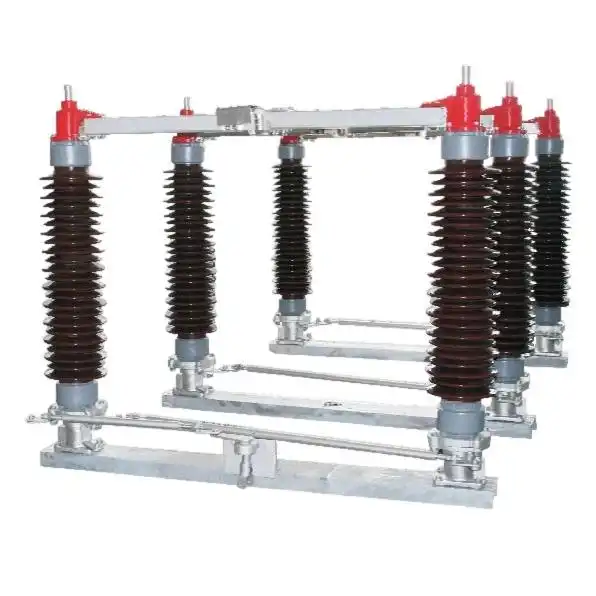
An Outdoor disconnect switch is a device that can be operated by hand or automatically. Its job is to make a physical gap in an electrical circuit so that it is completely off before maintenance starts. Outdoor disconnect switches work when there is no load or very little load to provide visible isolation. This is different from circuit breakers, which stop fault currents automatically. This difference is important because it tells you when and how to safely use the device.
Definition and Core Purpose
These switches do a simple but important job: they disconnect live conductors from parts of the grid so that technicians can work safely on transformers, breakers, or transmission lines. The air gap can be seen, which proves isolation. This is why OSHA and NFPA require their use in high-voltage situations. Utility workers depend on this visual confirmation to follow lockout-tagout procedures. This lowers the risk of accidentally turning the power back on during repairs.
Key Types and Construction Features
Different environments require specific switch configurations. Manual Outdoor disconnect switches remain common in substations with on-site operators, while automatic versions integrate with remote control systems for faster response. Fused designs provide overcurrent protection for distribution feeders, whereas unfused types rely on external protection devices. Construction quality determines durability: galvanized steel resists corrosion, stainless steel components ensure smooth operation, and aluminum alloy improves heat dissipation. These materials enable reliable, low-maintenance performance across extreme temperatures from -40°C to +85°C in harsh industrial and coastal conditions.
Comparing Outdoor and Indoor Applications
Outdoor disconnect switches have to deal with environmental stresses that their indoor counterparts never have to. Rain, snow, ice buildup, UV rays, and airborne contaminants are all things that can damage insulation and make contacts less reliable. These problems can be solved by weatherproof designs that have sealed housings, insulators coated with silicone, and drainage holes that keep water out. When working in controlled environments, indoor switches put small footprints and noise reduction ahead of being able to handle harsh environments. When specifying equipment for rooftop installations, pad-mounted transformers, or pole-mounted distribution circuits, procurement teams need to be aware of these differences.
Why Outdoor Disconnect Switches Are Essential for Power Grid Safety and Reliability?
Arc flash and electrocution accidents are very bad, which is why there are rules about electrical safety. Good Outdoor disconnect switches are the first line of defense against these threats, and they also keep expensive grid assets safe from damage.
Critical Safety Features That Protect Personnel
Outdoor disconnect switches serve as a primary safety barrier against arc flash and electrical hazards. NEMA-rated enclosures prevent moisture ingress, reducing the risk of energized external surfaces. Advanced designs incorporate grading rings and shielding to distribute electric fields and minimize flashover risk. Features like externally compressed contact springs maintain stable pressure, preventing arcing caused by loose connections. Optimized electric field distribution also reduces interference with nearby control systems. These engineering safeguards enhance operational reliability while significantly lowering risks to maintenance personnel and surrounding infrastructure.
Maintenance Best Practices for Extended Service Life
Routine maintenance ensures long-term performance and prevents unexpected failures. Quarterly visual inspections identify corrosion, contamination, and loose components, while annual infrared thermography detects overheating contacts before failure occurs. Flexible busbar designs accommodate thermal expansion, reducing stress on connections. Advanced switch designs simplify inspection and replacement, minimizing downtime during maintenance. Reduced friction in operating mechanisms lowers wear rates, extending service intervals. These practices improve reliability and reduce lifecycle costs, particularly for facilities managing multiple installations across distributed locations.
Fast Fault Isolation and Operational Continuity
When problems happen with transmission lines or substation equipment, isolating them quickly stops further damage and speeds up the repair process. Outdoor disconnect switches allow sectionalizing strategies that keep parts of the grid that aren't affected powered while crews work on problems in separate areas. When grid disturbances are stopped before they reach sensitive process equipment, factories don't lose production. Data centers keep their systems running by switching to backup feeds while they wait for utility crews to manually disconnect circuits that aren't working. Hospital electrical systems depend on Outdoor disconnect switches to separate emergency power distribution. This keeps life-safety systems running even when less important loads stop working. This segmentation feature is especially useful during extreme weather events, when multiple faults happen at the same time and make it hard for utilities to respond.
Choosing the Right Outdoor Disconnect Switch for Your Power Grid Needs
To choose the right Outdoor disconnect switch, you have to make sure that the technical specs match the system's needs and the way it is being used. When specifications are wrong, things break down early, don't follow the rules, and pose safety risks that could have been avoided with more planning.
Voltage and Current Ratings
Proper rating selection is essential for safe and efficient operation. Voltage ratings must exceed maximum system levels to ensure insulation reliability, while current ratings determine load-handling capacity without overheating. High-capacity designs support demanding industrial applications requiring substantial power. Underrated equipment risks premature failure due to overheating, whereas overrated equipment increases costs and space requirements unnecessarily. Accurate load forecasting during system design ensures optimal balance between performance, safety, and cost efficiency.
Environmental Resilience Considerations
The choice of equipment is significantly influenced by environmental factors. For coastal areas to endure salt exposure, corrosion-resistant materials like silicone insulation and stainless steel are necessary. Sealed designs and long-lasting insulators are necessary to guard against dust and temperature changes in desert settings. Strong heat-dissipating materials are advantageous in high-temperature areas. Anti-icing measures increase dependability in cold conditions. Because of the decreased air dielectric strength in high-altitude installations, insulation must be adjusted. By taking care of these issues, constant performance is guaranteed and early degradation is avoided.
System Compatibility and Application Matching
Matching disconnect switches to application requirements ensures optimal functionality. Renewable energy systems require compatibility with inverter-based configurations, while commercial buildings benefit from localized isolation for maintenance safety. Flexible mounting options simplify retrofits in space-constrained installations. Additional features such as auxiliary contacts enable integration with monitoring systems, enhancing operational visibility. Proper alignment between equipment design and system requirements reduces installation complexity and improves long-term performance.
Comparing Leading Solutions
Certified products from recognized standards organizations ensure safety and interoperability. Compliance with international standards verifies performance under defined conditions. Beyond certification, supplier support plays a critical role in long-term value. Technical assistance, spare parts availability, and responsive warranty services influence operational reliability and total cost of ownership. Advanced product features, such as interference reduction and maintenance-free components, further enhance suitability for modern grid applications with increasing digital integration.
Installation and Wiring Guide for Outdoor Disconnect Switches
If you do it right, you can get decades of reliable service instead of costly early failures or safety incidents. Systematic procedures protect both the equipment that was bought and the people who are using it. A properly installed Outdoor disconnect switch ensures long-term grid stability.
Site Assessment and Preparation
Before the equipment comes, site surveys make sure there are enough space between phases, access for maintenance, and fault containment. Conditions of the soil must be able to support foundation loads, especially in places where the clay is expanding or where there are earthquakes. Drainage features keep water from standing, which speeds up corrosion and makes tracks across insulators. There are often specific distances that must be kept between structures, property lines, and public paths set by local laws. The National Electrical Code sets minimum standards, but different areas may have stricter rules. If these requirements are checked during design, changes that cost a lot of money can't be made after the installation starts.
Step-by-Step Installation Process
Setting anchor bolts according to templates provided by the manufacturer is the first step in installing a foundation. Misalignment at this stage gets worse during assembly, which could stop the right contacts from engaging. Once the foundations are dry, the frame is put up, paying close attention to the tolerances for plumb and level. Even small changes can affect how well machines and electronics work. To connect busbars, you need torque wrenches that are calibrated according to the instructions in the installation manual. When you under-tighten, the joints can get too hot, and when you over-tighten, the hardware threads get damaged. Flexible busbar connections allow for thermal expansion without putting stress on insulators or support structures, but they need to be installed correctly to work as expected.
Wiring Diagrams and Common Configurations
By understanding wiring schematics, you can avoid making mistakes that could turn on equipment without warning or fail to provide the interlocking protection that was meant. Phase-to-phase faults can be avoided by control circuits that stop two Outdoor disconnect switches from closing at the same time. An extra set of contacts lets SCADA systems know what the status is, so operators from afar can check the positions of switches before turning circuits back on. It is important to pay close attention to grounding connections because they protect against fault currents and lightning strikes. Testing the ground resistance after installation makes sure that the connections are good before starting up.
When Professional Installation Becomes Necessary?
High-voltage Outdoor disconnect switches require more skill than most electrical contractors have. Official installers who are certified know the rules about clearance, torque, and commissioning tests that are required by standards groups. If you try to install something without knowing how to do it right, you could damage the equipment, break the rules, and be held legally responsible for a lot more than the cost of hiring a professional. Authorized distributors usually keep in touch with qualified installers who know how to use certain product lines. Using these networks speeds up the completion of projects and makes sure that warranties are still valid.
Procurement and Bulk Buying Considerations for B2B Clients
Strategic procurement looks for suppliers who can offer both low prices and ongoing support, balancing the needs of current projects with those that will last for a long time. Choosing a high-quality Outdoor disconnect switch manufacturer is vital for B2B success.
Essential Certifications and Quality Verification
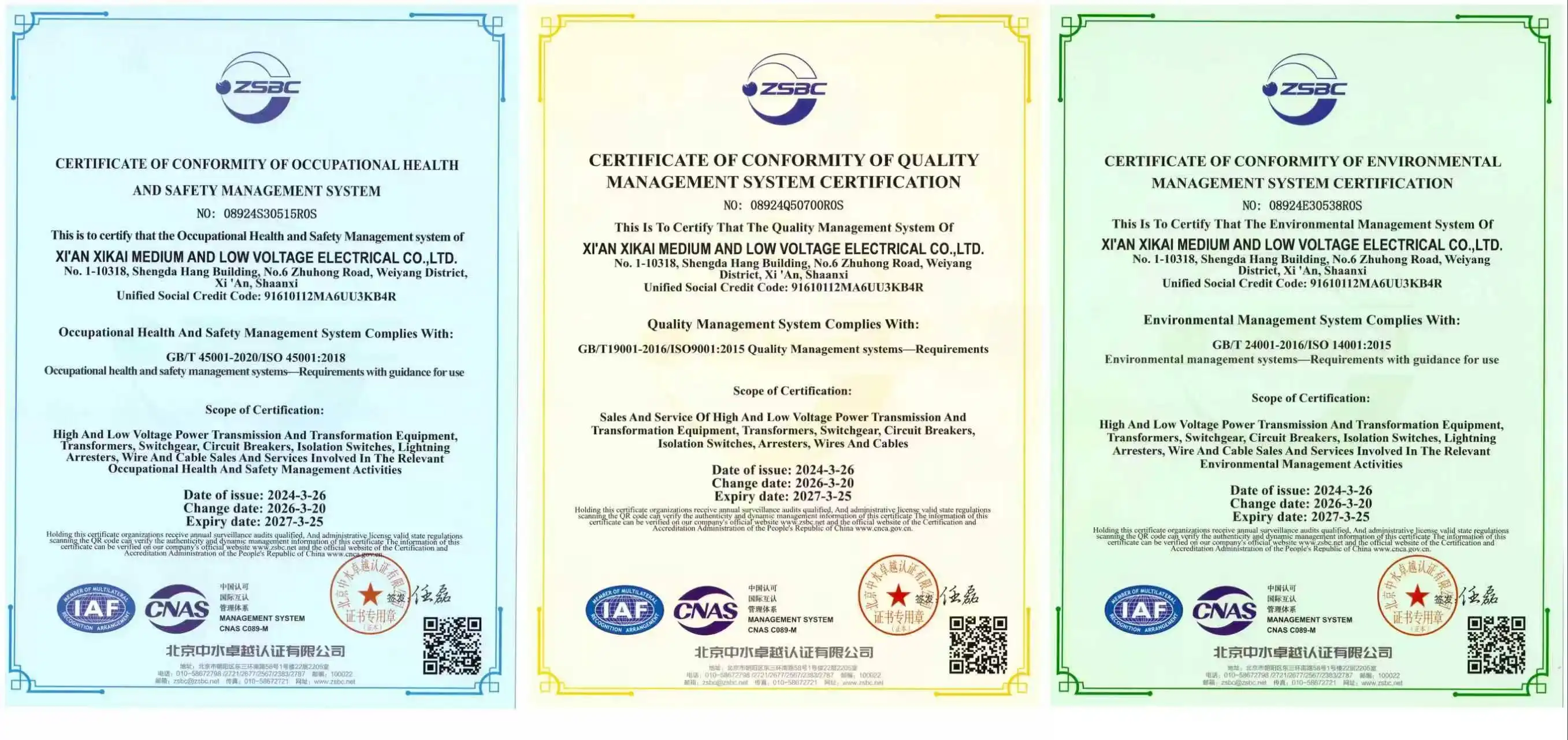
UL listing shows that a product has been tested and found to meet recognized safety standards. When a company has ISO 9001 certification, it means they have quality management systems that work consistently. These certifications lower the risk of procurement by proving performance claims by a third party. Quality control isn't just for making things; it also includes making sure that shipping damage is avoided and that paperwork is correct. Suppliers who put money into strong quality control methods send equipment that is installed correctly the first time. This keeps expensive rework and delays in commissioning from happening.
Supplier Selection Criteria
Suppliers that have been in business for decades show that they are stable and want to build long-term relationships with their customers. It's important for technical support to be quick to respond to application questions that come up during the design and installation phases. Projects stay on schedule with the help of suppliers who answer quickly and correctly. Customization lets you meet the specific needs of a project that standard catalog items can't. Flexible suppliers offer solutions instead of just selling hardware. For example, they can change the mounting dimensions for retrofit applications or add extra contacts for monitoring systems.
Bulk Pricing and Project Planning
Buying in bulk can get you better pricing, which improves the economics of the project. Building relationships with suppliers that can handle multi-site rollouts with consistent delivery schedules is good for procurement managers. Options for staggered delivery time equipment arrivals to match construction milestones, lowering the need for storage on-site and the risk of theft. Payment terms that work with project cash flows, like progress billing based on delivery milestones, make it easier to manage the money for big capital projects. When evaluating a supplier, these business factors go along with technical specifications.
Supply Chain Optimization
Lead time visibility makes it possible to accurately schedule projects and assign resources. Suppliers who keep a lot of stock ship quickly, while those who make things to order need more time to plan. When having to replace broken equipment could cause long outages that cost thousands of dollars an hour in lost production, fast shipping solutions are important. Reliable suppliers keep important replacement parts in stock so that repairs can be done quickly when things break even after proper maintenance. This part's availability is especially important for equipment that is installed in remote areas, where fast shipping costs a lot.
Conclusion
Outdoor disconnect switch units are an important part of the infrastructure that makes power delivery safe and reliable in utility, commercial, and industrial settings. Because they can provide visible isolation during maintenance work, they protect people and keep equipment investments safe. Choosing devices with the right ratings, durability in harsh environments, and high-quality construction has a direct effect on how well they work and how much they cost in the long run. The GW4 High Voltage Disconnect Switch is an example of how engineering has improved to make things less maintenance-intensive by using materials that don't rust and better contact designs. As power grids change to include distributed generation and smart grid technologies, Outdoor disconnect switches will still be necessary to keep things safe and flexible as operating conditions change.
FAQ
1. What distinguishes disconnect switches from circuit breakers?
When there is no load, an Outdoor disconnect switch makes air gaps that can be seen to isolate the circuit. When there is load, circuit breakers automatically stop fault currents. Circuit breakers have arc-quenching features that let them safely break short circuits. Outdoor disconnect switches, on the other hand, don't have these features and can only work when the current has stopped flowing. In complete electrical protection systems, both devices work together to keep things safe.
2. How often should outdoor disconnect switches undergo maintenance inspections?
Visual inspections every three months find obvious problems like damaged insulators or loose hardware. Every year, thermographic surveys find signs of contact degradation before they break. Full operational testing during planned outages every three to five years makes sure that the electrical and mechanical systems work properly. Based on how quickly things break down, harsh environments may need to be inspected more often.
3. Can disconnect switches integrate with solar energy systems?
Yes, properly rated Outdoor disconnect switches do cut off power to solar panels when they need to be serviced or in an emergency. They have to deal with DC voltage and current levels that are unique to photovoltaic systems. To keep firefighters safe during structure fires, many places require that the disconnects between solar panels and inverters be clear.
Partner With Xi'an Xikai for Reliable Power Distribution Solutions
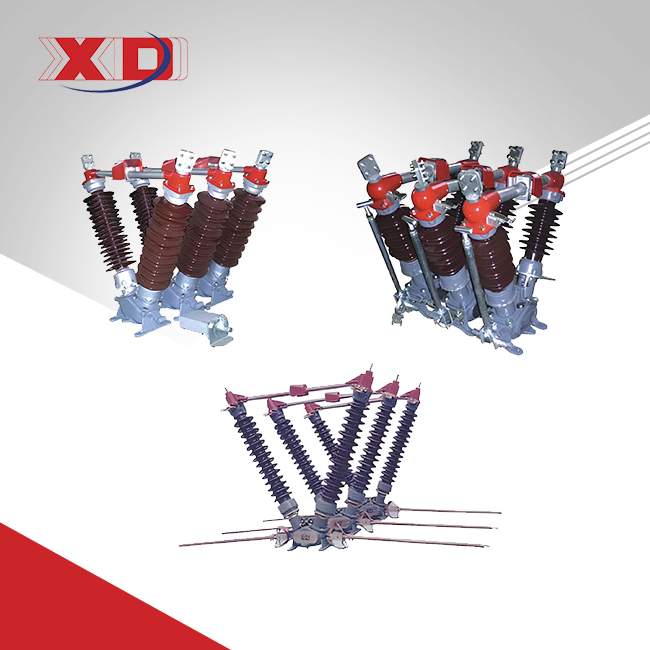
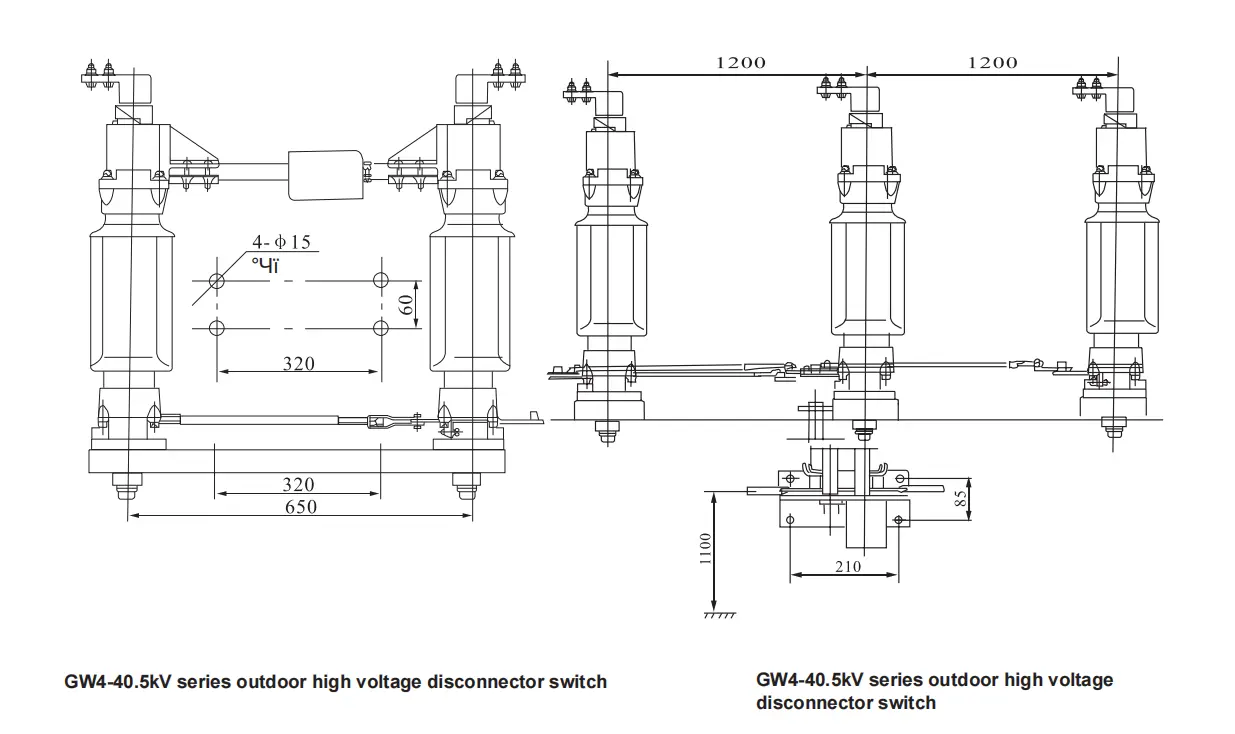
Xi'an Xikai Medium & Low Voltage Electric Co., Ltd. has been making Outdoor disconnect switch units for over 20 years and has worked in utility substations, factories, and commercial developments. Our GW4 High Voltage Disconnect Switch is made of hot-dip galvanized steel, stainless steel transmission parts, and aluminum alloy profiles. It is designed to work without any maintenance across voltage ranges from 40.5kV to 252kV. Our engineering team creates custom solutions backed by IEC, IEEE, and ISO certifications, whether you need equipment for plateaus at 4,000 meters or for installations along the coast that need better corrosion resistance. Send an email to serina@xaxd-electric.com, amber@xaxd-electric.com, or luna@xaxd-electric.com to talk about your project needs and get competitive quotes from a reliable Outdoor disconnect switch manufacturer.
References
1. Institute of Electrical and Electronics Engineers, "IEEE Standard for High-Voltage Switchgear and Controlgear: AC Disconnectors and Earthing Switches," IEEE C37.32-2019, 2019.
2. International Electrotechnical Commission, "High-voltage switchgear and controlgear – Part 102: Alternating current disconnectors and earthing switches," IEC 62271-102, 2018.
3. National Fire Protection Association, "NFPA 70E: Standard for Electrical Safety in the Workplace," 2021 Edition, Quincy, Massachusetts.
4. Occupational Safety and Health Administration, "Electrical Protective Devices," OSHA Standard 1910.303, U.S. Department of Labor, 2020.
5. American National Standards Institute, "American National Standard for Enclosures for Electrical Equipment (1000 Volts Maximum)," ANSI/NEMA 250-2020, National Electrical Manufacturers Association, 2020.
6. Electric Power Research Institute, "Disconnect Switch Failure Modes and Condition Assessment Guidelines," Technical Report 3002011847, Palo Alto, California, 2017.