
Why Your Generator Needs an Automatic Changeover Switch
2026-11-18 17:19:49
Your generator needs an automatic changeover switch because a generator alone cannot detect an outage, start itself, and connect to your loads safely. An automatic changeover switch, also called an automatic transfer switch (ATS), watches utility power, signals the generator to start, moves the load to the backup source, and returns it when the grid stabilizes. It also keeps both sources from connecting at once, which protects utility workers and equipment from back-feed. I wrote this guide for distributors, contractors, and generator packagers who want to specify the right switch and avoid costly callbacks.
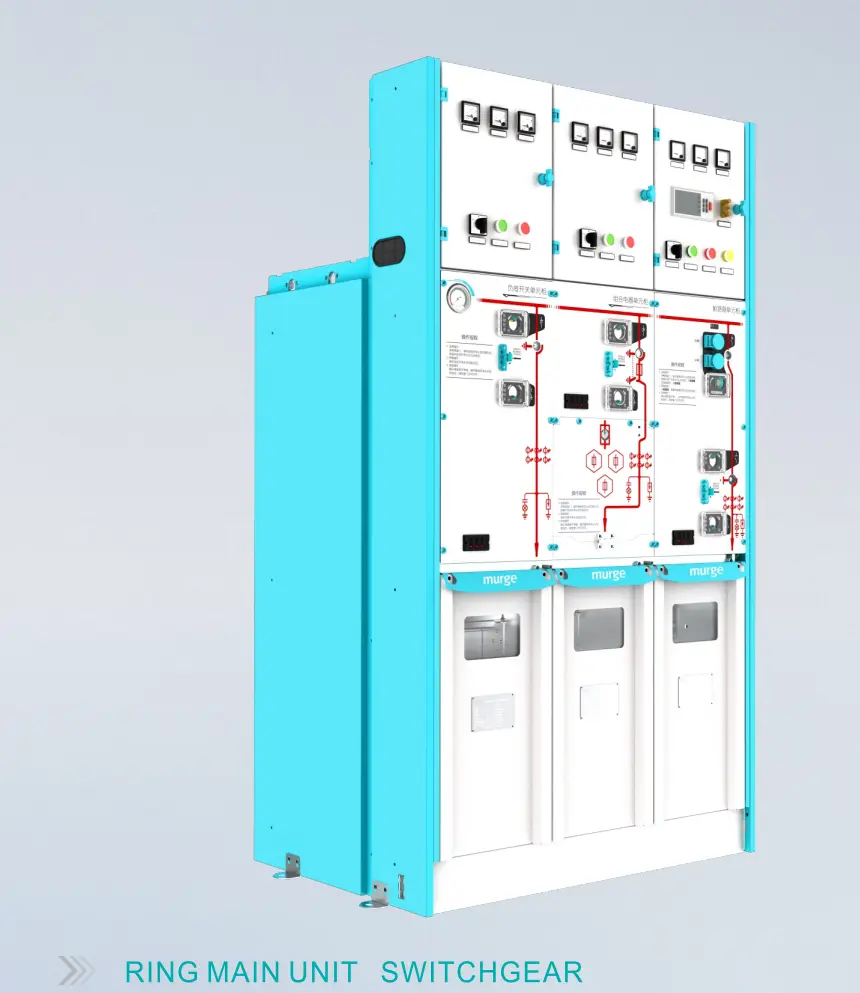
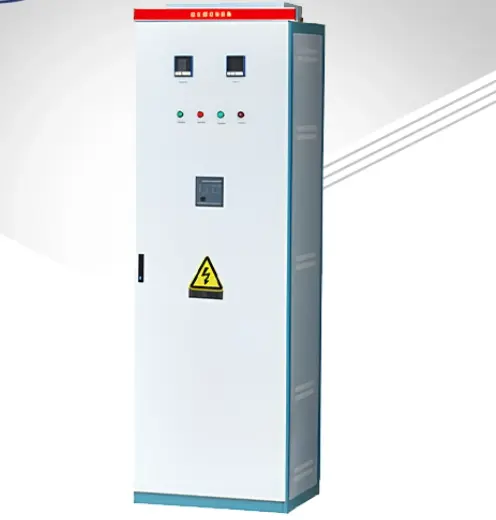
How an Automatic Changeover Switch Works
From Utility Failure to Generator Power
The controller samples the utility supply continuously. When voltage falls below its setpoint, or a phase disappears, a timer starts so that brief dips do not trigger the generator. If the fault persists, the controller closes a dry contact that sends the start signal. Once the generator reaches stable voltage and frequency, the mechanism opens the utility breaker and closes the generator breaker. After utility power returns and holds steady for a set period, the load transfers back, and the generator runs through a cool-down before it stops. Each delay is adjustable, so you can match the engine's warm-up needs.
Protection Functions and Microprocessor Control
Xi'an Xikai builds microprocessor-based control into its ATS for precise voltage monitoring and delayed switching. Here are the three protection functions I check first on any unit:
- Overvoltage detection: The controller compares supply voltage with an upper limit and starts the transfer sequence when the reading stays high past the set delay. This protects motors, drives, and electronics from sustained high voltage that can shorten their service life. Because the delay is adjustable, short spikes do not cause a needless generator start.
- Undervoltage detection: Brownouts damage compressors and pumps because motors draw more current when voltage sags. The controller treats a sustained drop below its lower limit as a utility failure, sends the generator start signal, and transfers the load. You get backup power during a weak grid, not only during a full outage.
- Phase-loss detection: On three-phase systems, losing one phase can overheat motors while the other phases still show voltage. The controller flags the missing phase and triggers the same start and transfer sequence. This matters for chillers, elevators, and production lines.
These functions turn a vague outage into a clear, measurable trigger.
Interlocks and Back-Feed Prevention
Xi'an Xikai's ATS combines mechanical and electrical interlocking between the breakers, so the utility and generator breakers cannot close together. This matters because a generator feeding power back onto the utility line can endanger line workers, and paralleling two unsynchronized sources can damage the generator. The mechanical interlock blocks the physical movement, while the electrical interlock blocks the closing command. Two independent barriers cover both a control fault and a mechanical fault. NEC Article 702 requires transfer equipment designed and installed to prevent inadvertent interconnection of normal and alternate sources, so interlocking supports code compliance as well as safety.
Wiring and Installation of an Automatic Changeover Switch
Wiring Utility, Generator, Load, and Start Circuit
Every wiring job has four power paths: utility input, generator input, load output, and the neutral and earth connection. A control circuit adds the generator start signal. Most generators accept a two-wire dry-contact start, where the ATS closes a relay to run the engine and opens it to stop. Terminal assignments differ by generator controller brand, so I always read the controller manual before landing the wires. Confirm phase sequence on both sources, because reversed rotation runs motors backward. Size conductors to the switch rating and local code, and tighten each terminal to the manufacturer's torque value to prevent heat at the connection.
Pre-Installation Checks and Mounting
Before mounting, record the system voltage, frequency, phase arrangement, load current, and generator output. Then match them to the switch nameplate. Xi'an Xikai's ATS covers 220V–660V AC at 50/60Hz, so confirm the exact model against your site voltage. Choose an enclosure location that stays accessible and dry. The product operates from -30°C to +70°C, and an IP65 enclosure is optional for dust and humidity. Check that the switch's short-circuit and breaking ratings exceed the available fault current at the installation point. Review local code, permit, and inspection rules before you start.
Commissioning and Common Mistakes
Test in two stages. First, with the load off, operate the switch manually to confirm smooth movement and correct source indication. Then simulate an outage and watch the generator start, the transfer, the retransfer, and the cool-down. The mistakes I see most often include undersized breaking capacity, ignored motor inrush current, bypassed interlocks, wrong control voltage, and testing only with a light load. Run a realistic load during final tests, because a switch that moves a lamp circuit may struggle with a loaded compressor. Qualified electricians should perform the work and follow the manufacturer's instructions and local code.
Types, Ratings, and Specifications of an Automatic Changeover Switch
Phase, Pole, and Application Configurations
Single-phase models serve homes and small shops, while three-phase models serve commercial and industrial loads. Pole count depends on the neutral. Three-pole switches suit systems with a solid neutral, while four-pole switches also switch the neutral, which many separately derived generator systems require. Generator backup differs from solar and battery storage, because inverter-based systems need anti-islanding behavior and different communication. Xi'an Xikai's ATS offers manual, automatic, and remote-controlled operation. It connects with generators, solar inverters, or grid systems through Modbus, IoT, or dry-contact signals, so one platform can serve several project types.
Current Rating, Inrush, and Transfer Time
Do not pick a rating by nominal amperage alone. Add up the continuous load, then check motor starting current, which can run several times the running current, and leave room for expansion. Compare the result with the generator's output and any derating for heat. Xi'an Xikai's ATS ranges from 100A to 3200A, with customization available. Transfer time matters too. The product transfers in under 20 ms for critical loads and under 3 seconds for standard loads. For comparison, NFPA 110 Type 10 systems must restore power within 10 seconds. Request the datasheet to confirm the duty rating and short-circuit withstand for your exact model.
Xi'an Xikai ATS Technical Summary
For quick reference, our ATS lists a voltage range of 220V–660V AC at 50/60Hz, current ratings from 100A to 3200A, an operating temperature of -30°C to +70°C, and a mechanical lifespan of 10,000+ cycles. Certifications include UL 1008, IEC 60947-6-1, CE, and RoHS. This matters to US buyers because UL 1008 is the safety standard for transfer switch equipment. Each unit passes 27+ quality checks, including a 72-hour continuous load simulation, and contacts use high-grade copper and arc-resistant alloys. A 5-year warranty applies. Ask for test reports, conformity declarations, manuals, and wiring diagrams with any quotation.
Why an Automatic Changeover Switch Beats a Manual Transfer Switch
Response Time and Human Dependence
A manual system needs a person to notice the outage, start the generator, throw the switch, and reverse the process later. Nights, weekends, and unattended sites weaken that chain. An automatic changeover switch runs the same sequence every time, within seconds and without an operator. For a cell tower, a pump station, or a cold-storage room, minutes of delay can mean spoiled stock or dropped service. The U.S. Energy Information Administration tracks utility outage duration each year, and those hours add up even in normal years. Automation also removes errors such as closing the generator breaker while utility power is still connected, or skipping the engine cool-down.
Safety and Code Considerations
Safety improves with automation because interlock logic, not the person on duty, decides which source connects. NEC Article 702 covers optional standby systems, and its transfer equipment rule targets inadvertent interconnection. Emergency and legally required systems fall under Articles 700 and 701, which add stricter requirements, and NFPA 110 sets performance levels for emergency power supply systems. An ATS listed to UL 1008 gives inspectors and insurers a recognized benchmark. Your authority having jurisdiction makes the final decision, so confirm which article applies to your project before you order equipment.
When Manual Still Makes Sense
A manual transfer switch still fits small, temporary, or non-critical jobs where someone is always present, such as a job-site trailer or a workshop used during business hours. It costs less upfront and has fewer parts to maintain. Once the site is unattended, the load is critical, or downtime costs real money, an automatic changeover switch becomes the safer choice. I advise distributors to stock both types and ask buyers one question: who will be on site at 3 a.m. when the grid fails? The answer usually settles the choice faster than any price comparison.
Choosing, Buying, and Maintaining an Automatic Changeover Switch
A Practical Selection Checklist
Start by listing essential loads, then confirm phase, voltage, frequency, pole count, and neutral arrangement. Next, size the current rating for continuous demand, inrush, and growth. Check transfer delays, alarm outputs, manual override, source indicators, and the generator start signal output. IEEE Std 446 offers design guidance for emergency and standby power systems if you need a neutral technical reference. Finally, compare total ownership cost, documentation, and support instead of purchase price alone. A cheap unit without test reports can cost more when an inspector rejects it or an end customer loses trust in your brand.
Procurement Guide for Distributors and OEMs
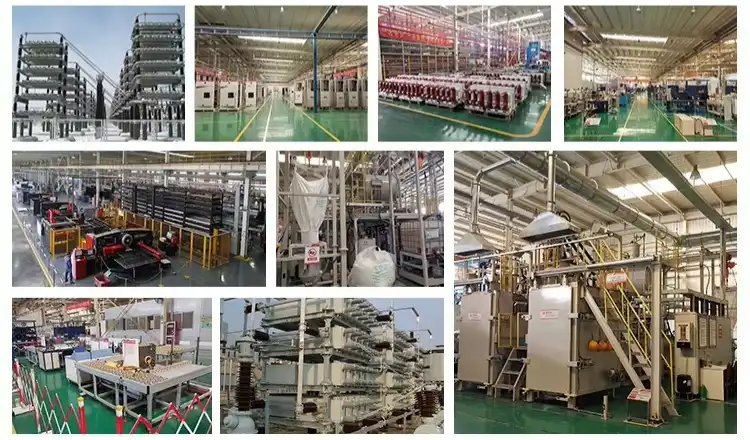
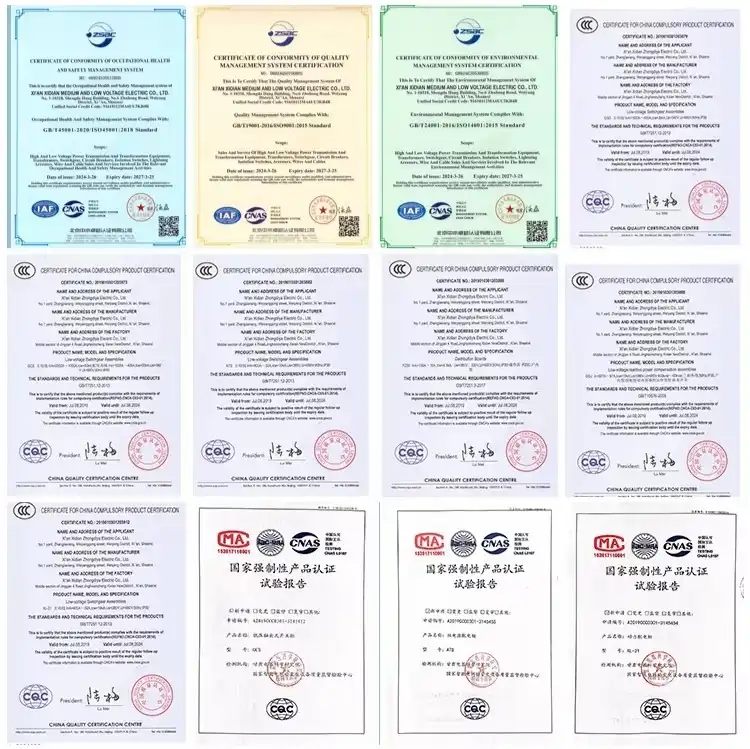
Buyers who package generators with switches need repeatable supply. Request a quotation that lists model, ratings, generator compatibility, delays, certifications, manuals, packaging, shipping terms, warranty, spare parts, and production timing. Compare suppliers on manufacturing capability, testing, export experience, custom support, and after-sales service. Xi'an Xikai produces medium- and low-voltage equipment across 7 product categories and 34 series, and our ISO 9001, ISO 14001, and ISO 45001 certifications cover quality, environmental, and safety management. Our team offers 24/7 technical assistance in 12 languages, which helps installers who have questions about wiring or settings.
Maintenance and Troubleshooting
Inspect terminals, cables, contacts, and enclosure cleanliness on a schedule that matches how critical the load is. Run a functional test regularly. NFPA 110 calls for routine exercising of emergency power systems, and many owners test monthly. If the generator will not start, check the start contact, control wiring, and generator controller first. If the switch fails to transfer, check source voltage, phase sequence, and delay settings, then inspect contacts and mechanical movement. Repeated transfers often point to unstable generator voltage or delays set too short. Call qualified service for burned contacts or a blocked manual handle.
Conclusion
A generator supplies power, but an automatic changeover switch decides when and how that power reaches your loads. The switch monitors voltage and phase, sends the generator start signal after a delay, transfers the load, and restores utility power once it stabilizes. Mechanical and electrical interlocks prevent simultaneous connection, which addresses back-feed risk and supports the transfer-equipment requirement in NEC Article 702. Correct wiring, torque, phase sequence, and realistic commissioning tests prevent most installation faults. Buyers should match pole count, voltage, current, inrush, transfer time, and certifications such as UL 1008 to the site rather than choose by amperage or price. Automatic units suit unattended or critical loads, while manual units fit small attended jobs. Regular testing and documented specifications keep the system dependable over time.
FAQ
1. What is an automatic changeover switch?
It senses a utility failure, signals the generator to start, and moves the load to the generator. When utility power is stable again, it returns the load and lets the generator cool down.
2. Do you need to isolate the neutral?
An isolator must break all live supply conductors, including the neutral where the design requires it. Four-pole switches switch the neutral and suit separately derived generator systems, while three-pole switches suit solid-neutral arrangements. Check local code.
3. What is the difference between a circuit breaker and an isolator switch?
A circuit breaker trips automatically on overload or short circuit. An isolator is a disconnecting switch that fully separates a circuit from the supply for safe maintenance. An ATS replaces neither one.
4. How often should I test the system?
Match the schedule to load criticality, local rules, and manufacturer guidance. NFPA 110 calls for routine exercising of emergency systems.
Request an Automatic Changeover Switch Quote from Xi'an Xikai
Looking for an automatic changeover switch manufacturer that supports generator packaging and bulk orders? Xi'an Xikai offers ATS units from 100A to 3200A, with UL 1008, IEC 60947-6-1, CE, and RoHS certifications and a 5-year warranty. Send your voltage, current, and generator details to serina@xaxd-electric.com, amber@xaxd-electric.com, or luna@xaxd-electric.com. For details, visit xaxd-electric.com.
References
1. National Fire Protection Association, National Electrical Code (NFPA 70), 2023
2. National Fire Protection Association, Standard for Emergency and Standby Power Systems (NFPA 110), 2022
3. International Electrotechnical Commission, IEC 60947-6-1: Low-voltage switchgear and controlgear – Multiple function equipment – Transfer switching equipment, 2021
4. Underwriters Laboratories, UL 1008: Standard for Transfer Switch Equipment, 2014
5. Institute of Electrical and Electronics Engineers, IEEE Std 446: Recommended Practice for Emergency and Standby Power Systems for Industrial and Commercial Applications, 1995
6. U.S. Energy Information Administration, Electric Power Annual, 2023
