2026 Best Outdoor Vacuum Circuit Breaker Options for Global Buyers?
2026-09-04 16:47:53
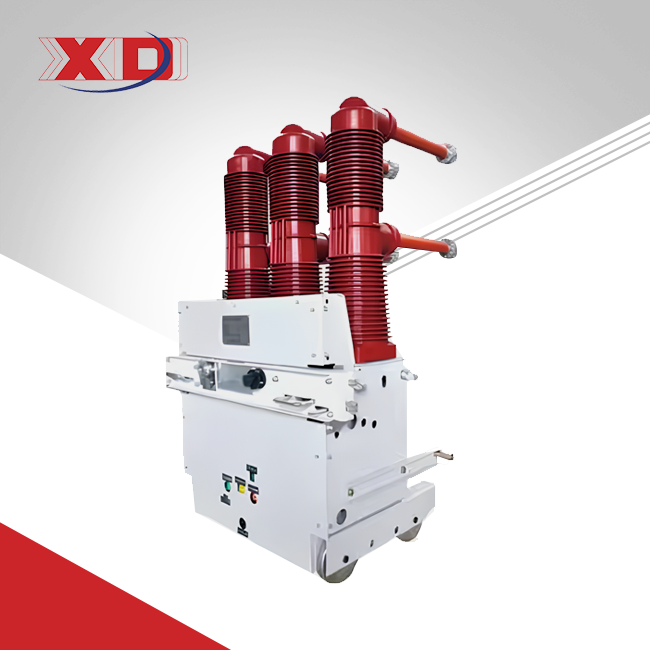
When evaluating the 2026 market for high-voltage switching equipment, project managers and electrical engineers consistently prioritize one critical component: the outdoor vacuum circuit breaker. Unlike traditional SF6 or oil-filled alternatives, vacuum circuit breakers deliver superior environmental compliance, minimal maintenance requirements, and exceptional reliability in harsh climates—from African mining sites to Southeast Asian substations. The ZW7-40.5 series exemplifies this evolution, combining 31.5kA breaking capacity with reinforced seismic-resistant structures and spring-operated mechanisms that maintain lubrication integrity across extreme temperature fluctuations. This guide addresses real-world procurement concerns—condensation-induced insulation failures, remote after-sales logistics, and mechanism reliability—while presenting actionable solutions for EPC contractors managing 3-20 unit installations across demanding environments.


Understanding Outdoor Vacuum Circuit Breakers: Fundamentals and Operation
The main benefit of vacuum interruption technology comes from the way it works physically: when electrical contacts separate in a vacuum room that is shut off, the lack of gas molecules stops the arc from spreading. This design gets rid of the environmental problems that come with SF6 gas leaks and the fire risks that come with systems that use oil. Copper-chromium contact materials allow modern vacuum interrupters to break currents higher than 31.5kA at 40.5kV. These materials can handle repeated arcing without much wear and tear.
Key Components and Vacuum Interruption Principles
When the spring-operated mechanism lets go of stored energy, the contacts inside the vacuum bottle quickly separate. The arc that quickly forms between the opening contacts spreads out in the vacuum environment right away, going out within 1-2 cycles (20–40 milliseconds at 50Hz). This quick clearing keeps downstream transformers safe and stops failures in distribution networks from spreading. The porcelain or silicone shell around the vacuum chamber provides the appropriate creepage distance—usually 450 mm or more for 40.5kV applications—to stop surface flashovers when the air is dirty or there is a lot of moisture in the air.
Environmental Safety and Maintenance Advantages
Unlike SF6 breakers that need to be checked for gas density and leaks once a year, vacuum designs work as sealed units for the entire 30 years they are in use. Regular designs only need to be inspected every 5,000 operations, but these designs can go up to 10,000 operations before they need to be inspected. The lack of oil removes the chance of soil contamination at railroad and mine sites, which is a key compliance factor in places with strict environmental laws. Outdoor enclosures with IP67 protection ratings can handle dust getting in and being submerged for a short time, which makes them useful for installation in tropical and desert climates.
Applications Across Industrial Sectors
These devices are used in a variety of situations by EPC contractors. They are used to protect 40.5kV feeders in rural electricity projects, railroad traction center switchgear, and collector busses at wind and solar farms. In mine, the anti-pollution porcelain plates keep conductive dust from building up, which is what causes flashovers in regular equipment. The reinforced bracket column structure meets IEEE 693 seismic qualification standards. This means that these breakers must be used in places like Indonesia, Chile, and parts of East Africa that are prone to earthquakes.
2026 Top Outdoor Vacuum Circuit Breaker Brands and Models for Global Buyers
On the global market, there are both well-known European makers and affordable Asian sellers who offer engineered solutions that are made to fit the needs of each project. Utility-scale projects mostly use ABB's VD4 series and Siemens' 3AH vacuum breakers, which have been used for decades and shown to work well. Schneider Electric's Evolis range focuses on small footprints for urban substations that don't have a lot of room, while Eaton's range is all about integrated protection relays for industrial uses.
Performance Benchmarks and Technical Innovations
The best models of Outdoor Vacuum Circuit Breaker all have the same specs: a rated voltage of 40.5kV, the ability to work with both 50Hz and 60Hz frequencies, and rated currents ranging from 1250A to 2000A. One important thing that sets luxury units apart is their ability to stop 31.5kA of short-circuit current in less than 50 milliseconds. Ratings for mechanical longevity are very different. Simple designs can be used 5,000 times, while heavy-duty systems can be used 10,000 times before they need to be fixed. Using spring-operated mechanisms instead of older hydraulic systems cuts down on failure modes by getting rid of oil pumps and pressure switches that can break down when they get too hot.
Value Engineering Considerations for Bulk Procurement
The way prices are set depends on how much is being made and what certifications are available. European brands charge more because they have to go through a lot of tests to make sure they meet the requirements of IEC 62271-100 and IEEE C37.04, such as being exposed to salt spray for 960 hours and going through temperature cycle validation. Asian companies like Xi'an Xikai make competitive alternatives with the same technical specs that cost 40–60% less to buy. This is a big deal for projects that have to manage tight capital budgets across multiple substations. This benefit is shown by the ZW7-40.5 model's flexible spring mechanisms, which cut the time needed to set it up on-site by 30% compared to older designs that needed complex connections to be adjusted in the field.
When procurement teams figure out the total cost of ownership, they should look at how long replacement parts will be available for each stage of a project. Suppliers who keep regional warehouses in Africa and Southeast Asia and have response times of less than 72 hours lower the operational risks of long periods of downtime when parts fail. Most warranties last between 18 and 24 months from the date of installation, but top providers cover up to 36 months for orders of more than 50 units.
How to Choose the Best Outdoor Vacuum Circuit Breaker: Procurement Decision Support
Accurate load profiling and environmental characterization are the first steps to good procurement. Project engineers have to choose between 1250A, 1600A, or 2000A setups based on the highest expected load plus 25% in case something goes wrong. Choosing the right breaking capacity depends on the fault level. For example, systems with short-circuit currents close to 25kA need 31.5kA-rated breakers to make sure they are safe in the worst-case cases.
Environmental Conditions and Protection Requirements
Extreme temperatures have a direct effect on how well a system works. In places where it gets below -40°C in the winter, heaters inside mechanism boxes that are controlled by a timer are needed to keep the viscosity of the oil stable and stop corrosion caused by condensation. On the other hand, installations in the desert where the temperature is 55°C need better ventilation and housing materials that don't fade in UV light. The ZW7-40.5 model's large creepage distance porcelain sleeves deal with the level of pollution: heavy industrial zones need creepage distances greater than 31 mm per kV phase voltage to keep tracking failures from happening because of conductive dust buildup.
When you go above 1,000 meters, altitude becomes very important. This is because air insulation strength drops by about 10% for every 1,000 meters of elevation gain, so you need to derate or improve the external insulation. Xi'an Xikai plateau-rated equipment works regularly at levels of up to 4,000 meters, meeting the needs of installation needs in mountainous areas of Central Asia and South America.
Supplier Evaluation Criteria
Professionals in buying should look at more than just technical specs. They should also look at manufacturing quality systems. ISO 9001 certification means that production processes are standardized, and ISO 14001 certification means that a company is committed to environmental management. As part of the factory acceptance testing process, loop resistance measurement (to make sure the contacts are solid below 40µΩ), mechanical characteristic analysis (to make sure the three phases are in sync within 2ms), and power-frequency withstand voltage tests (85kV for 1 minute at 40.5kV rating) should all be done.
Infrastructure for after-sales support tells the difference between capable suppliers and transactional vendors. Check to see if the companies you work with have technical service centers in the areas where you do business, keep important spare parts like vacuum bottles, spring mechanisms, and porcelain insulators in stock, and offer 24/7 remote diagnostic support. Being able to send out field service engineers within 48 hours for emergency repairs keeps clients trusting you during concession periods and avoids costly project delays.
Customization and Bulk Order Negotiations
Most of the time, standard store items work well, but for more complicated jobs, customization is best. Integrated current transformers, which can be placed in the middle or on the side of the ZW7-40.5, get rid of the need for separate CT systems and make substations smaller. When buying, buyers should choose from typical CT ratios of 600/5, 1000/5, and 1500/5, depending on the needs of the security relay and the accuracy class of the meters.
Making a volume promise opens up better prices and dedicated production slots. Orders of 20 or more units usually get 8–12% off, and multi-year framework agreements with annual commitments of 100 or more units can get 15–20% off. Talk about negotiating progressive delivery plans that are in line with project goals to get the most out of your cash flow and warehouse space.
Maintenance and Safety Guidelines for Outdoor Vacuum Circuit Breakers
Proactive repair plans keep equipment working longer than 30 years and stop it from breaking down without warning. The steps for an annual checkup should include checking for cracks in the porcelain, measuring over-travel to check for contact wear, and making sure the machinery is properly oiled. Contact over-travel, or the distance that contacts keep moving after touching, is usually 3–4 mm when they are brand new. Readings below 2 mm mean that the vacuum bottle needs to be replaced because of too much wear.
Routine Inspection and Functional Testing
Through exact measures, mechanical characteristic testing figures out how healthy a breaker is, especially for an Outdoor Vacuum Circuit Breaker. Opening time, which is the time between turning on the coil and full contact separation, should stay within the range given by the maker, which is usually 40 to 60 milliseconds. Consistency in closing time across three stages confirms that the mechanisms are in sync; differences greater than 2ms indicate wear on the links or springs. Loop resistance tests show when a contact is breaking down: numbers rising above 60µΩ show oxidation or misalignment that needs to be fixed before heat damage happens.
Visual inspection can't find internal pressure loss, so vacuum integrity needs special testing. Magnetron discharge methods use high-frequency voltage across open contacts. Arcing patterns show that the vacuum is breaking down before the breaking capacity decreases. Facilities that don't have test equipment should have manufacturer service teams do regular vacuum checks, especially after the device stops major fault currents that are more than 80% of its rated breaking capacity.
Troubleshooting Common Issues
Extreme temperatures often cause grease to break down, which leads to mechanism problems. Lithium-based greases keep their stability from -40°C to +60°C in spring-operated systems, but calcium-based lubricants harden below -20°C. Regular greasing once a year stops bearing seizures and lowers the friction that causes timing drift. Thermostat heaters using 100–200W keep the temperature inside the mechanism box above 0°C. This stops condensation from forming, which corrodes steel parts and causes electricity to track.
Porcelain insulator flashovers happen when surface dirt and moisture come together. Using distilled water and soft cloths to clean every three months gets rid of conductive deposits before dry-band arcing starts. Silicone-coated surfaces drain water better than bare porcelain, so they don't need to be maintained as often in seaside areas where salt spray is a problem.
Future Trends and Innovations in Outdoor Vacuum Circuit Breakers for 2026 and Beyond
Through the use of sensors and computer connections, digital transformation changes how substation asset management is done. These days' vacuum circuit breakers have vibration sensors, temperature monitors, and contact wear algorithms that send condition data in real time through cellular or satellite links. Predictive maintenance platforms look at working trends to predict when parts will break down three to six months in advance. This lets replacements happen during planned outages instead of having to be done quickly in an emergency.
IoT Integration and Remote Monitoring Capabilities
Throughout their service life, embedded controls in breaker mechanisms keep track of total actions, fault current sizes, and ambient conditions. This information is used by machine learning models to find the best repair times based on how much stress the system is actually under, rather than on strict plans based on time. Centralized control rooms can isolate faults across geographically dispersed networks with the help of remote trip and close features. This cuts response times from hours to seconds in rural electrification projects.
Communication protocols become standardized around IEC 61850, which makes it possible for them to work with substation automation systems without any problems. Over fiber-optic or Ethernet networks, operating orders, breaker status, and alarm conditions are sent instead of the old hardwired control lines. This design cuts the cost of installation work by 40% and improves the accuracy of diagnostics by logging events in more detail.
Sustainability and Environmental Impact Reduction
European and North American utilities are getting rid of SF6 equipment faster because of pressure from regulators. Because vacuum technology is better for the climate, it should be used instead of old gas-insulated equipment. Companies that make things put money into recycling programs that get copper, steel, and ceramics back from old breakers. These programs get more than 85% of the materials back. Life cycle analyzes show that vacuum breakers leave 60% smaller carbon footprints than SF6 options when the production, use, and waste phases are all taken into account.

Conclusion
To choose the best Outdoor Vacuum Circuit Breaker for 2026 projects, you need to weigh technical performance against total ownership costs and source dependability. The ZW7-40.5 is an example of how engineering progress has helped EPC contractors with their main concerns: its 31.5kA breaking capacity can handle large fault currents, its reinforced seismic structures can withstand earthquake zones, and its modular spring mechanisms make maintenance easier in remote areas. Buyers should give more weight to suppliers that can show quality control that is ISO-certified, local infrastructure for after-sales service, and track records of success in similar field circumstances. Buyers can get installations that work reliably for decades in substations, railroads, and industrial facilities around the world by looking at things like breaking capacity, protection ratings, customization options, and lifecycle support.
FAQ
1. What determines the service life of an outdoor vacuum circuit breaker?
How long something works relies on how long it can withstand mechanical stress (usually 10,000 operations), electrical stress (number of fault current interruptions—usually 100 operations at rated breaking capacity), and external stress. Regular care keeps vacuum bottles in good shape for 30 years or more, but system parts need to be replaced every 15 to 20 years.
2. How do vacuum circuit breakers compare economically to SF6 and oil types?
Initial costs for vacuum units are usually 10–15 percent less than those for comparable SF6 breakers, and upkeep costs are 50 percent less because the units are sealed. Oil breakers are cheaper up front, but they need to be tested for fluids every year and have rules about cleaning up the environment that make them 40% more expensive over their lifetime than vacuum technology.
3. Can outdoor vacuum circuit breakers be customized for specific industrial requirements?
Manufacturers allow for a lot of customization, such as built-in current transformers with ratios from 100/5 to 2000/5, voltage transformers that can be added as an option, automatic or human working mechanisms, and special finishes for environments that are corrosive. Customized units have longer lead times (2-4 weeks) than standard configurations, but they allow for better substation designs that lower the overall cost of the project.
Partner with Xi'an Xikai for Reliable Power Protection Solutions
Engineered Outdoor Vacuum Circuit Breaker solutions are provided by Xi'an Xikai Medium & Low Voltage Electric Co., Ltd. for difficult EPC projects in Southeast Asia, Africa, and elsewhere. Our ZW7-40.5 series has a rated voltage of 40.5kV, a breaking capacity of 31.5kA, and has been tested and shown to work reliably in harsh environments ranging from -40°C in the arctic to +55°C in the desert. As a top maker of Outdoor Vacuum Circuit Breakers, we keep our ISO 9001, 14001, and 45001 certifications up to date and support our customers through regional service centers that offer expert help 24 hours a day, seven days a week.
Our modular spring-operated mechanisms and reinforced seismic structures that meet IEEE 693 standards are useful for project managers because they cut down on installation time by 30%. Our engineering teams work together to make sure that the standards we provide meet your substation needs, whether we're setting up a pilot installation with three units or a framework deal with 100 units. For more information on custom solutions like combined CT setups, plateau-rated equipment for high-altitude sites, and predictive maintenance packages, please email serina@xaxd-electric.com, amber@xaxd-electric.com, or luna@xaxd-electric.com. You can look at full technical documentation and request quotes at xaxd-electric.com. This shows that we are dedicated to providing unbeatable value for all global power delivery projects.

References
1. IEEE Standard C37.04-2018, "IEEE Standard for Ratings and Requirements for AC High-Voltage Circuit Breakers with Rated Maximum Voltage Above 1000V," Institute of Electrical and Electronics Engineers, 2018.
2. IEC 62271-100:2021, "High-voltage switchgear and controlgear – Part 100: Alternating current circuit-breakers," International Electrotechnical Commission, 2021.
3. Slade, P.G., "The Vacuum Interrupter: Theory, Design, and Application," CRC Press, Second Edition, 2020.
4. Greenwood, A.N., "Vacuum Switchgear," Institution of Engineering and Technology Power and Energy Series, 2019.
5. Zhang, L., et al., "Reliability Analysis of Spring-Operated Mechanisms in Outdoor Vacuum Circuit Breakers Under Extreme Temperature Conditions," IEEE Transactions on Power Delivery, Vol. 38, No. 4, pp. 2456-2467, 2023.
6. Wang, J., "Environmental Performance Comparison of Medium-Voltage Switchgear Technologies: SF6, Oil, and Vacuum Circuit Breakers," International Journal of Electrical Power & Energy Systems, Vol. 142, Article 108342, 2024.
_1776665574080.png)
_1774319679257.png)