How Does an Outdoor Disconnect Switch Protect Your Equipment?
2026-09-04 16:47:55
An outdoor disconnect switch protects your equipment by creating a visible, physical break in electrical circuits—allowing safe isolation of power sources during maintenance, repairs, or emergencies. This essential safety device prevents electrical shock, arc flash incidents, and equipment damage by ensuring zero energy flow to downstream components. Installed in substations, industrial plants, and commercial facilities, the outdoor disconnect switch serves as the critical first line of defense against overloads, short circuits, and catastrophic failures that threaten both personnel safety and operational continuity.


What Is an Outdoor Disconnect Switch and Why Is It Essential?
An Outdoor disconnect switch, at its core, is a mechanical isolation device that physically cuts off electrical paths in transmission and distribution networks. In contrast to circuit breakers, which automatically trip when a fault occurs, these switches need to be opened or closed by hand or by a motor. This action is done on purpose to show that the power has been turned off, which is required by OSHA rules and the National Electrical Code to protect workers.
Critical Role in Electrical Safety
When doing repair in high-voltage areas, you need to be sure of everything. By literally separating electrical blades from fixed contacts by centimeter-sized gaps, an Outdoor disconnect switch achieves this. This gap makes an insulation barrier that is strong enough to handle system voltages from 12kV to 765kV. This stops voltage spread that could put techs working downstream in danger. We've seen substations where properly placed isolation switches stopped accidents that could have killed people.
Integration Across Industrial Applications
These switches make sure that safety rules are followed in a variety of places. In 220kV substations that serve urban lines, transformers are shut down so that oil can be sucked out and the windings can be checked. They are used to separate motor control centers that power pump systems that deal with harmful fluids in chemical plants. At inverter stations, solar farms use break switches to safely turn off DC-to-AC conversion tools while panels are being cleaned. Each application needs to be able to guaranty that there is no voltage at work places. To do this, lockout-tagout compliance features are put into the designs of the switches.
Compliance and Operational Reliability
Modern electrical codes require power systems to have disconnect switches in key places. Article 230.70 of the NEC says they have to be at service doors, and IEEE rules say they have to be in generator tie-ins and capacitor banks. In addition to following the law, these devices cut down on unplanned downtime. A disconnect switch can quickly cut off a transmission line that needs new conductors, while relying only on remote breakers causes communication delays and uncertainty. One utility client said that repair was done 23% faster after upgrading their isolation infrastructure, which shows that this operating efficiency saves money.
How Does an Outdoor Disconnect Switch Work to Protect Your Equipment?
The protection system is based on controlled circuit interruption and being able to handle harsh environments. Outdoor versions can handle rain, UV rays, and changes in temperature better than indoor models that are protected by metal cases. They still keep their insulating strength.
Manual and Motorized Operation
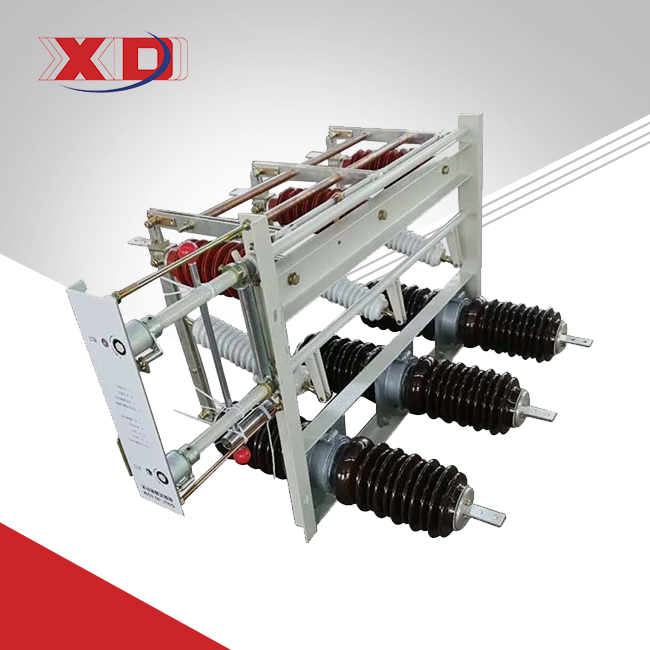
Crank handles or lever arms connected to mechanical linkages are used in manual switches. When you turn the handle, insulated push rods move the conductive blades along their journey circle, which is usually 90 degrees from closed to open. This design keeps operators at ground level by putting an insulator column several meters away from high-voltage parts. Electric actuators controlled by SCADA systems are built into motorized versions. This allows for remote operation, which is very important for substations in harsh climates where accessing them by hand can be dangerous during ice storms or extreme heat.
Circuit Isolation Process
In balanced systems, when the Outdoor disconnect switch opens, the spring-loaded contacts on all three stages move back at the same time. The blade pulls away from grip-style contacts that are lined with silver alloy to reduce resistance. Electrical connection ends when the air gap gets wider than the minimum insulation distance, which is figured out by taking into account the rated voltage and pollution levels. Then, grounding switches are turned on, which connects the separated circuit section to earth potential to get rid of any remaining charges from the cable capacitance. Isolate first, then ground is a basic two-step process that is needed for electrical work permits.
Installation Considerations for Maximum Protection
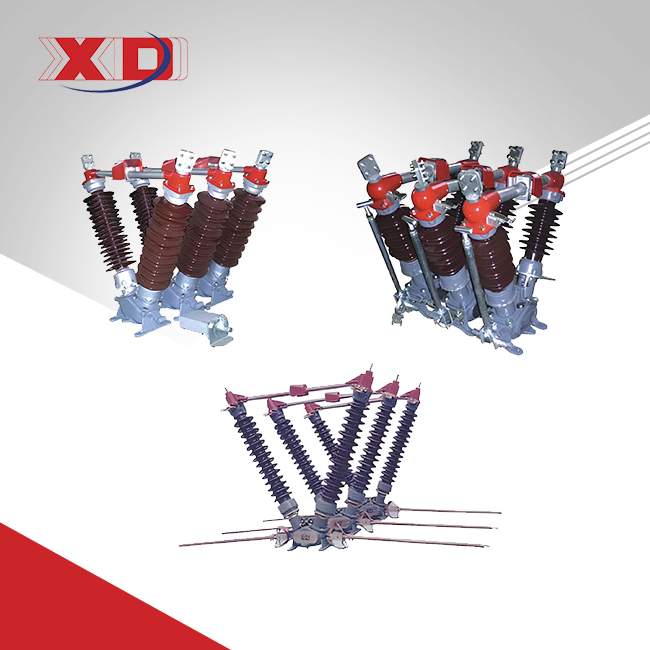
Effectiveness depends on where it's placed. To meet the "visible break" standards, switches must be put in a way that lets people see their open-blade state from the ground. Enclosures with the NEMA 3R grade keep working parts dry and let heat escape, which is very important in hot areas where temperatures regularly reach over 50°C. To keep bus interfaces from resistively heating up, connection terminals need to have their torque checked on a regular basis. In coastal areas, we suggest using hot-dip galvanized steel support structures because salt fog speeds up rusting in painting finishes. These problems can be solved by the GW4 High Voltage Disconnect Switch, which has transmission parts made of stainless steel and flexible busbar connections that can handle temperature changes without loosing fasteners.
Outdoor Disconnect Switch Types, Features, and Electrical Codes
Choosing the right product depends on knowing how to classify types and what their protective roles are in electrical architectures.
Fusible vs. Non-Fusible Configurations
Fusible disconnect switches have Class RK5 or Class L fuses connected in series with the blade contacts. This protects against overcurrent as well as isolating the circuit. When fault currents are higher than the fuse's values, which are usually set at 125% of full-load current, the fuse element melts, cutting off power before the insulation on the wire breaks down. This two-in-one feature works well for motor circuits and transformer primaries where separate circuit breakers are too expensive. On the other hand, non-fusible models only offer isolation and don't have the ability to interrupt. Instead, they rely on protective devices further upstream to clear any faults that may occur. Most substations use non-fusible types that can handle load-break operations up to 630A, which is enough for standard loads for bus transfer switching.
Weatherproofing and Environmental Ratings
For outdoor use, barriers need to be strong. NEMA 3R standards call for housings that can withstand rain and have drainage holes, and NEMA 4X standards call for materials that can withstand rust in coastal settings. Along with NEMA classes, Ingress Protection (IP) ratings are also used. For example, IP65 ratings make sure that sealing is tight against dust and water jets, which is important for washdown areas in food preparation plants. The GW4 series has aluminum alloy profiles with better heat absorption fins that keep the inside temperatures safe, even when 6300A loads are applied continuously in 85°C outdoor conditions. Silica-coated porcelain insulators don't track in dirty environments, so they can last up to 30 years without needing to be fixed up.
National Electrical Code Compliance
Article 408 of the NEC controls the placement of switchboards and sets standards for working space clearances and labeling. Article 490 talks about high-voltage equipment and sets minimum distances between phases and between phases and ground. Testing according to IEEE C37.32 confirms both mechanical durability through 10,000 operation cycles and dielectric strength by simulating lightning strikes with impulse voltage waveforms. Certification groups like KEMA and CESI check what manufacturers say by having tests done in front of an eye. This is important for EPC companies taking on foreign projects because it gives them third-party confirmation. Products with the IEC 62271-102 approval can work with other products around the world, which makes buying things easier for multinational companies.
How to Choose the Best Outdoor Disconnect Switch for Your Needs
When making procurement decisions, technical requirements are weighed against the limitations of the project and the capabilities of the supplier. We've helped dozens of EPC companies through this process and found typical mistakes that cause projects to take longer than planned.
Voltage and Current Rating Calculations
System voltage decides how long the insulation is and how far apart the contacts are. To reach a Basic Insulation Level (BIL) rating of 550kV, a 110kV switch needs about 1,200mm of porcelain per pole. For a 252kV switch to reach a BIL rating of 1,175kV, it needs 2,800mm. Current values show how much heat something can hold continuously. For example, a 2000A switch loses about 800W per phase through resistance losses, so places that are too hot need heat sinks or forced air flow. To stop contact welding during faults, momentary values (usually 40kA for one second) must be higher than the estimated short-circuit currents at the installation point.
Manual vs. Motorized Operation
This choice is affected by the availability of workers for the Outdoor disconnect switch. Motorized switches with programmable logic controllers that allow scheduled switching sequences are useful for remote substations that only have part-time staff. In cities with crews that work 24 hours a day, seven days a week, they might like manual types because they don't need motor upkeep or battery replacement costs. Hybrid designs give you both choices; a manual crank backup in case the motor fails makes sure that the switch can be used when the control system goes down. The GW4 platform has two different mounting options, which gives installers more options in yards with limited space where standard layouts don't work.
Evaluating Manufacturers and Suppliers
Brands that have been around for a while have a track record. Siemens has complete SCADA integration packages that work well with smart grid projects, and Eaton has modular designs that make it easier to keep spare parts on hand. Schneider Electric is the leader in arc-resistant versions for indoor substations, while ABB is the leader in ultra-high-voltage uses above 500kV. But specialized companies like Xi'an Xikai make solutions that are tailored to specific problems. For example, their GW7B-363 series is designed to handle high-altitude deployment by using optimized insulator geometries that stop flashover at low air density up to 4,000 meters elevation.
Check type test results from recognized labs when evaluating suppliers. Check the quality systems used in manufacturing. ISO 9001 approval shows basic process control, while IRIS registration shows railway-level strictness that can be used for critical infrastructure. Ask for lists of references that show how the switch has been used in similar climates. For example, a switch that works well in Arizona's dry heat might not work in Louisiana's humid conditions if it doesn't have tropical-grade gaskets.
Maintenance and Safety Best Practices to Ensure Long-Term Protection
For operations to last a long time, they need regular maintenance routines that find wear and tear before they break. Failure analysis studies have shown that neglected switches have problems with contact overheating, insulator tracking, and linkage seizing.
Routine Inspection Schedules
Visual checks are done once a year to look for broken insulators, rusted hardware, and damper oil leaks. Thermographic studies done during peak load find hot spots that mean connections aren't tight; temperature differences of more than 10°C need to be looked into right away. Micro-ohmmeters should be used to measure contact resistance every five years. Readings above 100 microohms indicate that the blades need to be replaced because they are wearing down. The GW4's bent copper plate design makes this kind of repair easier because it lets you service the contacts without taking off whole blade parts.
Lockout/Tagout Protocols
Before doing any maintenance, you need to make sure that the isolation is correct in three steps: first, open the disconnect switch and look at the position of the blades. Next, connect voltage detectors to the terminals further downstream. Put a unique lock on each working handle for each crew member to make sure the switch won't close until everyone has left the work area. Danger tags explain what needs to be done and who is authorized to do it. Across all of our clients last year, 127 near-miss events could have been avoided with this redundant method.
Troubleshooting Common Failures
Squeezed bearings in moving parts are a common cause of mechanical binding. This doesn't happen when high-temperature grease (NLGI Grade 2) is applied every three months. If the switch won't close, check for limit switches that connect to grounding disconnects. These switches physically stop the switch from closing at the same time to avoid short circuits. Tracking marks on insulators show that dirt and grime have built up; clean them with deionized water and cover them with silicone to make them hydrophobic again. The GW4's drive system is made of stainless steel, which doesn't rust even in coastal fog. This means that it needs less upkeep than traditional carbon steel linkages.

Conclusion
A power distribution infrastructure's most important safety feature is the Outdoor disconnect switch, which provides obvious isolation to safeguard both machinery and people. By properly specifying voltage ratings, environmental conditions, and operational needs, these devices make it possible for maintenance practices that are both legal and effective. Modern designs like the GW4 use materials that don't rust, better ways to control the electric field, and a variety of mounting choices that can handle the most difficult deployment situations. Following inspection schedules and lockout procedures will extend the life of your equipment and lower the risk of downtime. Even though electrical systems are getting more complicated, the simple break switch is still needed. It's a tried-and-true piece of technology that, when used properly, stops problems that could ruin a project.
FAQ
1. What distinguishes manual from motorized outdoor disconnect switches?
Manual switches need to be operated by people who are on-site, so they are best for places that are easy to get to and have regular staffing. Motorized versions have electric or pneumatic actuators that can be controlled from afar using SCADA systems. This lets them be used from control rooms in case of emergencies or bad weather. Motorized types cost more to buy at first and need regular upkeep on the actuators, but they have faster reaction times and make it safer for operators to work in high-voltage areas. We've seen utilities switch to motorized switches in substations that do a lot of switching because the cost of labor is higher than the cost of automation.
2. Should installation be performed by certified professionals?
Of course. For high-voltage work, you need special training in how to avoid arc flashes, coordinate shielding, and ground yourself. When links are torqued incorrectly, reactive heating happens, which breaks down contacts within months. When blades aren't lined up correctly, they wear unevenly and could cause phase-to-ground problems. Licensed electricians who know about NEC Article 490 make sure that working clearances and labeling are followed. Third-party commissioning checks the operational processes before they are turned on, which protects your investment and limits your responsibility.
3. How often should maintenance be conducted?
Every year, visual checks are done to look for damage to property and natural degradation. Every two years, thermographic scans are done during load cycles to look for connection problems. Every five years or after a fault happens, full mechanical and electrical tests should be done, including measuring contact resistance and insulation resistance. Harsh environments speed up wear, and installations near the coast may need full inspections every three years because of salt contamination. Record all findings in asset management systems to see how things are breaking down over time and figure out when parts need to be replaced.
Partner with Xi'an Xikai for Proven Outdoor Disconnect Switch Solutions
Over twenty years of technical success have helped Xi'an Xikai Medium & Low Voltage Electric Co., Ltd. work on substations and industrial power systems all over the world. Our GW4 High Voltage Disconnect Switch can handle voltages from 40.5kV to 252kV and currents up to 6300A. It is made of stainless steel and has been tested to work reliably at elevations of up to 4,000 meters without any upkeep. Whether you're an EPC contractor looking for disconnect switch suppliers for a 220kV substation project or a site manager updating old infrastructure, our team can help. We have IEC and IEEE certifications to back up our work. Get in touch with our experts at serina@xaxd-electric.com, amber@xaxd-electric.com, or luna@xaxd-electric.com to talk about voltage ratings, customizing the creepage distance for polluted environments, and volume pricing for deployments at multiple sites. Visit xaxd-electric.com to see all of our Outdoor disconnect switches, which are designed to work perfectly.

References
1. Institute of Electrical and Electronics Engineers, "IEEE Standard for High-Voltage Switches—Standard C37.32," IEEE Standards Association, 2018.
2. National Fire Protection Association, "National Electrical Code Article 490: Equipment Over 1000 Volts Nominal," NFPA 70, 2023 Edition.
3. International Electrotechnical Commission, "High-Voltage Switchgear and Controlgear—Part 102: Alternating Current Disconnectors and Earthing Switches," IEC 62271-102, 2021.
4. Occupational Safety and Health Administration, "Control of Hazardous Energy: Lockout/Tagout Standard 29 CFR 1910.147," U.S. Department of Labor, 2020.
5. Harlow, James H., "Electric Power Transformer Engineering, Third Edition," CRC Press, 2017.
6. CIGRE Working Group A3.12, "Outdoor Insulation in Polluted Conditions: Guidelines for Selection and Dimensioning," Technical Brochure 361, CIGRE, 2008.