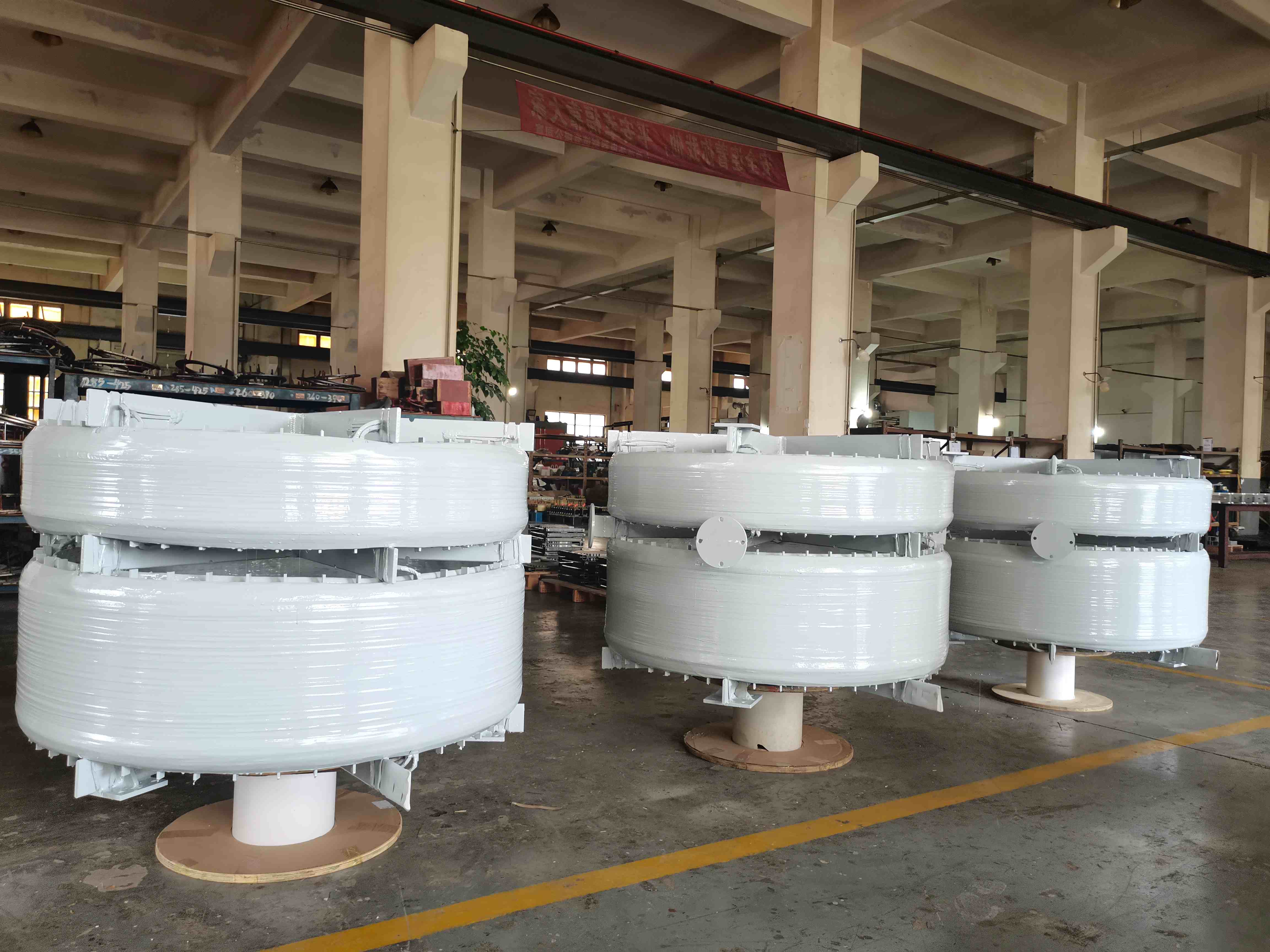
2026 Guide: How to Choose the Right Oil Immersed Transformer for Your Needs
2026-08-04 10:57:38
The voltage needs, load capacity, efficiency scores, and weather factors unique to your building must all be considered when choosing an Oil-immersed Transformer. Understanding key selection factors, such as insulation type, cooling mechanisms, and total cost of ownership, is important whether you run a manufacturing plant, a data center, or a utility grid. This will help you make sure that your systems work well, have less downtime, and make money in the long run. For industrial owners, utility companies, and EPC professionals looking for reliable power distribution options in 2026, this complete guide walks you through technical factors to think about, comparative insights, and buying strategies.


Understanding Oil-Immersed Transformers: Basics and Benefits
Transformers are very important for power distribution systems because they efficiently change the voltage while keeping it stable. In order to protect its internal windings from heat stress and electrical arcing, an Oil-immersed Transformer uses shielding oil as both a cooling medium and an insulation layer. The oil moves around naturally or through forced cooling, getting rid of the heat that is made during operation and making the equipment last much longer than many other technologies.
How Insulating Oil Enhances Performance?
Mineral oil has been used as an insulation material for a long time because it is good at conducting electricity and heat. Synthetic esters and natural ester fluids are two modern versions that are similar, but they have different benefits. Synthetic choices are better at resisting fire and being compatible with the environment, while natural esters made from veggie oils are biodegradable and have less of an effect on the environment. Your choice affects how often you need to do maintenance, how well you follow the rules, and how safe it is to operate, especially in sensitive places like hospitals or urban substations.
Core Design and Efficiency Advantages
Grain-oriented silicon steel cores cut down on hysteresis losses, and optimised winding arrangements cut down on eddy currents. These design changes lead to up to 30% less no-load loss, which is in line with strict energy standards. Models with high efficiency get scores above 99%, which directly lowers running costs and helps reach sustainability goals. The sealed tank design stops water from getting in and oil from going bad, so the dielectric strength stays high even after decades of use.
Reliability in Demanding Environments
Transformers are used in industrial settings where voltage changes, harmonic errors, and temperature differences are common. When compared to air-cooled options, oil cooling is better at handling faults like short-circuit currents and overload conditions without catastrophic failure. This stability is very important for places like data centers that need power all the time or factories that lose power for hours at a time and have to pay thousands of dollars each hour. Enclosures with an IP55 rating can handle dust, humidity, and corrosive atmospheres. This means that these units can be used in marine sites, mines, and industrial complexes.
Essential Criteria to Consider When Choosing an Oil-Immersed Transformer
When making a procurement decision, technical specifications, financial concerns, and the supplier's abilities must all be carefully considered. Mismatches between equipment needs and application standards can be expensive. A structured method stops these problems for the selection of an Oil-immersed Transformer.
Load Capacity and Voltage Ratings
Different levels of the distribution network use transformers that can handle 10kV, 35kV, or 110kV input voltages. In manufacturing plants, 10kV to 35kV units with 500kVA to 2500kVA capacities are common. In utility substations, 110kV models with capacities above 10MVA are used. When you figure out your high demand, add 20 to 30 percent to account for future growth and short-term loads. When renewable energy sources like solar inverters or wind turbines only work sometimes, the load changes. This means that transformers need to be able to handle 125% of their maximum power without getting too hot.
Energy Efficiency and Loss Metrics
When you figure out the total cost of ownership, you have to include both no-load losses (which happen no matter what the demand is) and load losses (which change based on the amount of current drawn). Even though it costs more up front, a transformer that works 8,760 hours a year and has a 0.2% no-load loss model uses a lot more energy over 25 years than one with a 0.1% loss model. The S13 and S18 series show advanced loss reduction through amorphous metal cores and optimised magnetic circuits, giving high-use facilities measurable ROI improvements.
Thermal Management Capabilities
Thermal control devices have to work in temperatures ranging from -40°C to 55°C. The ONAN (Oil Natural Air Natural) cooling system uses passive airflow through vents or corrugated tanks, which works well for light loads. ONAF (Oil Natural Air Forced) systems have fans that help heat escape, which lets them handle more power. Monitoring temperature with fibre optic sensors or winding resistance thermometers allows for planned repair, finding hot spots in insulation before they break down.
Here are the core technical evaluation points procurement teams should prioritize:
- Impedance Voltage: Standard impedance of 4-6% limits short-circuit currents, which protects switchgear upstream. Custom numbers are used to meet unique coordination needs.
- Tap Changer Configuration: Off-load tap changers change voltage ratios when the power is turned off, while on-load versions allow real-time regulation, which is very important for utility uses that see daily changes in demand.
- Insulation Class: Class A insulation systems can work continuously at 105°C, while Class F ratings can handle 155°C, which gives them more thermal comfort in harsh climates.
- Seismic Resistance: The Zone 4 earthquake standards make sure that the structure is strong by using flexible bushing connections and reinforced mounting frames.
These factors have a direct effect on repair schedules and measures for reliability, which in turn affects long-term running costs.
Supplier Reputation and Support Infrastructure
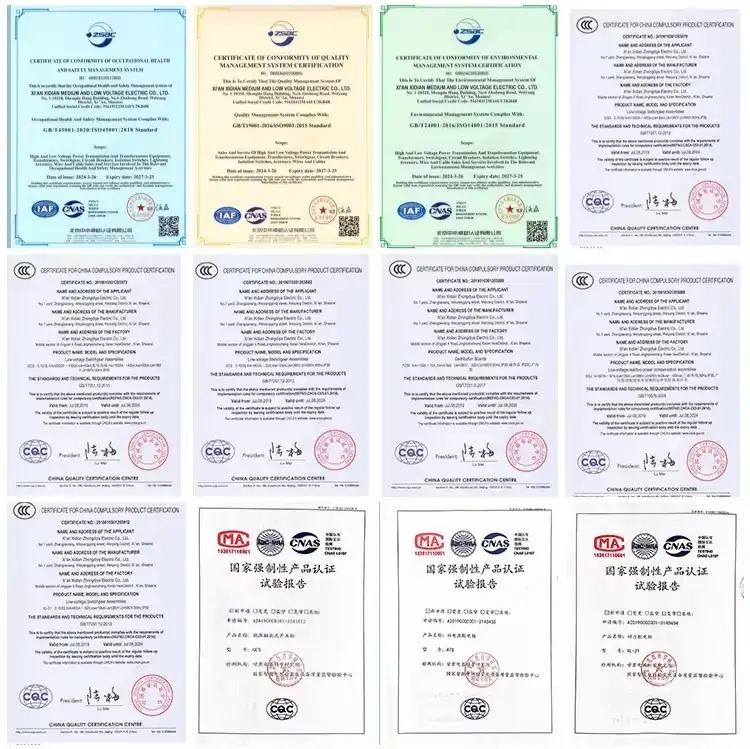
By working with well-known makers, you can lower the risks of buying things by using their tried-and-true quality systems and global service networks. Companies that follow the IEC 60076, ISO 9001, and IEEE C57.12.00 standards show that they are dedicated to using consistent methods when making things. Capital investments are protected by warranties that last for 10 years and cover everything, such as replacing oil, maintaining gaskets, and providing emergency support. Check the supplier's skills by looking at their plant acceptance testing procedures, the quality of their paperwork, and how responsive they are during pre-sales consultations.
Comparing Oil-Immersed Transformers with Alternative Technologies
Technology selection requires understanding trade-offs between insulation methods, cooling strategies, and installation constraints. Each method works best in certain operational situations for an Oil-immersed Transformer.
Dry-Type Transformer Comparison
Dry-type units are better for indoor substations in occupied buildings because they don't have the fire risks that come with flammable liquids. However, they have 20–30% more losses and less extra capacity than oil-cooled peers. Due to magnetostriction, noise levels often go above 70dB, which is a problem in places like schools and hospitals where noise is a problem. Vibration-damping tank designs and soundproof enclosures help oil-immersed models keep their noise levels below 65dB.
Cast Resin and Gas-Insulated Alternatives
For higher power levels, cast resin transformers are less cost-effective and don't protect the environment as well as oil units. They also need more upkeep. Gas-insulated types that use SF6 have small footprints for urban substations, but they have complicated tracking systems and could release greenhouse gases. When comparing these choices, you should think about more than just the original buy price. You should also think about installation space, government rules, and the costs over the product's lifetime.
Application-Specific Technology Matching
Modular oil-immersed designs allow phased rollout without service breaks, which is helpful for a regional utility that is adding more capacity to its grid. When it comes to renewable energy projects, low-loss setups that get the most energy from solar panels and wind farms are preferred. This is because 3% losses at partial loads have a direct effect on income. In mining operations, equipment needs to be built to be tough enough to handle 150% overloads for two hours at a time during crusher starts up or conveyor surges. By understanding these operating patterns, you can choose technologies that will work best and be the most reliable.
Maintenance and Risk Mitigation: Maximizing Your Transformer's Lifespan
Proactive maintenance programs keep things running at their best for longer than 30 years, so they don't break down when they're least expected. Regular checks and condition tracking find signs of wear and tear before they become major problems for an Oil-immersed Transformer.
Oil Quality Testing Protocols
IEEE C57.104 says that dissolved gas analysis (DGA) can find early signs of problems by looking at patterns of hydrogen, acetylene, and carbon monoxide concentrations. Different gas signatures are made during thermal breakdown that show overheating, arcing, or cellulose decay. Every 12 months for critical assets and every 24 months for standard installations, testing is done to balance the costs of monitoring with the risk of not doing so. Karl Fischer titration is used to check the moisture content and keep levels below 10–12 parts per million. This keeps the dielectric strength and stops the material from ageing faster.
Breakdown voltage testing shows that oil keeps the minimum 30kV dielectric integrity, and power factor readings below 0.5% show that insulation systems are healthy. These electrical tests go along with the chemical tests and give a full picture of the condition.
Physical Inspection and Temperature Monitoring
Thermal imaging scans find areas that are hotter than expected, which can mean that the cooling system is blocked or there are problems with the windings. Bushing power factor testing finds moisture or pollution that could damage important surfaces. Welded tanks are put through pressure decay tests to make sure they are structurally sound. This stops oil leaks that lower the cooling effectiveness and put the environment at risk. To keep moisture barriers in place, silica gel breathers need to be replaced or regenerated every so often.
Common Fault Prevention Strategies
Thermal cycles, pollution, and oxidation all speed up the breakdown of insulation. By setting up online monitoring systems that keep an eye on things like temperature, humidity, and gas levels, you can plan maintenance so that it happens during planned breaks instead of emergency shutdowns. Optimising the cooling system by cleaning the radiator, maintaining the fans, and checking the oil movement keeps the thermal performance high. When sludge builds up, it blocks oil flow and makes it harder for heat to move. Filtering or replacing the oil on a regular basis gets rid of the particles and makes cooling work again.
Procurement Guide: How to Buy the Right Oil-Immersed Transformer in 2026?
Clear buying strategies that are in line with technical needs and budget limits are needed to sort through supplier choices, customisation needs, and cost structures when acquiring an Oil-immersed Transformer.
Sourcing Channels and Supplier Evaluation
When you work directly with a manufacturer, you can get technical help, make changes, and get cheap prices. Authorised distributors have stock in the area and can deliver standard configurations more quickly, which is helpful when project deadlines are tight. Online business-to-business (B2B) sites make it easier to find suppliers and compare prices, but they need to be thoroughly checked for certifications and quality systems. Check for IEC 60076 compliance, UL listings, and CE labels that show the product meets foreign safety standards.
Standard Versus Custom Configurations
Standard models with set voltage ratios, cooling methods, and container types work well for most distribution tasks and have shorter lead times (8–12 weeks) and lower prices. Custom designs are made to fit specific needs, like small sizes for urban areas with limited space, ATEX certifications for areas with explosive atmospheres, or special winding configurations for loads that are heavy harmonically. Customisation adds 30–40% to the time it takes to buy something and 15–25% to the cost, but it makes sure that the product works perfectly and meets all operational requirements.
Total Cost Analysis and Lifecycle Considerations
Over a 25-year working life, the purchase price only makes up 30–40% of the total costs of owning. Between 50 and 60% of costs come from energy use from no-load and load losses. The rest comes from maintenance, testing, and eventually shutting down. The real economic value can be found by doing a detailed financial model comparison of efficiency scores, warranty terms, and upkeep needs. Transformers that are 99% efficient are worth the 20–30% higher starting cost because they save so much energy over time.
When choosing a provider, give more weight to companies that can show their technical know-how through patents, extensive testing facilities, and a history of success in a wide range of uses. Global manufacturers have large service networks that make sure customers get help quickly no matter where the installation is happening. On the other hand, specialised regional manufacturers may be able to offer cheaper standard products.
Conclusion
Technical requirements, working needs, and budget are all taken into account when selecting the best Oil-immersed Transformer. The voltage ratings, load capacities, efficiency metrics, and environmental resilience must all fit the needs of your facility. Long-term dependability and total cost of ownership are directly affected by maintenance plans and partnerships with suppliers. Procurement professionals can get equipment that maximises uptime, guards sensitive loads, and gives a measurable return on investment (ROI) over decades of service by using structured evaluation criteria and knowing the comparative benefits over other technologies.
FAQ
1. How Often Should I Test Oil Quality in My Transformer?
Every year, dissolved gas analysis and moisture tests must be done on important assets in industry or utility settings. Standard setups can work safely every 24 months, unless the surroundings or the way they are used indicates that they should age faster. Always test after bad weather, overloads, or reports of temperatures that don't seem normal.
2. What Are the Main Advantages of Oil-Immersed Transformers Over Dry-Type Units?
Better temperature management allows for higher overload capacity and longer life, and lower noise levels are good for places that don't want a lot of noise. When efficiency goes up by 1% to 2%, a lot of energy is saved over the life of the machine. This lowers the original prices and makes up for the higher electricity use.
3. Can I Retrofit Existing Equipment with Modern Oil-Immersed Transformers?
When new units match current footprints, mounting connections, and bushing configurations, retrofits work. Upstream and downstream tools must be able to work with the voltage ratios and resistance values. Talk to manufacturers early on in the planning process to make sure everything will work together and to find out what changes need to be made to the foundations or cable terminations.
Partner with Xi'an Xikai for Reliable Transformer Solutions
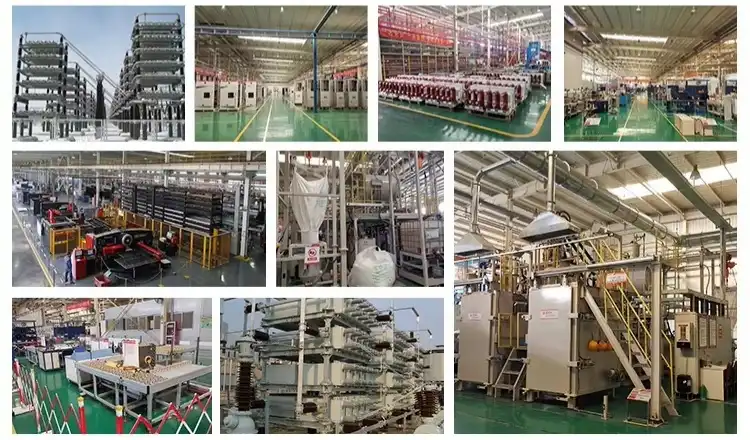
The Xi'an Xikai Medium & Low Voltage Electric Co., Ltd. has been making high-quality medium and low-voltage power delivery tools for more than 25 years. We provide customised solutions that meet the exact needs of industrial facilities, utility companies, and EPC contractors all over the United States as a reputable Oil-immersed Transformer supplier. Our S9, S13, and S18 series units have unique core designs that make them more efficient than 99% and able to work in harsh temperatures from -40°C to 55°C.
Technical help is available 24 hours a day, seven days a week, with 10-year contracts and factory acceptance testing methods that make sure every transformer meets IEC, IEEE, and ANSI standards. Contact our engineering team at serina@xaxd-electric.com, amber@xaxd-electric.com, or luna@xaxd-electric.com to talk about your specific application needs and get full technical plans that are made just for your 2026 projects.
References
1. International Electrotechnical Commission. (2011). Power Transformers – Part 1: General. IEC 60076-1 Standard.
2. Institute of Electrical and Electronics Engineers. (2019). IEEE Guide for Loading Mineral-Oil-Immersed Transformers and Step-Voltage Regulators. IEEE C57.91 Standard.
3. Myers, S.D., Kelly, J.J., & Parrish, R.H. (1981). A Guide to Transformer Maintenance. S.D. Myers, Inc.
4. Harlow, J.H. (2012). Electric Power Transformer Engineering (3rd ed.). CRC Press.
5. National Electrical Manufacturers Association. (2020). Guide for Transformer Loss Evaluation. NEMA TP-2 Document.
6. Tenbohlen, S., Jagers, J., & Vahidi, F. (2016). Enhancing Diagnostic Assessment of Power Transformers through Advanced Monitoring Systems. IEEE Transactions on Power Delivery, 31(4), 1655-1662.
_1774417662667.png)