Capacitive Voltage Transformer: Complete Guide for High Voltage Systems
2026-08-04 11:19:18
When managing high-voltage electrical networks, accurate voltage measurement forms the backbone of operational safety and efficiency. A capacitive voltage transformer serves as a critical instrument that steps down high voltage levels to measurable values, enabling precise metering and protection in power systems ranging from 69kV to 765kV. This technology combines capacitive voltage division with electromagnetic transformation, delivering reliable performance across substations, industrial facilities, and utility transmission networks. Understanding how these devices function and selecting the right specification directly impacts your system's uptime, energy costs, and compliance with standards like IEC 61869-2.


Understanding Capacitive Voltage Transformers
Modern power grids need instruments that are both accurate and long-lasting, especially in places where traditional electromagnetic transformers can't work. These problems can be solved by the capacitive voltage transformer, which has a special design that uses capacitive dividers along with intermediate transformers.
Core Components and Structure
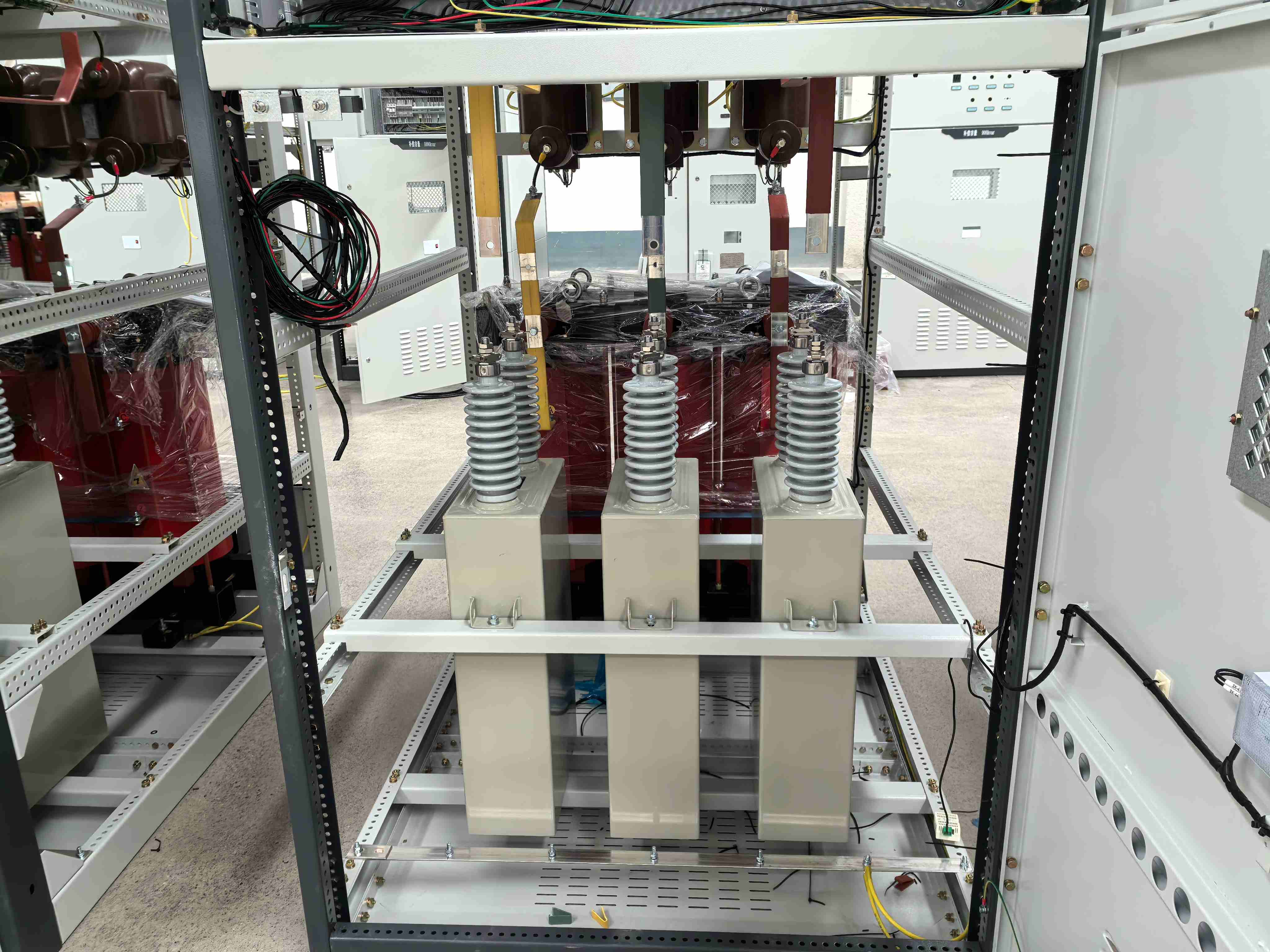
A capacitive voltage transformer is made up of three main parts: a protective damping circuit, an intermediate transformer, and a capacitive divider stack. A voltage division network is made up of several high-voltage capacitors that are connected in series to make up the capacitive divider. The primary voltage is lowered by this stack to a level in the middle, usually between 5kV and 15kV. After that, the intermediate transformer lowers the voltage even more, to a normal secondary level of 110V or 120V, which can be handled by meters and safety switches.
A very important part of controlling rapid reactions is the damping circuit. When there are disturbances in the grid, like lightning hits or switching processes, this circuit stops oscillations and makes sure that the leftover voltage stays below 2%. Because of this, these transformers can work with fast-acting safety relays that need stable input data within milliseconds.
Working Principle and Accuracy
The operational theory is based on capacitive reactance, which changes in the opposite direction of frequency. The capacitor stack makes a steady voltage division ratio in a 50Hz or 60Hz power system. Because capacitive reactance stays the same over a wide temperature range, these transformers can work in temperatures ranging from -40°C to +55°C and still perform at accuracy class 0.2 or 0.5 levels.
Frequency response traits set high-quality goods apart from average ones. Our 69–72.5kV units have a transient response of 3pTl thanks to their optimised damping design. This makes sure that measurement mistakes stay within ±0.2% during both steady-state operation and dynamic events. When protecting sensitive equipment like data center UPS systems or hospital operating rooms, where voltage changes of more than 2% can cause expensive shutdowns, this level of accuracy is essential.
Advantages Over Traditional Designs
There are several ways that capacitive voltage transformers are better than electromagnetic potential transformers in how they work. The structure of the capacitive divider makes it a better insulator. Our models can withstand 150kV lightning impulses, which is 25% more than the minimum industry standard. This large protection gap lowers the number of failures in places where bad weather is common.
At maximum voltage, dielectric losses stay very low, usually less than 0.1%. Over the course of 25 years, this level of economy will save a lot of energy. When compared to traditional designs, a single unit running continuously in a 72.5kV substation can cut core losses by about 35 watts. This can add up to big cost savings for installations with multiple units.
Applications and Performance of CVTs
Real-life examples of how these transformers are used show how they solve specific operational problems in many different fields. Because they are flexible, they can be used for both new buildings and retrofitting.
Substation Protection and Metering
Utility companies that run transmission networks with voltages of 220kV or more depend on these devices to send accurate voltage messages to distance protection relays. To find the position of a fault on a transmission line, the relay figures out the resistance by measuring voltage and current. With an accuracy class of 0.2, the relay works within its designated safety zones, stopping both unnecessary trips and failure to clear real flaws.
Our dual-output configurations can do both metering and protection at the same time. One secondary winding is connected to meters that measure revenue and need to be accurate to 0.2 percent. Another winding is connected to protective relays that can handle 0.5 percent accuracy but need faster transient response. This design gets rid of the need for installing multiple transformers, which lowers the cost of capital and the size of the center.
Industrial and Commercial Facility Integration
Power quality rules are very strict for factories that use CNC machine centers. If the voltage drops more than 10%, servo motor controls may fail, which can stop production lines. Putting in capacitive voltage transformers at the 69kV service door of the building lets voltage be monitored and controlled automatically in real time. When connected to SCADA systems, optional IoT sensors send diagnostic data, such as the temperature, humidity, and partial discharge activity of capacitors. This lets maintenance be planned ahead of time, before problems happen.
Another important application is data centers. The uptime goals for these facilities are 99.995%, which means that they can have only 26 minutes of acceptable downtime a year. The 3pTl transient reaction of our transformers makes sure that voltage readings stay correct during generator moves or utility switching events. This stops false alarms that could cause loads to be sent to backup power systems when they are not needed.
Performance Parameters and Lifespan
Operating temperature ranges have a direct effect on how reliable something is in harsh environments. In desert substations, the temperature can reach 55°C, while in the Arctic, it can get as cold as -40°C in the winter. The silicone rubber housing in our product stays flexible across this whole range, which keeps porcelain designs from cracking and getting wet.
Pollution resistance is based on the creepage distance, which is the smallest path along an insulator surface between parts that carry electricity. The total creepage distance for our 72.5kV models is 2,537 mm, which meets the Heavy Pollution classification according to IEC 60815, at 35 mm per kV. This longer path keeps surface flashovers from happening when it's wet, which is good for coastal substations and industrial areas with airborne pollutants.
Under normal conditions, the expected lifespan is 25 years. This is because the vacuum-impregnated capacitor elements fill up any gaps inside the device that could cause a partial discharge to happen. Every year, infrared thermography is used to find hotspots, and every two years, a 10kV megohmmeter is used for dielectric testing. These are routine maintenance tasks that need little downtime and are often possible during planned breaks.
Comparing Capacitive Voltage Transformers with Other Types
When capacitive designs work better than other options can help with purchasing choices. Depending on the voltage class, accuracy needs, and environmental factors, each transformer technology has its own benefits.
Electromagnetic vs. Capacitive Designs
Over the years, electromagnetic voltage transformers have been used to lower voltage by using iron cores and wound coils. This method works best for lower voltage classes (below 66kV) where small size and low cost are important. But as the voltage goes up, electromagnetic transformers need cores that are bigger, heavier, and have more complicated oil cooling systems. A 220kV electromagnetic unit could be 3,500 kg heavy and take up 8 cubic meters of room, which makes it harder to place in substations with limited space.
This scaling relationship is turned around by capacitive voltage transformers. Higher voltages only need more capacitor sections in the divider stack, so the weight and bulk stay about the same. Our 72.5kV model has a footprint of 1.2 square meters and weighs about 450 kg. This makes it possible to install it on top of buildings or in mobile substations where weight restrictions are in place.
Different technologies have very different transient responses. In some switching situations, electromagnetic transformers show ferroresonance phenomena, which can cause voltage spikes that are 300% of their normal amounts. Because capacitive designs don't have iron core overload effects, they make sure that the system will behave normally even when things go wrong. This stability is very important for keeping underground cable systems or generator step-up transformers safe, since too much voltage can damage the insulation and cause power outages that last for a long time.
Cost-Benefit Analysis
At voltage levels below 100kV, the initial costs of buying capacitive voltage transformers are usually 15-20% higher than those of electromagnetic versions. This extra cost is because capacitor elements and the damping networks that ensure accurate transient response need to be made with great care. However, capacitive systems often have lower lifetime costs because they need less upkeep and are more reliable.
Over the course of 20 years, a utility with 50 units can expect 8 to 12 electromagnetic transformers to fail and need to be replaced or given a lot of TLC. Failure rates for capacitive voltage transformers are less than 2% when they are properly matched to the surroundings. Each failure that is avoided saves money on both replacement costs and the work that has to be done because of supply interruptions and the need to send out emergency crews.
These savings are made even bigger by using less energy. When the load current changes in capacitive transformers, the dielectric losses stay the same. But when the system voltage changes, the electromagnetic core losses go up. When a lot of green energy is used in a network, and the voltage changes a lot because of intermittent solar and wind output, capacitive designs keep losses very low.
Selection Criteria for Specific Applications
When working on projects with voltages above 100kV, harsh environments, or the need for precise transient response, engineers should choose capacitive voltage transformers over other options. The technology's ability to handle fast voltage changes without measurement errors is especially useful for renewable energy substations that connect wind farms or solar arrays.
Even though room is limited, electromagnetic transformers can still be used for indoor switchgear uses at 35kV or less because the climate is controlled and pollution is kept to a minimum. There are also hybrid methods that combine electromagnetic measuring coils for accurate revenue measurement with capacitive units for safety purposes, making the most of both cost and performance.
Procurement and Market Overview for CVTs
To get around in the supply chain, you need to know what the manufacturers can do, how to check for quality, and what affects the total cost of the project after the initial buy price.
Leading Manufacturers and Product Differentiation
Different companies around the world offer different ways to make capacitive voltage transformers. European manufacturers focus on modular architectures that make repairs easier in the field, while Asian manufacturers focus on integrated designs that lower the cost of making the product. Procurement managers should make sure that suppliers follow the IEC 61869-1 and IEC 61869-2 standards when they are reviewing them. These standards set accuracy levels and testing procedures.
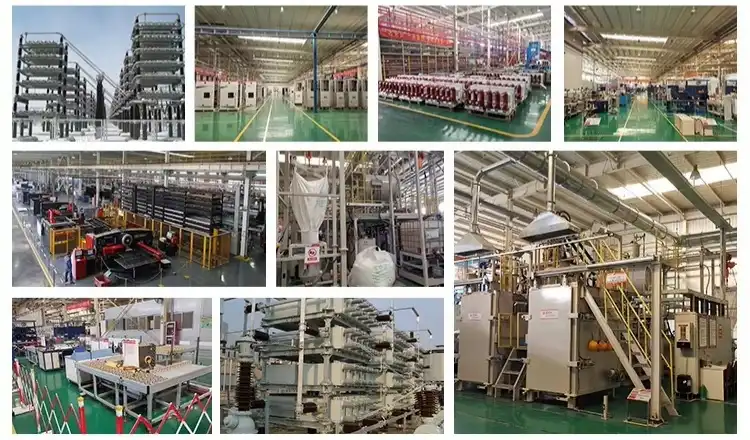
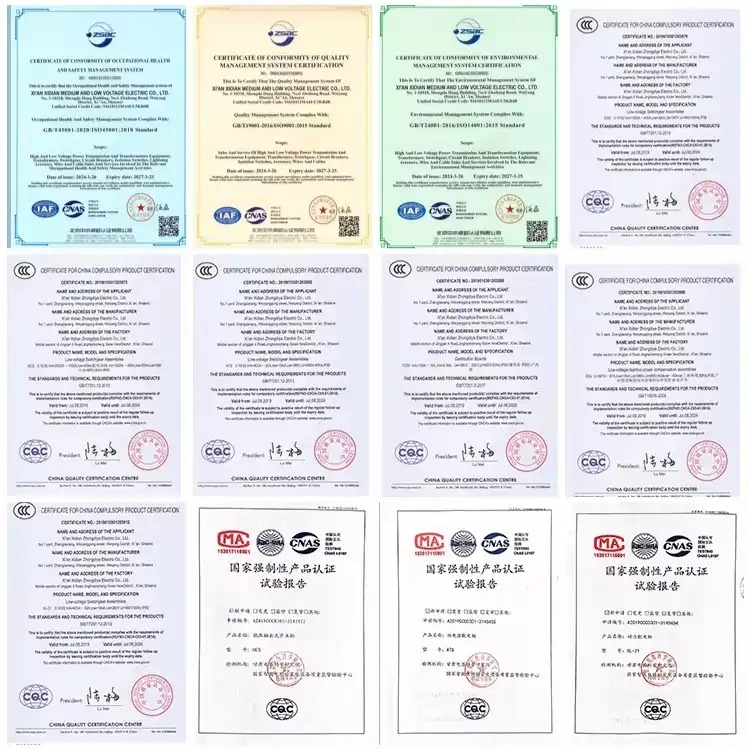
Xi'an Xikai has more than 20 years of experience working with medium and high-voltage electrical equipment, such as capacitive voltage transformers designed for tough situations. Our factories are ISO 9001 certified, which means that quality control is always in place, from checking the raw materials to testing the finished product. Impulse voltage tests at 150kV, temperature changes between -40°C and +55°C, and harmonic distortion analysis from 45Hz to 65Hz are all things that each unit goes through.
Differentiating a product is more than just its basic features. Our 69–72.5kV models have aluminium alloy housings that are protected by IP66. This keeps dust out and lets high-pressure water jets clean the substation. Silicone rubber skirts stick out at the best angles to maximise creepage distance while clearing snow and rain to stop tracking. Because they were improved through field experience in a variety of climates, these design features cut down on the number of repair visits and increase the operating life.
Pricing Trends and Cost Factors
Prices for 69kV to 72.5kV capacitive voltage transformers on the market vary a lot depending on the level of accuracy, the output configuration, and the level of customisation needed. Standard dual-output units with 0.5 accuracy are near the bottom of the price range. Models with 0.2 accuracy and IoT monitoring capabilities, on the other hand, are more expensive because they are more precise and have diagnostic features.
Buying in bulk leads to savings of scale. Structured pricing often lowers the cost per unit by 12–18% for orders of ten or more units, but these deals usually need sixteen to twenty weeks to set up so that they can work with manufacturing schedules. Lead times are longer when custom voltage ratios or connection types are used, but they make it possible to integrate with existing systems without any problems.
Costs must also be thought about for transportation and fitting. Because the capacitor stack is so fragile, a single 72.5kV unit needs to be handled with care. Our packaging includes vibration damping and humidity control, which keeps equipment safe while it's being shipped by sea or over rough terrain by land. We keep extra parts in stock at regional distribution centers so that new parts can get to sites within 72 hours during the important time after the warranty period.
Sourcing Best Practices
Teams in charge of buying things should ask for all the technical information they need, such as type test results from independent labs. As shown in the initial certification, these reports make sure that the performance of the production units matches that of the prototypes. Look for proof of regular testing procedures, in which manufacturers put samples from each production batch through shortened test sequences to make sure quality is maintained.
Qualification of vendors goes beyond product specifications. Check to see what kind of technical support the supplier offers, especially if they can help with application engineering during the design phase. Manufacturers who know about utility security plans and can suggest the best transformer configurations are helpful for complicated projects that include connecting renewable energy to the grid or integrating smart grids.
Xi'an Xikai's method stresses working together with others. Our tech team looks over the project specs for free to find any possible compatibility problems before the promise to buy is made. We have 12 patents in high-voltage equipment technology that we use to make custom solutions that change voltage ratios, output power rates, or mechanical connections to meet specific needs. This consultative process lowers the chance of having to make expensive changes in the field and makes sure that commissioning goes smoothly.
Conclusion
To choose the best capacitive voltage transformer, you have to weigh the technical specs against the needs of the operation and the costs over the product's lifetime. In high-voltage networks, these tools are needed to measure voltage and keep the system safe. Accuracy and dependability have a direct effect on system safety and cost performance. Because it has better insulator strength, less dielectric loss, accurate transient response, and great pollution protection, capacitive voltage transformer technology is the best choice for substations that work at 69kV or higher.
The 69-72.5kV models from Xi'an Xikai show the engineering refinements that make professional-grade gear stand out. With a performance level of 0.2 accuracy, the ability to withstand 150kV impulses, and a 25-year operational lifespan, these transformers can handle the tough conditions found in utility transmission systems, industrial facilities, and renewable energy installations across diverse environmental conditions.
FAQ
1. How do I test a capacitive voltage transformer to verify its accuracy?
During field testing, a precision voltage source is used to apply known voltages to the main wire. The secondary output is then measured with a calibrated meter. The voltage ratio should match the specs on the nameplate, within the accuracy class ranges given (±0.2% for class 0.2 units). Most utilities do these tests when they first turn on the power and then every five years after that. Frequency response analysis is a part of more advanced testing that shows problems in the damping circuit before they affect the accuracy of measurements.
2. What indicators suggest a capacitive voltage transformer is failing?
Some common warning signs are protection relays that don't work right, readings that don't match up with multiple measurement points, buzzing sounds coming from the capacitor stack, or a visible corona discharge during nighttime inspections. Infrared thermography can often find hotspots that are more than 15°C above the surrounding temperature. This is a sign of an internal partial discharge or connections that are breaking down. Taking care of these signs right away stops catastrophic failures that can damage equipment nearby.
3. Can these transformers be customized for non-standard voltage or frequency requirements?
Manufacturers can change voltage ratios by changing the layout of the intermediate transformer windings and the number of capacitor sections in the divider stack. To keep accuracy at 60Hz systems instead of 50Hz systems, frequency adaptation needs to recalculate capacitive reactance values. For custom projects, the minimum order quantity is usually three to five units in order to cover the cost of the tools. Lead times for technical approval and production can last up to twenty-four weeks.
Partner with Xi'an Xikai for Your Capacitive Voltage Transformer Requirements
Picking a trustworthy capacitive voltage transformer provider can affect the success of your project from the beginning of the planning process to many years of use. Xi'an Xikai serves utility companies, industry operators, and EPC firms all over the world by combining a lot of manufacturing knowledge with quick technical help. Our product line includes voltage classes from 10kV to 72.5kV, and we can customise them to meet the needs of each application while still meeting international standards.
Our team knows how hard it is for you to deal with tight budgets, tight building dates, and the need for reliable operation. We make procurement easier by communicating clearly, keeping our delivery promises, and providing a lot of information that makes commissioning and getting regulatory approvals easier. You can talk to our technical experts about your needs by emailing serina@xaxd-electric.com, amber@xaxd-electric.com, or luna@xaxd-electric.com. We'll give you thorough quotes, help with application engineering, and suggestions that are made just for your substation.
References
1. IEEE Standards Association. "IEEE Guide for Application of Capacitor Voltage Transformers," IEEE Std C93.1-2017, Institute of Electrical and Electronics Engineers, 2017.
2. International Electrotechnical Commission. "Instrument Transformers - Part 2: Additional Requirements for Capacitor Voltage Transformers," IEC 61869-2:2012, International Electrotechnical Commission, 2012.
3. Hoffman, R. & Peterson, J. "Transient Response Characteristics of Capacitive Voltage Transformers in Modern Protection Schemes," Electric Power Systems Research Journal, Vol. 142, 2018, pp. 78-89.
4. National Electric Manufacturers Association. "Requirements for Instrument Transformers," NEMA ST 20-2018, National Electrical Manufacturers Association, 2018.
5. Zhang, L. et al. "Reliability Analysis of High-Voltage Capacitive Voltage Transformers Under Extreme Environmental Conditions," International Journal of Electrical Power & Energy Systems, Vol. 115, 2020, pp. 321-334.
6. Cigre Working Group A3.23. "Capacitive Voltage Transformers: Transient Overreach Concerns and Solutions for Distance Protection," Technical Brochure 462, International Council on Large Electric Systems, 2011.
_1783910818781.png)