Guide to Selecting Outdoor disconnect switches - Standards Compliance
2026-05-28 11:27:20
Technical parameters, regulatory compliance, and operational dependability must be considered while choosing an Outdoor disconnect switch. Substations, industrial facilities, and high-voltage transmission networks use these devices for important electrical isolation. Correct selection guarantees safe maintenance, equipment protection, and grid stability. Compliance with NEC, IEC, and environmental standards protects your investment and meets regulatory requirements. This paper covers key factors to help facility operators, utility companies, and EPC firms make procurement selections that meet project needs and long-term operating goals.
 |
 |
Understanding Outdoor Disconnect Switches
Core Functions and Operational Scope
Outdoor disconnect switches mechanically isolate electrified electrical lines from equipment undergoing maintenance or repair. These switches activate only once loads are de-energized, unlike circuit breakers. Their main job is to create noticeable air gaps in transmission wires for substation technician safety. Industrial plants isolate transformers and switchgear. They help data centers segregate emergency power systems and hospitals maintain service during equipment upgrades.
Key Components and Mechanisms
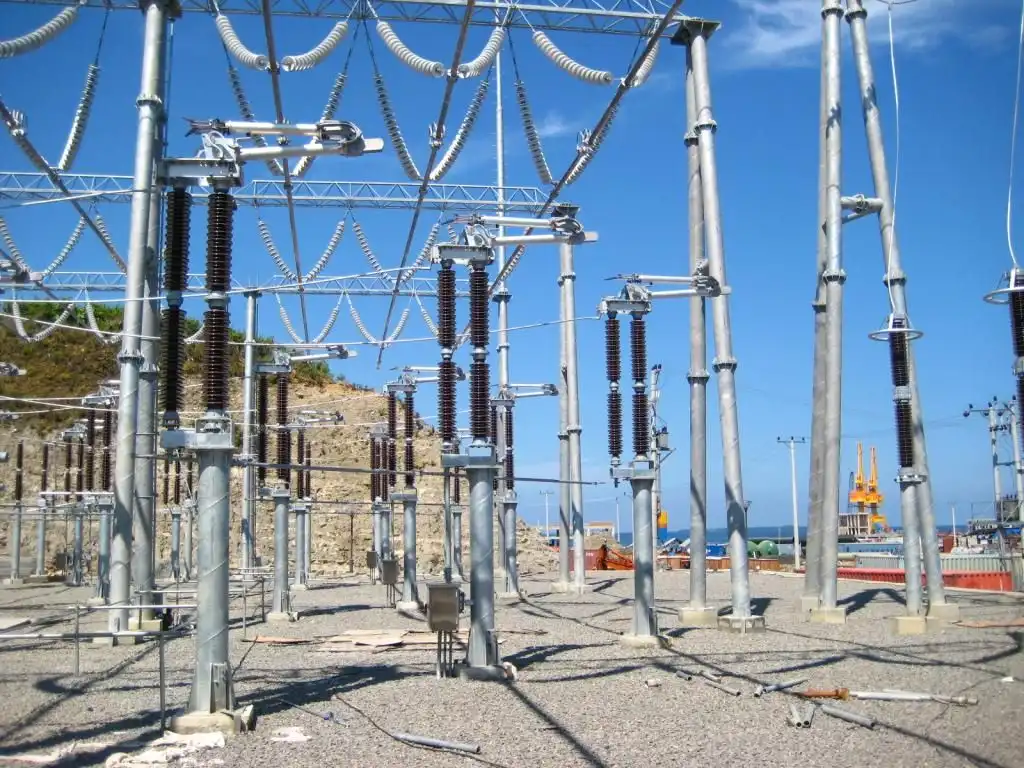
A typical high-voltage disconnect switch has multiple integrated parts. The contact system—often featuring bent copper plates—provides low-resistance connections when closed. Hand cranks and SCADA-controlled motorized actuators operate. Insulator columns sustain live conductors against wind and ice. Modern designs use pantograph-style arms that raise vertically, saving space. The Xi'an Xikai GW10 series' single-column vertical pantograph for 126–550 kV applications illustrates this concept. In coastal or industrial environments, its stainless steel transmission system—pins, bushings, and bearings—resists corrosion.
Classification and Application Context
Disconnect switches are categorized by operating purposes. Motor-operated switches handle remote substations, whereas manual switches suit rare switching cycles. Fusible variations isolate and safeguard distribution circuits from overcurrent. Weatherproof enclosures shield internal components from rain, dust, and severe temperatures. Hot-dip galvanized steel components and aluminum alloy profiles improve heat dissipation, making the GW10 model maintenance-free in desert heat and coastal salt fog. Understanding these differences helps procurement teams match equipment to site needs.
Standards and Electrical Code Requirements for Outdoor Disconnect Switches
Regulatory Frameworks Governing Selection
Safe Outdoor disconnect switch electrical system design starts with code compliance. The National Electrical Code (NEC) Article 230 requires service equipment disconnect mechanisms, mounting heights, accessibility, and labeling. IEC 62271-102 specifies mechanical durability and dielectric strength for high-voltage alternating current disconnectors and earthing switches. U.S. State Grid systems use IEEE 693 to qualify switches for earthquakes. Knowledge of jurisdictional requirements minimizes costly project redesigns.
Mandated Safety and Performance Features
Electrical rules require safety features for workers and infrastructure. IP65 enclosures are suitable for exterior installations exposed to rain or washdown. Maximum load capacity must surpass expected fault currents; the GW10 manages surge currents during system disruptions and continuously handles up to 5000 A. Grading rings and shields at contact sites enhance electric field distribution, decreasing communication equipment-disrupting radio frequency interference. Over thousands of cycles, externally squeezed stainless contact springs maintain pressure, providing dependable disengagement without welding or arcing.
Installation and Wiring Guidelines
Equipment lifetime and system safety depend on proper installation. For voltages below 600V, NEC Section 110.26 specifies working clearances around disconnect switches of 3 feet horizontally and 6.5 feet vertically, with wider distances for high-voltage applications. Flexible busbar connections in the GW10 avoid mechanical stress during temperature variations. NEC 250.53 requires grounding electrode resistance below 25 ohms to reduce lightning damage. Xi'an Xikai's installation instructions emphasize the need of maintaining level mounting bases within ±1mm tolerance to minimize insulator misalignment. Following these principles reduces liability and extends service life beyond 25 years.
Criteria for Selecting the Right Outdoor Disconnect Switch
Technical Specifications and Load Compatibility
Switch ratings should match electrical system specifications to avoid failure and safety issues. With safety measures, a 550 kV switch accommodates 500 kV transmission lines. Current ratings include continuous load and short-duration fault currents; industrial establishments with substantial motor starting loads need 125% full-load switches. Coastline installations require corrosion resistance, whereas high-altitude locations over 4000 meters require derating or specific designs. Optimized insulation and contact pressure changes in Xi'an Xikai's plateau-type equipment handle altitude issues.
Brand Comparison and Certification Credentials
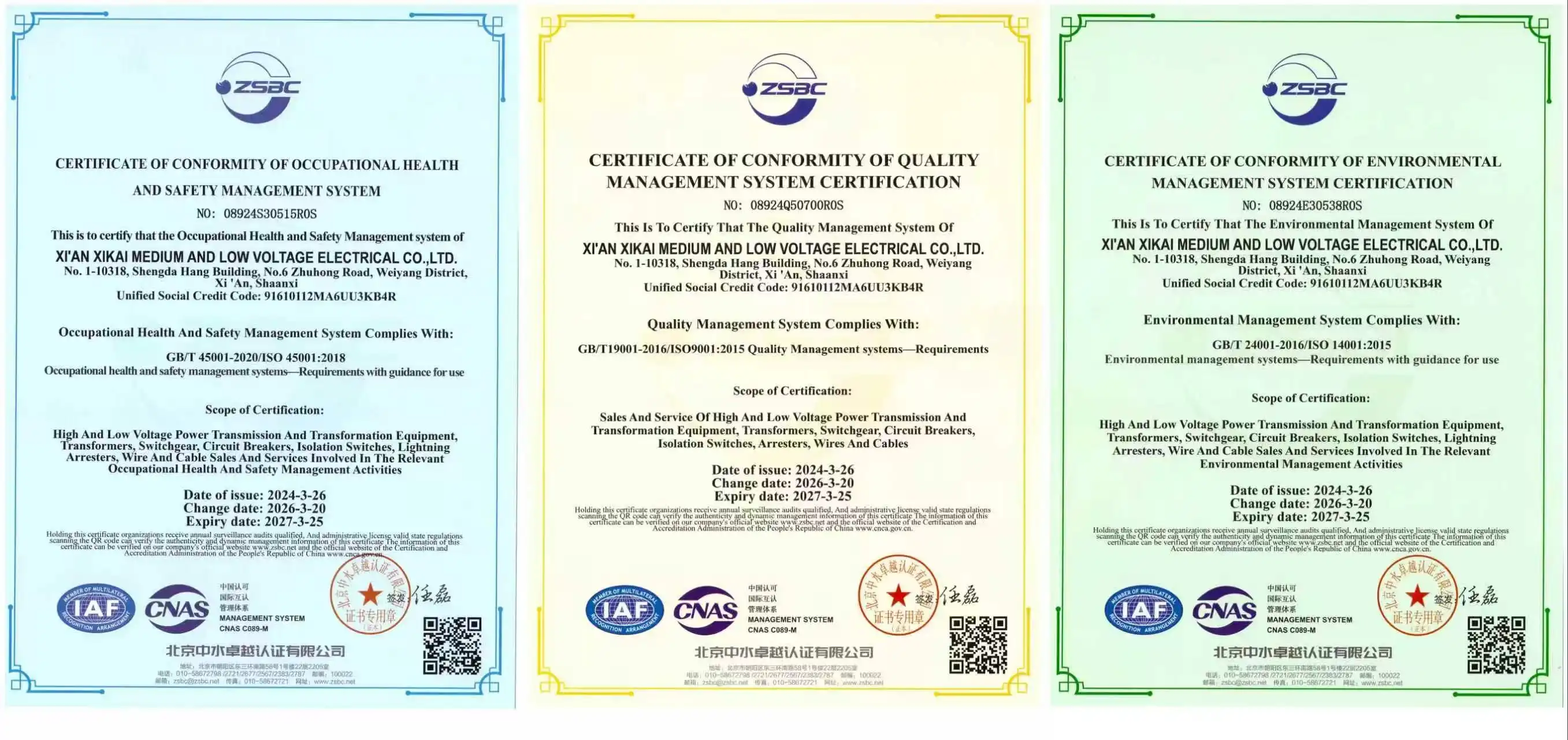
Manufacturers with strong dependability and certification records stand out. Square D stresses North American UL listing and speedy replacement part availability. IoT-compatible Siemens condition monitoring emphasizes digital integration. Eaton offers substantial specification-phase application engineering help. Schneider Electric displays ISO 50001-compliant energy efficiency indicators. The ISO 9001-certified GW10 from Xi'an Xikai has 23 inspection points from raw materials to final assembly, exceeding industry standards. IEC 62271-102 compliance assures worldwide project compatibility, and 12+ insulator material patents show continual innovation.
These factors weigh upfront cost against ownership costs. Lifecycle costs depend on maintenance and replacement part availability, however bulk purchase agreements may cut unit prices by 15-20%. Over 30-year service intervals, the GW10's maintenance-free design and bent copper plates that require just simple equipment simplify repair save money.
Installation, Maintenance, and Safety Best Practices
Comprehensive Installation Checklist
Site preparation and manufacturer instructions are key to Outdoor disconnect switch installation success. Foundation constructions must meet flatness requirements before attaching base frames. Proper rigging points avoid insulator damage during crane lifting—three-point lifts uniformly distribute weight across frame parts. Electrical connections require torque wrench verification; under-tightening produces hot spots, over-tightening breaks conductor lugs. The GW10 may be mounted on both base sides for space-constrained retrofit jobs. Leaving thermal expansion gaps in rigid bus connections and not checking phase-to-phase clearances after placement are common faults.
Routine Inspection and Maintenance Protocols
Preventing unforeseen outages with proactive maintenance improves switch lifespan. Pitting or staining on contact surfaces indicates overheating during annual inspections. Before damage appears, infrared thermography reveals loose connections. Clean insulators minimize flashover voltage by removing conductive contamination. The GW10's self-cleaning insulator and short friction travel prevent mechanical linkage wear. Operating cycles determine lubrication schedules—motor-operated switches cycling 50+ times need bearing inspection every 18 months. Documenting maintenance actions provides reliability trend data for replacement time.
Safety Features and Operator Protection
Safety features like lockout/tagout are crucial. Manual working handles with padlocks prevent inadvertent energization during maintenance. Ground-level blade position indicators show open or closed state, avoiding guessing. Interlocking systems prevent switch operation under harmful arcing loads. The GW10's grading rings and improved electric field distribution reduce step potential gradients near electrified components, protecting equipment and workers. The safety framework includes arc flash danger and PPE selection training, minimizing facility incident rates.
Making an Informed Decision—How to Choose the Best Outdoor Disconnect Switch?
Aligning Product Features with User Segments
Based on operational characteristics, facilities emphasize different Outdoor disconnect switch performance aspects. After repair, manufacturing firms prefer motor-operated switches with remote control integration for fast restoration. Data centers need redundant isolation points for concurrent maintainability. Transmission network operators value mechanical endurance—the GW10's 10,000+ cycle rating meets distribution feeder switching schedules. Commercial structures with compact forms and vertical pantograph systems use less roof area than horizontal spinning ones. Evaluation of usage patterns versus manufacturer specifications ensures equipment meets operational needs.
Manual Versus Automatic Operation Considerations
Operation frequency and accessibility determine actuation mechanisms. Manual switches suit places with quarterly or annual switching periods and low labor costs. Motor operators become cost-effective when switching frequency surpasses monthly intervals or distant locations make manual operation impossible. Automation integration enables demand response systems that disconnect non-critical loads at peak prices. Modular actuator designs allow the GW10 to be upgraded for manual and motorized operation. Using 10-year operational scenarios, the best total cost of ownership is determined.
Importance of Trusted Brands and Supplier Relationships
Equipment sourcing includes decades of support after purchase. Established manufacturers stock important replacement parts at regional service centers to minimize downtime. Applications like harmonic distortion compatibility and seismic certification documents are handled by technical support. After 20+ years in high-voltage solutions, Xi'an Xikai has the institutional expertise to tailor voltage-specific changes for 550 kV+ applications or petrochemical coatings. Quality and service-based supplier partnerships decrease procurement risks and enhance lifecycle cost reduction through ongoing improvement.
Conclusion
Technical specifications, legal constraints, and operational contexts must be considered while choosing Outdoor disconnect switches. Environmental durability addresses site-specific issues, while voltage and current values match system characteristics. From NEC Article 230 to IEC 62271-102, standards compliance assures legal operation and worker safety. Corrosion-resistant materials, maintenance-free operation, and versatile installation choices for varied applications define the GW10's contemporary design. Procurement decisions are best when initial expenditures are balanced against lifecycle expenses like maintenance and supplier support. Facilities may succeed long-term by partnering with manufacturers that are knowledgeable and innovative.
FAQ
1. What distinguishes outdoor disconnect switches from circuit breakers?
Disconnect switches create noticeable air gaps for maintenance safety under no-load situations. Circuit breakers block fault currents under load to safeguard equipment. In electrical systems, both devices complement.
2. Do high-voltage disconnect switches require special installation certifications?
Above 1000V, licensed electrical contractors with high-voltage safety practices are needed. Before starting a project, check local certification authorities to guarantee compliance.
3. How often should maintenance inspections occur?
Most applications need annual inspections, while severe conditions or high-cycle operations require more. In addition to ocular inspections during outages, infrared thermography detects power.
Partner with Xi'an Xikai for Certified Outdoor Disconnect Switch Solutions
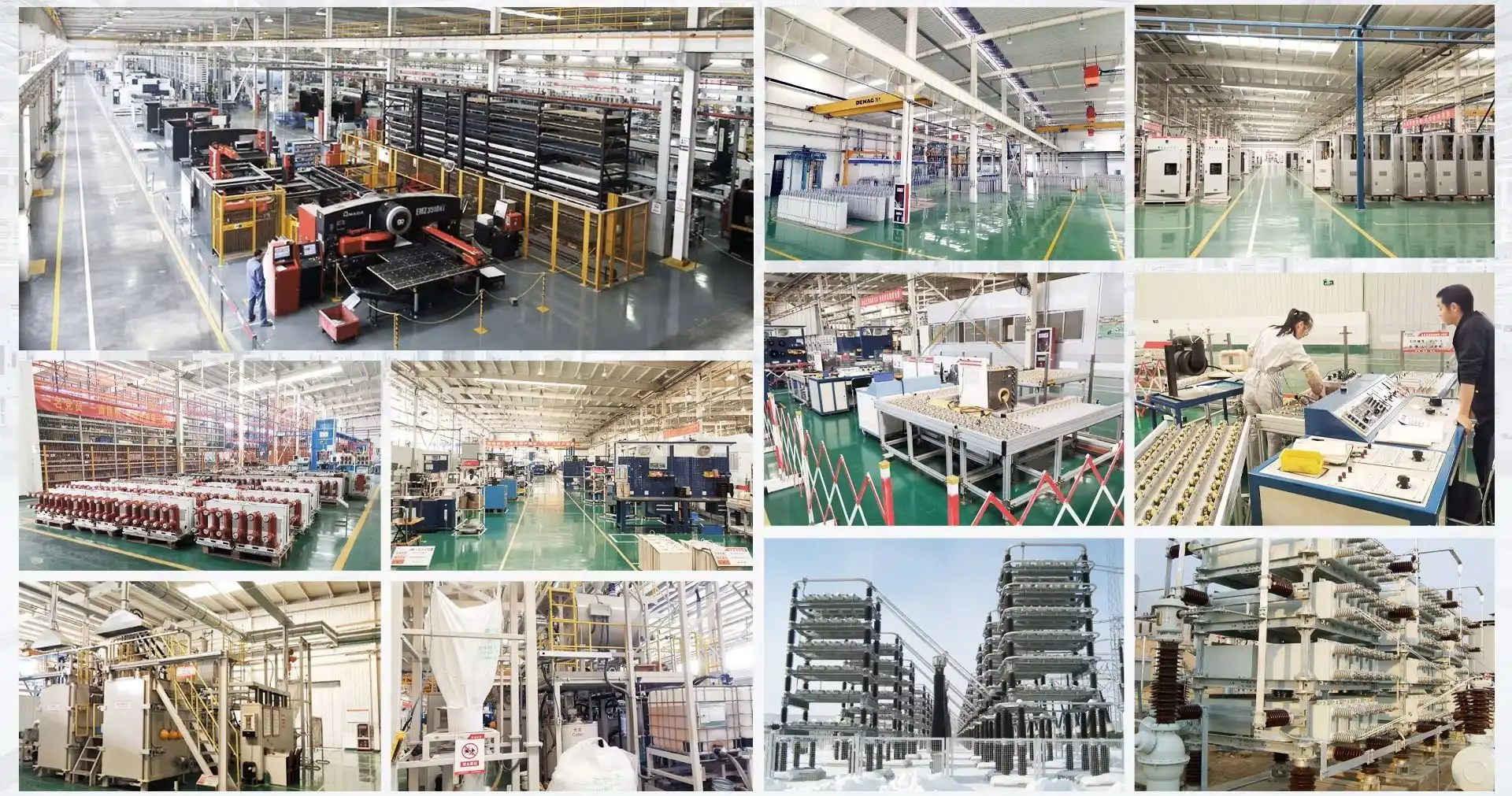
Xi'an Xikai Medium & Low Voltage Electric Co., Ltd. provides designed solutions with 20+ years of manufacturing experience and system integration. The GW10 High Voltage Disconnect Switch has been refined for decades with hot-dip galvanized construction, stainless steel transmission components, and maintenance-free operation for 126–550 kV applications. ISO 9001-certified manufacture assures every unit passes IEEE 693 seismic and dielectric strength testing. Our expertise customizes designs for data centers that need quick isolation, transmission networks that need 10,000+ cycles, and petrochemical plants with corrosive atmospheres. For a reliable Outdoor disconnect switch provider, contact our experts at serina@xaxd-electric.com, amber@xaxd-electric.com, or luna@xaxd-electric.com.
References
1. National Fire Protection Association. NFPA 70: National Electrical Code (NEC) 2023 Edition. Quincy, MA: NFPA Publications, 2022.
2. International Electrotechnical Commission. IEC 62271-102: High-Voltage Switchgear and Controlgear – Part 102: Alternating Current Disconnectors and Earthing Switches. Geneva: IEC Central Office, 2018.
3. Institute of Electrical and Electronics Engineers. IEEE 693-2018: IEEE Recommended Practice for Seismic Design of Substations. New York: IEEE Standards Association, 2018.
4. Underwriters Laboratories. UL 98: Standard for Safety for Enclosed and Dead-Front Switches. Northbrook, IL: UL Standards & Engagement, 2020.
5. American National Standards Institute. ANSI C37.30-1997 (R2020): American National Standard Requirements for High-Voltage Air Disconnect Switches. Washington, DC: ANSI Publications, 2020.
6. International Organization for Standardization. ISO 9001:2015 Quality Management Systems – Requirements. Geneva: ISO Central Secretariat, 2015.
_1774321455861.png)