Advantages of using 10kV outdoor line compensation in power distribution
2026-07-13 16:13:44
There is more and more pressure on modern power distribution networks to keep voltage fixed, waste as little energy as possible, and support loads that are getting more complicated. By controlling reactive power at key places along distribution feeders, 10kV outdoor line compensation gives real practical benefits. These devices, which are usually capacitor banks with built-in control systems and can be pole-mounted or ground-level, add capacitive reactive power exactly where inductive loads cause deficits. As a result? It has a higher power factor (often 0.95 or higher), fewer line losses, and stable voltage profiles that protect sensitive technology and lower costs for utilities, industrial operators, and business sites.
 |
 |
Introduction
Power systems all over the United States are going through big changes. Infrastructure that is getting old, the use of renewable energy, and rising demand from factories and data centers all pose problems that are hard for standard delivery systems to solve. We know that buying managers, electrical experts, and EPC workers need tried-and-true solutions that work in harsh outdoor situations and give clear results.
This detailed guide looks at how reactive power adjustment technology makes medium-voltage networks more stable and efficient. Voltage drops and resistance losses become expensive problems as distribution lines get farther away from substations. This is especially true in rural areas or large industrial parks. By fixing power factor imbalances locally before they spread through the network, 10kV outdoor line compensation devices placed carefully along 10kV lines stop these problems before they happen.
Procurement experts can make choices that meet both operating needs and budget limits when they understand the technical foundations, comparative benefits, and real implementation issues. Whether you are in charge of a hospital's important power systems, a utility's transfer infrastructure, or the electrical systems for a manufacturing complex, the information in this article will help you get the most out of the money you spend on power distribution.
Understanding 10kV Outdoor Line Compensation and Its Working Principle
Core Components and Functionality
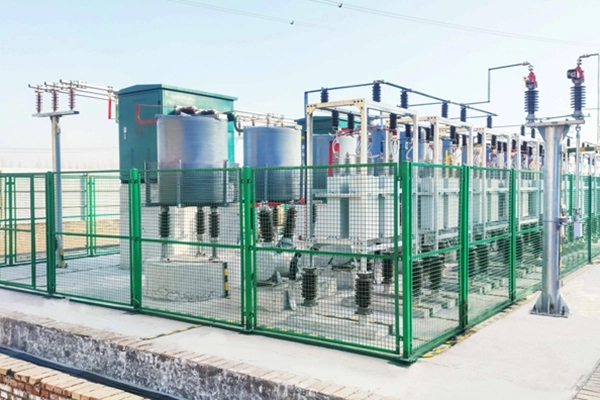
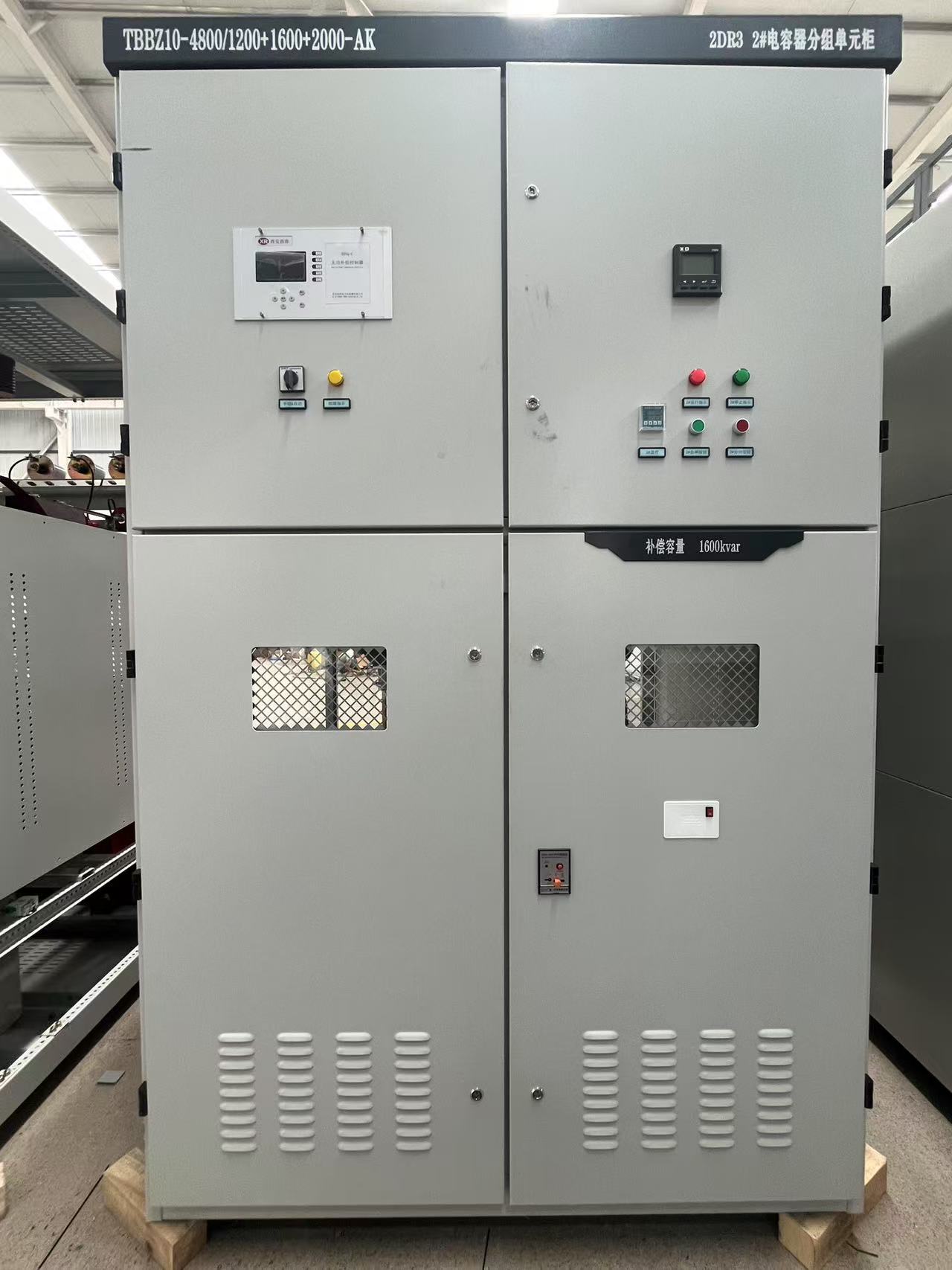
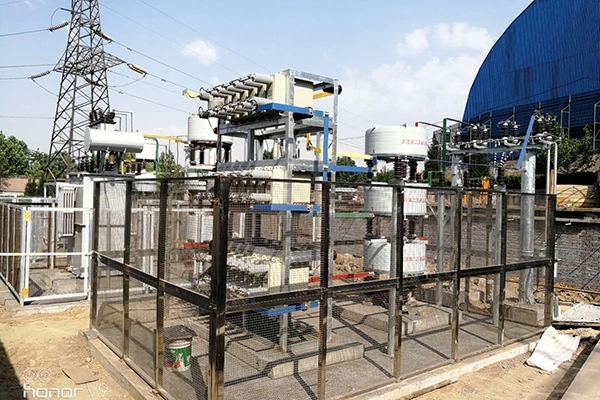
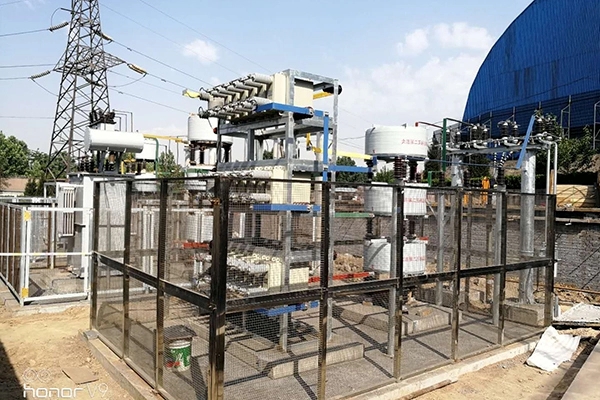
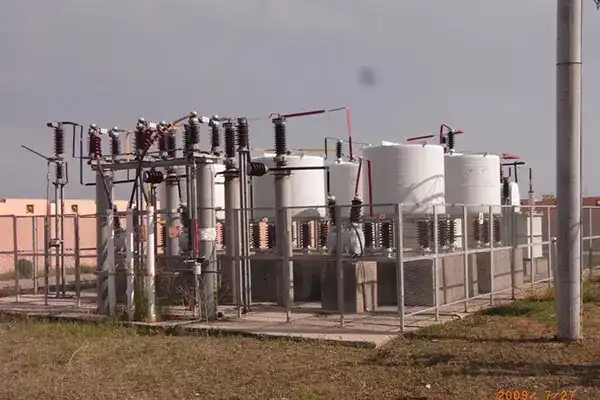
Systems that use 10kV outdoor line compensation for medium-voltage distribution pair capacitor banks with vacuum contactors or thyristor-based switches. Instead of being centralised, these outdoor units are mounted directly on poles or ground pads along distribution lines. The main idea is to balance out the delayed reactive power that is made by inductive loads like motors, transformers, and industrial machines. These loads make the current and voltage waveforms move out of phase.
Reactive power, which is measured in kilovolt-amperes reactive (kvar), is made when magnetic equipment takes current that is later than the voltage. This power flow that doesn't do any work increases the current without doing any helpful work. This causes higher resistive losses (I²R) in the wires and transformers. Leading reactive power from capacitors takes out this lag, lowering the total current and moving the power factor closer to unity.
Active vs. Passive Technologies
To stop harmonic resonance, passive correction uses series reactors and set or switched capacitor banks. Electromechanical contactors in these systems turn on capacitor steps based on voltage or current limits. Modern passive designs use 6% or 12% detuned reactors to move resonance frequencies away from the 5th and 7th harmonics that are often a problem in industrial settings.
Power circuits, especially Static Var Generators (SVG), are used in active compensation to change the reactive power flow all the time. Active systems are more complicated and cost more at first, but they respond faster and regulate more smoothly. Advanced passive systems with intelligent controllers offer the best mix of performance, dependability, and lifetime costs for most distribution uses.
Real-Time Operation Sequence
Through precision instrument transformers, compensation controls constantly check the voltage and current in three phases. The controller starts a change process when it senses voltage sag or power factor degradation below certain levels. Zero-crossing switching technology turns on capacitor banks as soon as the voltage drops to zero. This stops damaging inrush currents that can damage capacitors and cause voltage fluctuations. When it is turned on, the capacitive reactive power injection lowers the line current, keeps the voltage stable, and raises the power factor. As load conditions change throughout the day and throughout the year, continuous feedback loops change the amounts of adjustment.
Key Advantages of 10kV Outdoor Line Compensation for Power Distribution
Enhanced Voltage Stability and Quality
Controlling voltage is one of the most difficult parts of long distribution networks. When there is a lot of demand at once, voltage drops along long feeder lines because of the distance and power. This can cause end-of-line voltages to drop below what is considered safe. 10kV outdoor line compensation systems raise voltage levels across the whole downstream network by adding capacitive reactive power at key midpoints, usually at the two-thirds distance mark, where voltage drop starts to matter.
Providing this power support is very helpful for factories. To keep their accuracy and avoid expensive production stops, CNC machines, robotic systems, and process controls need voltage that stays stable within very small ranges. To protect their computers and networking gear, data centers also need clean, stable power. Voltage changes that could mess up life-support systems or imaging tools are too expensive for hospitals to handle. This steadiness is achieved by reactive power compensation, which doesn't require expensive infrastructure changes like replacing conductors or adding more substations.
Reduced Energy Losses and Operating Costs
Every building provider and utility company is affected by line losses in terms of money. In wires and transformers, resistive heating loses energy at a rate equal to the square of the current magnitude. Getting rid of reactive current flow directly lowers costs because reactive power raises total current without doing any useful work.
Take a look at a 10kV line that sends 5 MW to an industrial park with a power factor of 0.75. About 385 amperes of electricity flow through the line. Using correction to raise the power factor to 0.95 lowers the current to about 303 amps, which is a 21% drop. Because losses change with squared current, this means that resistance losses are about 37% smaller. Depending on the electricity rates in the area, this efficiency gain can save a building that uses 40,000 MWh of power a year between $80,000 and $120,000 in energy costs.
Lessened power limits are also good for utility companies. Getting rid of reactive current frees up thermal capacity in transformers, wires, and switches. This makes it possible for more real power to be delivered through existing infrastructure. In three to five years, this delayed investment value usually goes over the cost of the compensation scheme.
Extended Equipment Lifespan
Electrical equipment that works at high temperatures because of too much power wears out more quickly. Depending on the amount of thermal stress, transformer insulation, wire jackets, and switchgear parts break down. By lowering the amount of current flowing, compensation devices lower working temperatures, which makes equipment last longer. Transformers that are loaded according to IEEE C57.91 rules can last 15 to 25 percent longer when they are run at lower current levels. This means that expensive repair investments can be put off.
Regulatory Compliance and Penalty Avoidance
Many utilities charge business and industrial users extra if their monthly average power factor is less than 0.90 or 0.95. These fines raise energy prices by 2 to 5 percent, which is a constant drain on funds. By installing outdoor line compensation, these charges are instantly eliminated, resulting in steady monthly savings that easily support the cost of the equipment through return on investment calculations.
Comparing 10kV Outdoor Line Compensation Technologies: Why Choose It Over Alternatives
Performance Metrics That Matter
Procurement teams should look at reaction time, capacitive loss factor, switching endurance, and weather resistance when they look at 10kV outdoor line compensation technologies. Traditional air-insulated capacitor banks with oil-filled contactors have been shown to be reliable, but they can only switch on and off a certain number of times a year (usually between 3,000 and 5,000 times). Modern systems that use vacuum contacts can switch over 10,000 times a year with little to no upkeep, which makes them good for uses where the load changes often.
The working efficiency is directly affected by the capacitor loss vector, which measures the internal dielectric losses. Loss factors for all-film dielectric capacitors are less than 0.2 watts per kvar, while for older paper-oil types they can be as high as 0.5 W/kvar. Over 20 years, this difference in efficiency adds up to a big difference in energy costs.
Lifecycle Cost Analysis
Total cost of ownership is the best way to compare things, even though beginning purchase costs are important. Installing a passive compensation system with good vacuum contactors usually costs between $150 and $250 per kvar. Prices for active SVG systems run from $400 to $600 per kvar. However, inactive systems need to have their capacitors replaced every so often (usually every 15 to 20 years) and inspected once a year, while active systems have risks related to power electronics cooling and parts becoming obsolete.
Passive systems with smart controllers have better lifecycle costs for most distribution uses. They save 20–30% up front, are easier to maintain, and have been proven to work reliably in the field, so utilities and industrial sites that value long-term value over cutting-edge technology choose them.
Environmental Durability Considerations
Strong weather security is needed for installations that are outside. Temperatures for compensation units can be as low as -40°C in the northern states and as high as +55°C in the southwestern deserts. They also have to deal with humidity, UV radiation, and salt spray from the coast. Stainless steel containers with an ingress protection grade of IP54 or IP65 stop water from getting inside and causing corrosion and insulation to break down.
In dirty settings, silicone rubber insulators work better than regular porcelain because they don't let dirt build up and cause tracking and flashover. Our compensation systems are made with marine-grade stainless steel (304 or 316 alloy) and UV-stabilized silicone parts that stay strong even after decades of being outside. This is important for installations in harsh climates where getting to equipment for repairs is hard and costs a lot of time.
Installation and Maintenance Best Practices for 10kV Outdoor Line Compensation Devices
Pre-Installation Site Assessment
A careful site review is the first step to a successful deployment of a 10kV outdoor line compensation system. Engineers have to use week-long tracking programs that record daily load cycles to find out what the voltage profiles, power factor trends, and harmonic content are. This information shows the best places and sizes for pay. When you install too much compensation, the leading power factor and potential voltage rise, which are just as bad as trailing situations.
According to NFPA 70E arc flash safety standards, sites that are placed on the ground need concrete pads with proper drainage and enough clearance zones. For pole-mounted units, you need to do structural load estimates to make sure the poles can handle the weight of the equipment as well as wind and ice loads. Utility communication is needed for both the process of turning on the power and planning when it will go out.
Step-by-Step Installation Process
Building a base, setting up staging for tools, and putting up safety barriers are all parts of site preparation. For grounding links, the resistance must be no more than 5 to 10 ohms. This is usually done with driven ground rods or grid networks. For primary cable terminations, you need skilled workers who know how to do medium-voltage splicing and stress cone setups to avoid partial discharge spots.
Voltage and current transformers are linked to the compensation controller by control wires. This sets up the measurement loops that decide which switches to use. Remote monitoring is possible through DNP3.0 or IEC 60870-5-104 communication methods when SCADA is integrated. This gives utilities real-time information about the state and performance measures of the compensation system.
Proactive Maintenance Strategies
Annual checks are the most important part of making sure that the pay system works properly. Technicians check the oil levels in capacitors (if the design allows it), look for cracks or tracking in the bushing seals, test capacitance values to see if they are decreasing, and confirm that the vacuum interrupter contacts are wearing out. When there is a load on something, thermal imaging can find broken links or parts that are breaking down before they have a big impact.
Modern compensation systems that are connected to the internet of things (IoT) send diagnostic data all the time. This lets predictive maintenance algorithms plan repairs based on the real state of the equipment instead of just picking random times. Using this condition-based method lowers the cost of repair while also making the system more reliable, which is very important for installations that are far away and require a lot of travel.
Selecting Reliable 10kV Outdoor Line Compensation Suppliers and Products
Certification and Compliance Standards
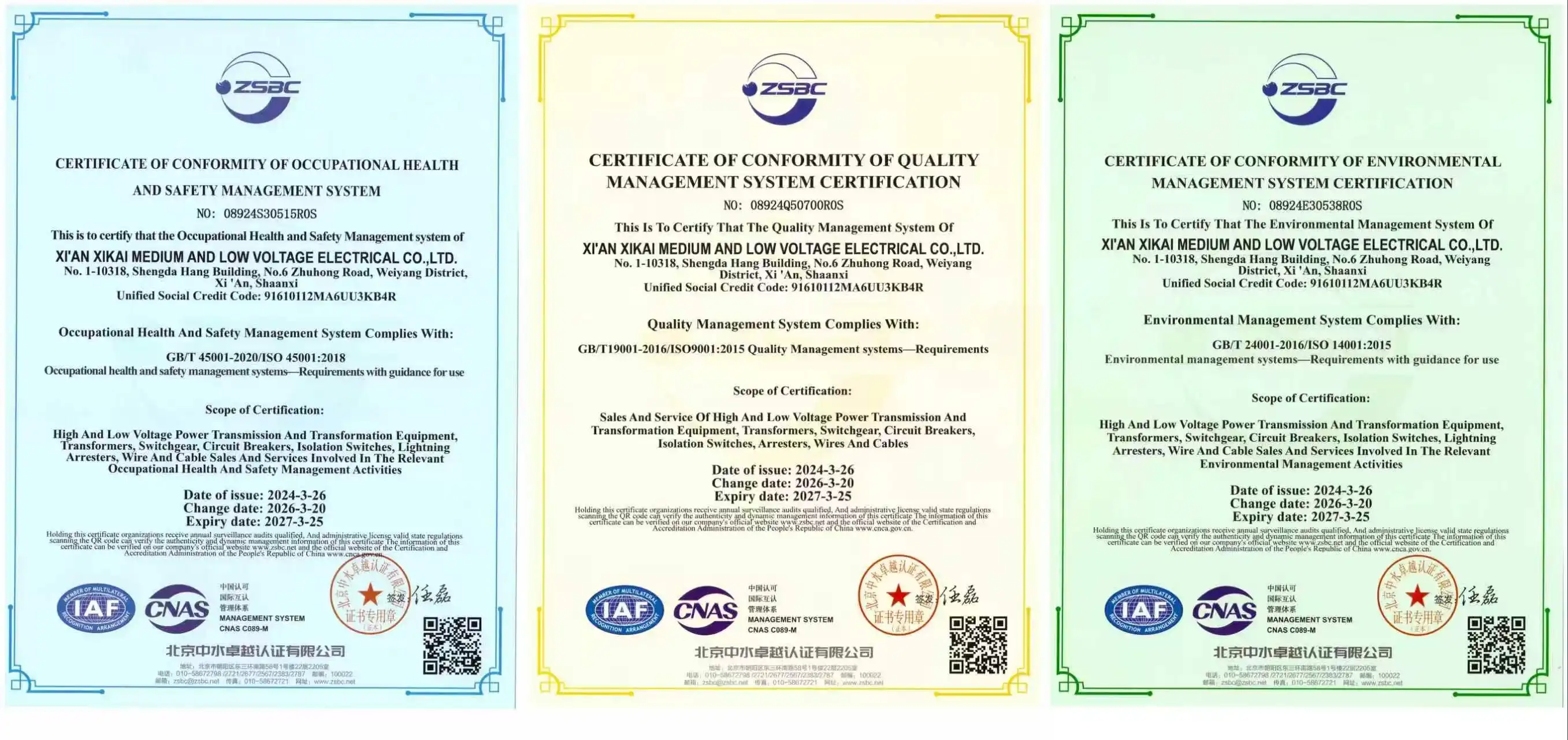
A good piece of 10kV outdoor line compensation equipment has certificates that show it meets strict industry standards. IEEE 18-2012 marks shunt power capacitors, IEC 60871 marks AC power capacitors, and UL 810 marks capacitors for use in electric circuits. Vacuum interrupters need to meet the switching duty standards set out in IEEE C37.04 and C37.06. These licenses show that the equipment was tested by a third party to make sure it worked properly electrically, last a long time mechanically, and be safe.
Companies that have ISO 9001 quality management badges show that they use organised methods for planning, making, and testing their products. ISO 14001 environmental certifications show a commitment to sustainable production practices, which is becoming more and more important for buying policies that stress environmental responsibility in the supply chain.
Evaluating Manufacturer Capabilities
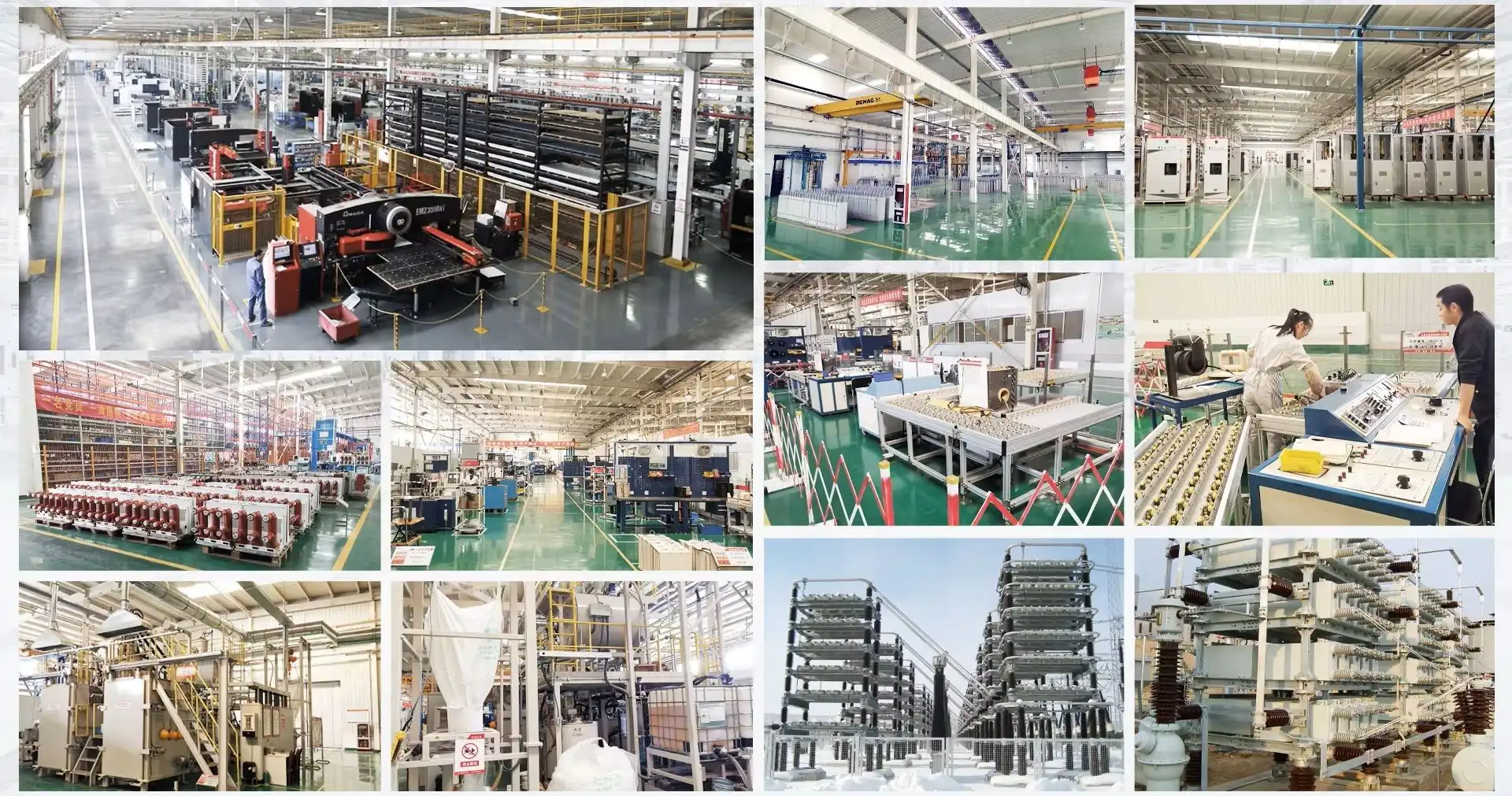
Xi'an Xikai Medium & Low Voltage Electric Co., Ltd. has been creating and making medium-voltage power distribution tools for more than 30 years. Our wide range of products is used by utilities, factories, and building projects in more than 40 countries. We offer correction systems that are reliable in tough situations thanks to our 15 patents in reactive power technology and full testing facilities.
When we make things, we have outdoor testing rooms that can simulate temperature ranges from -40°C to +70°C, exposure to salt spray, and vibration patterns that go beyond transportation and seismic standards. Before being sent out, each compensation unit is tested for lightning impulse withstand voltage (usually 75kV or 95kV BIL), capacitance, loss tangent, and mechanical endurance cycle. This strict quality control makes sure that goods come ready to be used for decades.
Commercial Terms and Support Services
Beyond technical specs, you should also look at the guarantee coverage, the availability of expert help, and the logistics of getting spare parts. Full guarantees that last between 2 and 5 years show that the maker trusts the quality of the product. Responding expert support, ideally with English-speaking engineers who know North American standards, is very helpful when setting up and fixing problems.
Long-term running costs are affected by how easy it is to get spare parts. When compared to vendors who need months to ship new parts from foreign plants, suppliers who keep inventory stocks in North America reduce the risk of downtime. We keep a smart inventory of parts and have set up transportation partnerships that allow us to respond quickly to customer needs.
Conclusion
Adding 10kV outdoor line compensation to 10kV distribution networks has huge benefits for both operations and finances. Better voltage stability saves sensitive equipment, lower line losses lower energy costs by 15 to 30 percent, and better power factor gets rid of utility fees while making equipment last longer. Instead of just compensating the substation, carefully placed line devices offer localised correction that lowers the stress on infrastructure and delays updates to capacity.
When you buy quality equipment from a company with a lot of experience, you can be sure that it will work reliably in tough environments and during long electrical job cycles. Getting the right size, installing it correctly, and keeping it in good shape will help you get the most out of your investment and keep the grid safe as green energy sources and rising loads change the needs of the distribution network.
FAQ
1.What is the typical service life of outdoor compensation systems?
When kept in good shape, high-quality 10kV outdoor line compensation equipment with stainless steel housings and all-film capacitors usually lasts 20 to 25 years. Environmental protection grades (IP54 or IP65) stop moisture from getting in and causing early failures, and hoover switching technology gets rid of the contact wear that comes with older air-break designs.
2.How long does installation typically require?
Putting in a ground-mounted compensation system usually takes three to five working days. This includes laying the base, installing the equipment, connecting the power, and starting it up. Once the structure is ready, pole-mounted units can usually be put up in one to two days. Installations that are very complicated and use a lot of SCADA interface and various compensation banks may take an extra one to two weeks.
3.Can these systems integrate with existing grid infrastructure?
Through flexible voltage and current transformer inputs, modern compensation controls can work with older grid equipment. Different SCADA systems can talk to each other using communication standards like Modbus, DNP3.0, and IEC 61850. Most of the time, retrofit installs can happen without making major changes to the distribution equipment that is already in place.
Partner with Xi'an Xikai for Reliable Outdoor Line Compensation Solutions
To get the most out of your power distribution network, you need a manufacturer and provider you can trust to offer speed, dependability, and full support. Xi'an Xikai blends decades of experience with medium-voltage tools with cutting-edge 10kV outdoor line compensation technology designed for tough outdoor use. Our modular systems, which come in capacities ranging from 1 to 100 Mvar, can be changed to meet your unique reactive power needs, whether you run a utility grid, an industrial facility, or a commercial complex.
We take care of the whole project, from the original site study and system design to commissioning and ongoing expert support. Extreme weather can't hurt our stainless steel enclosures, our clever controls let you watch from afar using SCADA, and our low-loss capacitors have been shown to improve efficiency. Get in touch with our expert team right away to talk about your pay needs and get a custom quote. You can contact us at serina@xaxd-electric.com, amber@xaxd-electric.com, or luna@xaxd-electric.com to begin improving your power quality with a well-known outdoor line correction maker.
References
1. Institute of Electrical and Electronics Engineers. (2012). "IEEE Standard for Shunt Power Capacitors." IEEE Standard 18-2012, New York.
2. International Electrotechnical Commission. (2014). "Shunt Capacitors for A.C. Power Systems Having a Rated Voltage Above 1000 V." IEC 60871 Series, Geneva.
3. Willis, H.L. (2004). "Power Distribution Planning Reference Book, Second Edition." Marcel Dekker, Inc., New York.
4. Electric Power Research Institute. (2010). "Reactive Power Compensation Technologies for Transmission Systems." EPRI Technical Report 1020098, Palo Alto, California.
5. Dugan, R.C., McGranaghan, M.F., Santoso, S., and Beaty, H.W. (2012). "Electrical Power Systems Quality, Third Edition." McGraw-Hill Education, New York.
6. National Fire Protection Association. (2021). "NFPA 70: National Electrical Code." NFPA Standards Council, Quincy, Massachusetts.