Why Should You Use a Line Reactor?
2026-07-13 16:13:47
A line reactor is an important part of protecting important electricity equipment and making sure that operations don't stop. A Linear Reactor is an electromagnetic inductive part that keeps the inductance constant even when the current load changes. It stops harmonic distortion, lowers voltage transients, and makes sensitive equipment like VFDs, capacitor banks, and transformers last longer. Using this technology lowers the chance of downtime, stabilises power quality, and boosts energy economy. This makes it an important investment for businesses that need to run reliably and continuously and meet strict power quality standards.
 |
 |
Introduction
Power quality has a direct effect on how well technology works, how safe it is, and how much money it makes. Problems with electricity, like voltage jumps and harmonic contamination, can make production lines, data centers, hospitals, and power grids less reliable. Line reactors solve these problems by adding controlled inductance to electrical systems. This protects loads from changes in the grid and filters out unwanted harmonic currents.
More and more, procurement managers, building engineers, and system designers are realising that adding reactors to plans for power distribution is not a choice, but a smart move. The Linear Reactor makes uptime, equipment life, and regulatory compliance better in a number of ways, such as by protecting VFD systems in factories, stabilising renewable energy inverters, and making sure that utility workers stay in line with the grid. This piece gives useful information about reactor technology that can be used to make smart buying decisions and improve operations in a wide range of industry settings.
Understanding the Linear Reactor: Principles and Applications
How a Linear Reactor Functions
Linear Reactors work by using basic electric ideas. The reactor makes an opposing magnetic field that stops quick changes in current when alternating current runs through its copper windings. As an electrical cushion, this inductive reactance smooths out current waves and soaks up voltage spikes. Normal inductors get saturated at peak loads, but good reactors keep their inductance fixed even at 150 to 200% of their rated current. This makes sure that security stays the same when things go wrong.
The design of the core has a big effect on efficiency. Eddy current losses are kept to a minimum by cold-rolled silicon steel laminations, and magnetic saturation is avoided by precision-engineered air gaps. Vacuum pressure impregnation (VPI) joins core materials and windings, making them stronger and better at transferring heat. This way of building keeps noise levels below 65 dBA and makes sure that Class H insulation systems can handle temperatures up to 180°C, which is important for tough industrial settings.
Distinguishing Reactor Types and Applications
Line reactors have different jobs to do based on where they are installed. When put between the power source and the load, input reactors protect against changes in the grid and lower the amount of harmonic feedback that gets into the distribution system. When placed between the drive and the motor, load reactors stop reflected waves in long wire runs. This keeps the insulation from breaking down because of voltage doubling effects.
How well filtering works is based on reactance scores, which are usually 3%, 5%, 7%, 14%, or 27%. A 3% reactor is good for basic safety in most VFD uses, but a 5% reactor is better at reducing harmonics, lowering Total Harmonic Distortion (THDi) to about 35%. For example, a reactance value of 7% stops harmonics above the fifth order, a value of 14% stops third-order harmonics, and a value of 27% stops second-order distortions, which protect capacitor banks in power factor correction systems.
Industry Applications Across Critical Sectors
Reactors are used in factories to protect CNC machines, robotic assembly lines, and process control systems from power quality problems that cause unnecessary trips and delays in production. They are used to protect sensitive computer equipment and cooling systems in data centers, where even microsecond failures cost a lot of money in lost time. Life-support systems, imaging tools, and HVAC functions all need reactors to keep the power on in hospitals.
Utility companies add reactors to their transmission and distribution systems to keep the power stable when the load changes and to work with green energy sources that only work sometimes. Reactors are used in inverter systems at wind farms and solar sites to smooth out DC ripple current and filter AC waveforms before they are sent to the grid. This makes sure that they meet IEEE 519 standards. Better power quality and equipment safety are good for business buildings, petrochemical plants, and water treatment plants alike.
Advantages of Using a Line Reactor Over Traditional Reactors
Addressing Limitations of Conventional Protection Methods
Traditional ways of protecting electrical systems of Linear Reactor, like only using circuit breakers or isolation transformers, don't always work well with today's power quality problems. When there is too much current, the circuit breaker trips, but it can't filter harmonics or stop transients. Although isolation transformers offer galvanic separation, they come at a higher cost, are harder to use, and waste energy because they don't fix the harmonic distortion caused by non-linear loads.
Older reactor designs with layered iron cores that don't have exact air gaps experience magnetic saturation during surge events, losing their ability to protect right when it's needed the most. Batch-manufactured reactors that don't go through strict quality control work unevenly, with inductance changes of more than ±10%, which makes the system less reliable. When reactors aren't built well and don't have good thermal management, the insulation fails too soon, which means expensive repairs and unscheduled maintenance.
Core Benefits of Modern Reactor Technology
Modern reactor designs provide constant passive defence without any moving parts or complicated electronics, which makes them naturally reliable. Precision-wound copper windings with a Class H enamel covering provide thermal reserves that, under the right conditions, extend the life of the device beyond 15 to 20 years. Low impedance designs cause very little voltage drop (usually 2% to 3%), which keeps the system efficient and provides full safety.
Reactors made with advanced manufacturing methods have tight inductance limits (±3%), which means that performance will be consistent across production runs. When compared to standard designs, optimised core shape cuts magnetic losses by 30%, which is in line with EN 50588 and ANSI efficiency standards. Compact form factors make it possible for cabinets to be integrated, which cuts down on installation space and costs and makes system design easier for EPC firms and installers.
When saved costs are taken into account, the economic case gets stronger. Avoiding a single VFD failure, which can cost anywhere from $5,000 to $50,000 and cause output to stop, more than pays for the reactor's investment many times over. When the power factor is better, the energy usage charges are lower, which saves money over time. Capital spending can be put off when technology has a longer lifespan, which improves the return on investment over the lifecycle of a building.
Optimizing Your Process with Linear Reactor Technology
Design Parameters for Maximum Efficiency
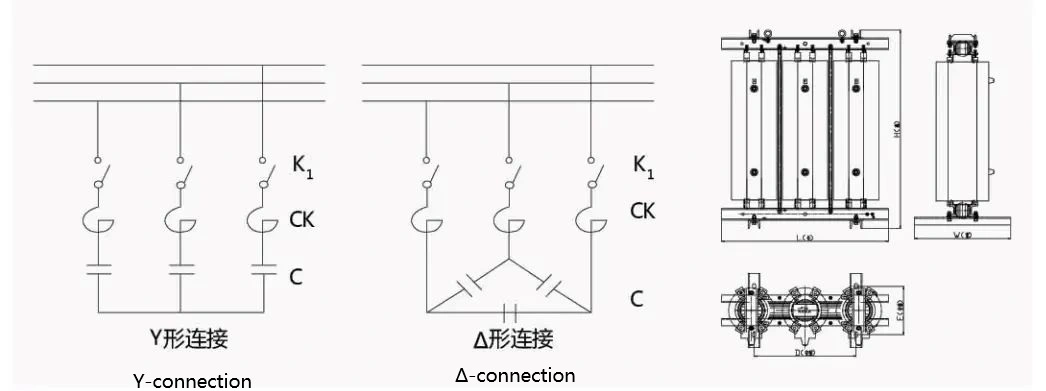
To choose the right reactance numbers, you need to look at the specifics of the program. Most of the time, 3% or 5% reactors are used for VFD input safety. These reactors balance harmonic reduction with a good voltage drop. To offset the effects of parasitic capacitance, motor wire runs longer than 100 feet need load reactors. Power factor correction systems need the resistance of the reactor to be perfectly matched to the banks of capacitors. This stops resonance situations that make harmonics louder instead of quieter.
Environmental factors affect the design requirements. Reactors that can work continuously at high temperatures are useful in places where the temperature is high. Places where there is a lot of seismic activity need stronger mechanical support and fasteners that aren't magnetic and won't come away when they vibrate. Corrosive environments, like those found in chemical plants or along the coast, need special coats and treatments on the ends of the enclosures to keep them in good shape over time.
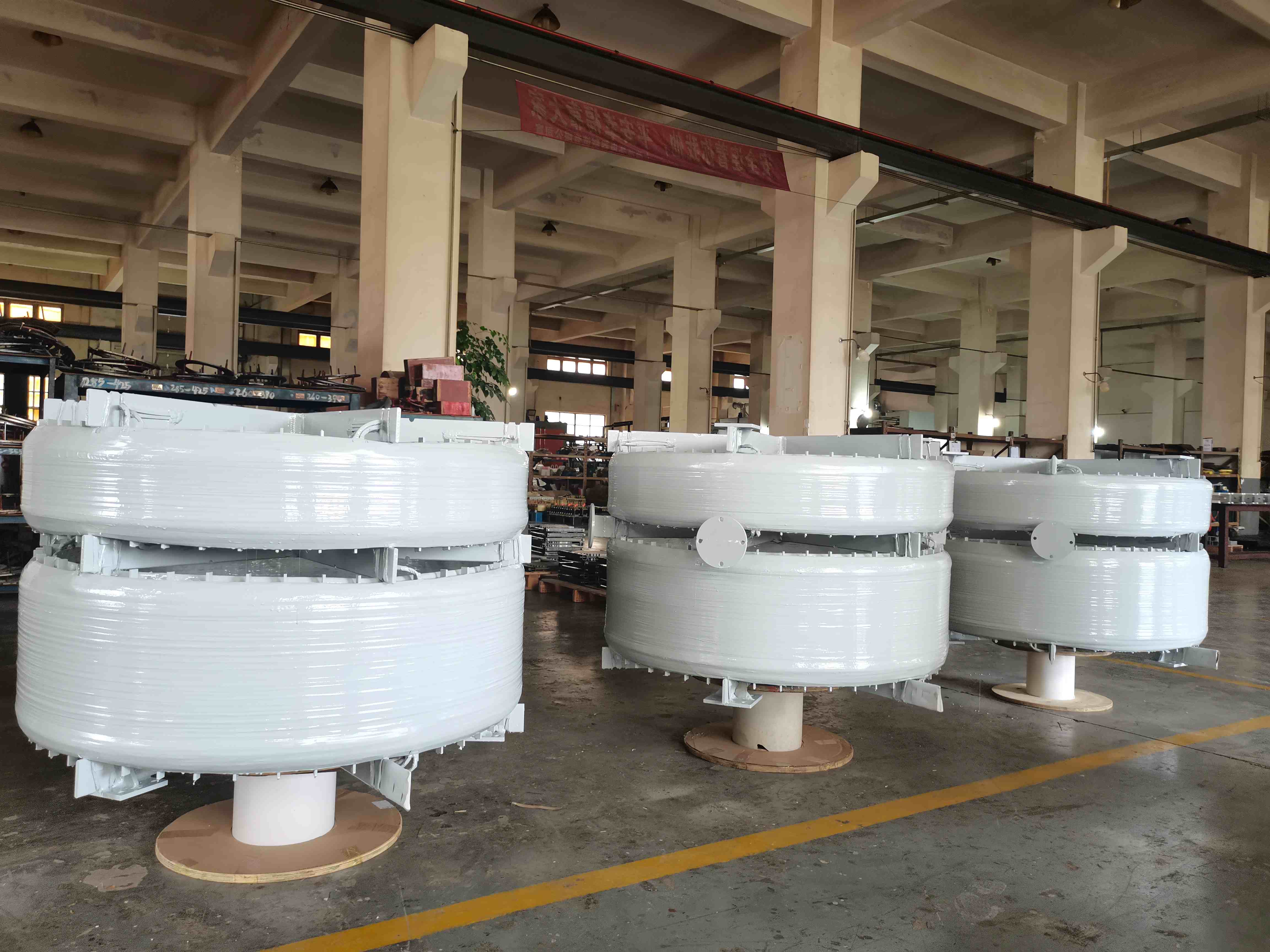
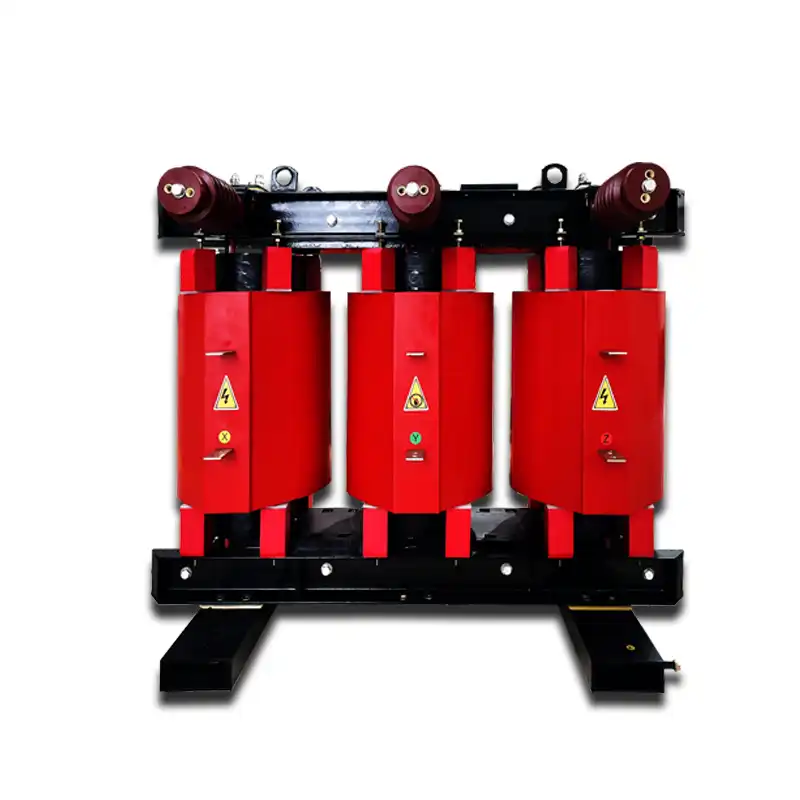
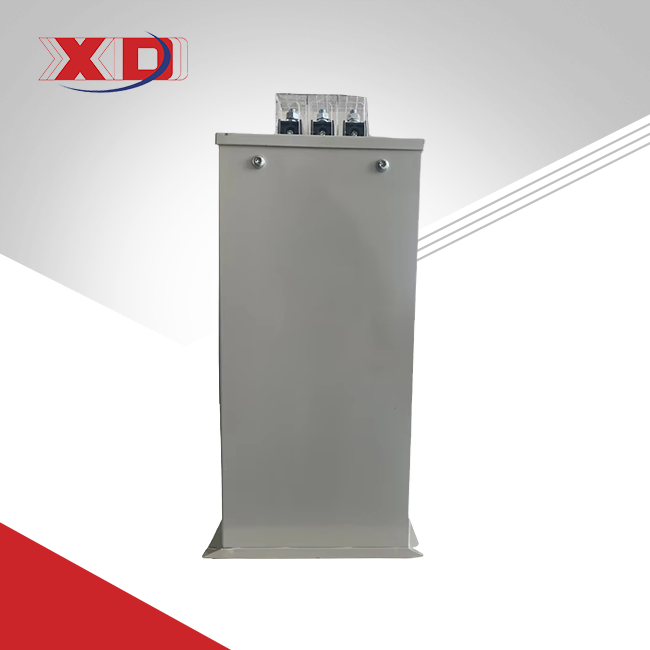
Xi'an Xikai's CKSG Series Low Voltage Reactor is a great example of how to use advanced design optimisation. It targets problematic harmonic orders exactly and comes in three-phase and single-phase forms with selectable reactance rates (7%, 14%, and 27%). The segmented core structure with imported silicon steel laminations and epoxy-laminated glass spaces keeps the air gaps stable even when the load changes. Tightly wrapped flat copper wire with Class H/C insulation makes sure that the machine runs quietly and can handle heat stress of 180°C. Vacuum impregnation and heat curing join the core and windings together, resulting in low losses and better harmonic reduction that safeguards capacitors and transformers upstream and downstream.
Maintenance Strategies and Lifespan Extension
Linear Reactor Reactors don't need as much care as active parts, but they should still be inspected on a regular basis to make sure they're working at their best. Visual checks are done every three months to look for dust buildups that are blocking airflow, rust on the connections, or signs of overheating, like insulation that has turned a different colour. Every year, during peak load conditions, thermal imaging finds hot spots that show link or winding degradation before crashes happen.
Controlling the environment has a big effect on how long people live. Keeping the temperature inside a shelter below 40°C with good ventilation or air conditioning stops the insulation from wearing out faster. Keeping systems clean and dry stops water from getting in and weakening the insulator. Every two years, check the torque on the end links to stop resistive heating from loose screws.
By keeping an eye on the facility's harmonic levels, you can quickly spot changes in the load that could go beyond what the reactor was designed to handle. Facilities that are growing or changing their equipment should look at their reactor sizes again to make sure they keep working well. Keeping accurate records of installation dates, environmental conditions, and repair activities allows for planned replacement plans, which keeps unexpected fails from happening during key production times.
Real-World Performance Evidence
When factories install reactor-protected VFD systems, they report 90% fewer annoying trip events, which adds hundreds of hours of production every year. By getting rid of power quality-related server crashes, data centers that use complete reactor security meet their 99.99% uptime goals. Using reactors on important imaging equipment helps hospitals extend service times by 40%, which lowers upkeep costs and raises the availability of diagnostics.
Utility case studies show that base reactors can reduce voltage changes caused by renewable energy by 60%, which means fewer customer complains and fines from the government. Adding reactors to old electrical infrastructure in commercial buildings cuts energy use by 8–12% through better power factor, and the annual saves are enough to cover the initial investment costs within 24–36 months. These results show that reactor technology is a good investment that pays off in the long run, both financially and operationally.
How to Choose and Purchase a Linear Reactor: A Procurement Guide
Essential Selection Criteria
Accurate system characterisation of Linear Reactor is the first step in buying a reactor. Write down the voltage levels, load types, maximum power, and wire lengths between parts. To choose the right reactance rates, you need to know what your main goals are. These could be harmonic reduction, surge protection, or motor insulation preservation. Check the weather, including the temperature ranges, humidity levels, altitude, and the amount of contact to toxic substances.
Compliance standards guide the creation of specifications. In North America, systems usually need to be UL 508 certified and follow NFPA 70 fire rules. For European projects, products must have the CE mark and meet the standards set by IEC 60076-6. Figuring out the relevant IEEE 519 harmonic limits is important to make sure that the chosen reactors meet the performance standards.
Physical limitations affect the choice of reactor. For cabinet-mounted installs, the designs need to be small and the mounting measurements need to be standard. For outdoor substations, you need weatherproof shelters with the right IP grade for the weather where you live. The weight of the structure affects the support needs and the difficulties of placement.
Evaluating Manufacturers and Suppliers
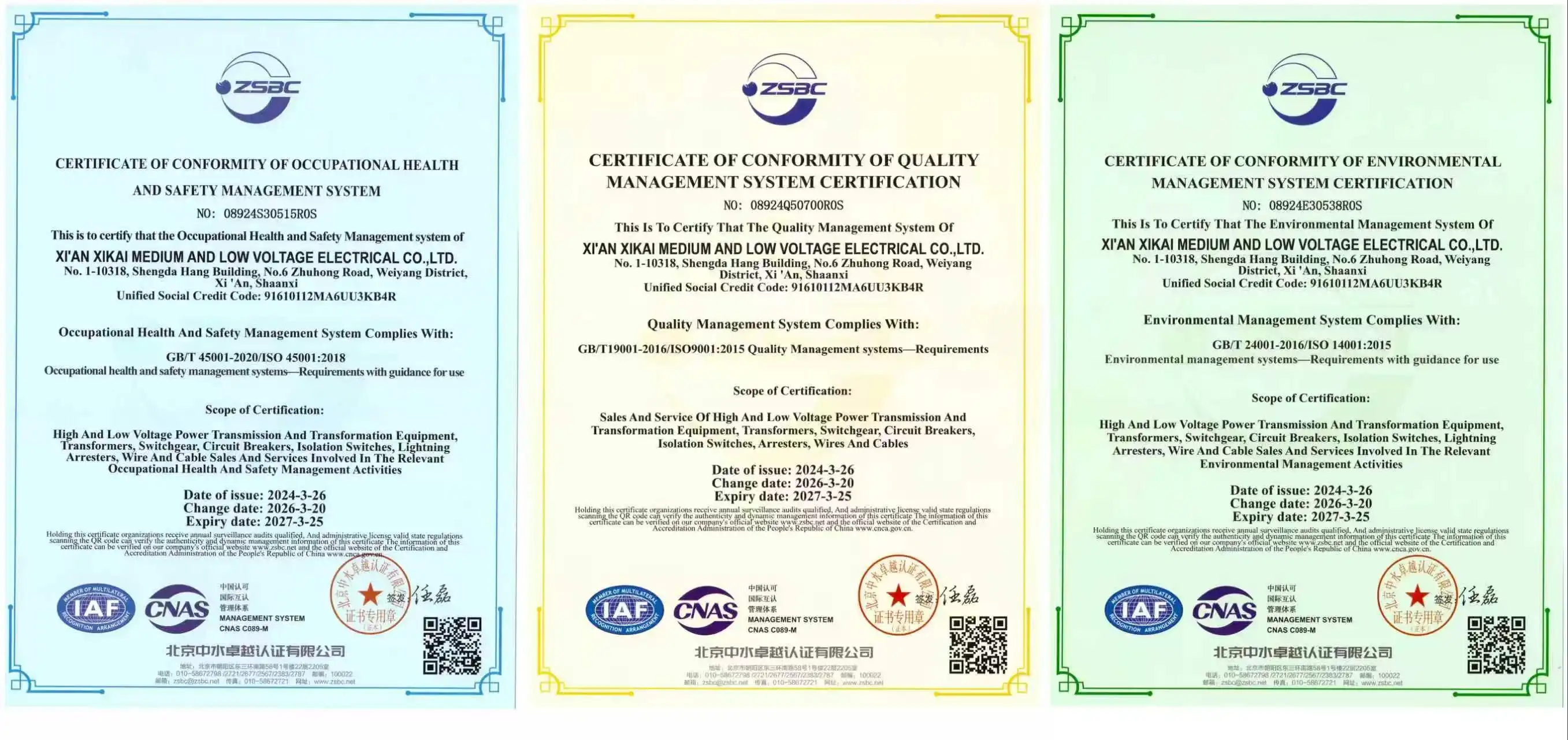
Manufacturers with a good reputation show their technical knowledge by providing application guides, thorough standard sheets, and quick engineering support. Some signs of quality are an ISO 9001 certification, written testing procedures, and a desire to share factory acceptance test (FAT) data. Companies that do their own research and development and have patents on reactor technology usually come up with better ideas and perform better.
Dependability in the supply chain is very important for keeping to project deadlines. Check with the manufacturer about their production ability, normal wait times, and how they handle their inventory. Established companies with more than one production facility offer more supply security than companies with only one site. The availability of help after installation is affected by where the service offices are located.
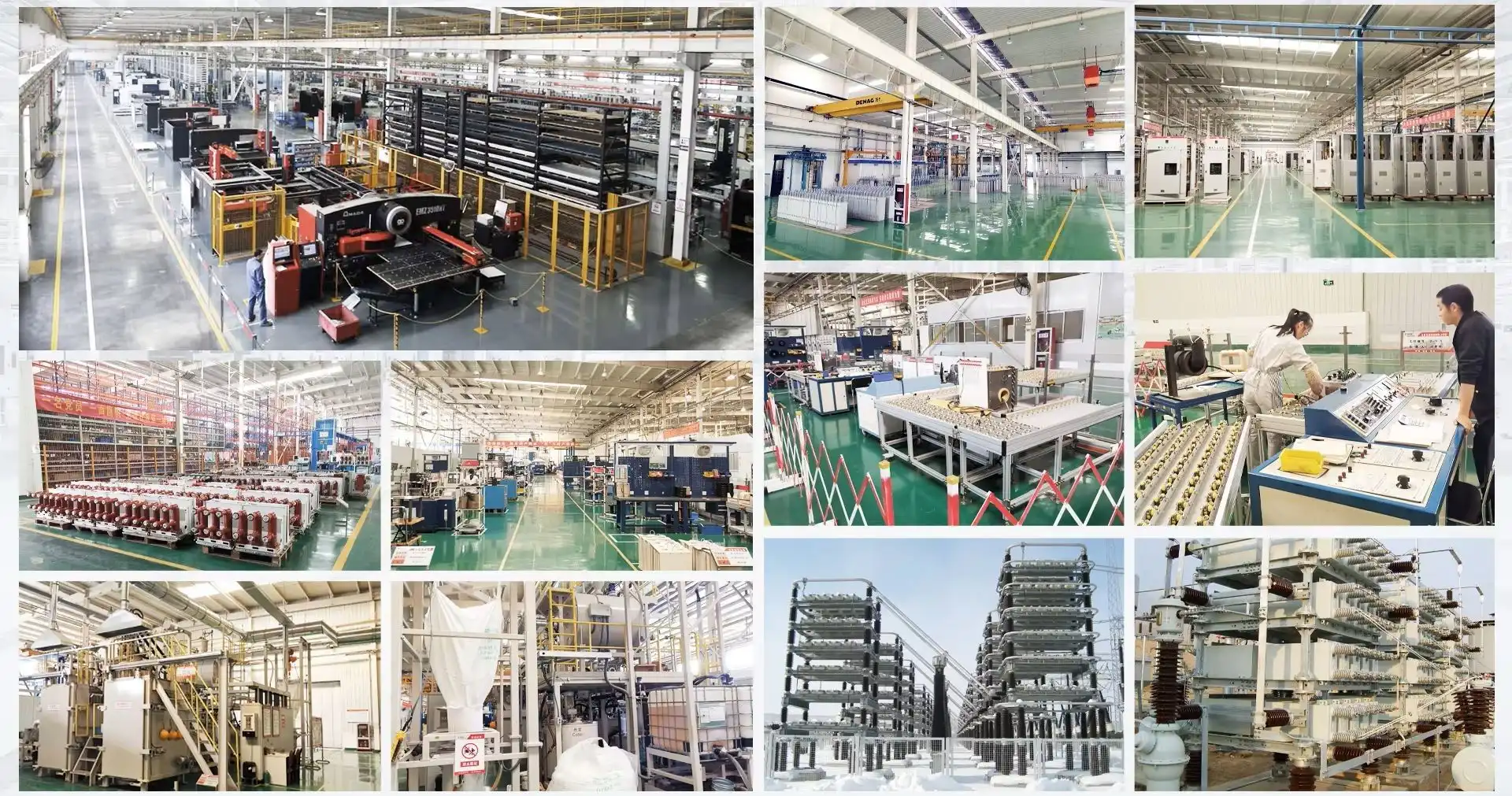
Xi'an Xikai is a full-service manufacturing base that makes medium- and low-voltage electrical equipment. It has seven main product groups, 34 lines, and more than 100 different models. The company meets strict quality standards when it comes to reactors it makes because it has multiple patents and ISO 9001, 14001, and 45001 certifications. Production skills support projects ranging from small deployments of a single unit to large-scale ones, and lead times are usually less than 12 weeks. Technical teams help installations around the world 24 hours a day, seven days a week, providing solid service after the sale.
Procurement Pathways and Customization Options
Engaging directly with the manufacturer has benefits such as technical customisation, competitive price, and easier contact. Teams in charge of buying things should ask for thorough quotes that include all technical details, compliance certificates, testing records, and warranty terms. Make sure the shipping terms are clear, especially for foreign deals, so there are no surprises when it comes to costs or delays at customs.
Customisation goes beyond what is available in a catalogue. Manufacturers can change the reactance values, voltage levels, terminal setups, and enclosure specs to fit the needs of a particular project. Custom powder paint colours make it easier to brand and integrate systems. Changes to the elevation adjustment system make sure that sites up to 4,000 meters above sea level work properly.
Acceptance standards should be written into purchase deals. These should include checking the inductance tolerance, trying the temperature rise, and making sure the dielectric strength is correct. Quality assurance teams can watch the production process and make sure the products work properly before they are shipped by using factory witness testing. During the manufacturing and installation phases, confusion can be avoided by setting clear communication rules and assigning expert contacts.
Conclusion
Using line reactor technology is a smart move that will improve working efficiency, protect equipment, and lower costs over the long run. Linear Reactors solve basic problems with power quality that lower output, harm sensitive electronics, and create risks for following the rules. These parts keep the inductance fixed even when the load changes. This way, they protect against harmonics, transients, and voltage disturbances all the time.
To choose the right reactor specs, you need to know about the weather conditions, compliance requirements, and requirements specific to the application. Partnering with experienced makers who offer full technical help and quality systems that have been shown to work will ensure that the project is completed successfully. The measurable benefits, such as less downtime, longer machine life, better energy economy, and more reliable systems, make the return on investment very strong in industrial, commercial, and utility settings.
FAQ
1.What distinguishes a line reactor from a load reactor?
Line reactors are put in between the power source and the load. They protect the load from changes in the power grid and lower the amount of harmonic feedback that gets into the distribution network. Load reactors are put between the drive and the motor to deal with mirrored waves that happen in long wire runs. Both work to protect systems, but depending on where they are installed, they attack different system weaknesses.
2.How does reactance rating selection impact system performance?
Lower reactance values (3% or less) offer default safety with little voltage drop, making them good for most uses. Higher numbers (5-7%) provide better harmonic filtering, which lowers THDi levels. In power factor correction devices, specialised rates (14% to 27%) deal with certain harmonic orders. Selection strikes a mix between how well safety works and how much system voltage drops is okay.
3.Can reactors improve power factor and reduce energy costs?
Indirectly, reactors improve power factor by keeping capacitor banks safe from damage caused by harmonics. This makes sure that power factor correction works consistently. Less harmonic distortion means less heat in the transformer and less loss in the cables, which makes the whole system more efficient. Stopping equipment from breaking down also stops production, which has a much bigger effect on the economy than saving energy directly.
Partner with Xi'an Xikai for Superior Linear Reactor Solutions
Xi'an Xikai offers complete line reactor options that are made to fit the needs of challenging utility and industrial uses. Our CKSG Series Low Voltage Reactor has a patented core design, precision-wound copper windings, and strict quality control, which makes it very reliable. Our reactors protect important equipment while making the best use of energy. They can be set up in a variety of ways to meet different harmonic patterns.
As a reliable Linear Reactor manufacturer that serves customers all over the world, we offer expert advice, application engineering, and help after the installation to make sure the project goes well. Our skilled group works together with procurement experts, facility engineers, and system designers to come up with the best solutions that meet exact practical needs and price limits.
Contact our experts right away to talk about your power quality problems and look into unique reactor options. You can email serina@xaxd-electric.com, amber@xaxd-electric.com, or luna@xaxd-electric.com for full technical details, quotes, and help with your application. You can see our full catalogue of products and start your request at xaxd-electric.com.
References
1. Institute of Electrical and Electronics Engineers (IEEE). "IEEE Recommended Practice and Requirements for Harmonic Control in Electric Power Systems." IEEE Standard 519, 2014.
2. National Electrical Manufacturers Association (NEMA). "Application Guide for AC Adjustable Speed Drive Systems." NEMA Standards Publication ICS 7.1, 2018.
3. International Electrotechnical Commission (IEC). "Power Transformers – Part 6: Reactors." IEC 60076-6 Standard, 2017.
4. Arrillaga, Jos, and Neville R. Watson. "Power System Harmonics." Second Edition, John Wiley & Sons, 2003.
5. Mohan, Ned, Tore M. Undeland, and William P. Robbins. "Power Electronics: Converters, Applications, and Design." Third Edition, John Wiley & Sons, 2003.
6. Electric Power Research Institute (EPRI). "Harmonic Mitigation Technologies for Industrial and Commercial Facilities." Technical Report 1020658, 2010.
_1774321455861.png)