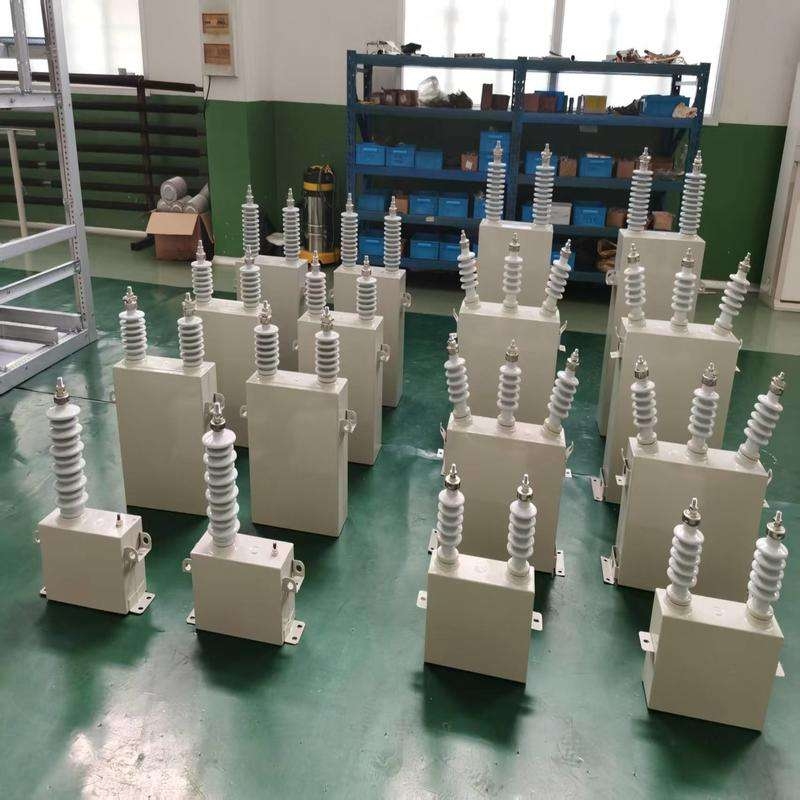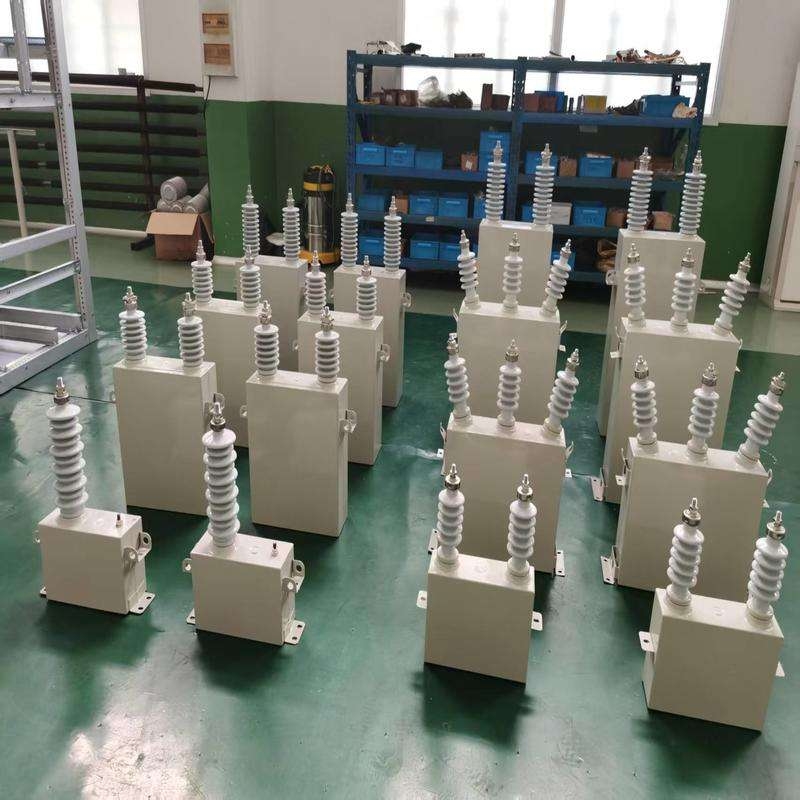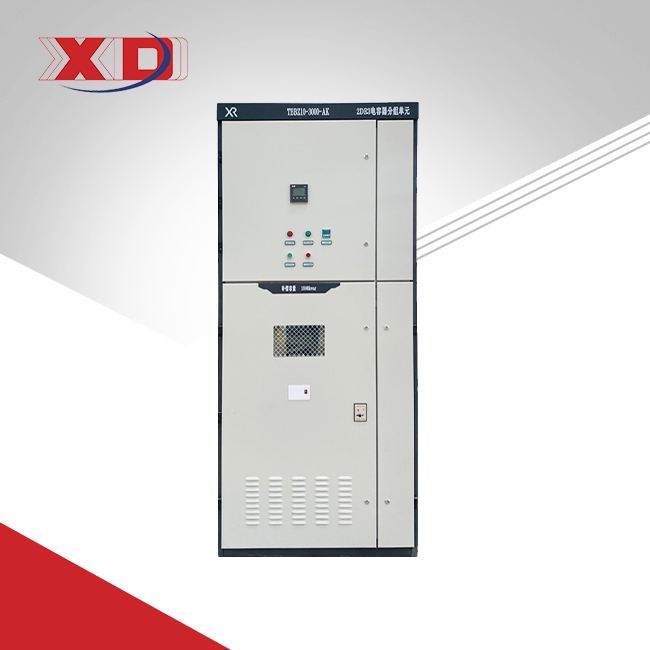
TBB10 High Voltage Reactive Power Automatic Compensation Device
What is a Switch Disconnector and Why It is So Important
2026-05-28 15:56:01
Electrical distribution systems use switch disconnectors, also known as isolation switches, to safely disconnect power circuits during maintenance or emergencies. An Indoor disconnect switch establishes a visible isolation gap under no-load situations, assuring technician safety when repairing equipment. Circuit breakers halt fault currents. This gadget is crucial in industrial and commercial settings where unscheduled downtime costs thousands per hour and workers operate near electrical equipment. IEC 62271, UL 98, and NEMA standards ensure modern disconnect switches fulfill strict safety and performance standards in US industrial facilities, data centers, hospitals, and utility infrastructure.
 |
 |
Understanding the Switch Disconnector: Definition and Working Principle
What Defines a Switch Disconnector?
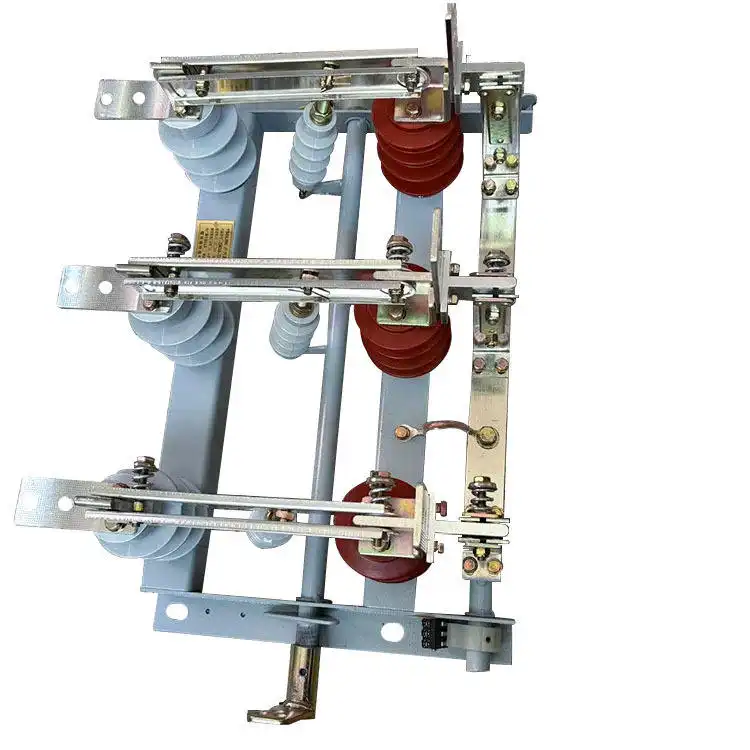
Mechanical switch disconnectors disconnect electrical circuits from power sources. Their main difference is that they cannot quench arcs under no-load situations like circuit breakers. A technician operating an Indoor disconnect switch generates a visible air gap between conductive contacts, usually several millimeters to centimeters depending on voltage rating. This conspicuous disconnect ensures maintenance workers that the circuit is de-energized before starting work. Operating mechanism (manual lever or motorized actuator), insulating support structure (epoxy resin or porcelain), and conductive blade assemblies with silver-plated contacts to reduce resistance make up the gadget.
Indoor vs Outdoor Disconnect Switch Applications
Indoor disconnect switches are designed for switchgear cabinets, substations, and equipment rooms with steady ambient temperatures. These devices are IP2X-rated for dust-free or low-contamination environments. Outdoor models have waterproof housings, UV-resistant insulation, and corrosion-resistant hardware to endure harsh temperatures, moisture, and pollution. The GN24 High Voltage Disconnect Switch from Xi'an Xikai has hot-dip galvanized steel frames and silicone rubber insulation for outdoor performance from -40°C to +55°C. Outdoor designs emphasize mechanical robustness against wind and ice buildup, whereas Indoor disconnect switches emphasize small footprints for space-constrained installations.
Types: Fusible, Non-Fusible, Load-Break, and Non-Load Break
Switch disconnectors are classed by protection and operation. Motor control circuits and branch feeders benefit from fusible disconnect switches' overcurrent prevention and short-circuit protection. As upstream disconnection sites where circuit breakers interrupt faults, non-fusible versions isolate without protection. The limited arc-interrupting capabilities of load-break disconnect switches allows them to securely disconnect modest load currents (up to 600A at low voltage) but not fault currents. Before operation, non-load break switches like the GN24 for 12kV systems with currents up to 1250A must be load de-energized. By understanding these differences, procurement teams may specify devices for certain circuit topologies.
Compliance Standards: IEC, UL, and NEMA
Global electrical installations are safe because of regulatory compliance. High-voltage alternating current disconnectors and earthing switches must meet IEC 62271-102 mechanical durability (2,000–10,000 operations), dielectric strength, and temperature increase limitations. North American enclosed and dead-front switches must meet UL 98 enclosure ratings and short-circuit resist criteria. NEMA standards provide manufacturer interchangeability by defining dimensional parameters and performance categories. The GN24 switch from Xi'an Xikai meets IEC 62271-1/3 and IEEE C37.30 standards. Equipment supplying State Grid, petrochemical, and rail transportation infrastructure must pass third-party testing and quality assessments.
Why Indoor Disconnect Switches Are So Important in Industrial and Commercial Settings?
Industrial operations nowadays cannot tolerate electrical safety risks. Indoor disconnect switches protect maintenance workers from live wires during normal or emergency repairs. These devices protect expensive machinery from voltage transients during switching operations and prevent liability.
Built-In Safety Features That Protect Personnel and Equipment
Disconnect switches today include more safety features than circuit isolation. Mechanical interlocks prevent grounding switches from closing accidentally while the main circuit is powered, preventing catastrophic arc failures. Visual location indicators, frequently color-coded, confirm switch state from safe distances. Dual-break insulation on the GN24 disconnect switch doubles maintenance safety by establishing two physical separation points. Contact systems use spring-loaded pressure devices to maintain contact force throughout their lifespan, eliminating resistive heating that degrades connections. NFPA 70E arc flash enclosures contain plasma emissions in reinforced compartments. These integrated precautions address the fact that electrical mishaps kill one US worker each day, according to OSHA data.
Operational Uptime, Maintenance Access, and Energy Efficiency
Unplanned downtime costs manufacturing facilities $50,000–$250,000 per hour, depending on industry. Indoor disconnect switches allow personnel to separate individual equipment branches while nearby circuits remain active, enabling scheduled maintenance without shutting down whole production lines. The ability to isolate sections allows facility managers to maintain UPS systems or transformer banks during maintenance windows without disrupting mission-critical loads in data centers where server clusters need 99.999% availability. Premium disconnect switches with silver-plated blades minimize contact resistance to below 40 microhms, resulting in energy efficiency gains and reduced heat loss. Efficient servicing saves money over 20 years. Accessible disconnect points facilitate thermal imaging scans and connection torque verification, eliminating costly emergency repairs and extending equipment lifespan.
Application Examples: Manufacturing, Commercial Buildings, and Machinery
Indoor disconnect switches are used in motor control centers feeding CNC machines, injection molding equipment, and conveyor systems. Automotive assembly plants may use hundreds of disconnect switches from 30A to 800A to isolate robots maintenance. Commercial buildings use these devices in electrical rooms servicing HVAC chillers, elevator machine rooms, and emergency generator transfer switches. Hospitals benefit because they must maintain patient care equipment throughout electrical system improvements. Industrial substations with 12kV distribution use the GN24 switch to change live and dead bus connections safely without exposing humans to electrified wires. OEMs include disconnect switches into packaged machinery to give end-users quick servicing disconnects that fulfill local electrical requirements for visual separation within sight of controlled equipment.
How to Choose the Best Indoor Disconnect Switch for Your Business Needs?
Technical needs, budget, and supplier reliability must be considered while choosing disconnect switches. Poor specifications lead to large equipment squandering capital or undersized devices posing safety risks.
Critical Technical Parameters: Voltage, Amperage, and Environmental Conditions
With enough safety margin, 12kV switches support 11kV distribution networks and 40.5kV units 35kV systems. The GN24's 12kV rating suits medium-voltage industrial and utility substation applications. To avoid thermal stress, continuous current rating should be 125% of maximum predicted load; facilities contemplating growth should design switches with 150-200% current headroom. Mechanical breakdown under fault conditions might cause flames or explosions if short-time withstand current (usually 1-4 seconds) does not exceed maximum fault current at the installation location. Environmental evaluation includes severe temperatures, humidity, altitude, and contaminants. Low air density lowers dielectric strength over 1000 meters, requiring derating factors. Coastal or industrial locations with salt spray or chemical fumes require appropriate coatings and sealed systems to prevent corrosion.
Disconnect Switches vs Circuit Breakers: Understanding the Difference
These gadgets are confusing to non-specialists, yet they have different functions. Circuit breakers guard against overloads and short circuits by actively interrupting fault currents through arc-quenching chambers while operating safely under load. Disconnect switches only produce isolation gaps when upstream breakers disconnect load. A typical disconnect switch causes continuous arcing, welding contacts, or explosions while trying to break load current. The right system architecture uses circuit breakers as protection devices and disconnect switches as upstream or downstream isolation. Hybrid load-break switches handle limited load currents but not fault levels. Procurement specifications must distinguish between circuit breakers for protective interruption and Indoor disconnect switches for maintenance safety isolation.
Brand Comparison: Siemens, Eaton, Schneider Electric, ABB, GE, and Xi'an Xikai
Global manufacturers provide different performance, pricing, and support offerings. Siemens equipment is priced higher due to German technical perfection, intensive testing, and digital integration. Eaton products are UL-compliant and provide local technical support for North America. Schneider Electric's EcoStruxure-connected products combine innovation and cost-effectiveness. Swiss tradition means sturdy mechanical design for severe industrial conditions at ABB. Utility-scale projects with grid infrastructure roots are GE's emphasis. Xi'an Xikai offers affordable price, ISO 9001 production, high-altitude capability (4,000 meters), and significant customization. The company's 15+ switchgear design patents reflect technical expertise, and 24/7 multilingual service answers international supplier communication difficulties. Procurement teams should consider total cost of ownership, including replacement parts availability, warranty lengths (12–36 months), and technical support response times, rather than just initial purchase price.
Price Considerations, Lead Times, and Customization Options
Indoor disconnect switch prices vary by voltage class, current rating, and features. Depending on current rating and accessories, 600V, 200A fusible units cost $150-400, while 12kV GN24 variants cost $2,000-8,000. Volume pricing agreements are crucial for large projects—EPC firms installing 50+ units could expect 15-25% reductions. Custom-engineered solutions take 8-16 weeks, whereas domestic stock products arrive within days. Since 2020, global supply chain disruptions have expanded component lead times, necessitating early purchase planning. Xi'an Xikai provides customized mounting configurations, harsh environment insulating materials, and SCADA monitoring systems. Complex switchgear configurations are possible with through-wall mounting variations like the GN24. Having vendors with rapid engineering assistance helps when project specs change during construction.
Installation, Maintenance, and Troubleshooting Indoor Disconnect Switches
Indoor disconnect switches last decades with proper lifetime management. Safety hazards result from neglected equipment, whereas well-maintained devices protect persons and assets throughout their lifespan.
Installation Protocols Aligned with Electrical Codes
Motor circuits must be disconnected within sight of controlled equipment under NEC Article 430. Medium-voltage switches like the GN24 create significant mechanical stresses, necessitating reinforced support structures. Installation crews must evaluate mounting surface structural soundness. Torque wrenches must reach manufacturer-specified values (usually 30-50 foot-pounds for medium-voltage terminals) to provide adequate contact pressure without harming conductors. Phase identification and rotation verification prevent reversed connections from damaging expensive equipment. Separate equipment grounding conductors sized per NEC Table 250.122 must have resistance below 0.5 ohms to validate acceptable fault current routes. NEC Article 110 requires 12kV equipment to have 3-4 feet of clearance for safe operation and maintenance. Medium-voltage-experienced certified electricians install cables with suitable bending radii and torque sequences to avoid premature failures.
Maintenance Schedules: Inspection, Cleaning, and Functional Testing
Routine maintenance enhances equipment life and detects problems before they fail. Contact resistance should be measured annually using micro-ohm meters, usually below 50 for medium-voltage switches. Contact deterioration requires cleaning or blade replacement at high readings. Conductive deposits on insulators reduce flashover resistance; frequent solvent cleaning eliminates them. Sealed bearings and self-lubricating joints decrease the GN24's mechanical component maintenance needs, however pivot points must be inspected every 12-24 months. Operating mechanism inspections ensure smooth motion without binding or excessive force—corroded springs or connections increase operating effort. High-potential dielectric testing (usually done every 3-5 years) validates insulation integrity at 36kV power frequency for the GN24. Hotspots in infrared thermography studies during operation indicate loose connections or contact faults that cannot be seen. Documenting all maintenance actions leads to trend data showing slow degradation trends, enabling preventive replacements before catastrophic failures.
Practical Troubleshooting Strategies to Minimize Downtime
Systematic diagnosis reduces disconnect switch repair time. Insufficient contact pressure, oxidation, or misalignment cause contact overheating. Solutions include spring replacement, contact surface cleaning with abrasive pads or chemical cleaners, and blade alignment mechanical adjustment. Disassembly, cleaning, and re-lubrication generally fix operating mechanism binding caused by corrosion, foreign object entry, or lubricant deterioration. Isolator tracking or flashover indicates pollution or moisture incursion; outdoor devices with carbonized tracks may need high-pressure cleaning or replacement. Even with blade alignment, mechanical indications in the wrong spot indicate linkage problems that need repair or replacement. Broken insulators or badly damaged contacts require switch replacement rather than repair because structural damage affecting safety margins cannot be recovered in field settings. Critical application spare parts stocks decrease downtime; contact blades, springs, and working mechanism components are frequent wear items. Having vendors with fast spare part delivery—Xi'an Xikai stocks standard model parts—reduces revenue losses during unanticipated outages.
Conclusion
Switch disconnectors are essential safety components in industrial and commercial electrical infrastructure, allowing secure circuit separation during repair and sectional switching for operational flexibility. Indoor disconnect switches address space and environmental restrictions in enclosed electrical rooms, switchgear assemblies, and regulated settings where compact designs and accurate specifications matter. Proper device selection balances technical parameters including voltage rating, current capacity, and environmental suitability against practical considerations like supplier reliability, compliance certifications, and total ownership costs. Modern engineering addresses these needs with IEC-compliant design, durable construction, and integrated safety measures in Xi'an Xikai's GN24 High Voltage Disconnect Switch for utility operators, industrial facilities, and commercial installations in North America. Understanding the differences between isolation devices and protective equipment, together with disciplined installation and maintenance, assures decades of safe, reliable service safeguarding persons and assets.
FAQ
1. Can an indoor disconnect switch interrupt fault currents like a circuit breaker?
Standard Indoor disconnect switches cannot interrupt arcs and must never open under load or fault. Circuit breakers safely interrupt fault current via arc chutes and interrupting devices. Upstream breakers de-energize circuits before disconnect switches produce isolation gaps. Misapplication produces arcing, equipment damage, and injuries.
2. What maintenance frequency do indoor disconnect switches typically require?
Operating cycle and environment determine maintenance schedules. Equipment in clean, climate-controlled facilities with few activities may need examination every 24-36 months. Annual inspections include contact resistance testing, insulator cleaning, mechanical lubrication, and thermographic studies for switches in tough industrial applications or used often (over 100 cycles). Because reliability is important, high-criticality applications require preventive maintenance regardless of operating frequency.
3. How does altitude affect disconnect switch performance and selection?
Air density reduces with elevation, lowering dielectric strength and cooling efficiency. Equipment certified for sea level to 1,000 meters requires dielectric strength derating above 1,000 meters—typically 1% per 100 meters. Due to improved insulation and clearances, Xi'an Xikai's high-altitude equipment can keep full ratings to 4,000 meters in hilly or higher areas where normal equipment would need to be oversized.
Partner with Xi'an Xikai for Your Indoor Disconnect Switch Requirements
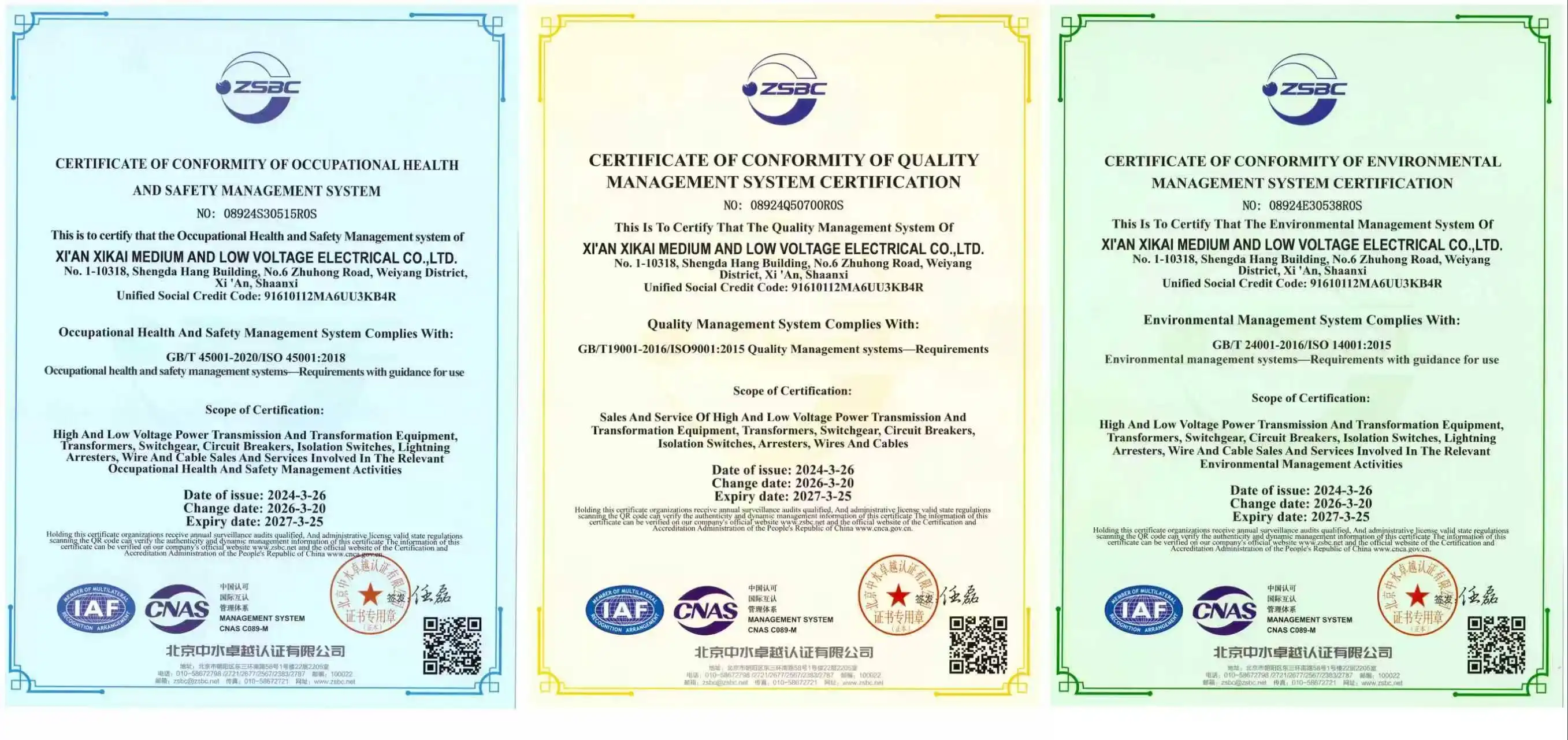
With decades of engineering experience, Xi'an Xikai Medium & Low Voltage Electric Co., Ltd. can assist your electrical infrastructure projects with complete disconnect switch solutions. ISO 9001-certified manufacture develops equipment for State Grid systems, petrochemical complexes, and transportation networks in demanding applications. We provide safety, dependability, and innovation with the GN24 High Voltage Disconnect Switch, which has integrated earthing switches, through-wall mounting options, and proven performance in severe settings. As a leading Indoor disconnect switch manufacturer, we can customize altitude-rated variations for mountainous installations and corrosive environment coatings.
Discuss your needs with our technical staff at serina@xaxd-electric.com, amber@xaxd-electric.com, or luna@xaxd-electric.com. Our precise specifications, competitive estimates, and engineering assistance ensure optimal equipment selection for commercial, industrial, and utility applications. Explore our full product range at xaxd-electric.com to learn how our solutions decrease downtime, simplify maintenance, and provide decades of operational reliability.
References
1. Institute of Electrical and Electronics Engineers, "IEEE Standard for High-Voltage Switchgear and Controlgear: Part 102 - Alternating Current Disconnectors and Earthing Switches," IEEE C37.30-2015, 2015.
2. International Electrotechnical Commission, "High-Voltage Switchgear and Controlgear - Part 102: Alternating Current Disconnectors and Earthing Switches," IEC 62271-102, Fourth Edition, 2018.
3. National Fire Protection Association, "Standard for Electrical Safety in the Workplace," NFPA 70E, 2021 Edition, Quincy, Massachusetts.
4. Smith, J.R. and Williams, K.T., "Electrical Contact Resistance and Its Impact on Power Distribution System Reliability," Journal of Electrical Power Systems Engineering, Vol. 45, No. 3, 2019, pp. 234-251.
5. United States Department of Labor, Occupational Safety and Health Administration, "Controlling Electrical Hazards: A Guide for the Construction Industry," OSHA Publication 3075, Revised 2020.
6. Zhang, L., Chen, M., and Anderson, P., "High-Voltage Disconnect Switch Design Considerations for Extreme Environmental Conditions," IEEE Transactions on Power Delivery, Vol. 36, No. 2, April 2021, pp. 892-903.