Applications of SVG Compensators in Industrial Power Systems
2026-04-13 16:38:56
Modern factories are under more and more pressure to keep the power quality perfect while keeping costs down. It turns out that the SVG Compensator is a game-changing device that can fix problems with voltage instability, harmonic distortion, and power factor in real time. This cutting-edge technology keeps sensitive equipment safe, cuts down on wasted energy, and makes sure that factories, data centers, hospitals, and power grids all keep running. Knowing how SVG Compensator units work and where they provide the most value helps engineering teams and building managers make smart choices that protect business resilience and profit.
 |
 |
Introduction to SVG Compensators in Industrial Power Systems
For industrial use, electrical systems must be able to quickly adapt to changing loads while keeping voltage levels fixed. In dynamic industrial settings where equipment turns on and off quickly, green energy sources add variability, or non-linear loads create harmonics, traditional passive correction methods often don't work.
What Makes SVG Technology Essential for Industrial Operations
SVG Compensator technology provides rapid reactive power compensation within milliseconds, stabilizing voltage, reducing harmonics, and improving power factor. It protects sensitive equipment, prevents production errors, and minimizes energy penalties, making it essential for maintaining efficiency and reliability in dynamic industrial environments.
Common Power Quality Challenges in Industrial Settings
Industrial systems face voltage fluctuations, motor inrush currents, renewable variability, and harmonic distortion from modern equipment. SVG Compensator solutions address these issues by stabilizing power quality, preventing equipment malfunctions, and ensuring reliable operation in critical environments like data centers, manufacturing plants, and healthcare facilities.
How SVG Compensators Work: Principles and Mechanisms
The power electronics design and smart control routines of SVG Compensator systems make them very complex to operate. Modern units use insulated gate bipolar transistors that switch thousands of times per second to make precise current patterns. Older technologies used mechanical contactors or thyristor-switched parts.
Technical Architecture and Control Strategies
SVG Compensator systems use voltage source converters with fast-switching IGBTs and real-time monitoring to deliver precise reactive power control. They operate in multiple modes for voltage, power factor, and current regulation, responding within milliseconds to stabilize grids and protect sensitive equipment.
Specifications That Define Performance
SVG Compensator units operate across medium voltages with scalable capacities and modular expansion. They provide simultaneous reactive power compensation and harmonic filtering, reducing system footprint. Integration with SCADA enables real-time monitoring, while predictive diagnostics improve reliability and minimize downtime in industrial applications.
Primary Applications of SVG Compensators in Industrial Settings
SVG technology has real benefits in many different industries, each with its own power quality needs and operating limits. Implementations in the real world show how strategically using reactive power adjustment can change how well a building works.
Manufacturing Plants and Heavy Industry
SVG Compensator systems stabilize voltage and improve power factor in heavy industries facing rapid load changes, such as steel mills, automotive lines, and mining. They reduce flicker, harmonics, and downtime, extend equipment life, and support efficient operation across complex industrial processes.
Data Centers and Mission-Critical Facilities
SVG Compensator technology ensures stable voltage and high power quality in data centers and hospitals, preventing UPS switching, equipment failure, and downtime. It maintains reliable operation during load changes and power transitions, supporting critical systems that demand continuous, disturbance-free electricity supply.
Renewable Energy Integration and Grid Stability
SVG Compensator units support renewable energy integration by managing voltage fluctuations from solar and wind variability. They enhance grid stability, enable low voltage ride-through, and balance phase currents, ensuring consistent performance in utility networks and electrified transport systems with strict power quality requirements.
Selecting the Right SVG Compensator for Industrial Use
When making a purchase choice, you need to weigh the technical specs against the practical needs and think about the total cost of ownership over the 20–25-year lifecycle of the equipment. System size, design, and supplier choice are all affected by a number of things.
Capacity Calculation and System Integration
Power quality checks monitor reactive power demand, harmonic distortion levels, and voltage control needs to help figure out the right compensation capacity. Industrial facilities usually build SVG Compensator systems that are 1.2 to 1.5 times their high reactive demand. This is done to account for future load growth and keep the accuracy of control during changing conditions.
The voltage level of the system must match the facilities for distribution. For buildings that use 6kV or 11kV power, you need medium-voltage SVG units that connect straight to the building's lines using special circuit breakers. Power substations or big industrial buildings use 22kV or 35kV installations with higher voltage. When voltage values are matched, transformation losses are eliminated and safety coordination is made easier.
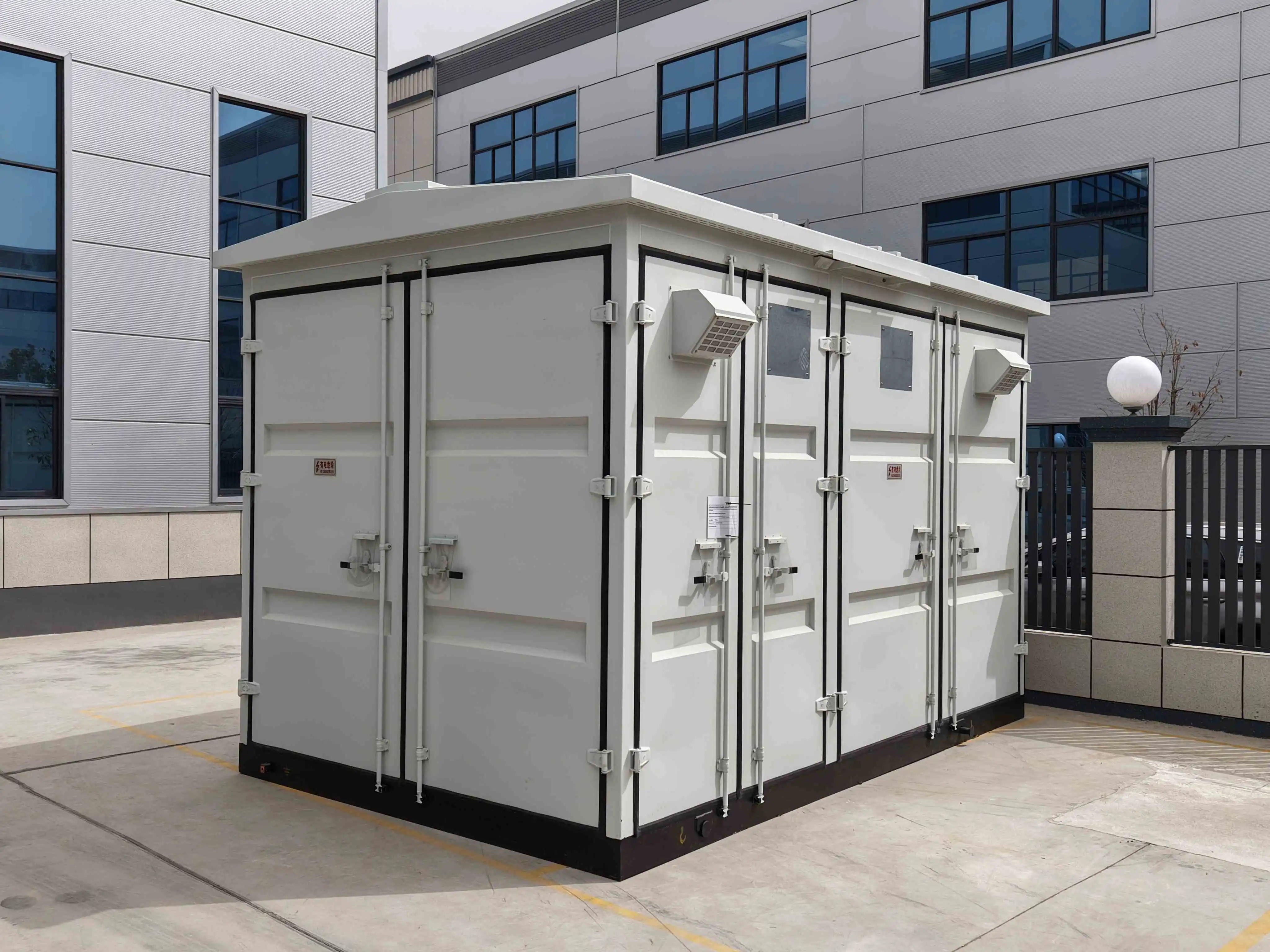
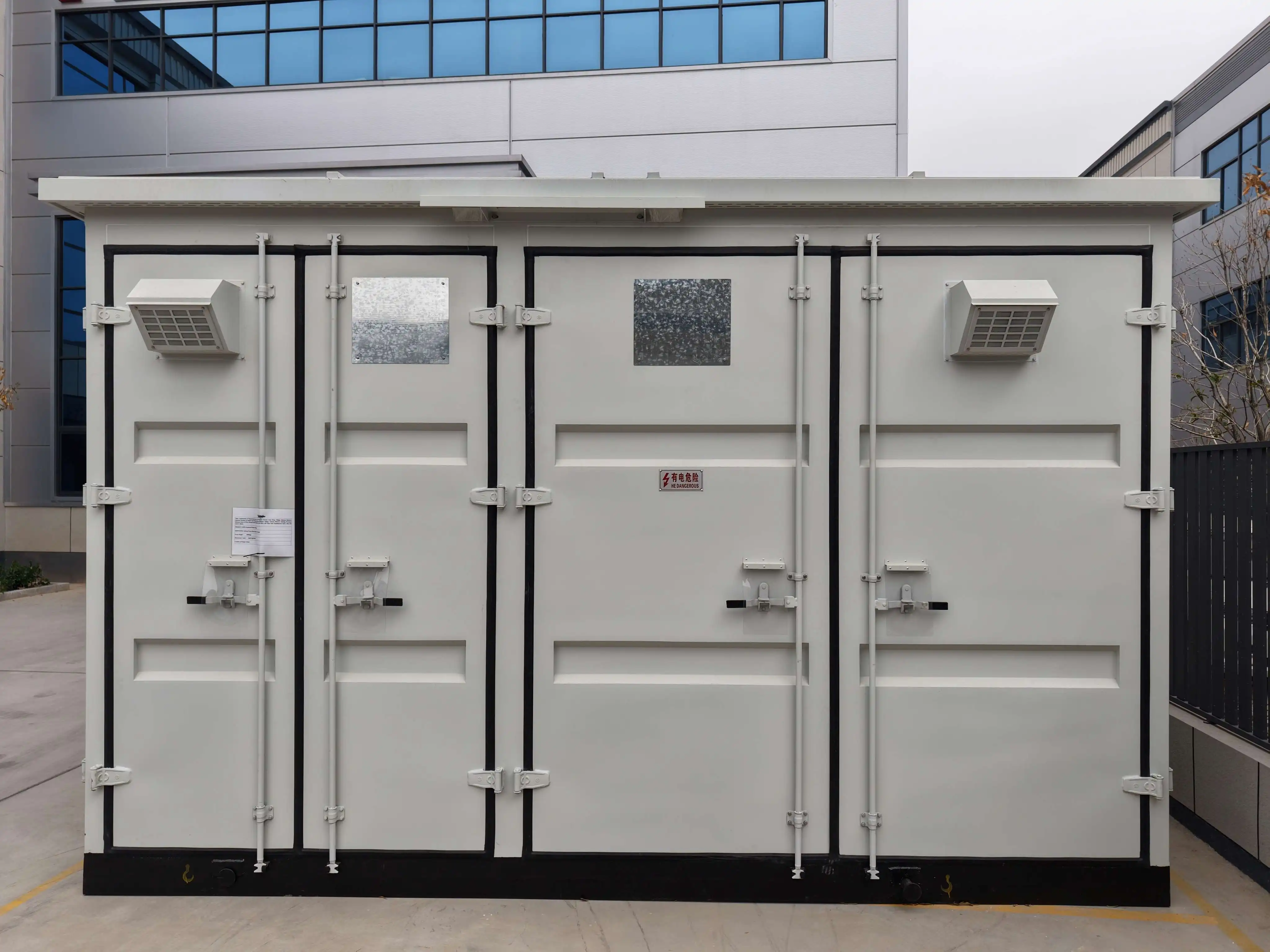
Environmental factors affect the specs of tools. For setups outside, you need weatherproof boxes with ratings of NEMA 3R or IP54, as well as heating and ventilation systems that can keep the temperature between -30°C and +50°C. Altitude changes how well cooling works and how much protection is needed. Xi'an Xikai's plateau-rated equipment works consistently at elevations of up to 4,000 meters, where the lower air density makes it 20–30% harder for heat to escape.
Evaluating Suppliers and Technology Platforms
In addition to the initial cost of the equipment, suppliers are also judged on their technical assistance, the availability of spare parts, and how well their systems work with current infrastructure. Manufacturers with a history of success, such as ABB, Siemens, and Schneider Electric, may not be able to offer unique options. When there is a problem, regional suppliers can often fix it faster and with more specialized help, which cuts down on downtime.
Xi'an Xikai offers customized setups that fit the needs of each place by combining large-scale production with engineering customization. Installations with limited room can use wall-mounted designs, while cabinet-integrated systems make factory acceptance testing and site setup easier. Hybrid designs combine SVG technology with harmonic filters or capacitor banks to improve efficiency and keep prices low.
Reliability and lifetime costs are directly affected by the quality of the parts. When paired with strong heat control systems, high-grade IGBT units from well-known semiconductor makers offer 99.9% uptime. When busbars are laminated, they lower resistance and make current distribution better. Vacuum pressure impregnation of magnetic components protects insulation against the high dv/dt voltage stress that comes with fast-switching power electronics.
Compliance and Certification Requirements
Electrical codes and safety standards for industrial tools must be met in each area. In the US, the National Electrical Code (NFPA 70) sets rules for how to place things and IEEE 519 sets limits for harmonic distortion. SVG systems need to be listed on UL or get a similar third-party approval that shows they meet safety standards for electrical enclosures, conductor sizes, and security devices.
Fire safety is especially important in business buildings where SVG devices are in places where people are already working. To follow building codes, equipment must use flame-resistant materials to make capacitors and keep noise levels below 45dB. Extra licenses are needed for healthcare and hospital setups that deal with electromagnetic interference that could harm medical devices.
International sites have to deal with a lot of different sets of standards. IEC 61000 talks about electromagnetic compatibility in global markets, and regional interconnection standards spell out what grid support needs for distributed production are. Working with providers who have worked on projects in more than one state before speeds up the approval process and lowers the cost of licensing.
Best Practices for Installing and Maintaining SVG Compensators
System efficiency, dependability, and return on investment are all directly affected by how well it is installed and maintained. Engineers with a lot of experience use organized methods that cut down on the time needed for commissioning and set up rules for long-term operating excellence.
Site Preparation and Installation Guidelines
Before installation, site studies check the power infrastructure, the room that is accessible, and the state of the surroundings. Engineers check short-circuit rates to make sure that safety devices can stop fault currents. They also look at one-line diagrams to find the best connection points and check the environment to see how it affects the cooling needs. This evaluation finds possible problems before the equipment gets to the job site, which avoids costly delays.
When installing something physically, you need to pay attention to how to ground it, the size of the conductors, and how to handle heat. When SVG systems are working, they produce heat. Enough space and air flow keep this from happening, which lowers their ability to compensate. When grounding is done right, electromagnetic radiation is kept to a minimum and fault current paths are created to protect people and equipment. To avoid high-resistance joints that heat up particular areas, torque specs must be written down and checked during setup for all electrical connections.
Maintenance Protocols and Troubleshooting Strategies
Commissioning processes make sure that the equipment works the way it was supposed to. Engineers slowly turn systems on and off to check the accuracy of voltage measurements, phase rotation, and control system reactions. Load testing shows that the SVG Compensator works as expected across its entire working range, delivering its stated capacity while meeting its goals for voltage regulation and harmonic suppression. These baseline data set points of reference for watching behavior over time.
Routine checks that happen every three or six months find damage before it breaks. Thermographic scans find links that are getting too hot, capacitors that are breaking down, or problems with the cooling system. Visual checks show that there is dust buildup that makes cooling worse, rust on the connections, or mechanical vibration that makes hardware free. These preventative steps make tools last longer and cut down on the number of unplanned repair events that need to happen.
Data analytics and condition tracking are used in predictive maintenance methods. Temperature sensors keep an eye on the conditions of the IGBT junctions and the capacitor banks, sending out alerts when readings go outside of the normal ranges. Analysis of current and voltage waveforms finds oddities that point to failed parts or bad control methods. This method lets repair be scheduled for planned outages instead of having to be done when there are emergencies that stop activities.
Control system faults, overcurrent trips, and contact losses are all common problems that need to be fixed. A lot of problems are caused by mistakes in the setup, not by hardware problems. For example, 40 to 50 percent of service calls are caused by wrong setpoints, mode selection errors, or sensor calibration drift. Keeping full commissioning records and setup files speeds up diagnosis by giving you a place to start. Building ties with the technical support teams of manufacturers guarantees access to experts during difficult fixing situations.
Conclusion
SVG Compensator units are an important part of the infrastructure for industrial sites that need reliable power quality and operations. Voltage instability, harmonic distortion, and power factor problems can be fixed quickly and accurately with this technology, which is something that older methods can't do. For factories that need to keep track of big machines or data centers that need to be completely reliable, SVG systems that are set up and managed correctly can make a difference in how long machines last, how much energy they use, and how long they can keep running. As sensitive electronics become more important in industry and using green energy becomes the norm, dynamic reactive power compensation goes from being a competitive edge to a practical necessity. System selection, installation by a professional, and regular upkeep are all things that can be done to make sure that these investments pay off over many years or decades.
Frequently Asked Questions About SVG Compensators
1. Which fields get the most out of SVG Compensator technology?
Voltage stabilization during load changes is immediately useful in heavy manufacturing, such as steel mills, car assembly, and chemical processes. SVG Compensator systems provide precise voltage control that is needed in data centers, hospitals, and places that make semiconductors. Electric trains and systems that use renewable energy rely on dynamic compensation to work with the grid.
2. What timeline should facilities expect for achieving ROI?
Payback times are usually between 18 and 36 months, but they rely on how the energy rates are set up and how the business needs to run. Facilities that have power factor fees or equipment that breaks down often because of bad power quality get their money back faster. Lifecycle savings that are 300–500% higher than the original investment include better energy economy, lower maintenance costs, and no downtime.
3. Can SVG systems integrate into existing electrical infrastructure without major upgrades?
Most installations only need specialized circuit breakers and hookup points at distribution buses that are already in place. The flexible design lets deployment happen in stages, so facilities can gradually add more space. Integrating a control system using standard protocols lets it work with current SCADA platforms without having to use custom interfaces.
Partner With Xi'an Xikai for Superior Power Quality Solutions
The Xi'an Xikai Medium & Low Voltage Electric Co., Ltd. offers complete SVG Compensator options backed by decades of experience in power quality and advanced production skills. Our XD-dSVG platform can compensate for voltages from 6kV to 35kV and from 0.3Mvar to 50Mvar. It also has a number of working modes that can be changed to fit your needs. Every system goes through a lot of tests, such as 72-hour load models that mimic the worst grid conditions. This makes sure that the systems work reliably in harsh industrial settings. Our engineering team works closely with you to define, set, and support SVG Compensator installations that improve power quality while keeping costs low. This is true whether you run a factory, oversee utility infrastructure, or plan electrical systems for big projects. Send an email to serina@xaxd-electric.com, amber@xaxd-electric.com, or luna@xaxd-electric.com to talk about your application needs and get a personalized estimate. As a reliable SVG Compensator maker that works with businesses all over the world, we offer full support, from feasibility studies to commissioning and ongoing expert help.

References
1. Singh, B., Saha, R., Chandra, A., and Al-Haddad, K. (2009). "Static synchronous compensators (STATCOM): a review." IET Power Electronics, Volume 2, Issue 4, pp. 297-324.
2. Hingorani, N.G. and Gyugyi, L. (2000). "Understanding FACTS: Concepts and Technology of Flexible AC Transmission Systems." IEEE Press, New York.
3. Akagi, H., Watanabe, E.H., and Aredes, M. (2017). "Instantaneous Power Theory and Applications to Power Conditioning." Second Edition, IEEE Press, Wiley.
4. IEEE Standard 519-2014. "IEEE Recommended Practice and Requirements for Harmonic Control in Electric Power Systems." Institute of Electrical and Electronics Engineers.
5. Mohan, N., Undeland, T.M., and Robbins, W.P. (2003). "Power Electronics: Converters, Applications, and Design." Third Edition, John Wiley & Sons.
6. Rashid, M.H. (2017). "Power Electronics Handbook: Devices, Circuits, and Applications." Fourth Edition, Butterworth-Heinemann, Elsevier.