Benefits of Indoor High Voltage Switchgear in Modern Installations
2026-02-27 16:29:08
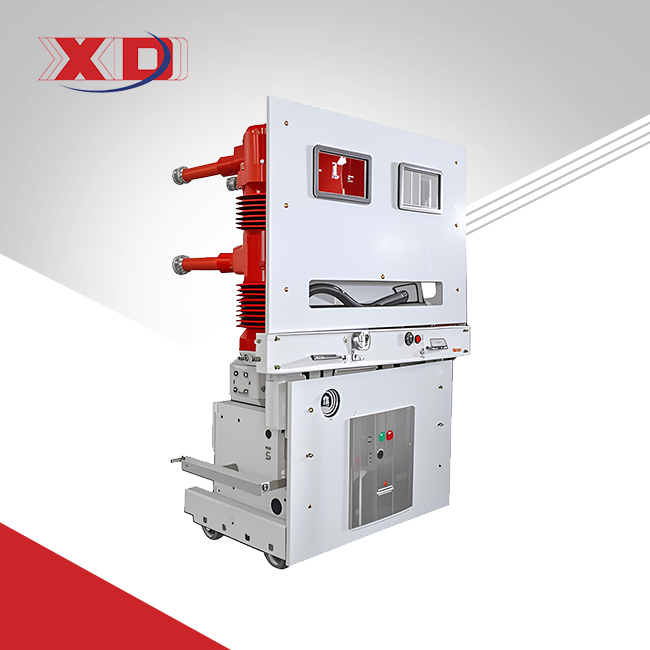
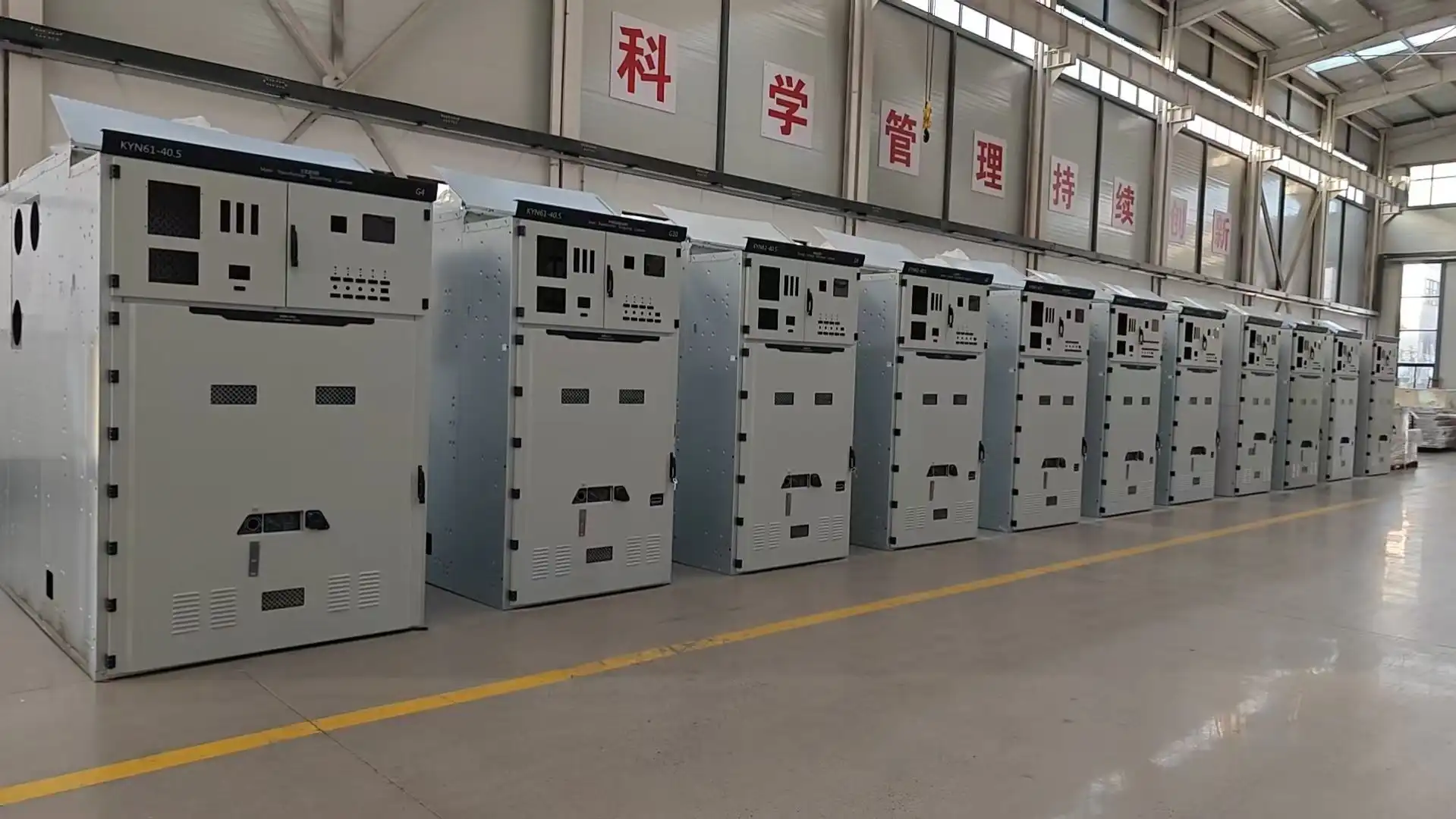
Indoor high voltage switchgear has many great benefits for modern electrical installations, such as better operational safety, better environmental protection, and better space efficiency. These systems provide reliable ways to distribute power that keep sensitive equipment safe and at its best in controlled environments. Whether you're in charge of a data center, a factory, or a commercial complex, indoor high voltage switchgear has the accuracy and durability you need to make sure operations don't stop. It also lowers maintenance costs and increases return on investment.
Understanding Key Parameters and Performance Indicators
Capable of Operating Current and Voltage
When looking at medium voltage electrical equipment, certain performance metrics show how well and how reliably the system works. Ratings for operating voltages between 3.6kV and 40.5kV and rated currents of up to 6,300 amps are common. Strong fault protection is provided by a short-circuit breaking capacity that often goes above 50kA.
How to Handle Temperature
Temperature tolerance is another important factor. Good switchgear works well in temperatures ranging from -25°C to +55°C so it can be used in a wide range of climates. Electricity levels and power frequency withstand voltages greater than 50kV must meet the requirements of IEC 62271 for 12kV systems.
Strength in Electrical and Mechanical Areas
At least 10,000 operation cycles are used to mechanically test the performance of a circuit breaker. Electrical endurance needs to be more than 100 operations at the rated short-circuit current. These things make sure that dependability lasts in harsh industrial settings.
Ratings based on type of protection
Most of the time, protection class ratings reach IP2X for liquids and IP4X for solid particles. IAC AFLR rules say that arc resistance classification keeps workers safe in case of an internal fault.
Core Operational Benefits for Facility Managers
Better safety features
Better safety features are at the heart of modern indoor switchgear solutions. Advanced interlocking systems keep maintenance workers safe during regular checks by preventing accidental activation. In the business and manufacturing worlds, strict safety standards are met by arc-resistant designs that keep fault energy away from operators.
Making the Most of Space
Space optimization has big benefits for people who run facilities. When compared to regular outdoor installations, small modular designs can cut down on the space needed by as much as 40%. This level of efficiency is especially helpful in cities, where real estate costs have a big effect on operating budgets.
Better protection for power quality
Better protection of power quality keeps sensitive electronics safe. Supply conditions stay stable with accurate voltage control, which also keeps expensive equipment from breaking down and production from stopping. The integration of indoor high voltage switchgear enhances this stability by providing reliable voltage regulation. Current transformer accuracy classes that go up to 0.2S make it possible to accurately monitor energy use and improve power factor.
Pros of regulating the environment
One benefit of environmental conditioning is that it protects against dust, moisture, and things that are bad for the environment. By keeping the temperature inside the enclosure constant, sealed enclosures make parts last longer and cost less to replace. The noise level is kept below 45dB during normal operation so that commercial buildings can meet strict acoustic requirements.
Possible Use for Predictive Maintenance
Integrated monitoring systems that can do predictive maintenance can find problems with equipment before they break down. Vibration analysis finds patterns of mechanical wear, and thermal imaging sensors find hotspots. With these features, unplanned downtime can be cut by as much as 60%.
Xi'an Xidian's Competitive Advantages in Switchgear Technology
Performance and technologies that are patented
Xi'an Xidian's switchgear solutions work better than other options because they use patented technologies made possible by China's 863 Program. Our plateau-type equipment can reliably work at elevations up to 4,000 meters, which is higher than most other products on the market.
Better Manufacturing
To make great products, ISO 9001-certified factories use robots to put things together and precise welding. Strict quality control includes testing the dielectric thoroughly, making sure the material will last, and checking its quality. Each unit is put through a 72-hour burn-in test before it is shipped to make sure it works well and is reliable.
Thoughts on Modular Design
Our modular design approach makes it easy to make changes quickly to meet the needs of a specific application. No matter if you need sectional or single-bus configurations, our engineering team can change standard parts to fit the needs of your project. Because of this flexibility, delivery times are cut down while costs stay the same.
Complex Protection Mechanisms for Relays
Advanced relay protection systems work with the current SCADA infrastructure without any problems. Communication protocols that support Modbus, DNP3, and IEC 61850 standards make sure that the system can work with a number of different control systems. Monitoring and troubleshooting help are available 24 hours a day, seven days a week thanks to remote diagnostic capabilities.
Projects to Protect the Environment
In line with ISO 14001 standards, projects that promote environmental sustainability use materials that are good for the environment and ways to make things that use less energy. Concerns about greenhouse gases are taken care of by our switchgear's excellent insulation and lack of SF6 gas.
Very Good Service
As part of providing excellent service, spare parts are delivered quickly and with full technical support. Our engineering team offers training programs for operators and help with commissioning on-site. Options for longer warranties protect your investment and ensure the best system performance.
Optimal Implementation Strategies and Best Practices
Evaluation of the site and analysis of the electrical loads
Before installing switchgear, including indoor high voltage switchgear, the site must be carefully inspected and an electrical load analysis must be done. It is very important to look at the environment, the needs for future growth, and the current infrastructure's capacity. It's important to think about how changes in temperature, humidity, and possible sources of contamination could affect how the equipment works.
Picking Out Gear
To choose the right equipment, you have to make sure that the application's protection needs, voltage ratings, and current capacities are all met. As an example, data centers need to be able to precisely control the voltage and have multiple protection systems. On the other hand, manufacturing facilities usually need strong short-circuit protection and the ability to filter out harmonics.
Setting up Installation
When planning the installation, you should think about how to make sure there is enough air flow and easy access for maintenance. A minimum clearance of 1.2 meters is needed to get to the front panel, and 0.8 meters is needed to do maintenance on the back. Also, make sure the cables are routed and terminated correctly so that the insulation doesn't wear down over time.
Different ways of commissioning
As part of the commissioning process, all interlocks, communication systems, and safety features must be tested thoroughly. To make sure that voltage and current transformers are working right, use primary injection testing. For the best performance, keep track of all the settings and give detailed maintenance plans to the people who run the machine.
Initiatives for Regular Maintenance
As part of regular maintenance, you should check the insulation, measure the contact resistance, and do thermographic surveys once a year. Schedule major overhauls every ten to fifteen years, depending on how the machine is used and what the manufacturer says. To keep things reliable, it's important to keep detailed records of all repairs and inspections.
Plans for teaching
Through training programs, operating staff are sure to know safe practices and the right way to switch between tasks. These classes should teach basic ways to fix problems and what to do in an emergency. Refresher training is important for keeping employees up to date on changing safety rules and operational procedures. It also encourages a culture of safety and efficiency.
Essential Safety Considerations and Compliance Requirements
Keeping up with standards
For electrical safety, you must follow OSHA rules and NFPA 70E arc flash protection standards. Comprehensive arc flash studies are necessary to figure out the incident energy levels and set the right standards for personal protective equipment (PPE). To keep everyone safe, these studies should be kept up to date whenever the system changes.
Good ways to ground things
Having the right grounding systems is important for protecting both people and equipment. Set up complete equipotential bonding networks and test them regularly to make sure they stay connected. Keeping ground resistance below 5 ohms is important for keeping electrical hazards away and for letting fault current flow.
Protocols for Tagout and Lockout
For lockout/tagout procedures to work, there must be clear written instructions and regular training updates. Set up precise identification systems and verification processes for each isolation point to make sure that energy sources are properly shut down. Before you begin, make sure that all maintenance tasks are properly recorded and that there is energy isolation in place to make things safer.
Conditions for air flow
It is important to have enough ventilation to keep the workplace safe and stop the buildup of arc byproducts. Make sure that switchgear rooms have fresh air systems that can change the air six to ten times an hour. Install emergency ventilation systems to get rid of contamination quickly and protect people and equipment even more.
Systems for keeping fires out
Fire safety systems should have early detection and suppression features that work with electrical equipment. It is very important to stay away from water-based systems because they can damage equipment even more. Clean agent suppression systems made just for electrical environments can help lower the risks in the event of a fire.
Safety audits that happen often
Safety audits must be done on a regular basis to make sure that changing rules and best practices in the industry are always being followed. Making notes of everything you find is important, and you should fix any problems right away. Keeping safety certifications up to date and making sure employees get ongoing safety training are both important parts of a strong safety culture.
Conclusion
Indoor high voltage switchgear is an important part of modern electrical infrastructure that makes operations safer, more reliable, and more efficient. These systems protect expensive equipment while making sure there is a steady supply of power for important tasks. The cutting-edge security features, small size, and smart monitoring options make this product very valuable over the long term for facility managers in many different industries. If you choose the right indoor switchgear solutions and keep them in good shape, they will last for decades and adapt to changing operational needs and legal requirements.
Frequently Asked Questions
Q1: What voltage levels qualify as indoor high voltage switchgear applications?
A: Indoor high voltage switchgear, which usually works between 3.6kV and 40.5kV, meets the medium voltage distribution needs of businesses and factories. For installations inside, these voltage levels are the best compromise between how well the signal is sent and safety concerns.
Q2: How does indoor switchgear compare to outdoor alternatives regarding maintenance requirements?
A: Indoor installations need a lot less maintenance because they are protected from weather, dust, and materials that rust. Maintenance times are 25–30% longer than for outdoor equipment, and because the parts don't have to be exposed to the weather as much, they cost a lot less to replace.
Q3: What space requirements should facilities plan for indoor high voltage switchgear installations?
A: Most installations take between 2.5 and 3 square meters per panel section, which includes the space needed for safety clearances. Modern compact designs take up about 40% less space than traditional ones, which makes them perfect for facilities in cities that don't have a lot of room.
Partner with Xi'an Xidian for Your Indoor High Voltage Switchgear Requirements
Xi'an Xidian stands as a leading indoor high voltage switchgear manufacturer, delivering cutting-edge solutions backed by proven expertise and comprehensive support services. Thanks to our years of experience and cutting-edge tools, we can make custom systems that work better than expected. It is well worth the money to work with a company that you can trust and that puts quality, happiness, and dependability first. Send us an email at serina@xaxd-electric.com, amber@xaxd-electric.com, or luna@xaxd-electric.com to talk about your project and how our services can help it.
References
1. IEEE Standard C37.20.7-2017, "IEEE Guide for Testing Metal-Enclosed Switchgear Rated Up to 38 kV for Internal Arcing Faults," Institute of Electrical and Electronics Engineers, 2017.
2. International Electrotechnical Commission, "IEC 62271-200: High-voltage switchgear and controlgear - Part 200: AC metal-enclosed switchgear and controlgear for rated voltages above 1 kV and up to and including 52 kV," Edition 3.0, 2021.
3. National Fire Protection Association, "NFPA 70E: Standard for Electrical Safety in the Workplace," 2021 Edition, Quincy, Massachusetts, 2020.
4. Flurscheim, Charles H., "Power Circuit Breaker Theory and Design," Institution of Engineering and Technology Power and Energy Series, 3rd Edition, London, 2018.
5. McDonald, John D., "Electric Power Substations Engineering," CRC Press, Fourth Edition, Boca Raton, Florida, 2022.
6. American National Standards Institute, "ANSI C37.06-2009: AC High-Voltage Circuit Breakers Rated on a Symmetrical Current Basis - Preferred Ratings and Related Required Capabilities for Voltages Above 1000 V," IEEE Standards Association, 2009.