Where to Buy LV Intelligent Capacitors for Industrial Use?
2026-02-27 16:29:09
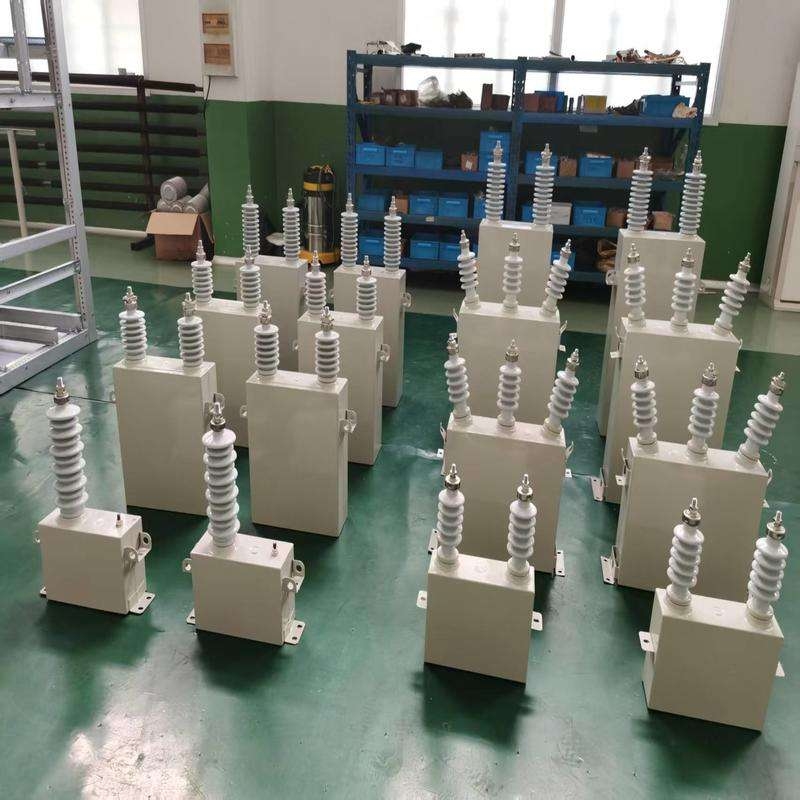
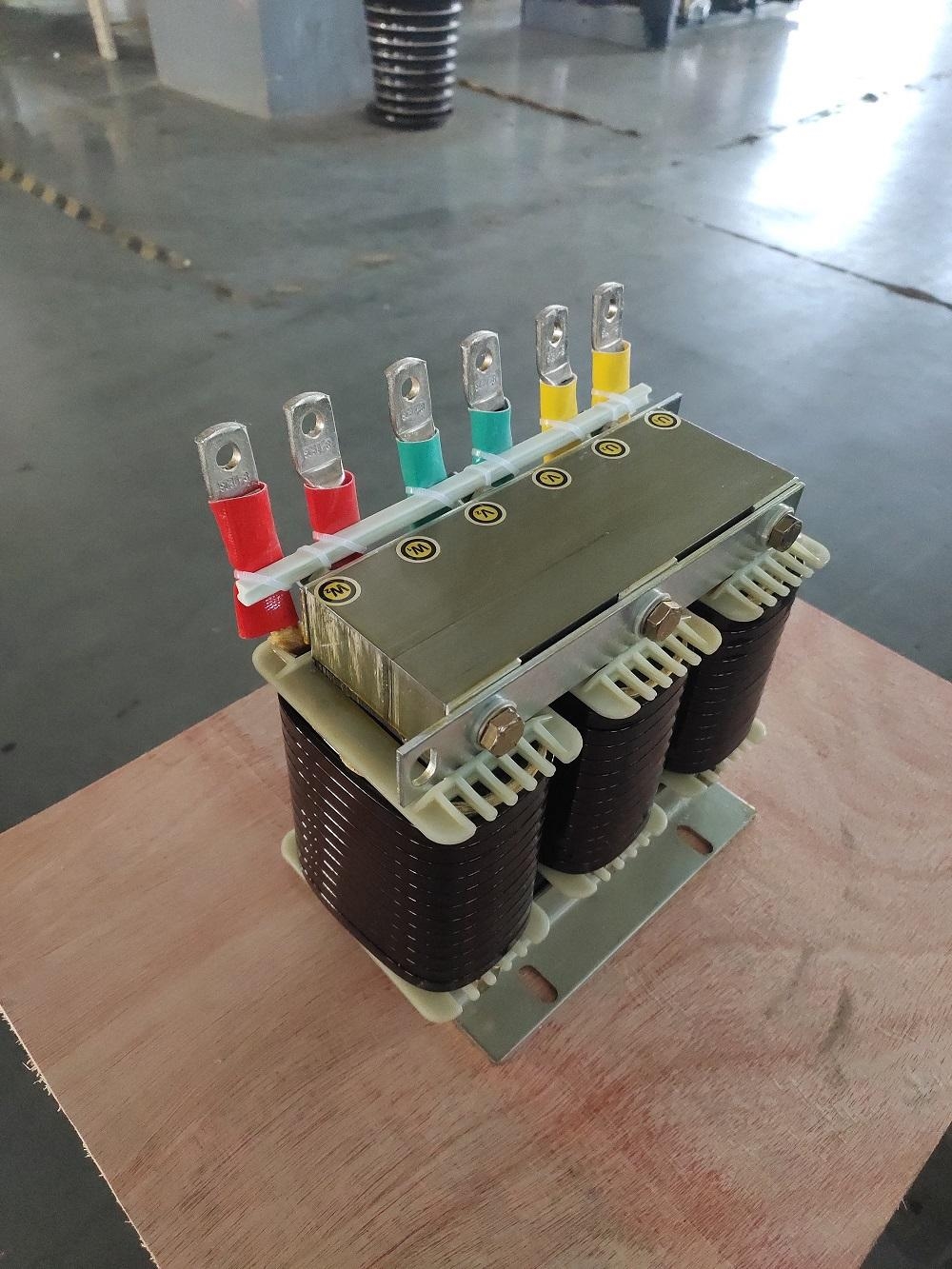
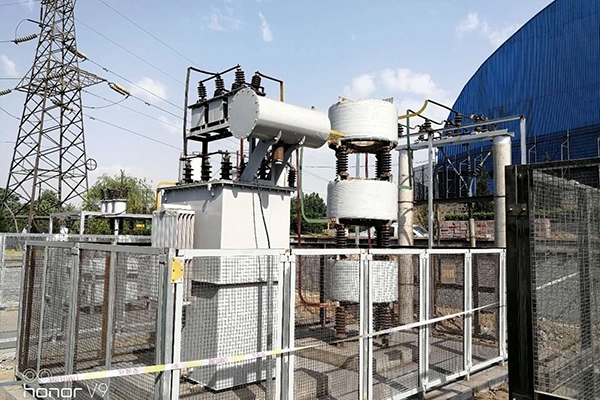
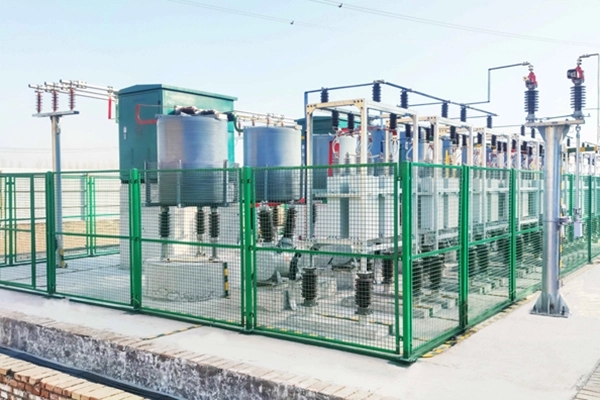
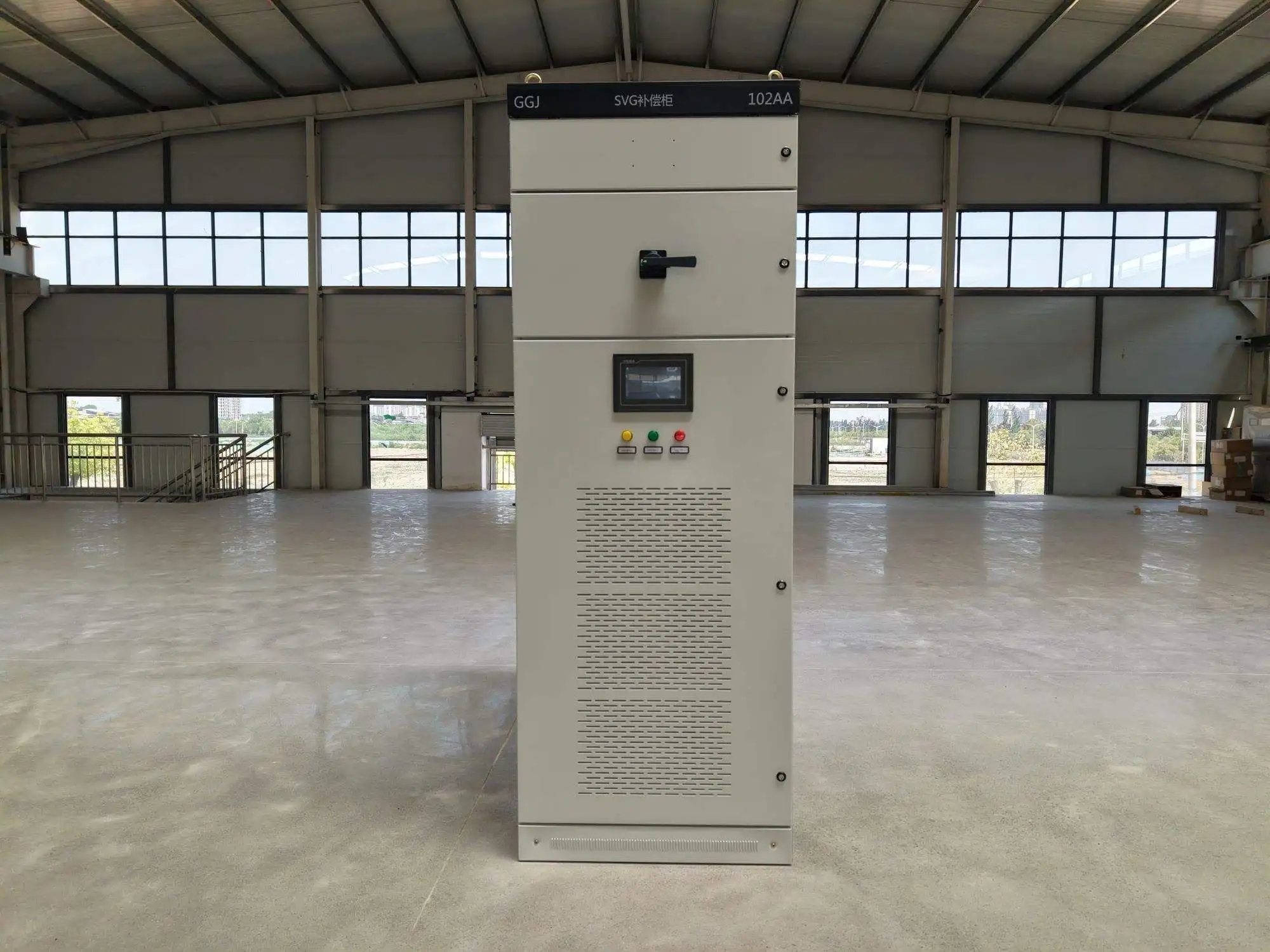
The best LV Intelligent Capacitor Compensation Device for your industrial building will depend on the technical specs, the ability to provide long-term help, and the suppliers in your area. There are many places to buy goods in Southeast Asia, Central Asia, the Middle East, and Africa. These places have well-known manufacturers, approved distributors, and specialized trade partners. The best way to get your system to work is to find suppliers that understand your specific power quality needs and offer reliable service and technical help after the sale.
 |
 |
Why Regional Sourcing Matters for Industrial Capacitor Systems
Growing Demand Across Emerging Markets
Southeast Asia, Central Asia, the Middle East, and Africa are all getting more plants. For their businesses to run easily, factories, data centers, and commercial complexes need complicated ways to fix the power factor. If you buy things from local stores, you can save money on shipping, get them faster, and learn more about the electricity rules in your area. Suppliers in the same area as end users often know them better, which lets them make goods that work better in those areas with different climates and voltage needs. Because it's close, you can get better technical help and upkeep needs are met faster.
Technical Requirements and Standards Compliance
Different areas have different electricity standards and requirements for getting certified. Southeast Asian markets usually follow IEC rules, but countries in the Middle East might need extra approvals for working in very cold temperatures. Knowing these differences between regions helps buyers choose the right LV intelligent capacitor systems that meet the rules in their area. Harmonizing technical standards across areas makes it possible to use standard strategies for buying things. Smart grid integration and Internet of Things (IoT) features are becoming more and more important as utilities update their systems.
Understanding LV Intelligent Capacitor Technology
Core Functionality and Benefits
For real-time reactive power compensation, modern LV Intelligent Capacitor Compensation Devices use complex control methods. These systems instantly change how the capacitor banks switch based on the load, making sure that the power factor correction is always at its best even as the operational cycles change. Harmonic filtering, voltage stabilization, and predictive maintenance are some of the most important technical features. By adding smart devices, the system's performance can be constantly tracked, giving useful information for improving energy management.
Power Quality Enhancement Features
When compared to standard fixed capacitor banks, intelligent automation systems offer better power quality. When the load changes, dynamic compensation reacts right away, stopping voltage drops that could damage sensitive equipment. Facility managers can find possible problems before they affect production with real-time monitoring. Depending on the current power factor, improvements in energy efficiency usually run from 15% to 30%. The automated control system gets rid of the need for human intervention and keeps improving system performance all the time.
Market Analysis: Supply and Demand Dynamics
Southeast Asia Market Characteristics
Southeast Asian markets have a strong need for industrial equipment that uses less energy. This is because industry is growing quickly there. Countries like Vietnam, Thailand, and Indonesia put a lot of money into building up their industrial infrastructure. This gives smart capacitor suppliers a lot of possibilities. Several companies in the area have opened factories to make power electronics equipment, which shows that local manufacturing skills are still growing. This trend helps keep prices low while keeping quality standards on par with those of foreign manufacturers.
Middle East and Africa Growth Patterns
The petrochemical and energy industries are particularly strong in the Middle East. Mission-critical applications need strong power quality options. Infrastructure growth and mining are the main industries in Africa, and they need reliable electrical systems to keep running. Demand for smart grid solutions is driven by government programs that encourage the use of renewable energy. Intelligent capacitor systems are very important for keeping power networks stable when they use solar and wind power.
Central Asia Infrastructure Development
Central Asian countries put a high priority on updating their industries and making them use less energy. The main industries that buy advanced power factor correction tools are manufacturing, oil and gas, and mining. Regional suppliers often have unique options for operations that take place at high elevations or in very cold or very hot conditions. Because of these needs, equipment has to be built to last and have better environmental protection scores.
Sourcing Channel Comparison and Evaluation
Direct Manufacturer Partnerships
| **Advantages** | **Disadvantages** | **Best For** |
|---|---|---|
| Lower pricing for large orders | Higher minimum order quantities | Large-scale projects |
| Technical support access | Longer lead times | Custom specifications |
| Quality assurance programs | Limited local inventory | Long-term partnerships |
| Customization capabilities | Communication complexities | Bulk procurement |
When you work directly with manufacturers like Xi'an Xidian, you can get technical help and make your own configuration choices. Manufacturers usually give installation teams a lot of detailed information and training programs.
Authorized Distributors and Representatives
Regional distributors keep stock in their own areas and offer quick technical help for standard setups. They know what the local market needs and can help get projects done faster through established transportation networks. Value-added services like system integration support, commissioning help, and maintenance programs are often part of agreements between distributors. These services are especially helpful for smaller buildings that don't have their own electrical engineering teams.
B2B Platform Procurement
Online business-to-business (B2B) platforms make it easy to connect with many providers and compare prices in a clear way. Platforms usually offer services to check the legitimacy of suppliers and protect transactions, which lower the risks of buying. But the quality of technical help varies a lot from one platform vendor to the next. Before making orders for important applications, buyers should check the credentials and technical skills of the supplier.
Trading Company Intermediaries
Through single-source procurement relationships, trading businesses give customers access to products from many manufacturers, including the LV Intelligent Capacitor Compensation Device. They often keep warehouses in different parts of the country and offer combined shipping for orders from more than one seller Trading companies make it easier to buy things, but buyers may give up direct relationships with manufacturers and access to technical help. This trade-off works well for standard items but might make it harder to make them your own.
Supplier Verification and Selection Criteria
Technical Qualification Assessment
To judge a supplier's technical skills, you need to look at their certifications, test results, and reference installs. Check to see if the company has ISO 9001 quality management certification and product certifications like IEC 61921 for capacitor tools. Ask for specific technical information, like how well the harmonic filtering works, how long it takes to respond, and whether it works with different communication protocols. Make sure that the suggested equipment can handle the voltage and environment you need it to work in.
Quality Control and Testing Procedures
Suppliers with a good reputation keep full quality control programs with written test methods. As part of the factory acceptance test, the switching of the capacitor bank, harmonic analysis, and the operation of the protection system should all be checked. Ask about support services that come after the delivery, such as help with setup, training for operators, and maintenance programs. Reliable technical help is important for building long-term relationships with suppliers.
Financial Stability and References
Check the financial stability of the seller by checking their business registration and credit references. Ask for customer examples from similar applications and get in touch with past clients to confirm claims of performance. Carefully read over the terms of the guarantee and the service level agreement. Intelligent capacitor systems usually come with warranties that last between 2 and 5 years, but this depends on the specifics of the parts and how they are used.
Procurement Best Practices and Common Pitfalls
Minimum Order Quantity Considerations
For standard configurations, most manufacturers set minimum order numbers between 10 and 50 units. For engineering and production setup costs to be worth it, bigger MOQs may be needed for custom specifications. Plan when to buy things so that you can account for lead times, which for standard goods are usually between 6 and 12 weeks. Depending on how complicated they are and how busy production plans are at the moment, custom configurations may take 12 to 20 weeks.
Payment Terms and Risk Mitigation
Standard payment terms usually include a 30% deposit, with the rest of the payment due upon delivery or end of commissioning. With a letter of credit, you can get extra security for big sales while still having some cash flow flexibility. For jobs with strict delivery requirements, you might want to think about performance guarantees and penalty clauses. These parts of the contract protect against delays that could throw off project plans.
Installation and Commissioning Support
Make sure that the suppliers you work with give you clear instructions on how to install and commission their products. Some suppliers offer commissioning services on-site or technical help from afar during the startup phase. Maintenance staff training programs help make sure that systems will work reliably in the long run. Ask for a lot of paperwork, like operation manuals, lists of spare parts, and troubleshooting tips.
Conclusion
To successfully buy LV Intelligent Capacitor Compensation Devices, you need to carefully consider local providers, technical needs, and the ability to provide long-term support. Southeast Asia, Central Asia, the Middle East, and Africa all have a wide range of manufacturers, distributors, and trade partners that can help you find what you need. Finding the right balance between cost and technical needs is key to success. Another important thing is building trusting relationships with suppliers that can support ongoing operating needs. Making sure the provider is reliable, making sure the specifications are clear, and making sure there are full support agreements are all part of making sure the system works well and delivers long-term value.
Frequently Asked Questions
1. What voltage ratings are available for LV intelligent capacitors?
Most LV intelligent capacitor devices work at voltages lower than 450V AC, which includes common industrial voltages like 220V, 380V, and 440V. System voltage compatibility relies on the electrical standards in the area and the needs of the building.
2. How do intelligent capacitors improve energy efficiency?
Smart capacitors change reactive power adjustment automatically based on the load conditions in real time. This optimization keeps the best power factor fix, which usually boosts energy efficiency by 15–30% while lowering the penalty charges utilities charge for bad power factor.
3. What communication protocols do modern systems support?
For SCADA integration, advanced LV intelligent capacitor systems usually work with Modbus RTU and IEC 61850 communication methods. IoT connectivity lets cloud-based platforms do remote tracking and maintenance that can be planned ahead of time.
4. How long do intelligent capacitor systems typically last?
Intelligent capacitor systems made for commercial use that are of good quality usually work reliably for 15 to 20 years with regular maintenance. How long a system lasts depends a lot on the quality of its parts, how it is used, and how often it is maintained.
5. What maintenance requirements should be expected?
Visual checks, checks of electrical connections, and tests of capacitor banks are all part of routine maintenance. Most systems need to be serviced once a year, and based on how they are used and what the manufacturer recommends, they may need more thorough testing every three to five years.
Partner with Xi'an Xidian for Premium LV Intelligent Capacitor Solutions
Xi'an Xidian Medium & Low Voltage Electric Co., Ltd. stands as your trusted LV Intelligent Capacitor Compensation Device supplier, delivering cutting-edge power factor correction solutions across global markets. Our smart capacitor systems have advanced harmonic filtering, real-time tracking, and seamless grid integration features that make them more efficient and lower their energy costs. You can email our technical experts at serina@xaxd-electric.com, amber@xaxd-electric.com, or luna@xaxd-electric.com to talk about your needs and find out why leaders in the industry choose Xi'an Xidian for mission-critical power quality uses.
References
1. International Electrotechnical Commission. "IEC 61921: Power capacitors - Duty of shunt power capacitors for AC systems having a rated voltage up to and including 1000V." Geneva: IEC Publications, 2017.
2. Singh, B.K., and Sharma, R.K. "Reactive Power Compensation in Industrial Power Systems: A Comprehensive Analysis." Journal of Electrical Engineering Technology, vol. 15, no. 3, 2020, pp. 1247-1261.
3. Asian Development Bank. "Energy Efficiency Roadmap for Southeast Asia: Industrial Sector Analysis." Manila: ADB Publications, 2019.
4. Middle East Electricity Industry Report. "Smart Grid Infrastructure Development in MENA Region 2020-2025." Dubai: Energy Intelligence Group, 2021.
5. Thompson, J.A., and Chen, L. "Intelligent Capacitor Systems for Power Factor Correction: Design Principles and Applications." IEEE Transactions on Power Delivery, vol. 36, no. 2, 2021, pp. 891-903.
6. African Union Commission. "Continental Power System Master Plan: Infrastructure Requirements and Technology Standards." Addis Ababa: AU Energy Department, 2020.