What Is Low Voltage Fixed Type Switchgear Explained
2026-05-09 16:25:11
Low Voltage Fixed-Type Switchgear is an important part of electrical distribution networks because it controls, protects, and separates circuits that work below 1,000V. In a fixed housing, this equipment combines circuit breakers, busbars, protective switches, and control screens. This makes sure that power is distributed safely and reliably in utility, business, and industrial settings. Fixed configurations mount elements permanently within enclosures, making installation easier and lowering the initial cost while still providing strong protection against overcurrent, short circuits, and ground faults. This is different from withdrawable variants, where components can be physically removed for maintenance.
 |
 |
Understanding Low Voltage Fixed Type Switchgear
Definition and Core Operating Principles
Electrical distribution systems need reliable ways to control the flow of electricity, fix problems right away, and separate broken areas from the rest of the network without interrupting the whole thing. These goals are met by Low Voltage Fixed Type Switchgear, which has metal housings for circuit breakers and switching devices that are securely placed. The maximum voltage is usually between 220V and 690V, which meets a wide range of industry needs. When strange things happen, like overloads or short circuits, security devices stop the flow of current instantly. This keeps equipment from breaking and keeps people safe. Within the assembly, busbars send power from receiving feeders to multiple outgoing feeders. Control units allow for both manual operation and inclusion of remote tracking.
Essential Components Breakdown
Understanding the internal design helps buying teams figure out if a product will work with the system that is already in place. Circuit breakers are the main devices that stop power. They use thermal-magnetic or electronic trip mechanisms to find faults. Modern units have options that can be changed to protect against overload and provide fast short-circuit reaction. Busbars, which are made of copper or an aluminum alloy, carry main currents and branch links. They are made to handle high temperatures during faults. There are extra buttons, indicator lights, and interface ports in control units that let them work with building management systems or SCADA platforms. Enclosures offer physical security with an IP rating of 54 or higher, keeping dust and water out of internal parts.
Fixed Versus Alternative Configurations
Making choices about what to buy is easier when there are clear differences between switchgear systems. All of the parts are permanently attached to fixed sections, which makes building easier and reduces the size of the footprint needed. Withdrawable systems let you remove a circuit breaker without turning off the power to nearby areas. This makes maintenance easier in serious situations where downtime costs a lot. Standardized sections in modular designs make it possible to customize the field, which makes them attractive for projects whose needs change over time. Each configuration has pros and cons when it comes to original cost, ease of upkeep, and operating flexibility. Fixed installations work best in situations where planned shutdowns and normal repair windows work well together. This saves money without sacrificing safety or dependability.
Benefits and Applications of Low Voltage Fixed Type Switchgear
Enhanced Safety and Operational Reliability
Industrial sites put a high priority on equipment that keeps Low Voltage Fixed Type Switchgear operations going while reducing danger. Low Voltage Fixed Type Switchgear has many safety features, such as connecting systems that keep people from getting to live parts without permission, ground fault protection that lowers the risk of electric shock, and arc-resistant designs that have internal faults. Data centers that handle sensitive computer tasks need power that doesn't go out. Switchgear stops voltage drops that damage servers or corrupt data. To protect their investments in machines and meet their throughput goals, factories with automatic production lines need to quickly find and fix problems. Hospital electrical systems cover life-critical equipment with two sets of safety built into the switchgear assemblies.
Space-Saving Installation and Cost-Effectiveness
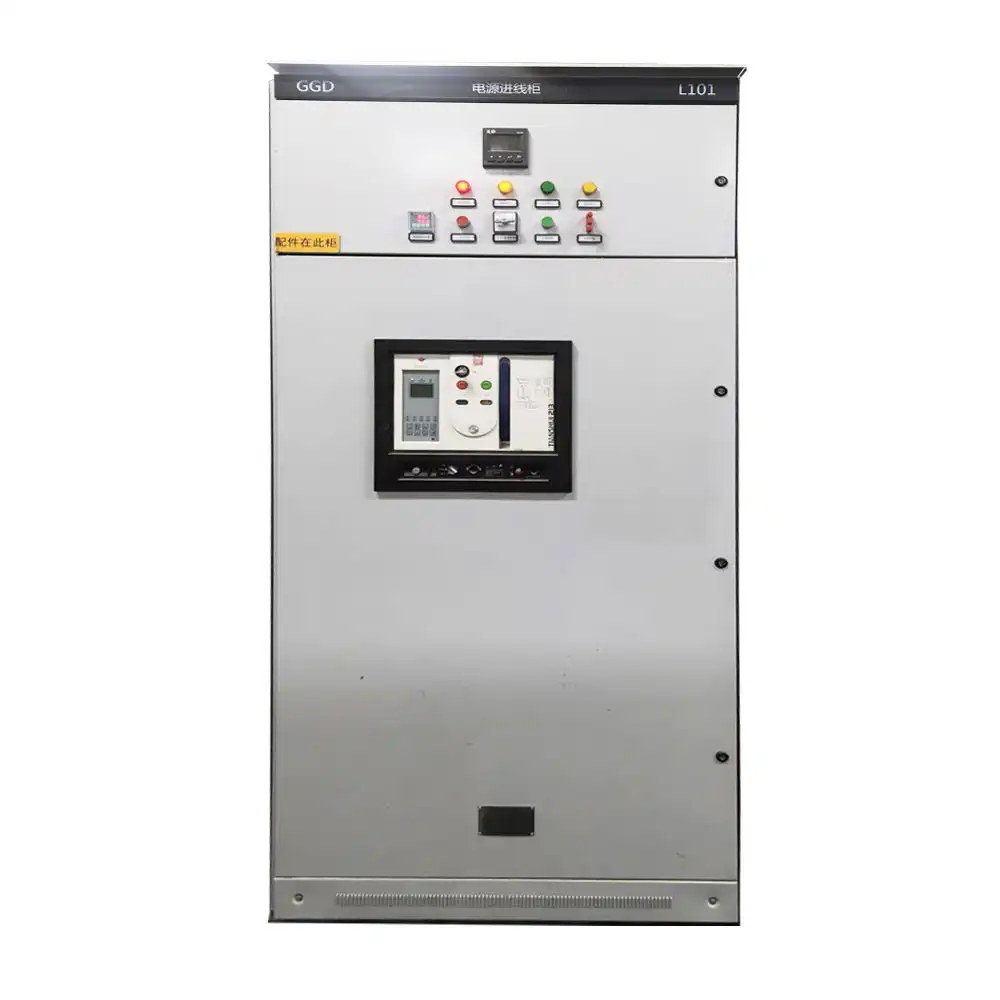
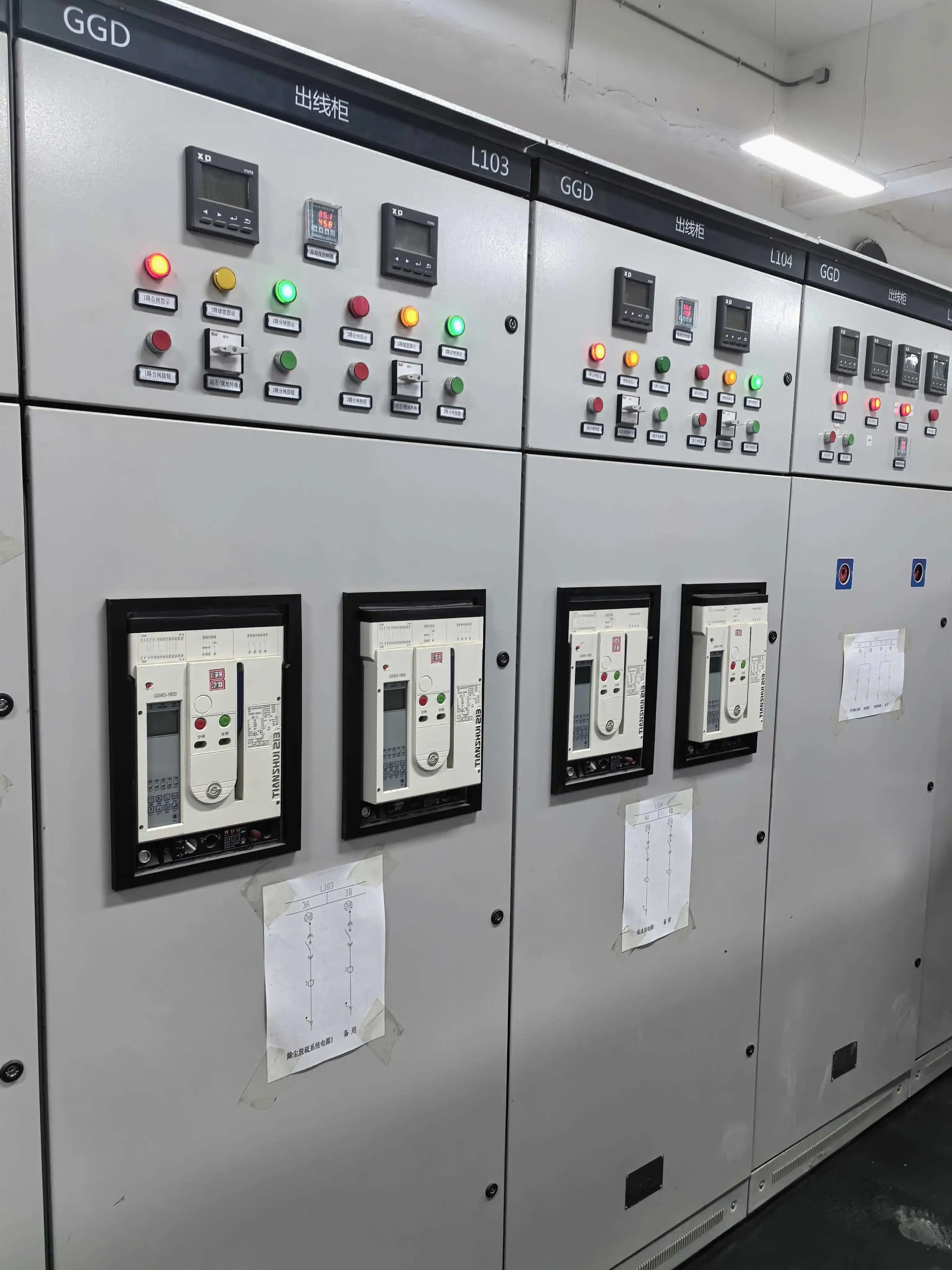
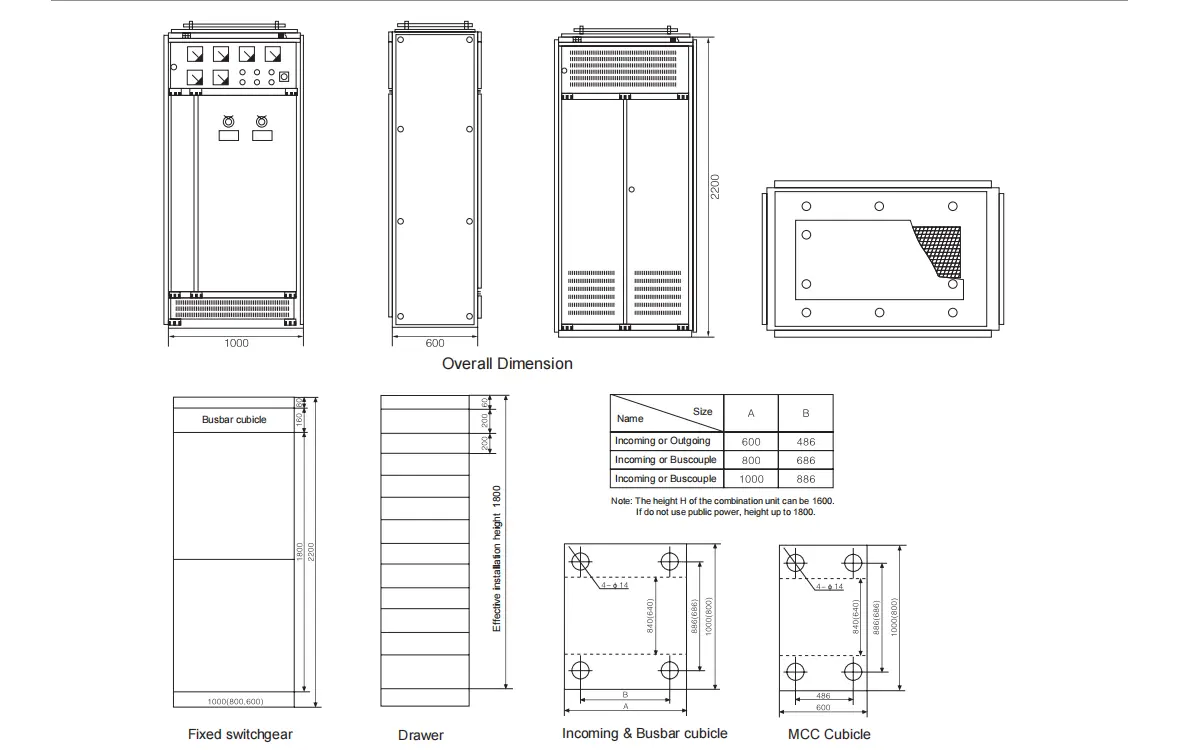
The price of real estate affects choices about infrastructure, especially in business developments in cities. Small switchgear sizes make the best use of important floor space, and vertical designs allow equipment to fit in electrical rooms that aren't very wide. Installation costs go down because mounting is easier and wiring isn't as complicated as it is with spread component setups. Durability benefits are reflected in long-term ownership costs, as strong construction can handle tough conditions with temperature ranges from -25°C for storage to over 40°C for use. Thermal stability makes sure that performance stays the same even when the weather changes, and high breaking capacity can handle short-circuit currents up to 65kA without damaging the components. These ideas are shown by the GGD Low Voltage Distribution Switchgear, which has a modular design that lets you set up busbars in a variety of ways, both horizontally and vertically. This unit is rated at 380V and has IP54+ protection, so it can be used in harsh industrial settings like petroleum plants and metalworking factories. Reinforced busbars and materials that don't rust make them last longer than normal options, which lowers the number of replacements needed and the costs of downtime. Smart grid compatibility lets IoT sensors be added for real-time state tracking. This changes maintenance methods from fixing problems after they happen to preventing problems before they happen, which cuts down on unplanned outages by about 30%.
Industry Applications and Standards Compliance
All over the world, distribution equipment has to meet strict approval standards. IEC 60439-1 sets international standards for low-voltage switchgear systems. It includes requirements for design testing, maximum temperature rise, and the ability to withstand short circuits. GB7251.1 sets alternative standards for Chinese industries, making sure that they can work with local grid requirements. UL and CE marks show that a product meets safety standards in North America and Europe, which are important factors to consider when buying for international companies. In factories, switchgear sends signals to motor control centers that run production equipment. The overload safety built into the switchgear keeps the motors from burning out. Commercial buildings use coordinated switchgear arrangements to send power to HVAC systems, lighting networks, and renter spaces. These arrangements separate problems while keeping service going to areas that aren't affected.
Comparison and Decision-Making: Fixed Versus Other Switchgear Types
Structural Differences and Maintenance Requirements
Teams that buy things weigh the features of designs against the most important tasks. Fixed installations keep parts in place with bolted connections and wires that are permanently ended. This makes initial assembly easier but makes it harder to change parts. For maintenance tasks, parts that need to be worked on must be turned off, which means that planned power outages are needed for inspection and repair work. Withdrawable setups use racking mechanisms that let you remove the circuit breaker in the field. This lets you do repairs without having to shut down for long periods of time, but it comes with higher initial costs and more complicated mechanics. MCCBs are a cheap way to protect smaller feeding circuits, but they don't have the built-in control and metering features that complete switchgear systems do. Even though they cost more, organizations that work 24 hours a day, seven days a week tend to choose systems that can be easily withdrawn. On the other hand, facilities with set repair windows save money by using fixed designs.
Operational Flexibility and Cost Implications
Along with technical specs, budget limits affect the choice of equipment. Low Voltage Fixed Type Switchgear usually costs 15–25% less than similar withdrawable units because it is mechanically easier and has fewer parts. For big projects that involve a lot of distribution boards, bulk buying deals with manufacturers lower costs even more per unit. Customization needs affect prices, and extra costs may be incurred for non-standard busbar ratings, unique safety relays, or higher earthquake ratings. Delivery times depend on the number of orders and the level of customization. For normal setups, they range from 6 to 8 weeks, and for designed solutions, they range from 12 to 16 weeks. EPC companies that are in charge of building plans can speed up commissioning times by about 40% with pre-tested, plug-and-play assemblies. This helps to make up for higher material costs by cutting down on Low Voltage Fixed Type Switchgear labor costs and finishing the project earlier.
Recognized Manufacturers and Quality Certifications
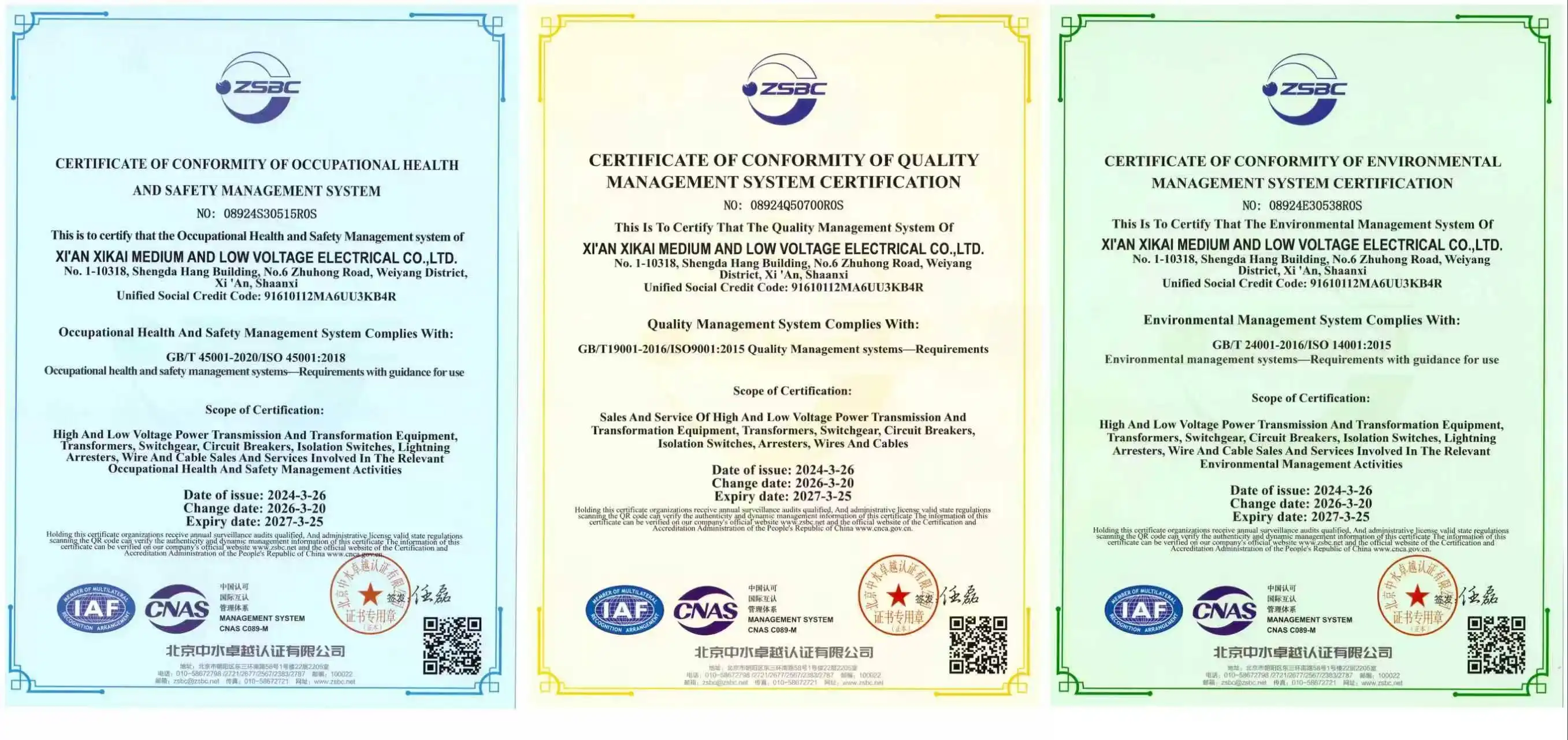
Global sellers bring different strengths to the table when evaluating purchases. ABB has a lot of digital integration options, including tools for remote diagnosis and predictive maintenance. Siemens stresses flexible scalability, which lets businesses grow in the future without having to replace old equipment. Schneider Electric offers a lot of help with application engineering, like helping with studies on how safety devices work together and analyzing the risks of arc flash. Eaton focuses on small designs that make the best use of the room in remodeling situations. Xi'an Xikai Medium & Low Voltage Electric Co., Ltd. provides tried-and-true solutions for China's State Grid systems, rail transportation networks, and green energy installations. Their equipment can safely work at elevations of up to 4,000 meters. Check that the manufacturer's quality control systems are certified to ISO 9001 standards and that they comply with IEC standards. This will ensure uniform production quality and the ability to track products.
Procurement Guide: How to Buy Low Voltage Fixed Type Switchgear
Pricing Factors and Supplier Selection Criteria
The total cost of acquisition includes more than just the price of the tools. It also includes technical help, warranty coverage, and service after the sale. Base prices are based on the values of the Low Voltage Fixed Type Switchgear, with higher amperage busbars and fault current withstand powers commanding higher prices. The level of complexity of the protective device affects the cost. Simple thermal-magnetic breakers are cheap, but electronic trip units with communication interfaces cost more but allow for more advanced tracking. The price is affected by the grade of the enclosure; outdoor setups need weatherproof housings and better corrosion protection than indoor parts. Making a volume promise can get you better prices, especially for rollouts that happen on more than one site or building projects that are broken up into stages where deliveries happen over longer periods of time.
Order Logistics and Customization Opportunities
Standard product options strike a good mix between low cost and wide use, making them perfect for simple marketing needs. Customization can help with specific problems or improve performance. For example, changing the size of the enclosure to fit in a smaller space, using different materials for the busbars to handle corrosive environments, and combining measuring systems to make energy tracking easier. Early on in the procurement process, you should share thorough specs, such as single-line diagrams, environmental conditions, and standards for integrating with current control systems. For customized solutions, lead times get longer because makers have to do design reviews, get special materials, and test the products in the factory before sending them out. Project plans are affected by how well logistics are coordinated. Domestic sellers in the US offer shorter shipping times and easier customs processes, while makers from other countries may offer lower prices in exchange for longer wait times. Make sure that the shock and vibration rates fit the shipping method, and make sure that arrival times and site readiness are coordinated to avoid storage delays. Installation support services make starting easier. Manufacturer experts supervise the system's beginning, test its functionality, and teach facility staff how to operate and maintain it, making sure it works at its best from the start.
Maintenance and Safety Best Practices for Low Voltage Fixed Type Switchgear
Routine Inspection Schedules and Preventive Care
To keep something reliable, it needs proactive care plans that deal with wear and tear that can be predicted. Visual checks every three months find signs of rust, loose connections, and insulation loss before they become problems. Every year, infrared thermography finds areas that show poor contact resistance or overloading conditions. This lets problems be fixed during planned breaks. Circuit breaker testing makes sure that the trip settings are correct and that the machine works properly. These tests should be done every two to three years, based on the duty cycles and the harshness of the surroundings. Busbar torque checks make sure the link is solid, since thermal cycle loosens bolted joints over time. Protective relay tuning keeps upstream and downstream devices working together, so you don't get annoying trips or bad fault clearing. Good documentation methods help with upkeep. Computerized Low Voltage Fixed Type Switchgear maintenance management systems keep track of inspection findings, test results, and corrective steps. This sets past baselines for trend analysis. Spare parts stocks should have things like auxiliary contacts, indicating lights, and control power fuses that are often changed. This will cut down on the time it takes to fix things. Maintenance workers learn how to fix problems faster when they happen thanks to training programs that teach them how to use specific tools safely and follow specific processes.
Troubleshooting Common Issues and Safety Protocols
Operational problems usually show up as certain signs that help doctors figure out what's wrong. When a relay trips for no reason, it could be because of bad settings, an uneven load, or an outside fault that needs to be studied for coordination purposes. Overheating can be caused by loose connections, not enough air flow, or long periods of heavy activity that go beyond the design limits. Control circuit problems, like broken fuses, failed auxiliary contacts, or bad wiring, make it impossible to use the remote or see the state. Systematic troubleshooting finds the root causes. Check the quality of the power going in, compare load currents to their stated limits, and look for damage or wear on mechanical parts. Safety rules keep people safe during all upkeep tasks. Lockout-tagout processes use physical locks and administrative controls to keep power from being turned on by mistake. Personal safety equipment, like insulated gloves, arc-rated clothes, and face covers, lowers the chance of getting hurt by residual voltages or sudden flaws. Using calibrated test tools instead of just indicator lights, voltage verification makes sure that the circuit is not live before touching any wires. Based on the fault current and clearing times, the arc flash hazard analysis determines safe working distances and the amount of safety gear that is needed. This makes sure that NFPA 70E standards are met.
Future-Proofing Through Technology Upgrades
Investing in electrical infrastructure can take decades, so it needs to be able to change as needs change. By adding wireless devices that track temperature, humidity, and shaking, digital monitoring retrofits make current Low Voltage Fixed Type Switchgear last longer. Cloud-based analytics tools find patterns of wear and tear, which allows condition-based maintenance to find the best time to intervene and cut down on unnecessary checks. Communication gateway setups connect old equipment to new building automation systems, making alarm management easier and letting technicians do repairs from afar. Adding high-efficiency busbars or power quality tracking modules to old infrastructure can help it meet sustainability goals and may even make it eligible for utility reward programs or green building certifications like LEED.
Conclusion
Investing in electrical infrastructure that performs efficiently requires balancing short-term costs with long-term operational demands. Low Voltage Fixed Type Switchgear systems have proven highly reliable in both industrial and commercial environments by providing strong protection performance, convenient installation, and cost-effective ownership. When making procurement decisions for Low Voltage Fixed Type Switchgear, buyers should evaluate supplier expertise, align technical specifications with application requirements, and establish maintenance strategies that ensure stable performance throughout long service life cycles. Obtaining certified regulatory approvals protects organizational interests while supporting workplace safety and equipment durability. Strategic cooperation with experienced Low Voltage Fixed Type Switchgear manufacturers also provides engineering assistance, quality certification, and responsive after-sales service, transforming equipment purchasing into a long-term operational partnership.
FAQ
1. What distinguishes fixed from withdrawable switchgear configurations?
Fixed assemblies use bolted links to properly place circuit breakers and other parts inside enclosures. This saves money and makes installation easier. Withdrawable designs use racking devices that let the breaker be taken out for repair without turning off the power to nearby equipment. This supports uses where continuous operation justifies a higher initial investment in Low Voltage Fixed Type Switchgear.
2. How frequently should maintenance inspections occur?
Visual checks every three months find problems that are easy to see, and thermographic scans once a year find problems that are starting to grow. Protection coordination is kept up by checking all breakers and calibrating relays every two to three years. Change how often you check based on the harshness of the surroundings, the job cycles, and how important the information is. For example, harsh or continuous-duty applications need to be checked more often.
3. Which certifications matter most during procurement?
Check to see if the design meets IEC 60439-1 or GB7251.1 requirements. According to UL listings, products meet North American safety standards, while CE markings show that they meet European standards. Manufacturer quality methods that are ISO 9001 certified make sure that output standards are always met. Request type test results that confirm the stated short-circuit withstand ability and temperature rise limits.
Partner With Xi'an Xikai for Reliable Low Voltage Distribution Solutions
As a company with decades of experience making switchgear, Xi'an Xikai Medium & Low Voltage Electric Co., Ltd. is ready to help you with your electrical infrastructure needs. Our GGD Low Voltage Distribution Switchgear is a great example of the quality and innovation that make up our entire product line. It meets IEC and GB standards and works very well in tough conditions. Whether you're an industrial plant user looking to maximize uptime, a utility company trying to keep the grid stable, or an EPC contractor needing reliable parts, we can make solutions that fit your needs. As a top producer of Low Voltage Fixed Type Switchgear, we run one of China's biggest factories for making medium and low-voltage equipment. We have seven main product categories with more than 100 different models. Our plateau-rated equipment works in places up to 4,000 meters high, and its success is known around the world thanks to its patented technologies. Our solutions are known for being reliable and good value because they have been used in State Grid systems, petrochemical sites, rail networks, and green energy projects.Get in touch with our expert team right away to talk about the needs of your project. You can email Serina at serina@xaxd-electric.com, Amber at amber@xaxd-electric.com, or Luna at luna@xaxd-electric.com for engineering help, pricing information, or suggestions that are special to your place. You can look at our full line of products at xaxd-electric.com and learn how Xi'an Xikai can help you reach your business goals through excellent power distribution.
References
1. International Electrotechnical Commission. "Low-Voltage Switchgear and Controlgear Assemblies - Part 1: Type-Tested and Partially Type-Tested Assemblies." IEC 60439-1, 2004.
2. National Electrical Manufacturers Association. "Low Voltage Switchgear - Design, Testing and Application Guidelines for Industrial and Commercial Installations." NEMA Standards Publication, 2019.
3. IEEE Standards Association. "IEEE Standard for Metal-Enclosed Low-Voltage AC Power Circuit Breaker Switchgear." IEEE Std C37.20.1, 2015.
4. Beaty, H. Wayne and Fink, Donald G. "Standard Handbook for Electrical Engineers, 16th Edition." McGraw-Hill Professional, 2012.
5. Das, J.C. "Power System Analysis: Short-Circuit Load Flow and Harmonics, Second Edition." CRC Press, 2016.
6. Electricity Training Association. "Power System Protection Volume 3: Application." Institution of Engineering and Technology, 2015.