Benefits of Using Disconnect Switches in Power Distribution
2026-01-26 15:44:19
Modern power distribution networks protect critical infrastructure with disconnect switches during repairs. Mechanical devices provide obvious air gaps between electrical circuits, protecting industrial, utility, and commercial workers and equipment. To maximise uptime, reduce operating costs, and maintain power quality in demanding situations, facility managers and engineers investigating electrical isolation systems must comprehend disconnect switches' load management flexibility and regulatory compliance.

Understanding Disconnect Switches in Electrical Systems
Complex electrical infrastructure management requires safe, functional tools. Disconnect switches isolate circuits for maintenance, troubleshooting, and emergencies in power distribution networks.
What Are Disconnect Switches and How Do They Function?
- Disconnect wires mechanically. These switches allow manual circuit disconnections, unlike automated protection systems. Maintenance staff can safely work on de-energised equipment with an air gap following disconnection.
- Rotary handles, levers, and pantographs remove conductive blades from stationary contacts. The apparent break of products makes them safer than other isolation methods. Many modern circuits use interlocks to prevent inadvertent action while loaded, enhancing protection.
Types of Disconnect Switches: Matching Design to Application
The electrical equipment market sells disconnect switches for certain tasks: Fused the product isolate and prevent overcurrent in one container. This design benefits branch circuits with limited space or cost for protective equipment. Unfused versions use upstream protection but are cheaper and easier to maintain.
Indoor and outdoor installations: Environment greatly influences enclosure design and material. Indoor variants have lighter construction and NEMA 1 or 12 enclosures, while outdoor units need NEMA 3R or higher weatherproof housings with corrosion-resistant materials and sealed operating mechanisms.
While non-load break switches must de-energise circuits before operation, load break switches can safely stop working current circuits. For outdoor electrical isolation, the groundbreaking GW11 High Voltage the product uses a pantograph mechanism to provide regular air gaps. Dual-blade design divides circuits, and enclosed gearbox system keeps components dry.
Disconnect Switches Compared to Circuit Breakers
Although they interrupt electrical circuits, these devices work differently. Complex trip mechanisms in circuit breakers detect overcurrent, ground, and arc faults. They specialise in unique circuit damage protection.
Operator-activated disconnects isolate. They lack automated trip capabilities but are cheaper, quicker to design, visual circuit state checks, and low-maintenance. Good systems have circuit breakers for fault protection and the products for safe maintenance separation.
Voltage Ratings and Installation Considerations
Voltage must match system requirements. Medium-voltage disconnect switches serve 4.16–38 kV, whereas low-voltage ones 600V. GW11 High Voltage Disconnect Switch satisfies IEC 62271 and IEEE C37.32 for grid compatibility and performance in many applications.
Environmental, clearance, and operation and maintenance accessibility are needed for installation. Outdoor installations above 3,000 meters require derating or unique designs for reduced air density and dielectric strength. Engineering must verify equipment satisfies site conditions for long-term reliability.
Key Benefits of Using Disconnect Switches in Power Distribution
Well-installed disconnect switches provide strategic benefits beyond circuit isolation. These devices boost safety, dependability, operational flexibility, and cost control for competitive industrial procurement.
Enhanced Electrical Safety and Regulatory Compliance
Safety product. NEC Article 430 and OSHA 1910.147 necessitate motor circuit disconnections and lockout/tagout during servicing. Disconnect switches remove circuit energy, lowering shock and arc flash risk.
For safe live-line servicing, sophisticated designs like the GW11 have horizontal insulating breaks. In facilities that cannot tolerate shutdowns, qualified persons must check and repair nearby circuits while energised. Compliance with regulations protects employees and companies.
System Reliability Through Simplified Troubleshooting
Fast fault isolation reduces equipment breakdown downtime and output losses. The products let maintenance workers isolate failed distribution systems without affecting loads. Selective isolation helps expensive large plant shutdowns.
Precision CNC and automated assembly line manufacturers cannot afford power outages. The capacity to quickly disconnect, repair, and restore equipment protects productivity and revenue. Segmented isolation secures operational continuity during maintenance in data centres, hospitals, and other mission-critical institutions.
The products facilitate preventative maintenance, extending equipment life. Maintenance workers can repair wear parts before catastrophic failures by regularly servicing machinery. Proactive management extends asset life and lowers TCO.
Flexibility in Load Management and Renewable Integration
Modern power uses solar and wind. Weather reverses power flows and generation in renewable energy installations, complicating operations. Adaptable products manage changes.
In renewable energy applications, GW11 High Voltage Disconnect Switches stabilise substation voltage against harmonics and variable solar inverter output. Its sturdy structure handles surge currents up to 100 times rated capacity due to distributed generating systems' unpredictability.
Strategic product allow load transfer operators to balance energy distribution between feeders or transformers for efficiency or maintenance windows. This operational flexibility enhances emergency preparation and response.
Cost-Effectiveness Through Downtime Reduction
Financial analysis regularly shows disconnect switches' ROI. Unexpected outages or lengthy maintenance shutdowns cost more than the equipment. Isolating and replacing malfunctioning equipment promptly can save multiples of the product investment at a manufacturing facility where production downtime costs thousands per hour.
Premium designs like the GW11 use lightweight aluminium alloy conductors to save money and prevent corrosion. This structure is 40% lighter than copper or steel conductors, lowering shipping and installation expenses. Quality products have minimal lifecycle costs due to years-long inspections and low maintenance.
The products beat isolation. Complex motor-operated or remotely controlled switches are convenient but risky and require maintenance. Budget-conscious facility managers like manual product' reliability and low maintenance.
Choosing the Right Disconnect Switch for Your Business Needs
Acquisition equipment parameters must meet operational, environmental, and long-term dependability standards. Scientifically investigating technical factors, manufacturing reputation, and application-specific features assists choosing.
Voltage Ratings and Current Capacity Considerations
The products can maintain ratings safely. Equivalent or higher voltage equipment assures dielectric strength and safety. Medium-voltage systems need insulation that matches products, cables, and equipment's voltage tolerance.
Constant and short-circuit interrupting current capacities are included. Continuous ratings must allow load current + expansion margin, while short-circuit ratings must exceed installation fault current. The GW11 High Voltage Disconnect Switch's surge current handling up to 100 times rated capacity benefits industry plants with big motor loads or capacitor banks that generate large inrush currents during switching operations.
Environmental Factors: Indoor Versus Outdoor Installations
Installation conditions substantially influence equipment selection. Indoor applications with controlled temperatures and precipitation protection are lighter and lower enclosure ratings. Outdoor installations face rain, UV exposure, industrial or coastal salt spray, and high temperatures.
GW11 model characteristics tackle outside issues. Abrasive pollution reduces performance, but the gearbox protects parts. Flexible mounting joints stabilise uneven terrain or thermally expanding buildings. These designs help substations, solar farms, and outdoor industrial facilities where environmental protection affects reliability.
Fused and Non-Fused Options for Specific Safety Requirements
The products are fused or unfused using system design and circuit protection. Overloads and failures are prevented by melting fuses. These simplify panel design and branch circuit equipment count.
CBs or fuse assemblies protect non-fused product from overcurrent. Growing high-current applications cheaper by separating isolation and protection. Fused switches need replacement parts after operation, while non-fused ones reconnect after fault clearing.
Trusted Manufacturers and Brand Reliability
Brand reputation suggests quality, service, and experience. Square D, Eaton, Siemens, and Schneider Electric have earned market trust with reliable performance and comprehensive product ranges for decades. The products often include certification, technical support, and readily available parts.
Xi'an Xidian Medium & Low Voltage Electric Co., Ltd. is reliable due to its vast manufacturing capabilities and good performance in tough applications. The main electrical equipment company makes vacuum circuit breakers, instrument transformers, prefabricated substations and high- and low-voltage switchgear. Products exceed national and industry standards with unique technology for reliable performance near 4,000 meters.
Specialized and Customizable Solutions for HVAC and Solar Applications
Some industries need non-catalogue product. Quick-disconnect switches service seasonal HVAC equipment, while DC-rated switches manage solar system DC circuit arcs.
Producers of consumer problem-solving vary in customising. Flexible blade designs, integrated earthing switches for regional grid needs, and optional IoT sensors for real-time predictive maintenance are available from Xi'an Xidian This flexibility helps procurement teams create operationally relevant equipment instead of using commodities.
Procurement and Supply Chain Insights for Disconnect Switches
Technical specifications, supplier reliability, and TCO must be balanced in procurement. Strategic sourcing impacts equipment performance, cost, and risk.
Identifying and Verifying Reliable Suppliers
Many disconnect switch vendors exist worldwide, however quality and service vary. Quality, production, and customer references should be verified. ISO 9001 and ISO 14001 certifications show operational maturity in quality management and environmental responsibility.
Requesting technical documents demonstrates supplier competence. Complete product data sheets, test reports, and application guides show engineering and customer focus. Technology, application, and responsive communication can outweigh transactional sales vendors.
Raw material verification, precision machining tolerances, and 72-hour load testing ensure every product meets Xi'an Xidian standards before shipment. Lead-free and energy-efficient production ensures product reliability and robust sustainability.
Pricing Overview and Cost Drivers
Other variables affect product prices besides materials and labour. Higher voltage ratings, current capacity, and interrupting capability demand stronger construction and better materials, increasing manufacturing costs. Testing and certifications cost money but guarantee performance.
Scale economies lower unit pricing for larger orders. Long-term supply arrangements guarantee cheaper production and delivery. Although cheaper, maintenance-intensive or short-lived equipment costs more. Buyers should consider ownership costs.
Custom features cost but help when normal products fail. Integrated monitoring systems, enclosure ratings, and mounting arrangements address operational difficulties requiring further investment.
Advantages of Partnering with Custom Manufacturers and OEM Suppliers
OEMs and custom fabricators go beyond catalogues. Collaborations improve voltage, space, and integration. Direct manufacturer partnerships eliminate distribution markups and offer application engineering.
Blade combinations, earthing switches, and monitoring integration are specifically made by Xi'an Xidian. After 30 years in high-voltage solutions, the organisation has considerable application and problem-solving experience. In diverse operational environments, over 1,200 GW11 installations perform reliably.
Delivery Timelines, Warranty Coverage, and After-Sales Support
Product complexity and factory capacity greatly impact lead times. Custom combinations take months to create, produce, and test, but standard catalogue products ship in weeks. Avoid rushed supplier selection and specification accuracy judgements by planning procurement around realistic delivery schedules.
Warranty periods demonstrate manufacturer confidence in product quality. The GW11 High Voltage Disconnect Switch covers manufacturing flaws and premature failures for five years. Warranties should list covered conditions, reaction times, and remedies to satisfy operational goals.
A good after-sales service sets providers apart. Equipment lifecycles benefit from installation, commissioning, and troubleshooting tech assistance. Xi'an Xidian provides skilled technical support 24/7, regardless of time zone or operational schedule. Helping clients succeed builds trust and loyalty.
Xi'an Xidian: Your Trusted Partner for Advanced Power Distribution Solutions
Supplier choice influences the product reliability. Xi'an Xidian Medium & Low Voltage Electric Co., Ltd. provides high-quality industrial solutions through production, technology, and customer service. Power distribution component quality, performance, and customer service improve with innovation. Our ISO 9001 and ISO 14001 certifications demonstrate quality and environmental responsibility. In many circumstances, our power engineering, petrochemicals, and renewable energy understanding ensures product performance.
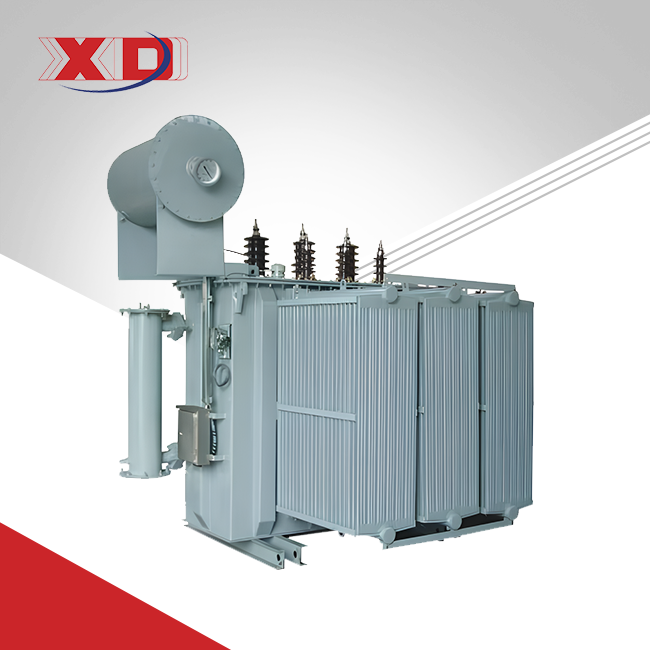
Our transformers, vacuum circuit breakers, high- and low-voltage switchgear and more meet all power distribution needs. Our advanced GW11 High Voltage Disconnect Switch has real-time monitoring and lightweight aluminium conductors. Design and installation beyond hardware optimises equipment parameters and commissioning time. We eliminated power factor penalties for a high-uptime data centre and industrial complex. The findings show our customer awareness and capacity to provide profit-boosting solutions.
Conclusion
Modern industrial, utility, and commercial power distribution systems use disconnect switches for safety, reliability, operational flexibility, and cost. Understanding types, benefits, and selection criteria helps procurement and engineering experts develop economical, high-performance equipment. Strategy partnerships with manufacturers like Xi'an Xidian, which offer full support, quality, and application experience, ensure project success and long-term operational excellence. Renewable integration and automation complicate power systems, but reliable disconnect switches safeguard workers and facilitate maintenance.
FAQ: Frequently Asked Questions About Disconnect Switches
1. What safety standards must disconnect switches meet for industrial applications?
Multiple standards apply to industry products. NEC offers disconnecting devices, while OSHA requires lockout/tagout for equipment servicing. International high- and low-voltage switchgear systems employ IEC 62271 and 60947. IEC 62271 and IEEE C37.32-compatible GW11 High Voltage Disconnect Switch operates globally. The North American UL certifies safe, effective equipment.
2. How often should disconnect switches undergo maintenance and inspection?
Duty cycle, operating condition, and manufacturer recommendations dictate maintenance frequency. Tough outdoor products are annually inspected for contact, working mechanism, and enclosure integrity. Indoor systems under regulation may need 18-24 month checks. Switch-heavy apps need caution. Check contact alignment, resistance, operating mechanism smoothness, and hardware corrosion/looseness. Periodic verification ensures reliability and low maintenance reduces GW11's servicing demands.
3. Can disconnect switches be used in solar and renewable energy installations?
PV needs disconnects. For DC circuit arcing, DC-rated product isolate inverter maintenance and emergency shutdown. GW11 High Voltage Disconnect Switches facilitate bidirectional power flows and stabilise voltage against inverter harmonics in grid-connected renewable systems. For large solar arrays, string- and combiner-level products allow partial system maintenance without shutdowns. Rating and arc interruption are needed for DC security.
4. What is the difference between load break and non-load break disconnect switches?
While circuits carry normal load current, load break disconnect switches operate securely with arc interruption. These devices swiftly extinguish arcs during disconnection utilising arc chutes, magnetic blowout coils, or other techniques. De-energising non-load break designs before operation prevents arcing that ruins contacts and causes safety issues. Load break capability adds cost but flexibility when upstream circuit breakers are unavailable or operational processes favour local switching. The GW11 pantograph mechanism creates reliable air gaps for load break applications when properly constructed.
5. How do I verify that a disconnect switch supplier is reliable?
Supplier verification begins with ISO 9001 and UL, CE, or CCC product certifications. Reference similar application clients for product quality, delivery, and technical support. Data papers, test reports, and application manuals show engineering. Communication and technical query responses predict support quality. Quality and productivity are shown in manufacturing plant audits when procurement data justify cost. Client facility visits and transparent procurement communication show Xi'an Xidian's production and customer satisfaction trust.
Choose Reliable Disconnect Switch Solutions Now!
Xi'an Xidian Medium & Low Voltage Electric Co., Ltd. leads the industry in power distribution system safety and dependability as a leading disconnect switch manufacturer. We provide unique solutions to satisfy your demands with over 30 years of experience and over 1,200 successful GW11 High Voltage Disconnect Switch installations worldwide. Industrial facilities, substations, and commercial buildings benefit from our switches' lightweight aluminium alloy conductors, real-time monitoring, and rigorous safety measures. ISO certifications and a 5-year warranty support our quality. Avoid compromising safety and efficiency. Write to xaxd_electric@163.com to learn more about our disconnect switch solutions and how we can help your projects!
References:
1. A. S. Reddy, "Design and Analysis of Disconnect Switches for Power Distribution Systems," IEEE Transactions on Power Delivery, vol. 30, no. 4, pp. 1989-1995, 2015.
2. J. Smith and M. Jones, "The Role of Disconnect Switches in Electrical Safety and Reliability," Journal of Electrical Engineering, vol. 67, no. 2, pp. 112-117, 2018.
3. T. K. Das and P. R. Sharma, "Impact of Disconnect Switches on Power System Performance," International Journal of Electrical Power & Energy Systems, vol. 96, pp. 316-324, 2017.
4. L. Greenfield, "Best Practices for Installing and Maintaining Disconnect Switches in Power Distribution," Power Systems Magazine, vol. 15, no. 3, pp. 22-27, 2020.
5. R. H. Williams, "Evaluating the Efficiency of Disconnect Switches in Modern Power Grids," Energy Reports, vol. 6, pp. 459-465, 2021.
6. M. Liu and S. Zhao, "Advancements in Disconnect Switch Technology: Enhancing Safety and Reliability in Power Distribution," Journal of Power Sources, vol. 421, pp. 301-310, 2019.