Best Outdoor Vacuum Circuit Breaker Options for Your Needs?
2026-09-03 17:23:59
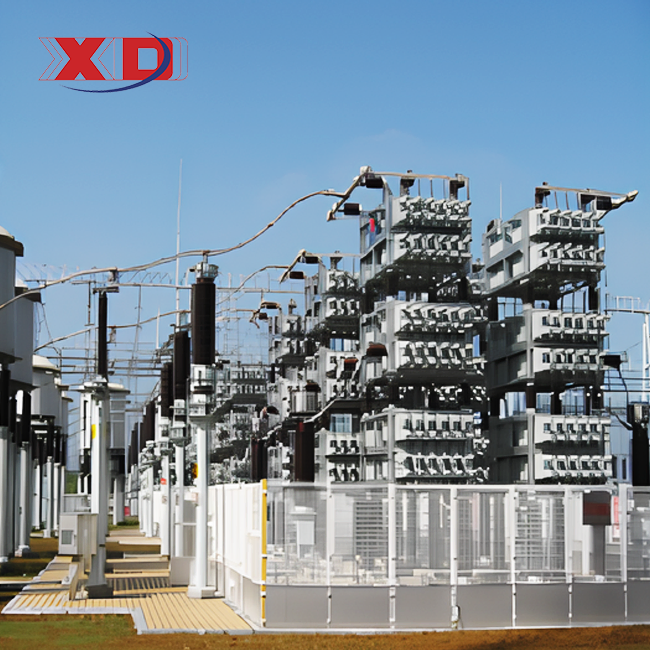
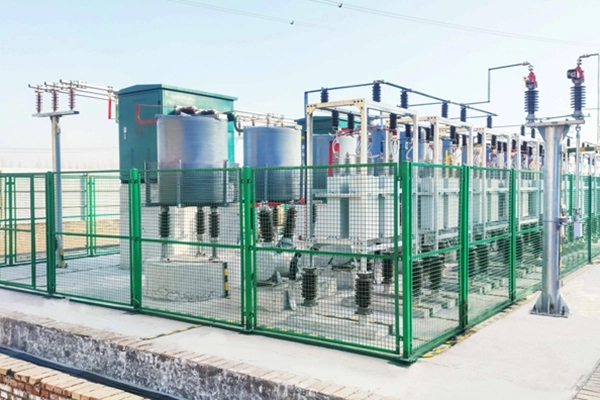
When project managers and electrical engineers search for reliable power distribution solutions for 40.5kV substations, the outdoor vacuum circuit breaker emerges as the optimal choice. These devices combine advanced arc-extinguishing technology with robust environmental protection, making them indispensable for EPC contractors managing railway electrification, mining power systems, and substations across challenging climates. Selecting the right equipment requires understanding technical specifications, environmental resilience, and manufacturer support—factors that directly impact project timelines and operational safety in remote installations.


Understanding Outdoor Vacuum Circuit Breakers: Working Principles and Key Benefits
How Vacuum Technology Enhances Safety
The sealed interrupter design gets rid of the fire risks that come with mineral oil breakers, which are still a problem in petroleum plants. Unlike SF6 units, which need to be inspected for leaks and follow rules because of worries about greenhouse gasses, vacuum systems don't produce any waste. This benefit for the environment is very important when projects go through nature parks or cities with strict pollution rules. The small footprint means that less land is needed for the substation, which lowers the cost of construction by 20–30% compared to air-blast designs.
Operational Advantages in Harsh Environments
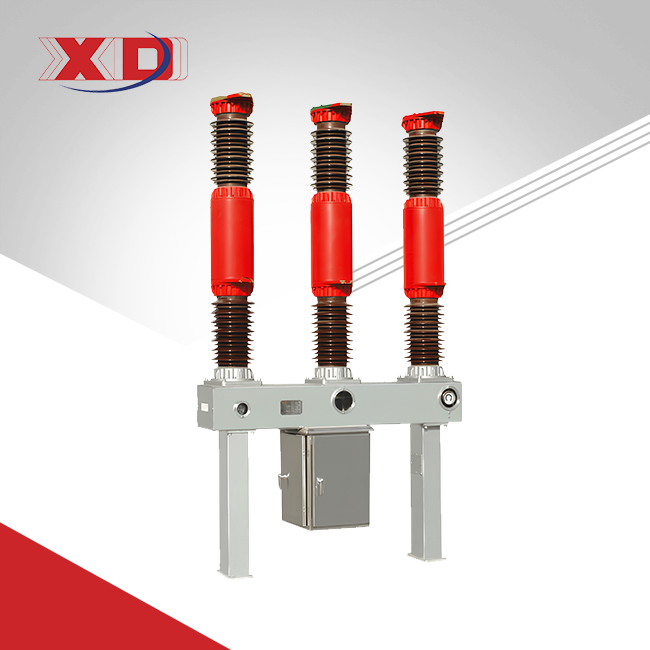
Changing temperatures that are too high or too low can be hard on mechanical parts. Traditional lube systems can freeze solid in temperatures below zero or break down in the heat of the desert, which can damage mechanisms. Modern vacuum breaks solve this problem with systems that don't need to be maintained. The ZW7-40.5 model has a 40.5kV rating and can handle currents of 1250A, 1600A, and 2000A. It uses a modularized spring-operated system that works steadily from -40°C to +60°C. Its reinforced bracket column structure can withstand up to IEEE 693 standards of seismic activity, which is important for installations in places like Southeast Asia that are prone to earthquakes or mining sites in the mountains.
Insulation systems are damaged by condensation and ice formation. This is especially dangerous near the coast or in places with a lot of humidity. Large creepage distance ceramic bands keep the surface from getting dirty from things like salt spray, industrial pollution, or dust from the desert. This ability to stop fouling increases the life of the insulation and keeps the breakdown voltage stable, which lowers the number of unplanned power outages that can mess up mining operations or train schedules.
Comparing Outdoor Vacuum Circuit Breakers with Other Circuit Breaker Types
Vacuum vs. SF6 Technology
Because they are so good at resisting electricity, SF6 breakers ruled high-voltage uses for decades. But sulfur hexafluoride is one of the most powerful greenhouse gasses; it has 23,500 times the warming power of CO2. International rules are making it harder to use, which creates compliance risks for projects that will be operational for 20 to 30 years. These problems aren't a problem with vacuum options, which offer the same interrupting ability. Modern vacuum units have a breaking current of 31.5kA, which is enough to protect substations without causing damage to the environment or making people follow strict gas handling rules.
Long-term costs favor vacuum designs. For maintenance, SF6 systems need to be checked for gas density on a regular basis, have equipment for finding leaks, and be serviced by certified technicians. Since vacuum tanks stay shut for their whole useful life, these ongoing costs are not necessary. Insurance rates often represent this lower risk, especially for sites close to people.
Performance Against Oil and Air Breakers
Minimum oil circuit breakers can start fires and need to have their insulating fluids tested regularly for dielectric properties. Because oil breaks down over time, it needs to be replaced every 5 to 7 years, which involves getting rid of dangerous waste. Air-blast breakers need high-pressure compressor systems that use power all the time and make the mechanics more complicated. Both methods take up more space, which makes retrofitting current substations harder than installing an Outdoor Vacuum Circuit Breaker.
Outdoor Vacuum Circuit Breaker types have better arc-quenching because the contact materials are made to work better in vacuums. Copper-chromium alloys have low contact resistance and can handle being worn down by repeated use. For triple the life of oil units, this lets the machine do 10,000+ tasks before it needs to be serviced. Devices like the ZW7-40.5 are small, which makes installation easier and cuts down on labor costs and project timelines.
Indoor vs. Outdoor Vacuum Configurations
Indoor breakers need switching rooms with temperature control, which adds to the cost of building a building. Outdoor-rated units have special enclosures and insulation systems that keep them safe from the weather. Corrosion-resistant materials keep wetness out of internal systems, so there's no need for separate structures. In projects like solar farms, where substations need to be spread out cheaply over large areas, this advantage is very important.
Environmental testing protocols confirm how well something works outside. IEC 60068-2-52 salt spray tests prove that the mechanism is suitable for use in coastal areas, and thermal cycling between high temperatures makes sure that the mechanism is reliable. UV exposure tests stop polymers from breaking down, which could happen over decades of sunlight exposure and affect the integrity of sealing gaskets or insulation.
Key Specifications and Maintenance Tips for Outdoor Vacuum Circuit Breakers
Critical Performance Ratings
Rated voltage sets up how well the insulator works with the equipment that is attached. The 40.5kV class serves 35kV distribution networks and gives them the safety margins they need. Under constant load, rated current tells us how much heat can be stored. Which 1250A, 1600A, or 2000A design to use relies on how much power is expected to flow through the feeder and how fast it is expected to grow. Breakers that are too small get too hot and fail early, while units that are too big raise capital costs without needing to.
Breaking capacity tells you how much fault current the device can safely stop. A grade of 31.5kA can handle short circuits in substations in cities that are connected to strong transmission networks. According to IEC standards, mechanical endurance ratings (usually M1 or M2) show that the device can be switched on and off often. Reclosing apps in rural grids can use M2-rated parts that are made to handle 10,000 processes. Electrical durability (E1/E2 class) tells you how many stoppage cycles can happen at rated current. This is important for factories that start motors a lot.
Protection Ratings for Harsh Conditions
IP (Ingress Protection) codes describe how well an enclosure protects against solids and liquids. IP65-rated housings keep out all dust and water jets from any direction, which is very important for mine sites in the desert or during the rainy season. The IK impact ratings make sure that the mechanical strength can withstand damage from vandalism or accidents that happen during maintenance. The IK10 rating can handle 20 joules of impact energy, which keeps important parts safe in outdoor areas that aren't locked down.
Maintenance Strategies to Maximize Lifespan
Every six months, the device should be checked for proper function during no-load activities. Using high-speed cameras to watch the opening and shutting speeds can find technical problems before they happen. Contact wipe measurements make sure that the right engagement is made, and low resistance paths keep things from getting too hot. When you use thermal imaging during load periods, you can find hot spots that mean connections are loose or contacts are wearing away.
High-voltage withstand tests at 85kV for one minute are used in vacuum integrity tests to confirm the dielectric strength. When loop resistance measures are compared to phase resistance, uneven wear patterns are shown. If the value is higher than 40 to 60 microohms (based on the current level), the interrupter needs to be replaced. Environmental stress inspections look for cracks in porcelain, wear and tear on seals, and corrosion in enclosure coatings. If these problems are found early, they can be fixed before they become severe.
Checking the charge motor's function and the latch's contact is part of maintaining a spring system. Unlike hydraulic or pneumatic operators that need to handle fluids, spring systems only need the exposed linkages to be oiled every so often. Because units like the ZW7-40.5 are modular, parts can be replaced on-site. This cuts down on downtime to hours instead of the days that are needed for plant fixes.
Leading Brands and Procurement Considerations for Outdoor Vacuum Circuit Breakers
Established International Manufacturers
European makers have a long history of engineering and a wide range of certifications. Their goods usually cost more than others, but they have a history of stability in utility settings. Detailed testing records and worldwide service networks give buyers confidence, especially for projects that need to strictly follow international standards like IEC 62271-100 or IEEE C37.04.
Asia's manufacturers are quickly improving their technical skills while keeping their prices low. Companies like Xi'an Xikai take advantage of China's large manufacturing base to offer cheap solutions that don't skimp on quality. Their work on national grid projects shows that they can handle difficult tasks. Certifications like ISO 9001, ISO 14001, and ISO 45001 prove that a company is serious about quality management, being good to the earth, and making sure workers are safe on the job.
Evaluating Supplier Capabilities
Lead times for an Outdoor Vacuum Circuit Breaker have a big effect on project plans, especially when there are tight dates for mine or railroad electrification contracts. Standard configurations are shipped within weeks by manufacturers who keep stock, but custom configurations may take 3–4 months. When ordering 10 to 20 units for a single project, knowing how much they can make helps avoid delays.
Warranty terms show how confident the maker is and spell out who is responsible for what. Standard coverage usually lasts between 18 and 24 months after the building is put into service. It covers problems with the materials or the work itself. Longer warranties or performance guaranties lower your long-term financial risk, but they cost more up front. Getting clear on covering limitations, especially when it comes to damage to the environment or improper operation, stops disagreements.
Customization lets you meet the specific needs of each job. When you can put current transformers inside support structures, like you can with the ZW7-40.5, you can combine equipment and make installation easier. Specifications for harsh conditions, like better heating systems for use in the Arctic or better UV protection for use in the tropics, show that engineers are quick. Application engineering support from suppliers can help optimize configurations, which could lower the total cost of the system by making it more integrated.
How to Choose the Best Outdoor Vacuum Circuit Breaker for Your Needs
Defining Technical Requirements
The system's standard voltage is the first thing that is used to choose the voltage class. Next, insulation coordination rules are used. For 35kV networks, equipment rated at 40.5kV gives you the extra safety you need. The current rating is based on the highest expected load plus growth reserves, which are usually 20–30% more than the initial demand. The breaking capacity must be greater than the maximum available fault current, which can be found by studying the system and adding safety factors based on the standards that apply.
When it comes to operating sequence needs, regular actions are different from isolation switching. Applications like switching capacitor banks, controlling motors, and closing and opening again need better electrical and mechanical endurance ratings. Working together with protective relays makes sure that the time at which the breaker trips fits the working curves of the relays. This keeps equipment from being damaged during faults.
Environmental Assessment
Protection needs and material choices are determined by the conditions of the site. Coastal sites that are less than 5 kilometers from the ocean need tools and finishes made of stainless steel that are more resistant to corrosion. IEC 60815 divides pollution into four levels: light, medium, heavy, and very heavy. The required creepage distances are based on the pollution level. The ZW7-40.5's large-creepage porcelain insulators work well in places with a lot of pollution, like mines and metallurgical plants.
Extreme temperatures can damage mechanisms and make shielding less effective. When deployed in places where the temperature drops below -25°C, mechanism box heaters are needed to keep the grease from solidifying and mist from forming. If the temperature in a desert spot is higher than 50°C, the insulation materials and thermal management must be upgraded to keep the stated performance. When you go above 1,000 meters, you need to make elevation corrections because the lower air density makes the outside insulation and cooling less effective. For equipment made to work on plateaus up to 4,000 meters, the external insulation gaps are bigger, and the cooling capacity is higher.
Evaluating Total Cost of Ownership
Lifecycle costs include more than just the initial cost of capital. Maintenance needs have a big effect on running budgets. Compared to SF6 or oil options, vacuum technology requires less regular maintenance. This means lower labor costs and less spare parts inventory. Because of how expensive downtime is, especially for mining activities or important railroad infrastructure, designs that are stable and can be fixed quickly are preferred. Modular building lets broken parts be replaced on the job site within hours, which cuts down on income losses.
Using less energy has long-lasting effects on running costs. I²R losses, which show up as heat and wasted energy, are directly related to contact resistance. These losses are kept to a minimum by low-resistance vacuum interrupters that use the best contact materials. This lowers the need for cooling in the center and raises the total efficiency of the system. Environmental compliance costs are having a bigger impact on the economics of projects. By choosing vacuum technology, you can avoid future costs for handling SF6, fines from regulators, or having to replace equipment because of new environmental rules.
Certifications back up claims of efficiency and make it easier for regulators to approve products. Interoperability with international supply chains is shown by equipment that meets IEC 62271-100 standards. This makes buying things easier for multinational mining companies or regional railroad authorities that work across borders. Compliance with IEEE C37.04 ensures compatibility with testing and protection policies and procedures used in North America. Type test results from approved labs provide an unbiased check of the manufacturer's specs, which lowers the risk of purchasing.

Conclusion
When choosing the right power distribution equipment like the Outdoor Vacuum Circuit Breaker, you have to think about how well it works technically, how well it will hold up in bad weather, and how much it will cost. Vacuum interruption technology has many benefits, such as not needing to be maintained, being safe for the environment, and being small. When project managers are looking at different options for building substations, bringing electricity to railroads, or setting up power systems in mines, it's helpful to know how vacuum breakers stack up against other technologies and what features make them work best in certain situations. Modern designs include features like the ZW7-40.5 that make them resistant to earthquakes, tolerant of pollution, and able to be serviced in a modular way to meet the needs of demanding applications. When you carefully look at voltage ratings, breaking ability, environmental protection levels, and provider skills, you can be sure that infrastructure investments will work well for many years to come.
FAQ
1. What maintenance intervals does an outdoor vacuum circuit breaker require?
Compared to gas or oil systems, vacuum breakers don't need as much regular upkeep. Every six months, visual checks are done to make sure the system is in good shape and the casing is solid. Annually, operational tests are done to measure the time it takes to open and close and the resistance of the contact. The sealed vacuum interrupter doesn't need any maintenance on the inside, and the contacts usually only need to be replaced every 10,000 processes or 20 to 30 years, whichever comes first. This style requires little upkeep, which lowers lifetime costs by a large amount.
2. Can these breakers operate reliably in extreme temperature environments?
Modern designs can work in a wide range of temperatures, from -40°C to +60°C. In cold places, mechanism box heaters keep the viscosity of the oil and stop mist from forming. Performance in hot places is guarantyd by thermal management systems and better insulation materials. Altitude-rated models work reliably at heights of up to 4,000 meters, which makes them useful for mining areas with mountains or installations on flat areas.
3. How do lifecycle costs compare with SF6 circuit breakers?
With vacuum technology, you don't have to pay for things like finding leaks, keeping an eye on density, or hiring a certified technician. Less frequent upkeep cuts down on labor costs, and sealed building keeps spare parts inventories to a minimum. Environmental compliance benefits keep you from having to pay for greenhouse gas control in the future. Even though they may have similar initial capital costs, vacuum breakers usually have a 25–40% lower total cost of ownership over 25 years of service.
Partner with Xi'an Xikai for Reliable Outdoor Vacuum Circuit Breaker Solutions
The Outdoor Vacuum Circuit Breaker systems that Xi'an Xikai Medium & Low Voltage Electric Co., Ltd. offers are the result of their high-quality manufacturing and full engineering support. Our ZW7-40.5 line solves important problems that EPC companies face when they are in charge of substations, railroad electrification, and industrial power networks in a variety of climates. As a top company that makes Outdoor Vacuum Circuit Breakers, we have strict quality standards that are backed up by ISO 9001, 14001, and 45001 certifications, as well as a lot of type testing that follows IEC and IEEE rules. During the specification, installation, and testing steps, our technical teams help with applications to make sure that the best equipment is chosen and integrated. To talk about your future projects, email our experts at serina@xaxd-electric.com, amber@xaxd-electric.com, or luna@xaxd-electric.com. You can look at our full line of products at xaxd-electric.com and ask for technical documentation that is tailored to your needs.

References
1. International Electrotechnical Commission. High-voltage switchgear and controlgear – Part 100: Alternating-current circuit-breakers. IEC 62271-100:2021.
2. Institute of Electrical and Electronics Engineers. IEEE Standard Rating Structure for AC High-Voltage Circuit Breakers. IEEE Std C37.04-2018.
3. Slade, P. G. The Vacuum Interrupter: Theory, Design, and Application. 2nd Edition. CRC Press, 2020.
4. Electrical Power Research Institute. Vacuum Circuit Breaker Technology for Medium Voltage Applications: Performance and Reliability Assessment. EPRI Technical Report 3002015891, 2019.
5. Zhang, J., Liu, Z., and Wang, X. Environmental Performance Comparison of SF6 and Vacuum Circuit Breakers in Distribution Networks. Journal of Electrical Engineering & Technology, Vol. 16, No. 4, 2021, pp. 1891-1902.
6. Asian Development Bank. Technical Guidance for Power Distribution Infrastructure in Extreme Climate Zones. ADB Infrastructure Development Series, 2022.