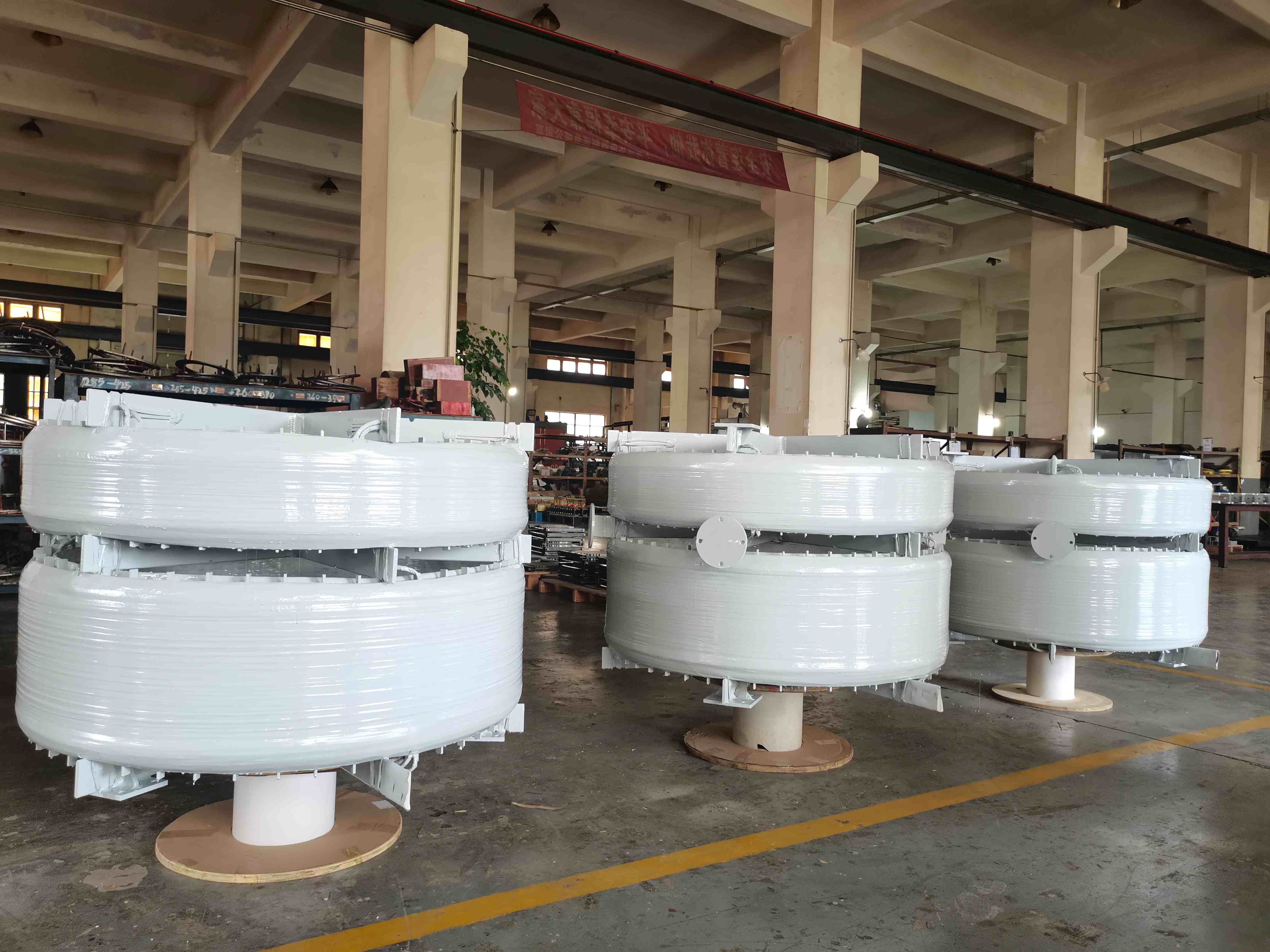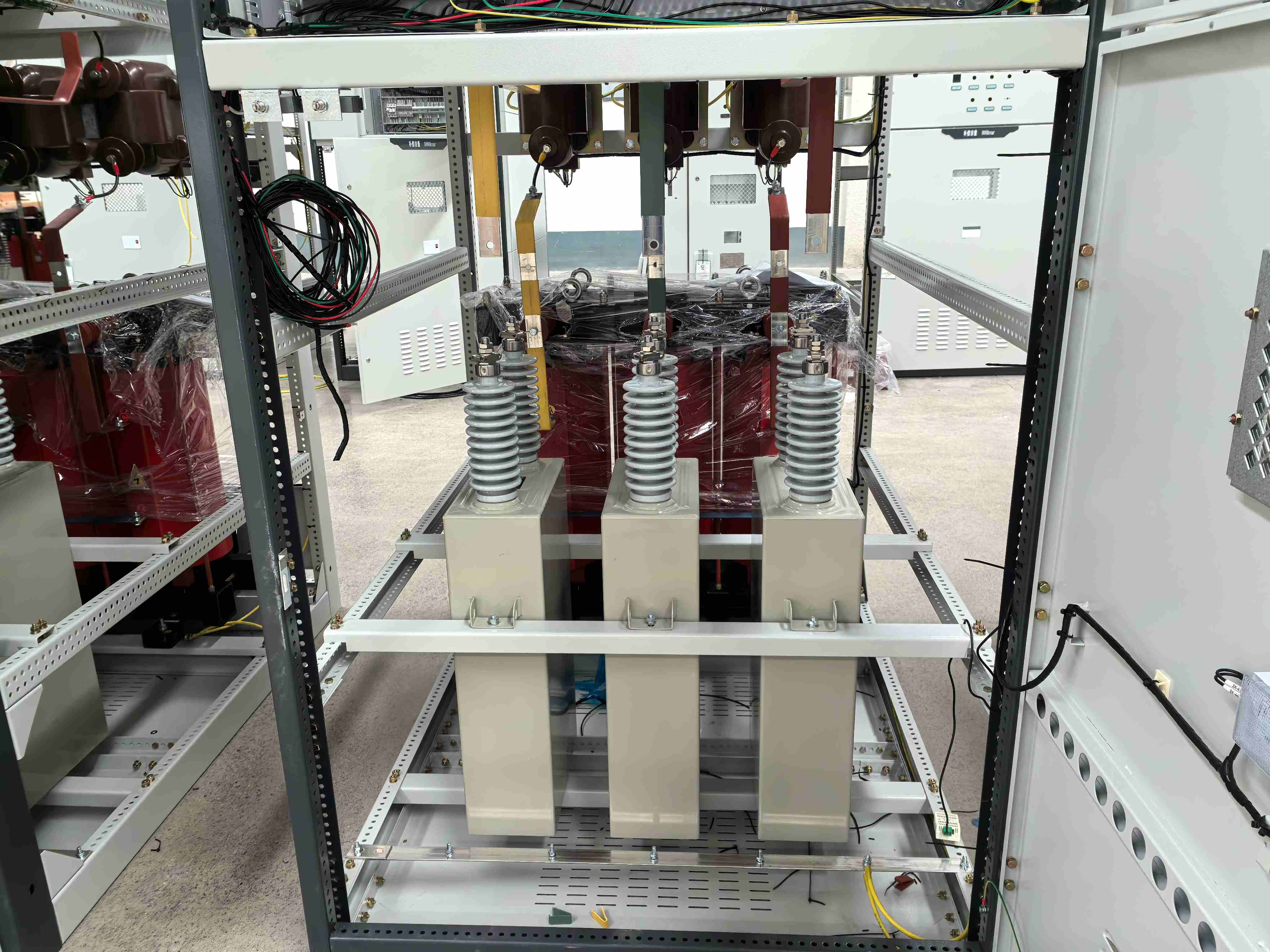
Oil type transformer Applications in Renewable Energy Projects
2026-09-03 17:24:02
Oil type transformers have become indispensable in renewable energy infrastructure, serving as the backbone for voltage transformation in solar, wind, and hybrid power installations. These units leverage insulating oil for cooling and electrical insulation, enabling efficient energy transfer from generation points to distribution grids. Across wind farms in rural networks and solar arrays in desert climates, oil-immersed transformers address load fluctuations and thermal stress while maintaining operational reliability. Their proven track record in 10kV, 35kV, and 110kV applications makes them particularly suitable for grid integration projects where energy efficiency and long-term durability determine project viability.


Understanding Oil Type Transformers in Renewable Energy
Fundamental Working Principles and Cooling Mechanisms
The core of every oil-immersed unit is made of grain-oriented silicon steel and is laminated. Copper or aluminum windings surround the core. The shielding oil does two things: it gets rid of the heat that is made when the voltage changes and it keeps the electricity from breaking down between sensitive parts. When intermittent loads happen in renewable energy systems, like when solar inverters start to work harder in the middle of the day or when wind turbines react to strong winds, the oil moves through radiators or forced-air coolers to keep the winding temperatures stable. This feature for managing heat works better than others in high-capacity situations, especially in 35kV step-up setups that are popular in utility-scale solar farms.
Advantages in Renewable Energy Applications
Because oil-cooled systems are more durable, project managers can see real benefits. A well-designed oil-type transformer can handle 125% intermittent loads without shortening its life, which is good for solar panels that have variable output. Mineral or biodegradable oils have a higher dielectric strength, which lets smaller designs work in substations with limited space. Also, natural convection cooling uses less power than forced-air systems. New field data from African national grid operators shows that units can last 30 years if they are properly kept. This lowers the total cost of ownership for projects with long payback periods by a large amount.
Insulating Oil Types and Environmental Compliance
Teams that buy things now look at both technology specs and how they affect the world. Mineral oils are still popular because they are cheap and have well-established supply chains, but biodegradable esters are becoming more popular in places that care about the environment. In line with ISO 14001 environmental management standards, these other fluids have higher fire points and are less harmful to water life. Synthetic oils can be used in temperatures as low as -40°C, which is very important for high-altitude wind farms where other fluids would thicken. When looking at different suppliers, make sure they follow the rules set by IEC 60076 and IEEE C57.12.00. These standards make sure that all batches of oil have the same dielectric performance and aging characteristics.
Why Oil Type Transformers Are Preferred in Renewable Energy Projects
Comparative Analysis Against Dry Type Alternatives
While dry type transformers work well indoors, oil-immersed units are better for outdoor green uses because they keep heat in better. Under constant load, a comparable dry type model usually loses 3-5% more heat than an oil-filled 1000kVA unit. This means that 8,000-15,000 kWh can be saved each year. This performance gap gets bigger in hot places where it's above 40°C, which is common in solar parks in the Middle East. In Southeast Asian farming networks, case studies show that oil transformers keep voltage management within ±0.5% during monsoon humidity spikes, while dry type units need extra de-rating or climate control.
Cooling System Design and Acoustic Performance
For base loads, modern renewable systems use ONAN (Oil Natural Air Natural) cooling for the Oil type transformer. During high generation times, they switch to ONAF (Oil Natural Air Forced) cooling. This two-mode method strikes a mix between efficiency and noise reduction, ensuring that even at full capacity, sound levels stay below 65dB. New radiator designs use rough flow patterns that improve heat transfer without adding more oil, which eases worries about keeping spills under control on offshore wind platforms. New inventions like thermosiphon-assisted circulation systems get rid of the need for pumps completely. This cuts down on maintenance times and makes the systems more reliable in remote areas with limited technical support.
Environmental and Safety Protocols
Containing spills is still a top concern in procurement specs. Tanks with two walls and pressure release devices that work before catastrophic breakdowns happen are now built in by manufacturers. Fire suppression methods have changed from just using foam to using water mist technologies that work with biodegradable oils. Compliance teams should use NFPA 850 guidelines to plan the layout of substations, making sure that there is enough space between transformers and that secondary containment amounts are at least 110% of the biggest unit's oil capacity. These steps lower the risk of environmental damage while still meeting the needs of insurance companies that assess risk.
Maintenance and Operational Best Practices for Oil Type Transformers in Renewables
Routine Oil Testing and Diagnostic Procedures
Dissolved gas analysis (DGA) is the main tool used for health tracking because it finds small problems before they get worse. For renewable applications, testing should happen every year during times of low generation, and checks should be sped up to every three months for units that have been in use for more than twenty years. Insulation systems are healthy if they have a moisture content below 15 ppm, an acidity level below 0.15 mg KOH/g, and a dielectric strength above 30 kV. It's important to use the right sampling methods. For example, bottom-valve extractions at steady temperatures stop false readings that come from stratification in big transformers.
Here are the main types of care that will make an object last longer:
- Thermal Imaging Surveys: Quarterly infrared scans identify hotspots on bushings and tap changers, revealing loose connections or degraded contacts that increase load losses by 10-20% if unaddressed.
- Silica Gel Breather Replacement: In humid coastal zones, moisture ingress accelerates oil degradation. Blue-indicating desiccant cartridges should be replaced when 70% of crystals turn pink, typically every 6-12 months in tropical climates.
- Load Profiling: Renewable output variability necessitates continuous monitoring of loading patterns. Units consistently operating above 90% capacity require enhanced cooling assessments to prevent accelerated aging.
According to data from African utility operators in charge of rural electrification projects, these proactive steps cut down on unplanned power outages by 40–60% compared to reactive maintenance methods.
Safety Precautions and Emergency Response
People who work with generator oil need special training on how to use PPE and control spills. Before accessing internal parts, work permits should require that grounding procedures be checked with megohm meters. Emergency plans need to take into account how oil fires are different from other types of fires. Class B sprinklers and foam blankets work well on oil fires, but using water could cause electrical dangers. IoT sensors are now built into remote monitoring systems. These sensors let operators know when temperatures or oil levels rise in a way that doesn't seem normal. This lets them fix problems before they get worse. When you invest in predictive analytics tools, reaction times drop from hours to minutes. This keeps the grid stable during times when generation is most important.
Procurement Considerations for Oil Type Transformers in Renewable Energy
Key Performance Metrics and Supplier Evaluation
When trying to balance technology needs with limited budgets, procurement workers should put efficiency scores and warranty terms at the top of their list. In solar systems where output changes because of partial shading, units that are 99.5% efficient at 50% load provide real ROI increases. Type test reports that cover temperature rise, impulse withstand, and short-circuit strength should be used to evaluate suppliers. This is proof that the design margins are good beyond the nameplate ratings. Customized units take between 16 and 24 weeks to deliver, so planning purchase along with civil works building keeps the project on schedule.
Customization Options and Value-Added Services
Standard store items rarely work with the unique needs of green energy projects for Oil type transformer units. Xi'an Xikai can customize solutions for you, such as ATEX-certified shelters for biogas plant installations, designs that are resistant to earthquakes and meet the needs of Zone 4 earthquakes, and small areas for solar substations on rooftops in cities. Voltage input freedom across 10kV, 35kV, and 110kV classes supports different grid interconnection standards without having to rebuild infrastructure upstream. Services like oil processing, nitrogen purging, and partial discharge testing before commissioning make sure that units are ready to go when they get to the job site, which cuts installation costs by 15 to 25 percent.
Total Cost of Ownership Analysis
Pricing at the start only accounts for 30–40% of lifecycle costs. Over the course of 25 years, energy losses often exceed the original buying price. This means that efficiency is the main factor that affects costs. Amorphous metal cores in low-loss designs cut no-load losses by 70% compared to regular silicon steel, but the cost of the materials goes up by 20–30%. For projects that need more than 50 units, buying in bulk can unlock tiered pricing and longer warranty coverage. For example, some suppliers offer 10-year full replacement guaranties instead of the standard 2-year terms. Think about the availability of extra parts. Companies that keep regional service centers cut down on downtime when parts break, which is very important for projects that have power purchase agreements with availability fines.
Future Trends and Innovations in Oil Type Transformers for Renewable Energy
Environmentally Friendly Insulating Fluids
As economies move toward low-carbon ones, natural ester fluids made from vegetable oils become more popular. Mineral oil breaks down 20–40% in 28 days, but these sustainable choices break down 97% in the same amount of time. Performance data from European wind farms shows that natural esters make insulation last 5 to 8 years longer because they can handle moisture better, which makes up for their 40 to 60% higher cost. Environmental benefits and thermal efficiency are balanced by synthetic esters, which keep their viscosity between -50°C and +105°C. This is important for Himalayan hydropower projects where temperature changes by more than 80°C each season.
Smart Monitoring and Predictive Maintenance Platforms
IoT-enabled sensors now keep an eye on more than 20 parameters in real time and send their data to cloud platforms that use machine learning algorithms to make sense of it. By looking at patterns of partial discharge and oil breakdown, these devices can tell when bushings will fail 6 to 12 months in advance. Integration with SCADA networks lets load sharing happen automatically when transformers get too hot, which protects assets during sudden power spikes. Blockchain-based maintenance logs keep service records that can't be changed, which makes warranty claims and regulatory audits easier. Early adopters in Latin American solar portfolios say that better scheduling of maintenance activities has cut costs by 30%.
Advances in Core Materials and Design Efficiency
In next-generation cores, amorphous metal bands are used instead of silicon steel. This lowers no-load losses to 0.15%, compared to 0.8% for standard materials. Units below 2500kVA are currently only available because they are hard to make, but study is being done to make them bigger so that they can reach utility-class rates by 2027. Combining amorphous cores with copper foil windings results in hybrid designs that are 99.7% efficient at 30% load. This is a big step forward for solar uses where morning and evening output is only a small part of capacity. These new ideas are in line with global plans like the EU's EcoDesign Directive, which says that all new installations after 2025 must be Tier 2 efficient.

Conclusion
For green energy projects that require dependability under varying loads and challenging weather conditions, Oil type transformers are still the best option. They are widely used in utility-scale uses because they are very good at cooling, can be customized, and have a history of success in both solar and wind systems. As insulating fluid technologies improve and smart tracking becomes the norm, these units will continue to connect green energy sources to the grid. When procurement teams put lifecycle costs ahead of initial pricing, projects always have better economics. This is especially true when they work with manufacturers that offer full support services. As sustainable materials and tools for predictive maintenance continue to improve, oil-immersed transformers will become more important to the global energy shift.
FAQ
1. Why do oil type transformers outperform dry type units in renewable applications?
Insulating oil's thermal mass can handle sudden increases in temperature when loads come and go without causing temperature spikes that damage solid insulation. In wind farms, where output can double in minutes during storm fronts, this trait is very important. Oil-immersed designs can also handle higher overload conditions (125% for extended periods vs. 110% for dry types), which acts as a buffer during peak generation.
2. How often should transformer oil be tested in solar installations?
If the DGA is working within its design limits, it only needs to be tested once a year. However, it needs to be checked every three months after 15 years of service or after an electrical problem. Solar uses with a lot of inverter switches may speed up the breakdown of oil, so acidity and moisture levels should be checked in the middle of the year. Don't take samples during warmer months; that's when the dissolved gasses are more stable.
3. Can biodegradable oils directly replace mineral oils in existing transformers?
When retrofitting, the system needs to be flushed well to get rid of any mineral oil that is still there, because mixing the biodegradable fluid lessens its environmental benefits. Some elastomers swell when they come in contact with natural esters, so it's important to make sure they work with gasket materials and bushings. To keep your warranty valid, check with the manufacturer before switching oil types.
Partner with a Trusted Oil Type Transformer Supplier
Xi'an Xikai Medium & Low Voltage Electric Co., Ltd. offers custom Oil type transformer solutions based on more than 25 years of engineering experience and a number of patents. Our IP55-rated shelters can handle high altitudes, hot deserts, and humid seaside areas. Plus, our optimized core designs cut energy loss by up to 30%. Our technical team makes sure that the winding configurations and cooling systems are just right for your renewable energy project, whether you need units that are resistant to earthquakes in areas that are prone to them or ATEX-certified transformers in places that are dangerous. We make sure that 10kV, 35kV, and 110kV voltage classes meet world quality standards with certifications like IEC 60076, ISO 9001, and CE compliance. For full advice, reasonable prices, and a 10-year warranty, email our experts at serina@xaxd-electric.com, amber@xaxd-electric.com, or luna@xaxd-electric.com. Visit xaxd-electric.com to see our full line of products and learn why top renewable energy developers choose Xi'an Xikai as their transformer manufacturer of choice.

References
1. International Electrotechnical Commission, "IEC 60076-1:2011 Power Transformers - Part 1: General," Geneva, Switzerland, 2011.
2. IEEE Power and Energy Society, "IEEE C57.12.00-2015: Standard for General Requirements for Liquid-Immersed Distribution, Power, and Regulating Transformers," New York, USA, 2015.
3. Tenbohlen, S., et al., "Enhanced Diagnosis of Power Transformers Using On- and Off-Line Methods: Results, Examples and Future Trends," CIGRE Science & Engineering Journal, Vol. 17, 2020, pp. 22-38.
4. Prevost, T.A., and Oommen, T.V., "Cellulose Insulation in Oil-Filled Power Transformers: Part II - Maintaining Insulation Integrity and Life," IEEE Electrical Insulation Magazine, Vol. 22, No. 2, 2006, pp. 5-14.
5. Renewable Energy World, "Transformer Selection and Maintenance for Wind and Solar Farms: Best Practices from Global Installations," Technical Report Series, 2022.
6. Asian Development Bank, "Handbook on Battery Energy Storage System and Transformer Integration for Rural Electrification," Manila, Philippines, 2021.