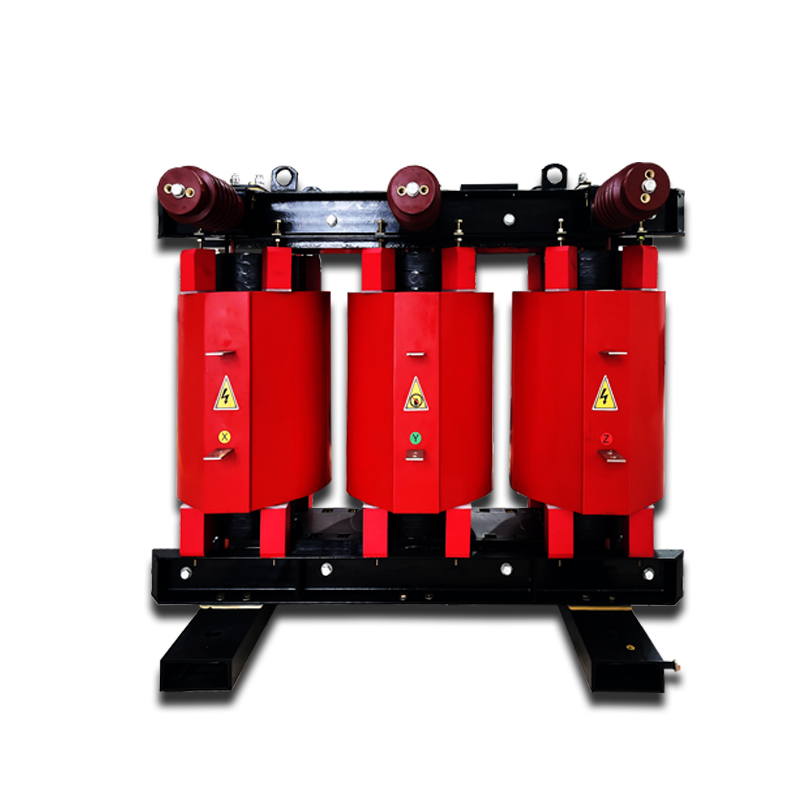
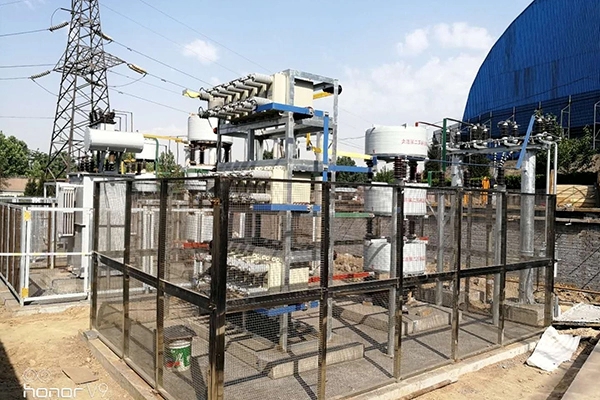
Oil type transformer for Solar Plants: Key Selection Factors
2026-09-03 17:23:57
Choosing the right oil type transformer for solar installations directly impacts system reliability, energy yield, and long-term operational costs. These voltage regulation units serve as critical links between solar arrays and the grid, handling fluctuating power outputs while maintaining insulation integrity through mineral oil-based cooling systems. Understanding capacity ratings, efficiency classifications, and environmental adaptability ensures your investment delivers stable performance across diverse climatic conditions and load scenarios.


Understanding Oil Type Transformers in Solar Power Systems
The Role of Insulating Oil in Voltage Transformation
Variable DC power is made by solar plants, and transformers change it to AC power before raising the voltage for transfer to the grid. Mineral oil cools and protects against electricity in oil-immersed transformers. The oil flows through the windings to get rid of the heat that is made during electromagnetic induction. Because they can do two things at once, they can handle higher power densities than air-cooled options. This makes them good for utility-scale solar farms that produce megawatts.
The magnetic core, which is made of grain-oriented silicon steel, moves energy between the primary and secondary windings. The oil keeps the voltage from dropping on sensitive surfaces. Modern designs use sealed tanks with silica gel breathers that stop water from getting in. This prevents rusting in wet seaside areas where many solar projects are located.
Efficiency Advantages in Renewable Energy Applications
Oil-cooled designs are better at managing heat than dry-type units, especially when sun generation patterns aren't steady. When cloud cover causes load changes to happen quickly, the oil's high specific heat capacity absorbs temperature jumps that would otherwise make insulation wear out faster. New amorphous core types cut no-load losses by 25–30%, which is very important because solar transformers have long times of low load in the morning and evening.
Field data from solar installations shows that efficiency ratings always go above 99% at full capacity. Some S18-series units stay at 97% efficiency even when they are only 30% loaded. This performance trait fits perfectly with solar power curves, so it wastes the least amount of energy when there is only partial sunlight, which happens 60–70% of the time in mild areas.
Design Variants for Solar Integration Points
At inverter stations, step-up transformers raise the voltage from 400V to 10kV or 35kV for collection networks. At main power transformers, they raise the output to 110kV transmission levels. For extra loads like tracking motors and monitoring systems, distribution types can handle stepped-down lines from 10kV to 35kV. To deal with the natural variability of solar power without affecting the security of the grid, each application needs its own impedance values and tap-changer settings.
Critical Selection Criteria for Oil Type Transformers in Solar Plants
Matching Load Capacity to Solar Output Profiles
To get the right transformer size, you need to look at both the top generation ability and the changing load trends. To handle clear-sky noon peaks without derating, a 50MW solar farm needs transformers that can handle 125% continuous overload. Oversizing, on the other hand, increases no-load losses during standby at nite, so looking at past irradiance data for your area helps balance these different needs.
Load changes of 40 to 60% in seconds are caused by intermittent cloud transits, so voltage control needs to be strong. Units with on-load tap switches keep the voltage within ±0.5% even when the loads change. This makes sure that they follow grid codes like IEEE 1547. Instead of steady-state industrial loads, the requirements for the purchase should require thermal imaging proof under cyclic loading that matches the real patterns of solar production.
Cooling System Selection and Climate Considerations
Natural oil circulation (ONAN cooling) for an Oil type transformer, which relies on oil moving through radiator fins, is enough for mild conditions and small setups. Forced-air cooling (ONAF) is needed when the temperature outside is higher than 40°C or when there isn't enough room for the radiator's surface area. For desert areas in the Middle East or North Africa, forced cooling can increase the capacity of solar farms by 30%. However, it requires extra power and makes the machines more complicated.
Tank materials and surface processes have a big effect on how well they keep heat in. When compared to smooth designs, corrugated steel tanks have a 15-20% larger radiating surface area while taking up less space overall. For solar projects near the coast, epoxy-coated tanks with stainless steel fittings keep salt spray rust from breaking down the seals. Our IP55-rated shelters can handle up to 95% humidity and sand getting inside. This has been proven by 5,000-hour rapid weathering tests.
Safety Standards and Environmental Compliance
When it comes to oil-filled equipment, fire safety rules need extra attention in solar farms where escape routes may not be easy to find. Transformers need to have pressure-relief devices that are set up to let gasses out before the tank ruptures, and Buchholz relays that can find early faults by analyzing dissolved gasses. Installations within 50 meters of inverter buildings need extra containment ponds that can hold 110% of the total oil volume to keep groundwater from getting contaminated during catastrophic failures.
Compliance with regulations varies a lot from market to market. In the European Union, installations must meet IEC 60076 efficiency requirements and RoHS restrictions on insulating oil additives. In the United States, projects must follow IEEE C57.12.00 standards that stress seismic resilience in zones 3–4. Certifications like CE, UL, and GOST-R make it easier for buyers to make sure that requirements are met, but it's still important to read through specifications carefully to avoid having to make expensive repairs.
Comparing Oil Type Transformers with Competing Technologies
Efficiency and Cost Trade-offs
When rated above 1MVA, oil-immersed units are usually 20–30% cheaper per kVA than comparable dry-type transformers. This makes them a good choice for big solar installations from an economic point of view. This difference is due in part to less complicated production and lower material costs. However, the heavier weights and need for oil handling make shipping and installation costs more than the savings.
Lifecycle cost study shows that there are even more benefits. With proper care, oil-cooled transformers can last 35 to 40 years, while cast resin alternatives only last 25 to 30 years. Efficiency differences make these numbers even better. For example, a 2MW oil unit that loses 3kW of power when it's not in use compared to 5kW for dry-type equivalents saves $4,000 to $6,000 a year at average industrial energy rates, which adds up to $140,000 to $210,000 over the life of the equipment.
Maintenance Requirements and Operational Realities
Some people say that managing the oil is a problem for the Oil type transformer, but sealed-tank designs have mostly taken care of this issue. Newer transformers have nitrogen pillows on top of the oil, which stop oxidation and moisture absorption that happened in older types with expansion tanks. Instead of testing every year, oil samples are taken every three to five years, and dissolved gas analysis lets us know early on when insulation is breaking down or hotspots are appearing.
Dry transformers don't need to be handled with oil, but they do need to have their windings inspected more often to look for dust buildup and insulation cracks. Desert sun settings are especially hard because airborne particles make cooling less effective after 18 to 24 months. On the other hand, oil-filled designs don't need any repair between planned outages because mobile processing units filter and recondition the oil on-site.
Environmental Suitability for Solar Farms
Extreme temperature changes in outdoor solar installations cause thermal stress that speeds up the aging process. During peak generation, oil's better heat transfer properties keep wrapping temps 15-20°C cooler than dry insulation systems. This directly correlates to longer insulation life according to Arrhenius aging models. Temperature resistance from -40°C to +55°C means that construction places can be anywhere from the mountains of Scandinavia to the deserts of the equator without any problems.
In remote solar farms, noise levels are not as important as in urban substations, but oil units naturally make 3–5dB less noise than dry transformers that are cooled by forced air. This benefit makes it easier to get permits for agri-voltaic projects that are close to farms or wildlife areas where noise limits are strict.
Maintenance, Troubleshooting, and Lifespan Management
Preventive Maintenance Protocols
A good way to take care of a transformer is to take a sample of the oil every year and check the dielectric strength, moisture content, and acidity levels. Dissolved gas analysis finds the first signs of faults. For example, high ethylene levels mean that the temperature is above 700°C, and high acetylene levels mean that there are arcing conditions. By plotting these factors against time over repeated tests, you can see how quickly they are degrading, which lets you take action before outages happen.
During peak generation, thermographic surveys find hotspots that are caused by loose connections or losses in the flow of current. Every two to three years, infrared imaging finds problems that regular monitoring can't see, mostly in bushing interfaces and tap-changer mechanisms. Putting together thermal data and readings of partial discharge gives full health reports that help set repair goals for solar portfolios with multiple transformers.
Common Failure Modes and Diagnostic Approaches
40% of transformer failures in an Oil type transformer are caused by insulation breakdown, which usually shows up as a drop in power factor and an increase in dissolved flammable gasses. Moisture getting in speeds up this process, which shows how important it is to maintain breathers and check gaskets regularly. When moisture levels go above 30ppm, vacuum dehydration devices immediately regenerate the oil, regaining its dielectric strength before it's too late.
When the cooling system fails, it causes warming in certain areas, which breaks down the cellulose insulation around the windings. When material from the outside or sludge buildup inside the radiator blocks its channels, it can't move heat as well (15–25%). By comparing the temperatures of the top oil and the windings, differential temperature monitoring shows cooling problems before they become permanent. To fix them, you can do anything from cleaning the radiators to switching to forced-air systems.
Extending Service Life in Solar Environments
Active load management has a big effect on longevity. Running transformers at 70–80% of their named capacity under normal power conditions lets them handle occasional overloads without speeding up the aging process. Dynamic rating systems change the maximum capacity based on the current temperature and the past of loads. This makes the best use of assets while protecting the insulation.
When to do seasonal upkeep is very important for solar uses. Planning oil filtering and interior checks for the winter months, when irradiance is low, lowers generation losses the most. On the other hand, making emergency fixes during the busy summer months costs a lot of money. Setting up rolling repair plans across transformer banks keeps the plant running while taking care of old equipment in a planned way.
Procurement Tips: How to Source the Best Oil Type Transformer for Your Solar Project
Evaluating Manufacturer Credentials and Support Capabilities
Picking a supplier requires more than just looking at prices at first. Companies that have passed the ISO 9001 and IEC 60076 tests have quality control systems that make sure their products always meet the standards. You can be sure that the claimed capabilities are real by asking for factory audit reports and watching regular testing. This is especially important for dielectric testing at 1.5x rated voltage and temperature-rise verification under simulated load conditions.
Long-term ownership experience is based on the infrastructure for after-sales support. Make sure that the providers you're looking at have regional service centers that are less than 500 km from your project site and have techs who are trained to work on your specific transformer models. Standard warranty terms are two to three years, but coverage that lasts up to ten years shows that the manufacturer trusts the design to be strong. Emergency response agreements, which promise that a technician will be on-site within 48 hours, keep income losses to a minimum during unplanned outages.
Here are some things to think about when judging a supplier's skills:
- Certification Portfolio: Confirm CE, UL, and GOST-R markings alongside market-specific approvals like CCC for Chinese installations or CSA for Canadian projects. Each certification represents independent verification of safety and performance claims, reducing procurement risk.
- Technical Documentation Quality: Comprehensive operation manuals, spare parts catalogs, and maintenance guides demonstrate engineering maturity. Suppliers providing BIM models and digital twin integration facilitate predictive maintenance programs and lifecycle asset management.
- Customization Flexibility: Solar projects often require non-standard configurations—compact footprints for space-constrained sites or enhanced seismic bracing for earthquake zones. Manufacturers offering tailored winding taps, specialized bushings, and modular designs accommodate unique project constraints without excessive cost premiums.
These buying factors for an Oil type transformer work together to make sure that sellers give full solutions instead of just basic goods, which helps projects succeed over many years or decades.
Specification Customization for Solar Applications
Standard shopping items rarely improve the performance of solar transformers. If you choose grain-oriented silicon steel cores with a 0.23mm lamination thickness, you can cut eddy current losses by 12–15% compared to standard 0.30mm materials. This directly improves part-load efficiency when there is less sunlight. By asking for factory loss tests at 25%, 50%, and 75% load points, you can check performance across the full range of solar's operational range, not just its stated capacity.
Configurations for tap-changers need to be carefully thought through. Automatic on-load tap switches keep the voltage stable during cloud transits, but they cost an extra $15,000 to $25,000 and have mechanical parts that need to be serviced on a regular basis. Off-load tap changers are enough for stable solar farms with predictable seasonal voltage changes because they offer reliable adjustment at a lower cost and with less complexity.
The environmental hardening requirements should match the conditions on the site. Coastal installations that are less than 5 km from saltwater need better sealing systems, marine-grade coatings, and stainless steel fasteners that stop galvanic corrosion. For places above 1,000 meters, where the lower air density makes it harder for heat to escape, derating formulas or more cooling are needed to make up for it. Fungus-resistant gaskets and moisture-blocking compounds help tropical areas keep biological degradation from speeding up.
Logistics and Installation Planning
Logistics for delivering transformers have a big effect on project prices and schedules. Heavy-haul permits and route surveys that show bridge load limits and overhead clearances are often needed for units that are bigger than 40MVA. It takes 35 to 50 days for ocean freight to travel from China's manufacturing hubs to ports in North America or Europe. This means that goods must be bought early to avoid major delays during building windows.
Design specifications are affected by how the parts will be put together on-site. Factory-assembled units are easier to install, but they may be too big to transport by road, so core-coil assemblies have to be put together in the field. This method cuts down on shipping dimensions, but it needs special tools and skilled workers, which adds 7–10 days to the time it takes to get things up and running. These trade-offs are balanced by modular designs, which use pre-tested subassemblies to cut down on field work while still making the system portable.

Conclusion
When choosing the right Oil type transformer for solar systems, you need to think about how well it works technically, how well it protects the environment, and how much it costs over its whole time. With the right capacity matching, cooling system design, and maintenance planning, the system will work reliably for decades, even if green power changes. It's just as important to look at a supplier's qualifications, customization options, and support system for a successful procurement. By carefully considering these selection factors, project makers make sure they have the basic parts needed for efficient and profitable solar energy production.
FAQ
1. How does cooling method affect transformer performance in solar plants?
Natural oil circulation works well in mild climates and doesn't need any maintenance. On the other hand, forced-air cooling increases capacity by 30% in places where the temperature is above 40°C. For solar systems in desert areas, forced cooling helps get rid of heat more quickly, but it uses an extra 0.3% to 0.5% of the transformer's grade of power. Forced cooling is only turned on during peak generation in hybrid systems. This makes them as efficient as possible across all daily load cycles.
2. What safety standards apply to oil-filled transformers in solar applications?
IEC 60076 sets the rules for foreign installations and includes standards for dielectric testing, temperature rise limits, and fault protection. IEEE C57.12.00 is used in North American markets and focuses on how well something can handle earthquakes and short-circuits. Environmental laws require secondary containment systems that can hold 110% of the total oil volume, and fire codes say that structures that are being used must be 15 meters away unless automatic suppression systems are installed.
3. What oil testing intervals maintain optimal transformer health?
For sealed-tank designs, taking a sample of the oil once a year is enough to check the dielectric strength, moisture level, pH, and dissolved gasses. Units that are heavily loaded or that work in harsh conditions should be tested every six months. Using dissolved gas analysis to find faults early is helpful because it shows how combustible gas concentrations change over time. This shows that insulation is breaking down and needs to be fixed every three to five years through oil filtering and reconditioning procedures that can be done without taking transformers out of service.
Partner With Xi'an Xikai for Reliable Solar Power Transformation
For demanding solar systems, Xi'an Xikai offers high-efficiency Oil type transformer options. Our manufacturing experience spans more than 25 years, and we've been making voltage control equipment that can work in temperatures ranging from -40°C to +55°C and still be 99% or more efficient. Each unit goes through strict testing based on IEC 60076 and ISO 9001 standards. They also come with full 10-year warranties and expert help 24 hours a day, 7 days a week. We make sure that the winding configurations, cooling systems, and protection plans are exactly right for your project. We can make anything from small 10kV distribution models to strong 110kV transmission interfaces. As a well-known provider of Oil type transformers, we help procurement managers and engineering teams by giving them clear specifications, competitive prices, and reliable delivery dates. Get in touch with our team at serina@xaxd-electric.com, amber@xaxd-electric.com, or luna@xaxd-electric.com to talk about your solar project needs and get specific technical plans that are made to fit your business.

References
1. International Electrotechnical Commission. "Power Transformers - Part 1: General Requirements and Tests." IEC 60076-1 Standard, 2021 Edition.
2. Institute of Electrical and Electronics Engineers. "IEEE Standard for Liquid-Immersed Distribution, Power, and Regulating Transformers." IEEE C57.12.00-2019.
3. Heathcote, Martin J. "The J&P Transformer Book: A Practical Technology of the Power Transformer." 13th Edition, Newnes Publishing, 2017.
4. Kulkarni, S.V. and Khaparde, S.A. "Transformer Engineering: Design, Technology, and Diagnostics." 2nd Edition, CRC Press, 2018.
5. National Renewable Energy Laboratory. "Solar Power and Energy Storage Integration Handbook: Technical Guidelines for Grid-Connected Systems." U.S. Department of Energy Publication, 2020.
6. Mehta, V.K. and Mehta, Rohit. "Principles of Power Systems: Including Generation, Transmission, Distribution, Switchgear, and Protection." S. Chand Publishing, 2019 Revised Edition.
_1774416563318.png)