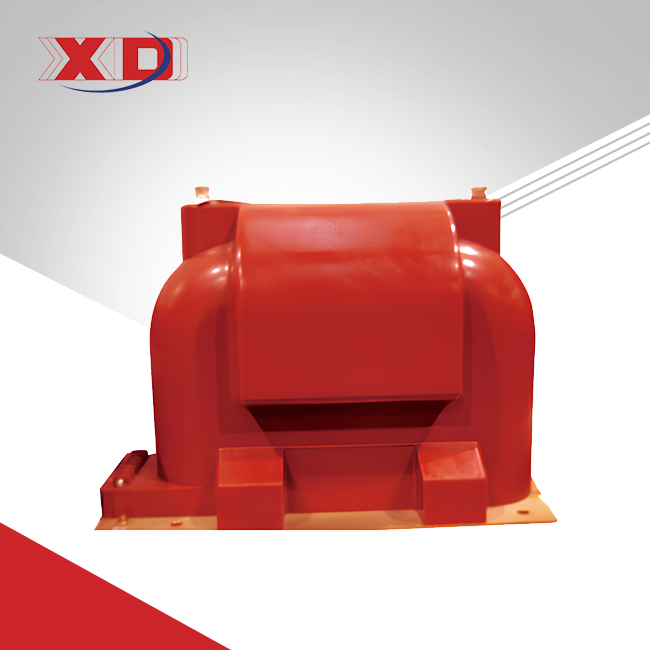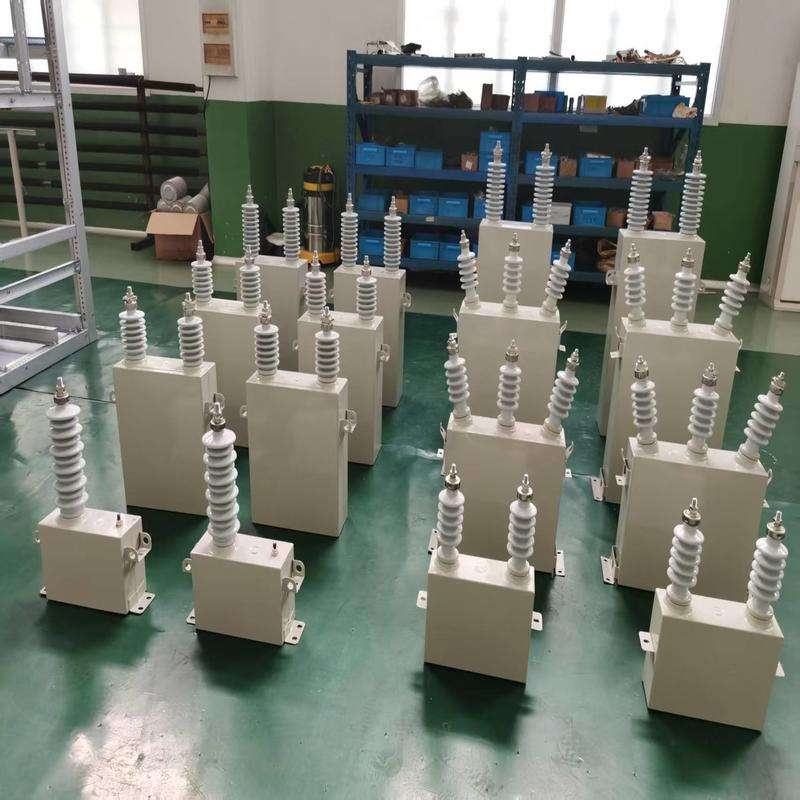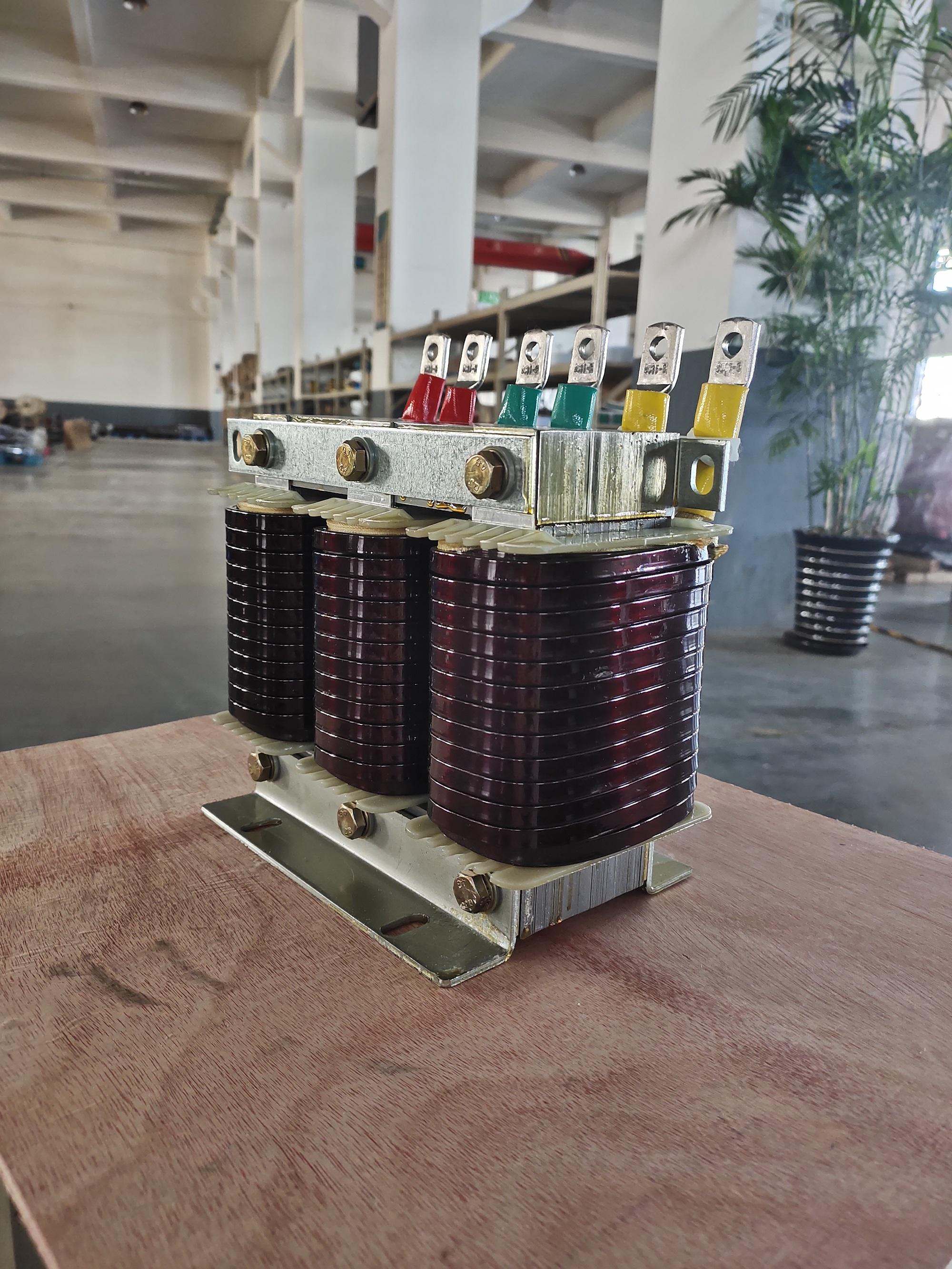
Y10W-102/266W Lightning Arrester Porcelain housed MOA for AC system
Best products for 10kV outdoor line compensation
2026-07-10 16:20:12
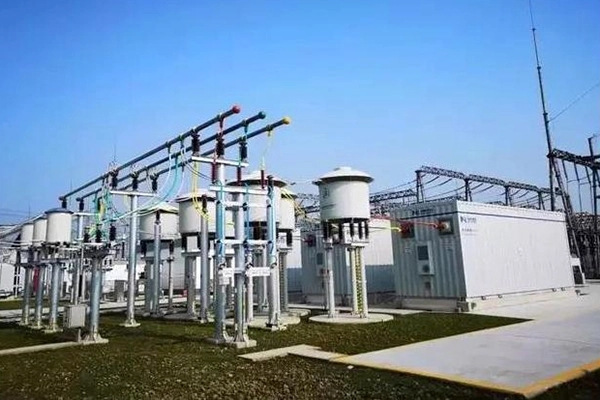
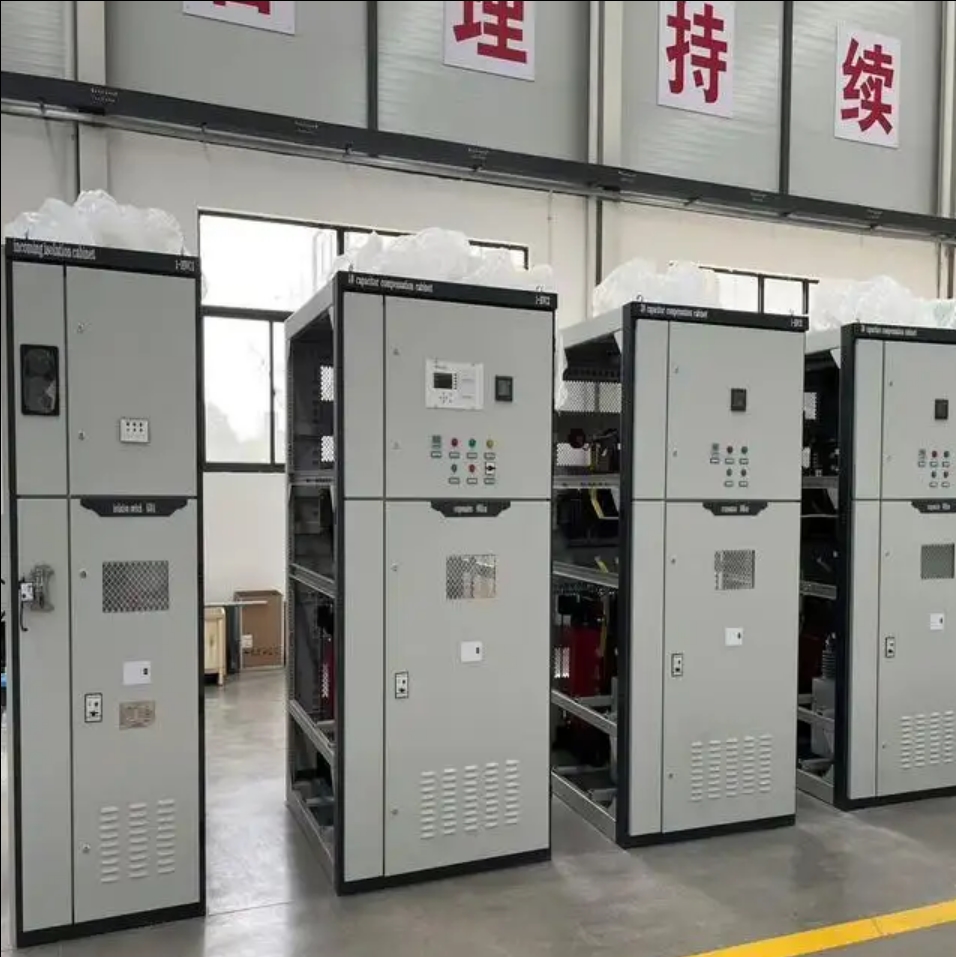
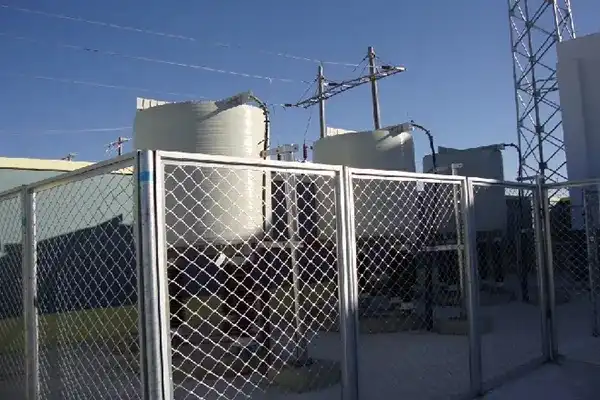
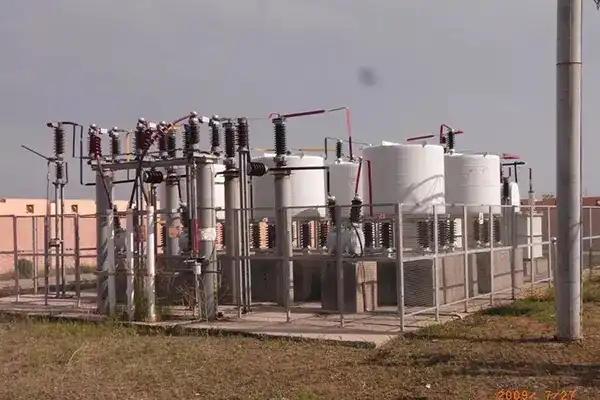
One of the best tools for managing reactive power in medium-voltage distribution networks is a 10kV outdoor line compensation device. This is something that utilities, industrial sites and grid operators must have. These devices, which can be fixed on a pole or put outside, send capacitive reactive power straight to distribution feeders. This fixes voltage drops and power factor problems at the source. All-film capacitors and smart controls are used in modern systems. These systems can handle voltages of up to 35kV and have rated values of 1 to 100 Mvar per bank. The best products are made to work in tough outdoor conditions. They have stainless steel housings, advanced switching mechanisms, and tracking features that work with SCADA systems. These features make the products reliable and efficient.
 |
 |
Introduction
This guide gives you a complete look at reactive power adjustment technology, which is an important part of current power systems. It shows how important line compensation is for keeping voltage stable, improving power quality, and lowering energy losses. It was written for buying managers, engineers, and OEMs in utilities, industrial operations, and EPC firms.
The material talks about common problems and things that affect decisions when choosing the best tools, making it easy to make smart choices about what to buy. We go over the most important technical details and practical issues, like how to understand working principles and check the identities of suppliers. By the end of this guide, readers will have a better understanding of technical choices, important evaluation criteria, and trusted supplier suggestions that will help them make the most of their distribution system. This guide gives you useful information whether you work in a data center that needs reliable power, run transfer networks that serve millions of people, or build electrical systems for a wide range of clients.
Understanding 10kV Outdoor Line Compensation
This part talks about the basics of reactive power adjustment technology, such as how it works and what its main technical specs are. Compensation devices control voltage and make the system more stable. This leads to better power quality and lower losses in distribution networks.
How Reactive Power Compensation Works
There are three built-in stages that make 10kV outdoor line compensation devices work. Using real-time current and voltage sampling, sensing units find voltage drops or reactive power shortfalls. When the processor notices that the parameters aren't working as well as they should, it activates the sensitive banks to add corrective reactive power exactly where it's needed. Continuous tracking creates feedback loops that keep the grid's settings at their best, changing compensation levels automatically as the day's load changes.
These systems make up for the reactive power that is lost when inductive loads like motors, transformers, and other electromagnetic equipment that is common in factories and business buildings are turned on. By raising the power factor to a goal level of at least 0.95, facilities can avoid fines from the utility companies and lower their demand charges at the same time. By adding capacitive reactive power, the technology makes up for voltage drops that happen during long-distance transfer. This successfully supports terminal voltage levels and ensures code compliance.
Core Technical Specifications
Professional-level correction gear can work with rated voltages of up to 35kV, 10kV, and 6kV, and can have capacity configurations of 1 to 100 Mvar per bank, based on the needs of the system. All-film dielectric capacitors have very low losses—usually less than 0.2W/kvar—and high partial discharge inception voltages that make them reliable over time.
Another important detail is the switching methods. Zero-crossing switching is done by vacuum contactors or thyristor-based switches. This gets rid of inrush current transients and reignition overvoltages that could damage sensitive equipment. Enclosure grades require IP54 or IP65 protection, and they must be made of 304 stainless steel to resist UV light, salt mist, humidity, and temperature changes from -40°C to +55°C.
Equipment Types and Application Scenarios
Different types of tools are better for different power transfer problems of 10kV outdoor line compensation. Fixed capacitor banks support reactive power all the time, which is perfect for stable industry loads. Automatically switched capacitor banks can adapt to changing demand by switching in multiple steps. This makes them great for places where usage trends change often. Static Var Generators (SVG) provide constant, stepless compensation and quick reaction times, making them ideal for places with sensitive electronics or a lot of harmonics.
Long-distance country feeds with distribution lines that are longer than 10 km cause big voltage drops that need to be made up for at the normal two-thirds point. Dynamic correction keeps starting currents stable and stops power factor penalties in heavy industrial settings with big induction motors. Renewable integration projects use compensation to keep systems stable when solar and wind farms aren't working all the time. In cities, these networks keep brownouts from happening during times of high demand.
Comparing 10kV Outdoor Line Compensation Solutions
Depending on the needs of the system, the available budget, and the goals of the operations, each way of compensation has its own unique benefits. In terms of effectiveness, performance, and suitability, this study compares and contrasts different methods.
Performance Evaluation Criteria
The main thing that is used to judge something is its power factor adjustment skill. Power factors for traditional capacitor banks are usually between 0.92 and 0.95. For more modern SVG systems, the value can hit 0.99 or higher with constant adjustments. Response time varies a lot. For example, mechanical contactors need 50–100 ms for each switching process, while thyristor-based systems answer in just one cycle, which is about 20 ms at 60Hz.
The initial cash spending is only one part of the total cost of ownership. Fixed capacitor banks are cheaper up front, but they can't be used to change load patterns. Automatically flipped systems cost more because they need a processor and switching gear, but they save energy by making the best use of adjustment. It costs a lot more than other technologies, but SVG technology works better in places with strict power quality rules or harmonic issues.
Long-term worth also takes into account how much maintenance is needed. After 10,000 to 30,000 processes, mechanical switches need to be inspected and, if necessary, replaced because the contacts wear out. Thyristor devices get rid of mechanical wear, but they also increase the chance of semiconductor failure. All capacitor technologies slowly lose their effectiveness over time, but high-quality units can keep working well for 15 to 20 years with the right circumstances.
Cost Comparison Data
A 300 kV automatically switched capacitor bank usually costs between $8,000 and $15,000 to buy for the first time, but this depends on the seller and the specs. The equivalent SVG capacity costs between $18,000 and $30,000, but it responds faster and can block harmonics. Energy losses are reflected in operational costs. Good capacitors lose less than 0.2W per kvar, which means that ongoing costs are very low compared to the reactive power saves.
When making a budget, energy fines that aren't paid should be taken into account. When the power factor drops below 0.90, industrial sites often have to pay extra for it. The fines can be as much as 2 to 5 percent of their total energy costs. If you install the right-sized compensation system, these fees will go away within 18 to 36 months, giving you a strong return on investment (ROI) even before you think about the benefits of better voltage stability and longer machine life from less electrical stress.
Top Recommended 10kV Outdoor Line Compensation Products
To find good compensation items, you need to look at certain characteristics that describe dependability, performance, and durability. The best tools can withstand harsh weather, be easily installed, and work with multiple networks.
Key Features Defining Quality Equipment
Enclosures made of stainless steel and insulation made of silicone rubber for 10kV outdoor line compensation will last for 20 years or more in deserts, seaside areas, or cold temperatures. Hardware that doesn't rust and finishes that are stable in UV light keep structures strong even when they're exposed to harsh weather all the time. Advanced cooling designs, such as natural convection paths or forced-air systems for large sites, keep thermal management systems from overheating.
Modern goods are different from older ones because they are ready for smart grids. IoT-enabled models allow for real-time adjustments and remote tracking through SCADA integration, which helps with predictive maintenance and quick problem analysis. Communication protocols like DNP3.0 and IEC 60870-5-104 make it easy to connect to current distribution management systems. This lets managers see all of the details of how well compensation is working.
Modular freedom lets you gradually increase capacity without having to completely rebuild the infrastructure that's already there. Standardised mounting ports and plug-and-play controls make it easier to make changes as the load needs change. Compared to older technologies, low-loss capacitors and improved cooling systems lower running costs by 15–30%. This directly helps operators who are trying to save money.
Xi'an Xikai Outdoor Line Compensation Solutions
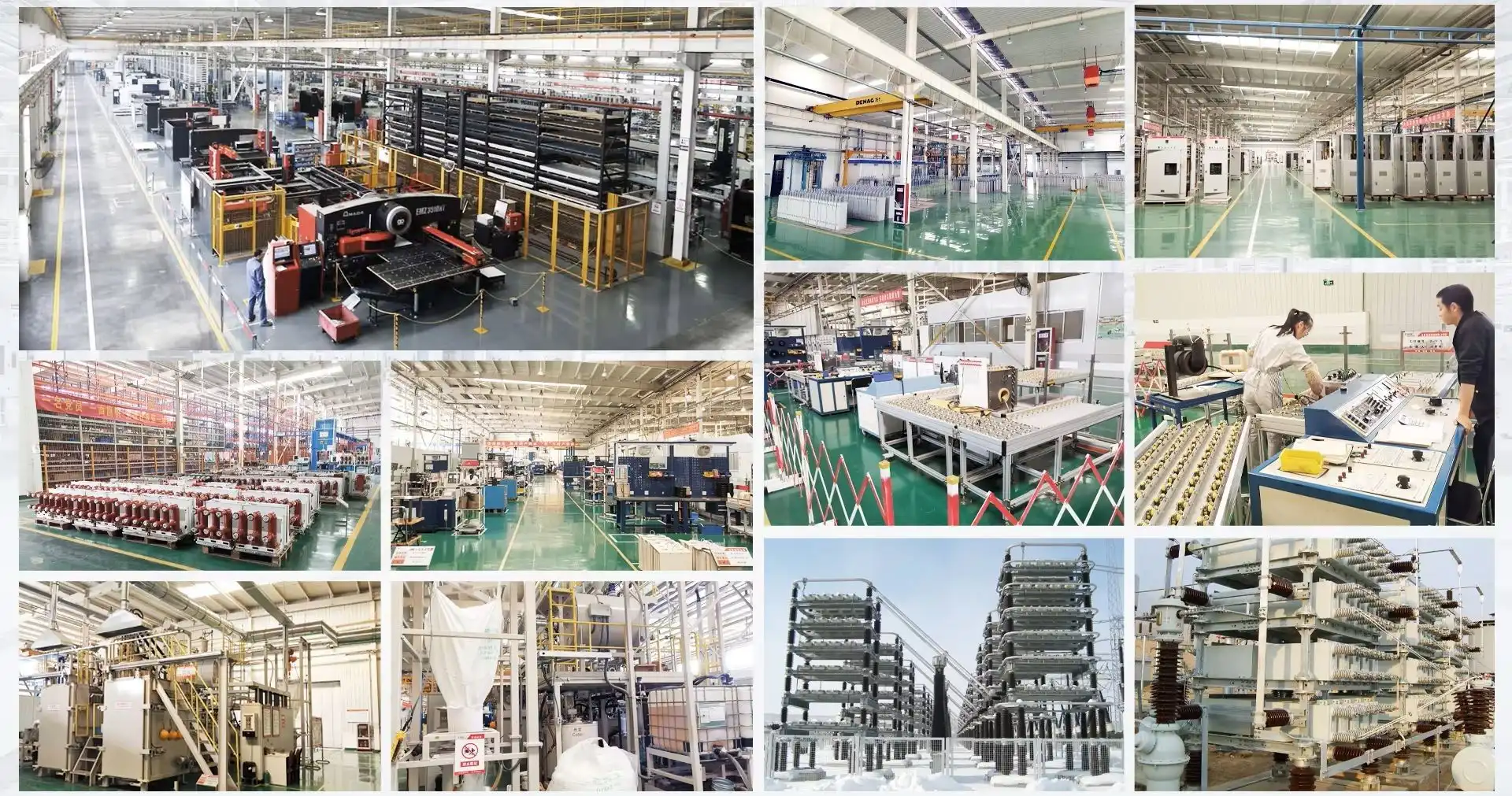
Xi'an Xikai Medium & Low Voltage Electric Co., Ltd. has 30+ years of experience in medium-voltage reactive power compensation, serving 40+ countries with 15 patented technologies. Outdoor and pole-mounted systems (6–35 kV, 1–100 Mvar) operate up to 4,000 m and use 6% or 13% reactors to prevent harmonic resonance. Applications include renewable integration, industrial power factor correction, urban voltage stabilization, and low-noise building retrofits, supported by full lifecycle engineering services and sustainable manufacturing practices.
Real-World Performance Data
Case studies confirm measurable benefits from power compensation systems. A Midwest plant installing 900 kvar reduced monthly energy costs by $4,200, improved voltage stability from 94.2% to 98.7%, and reduced motor/control trips. A rural utility improved end-of-line voltage from 8.9 kV to 10.1 kV, cut distribution costs by 18%, and reduced complaints by 76%. A data center reduced voltage sags from 23 to 3 annually, improving uptime.
Installation and Maintenance Guide for 10kV Outdoor Line Compensation
When pay systems are set up correctly and kept up to date, they work as designed for as long as they are in use. This part talks about the best ways to handle rollout and lifecycle.
Site Preparation and Safety Considerations
Site preparation begins with structural assessment, ensuring pole-mounted units can withstand equipment weight plus wind and ice loads. Ground clearances must comply with NESC standards (e.g., ~10 ft for 10 kV systems). Environmental factors like temperature, humidity, and pollution influence derating. Safety requires proper grounding, correctly sized protection devices, and adequate working clearances per OSHA. Commissioning verifies capacitance, insulation resistance, and controller logic under simulated conditions.
Common Operational Issues and Troubleshooting
Operational issues include harmonic resonance causing overheating, voltage distortion, or capacitor failure; resolved through reactor detuning or adding harmonic filters validated by prior studies. Mechanical contactors experience rising resistance from contact wear, detected via annual resistance tests and vacuum bottle inspections, with replacement typically every 8–12 years. Capacitors degrade gradually, monitored by capacitance and loss factor trends, with service life of 15–20 years under proper operation.
Preventative Maintenance and Monitoring
Routine preventative repair of 10kV outdoor line compensation makes systems last longer. Once a year, the security of the cage is checked for things like corrosion, broken seals, and water getting in. Hardware torque verification stops links from being too free, which can lead to overheating and failure. Updates to the controller's software add new connection options and make the controller run faster.
Tools for remote management make repair work better. When you integrate SCADA, you can always see the state of adjustments, voltage levels, power factor, and alarms. Predictive analytics find strange patterns that point to impending problems so that they can be fixed before the service goes down. Mobile apps let workers check on the performance of a system and change its settings without having to go to the site, which saves money and time.
How to Choose the Right 10kV Outdoor Line Compensation for Your Needs
To choose the right compensation equipment, you need to carefully look at how the power is distributed, the surroundings, and your organization's goals. This part walks people who work in buying through the decision-making process.
Evaluating Power Distribution Demands
Load profile analysis guides equipment selection: fixed capacitor banks suit stable reactive loads, while stepped automatic systems handle variable demand, and SVGs are preferred for fast-changing or high power-quality requirements. Voltage drop studies determine optimal placement—midpoint for long feeders and near large inductive loads in industry. Harmonic analysis identifies distortion risks and informs reactor sizing and detuning to prevent resonance in nonlinear load environments.
Recommendations for Different User Types
Utility operators prioritize reliability and remote monitoring, requiring SCADA-integrated systems and durable outdoor designs to reduce lifecycle costs. Industrial users focus on power factor correction and voltage stability to protect sensitive equipment, improve efficiency, and avoid utility penalties. EPC contractors need interoperable, proven components with strong vendor support, documentation, competitive pricing, and short lead times to reduce project risk and ensure profitable delivery.
Key Decision-Making Elements
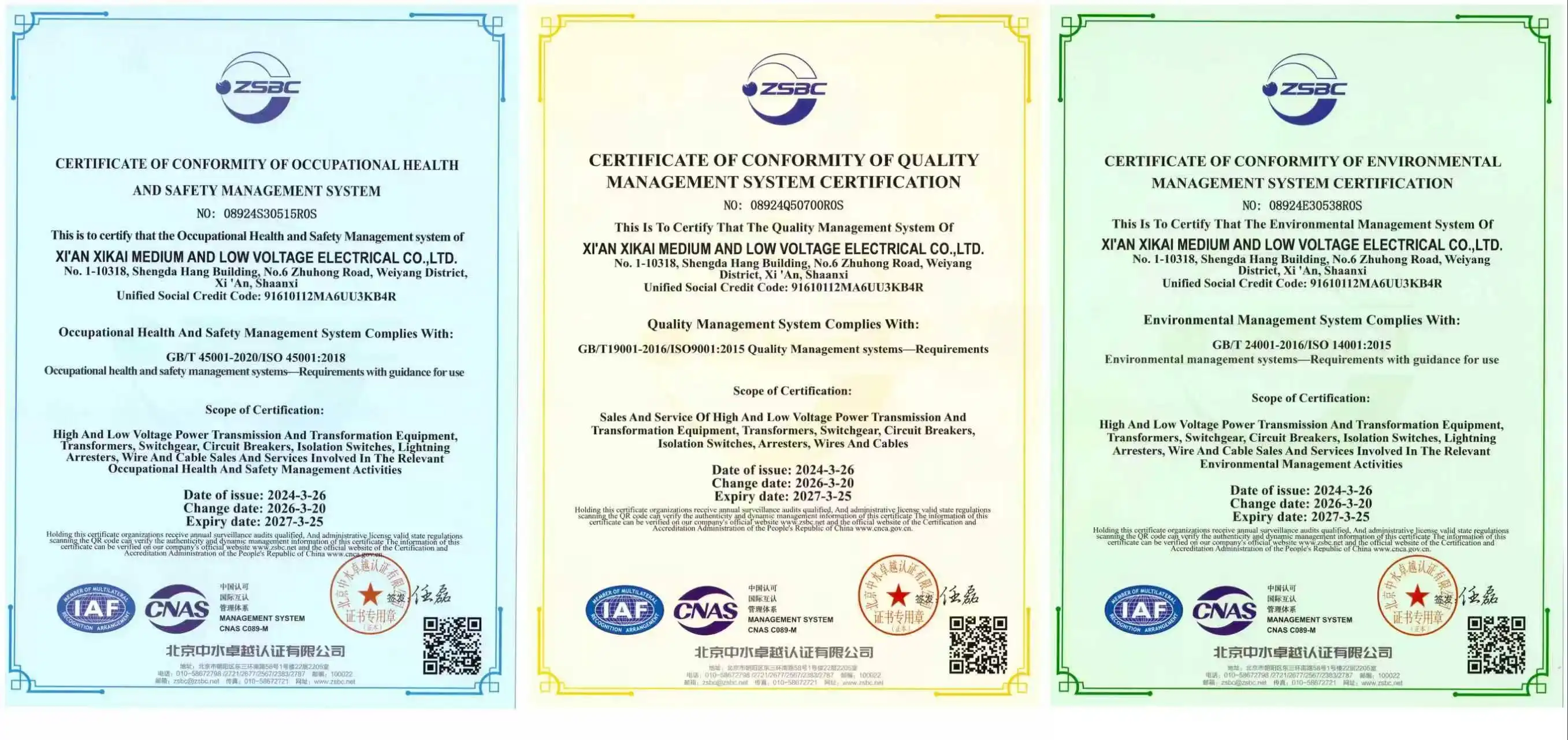
Key decisions of 10kV outdoor line compensation depend on lead time, warranty, after-sales support, and supplier reliability. Standard delivery is 6–8 weeks, while custom systems take 10–14 weeks, requiring supply chain visibility for on-time commissioning. Warranties typically last 18–24 months, with premium options up to 36+ months covering product and workmanship. Strong vendors provide installation support, spare parts, training, and ongoing optimisation, backed by ISO 9001 and proven operational history.
Conclusion
To choose the best reactive power compensation equipment, you need to weigh its technical performance, fit for the climate, and cost-effectiveness over its entire life. Modern compensation systems are very helpful because they improve power factor, make voltage more stable, and cut down on energy losses. This directly helps utilities, manufacturing facilities, and business activities be more efficient and save money.
Quality equipment stands out because it is built to last, has smart control features, and has been shown to work reliably in tough situations. If you set up your compensation systems correctly, they can fix voltage drops in long rural lines, fix power factor problems in factories with lots of motors, or keep grids stable when green energy sources are used.
Working with skilled makers who offer full technical support, the best warranties in the business, and a history of performance guarantees successful project completion and long-term happiness.
FAQ
1.What is the typical lifespan of outdoor line compensation equipment?
As long as they are used correctly and are maintained, good pay systems will work reliably for 15 to 20 years. Capacitors are the main parts that wear out because they are constantly being stressed by electricity and heat. Over 10,000 to 30,000 processes, mechanical switches lose their contacts, which means they need to be replaced at some point. When made from corrosion-resistant materials, enclosures and structural parts easily last longer than 25 years.
2.How much can facilities save on energy costs?
How much you save on energy costs depends on the standard power factor, how the utility rates are set up, and the size of the adjustment system. When facilities get rid of power factor fines, they usually get back 2 to 5 percent of their total energy costs. The biggest financial hit is felt by industrial processes with starting power factors that are below or equal to 0.75 to 0.85. Payback times are usually between 18 and 36 months when you add up the money you save from not having to pay fines, lower demand charges, and lower distribution costs.
3.What installation timelines and downtime should be expected?
Depending on how easy it is to get to and how complicated the spot is, pole-mounted outdoor units can be installed in two to five days. Utility coordination for line de-energization adds to the planning process but lowers the risk of accidents. Facilities that are adding equipment to existing infrastructure may be able to do so during planned repair times, which keeps operations from being interrupted without warning. Commissioning and testing take an extra one to two days before the tools can be put back into normal use.
Connect with Xi'an Xikai for Reliable 10kV Outdoor Line Compensation Solutions
With the best tools and most knowledgeable staff in the business, Xi'an Xikai is ready to help you with your reactive power compensation needs. As a maker of 10kV outdoor line compensation that has been serving utilities and industrial customers around the world for more than 30 years, we offer tried-and-true solutions that improve grid performance and operating efficiency. Our engineering team does full load analyses, equipment specifications, and ongoing help to make sure that projects are completed successfully. Find out how our SCADA-compatible systems with stainless steel enclosures can save you 15–30% on your energy costs and last 20 years or more. Get in touch with our experts at serina@xaxd-electric.com, amber@xaxd-electric.com, or luna@xaxd-electric.com to talk about your unique needs and get personalised advice based on decades of high-voltage system experience.
References
1. Institute of Electrical and Electronics Engineers (2019). IEEE Standard 1036-2010: Guide for Application of Shunt Power Capacitors. IEEE Power & Energy Society, New York.
2. National Electrical Manufacturers Association (2020). NEMA CP 1-2019: Shunt Capacitors for Distribution and Transmission Systems. NEMA Technical Standards Publication, Rosslyn, Virginia.
3. Electric Power Research Institute (2018). Distribution System Reactive Power Compensation: Technology Assessment and Economic Analysis. EPRI Technical Report 3002014457, Palo Alto, California.
4. International Electrotechnical Commission (2021). IEC 60871-1:2014+AMD1:2021: Shunt Capacitors for A.C. Power Systems Having a Rated Voltage Above 1000V. IEC Central Office, Geneva.
5. Smith, J.R. and Thompson, M.A. (2017). Reactive Power Compensation in Medium-Voltage Distribution Networks: Performance Optimization and Cost-Benefit Analysis. Journal of Electrical Power Systems Research, Vol. 148, pp. 112-124.
6. American National Standards Institute (2022). ANSI C93.1-2017: Requirements for Power-Line Carrier Coupling Capacitors and Coupling Capacitor Voltage Transformers. ANSI Standards Committee, Washington D.C.