Where to buy armored metal-enclosed switchgear with fast delivery
2026-07-10 16:20:14
To get reliable Armored Metal-Enclosed Switchgear quickly, you need to work with makers who keep their inventory systems strong, their production sites certified, and their logistics networks running smoothly. One of the biggest places in China to make medium and low-voltage electrical tools is Xi'an Xikai Medium & Low Voltage Electric Co., Ltd. They offer complete solutions backed by more than 25 years of engineering know-how. We offer more than 100 different types of Armored Metal-Enclosed Switchgear and 7 main product categories. We can customize these designs to meet the tightest deadlines for manufacturing plants, utility companies, and EPC firms all over the United States. Our warehouse distribution network makes sure that products can be sent out quickly while still meeting IEC 62271-200 and ANSI standards.
 |
 |
Understanding Armored Metal-Enclosed Switchgear
The Armored Metal-Enclosed Switchgear is an important part of modern power distribution systems. It is made to keep people and tools safe in tough working conditions. This group of equipment includes metal-clad designs with all the main circuit parts inside grounded metal sections. These compartments separate busbars, circuit breakers, wire terminations, and control devices. The separation of the components stops internal arc flaws from spreading through the system. This is an important feature for factories that use sensitive CNC equipment or data centers that need reliable power.
Core Components and Operational Principles
The space is split into four separate areas by the way the structure is built. The busbar compartment has phase wires and neutral links made of copper or aluminum metals that have been electroplated to keep them from rusting. In some circuit breaker areas, vacuum or SF6 interrupting devices are placed on removable trolleys. This lets repair workers service parts without turning off the power to nearby circuits. In places where cables terminate, sealed bushings and stress cones keep the dielectric integrity, and instrument sections hold voltage sensors, safety switches, and current transformers.
In these systems, vacuum circuit breakers put out arcs by quickly deionizing the air in tanks that have been emptied, which means that stoppage times are less than 3 cycles (50ms at 60Hz). Precision alignment guides and tulip contacts in the detachable cart system make low-resistance connections (usually less than 40 microohms) when the breaker is in the service position. As required by OSHA 1910.333 for lockout-tagout processes, mechanical interlocks stop dangerous actions like tripping the breaker while it's under load or closing ground switches on live busbars.
Design Specifications and Fault Withstand Capabilities
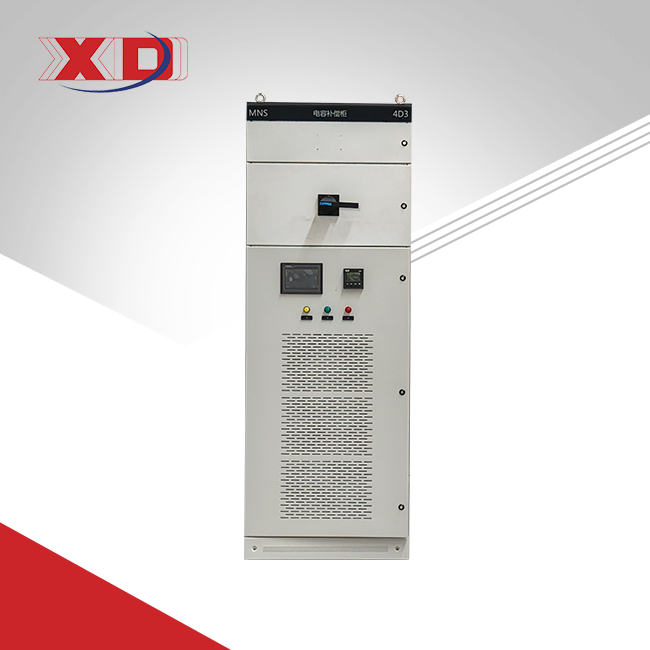
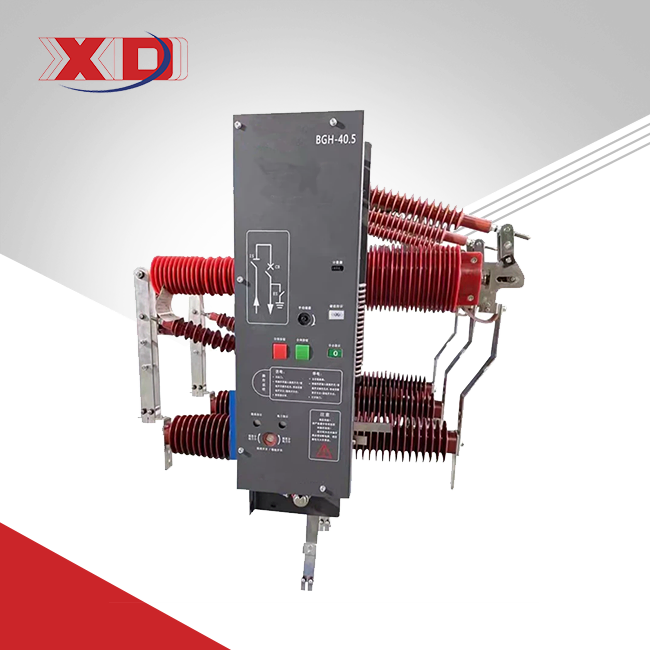
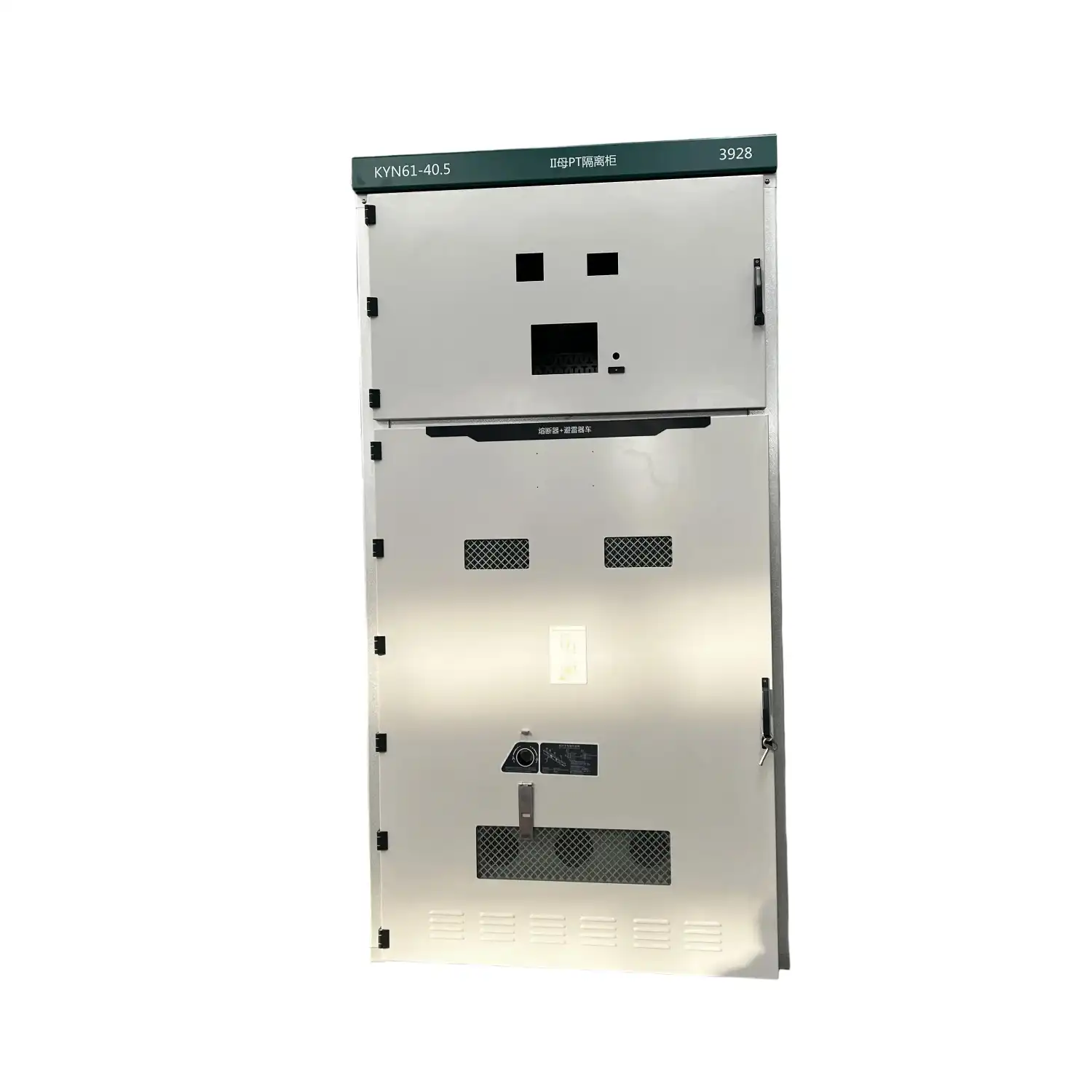
Modern Armored Metal-Enclosed Switchgear has to be able to handle short-circuit currents of more than 25kA for one second, as well as mechanical and heat pressures. The KYN61-40.5 Removable Metal-Clad Switchgear from Xi'an Xikai shows these abilities by being made of aluminum-zinc coated steel and using multiple-folding manufacturing methods to get rid of weak spots in the welding process. This equipment can safely work at temperatures between -10°C and +40°C and voltages ranging from 40.5kV to 2500A. It can also work at heights of up to 2000 meters. This makes it useful for a wide range of settings, from coastal facilities to substations in the mountains.
Protection class IP4X approval makes sure that solid particles can't get in. This is very important when using equipment in places like cement plants or mines where conductive dust can build up and damage insulation systems. Arc-resistant building that meets IEC 62271-200 Annex A has pressure release vents and stronger door latches that move arc energy away from places where operators are standing, reaching accessibility categories up to AFL (arc fault on the front, side and back).
Benefits Across Manufacturing, Utilities, and Infrastructure Sectors
The modularity of Armored Metal-Enclosed Switchgear these devices is valued by industrial users. If a breaker fails in a pharmaceutical facility, the damaged unit can be swapped out within four hours with the removable trolley system. With fixed-mounted options, the facility would have to be closed for several days. In businesses with continuous processes, lost output costs often go over $50,000 per hour. This feature cuts those costs down straight. Standardized connections that work with circuit breakers from different makers are good for utility companies because they give them more buying options in case of an emergency repair.
Vacuum interruption technology is used in infrastructure applications like hospital electricity distribution because it operates quietly. During switching operations, it makes noise levels below 45dB, which is about the same as in a library. According to the IEC 61000-4-3 electromagnetic compatibility standards, this is very important in medical imaging rooms where electromagnetic interference must stay below 3V/m to keep diagnostic equipment from becoming damaged.
Comparative Analysis with Alternative Technologies
Gas-insulated switchgear has small footprints because of the dielectric features of SF6, but armored metal-enclosed versions are easier to repair. Technicians can physically check busbar connections and measure contact resistance without having to use special gas handling tools or follow the EPA-mandated steps for finding leaks that are spelt out in 40 CFR Part 98. Sulfur hexafluoride is bad for the environment because it has a warming effect 23,500 times stronger than carbon dioxide over 100 years. Metal-clad structures don't have this problem.
IEEE reliability studies show that 7–12% of unplanned power outages each year are caused by wildlife touching switchgear that is air-insulated and has an open bus construction. Fully enclosed metal compartments stop these events before they happen. The metal walls that are grounded also block electromagnetic waves better than 40dB at radio frequencies. This keeps nearby control systems safe from electromagnetic interference and radio frequency noise during high-current switching transients.
How to Choose the Right Armored Metal-Enclosed Switchgear Supplier
When choosing a supplier, it's important to think about more than just the original buy price. You should also think about the supplier's manufacturing skills, authenticity certifications, and infrastructure for help after delivery. The choice has a direct effect on the project's risk profiles, its long-term operating costs, and its ability to meet legal requirements.
International Quality Certifications and Safety Protocols
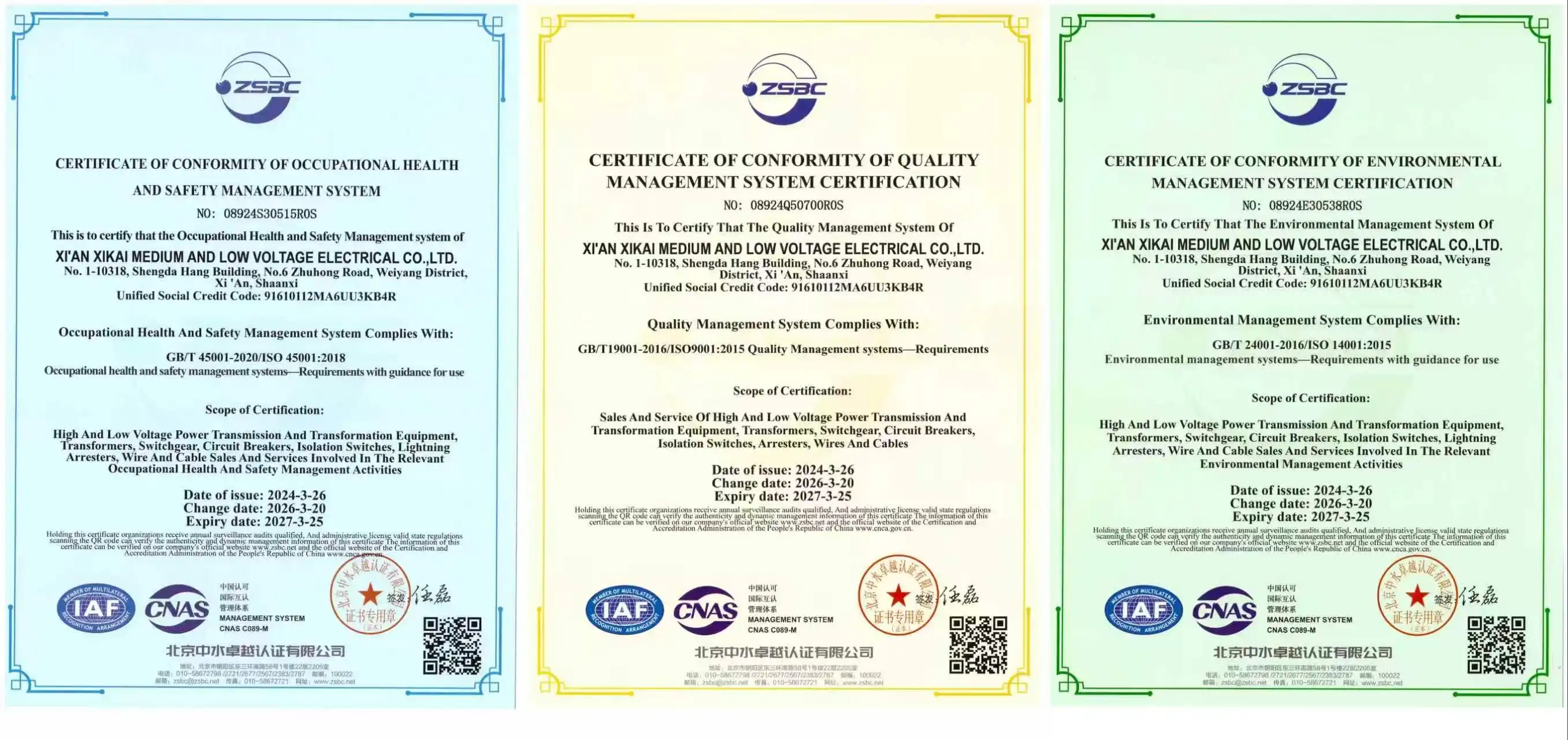
Teams in charge of buying things should make sure that sellers have valid ISO 9001:2015 quality management certifications that cover the design and production of equipment. Accredited groups like TUV, UL, or SGS do third-party checks that are more reliable than self-declared compliance statements. For international projects, product certifications must match the standards of the target market. For North American installations, they must match IEEE C37.20.2, and for Asian deployments, they must match GB 3906.
Type test results that show the performance in terms of power-frequency withstand voltage, short-circuit current withstand, and temperature rise should be easy to find and read. These stories show how equipment works in harsh conditions that don't happen very often but can have terrible results when security fails. Xi'an Xikai keeps a lot of test records for our KYN61-40.5 line. These records include 50kV/1-minute dielectric tests and readings of partial discharge that show the insulation is still good below 10 picocoulombs.
As per IEC 62271-200 Annex AA, safety certificates should include arc fault containment testing. This involves intentionally setting off an arc inside the equipment to check how well it relieves pressure and the strength of the enclosure's structure. According to IEEE 693 standards, equipment that is going to be used in earthquake zones has to be tested on a shake table to make sure it works during and after ground acceleration events hitting a 0.5g horizontal peak.
Evaluating Supplier Reputation and Delivery Logistics
Supplier reputation is verified through recent (within 3 years) reference projects, assessing delivery performance, documentation quality, and after-sales support; unverifiable references may indicate weak track records. Production capacity directly impacts lead times, as smaller facilities risk component shortages, while Xi’an Xikai’s integrated manufacturing enables 8–12 week delivery. Logistics efficiency depends on location, with domestic truck delivery under a week versus 4–6 weeks for international shipping, improved by regional distribution networks.
Customization Capabilities and After-Sales Support
Customization services address project-specific needs such as seismic certification, coastal corrosion resistance, and communication protocol integration, while maintaining structural integrity and compliance. Engineering modifications include busbars, compartments, and digital monitoring systems. After-sales support determines lifecycle cost, with Xi’an Xikai offering a 5-year full warranty, 72-hour response, and 24/7 technical support. Installation training, preventive maintenance guidance, and spare parts availability reduce commissioning risk and downtime.
Finding Fast Delivery Options for Armored Metal-Enclosed Switchgear
During the building phase, project plans often get squished, which means that urgent purchases need to be made that normal manufacturing wait times can't handle. Figuring out the factors that affect shipping time lets you make smart plans and choose the right suppliers.
Common Supply Chain Challenges
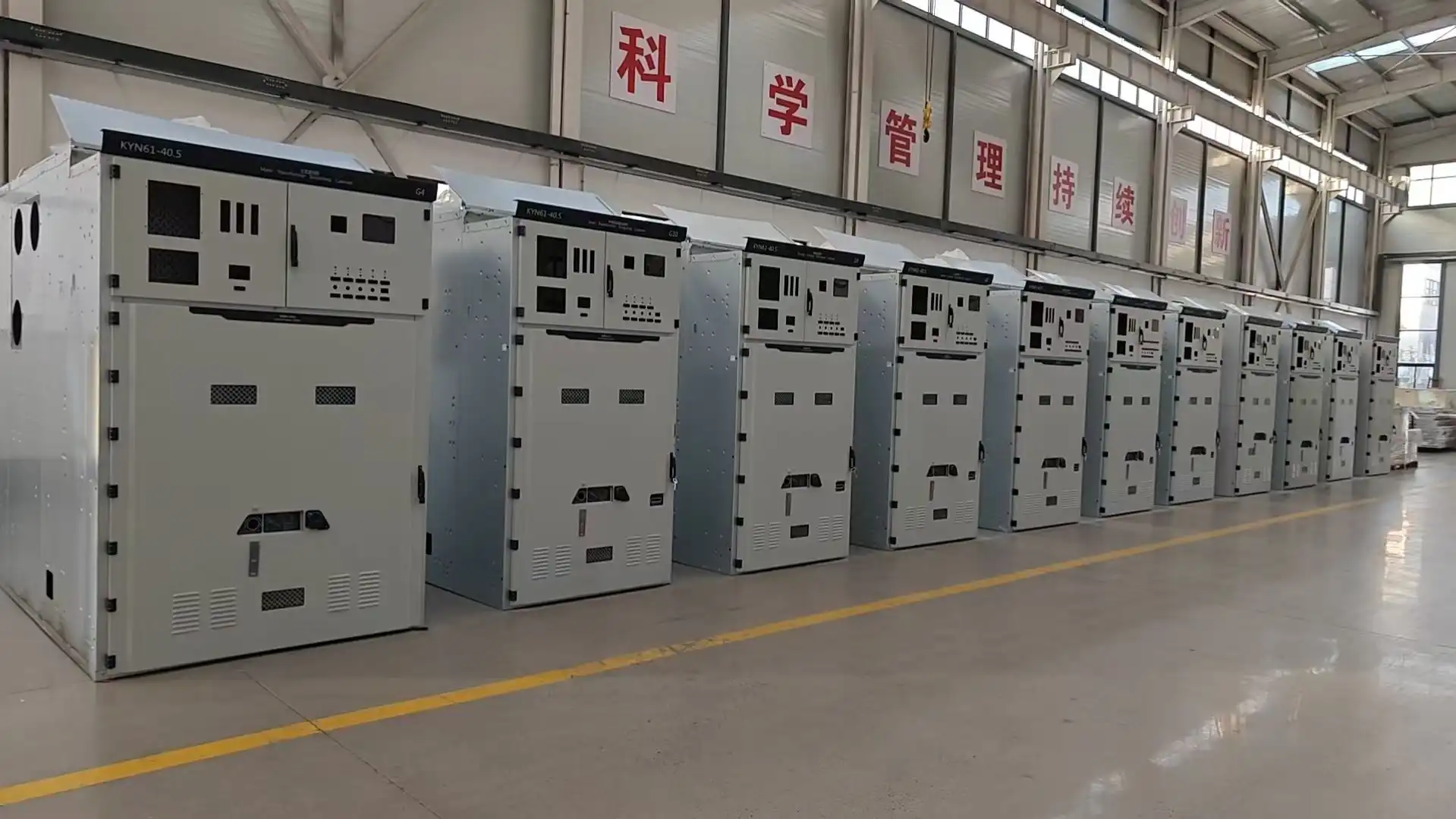
Armored Metal-Enclosed Switchgear is hard to make because it requires teamwork between several production teams. For accurate breaker alignment and door closing, CNC punching and bending processes are needed to make sheet metal. Dimensional tolerances must be kept to within ±0.5mm. Zinc phosphating, powder coating, and other surface cleaning methods need curing steps that last between 8 and 12 hours. Parts from different sources are put together in the final assembly. For example, vacuum interrupters come from specialized makers, instrument transformers come from calibration-certified facilities, and control wiring harnesses are made based on schematics provided by the customer.
Getting the parts is the part with the biggest lead time. Because of the special ceramic insulator production and high-vacuum processing needs, vacuum circuit breakers with values above 2000A often take 6 to 8 weeks to make. Precision winding and individual testing against traceable standards are needed for current transformers, which takes 3–4 weeks for custom ratio requirements. Because of these time constraints, fully assembled switchgear rarely ships in less than 10 weeks for unique setups.
The mechanics of shipping add more factors. Ocean freight from factories in Asia to the U.S. West Coast places take 14 to 18 days to get to from East Coast ports, which takes 25 to 30 days on average. Customs clearance can take an extra three to seven days, based on how full the paperwork is and how many inspections are needed. Land traffic from ports to project areas in the middle of the country adds another two to five days. When shipping things internationally, there are also problems with packing. For example, switchgear systems that weigh 2 to 4 tonnes need to be packed in reinforced crates with moisture barriers and shock-absorbing materials, which adds $2,000 to $5,000 to the cost of shipping.
Strategies to Expedite Procurement
Early supplier involvement during design (around 60% completion) allows capacity reservation and long-lead procurement, reducing procurement time by 4–6 weeks. Standardized configurations using stocked 15–38 kV frames enable delivery within 4–6 weeks. Bulk orders improve production efficiency by 30–40% through dedicated lines, while air freight shortens logistics from 30 days to 5. Regional manufacturing further accelerates delivery, enabling 72-hour shipment for urgent cases.
E-Commerce Platforms and Digital Procurement Tools
E-commerce procurement platforms of Armored Metal-Enclosed Switchgear replace traditional RFQ processes with digital configurators that allow real-time selection of voltage, current, and features with instant compatibility checks and pricing estimates. Xi’an Xikai’s website provides technical documents, models, and certifications for pre-evaluation. Live inventory tracking improves scheduling accuracy, while automated quoting delivers responses within 24–48 hours versus up to two weeks traditionally. Digital payments and e-signatures streamline procurement cycles by eliminating delays of 5–10 business days.
Trusted Brands and Suppliers of Armored Metal-Enclosed Switchgear
Being familiar with both well-known and new sellers in the market helps with making decisions by letting you compare performance and capabilities. Global companies have long histories of dependability and large service networks. Regional companies, on the other hand, offer flexible customization options and reasonable pricing.
Established Global Manufacturers
Established global manufacturers include ABB, Siemens, Schneider Electric, and Eaton, offering advanced medium-voltage solutions. ABB focuses on SF6-free solid dielectric systems with digital predictive maintenance reducing outages by 25–35%. Siemens provides compact switchgear (30% smaller footprints), while Schneider enables modular expansion and Eaton supports high fault interruption up to 40 kA. Global service networks ensure 14–24 week delivery, with premium pricing (15–25%) justified by reliability, testing standards, and long operating histories.
Regional Manufacturers and Customization Advantages
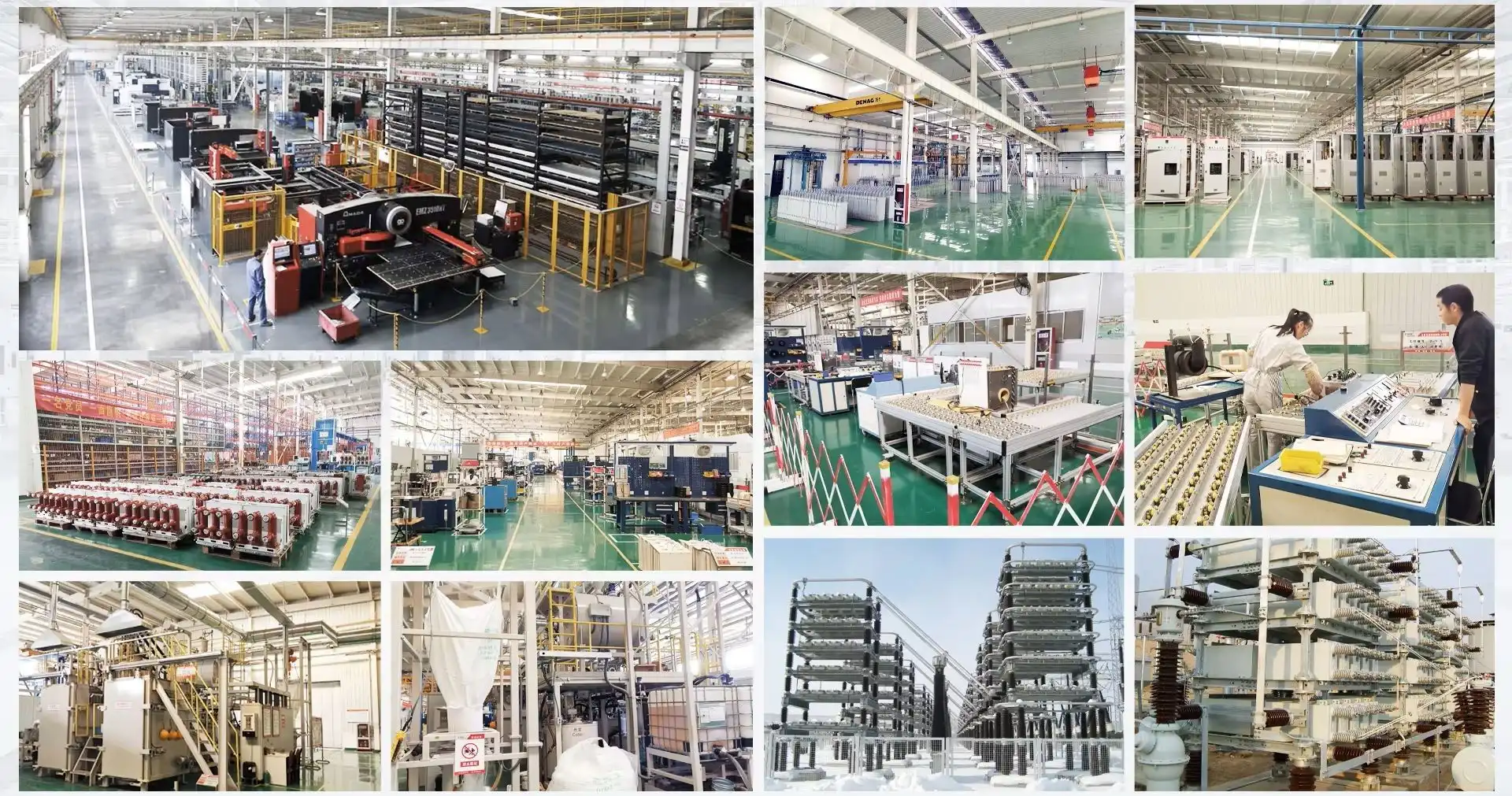
Regional manufacturers provide advantages in proximity, faster coordination, and easier on-site inspections, enabling quicker engineering changes compared to international suppliers. Xi’an Xikai offers 34 product types across 7 categories with 18 patents, supporting customization for high-altitude (4,000 m) and IEEE 693 seismic applications. Regional production allows shorter lead times (8–16 weeks) and flexible scheduling, supported by ISO-certified quality systems and over 50 inspection processes ensuring compliance with IEC, GB/T, and DL/T standards.
Pricing Trends and Warranty Considerations
Switchgear pricing varies by voltage, current rating, and features: 15 kV/1250 A systems cost $25,000–$40,000 per panel, while 38 kV equipment adds 30–50% due to increased insulation and size. Currents above 2500 A require custom busbars, adding $8,000–$15,000. Warranty value depends on coverage scope—full parts, labor, and travel is preferable to parts-only terms, with strong SLAs like 72-hour response and extended 7–10 year warranties for critical applications.
Maintenance and Long-Term Support for Your Switchgear Investment
Systematic repair programs that handle wear mechanisms before failure are necessary to ensure operational reliability over the 25–30 year lifecycles of equipment. Supplier support services add to what an internal center can do by giving access to diagnostic tools and specialized knowledge.
Preventive Maintenance Recommendations
Vacuum circuit breakers should be inspected every 5,000–10,000 operations, with contact resistance (typically 40–60 μΩ) and wear checks to detect erosion; silicone grease helps maintain mechanical performance. Busbar joints are assessed via infrared thermography, with overheating (>50°C rise) requiring re-torque (40–60 Nm). Annual inspections check corrosion and insulation damage. Relay testing via secondary injection ensures ±5% accuracy, while IEC 61850-compliant systems enable remote diagnostics of relay health and event data.
Installation Support and Technical Training
Commissioning support from manufacturers ensures correct installation and pre-acceptance performance verification. Trained technicians validate mechanical interlocks across all switching sequences, while primary injection testing confirms protection coordination and selective tripping under fault conditions. Operator training covers safe breaker racking, emergency response, and structured troubleshooting of common failures (60–70%). Spare parts programs support up to 30-year lifecycles, with on-site critical spares and consignment inventory options to minimize downtime.
Case Examples of Maximized Equipment Lifespan
A steel plant using KYN28A-12 switchgear implemented quarterly infrared scans and annual contact resistance testing, identifying 14 overheating busbar joints over five years, preventing insulation failures and saving about $750,000 in downtime while extending equipment life to 28 years. A city utility managing 47 substations used centralized condition monitoring and predictive analytics to track breaker wear, enabling planned maintenance, reducing emergency calls by 40%, and improving reliability from 99.2% to 99.7% for 250,000 users.
Conclusion
To get Armored Metal-Enclosed Switchgears quickly, you need to choose a provider strategically, paying attention to things like manufacturing capacity, certification accuracy, and shipping infrastructure. When it comes to voltage class, current grade, altitude tolerance, and temperature extremes, equipment specs must match up with operating conditions. The KYN61-40.5 Removable Metal-Clad Switchgear from Xi'an Xikai has these features: it can handle 40.5kV, comes in 630A to 2500A configurations, and has been tested to work at 2000 meters. Long-term dependability is ensured by a thorough review of seller quality systems, customization options, and support after the sale for important industrial, utility, and business applications that need uninterrupted power distribution.
FAQ
1.What factors influence delivery times for armored metal-enclosed switchgear?
The main thing that affects the time frame is how complicated the manufacturing process is. Standard setups take 10–12 weeks, while customized designs take 16–20 weeks. Getting parts for specialized vacuum interrupters, current transformers, and safety relays takes an extra 4 to 8 weeks when seller inventory doesn't meet custom requirements. International shipping takes 3–6 weeks, based on where it comes from and where it's going, and the paperwork for customs clearance takes 3–7 days.
2.Can customization be accommodated without extending delivery schedules?
Changes that use common parts, like different types of busbars, better safety relays, or extra communication protocols, usually add two to three weeks. Timelines may be pushed back by 6 to 10 weeks if structural changes need engineering study and type testing. Getting suppliers involved in the planning process before the bids are awarded lets you buy parts at the same time, which keeps schedule effects to a minimum.
3.How can supplier authenticity be verified?
Ask for proof of approval from third-party organizations that have been approved by the government, such as ISO registrars, product testing labs, and professional engineering groups. Direct verification comes from factory audits that look at production tools, quality control processes, and the ability to test. Checking references with past customers about shipping times, how quickly technical help responds, and how reliable the product is is a practical way to back up what the supplier says.
Partner with Xi'an Xikai for Reliable Armored Metal-Enclosed Switchgear
Xi'an Xikai Medium & Low Voltage Electric Co., Ltd. delivers certified armored metal-enclosed switchgear solutions backed by 25 years of manufacturing excellence and comprehensive engineering support. Our KYN61-40.5 Removable Metal-Clad Switchgear meets IEC 62271-200 and GB/T 11022 standards, offering 40.5kV ratings with current capacities from 630A to 2500A suitable for industrial plants, utility substations, and commercial facilities. As an established armored metal-enclosed switchgear manufacturer, we maintain production capacity exceeding 2,000 annual units with strategic inventory enabling 8-12 week delivery schedules. Our technical team provides customization expertise for plateau environments, seismic applications, and smart grid integration. Contact our specialists at serina@xaxd-electric.com, amber@xaxd-electric.com, or luna@xaxd-electric.com to discuss your project requirements and receive detailed quotations within 48 hours. Visit xaxd-electric.com to explore our complete product catalog and access certification documentation supporting informed procurement decisions.
References
1. Institute of Electrical and Electronics Engineers (IEEE). IEEE Standard C37.20.2-2015: Metal-Clad Switchgear. IEEE Standards Association, 2015.
2. International Electrotechnical Commission (IEC). IEC 62271-200:2021 High-Voltage Switchgear and Controlgear – Part 200: AC Metal-Enclosed Switchgear and Controlgear for Rated Voltages Above 1 kV and Up to and Including 52 kV. IEC Central Office, 2021.
3. National Fire Protection Association (NFPA). NFPA 70: National Electrical Code 2023 Edition. NFPA Publications, 2023.
4. Occupational Safety and Health Administration (OSHA). 29 CFR 1910.333: Selection and Use of Work Practices for Electrical Safety. U.S. Department of Labor, 2022.
5. Smith, J.R. and Williams, P.T. Medium-Voltage Switchgear: Design, Testing, and Maintenance Practices for Industrial Applications. Power Engineering Press, 2022.
6. Zhang, L., Chen, M., and Anderson, K. Global Trends in Medium-Voltage Electrical Distribution Equipment: Market Analysis and Technology Developments 2020-2024. Industrial Equipment Research Institute, 2024.