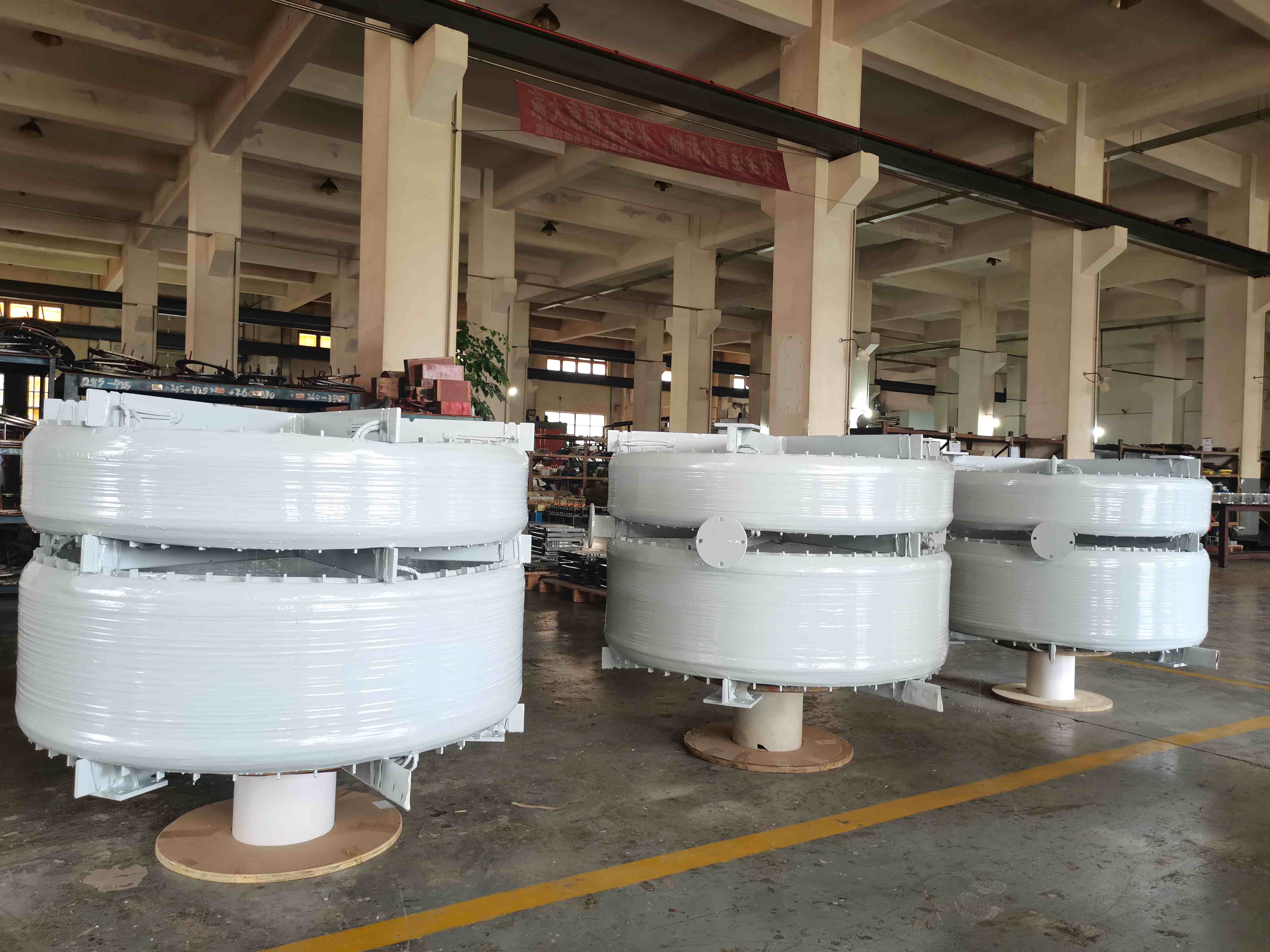
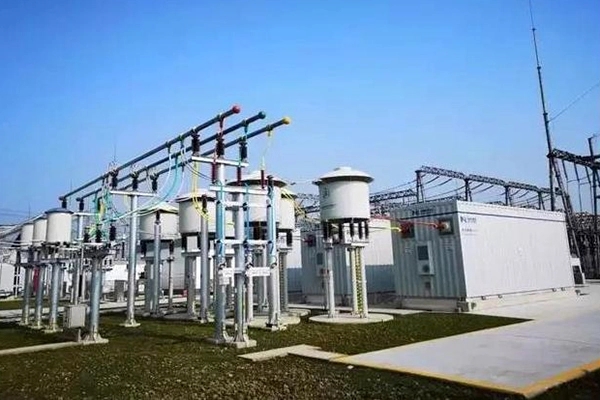
Best Smart Capacitor Compensation Device for Reducing Energy Costs in Industrial Plants
2026-01-16 15:52:51
It is clear that the LV Intelligent Capacitor Compensation Device is the best way for factories to cut down on energy costs while keeping the power quality at its best. This high-tech gadget changes reactive power on its own, which fixes the power factor and can lower your energy bills by up to 30%. Modern factories need complex electrical systems that can change to changing loads and keep them from having to shut down, which costs a lot of money. For factories, data centers, and big businesses, smart capacitor compensation devices give them the knowledge they need to use energy as efficiently as possible.
|
|
|
Why Industrial Plants Need Advanced Capacitor Compensation Technology
The Need for Energy Optimization
Industrial operations are under pressure to optimize energy consumption and excel. Energy efficiency is essential due to rising electricity costs, strict environmental restrictions, and growing demand for sustainable production. Utility penalties for poor power factor adjustment range from 5% to 25% of monthly electricity bills.
Challenges of Heavy Inductive Loads
Electrical systems are stressed by reactive power from motors, transformers, and welding equipment in manufacturing operations. Without correct compensation, facilities incur voltage fluctuations, equipment overheating, and sensitive machinery decline. Real-time monitoring and automated adjustment help smart compensating devices overcome these issues.
Power Quality Issue Costs
Through equipment breakdowns, production delays, and energy waste, power quality concerns cost industrial operations millions annually. Traditional capacitor banks can't handle variable frequency driving and electronic device harmonics. Modern intelligent systems protect investments and boost efficiency.
Essential Selection Criteria for Industrial Compensation Devices
Test Capacitor Compensation Solutions
Selecting the best capacitor compensation solution involves careful consideration of numerous criteria. Performance criteria must match load characteristics, harmonic content, and environmental circumstances. One option to consider is the LV Intelligent Capacitor Compensation Device, which is designed to meet these specific requirements effectively.
Importance of Response Time
Response time is critical for facilities with fast-changing loads. Industry requires compensation devices that react within 20 milliseconds to prevent voltage disruptions. Dynamic response stabilizes power quality during equipment startup and load shifts.
Harmonic Filtering Skills
Capacitors without harmonic filtering are not advanced. Modern industrial environments have many non-linear loads that generate 13th-order harmonics. To suppress disturbances and maintain reactive power, effective compensation devices use reactor technology.
Communication Protocols for Integration
Control systems and SCADA networks can be integrated using communication protocols. Data sharing and remote monitoring are smooth with Modbus RTU and IEC 61850. This link helps maintenance teams optimize performance and use predictive maintenance.
Durability in the Environment
Environmental durability impacts reliability and maintenance. Industrial electrical equipment faces severe temperatures, humidity, and pollution. IP65 enclosures safeguard vital components while allowing service.
Xi'an Xidian LV Intelligent Capacitor Compensation Device: Industry Performance
Xi'an Xidian's intelligent compensation system performs well due to its sturdy design and excellent control algorithms. This technology solves modern industrial facilities' complicated power quality issues and cuts energy costs.
Main Technical Benefits
- Below AC450V, supports varied industrial applications.
- Compensation Accuracy: ±1% for optimal power factor maintenance.
- Fast Response Time: Under 20ms prevents load-change voltage disruptions.
- Suppresses harmonics up to the 13th order, protecting sensitive electronics.
- Only 15W of power is used, maximum energy savings.
- Inrush current below 25In lowers electrical system stress.
Intelligent Monitoring and Control
AI-driven algorithms continuously examine voltage and current signals to determine ideal compensation levels. This clever approach eliminates human adjustments and prevents equipment damage from overcompensation. Operations insights from real-time monitoring aid maintenance planning and energy management.
Scalable, modular design
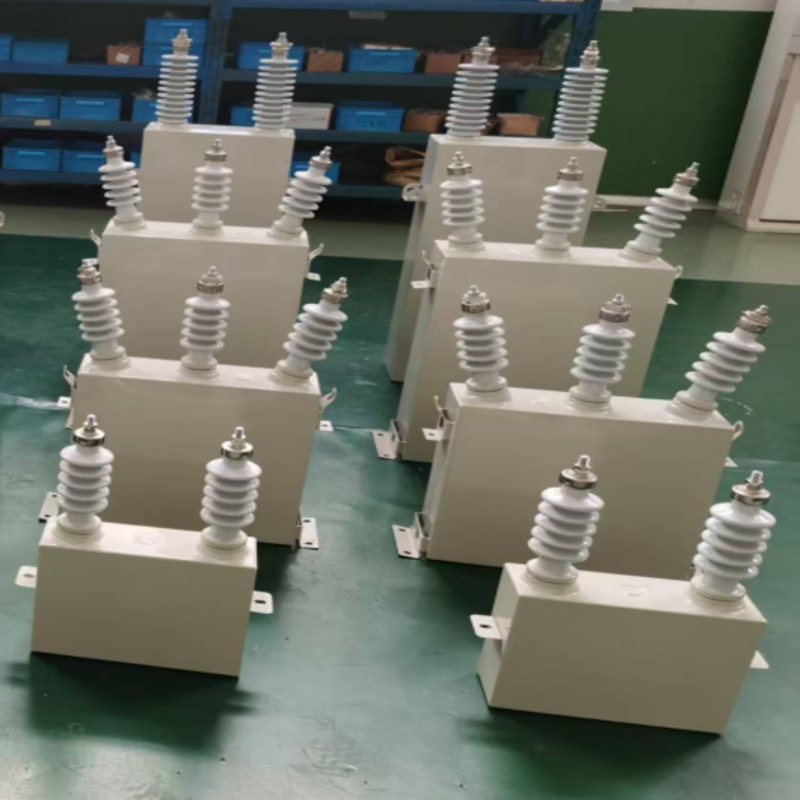
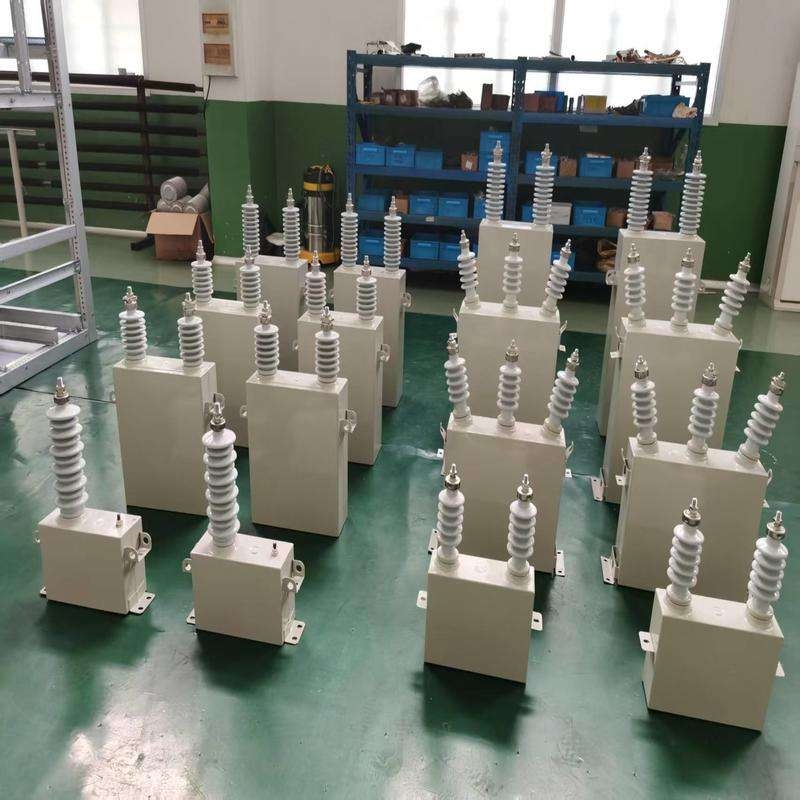
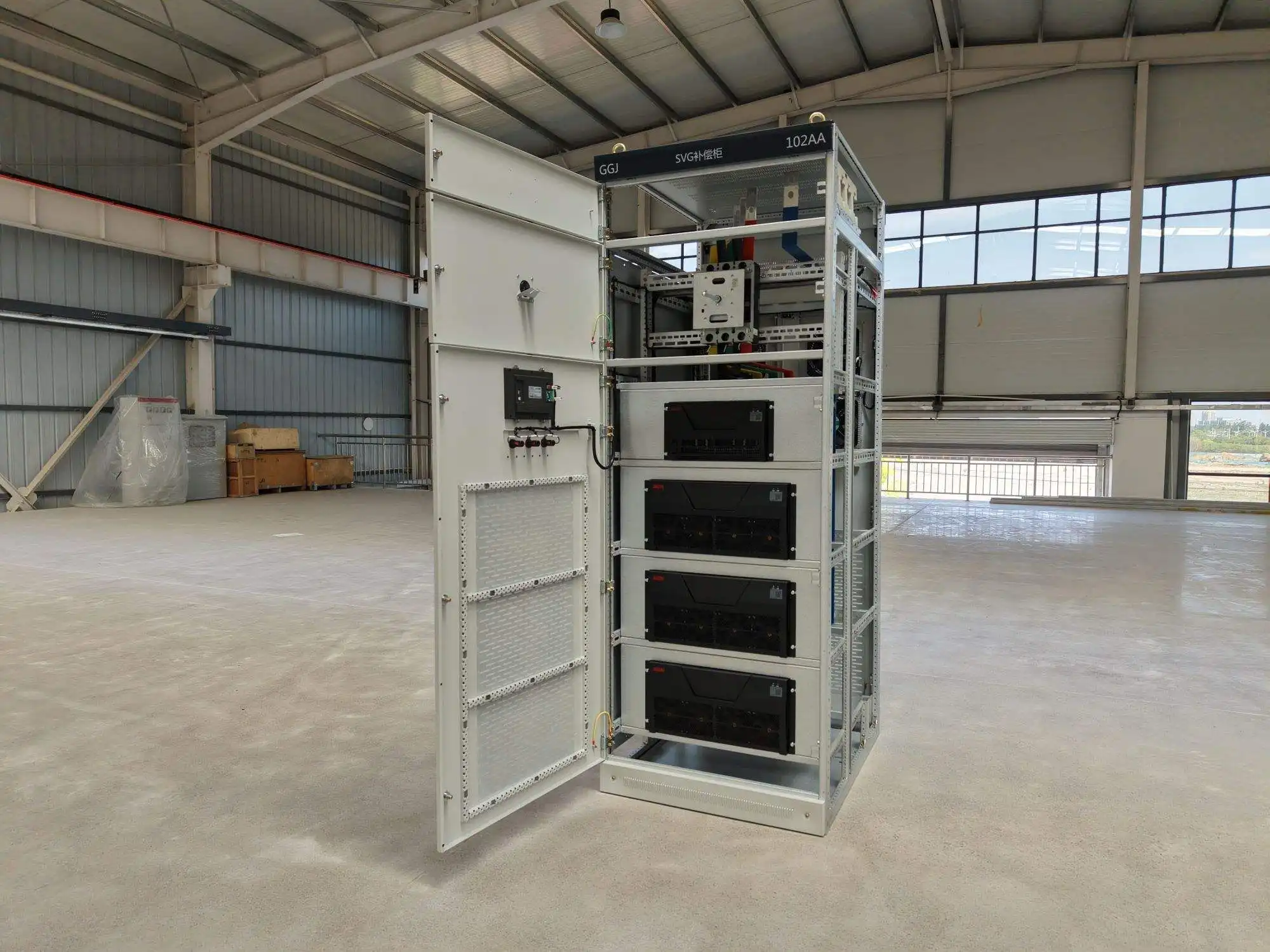
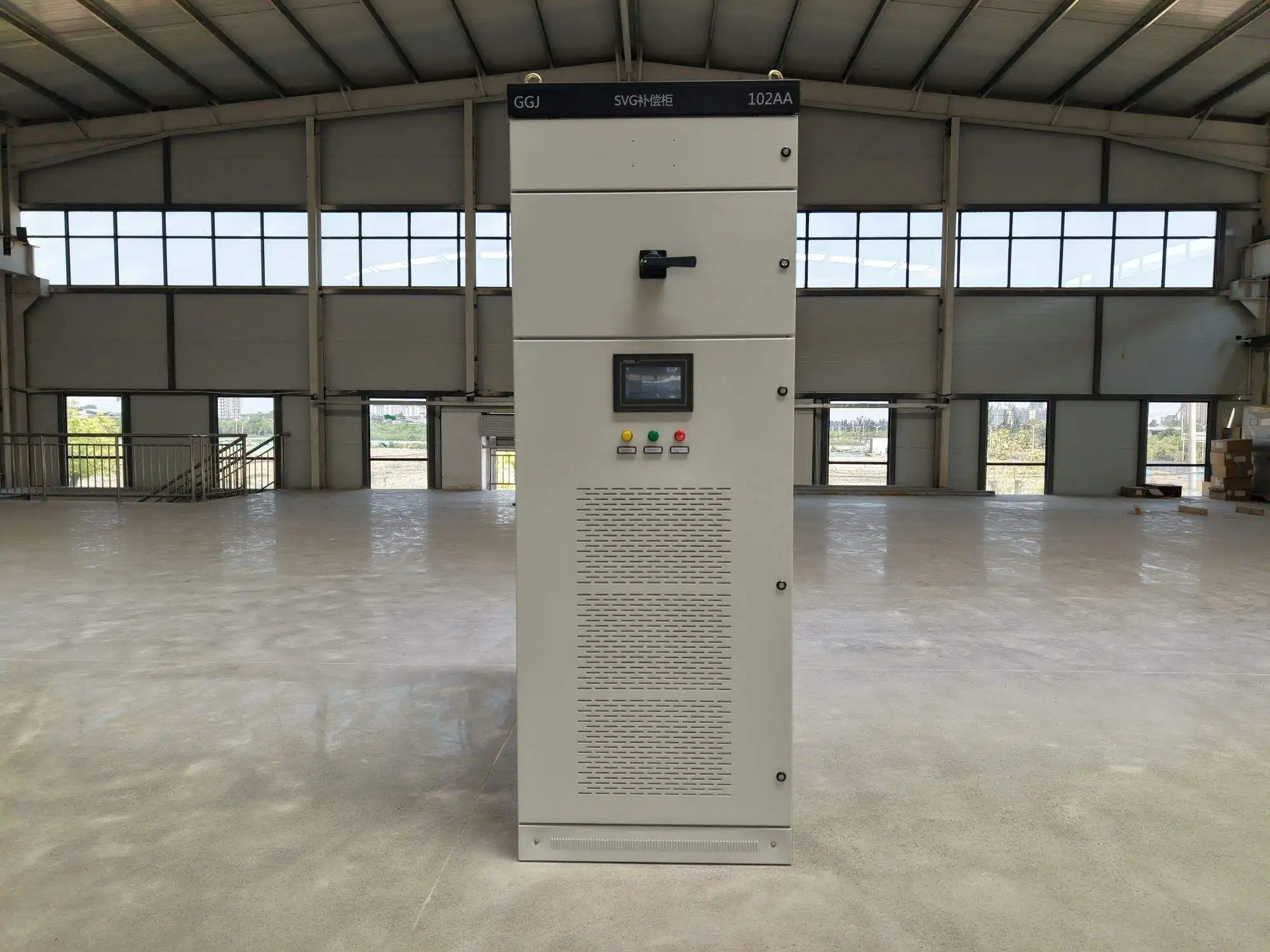
Flexible setup to meet load needs is possible with a modular design. Sized and ordered capacitor banks can provide exact compensation without high installation expenses. This scalability makes the system appropriate for modest to big manufacturing plants and industrial complexes, including the LV Intelligent Capacitor Compensation Device.
Easy Integration and Safety
Installation and project schedules are simplified by MNS, GCK, and GGD cabinet system integration. Safety and accessibility are maintained by standardizing mounting configurations for electrical infrastructure compatibility. To protect equipment, overvoltage, overcurrent, and temperature monitoring are included. Zinc oxide arresters protect surges, and flame-retardant materials exceed strict safety standards. In harsh industrial conditions, these safeguards maintain reliability.
Regional Market Analysis: Opportunities Across Emerging Markets
Plenty of chances to make money in emerging markets
Intelligent capacitor correction technology has a lot of room to grow in Southeast Asia, Central Asia, the Middle East, and Africa. These areas are seeing fast industry growth, but they also have unique problems with grid stability and energy costs.
Southeast Asia: People want to use less energy
Manufacturing growth and environmental rules are driving a strong demand for energy-efficient options in Southeast Asian markets. Vietnam, Thailand, and Indonesia are all investing a lot of money in projects to modernize their industries, which need high-tech tools for power quality. More and more, local utilities are using power factor fines to encourage people to use energy more efficiently.
Central Asia: Reliability in the Resource Sectors
Central Asian countries focus on businesses that need reliable electricity, like mining and processing. As the environment gets worse, mining activities and petrochemical plants need strong compensation devices that can handle it. Longer tool lifecycles are especially important in remote areas where it's hard to get service.
Cities in the Middle East that are green and smart
In the Middle East, markets put a lot of emphasis on sustainability programs that are in line with state vision programs. As smart cities grow and renewable energy sources are added, they need more advanced grid control technologies. These goals are helped by intelligent adjustment devices that make the best use of energy and lower carbon emissions.
Africa: Industrial Solutions That Don't Cost Much
African industrial development programs focus on finding solutions that are both cost-effective and highly successful. As the manufacturing sector grows, it needs power quality equipment that is reliable and doesn't need much upkeep. As facilities look for responsive service partners, the ability to get technical help locally has a big impact on purchasing choices.
Implementation Best Practices and Purchasing Considerations
Making plans for a successful implementation
For intelligent capacitor correction to work, it needs to be carefully planned and installed by a professional. Before choosing equipment, a load study should be done to make sure that the right size and configuration are chosen. Harmonic studies help find possible resonance conditions that might have an effect on how well a system works.
Things to Think About for Installation
Planning an installation must take into account the environment, the need for air, and the ease of access to services. The right spacing and mounting make sure that the cooling is good and make regular maintenance easier. To avoid weak joints and overheating, electrical connections should be made according to the manufacturer's instructions.
Setting up and commissioning
Commissioning processes make sure that everything is working right and that the control settings are best for the load. The first calibration sets baseline performance measures that help with ongoing maintenance and monitoring. Training programs make sure that people who work on the system know how it works and how to fix simple problems.
Technologies for maintenance and prediction
Maintenance plans should include regular checks of the state of the capacitors, the tightness of the connections, and the functionality of the control system. This is particularly important for devices like the LV Intelligent Capacitor Compensation Device. Technologies for predictive repair can find problems before they get in the way of production. It's important to have spare parts on hand to keep equipment supply levels high.
An analysis of the total cost of ownership
Total cost of ownership estimates should take into account how much energy is saved, how often the equipment needs to be maintained, and how long it lasts. If you take care of your quality compensation devices, they should last 20 years or more. Local technical support and longer warranty coverage add value and lower operating risks.
Industry Trends and Summary
The market for industrial capacitor compensation keeps moving toward smarter, more integrated options. IoT connectivity makes it possible to watch things from afar and do preventative maintenance, both of which lower operational costs. Machine learning algorithms make compensation more accurate and allow them to adapt to changing load trends. Integration with renewable energy sources opens up new ways to keep the grid stable. Because of these changes, smart compensation devices are becoming more and more important in modern industrial electricity systems.
Conclusion
Intelligent capacitor correction technology is a smart investment for factories that want to save money on energy costs and make their operations more reliable. Xi'an Xidian's cutting-edge answer combines tried-and-true features with new ones that solve the complicated power quality problems that modern factories face. Intelligent adjustment is an important part of efficient industrial electrical systems because it saves energy, protects equipment, and improves operations. Facilities that use these technologies have an edge over their competitors because they lower their running costs and do a better job of being environmentally friendly.
Frequently Asked Questions
Q1: What energy savings can industrial plants expect from intelligent capacitor compensation?
A: Industrial facilities typically achieve 15-30% reduction in electricity costs through improved power factor and reduced utility penalties. Actual savings depend on existing power factor levels, utility rate structures, and load characteristics. Additional benefits include reduced equipment maintenance costs and extended machinery lifespan.
Q2: How does harmonic filtering protect sensitive industrial equipment?
A: Harmonic filtering prevents voltage distortion that can cause equipment overheating, premature failure, and operational instabilities. Modern compensation devices suppress harmonics up to the 13th order, protecting motors, drives, and control systems from damaging electrical disturbances.
Q3: Can intelligent compensation devices integrate with existing industrial control systems?
A: Yes, modern devices support standard communication protocols like Modbus RTU and IEC 61850 for seamless integration with SCADA systems and building management platforms. This connectivity enables remote monitoring, data logging, and automated control capabilities.
Partner with Xi'an Xidian for Advanced Power Quality Solutions
Xi'an Xidian has more than 15 years of experience in power electronics and new ideas. They are experts in making our LV Intelligent Capacitor Compensation Device, which is designed for tough industrial uses. As a top LV Intelligent Capacitor Compensation Device manufacturer, we're committed to giving you full support, from the first consultation to long-term care. Our dedication to quality is shown by our ISO 9001, ISO 14001, and ISO 45001 certifications. Additionally, each device goes through strict 72-hour load simulation testing to make sure it works reliably in tough conditions.
We offer competitively priced custom engineering solutions that are made to fit the needs of each application. Our technical team works closely with facility engineers to make sure that the design and construction of systems are done in the best way possible. With world support available 24 hours a day, seven days a week, we promise to help you whenever you need it. Get in touch with us at serina@xaxd-electric.com, amber@xaxd-electric.com and luna@xaxd-electric.com to talk about your power quality needs and find out how our intelligent compensation technology can help you save money on energy costs and make your operations more reliable.
References
1. International Energy Agency. "Energy Efficiency in Industry: Opportunities and Technologies for Implementation." Industrial Energy Systems Report, 2022.
2. IEEE Standards Association. "IEEE Standard 519-2014: Recommended Practice and Requirements for Harmonic Control in Electric Power Systems." Institute of Electrical and Electronics Engineers, 2014.
3. Smith, Robert J., and Michael K. Patterson. "Power Factor Correction in Industrial Facilities: Economic Benefits and Implementation Strategies." Journal of Industrial Electrical Engineering, Vol. 45, No. 3, 2023.
4. Asian Development Bank. "Energy Efficiency Opportunities in the Industrial Sector of Southeast Asia." Regional Cooperation Strategy Paper, 2023.
5. Thompson, Sarah L., and Ahmed Hassan. "Smart Grid Technologies for Emerging Markets: Applications in Power Quality Management." International Conference on Power Systems Technology Proceedings, 2022.
6. World Bank Group. "Industrial Energy Efficiency in Developing Countries: Policy Frameworks and Technology Solutions." Energy Sector Management Assistance Program Technical Report, 2023.