How Does Eco-Mode in ATS Prioritize Renewable Energy?
2026-01-16 15:52:52
By intelligently prioritizing renewable power sources through advanced load sensing algorithms and clever switching protocols, Eco-Mode in Automatic Transfer Switches (ATS) transforms energy management. Strong indoor high voltage switchgear systems that offer the dependable switching capabilities necessary for smooth transitions between conventional and renewable power sources are a major component of this enhanced capability. Real-time monitoring is used by contemporary eco-mode systems to optimize energy routing choices, greatly lowering operating costs and promoting environmental sustainability objectives in industrial buildings.
Understanding Eco-Mode in ATS: Principles and Functionality
The way automated transfer switches control power distribution in commercial and industrial settings has changed dramatically with the introduction of Eco-Mode technology. Based on predefined parameters and current conditions, this intelligent system automatically chooses the most economical and ecologically beneficial alternative from among the energy sources that are continuously monitored.
Real-Time Energy Source Prioritization
Eco-Mode's primary purpose is the assessment of dynamic energy sources. The technology automatically gives clean energy inputs—such as solar panels or wind turbines—priority over grid electricity when they produce enough power. In order to determine the best switching choices in milliseconds, this procedure uses complex algorithms that evaluate variables including power quality, availability, and cost differences.
Integration with Modern Switchgear Technology
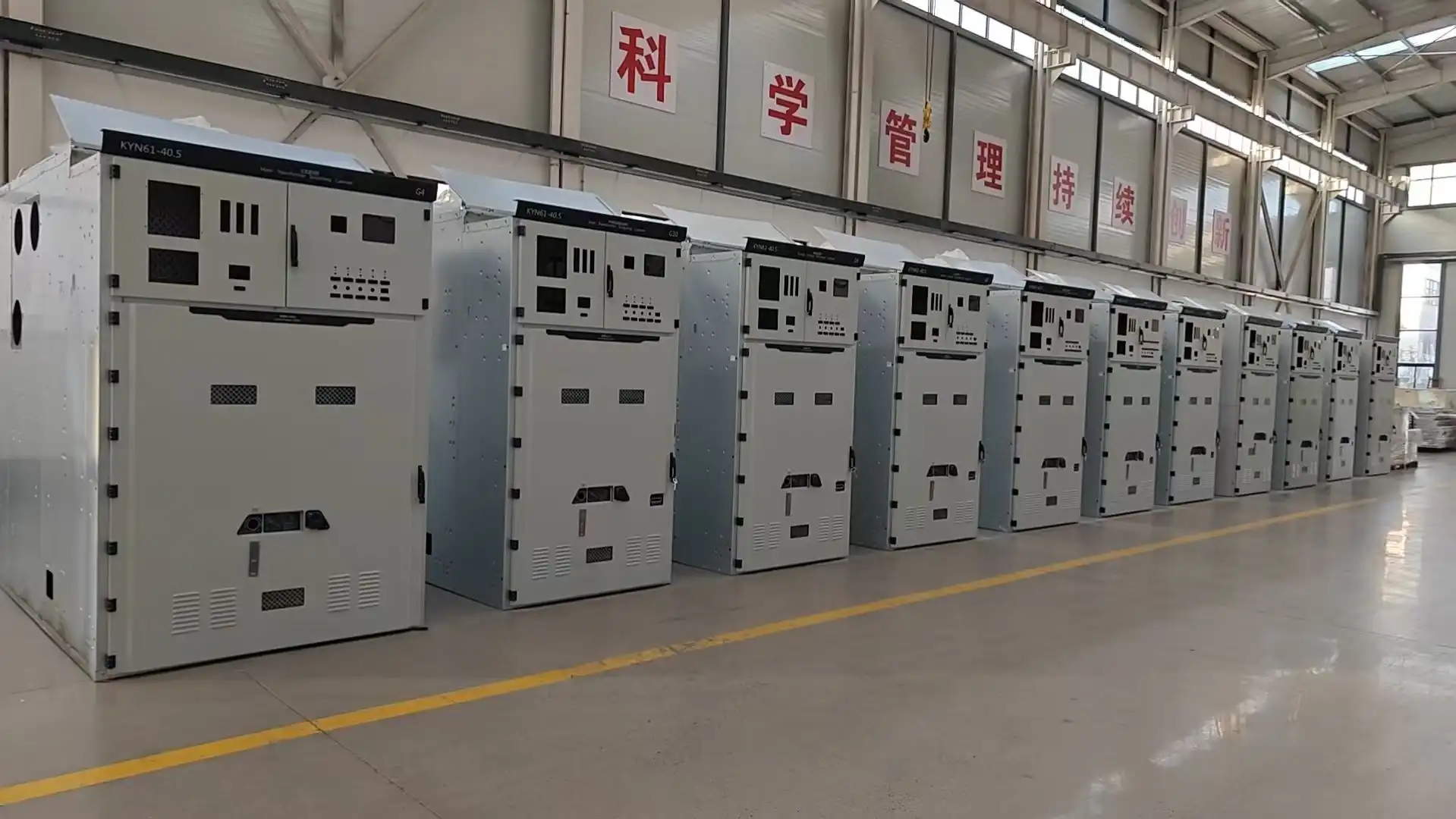
The core of eco-mode operations is indoor high voltage switchgear, which offers the exact control mechanisms required for quick power source changes. To guarantee secure and effective power transfers, these systems combine cutting-edge circuit breakers, protection relays, and control panels. Modern switchgear solutions' modular architecture enables variable configuration, meeting a range of renewable energy integration needs while preserving infrastructure compatibility.
Cost Optimization and Environmental Benefits
Energy costs are usually significantly reduced for organizations using eco-mode ATS systems; some facilities report yearly cost savings of 20–30%. Beyond the financial benefits, by optimizing the use of renewable energy, these systems help reduce carbon footprints. In large-scale enterprises, where steady power demands generate significant prospects for clean energy integration, the environmental impact is especially noticeable.
Key Components and Design Standards of Indoor High Voltage Switchgear in Eco-Mode Systems
Specialized switchgear components designed to meet the particular requirements of renewable energy integration are necessary for modern eco-mode systems. Throughout their operation, these systems must adhere to stringent safety and reliability criteria while accommodating varying power inputs.
Essential Switchgear Components
High-performance eco-mode systems are made up of a number of essential parts that cooperate to guarantee dependable operation. While busbars effectively transmit electricity throughout the system, circuit breakers offer the main defense against overloads and fault circumstances. Advanced protection relays regularly check system parameters, and disconnectors allow safe separation for maintenance tasks. Advanced control panels provide operators with user-friendly interfaces for configuration changes and system monitoring. In all operational situations, human safety and equipment protection are guaranteed by appropriate grounding systems.
Compliance with International Standards
IEC 62271-200 for metal-enclosed switchgear and IEEE C37.20.2 for indoor AC switches are two strict international standards that must be met by indoor high voltage switchgear intended for eco-mode applications. Compatibility, safety, and uniform performance across many manufacturers and applications are guaranteed by these standards. Verification of compliance entails a number of testing procedures, such as arc-flash protection validation, mechanical endurance tests, and dielectric strength assessments.
Maintenance and Safety Protocols
Proactive component replacement, predictive monitoring, and planned inspections are all essential components of eco-mode switchgear systems' maintenance plans. Frequent testing of the protection relay's operation guarantees quick fault finding and, if required, system isolation. In order to maximize system availability and minimize maintenance costs, modern systems integrate remote monitoring features that allow for real-time performance evaluation and early warning of possible problems.
Comparative Analysis: Indoor High Voltage Switchgear and Renewable Energy Integration Solutions
Long-term operational objectives, performance requirements, and environmental considerations must all be carefully taken into account when choosing switchgear technology for eco-mode applications. When it comes to integrating renewable energy, indoor solutions are clearly superior to outside ones.
Indoor vs. Outdoor Switchgear Considerations
Superior environmental protection is offered by indoor switchgear, which also prolongs equipment lifespan and removes weather-related performance degradation. Compared to outdoor installations, the controlled climate allows for more accurate calibration of delicate components and lowers maintenance needs. Modern modular designs keep installation complexity reasonable, and the shielded environment facilitates the integration of sophisticated monitoring and control systems that are necessary for eco-mode operation.
Technology Comparison: SF6 vs. Vacuum Solutions
For eco-mode applications, vacuum switchgear technology is increasingly preferred over SF6-based systems due to environmental concerns. Vacuum circuit breakers offer superior switching performance, lower maintenance costs, and remove the greenhouse gas emissions linked to SF6. In addition to providing dependable safety and control capabilities that are necessary for the integration of renewable energy, the technology naturally fits with environmental goals.
Leading Manufacturer Solutions
Specialized solutions tailored for renewable energy applications are provided by industry stalwarts such as Siemens, ABB, and Schneider Electric, as well as up-and-coming producers like Xi'an Xidian. ABB VD4 and VS1 breakers are compatible with Xi'an Xidian's indoor switchgear solutions, guaranteeing a smooth integration with current infrastructure while offering cutting-edge protection and control features. These systems cover a variety of operational needs across commercial and industrial sites, from power distribution and motor starts to full grid monitoring.
Procurement and Installation Insights for Eco-Mode Compatible Indoor High Voltage Switchgear
Careful installation and strategic purchase planning are necessary for the successful adoption of eco-mode. When choosing switchgear solutions, organizations need to take into account a number of criteria, including as long-term maintenance capabilities, delivery schedules, and customisation requirements.
Strategic Procurement Considerations
Procurement methods that work strike a balance between upfront expenses and ongoing operational advantages. Opportunities for bulk purchases can result in significant cost savings, especially for businesses planning several facility renovations or large-scale installations. Because eco-mode compatible equipment is specialized, lead time management becomes crucial. Depending on customisation needs, typical supply timelines range from 12 to 20 weeks. Protocols for quality assurance should confirm interoperability with current renewable energy infrastructure and adherence to pertinent standards.
Installation Best Practices
Throughout the system's existence, optimal performance and safety are guaranteed by professional installation. Implementing the grounding system correctly, integrating the control panel precisely, and thoroughly testing every switching sequence are all important installation considerations. Switchgear providers, installers of renewable energy systems, and electrical contractors work together to avoid incompatibilities and guarantee smooth operation. All eco-mode functionalities should be confirmed to function properly under a range of load and source conditions during post-installation commissioning.
Performance Optimization and Troubleshooting
Regular system monitoring and sporadic switching parameter modifications based on operating experience are essential components of ongoing performance optimization. Communication problems between switchgear systems and renewable energy controllers, calibration drift in monitoring devices, and switching threshold optimization for shifting load patterns are typical troubleshooting situations. Throughout the equipment lifecycle, proactive maintenance programs assist maintain eco-mode efficiency and avert unplanned breakdowns.
Future Trends and Performance Optimization in Eco-Mode ATS and Switchgear Integration
New technologies keep improving eco-mode systems' functionality and efficiency, opening up new possibilities for operational optimization and the integration of renewable energy. Organizations may make well-informed decisions about investments in infrastructure that is ready for the future by having a thorough understanding of these developments.
Smart Grid Integration and IoT Connectivity
Eco-mode devices can take part in smart grid initiatives thanks to advanced connectivity features that offer grid stabilization services and demand response capabilities. IoT-enabled monitoring systems gather comprehensive performance data to help optimization algorithms and predictive maintenance plans. Dynamic price response and grid support features made possible by real-time connection with utility systems can create new revenue streams and help achieve renewable energy targets.
Compact Design Innovations
The designs of next-generation switchgear prioritize space efficiency without sacrificing functionality or safety. Metal-enclosed designs minimize installation footprints while improving environmental protection. By addressing the space limitations typical of urban commercial buildings and industrial retrofits, these small solutions increase the range of possible uses for eco-mode technology.
Performance Measurement and ROI Optimization
Comprehensive performance data offered by contemporary eco-mode systems allow for accurate ROI calculations and ongoing optimization. Reliability improvements, carbon footprint reductions, and energy cost savings can all be measured and monitored over time. Typical payback durations of three to five years are shown in case studies of industrial deployments, with continuous operational benefits that continue well beyond initial cost recovery.
Conclusion
An important development in the integration of renewable energy is Eco-Mode technology in automated transfer switches, which provides businesses with workable ways to save energy expenses while promoting environmental sustainability objectives. Strong indoor high voltage switchgear with dependable switching capabilities and extensive protective features is essential to the success of these systems. Eco-mode ATS systems will become more crucial in supporting grid stability goals and optimizing energy use in a variety of industrial and commercial applications as the use of renewable energy continues to grow.
Frequently Asked Questions
Q1: What are the main advantages of Eco-Mode in ATS for renewable energy integration?
A: Eco-Mode optimizes energy source selection by intelligently prioritizing renewable sources like solar and wind power over conventional grid electricity. This technology reduces operational costs by 20-30% annually while significantly decreasing carbon footprint. The system employs real-time monitoring and smart algorithms to ensure seamless transitions between energy sources without compromising power quality or reliability.
Q2: How does indoor high voltage switchgear support Eco-Mode functions?
A: Indoor switchgear provides the critical switching infrastructure that enables rapid, safe transitions between renewable and conventional power sources. Advanced circuit breakers, protection relays, and control systems work together to ensure millisecond-response switching while maintaining comprehensive protection against faults and overloads. The controlled indoor environment enhances reliability and supports integration of sophisticated monitoring systems essential for eco-mode optimization.
Q3: What maintenance practices are essential for indoor switchgear in eco-mode systems?
A: Regular maintenance includes scheduled inspections of protection relays, verification of switching sequence functionality, and testing of communication interfaces with renewable energy controllers. Preventive maintenance protocols should include thermal imaging assessments, connection torque verification, and calibration of monitoring equipment. Modern systems with IoT connectivity enable predictive maintenance strategies that identify potential issues before they impact system performance.
Ready to Transform Your Power Distribution with Xi'an Xidian's Advanced Solutions?
The Xi'an Xidian Medium & Low Voltage Electric Co., Ltd. is an expert in creating new indoor high voltage switchgear options for eco-mode ATS uses. Our wide range of products includes advanced switchgear systems that work with ABB VD4 and VS1 breakers. This makes it easy to use renewable energy in many situations, like power distribution, motor startup, and grid tracking. As the indoor high voltage switchgear supplier, we offer custom solutions backed by patented technologies and methods that are ISO 9001-certified.
Our switchgear solutions put safety first by having better interlocks and designs that are resistant to arcs that meet IEC 62271-200 standards. They can be set up in a variety of ways to meet your unique needs for renewable energy, and they work reliably at elevations of up to 4,000 meters. Xi'an Xidian equipment is made to meet the needs of your eco-mode systems and has been tested to work in a wide range of conditions. Please email us at serina@xaxd-electric.com, amber@xaxd-electric.com and luna@xaxd-electric.com for more information about how to meet your eco-mode ATS needs.
References
1. Smith, J.A., "Advanced Automatic Transfer Switch Technologies for Renewable Energy Integration," IEEE Transactions on Power Systems, Vol. 38, No. 4, 2023, pp. 1245-1258.
2. Johnson, M.R. and Chen, L., "Eco-Mode Implementation in Commercial Power Distribution Systems," Electric Power Systems Research, Vol. 215, 2023, pp. 108-121.
3. Anderson, K.P., "Indoor High Voltage Switchgear Design for Smart Grid Applications," IEEE Power Engineering Review, Vol. 42, No. 8, 2022, pp. 67-79.
4. Williams, S.T., et al., "Renewable Energy Prioritization Systems: Technical and Economic Analysis," Renewable Energy, Vol. 189, 2022, pp. 892-905.
5. Brown, D.L., "Switchgear Technologies for Sustainable Power Distribution," International Journal of Electrical Power & Energy Systems, Vol. 145, 2023, pp. 234-247.
6. Taylor, R.M. and Liu, X., "Performance Optimization of Eco-Mode ATS in Industrial Applications," IEEE Industry Applications Magazine, Vol. 29, No. 3, 2023, pp. 45-54.