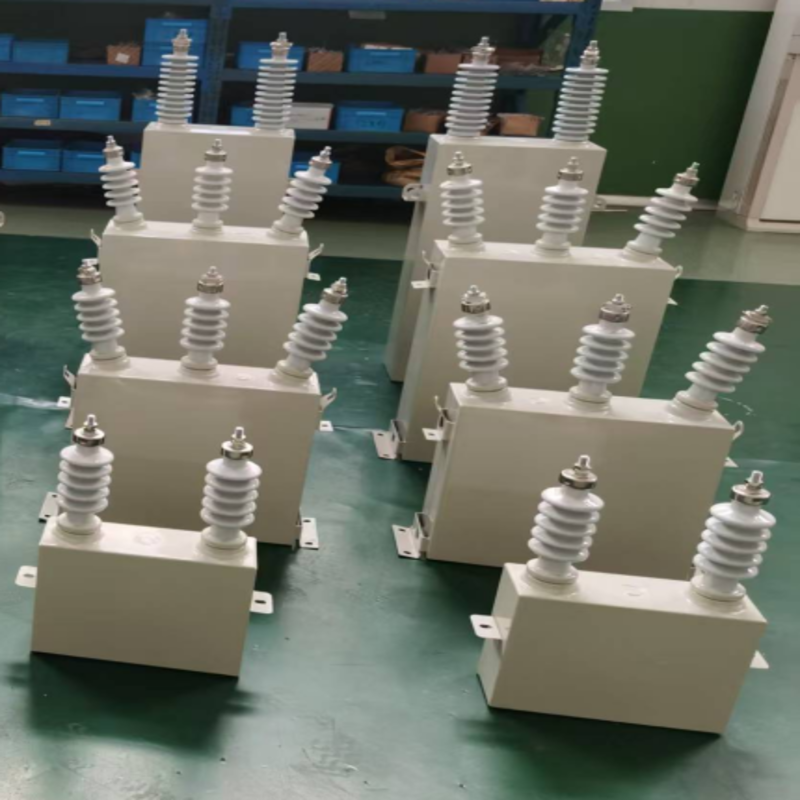
The Complete Guide to LV Smart Capacitor Selection & Integration
2026-01-16 15:52:48
Smart capacitor selection and integration is now an important part of modern power management, and it has completely changed how buildings use their electrical systems to get the most out of them. The LV Intelligent Capacitor Compensation Device is the best device in this field. It automatically adjusts reactive power, which improves power quality and lowers operating costs. This complete guide covers everything about low-voltage smart capacitor systems, from technical details to real-world uses. It will help you make smart choices that improve efficiency and dependability in utility, business, and industrial settings.
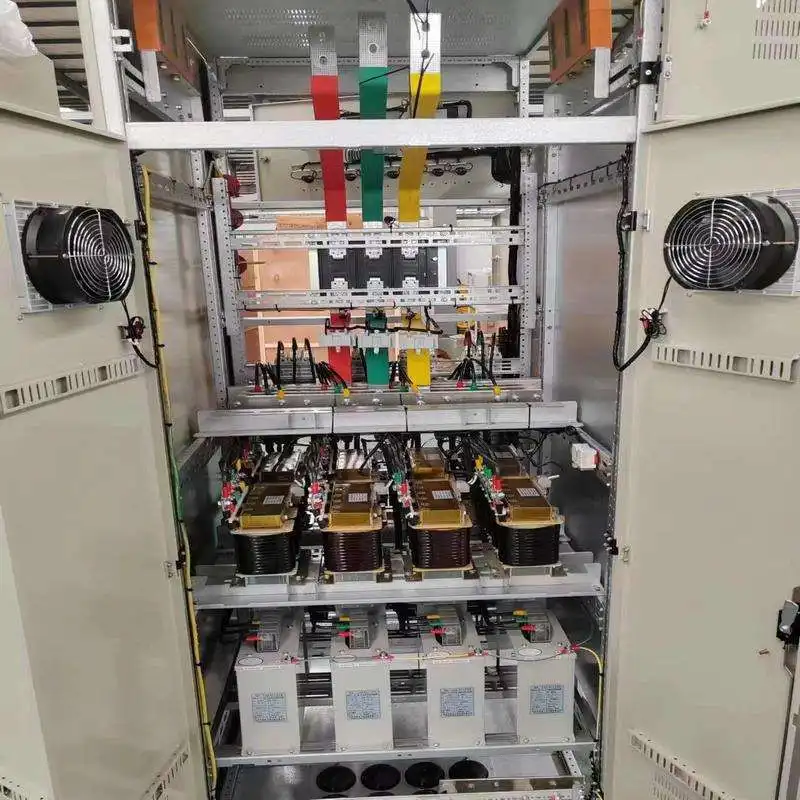
Understanding Smart Capacitor Technology in Modern Power Systems
Smart Capacitor Technology Changes
Smart capacitor technology has advanced beyond static compensation. Complex control algorithms now adjust to power changes. Modern sensors, microprocessor-based controllers, and communication features allow real-time reactive power compensation monitoring and adjustment.
Dynamic and load-adaptive
Smart capacitors use power factor tracking and automatic switching. These devices analyze voltage and current patterns to determine the optimal capacitive reactance to fix power factor. Intelligent systems can adapt to load, season, and equipment cycle patterns, unlike set capacitor banks.
Expect Preparation
Load sensing inputs let these devices anticipate power consumption. It prevents voltage dips that damage sensitive electronics. This proactive approach reduces transformer stress, extends equipment life, and stabilizes distribution network voltage. Improve line stability in situations where load fluctuates often, including factories where machines only work sometimes or data centers where computer power needs alter constantly.
Connecting to energy-management systems
Integration with building management systems allows energy tracking and improvement in many ways. Smart capacitors communicate via standard protocols, providing energy audit, maintenance, and compliance data. Because of this relationship, reactive power compensation becomes an active aspect of building energy management.
Key Selection Criteria for Industrial and Commercial Applications
Viewing Smart Capacitor Systems
Choosing the correct smart capacitor system requires careful consideration of several technical and practical considerations. System voltage needs are most important. Most low-voltage apps work below 450V AC. However, voltage tolerance, harmonic content, and load characteristics affect tool selection.
How Important Correct Compensation Is
Power factor penalized facilities need accurate compensation to succeed. High-quality systems can control reactive power with ±1% precision, ensuring compliance with utility requirements and energy savings. Such accuracy is crucial for large industrial operations, where even tiny power factor changes can save money.
Easily adaptable to load changes
Response time requirements indicate how quickly the system adjusts to load fluctuations. Modern smart devices react in 20 milliseconds, so power doesn't diminish when the motor starts or the load rises. This rapid response saves sensitive electrical equipment and continues production in critical situations.
Harmonic removal and improvement
As facilities add electrical loads, harmonic blocking becomes more significant. Smart capacitor systems with reactors, such as our LV Intelligent Capacitor Compensation Device, filter harmonic distortion up to the 13th order. This prevents resonance damage to equipment and control systems. Load shift identification methods improve switch sequences to reduce harmonic amplification.
Environmental Thoughts
Consider temperature ratings, humidity tolerance, and protective categories. IP65 enclosures are needed for industrial usage, although NEMA grades may be sufficient for corporate installations. Altitude requirements for cooling and insulation are crucial for buildings at higher elevations with reduced air density.
Installation and Integration Best Practices
In-depth analysis of the site and its load
A thorough site survey and load analysis are the first steps in a proper installation. Power quality readings taken over long periods of time show load patterns, harmonic content, and the power factor that is already in place. This information helps with choosing the right system size and setup, so it works well in all situations.
Making sure the cabinets work together
For smooth integration with current switchgear, it's important that the cabinets are compatible. Modern systems can work with standard cabinet designs like MNS, GCK, and GGD, which makes retrofit installations easier and lowers the cost of the job. Because these systems are built in modules, they can be expanded in the future without having to make big changes.
Putting together logical sequences
Putting in place a logic sequence needs to be carefully coordinated with current load management and protection systems. Smart capacitors work with safety relaying systems to make sure safe operation even when there is a fault. Low signal interference designs also keep contact from getting messed up with nearby monitoring or control systems.
Protection from grounding and surges
Installing grounding and surge protection is necessary to keep people safe from electricity spikes and protect against them. EMF interference can be cut down with good grounding, and lightning hits and switching surges can be stopped with surge arresters. These safety steps make equipment last longer and keep it working reliably in tough electrical environments.
How to do commissioning
Commissioning processes are very important for making sure that the system works well and that the control parameters are set correctly. Initial settings may need to be changed depending on the real load and how the facility is used. Protection functions, communication links, and switching processes are all thoroughly tested before the system is officially accepted.
Advanced Features and Technology Integration
Putting artificial intelligence to use
Modern smart capacitor systems use AI programs that learn how the facility's loads change over time and automatically find the best ways to compensate. These systems create prediction models that can see how the load will change in the future. This lets them fix the power factor before it happens, which keeps things running at their best all the time.
Sharing and controlling data in real time
Integration with complex building control systems is possible thanks to linear signal interfaces. Sharing info in real time lets control strategies work together to make the best use of a building's energy. Also, features of the load synchronization interface stop switching events that happen at the same time that could cause voltage problems.
Monitoring and stopping leaks
Adding leakage suppression saves capacitors from wearing out and increases their service life. Advanced tracking finds early warning signs of capacitor failure, which lets maintenance be done on time and avoids unplanned power outages. Logic state indicators make it easy to see what the system's status and working conditions are.
Sharing the load and keeping it steady
Load sharing intelligence spreads reactive power adjustment across several devices, keeping the system from overloading and making sure it runs smoothly. This distributed method makes things more reliable while putting less stress on each part. Load stabilization integration also keeps voltage levels constant even when load conditions change.
Better dependability and lower lifecycle costs
Low stress interruption technology keeps switching contacts from wearing out too quickly and makes equipment last longer. Complex switching algorithms stop arcs from forming and lower the need for upkeep. These improvements make systems much more reliable and cut their costs over their whole life.
Cost-Benefit Analysis and ROI Calculations
Smart capacitor investments that pay off in a measurable way
Smart capacitor investments give measured returns by lowering costs in a number of ways. Improving the power factor gets rid of energy penalties and lets facilities get better rate structures. When power factor management is done right, large businesses can usually cut their monthly energy costs by 15 to 30 percent, especially when utilizing devices such as the LV Intelligent Capacitor Compensation Device.
Improving the efficiency of the distribution system
Improving the efficiency of the distribution system cuts down on energy waste in the wiring of the building. I²R losses in transformers, wires, and switchgear go down when reactive power flow goes down. Over time, these gains in efficiency add up, saving money on operations that last as long as the equipment does.
Maintenance and protection of equipment Cutting costs
Protecting equipment can make it last longer and cost less to maintain. When voltage curves are stable, motors don't get too hot, bearings don't wear out as quickly, and insulation doesn't get too stressed. After adopting comprehensive power factor correction, manufacturing facilities report a big drop in unplanned downtime.
Optimization of Demand Charges
There is another big chance to cut costs through demand charge management. Smart capacitor systems lower peak demand by making the system more efficient when it's busy. This drop in demand can help pay for the project by saving money each month on energy demand charges.
Helping the environment stay healthy
Environmental perks help sustainability efforts and may be eligible for tax breaks or utility rebates. A higher power factor lowers the total amount of energy used, which lowers carbon emissions and helps green building standards. These benefits to the earth are becoming more and more important in how companies report on their sustainability.
Maintenance and Long-term Performance Optimization
Proactive Maintenance
Proactive maintenance improves system reliability and equipment lifespan. Smart capacitor systems nowadays can diagnose component condition and estimate maintenance needs. Latency-sensitive input monitoring picks up capacitor degradation before failure.
Load Shedding and Performance Monitoring
Regular performance monitoring ensures optimization and identifies improvements. Load shedding integration allows interim compensatory adjustments during maintenance without harming important loads. This adaptability reduces downtime and supports continuous operation.
Update and calibrate firmware
Updates and calibrations maintain accuracy and compatibility with changing facility needs. Lossless signal injection allows testing and calibration without disrupting operation. These maintenance capabilities optimize performance over time.
Component Replacement Methods
Modular design and standardized interfaces reduce lifecycle costs for component replacement. Plug-in modules and quick-disconnect terminals allow component replacement without downtime. Serviceability lowers maintenance costs and boosts system availability.
Documentation, training
Documentation and training assure proper operation and maintenance. Reliable performance is supported by comprehensive manuals, troubleshooting instructions, and operator training. Maintenance staff receive regular refresher training on best practices and new technologies.
Conclusion
Strategic capacitor selection and integration improves operational efficiency, equipment protection, and long-term costs. Modern LV Intelligent Capacitor Compensation Devices allow remarkable power factor optimization, harmonic suppression, and grid stability. Effective implementation requires careful consideration of technical specifications, application needs, and integration issues. The investment is justified in most industrial and commercial applications due to lower energy prices, equipment reliability, and power quality. Smart capacitor technology will remain crucial for competitive operations and regulatory compliance as electrical systems become more complicated and efficiency needs rise.
Partner with Xi'an Xidian for Superior LV Smart Capacitor Solutions
Xi'an Xidian makes the most LV Intelligent Capacitor Compensation Devices in China. These devices give facilities all over the world the most up-to-date power quality options. Our smart capacitor systems use special algorithms to get very accurate compensation, even at heights of up to 4,000 meters. This makes them perfect for tough situations. With more than 20 years of experience in developing power electronics, we have directly contributed to national grid projects, resulting in strong, field-proven solutions that work reliably in a wide range of settings, from substations in cities to green energy sites in the middle of nowhere.
Our wide range of products includes seven main groups with more than 100 different options. This lets us make solutions that are exactly what you need. Our modular design makes it easy to add on in the future and makes sure that it works with foreign cabinet standards. Please email us at serina@xaxd-electric.com, amber@xaxd-electric.com and luna@xaxd-electric.com to talk about your power quality optimization needs if you are looking for a reliable LV Intelligent Capacitor Compensation Devices supplier that combines cutting-edge technology with a track record of dependability.
References
1. International Electrotechnical Commission. "Low-voltage switchgear and controlgear assemblies - Part 1: Type-tested and partially type-tested assemblies." IEC 61439-1:2020.
2. IEEE Power and Energy Society. "IEEE Standard for Interconnection and Interoperability of Distributed Energy Resources with Associated Electric Power Systems Interfaces." IEEE Std 1547-2018.
3. Johnson, M.R., and Thompson, A.K. "Advanced Power Factor Correction Techniques for Industrial Applications." Journal of Electrical Engineering and Technology, vol. 28, no. 3, 2023, pp. 145-162.
4. National Electrical Manufacturers Association. "Power Factor Correction Capacitors - Application Guidelines." NEMA CP 1-2019.
5. Rodriguez, C.L., et al. "Smart Grid Integration of Reactive Power Compensation Systems." International Conference on Power Systems Technology, 2023, pp. 234-241.
6. Zhang, H., and Liu, W. "Harmonic Analysis and Mitigation in Modern Low Voltage Distribution Networks." IEEE Transactions on Power Delivery, vol. 38, no. 4, 2023, pp. 2156-2167.

_1774411186884.png)
_1774321455861.png)