
Capacitive Voltage Transformer: A Quick Guide
2026-06-09 15:52:15
A capacitive voltage transformer is a precise tool used to safely and accurately lower high transmission voltages to levels that can be measured. In contrast to traditional electromagnetic designs, these gadgets use capacitive dividers along with intermediate transformers to send accurate voltage signals to tracking systems, safety relays, and meters. These transformers keep the power supply stable, keep equipment from breaking, and make sure that facilities that use 66kV to 765kV are following grid rules. In this guide, the scientific basics are explained, different technologies are compared, and practical buying tips are given for industrial owners, utility companies, and EPC firms working in the US.
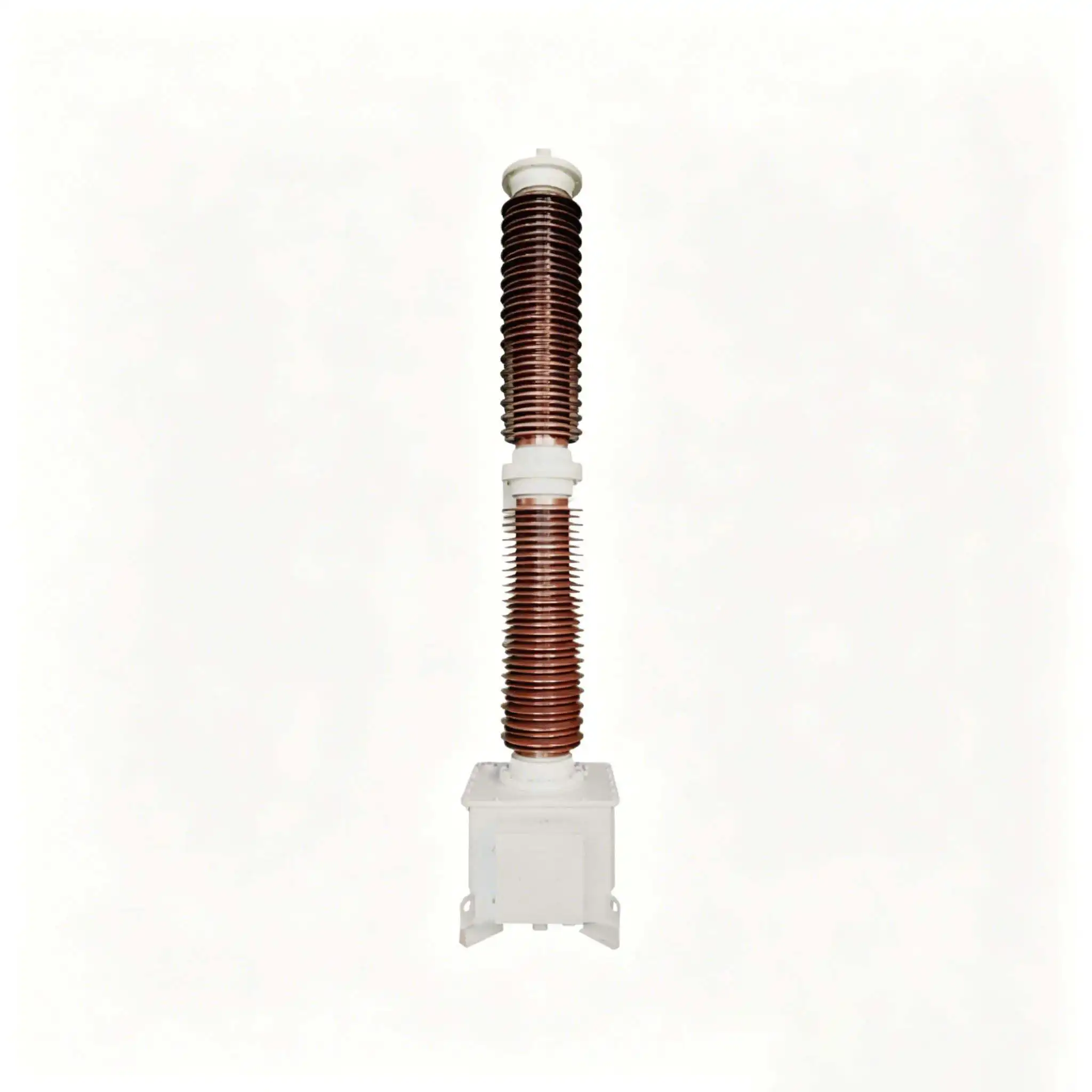
Understanding Capacitive Voltage Transformers
What Is a Capacitive Voltage Transformer?
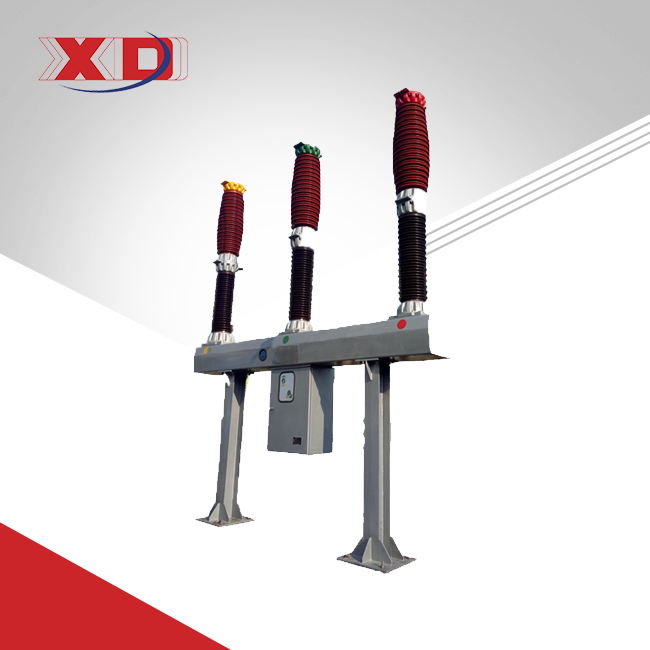
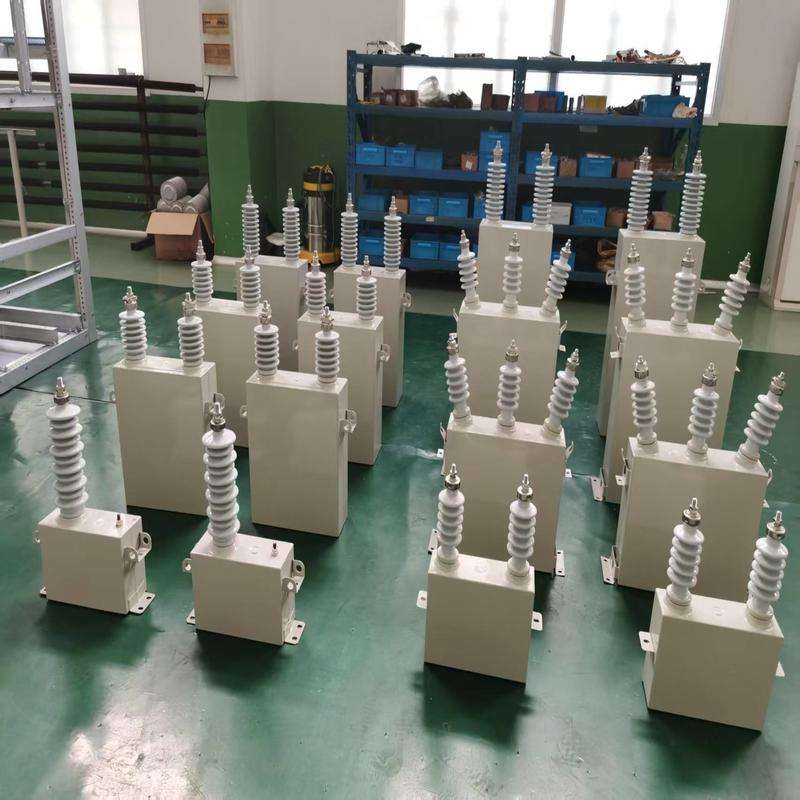
A capacitive voltage transformer lowers high voltages in transmission networks so that tools and control systems can use low-voltage data. There are three main parts to the device: a high-voltage capacitor stack that acts as a capacitive divider, an electromagnetic transformer that changes signals, and a damper circuit that stops sudden distortions. With this flexible design, the unit can handle voltages between 66kV and 765kV and still measure accurately within the 0.1% to 0.2% class limits required by IEC 61869 standards.
Core Operating Principles
Through capacitors linked in series, voltage is split. The voltage across the lower capacitor is equal to the line voltage. This lowered voltage goes into a middle transformer, which lowers it even more until it's at a normal level like 115V or 120V. Ferroresonance is a condition that can change waves when the load changes quickly or when switching is done. The damping circuit, which is usually a resistor-inductor network, controls this. Modern versions can handle transients at the 3PT1 level with a residual voltage of less than 2%. This makes them compatible with high-speed safety switches found in substations and industrial sites.
Technical Features That Matter
The accuracy class tells you whether it's good for income metering (0.2 or better) or protection apps (0.5 is fine). The voltage values must match the standard voltages of the system with enough insulation margins. The frequency reaction ranges from 15 Hz to 100 Hz, which works for both basic frequency analysis and harmonic analysis. Ratings for the environment look at high temperatures (-40°C to +55°C), how well something can withstand earthquakes (IEEE 693), and the amount of pollution (IEC 60815). Dielectric loss line below 0.08% cuts down on wasted energy, and partial discharge limits below 5 picocoulombs make shielding last longer than 30 years. Before defining tools, procurement teams should make sure that these factors match up with the site conditions and the needs of the operation.
Advantages Over Alternative Technologies
Capacitive designs are better than inductive designs because they have a smaller size, are lighter, and cost less to make at voltages above 110kV. They can handle tough environments better because they are sealed and don't have oil-filled bearings that can leak. The modular capacitor stack makes it easier to change a unit in the field if it breaks, which cuts down on downtime. Modern digital relays need fast, accurate messages when there is a fault, and transient reaction traits are a good fit for them. Because of these advantages, capacitive voltage transformers are the best choice for utilities that need to replace old infrastructure and for industrial sites that need to measure things accurately in areas that are dirty or prone to earthquakes.
Comparing Capacitive Voltage Transformers with Other Voltage Transformers
Electromagnetic Voltage Transformers
Based on Faraday's induction principle, electromagnetic systems use wound coils and iron cores. They are very accurate over a wide range of frequencies and can handle low-voltage tasks efficiently. But above 72.5kV, the size and weight go up a lot, so mounting structures need to be stronger and installation areas need to be bigger. During transients, magnetic saturation can change output signals, which can make it harder for safety relays to work together. Maintenance calls for trying the insulation and inspecting the core on a regular basis. A study of costs shows that electromagnetic units are less competitive above 145kV, and capacitive options are a better deal.
Inductive Voltage Transformers
Inductive types are like electromagnetic types, but their winding configurations are better for certain voltage ratios. They work well in indoor substations with controlled conditions and give stable performance. Connections to multiple meters or switches are often limited by the burden capacity, which is the most weight the transformer can handle without losing accuracy. At maximum loads, thermal control is very important, so there needs to be enough airflow. Professionals in procurement should carefully look at burden requirements. For example, buildings that are hoping to grow in the future may need capacitive voltage transformers to add more tracking equipment without having to update anything.
Optical Voltage Transformers
Optical technologies measure voltage using the Pockels effect in crystal devices. These technologies are immune to electromagnetic interference and do not pose the explosion risks that come with equipment that is protected with oil. Smart grid systems work perfectly with digital outputs. At the moment, there are some problems, such as higher unit prices, unstable calibration due to changes in temperature, and utility workers not having enough field service experience. Adoption rates rise in gas-insulated substations where limited room justifies charging more. For most transmission and distribution tasks, traditional capacitive voltage transformers are still the best option because they balance performance, cost, and ease of maintenance.
Cost-Benefit Analysis
At 110kV, capacitive voltage transformers usually cost 15–25% less to buy at first than similar inductive types. Because they are lighter—about 40% less than electromagnetic alternatives—installation costs go down. Lifecycle costs are lower for capacitive systems because they need less upkeep and have protection that lasts longer. Low dielectric loss leads to gains in energy efficiency that save a small amount of money over many years of use. When EPC firms define equipment for turnkey projects, they should show their customers the total cost of ownership calculations. These should show how capacitive voltage transformers meet technical requirements and maximize capital allocation.
Practical Applications and Maintenance of Capacitive Voltage Transformers
Transmission System Applications
At switching stations, transmission substations, and line terminals, these transformers are used by utilities to keep an eye on voltage levels for grid safety methods. At bulk delivery points, revenue meters need to be accurate to 0.1 or 0.2 and have a confirmed calibration record. Protection systems depend on CVT outputs to detect overvoltage, undervoltage, and phase unbalance situations, which set off circuit breakers. For wide-area tracking, modern systems use phasor measurement units, which need transformers with 0.1% accuracy and accurate phase angle reproduction. Grid workers in charge of integrating renewable energy rely on these devices to handle changes in voltage caused by intermittent power sources.
Distribution Network Integration
When space or weight limits prevent inductive designs at distribution voltages between 12kV and 69kV, capacitive voltage transformers are an affordable option. Municipal substations that serve commercial areas have small sizes that work with the way equipment is already set up. Coastal sites that are exposed to salt fog need longer creepage distances—more than 25 mm per kV—and housings made of silicone rubber that doesn't get contaminated. Xi'an Xikai makes 110kV units with anti-pollution coatings that meet IEC 60815 serious environment ratings. This makes sure that the units can work reliably in industrial areas where chemical emissions or particulate matter are a problem.
Industrial Plant Deployment
For sensitive CNC equipment, data processing centers, and automated assembly lines, manufacturing sites with on-site substations use capacitive voltage transformers to check power quality. Voltage sag detection keeps devices safe from brownouts, which can be very bad. Harmonic analysis helps tune power factor adjustment systems, which lowers utility demand charges. Hospitals need to keep an eye on the voltage all the time to make sure that their backup generators work when the power goes out. Advanced CVT models use high mechanical strength capacitor insulators and improved structure designs that can handle vibrations from heavy machinery nearby. This keeps measurement accuracy high in harsh industrial settings.
Installation Best Practices
According to NFPA 70 and IEEE guidelines, proper mounting makes sure that the mechanical safety and electrical clearances are met. To keep electricity from building up on capacitor tanks during faults, grounding links must provide low-impedance paths. Specifications for torque on wire connections keep weak contacts from heating up and arcing. To make sure that environmental sealing works properly, gaskets and wire entry places must be checked for wetness. Before turning it on, commissioning tests make sure that the accuracy, polarity, phase sequence, and insulator resistance are correct. Installation teams should write down standard data so that future maintenance checks can use them to see if performance has changed over time.
Maintenance and Testing Protocols
Every 12 to 24 months, routine checkups check the outside state, looking for cracks in insulators, discoloration that means the machine is burning, and contamination that needs to be cleaned. Electrical tests measure insulation resistance, capacitance values, and dielectric loss tangent. The results are compared to maker standards and trends from the past. Measurement class compliance is confirmed by using portable testing tools to check the accuracy. Testing for partial discharge finds insulation decay before it breaks. Thermographic imaging finds hot spots in terminal links that need to be tightened up again. When facilities use predictive maintenance strategies, transformers last longer than 35 years and have fewer unexpected breakdowns that affect production plans or the reliability of the grid.
Procurement Guide: Selecting and Buying Capacitive Voltage Transformers
Critical Selection Criteria
Choosing the right accuracy class depends on the application. For example, revenue meters need 0.1 or 0.2 class, while remote control systems might be able to handle 0.5 class. The voltage values must match the normal voltage of the system, plus enough basic insulation level (BIL) to protect against lightning and switching surges. With a 25% safety cushion, burden capacity needs must be higher than the total load of all related meters, relays, and monitoring devices. The environmental requirements talk about the site's height, temperature range, earthquake zone, and level of pollution. Certifications like IEC 61869, IEEE C93.1, UL rating, and RoHS make sure that the design is good and that it will be accepted by regulators in all of North America's markets.
Evaluating Manufacturer Capabilities
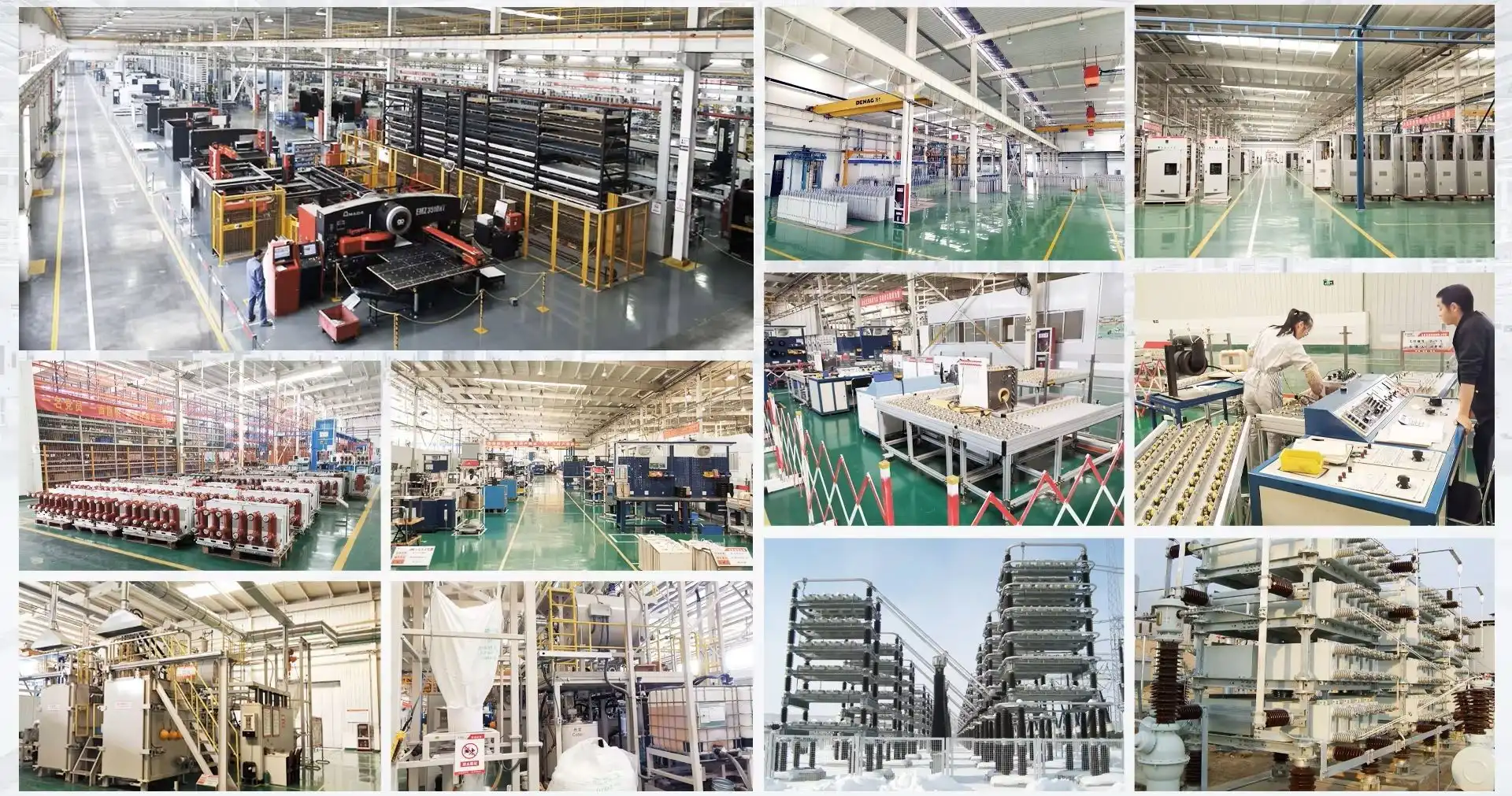
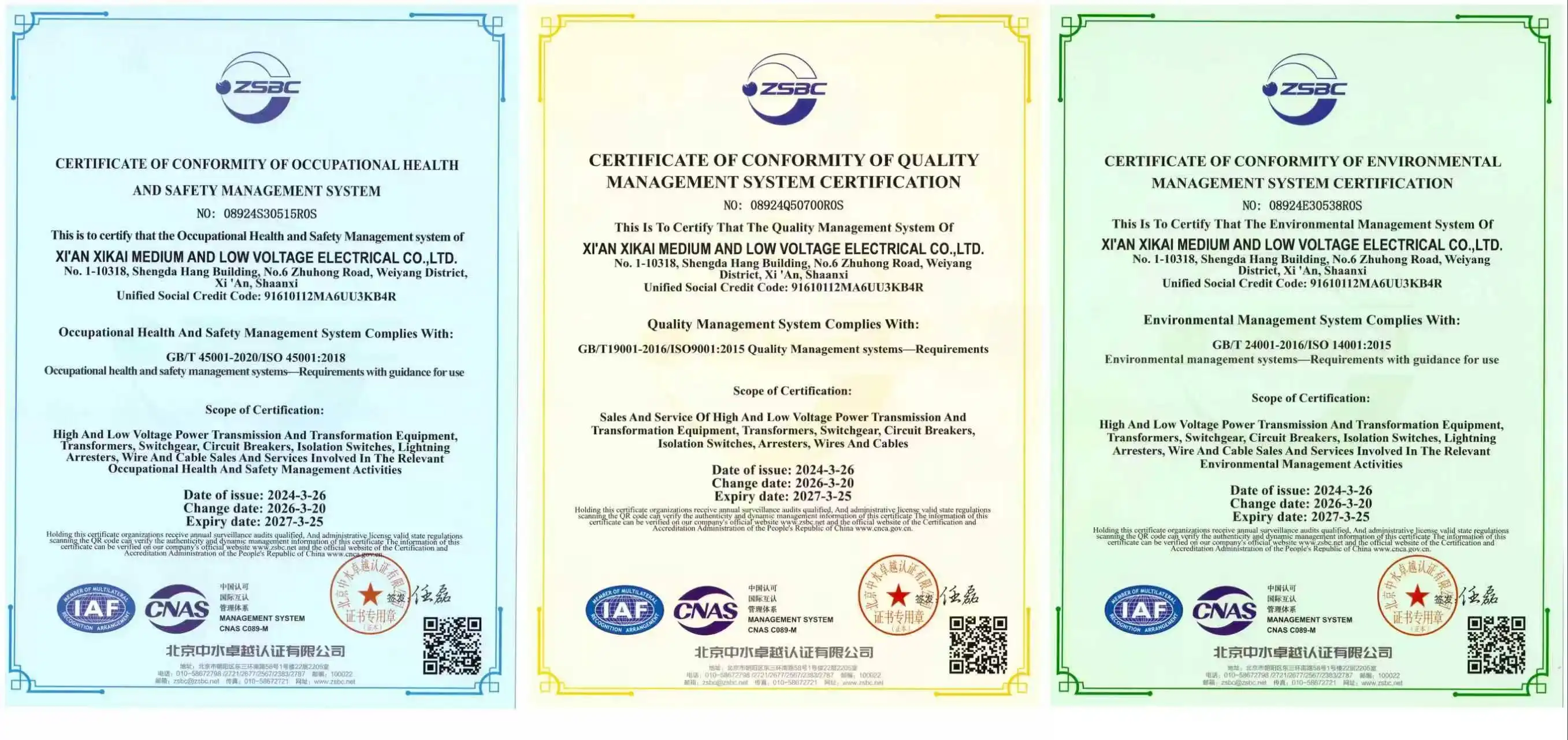
Manufacturers who have been around for a while can show that they have a good track record by showing installed base references, third-party test results, and compliance with ISO 9001 and ISO 14001. X-ray inspection of capacitor elements, regular partial discharge testing, and weather simulations, all used in the manufacturing process, prove that the product is reliable. Technical support is available in the form of application engineering help during design creation, installation control, and help with commissioning. Lifecycle risks are lower when there are after-sales service networks that offer extra parts, testing services, and emergency repair options. Most warranties cover defects in materials and workmanship for 2 to 5 years, but some makers offer longer warranties for important utility uses.
Understanding Pricing Dynamics
Prices for 110kV capacitive voltage transformers on the market range from $8,000 to $18,000 per unit, based on the level of accuracy, the load capacity, the seismic grade, and the licensing needs. When you buy more than 10 units, you can usually get 8–15% off. Lead times range from 12 to 20 weeks for normal configurations and from 24 to 32 weeks for unique specs that need engineering changes. Transportation costs, import taxes (if any), and fitting costs should all be included in the budget. When procurement workers compare quotes, they need to look at the total delivered cost instead of just the unit prices. This makes sure that the comparisons between sellers are fair.
Custom Order Considerations
Custom engineering may be needed if the voltage values are not standard, if accuracy standards are specific, or if the environmental conditions are unique. For locations above 1000 meters, where less dense air makes the dielectric strength weaker, altitude compensation systems change the amounts of insulation. To get better seismic scores that fit the reaction spectrum of a particular site, you need to show proof of structure analysis and shake table testing. Integrated tracking systems with fiber-optic temperature sensors, moisture detectors, or partial discharge sensors make it easier to figure out what's wrong, which helps condition-based maintenance programs. Custom projects need detailed specification papers, engineering review cycles, and factory acceptance tests before they can be shipped. This adds to the time it takes to buy things, but the end result is better answers for tough problems.
Negotiating Service Agreements
Full service contracts that include regular testing, calibration, and preventative maintenance make sure that the equipment works well for a long time and meets utility standards. Service level agreements that spell out how long it will take to answer questions about technical help and fix problems in a situation reduce the chance of downtime. Spare parts supply promises make sure that parts can be accessed for the 30–40 years that they are intended to be used. Training programs for people who work in building repair share information that lets them solve problems effectively in-house. When purchasing new equipment, procurement managers should discuss these terms, using promises to buy in bulk to get better terms that protect investments in assets over many years of use.
Conclusion
To choose the best voltage measurement option, you need to weigh the technical performance, lifecycle costs, and operating dependability. Capacitive voltage transformers have been shown to be accurate, durable, and cost-effective in transmission and distribution networks that serve businesses, industrial parks, and utilities. By understanding how things work, comparing different technologies, and using strict criteria for procurement, you can make smart choices that protect your investments in key infrastructure. As grid development speeds up and more green energy is added, it's more important than ever to buy equipment from makers with a lot of experience and full support. This guide gives procurement workers and engineering teams the tools they need to choose capacitive voltage transformers that meet the needs of today while also being able to adapt to the needs of future growth.
FAQ
1. Why Choose Capacitive Voltage Transformers Over Inductive Models?
When the transfer voltage is above 110kV, capacitive voltage transformers are cheaper, lighter, and take up less space. Because they are sealed, they can handle external pressures better, and their better transient response qualities make them a good fit for current digital protection relays. Capacitive voltage transformers predominate in higher voltage uses, but inductive types may be cheaper below 72.5kV or where wide frequency response is important.
2. What Maintenance Schedule Ensures Operational Safety?
Visual checks once a year and electrical testing every two years are enough to keep an eye on most systems. 18-month cycles can be used for critical energy uses. During testing, precision, capacitance, dielectric loss, and insulator resistance should all be checked. Thermographic scans done during times of high traffic can find problems with connections. Facilities should keep test records that show performance trends and point out areas of decline that need to be fixed.
3. Can We Order Customized CVTs for Specialized Applications?
Manufacturers with a good reputation can meet specific needs like custom voltage rates, improved seismic standards, built-in tracking systems, and special environmental needs. For custom jobs, you need to provide full specifications, have engineering reviews, and allow for longer wait times. Xi'an Xikai offers custom solutions with more than 40 patents in damping technology and insulation design. They provide equipment that meets the needs of each project while still meeting IEC and IEEE standards.
Partner with Xi'an Xikai for Reliable Capacitive Voltage Transformer Solutions
The Xi'an Xikai Medium & Low Voltage Electric Co., Ltd. makes high-performance capacitive voltage transformer types that are designed for tough transmission and distribution tasks all over the United States. Through improved dielectric materials and patented damping circuits, our 110kV units offer 0.1-class accuracy, 3PT1-level transient response, and a track record of durability in harsh settings. Our products are approved by IEC 61869, CE, and UL, and they are used by utilities, industrial sites, and EPC companies who need reliable voltage measurement options. You can email our technical team at serina@xaxd-electric.com, amber@xaxd-electric.com, or luna@xaxd-electric.com to talk about the details of your project and look into reasonable prices for partnerships with capacitive voltage transformer suppliers that offer quality, performance, and full support.
References
1. IEEE Standard C93.1-2017, IEEE Standard Requirements for Power-Line Carrier Coupling Capacitors and Coupling Capacitor Voltage Transformers (CCVT), Institute of Electrical and Electronics Engineers, 2017.
2. IEC 61869-5:2011, Instrument Transformers – Additional Requirements for Capacitor Voltage Transformers, International Electrotechnical Commission, 2011.
3. Bhalja, B., Maheshwari, R. P., and Chothani, N. G., Protection and Switchgear, Oxford University Press, 2nd Edition, 2017.
4. Harlow, J. H., Electric Power Transformer Engineering, CRC Press, 3rd Edition, 2012.
5. Das, J. C., Power System Protective Relaying: Design and Application, CRC Press, 2018.
6. CIGRE Working Group A2.37, Transformer Reliability Survey, International Council on Large Electric Systems Technical Brochure 642, December 2015.
_1774319435501.png)

