Voltage Transformer vs Capacitive Voltage Transformer: Key Differences
2026-06-09 15:52:17
When choosing testing tools for high-voltage systems, it's important to know the main differences between capacitive voltage transformers and traditional electromagnetic voltage transformers. Instead of magnetic induction, a capacitive voltage transformer uses capacitive voltage division. This makes it lighter, smaller, and better for sending voltages above 66kV. Electromagnetic versions use iron plates and windings, which makes them heavier and harder to install. These differences in architecture have a direct effect on accuracy, repair cycles, and the total cost of ownership. Before buying, industrial site managers, utility operators, and EPC contractors must carefully consider these factors.
Understanding Voltage Transformers: An Overview
Transformers that change dangerous high voltages into low-level signals that safety relays, meters, and tracking systems can safely understand are called voltage transformers. If you don't measure voltage correctly, substations can't find faults, billing isn't accurate, and machine safety systems don't work at the right levels.
Role of Voltage Transformers in Power Systems
High-voltage networks work at voltages between 33kV and 765kV, which are far too dangerous for direct connection to instruments. Voltage transformers lower these voltages to normal secondary values, which are usually 110V or 63.5V. This makes safe metering and safety possible. They keep the low-voltage circuitry separate from the main system. This stops catastrophic breakdowns that could harm sensitive gadgets or put people in danger. These devices are used by utilities to keep the grid stable, and industrial users use them to make sure the power quality for CNC machines, data servers, and medical imaging equipment that need to regulate voltage within very small ranges.
Primary Types of Voltage Transformers
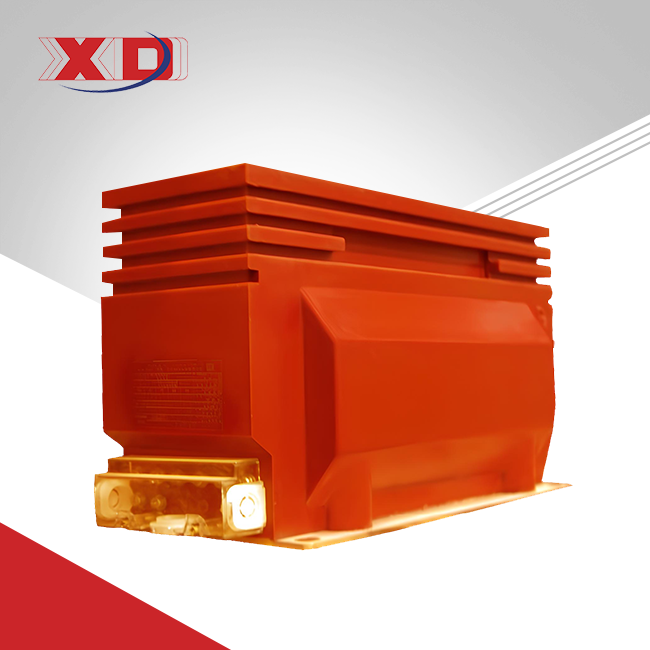
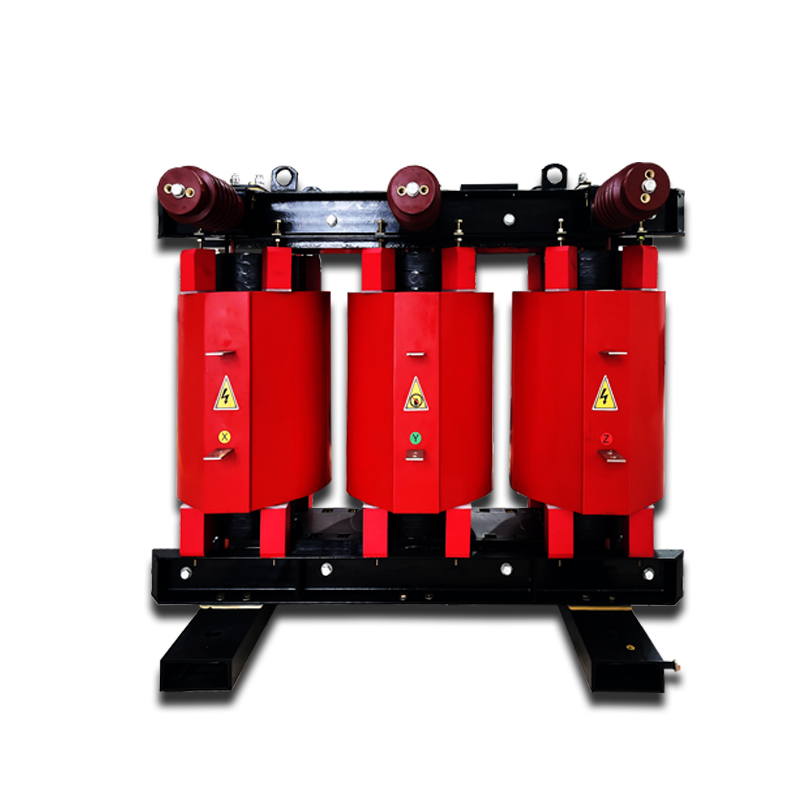
Potential transformers, which are another name for electromagnetic voltage transformers, use wound coils around a magnetic core. When the main voltage turns on the high-voltage winding, the magnetic flux causes the secondary winding to get a proportional voltage. This technology has been used consistently in the industry since the early 1900s, especially for 1kV to 72.5kV medium-voltage tasks.
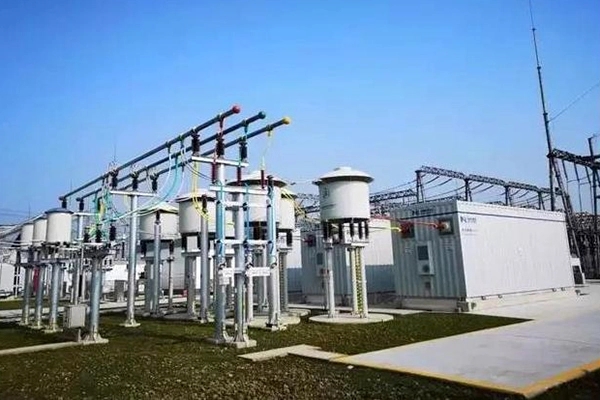
Capacitive voltage transformers split the voltage between a stack of capacitors that are linked in series. They then send a lower potential to a small electromagnetic unit. Extra-high-voltage systems mostly use this combination method because capacitor stacks are much lighter than iron cores. These include optical voltage transformers and resistor dividers, but they are still only used in a few situations because they are too expensive or not accurate enough. Knowing about these groups helps buying teams choose products that meet the voltage requirements and area limitations of the project.
Capacitive Voltage Transformer: Working Principle and Advantages
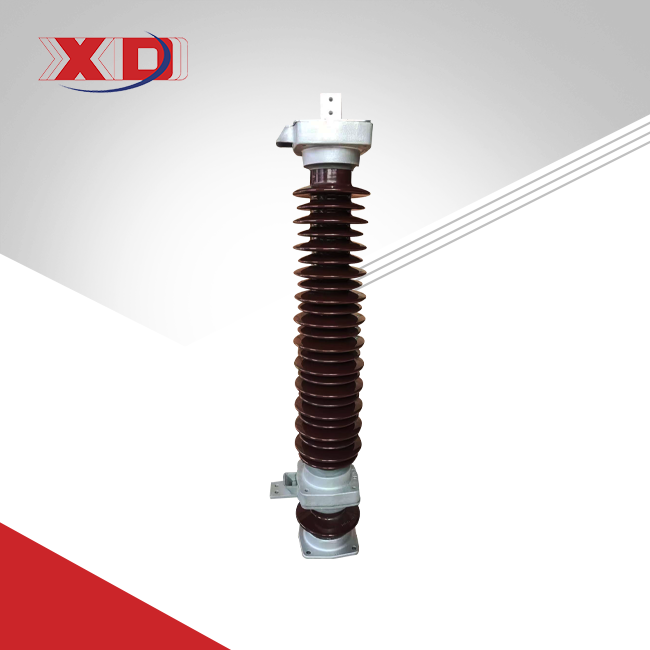
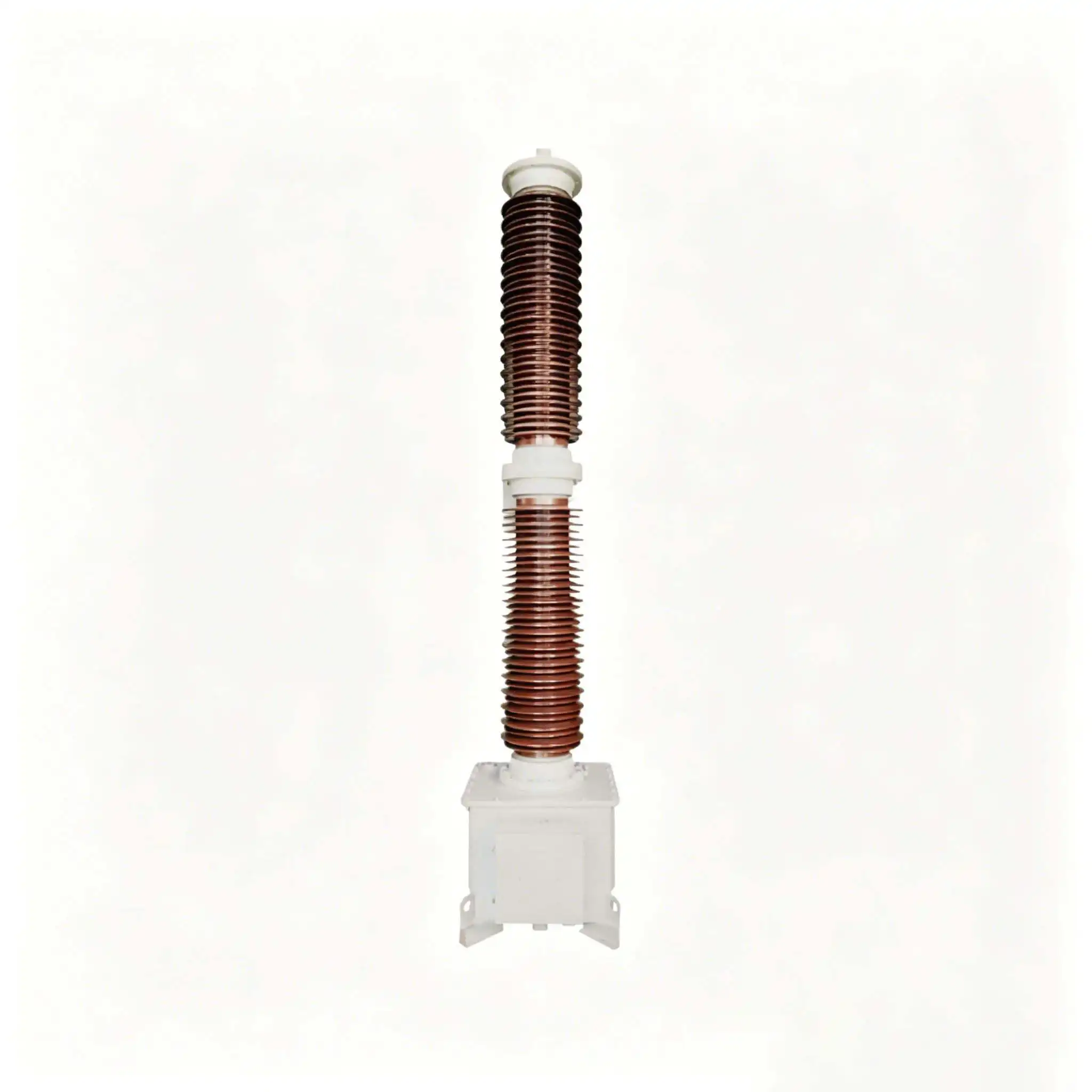
The main voltage is split by a capacitor divider network in a capacitive voltage transformer. Most of the system voltage is handled by the upper capacitor stack, which is usually made up of several porcelain-insulated units. The middle voltage tap is linked to a lower capacitor and a small step-down transformer. These components lower the signal even more until it is at a secondary level that can be used in instruments.
How Capacitive Voltage Division Works
Putting capacitors in series makes a voltage divider whose shape is controlled by the opposite ratio of their capacitances. If the low-voltage unit's capacitance is much higher than that of the high-voltage unit, most of the voltage will drop across it, leaving a potential that can be handled at the middle tap. The capacitive resistance causes phase angle mistakes, but a correction reactor fixes them so that the output voltage stays in phase with the primary. This circuit for damping also stops ferroresonance, which is a vibration that keeps going and can damage equipment during failures or switching operations. Modern versions use improved damping to get 3PT1-level transient reaction and keep leftover voltage below 2% even when the switch is working quickly.
Core Advantages for High-Voltage Networks
One of the best things about it is that it saves energy. Capacitive voltage transformers have dielectric losses that are less than 0.08% tanδ. This means that they waste less energy and heat than iron-core designs, which have hysteresis and eddy-current losses. It's easier to move and set up because it's lighter—sometimes only a third as heavy as a similar inductive transformer. This is especially true in rural substations where crane access is limited.
Resilience in the environment is also important. Units with anti-pollution coatings that meet IEC 60815 standards and creepage lengths greater than 25 mm per kilovolt work successfully in industrial zones with airborne contaminants or near the coast where salt spray is common. Because capacitors don't have moving parts or oil that breaks down over time, they don't need to be serviced every 15 years. Because of these features, capacitive voltage transformers are appealing to utilities that are in charge of thousands of substations in a wide range of regions and to industrial campuses that want to lower their operating costs.
Voltage Transformer vs Capacitive Voltage Transformer: Core Differences
To choose between electromagnetic and capacitive voltage transformers, you need to look at how they are built, how well they work, and what they need to be used for. There are pros and cons to each method that affect the initial investment, the long-term dependability, and the ability to work with current infrastructure.
Construction and Physical Characteristics
Electromagnetic voltage transformers have housings that are filled with oil or plastic and contain copper windings and silicon steel laminations. A 110kV inductive unit can be over 500 kg heavy and take up a lot of space on the floor. Capacitive designs use vertically stacked ceramic capacitors to replace a lot of that mass, which brings the weight down to about 200 kilograms. The small size is good for urban substations that don't have a lot of room or offshore bases where every square meter is valuable.
Insulation methods are very different. Coils in inductive transformers are either soaked in mineral oil or cast in epoxy resin. Different types of capacitors use dry air spaces, SF6 gas, or solid dielectrics inside the stack to split high-voltage and ground potentials. This difference in architecture affects how the devices fail: older inductive units are more likely to have oil leaks, while capacitor element short-circuits are the main danger for capacitive models.
Performance and Accuracy Metrics
Both systems can reach levels of accuracy between 0.1 and 0.2 that are good for revenue counting, but they act in different ways when conditions change quickly. Because magnetic saturation slows down voltage reproduction during rapid jumps, electromagnetic transformers have slower reaction times. With mistakes below 2%, capacitor units can track fast changes in voltage by using the capacitors' almost instantaneous charge-discharge cycles. This benefit is very important for quick-acting distance security systems that need to find faults within milliseconds.
Different types of load stress, or the impedance of linked meters and switches, have different effects on accuracy. Because their windings have low resistance, inductive transformers can handle heavier loads. To keep accuracy, capacitive systems need low-burden instrumentation. However, current digital switches usually have very little loading. Temperature factors change too, and the permittivity of a capacitor changes with the environment. This means that adjustment circuits are needed, which are not needed for inductive transformers.
Installation and Maintenance Demands
To install a 500-kilogram inductive transformer, you need strong supports and tools for moving. Because they are lighter, capacitive units can be installed on normal steel buildings faster. Less mass naturally makes something more resistant to earthquakes; when an earthquake happens, a smaller object is subject to less inertial forces, which makes it easier to meet the requirements for IEEE 693 seismic certification.
The science behind maintenance schedules are reflected in them. Inductive transformers need to have their oil checked, their bushings inspected, and their winding resistance checked on a regular basis. Every year, capacitor designs need to be checked visually for ceramic cracks and dielectric loss tangent readings need to be taken to find capacitors that are getting old. Not having to change the oil or analyze the dissolved gases cuts down on upkeep work, which is important for utilities that run thousands of substations with small expert teams.
How to Choose the Right Voltage Transformer for Your Needs
Decisions about what to buy depend on the voltage rating, the needs of the product, the surroundings, and the total cost of ownership. A thorough review process keeps projects from running into expensive problems when equipment capabilities don't match up with their needs.
Voltage Rating and Alignment with Application
In medium-voltage systems, which are usually between 1kV and 52kV, electromagnetic transformers are better because they are cheaper and lighter than other options. Inductive designs are more reliable and cost less per unit, which makes them a good choice for data centers, hospitals, and factories that use 13.8kV or 34.5kV power voltages.
Despite higher starting costs, capacitive voltage transformers are justified for transmission networks above 110kV. The lighter structure costs less, and the better transient reaction makes the security system work better. Capacitive technology is the best choice for measuring voltage changes quickly because wind farms and solar parks that send irregular power into the grid need to be able to do this.
Certification and Following the Rules
IEC 61869 replaced older standards like IEC 60044-2 and sets the rules for tests, accuracy classes, and insulation levels for global projects. In order to be safe, sites in North America must meet the standards of IEEE C93.1 and be certified by UL. To avoid expensive retesting during commissioning, EPC companies that are building substations for more than one state should make sure that the suppliers they are considering have certificates from recognized labs like KEMA, CESI, or CPRI.
The environmental scores are just as important. For units going to desert regions, the temperature rating needs to go up to +55°C. On the other hand, units going to high-altitude places above 1,000 meters need to be derated or have their insulation improved to account for the lower air density. Coastal sites benefit from designs that are resistant to pollution, have long creepage distances, and have slippery coats that get rid of salt buildup.
Evaluating Supplier Reliability
Well-known companies like Siemens, ABB, and Schneider Electric have track records that you can rely on, but local sellers often offer better prices and faster delivery. Purchasing less risky is easier when you look at a vendor's quality management system, which includes ISO 9001 approval, in-house testing facilities, and field failure rates. Long-term success depends on how well technical support is provided. Suppliers that offer on-site commissioning help, extra parts stockpiles, and a hotline that is open 24/7 cut down on downtime during situations.
Since recent world problems, supply chain openness has become more important. Knowing about wait times, methods for finding parts, and inventory gaps can help make sure that delivery of tools fits in with building plans. To make sure projects stay on schedule, contracts should include performance promises, warranties that last at least two years, and fines for late deliveries.
Procurement Guide: Buying Capacitive Voltage Transformers
Finding high-voltage measuring tools means figuring out technical specs, negotiating prices, and making sure that everything is delivered on time. Structured buying methods lead to better results and lower overall project costs.
Identifying Qualified Suppliers
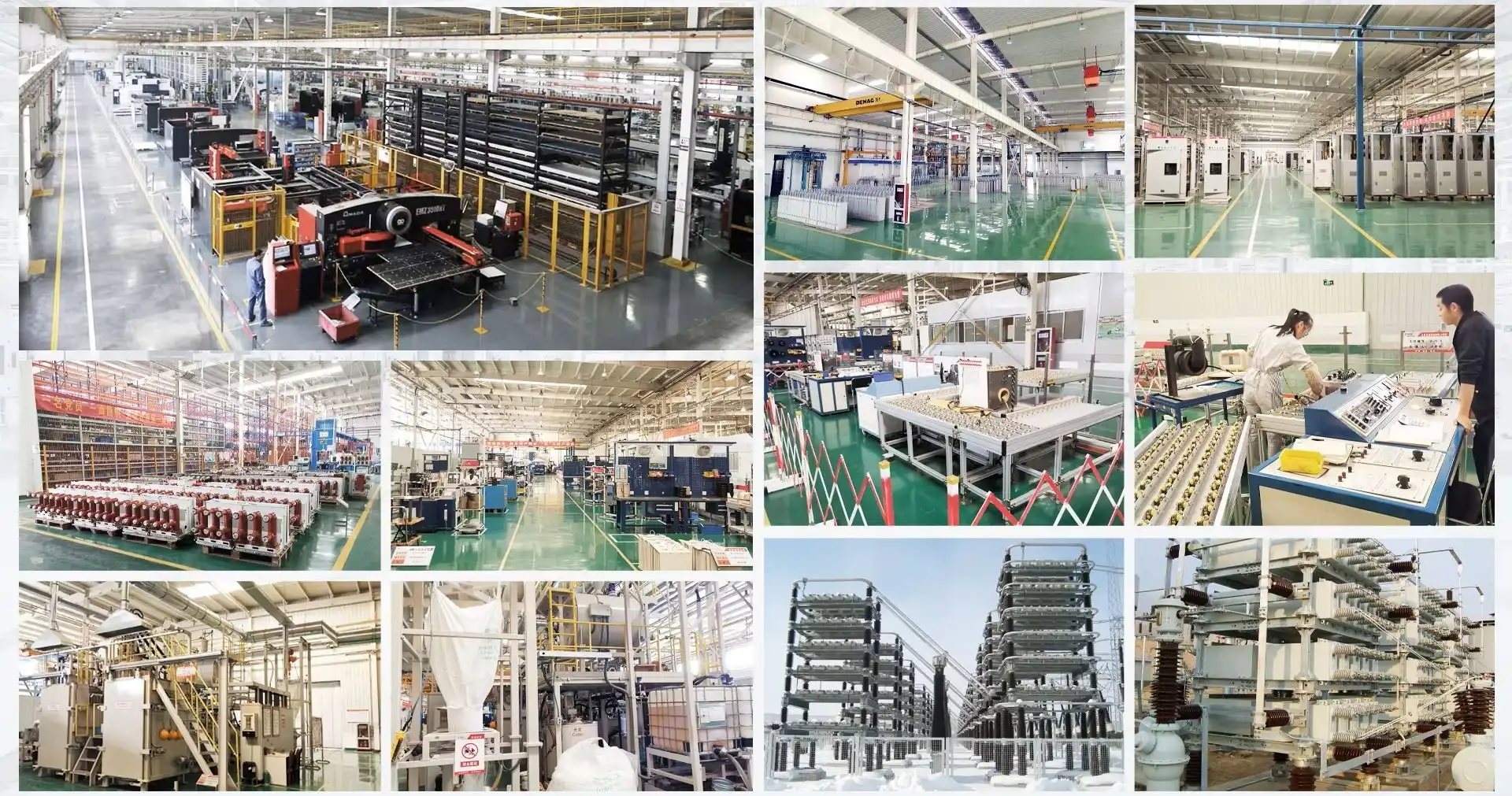
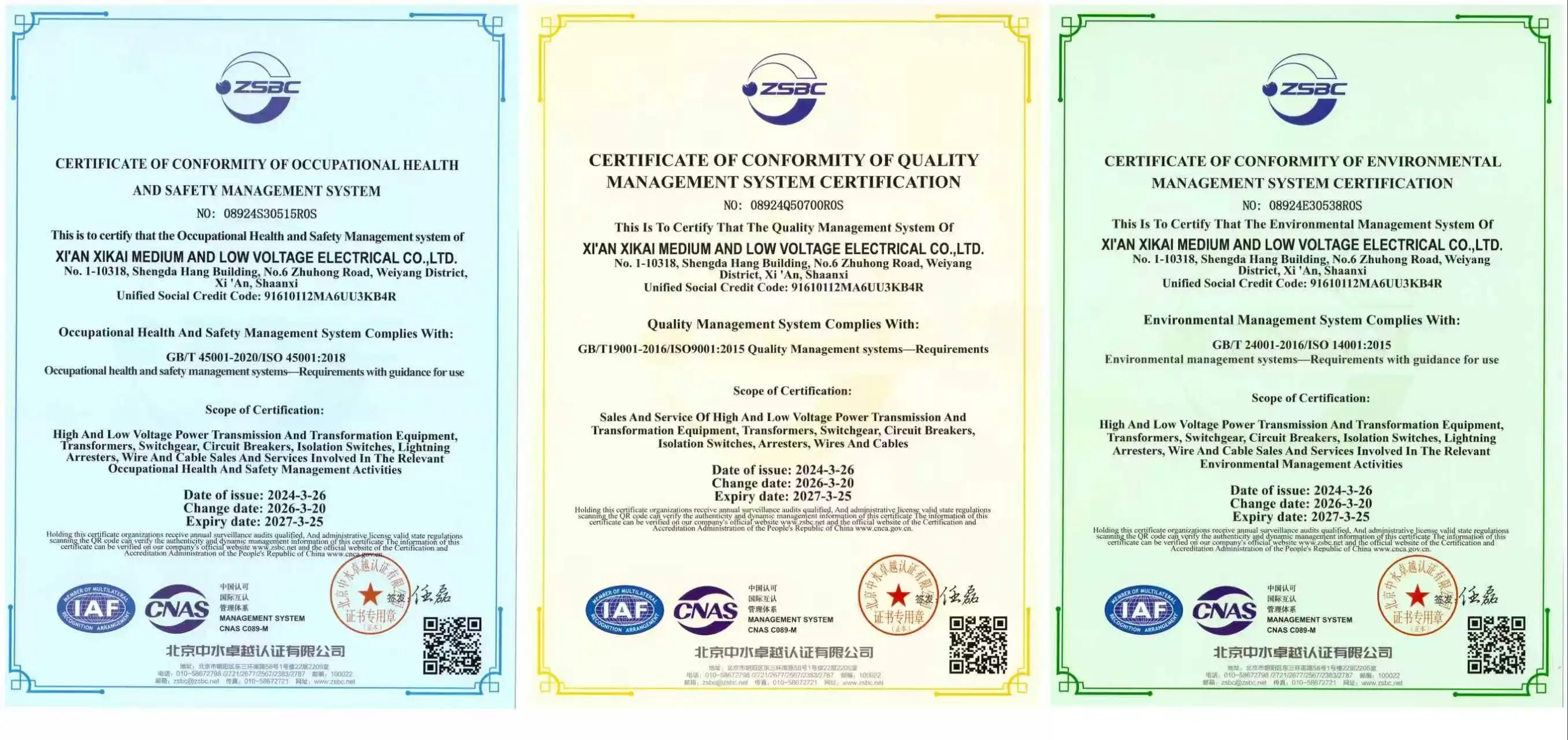
Online business-to-business (B2B) sites give you a list of potential vendors, but you need to do more research to confirm their qualifications. Asking for factory audit reports, customer references from similar projects, and sample test certificates shows that the provider is qualified. Chinese companies like Xi'an Xikai Medium & Low Voltage Electric Co., Ltd. offer low prices, quality systems that are ISO-certified, and more than 40 patents in CVT damping and insulation technology. Their goods are used by State Grid installations and foreign utilities in Asia, Europe, and Africa, showing that they can do things on a large scale.
Regional wholesalers make transportation easier by keeping local stock and taking care of the paperwork for imports. They also offer engineering support before the sale, which helps choose the right accuracy class, burden rate, and environmental choices. Having ties with more than one seller makes bidding more competitive and gives you backup sources in case your main provider has production delays.
Pricing and Lead Time Management
The price of a capacitive voltage transformer depends on the voltage class, the level of accuracy needed, and the number of units ordered. A 110kV unit with 0.1-class accuracy usually costs 30 to 50 percent more than a similar electromagnetic transformer. However, the extra cost is balanced by the fact that it requires less upkeep and lasts longer, often more than 30 years. For projects with more than one substation, placing a bulk order can open volume savings, and framework agreements that commit to a certain amount every year can keep prices stable across procurement cycles.
Based on how complicated the design is, lead times run from eight to sixteen weeks. Standard stock items ship more quickly, but units that need special earthquake ratings, non-standard secondary voltages, or custom mounting setups take longer to make. By stating the delivery terms (ex-works, CIF, or DDP), you make it clear who is responsible for the freight, insurance, and customs processing, which keeps you from being hit with expensive shocks.
After-Sales Support and Warranty Considerations
Common mistakes, like wrong phasing or not enough grounding, can be avoided by having technical help during installation and testing. There is a measured value added by suppliers who give field service engineers, thorough installation manuals, and training for support staff. The warranty should last at least 24 months after the machine is put into use, and it should have clear rules about how to report problems, when new parts will be available, and how to fix the machine on-site.
Long-term relationships are better than one-time deals because they last longer. If a supplier keeps records on past projects, they can speed up new orders years later when growth needs similar equipment. Preventive maintenance contracts that include regular testing and performance trends help utilities find old parts before they break, which increases the uptime of important substations.
Conclusion
To choose between electromagnetic and capacitive voltage transformers, you need to carefully look at the voltage levels, the needs of the application, the surroundings, and the total costs over the life of the transformer. Capacitive designs work best in transmission-voltage situations where they can save weight, respond quickly to changes in voltage, and be resilient to harsh environments, which makes up for their higher starting cost. For medium-voltage distribution systems that don't need to meet strict performance standards, electromagnetic transformers are still a good value. To be successful at procurement, you need to choose suppliers with quality systems that have been tested, full certifications, and strong expert help that lasts for the entire 10- to 20-year life of the equipment.
FAQ
1. What accuracy class should I specify for revenue metering applications?
For revenue metering to meet legal standards for billing accuracy, it usually needs to be at least 0.2 classes accurate. Most of the time, 0.5-class or 1.0-class accuracy is fine for protection purposes because relay operations can handle larger voltage measurement errors. Setting a higher level of accuracy than is needed raises costs without making the system run faster, so matching the class to the application is the best way to get the most value.
2. How do maintenance requirements differ between electromagnetic and capacitive designs?
Every two to three years, electromagnetic transformers need to have oil samples taken to look for signs of moisture getting in or shielding wearing down. Capacitive voltage transformers don't need oil care, but they do need to be tested for dielectric loss tangent on a regular basis to see how healthy the capacitor elements are. Over the course of 20 years, the total cost of upkeep, labor, and materials is usually 40 to 60 percent less for sensitive designs.
3. Can capacitive voltage transformers operate reliably in polluted industrial environments?
Modern capacitive units with silicone rubber coatings that meet IEC 60815 standards and creepage lengths greater than 25 mm per kilovolt work consistently in deserts, heavy industrial areas, and seaside areas. Cleaning porcelain surfaces every six months keeps the insulation in place even in the dirtiest places, stopping flashovers that could mess up measurements or cause power outages.
Partner with Xi'an Xikai for Reliable Capacitive Voltage Transformer Supply
The 110kV capacitive voltage transformers made by Xi'an Xikai Medium & Low Voltage Electric Co., Ltd. are precisely designed to meet IEC 61869 and IEEE standards. The company has more than 40 patents and has been making high-quality products for 30 years. Our CVTs have a transient reaction at the 3PT1 level and a residual voltage of less than 2%. This means they can work with fast safety switches in tough utility and industrial settings. For both single-unit orders and projects that span multiple sites, procurement teams can get full technical help, faster wait times, and reasonable prices. Get in touch with our engineering experts at serina@xaxd-electric.com, amber@xaxd-electric.com, or luna@xaxd-electric.com to talk about your needs and get personalized advice from a reputable capacitive voltage transformer maker that works with power systems around the world.
References
1. International Electrotechnical Commission (2023), Instrument Transformers – Part 5: Additional Requirements for Capacitor Voltage Transformers, IEC 61869-5 Edition 2.0.
2. IEEE Power and Energy Society (2022), IEEE Standard Requirements for Instrument Transformers, IEEE Std C57.13-2016 (Revision of IEEE Std C57.13-2008).
3. Zhang, W., Liu, H., & Chen, X. (2021), Transient Response Analysis of Capacitive Voltage Transformers in Smart Grid Applications, IEEE Transactions on Power Delivery, 36(4), 2145-2153.
4. Schneider Electric (2020), Guide to Voltage Transformer Selection for Substation Applications, Technical Publication TP-6842.
5. ABB Grid Systems (2019), Capacitive Voltage Transformers: Design, Testing, and Applications in Transmission Networks, ABB Technical Paper 1VAL107103-TB.
6. Siemens Energy (2021), Best Practices for Procurement and Installation of High-Voltage Instrument Transformers, Siemens White Paper Series, Document ID: SEPS-2021-047.