Capacitive Voltage Transformer (CVT): Working and Applications
2026-06-09 15:52:22
When you're in charge of high-voltage electricity equipment, you have to be able to accurately measure voltage. A capacitive voltage transformer is a precise tool that utilities, factories, and grid workers use to keep an eye on transmission systems safely while keeping operations running. This technology is different from standard electromagnetic instrument transformers because it uses capacitive voltage division and electromagnetic coupling to lower voltages from transmission levels to ranges that can be measured and used for safety and metering equipment. This method is very reliable in substations and industrial buildings where the quality of the power has a direct effect on uptime and profits.
What is a Capacitive Voltage Transformer and How Does It Work?
Core Design Principles
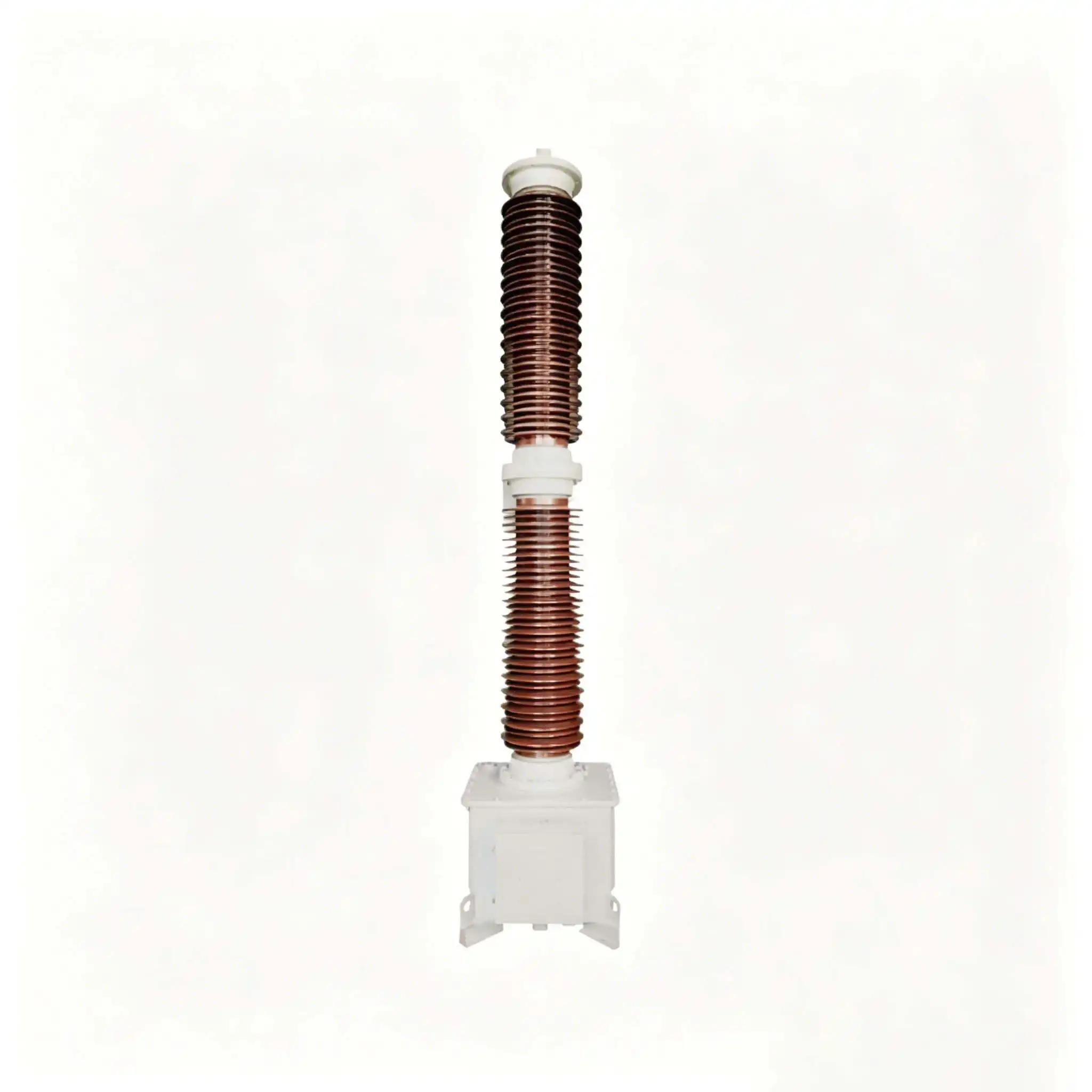
There are three main parts that make up a capacitive voltage transformer. They are a compensation reactor, an intermediate electromagnetic transformer, and a capacitive voltage divider. Through a stack of low-loss capacitor elements inside a protective shell, the capacitive divider lowers high voltage. Then, this middle voltage goes into an electromagnetic unit that steps it down and makes normal secondary outputs, which are usually 110V or 120V for metering circuits and safety switches. By fixing the capacitive phase shift, the adjusting reactor makes sure that the phase is accurate. In IEC 61869-certified units, measurement errors are less than 0.2%.
Operational Mechanism
The top end of the capacitor stack is connected to the main voltage from the transmission lines while the system is running. The voltage divider's tap point takes out a proportional middle voltage, which is generally between 10kV and 30kV. The electromagnetic transformer then lowers this voltage even more to secondary levels. Advanced grounding circuits built into the design stop ferroresonance and transient overvoltages, which are very important for keeping sensitive digital switches safe. This damping mechanism works best in Xi'an Xikai's 110kV models. It gets 3PT1-level transient response with residual voltage below 2%. This makes it compatible with new smart-grid safety systems that use microprocessors.
Material and Construction Standards
Reliability over time depends on how well something was made. High-quality ceramic or silicone rubber housings are strong and don't pollute, which is especially important in industrial or seaside areas. The dielectrics inside the capacitive voltage transformer capacitor elements are made of polypropylene film or coated paper, and the dielectric losses are less than 0.08% tanδ. Grain-oriented silicon steel cores are used in the electromagnetic area to keep core losses to a minimum. Hermetically sealed connections keep moisture out, which breaks down insulation over time.
Applications and Advantages of Capacitive Voltage Transformers
Before looking into specific use cases, knowing where these devices really shine helps buying teams match up technology specs with operational needs. Modern power systems need technology that is accurate, long-lasting, and cost-effective in a variety of working situations.
Voltage Measurement in Transmission Systems
These transformers are used by utilities that run networks from 69kV to 765kV to measure income and keep an eye on the system. Their 0.1-accuracy class outputs meet the standards for billing precision and can handle constant thermal cycles and overvoltages in the air. This metering feature is used by data centers and hospitals with on-site substations to find power quality problems like voltage sags, harmonics, or phase mismatches that could damage important equipment.
Protection System Integration
Voltage sources that respond correctly during fault situations are needed for fast-acting protective switches. The 110kV models from Xi'an Xikai have an improved damping design that makes sure the transient response meets standards for utility-grade security. When there are short circuits, the device provides stable secondary voltage within 20 milliseconds. This lets distance relays and differential safety systems work properly. This performance is very important in factories where unplanned downtime costs a lot of money in lost production every minute.
Power Line Carrier Communication
Power line carrier systems are used by many companies to add communication signals to transmission lines. This technology works with capacitive voltage transformers that have line traps and coupling capacitors because they stop power frequency currents while offering high-frequency signal paths. This dual usefulness cuts down on the size and cost of substation equipment compared to having two separate coupling capacitor voltage transformers.
The use of these applications shows why smart buyers look for gadgets that last a long time and don't need much upkeep. Xi'an Xikai's products have pollution-resistant insulators with creepage distances greater than 25mm/kV, which means cleaning is much less often in dirty settings. When you combine low dielectric loss with strong construction, the total cost of ownership goes down by about 30% over a normal 30-year operating life.
Comparing Capacitive Voltage Transformers with Other Measurement Solutions
Electromagnetic Voltage Transformers
Because they are simple and accurate, traditional inductive voltage transformers are used for medium-voltage tasks below 52kV. Above 110kV, though, their iron bodies get too big and expensive to use. In addition to oil insulation and frequent dissolved gas analysis, electromagnetic units have their upkeep costs raised. On the other hand, capacitive voltage transformer designs don't use oil, so they are better for the environment and still work as accurately thanks to better electronics.
Inductive vs. Capacitive Trade-offs
Inductive transformers have better transient response in their basic design, but they can't be used cheaply at very high voltages. A 500kV inductive unit could weigh 4,000 kg, while a capacitive unit of the same size might only weigh 1,200 kg. This difference in weight affects the size of the base needed and the cost of seismic bracing, which are things that EPC firms think about when they build substations in areas that are prone to earthquakes. The 110kV capacitive voltage transformer from Xi'an Xikai meets the requirements of IEEE 693 for seismic safety, so it can be installed in places where structures need to be more resistant to damage.
Optical Voltage Transducers
New optical technologies use interferometry or the Pockels effect to find voltage without electromagnetic interaction. These devices claim to be smaller and not affected by electromagnetic interference. Capacitive options, on the other hand, are better for projects that want to be sure they will work, even though they cost more at first and have less experience in the field. Optical sensors also need special calibration tools that aren't always easy to find, which makes upkeep harder in remote areas.
Accuracy and Reliability Metrics
When procurement workers compare different technologies, they should look at how well each one meets accuracy class requirements across a range of working temperatures. The 110kV models from Xi'an Xikai keep their 0.1-class measuring accuracy from -40°C to +55°C, which is better than many competitors whose specs drop below standard conditions. When partial discharge levels are less than 5pC, it means that the insulation is more stable, which means that the device will last longer between refurbishments than devices that showed higher discharge activity during factory testing.
How to Choose the Right Capacitive Voltage Transformer for Your Needs
Voltage Rating and System Configuration
The most important decision factor is matching the maximum voltage to the system nominal voltage. Utilities that run 115kV networks should ask for 110kV-rated units to make sure they have enough shielding. Xi'an Xikai's design has an insulation strength of more than 110kV, which offers safety factors for temporary overvoltages that can happen during switching operations or lightning hits. In transmission uses, single-phase units are most common. However, three-phase designs are used in compact substations for specific tasks.
Accuracy Class Requirements
To meet government guidelines, metering circuits that support revenue billing need to be accurate to 0.2 classes or better. Protection applications can use 0.5-class devices, which saves money in situations where speed of fault discovery is more important than measurement accuracy. Buyers should make sure that the accuracy they are promised works across the full load range, from 25VA to 200VA, since some makers only guarantee performance at minimum load.
Environmental Compatibility
Insulation coordination changes with elevation. When placed above 1,000 meters, equipment needs to be derated or insulated better. The plateau-rated models from Xi'an Xikai work steadily up to 4,000 meters, meeting the needs of utilities in hilly areas. Anti-pollution coatings that meet IEC 60815 severity level IV are good for coastal sites because they stop flashovers that are caused by salt buildup. Extreme temperatures can also affect the choice of material. For example, in places where it freezes and thaws a lot, silicone rubber housings work better than porcelain.
Supplier Evaluation Criteria
Aside from technical requirements, the success of buying also depends on the skills of the suppliers. For at least five years, the warranty should cover problems with the way the product was made, and there should be a way to test for partial discharge before shipping. Support networks after the sale are helpful for fixing problems with installation or finding new parts. Xi'an Xikai has service relationships around the world and offers technical support 24 hours a day, seven days a week. This lowers the risk of downtime for foreign projects. Certifications like IEC 61869, CE, UL, and GB/T show that a product meets the needs of different markets, which makes the approval process easier in many places.
Prices are different depending on how much tailoring is needed. Engineered-to-order solutions with special secondary windings or seismic improvements cost more and take longer to ship than standard store items. Lead times of 8 to 16 weeks mean that you need to plan ahead, especially for projects that have set dates for when they will be finished. Using regional stores or combining packages is one way that logistics optimization can help keep freight costs for heavy equipment low.
Maintenance Tips and Best Practices for Long-Term Reliability
Structured repair routines help equipment last longer and keep it from breaking down when it's least expected, which can stop operations. Facility teams can successfully organize inspection tasks when they know how common types of damage happen.
Routine Inspection Procedures
Every three months, the insulator surfaces of capacitive voltage transformers should be visually checked for cracks, darkening, or contamination growth. Thermographic scans find hotspots that show weak links or internal flaws before they cause a major failure. Ratio accuracy and phase angle are checked once a year to make sure they stay within the acceptable ranges. Deviations indicate that the capacitor element is breaking down or the tuning reactor is drifting. To set standards for trend analysis, Xi'an Xikai suggests writing down baseline data during commissioning.
Diagnostic Testing Protocols
Monitoring for partial flow can find insulation degradation years before it breaks down. By looking at the trend of discharge magnitude and pulse patterns, it's easier to plan refurbishment for planned breaks instead of emergency fixes. Capacitance and dissipation factor readings tell you how healthy a dielectric is; rising tanδ numbers show that water or chemicals are getting into the dielectric. Standard ratio tests can't see mechanical deformation or coil flaws that can be seen with sweep frequency response analysis.
Troubleshooting Common Issues
Unstable changes in the secondary voltage are a sign of ferroresonance. These changes usually happen when lightly loaded transformers are disconnected. This doesn't happen with the right-sized damper resistors; Xi'an Xikai's factory-installed damping circuits get rid of the need for field correction. Insulation problems usually start where there is a lot of stress, like near terminals or grade rings. To stop this from happening, make sure there are enough space between the conductors and don't overload the system beyond its rated capacity. This can cause heat stress, which speeds up the aging of the dielectric.
Extending Operational Life
Environmental factors have a big effect on service life. Putting hydrophobic coats on insulators lowers the need to clean them and the risk of flashover in dirty settings. Putting in surge arresters lowers the risk of overvoltage when lightning strikes. Putting in sound dampers in substations that are close to heavy machinery or traffic stops stops strain damage. Customers of Xi'an Xikai can get service lives of more than 35 years with little to no maintenance thanks to these proactive steps.
Conclusion
When choosing and keeping capacitive voltage transformers, you have to weigh the technical performance against the total cost of ownership. Modern designs with improved damping, pollution-resistant insulators, and low-loss dielectrics provide the accuracy and dependability needed for industrial downtime and grid stability. The 110kV models from Xi'an Xikai are a good example of this way of engineering because they use patented damping technology and strict quality control that is proven by extensive factory testing. Understanding operating principles, application standards, and best practices for maintenance gives procurement teams the power to choose infrastructure solutions that meet their needs and avoid mistakes that cost a lot of money and hurt performance in the long run.
FAQ
1. What is the typical lifespan of a capacitive voltage transformer?
When properly kept, good units work consistently for 30 to 40 years. Service life is affected by things like pollution, high temperatures, and being exposed to too much electricity, as well as how well the equipment is maintained. When devices are put in clean indoor substations, they last longer than when they are put in seaside or industrial areas. Regular tests and fixes done on time greatly increase the time that something works.
2. Can capacitive voltage transformers integrate with renewable energy systems?
For accurate inverter control and utility interface compliance, modern wind farms and solar farms that are linked to the grid need to measure voltage accurately. These transformers work well with green energy sources because they can handle the voltage changes and harmonic distortion that come with inverter-based power. Their quick transient response helps security schemes keep things safe from islanding and grid disruption.
3. How do environmental conditions affect performance specifications?
Extreme temperatures change the way dielectrics work and how far apart they are. If moisture gets into protected spaces, humidity speeds up the breakdown of insulation. Pollution layers make electrical paths that lead to flashovers. Xi'an Xikai's environmental testing, which includes thermal cycle, salt fog exposure, and vibration qualification, makes sure that the product works as expected in the conditions it's rated for, so installs in harsh regions can be done with trust.
Partner with Xi'an Xikai for Superior Voltage Measurement Solutions
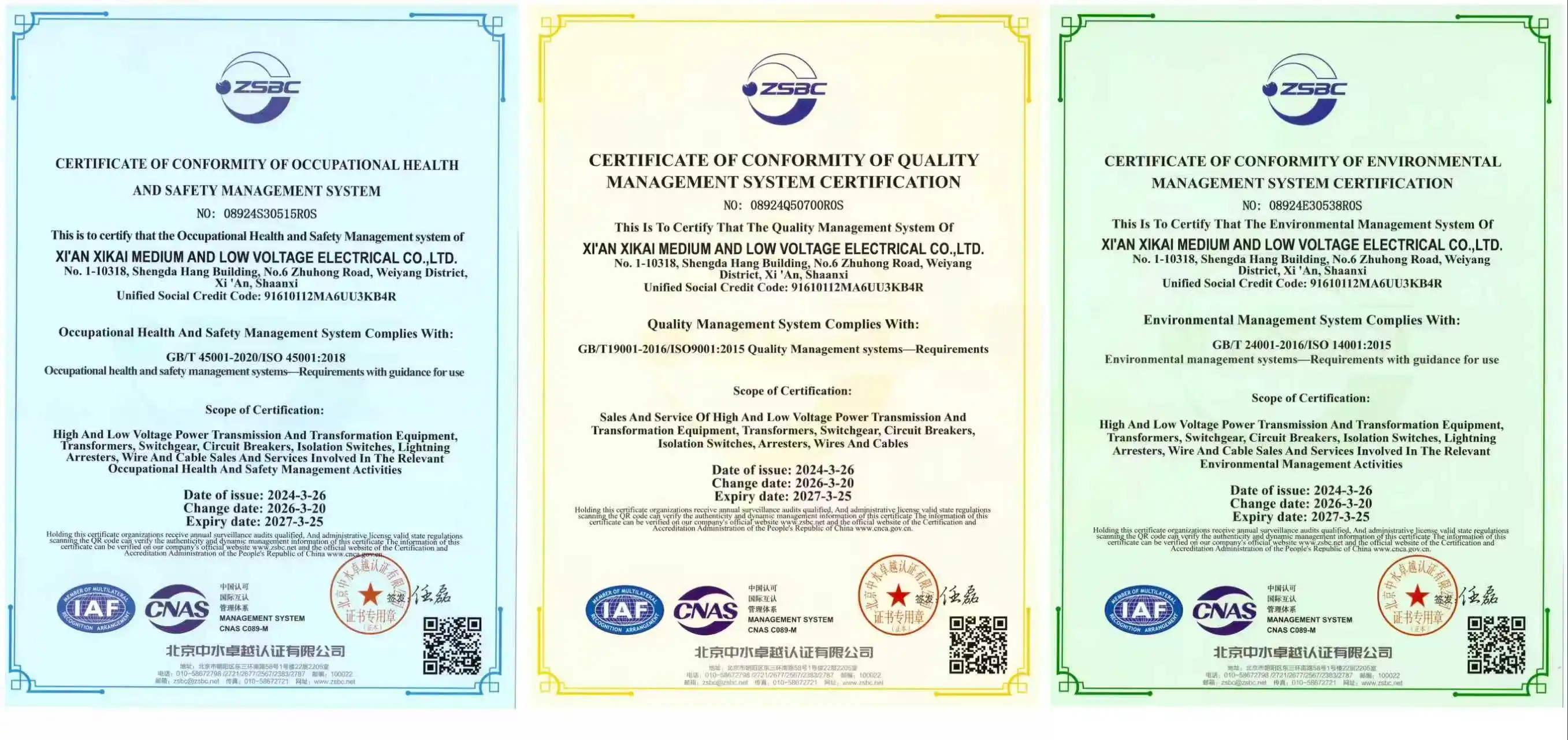
With their tried-and-true capacitive voltage transformer technology, Xi'an Xikai Medium & Low Voltage Electric Co., Ltd. is ready to help you with your high-voltage infrastructure projects. The 110kV models we offer have 3PT1-level transient response, pollution-resistant construction, and 0.1-class accuracy. They are backed by ISO 9001 certification and more than 40 patents for new ideas in insulation and damping. We work with State Grid systems, petrochemical complexes, rail transportation, and green energy projects all over the world because we are one of China's top places to make electrical equipment. Get in touch with our expert team at serina@xaxd-electric.com, amber@xaxd-electric.com, or luna@xaxd-electric.com to talk about your needs with capacitive voltage transformer suppliers who have experience and know what mission-critical power systems need.
References
1. International Electrotechnical Commission, "IEC 61869-5: Instrument Transformers – Part 5: Additional Requirements for Capacitor Voltage Transformers," Geneva: IEC Publications, 2021.
2. IEEE Power and Energy Society, "IEEE C93.1 Standard Requirements for Power-Line Carrier Coupling Capacitors and Coupling Capacitor Voltage Transformers," New York: Institute of Electrical and Electronics Engineers, 2020.
3. Schwarz, R. and Muhr, M., "Modern Techniques for Condition Assessment of Capacitor Voltage Transformers," Proceedings of the International Conference on High Voltage Engineering and Application, Berlin, 2019.
4. Liu, J., Zhang, Y., and Chen, W., "Transient Response Characteristics and Damping Optimization of Capacitive Voltage Transformers in Smart Grids," Electric Power Systems Research Journal, Vol. 195, 2021.
5. National Electric Power Equipment Standardization Committee, "GB/T 4703-2017 Capacitor Voltage Transformers," Beijing: Standards Press of China, 2017.
6. Anderson, P. M. and Henville, C., "Power System Protection and Voltage Measurement: Practical Applications of Instrument Transformers," New Jersey: Wiley-IEEE Press, 2018.