YH10W-216/562W Lightning Arrester Polymeric MOA for AC system
What are Indoor Potential Transformers: Everything You Need to Know
2026-06-09 15:52:20
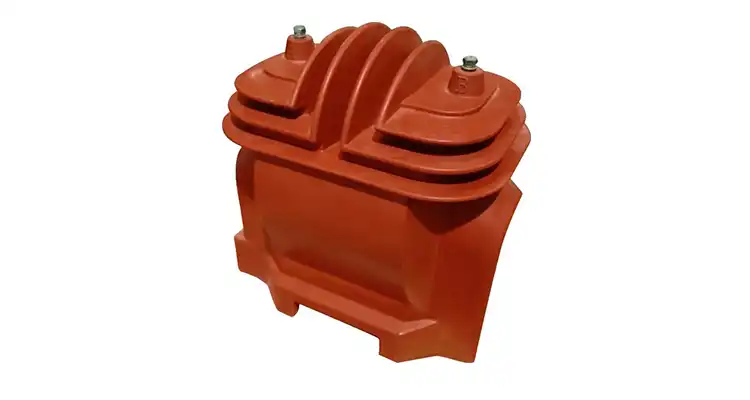
Indoor Potential transformers are accurate measuring tools that safely lower high-voltage levels to standard secondary outputs. This lets electrical distribution systems be accurately monitored and protected. In enclosed spaces like substations and switchgear rooms, these devices change main voltages (which can be medium to high) into numbers that are easier to handle, usually around 110V or 120V for metering equipment and safety switches. Their epoxy resin covering keeps them safe from the environment while keeping the accuracy of the measurements that are needed for tracking power quality, billing energy use, and keeping systems safe in business complexes, utility networks, and industrial facilities.
 |
 |
Introduction
To manage electricity systems, you need to be able to measure voltage accurately at every connection point. By precisely lowering high voltages to levels that measuring tools and safety gear can safely handle, Indoor Potential transformers are crucial components of modern power systems. Understanding these devices is important for procurement managers who are in charge of data centers, electrical engineers who are planning the layout of substations, and EPC firms that are building power distribution networks because they affect operational uptime, measurement accuracy, and the general stability of the system.
This article talks about the basic scientific information, possible uses, and buying options for voltage measurement instruments. We'll look at how these transformers work in electrical systems, compare them to other technologies, and give you useful information about how to put them in and keep them in good shape. This complete summary will help you make smart choices that improve power quality and safeguard important equipment, whether you're updating old infrastructure or putting in place smart grid solutions.
Understanding Indoor Potential Transformers
Core Function and Operating Principle
An Indoor Potential transformer works with electromagnetic induction. It has a main winding that is tied to the high-voltage circuit and a secondary winding that sends out a voltage that is proportionally lower. The device keeps a set change ratio, like 24,000V to 480V, so measuring tools can check the system voltage without being directly exposed to dangerous voltages. In addition to accurately showing the voltage, this separation keeps people and equipment safe.
High-grade silicon steel cores and precision-wound copper coils are usually used in the building. Epoxy resin coating makes a completely sealed structure that keeps out moisture and stops partial discharge, which guarantees stable measurements over time. When electricity runs through the primary winding, it creates magnetic flux in the core. This flux causes the secondary winding to have a voltage that is related to the number of turns.
Technical Parameters That Matter
Several standards describe how well a transformer works and what kinds of uses it can handle. The accuracy class tells you how accurate the measurement is. For example, Class 0.2 and 0.5 units keep ratio mistakes within 0.2% and 0.5% of what they should be under certain situations. In utility and industrial settings, this measure has a direct effect on the accuracy of revenue meters and the response time of safety systems.
Burden capacity of Indoor Potential Transformers, which is given in volt-amperes (VA), is the biggest load that the secondary wire can handle while still meeting accuracy standards. Ratings like 30VA, 80VA, and 200VA are common. Higher numbers can handle more than one connected instrument. Insulation level, which can be given in three numbers like 17.5, 55, and 105kV, tells us how well the device can handle power frequency voltage, lightning impulses, and switching surge pressures.
Operating frequency compatibility (50 Hz or 60 Hz) makes sure that different power sources work properly. Environmental compatibility is based on temperature range standards, which are usually between -25°C and +55°C. Standards like IEC 61869-1/2, IEEE C57.13, and GB 20840.2-2014 make sure that products can work with each other and are safe in foreign markets.
Types and Design Variations
Based on building and application needs, Indoor Potential transformers are available in a variety of designs. Traditional wound coils and iron cores are used in electromagnetic types, which have been shown to be reliable and accurate in a wide range of measuring and security tasks. For very high voltage uses, capacitor voltage transformers use capacitor dividers, but they are still not very popular for indoor installations.
In three-phase systems, single-phase units measure the voltage from the line to ground, while three-phase kits measure the whole voltage in small housings. Pole-mounted designs make it easier to integrate equipment, while freestanding designs give you more options for how to set up your substation. The choice is based on available room, power levels, and the way the system is built.
Comparing Indoor Potential Transformers with Related Technologies
Indoor versus Outdoor Applications
Exposure to the environment makes indoor and outdoor voltage testing methods very different. Indoor Potential transformers work in controlled settings that are safe from the weather. This means that they don't need as strong an outdoor insulation and can be small. Their epoxy resin covering protects them against dust and wetness that can be found in switchgear rooms (IP65 or IP67), but not from direct rain, ice buildup, or big changes in temperature.
Insulators made of ceramics or silicone rubber are used in outdoor units to protect them from UV light, smog, and temperature changes. Because they are better at keeping out the weather, they take up more space and cost more. When installing in substations with covered buildings, indoor models are the best option because they are easier to maintain and require less money up front while still providing the same level of measurement performance.
Voltage Transformer Terminology
The words "potential transformer" and "voltage transformer" refer to the same thing, but the terms are used differently depending on where you live. Potential transformers (PTs) are often used in North American standards, while voltage transformers (VTs) may be used in foreign papers. Both terms relate to instrument transformers, which lower voltage for measuring purposes. They are different from current transformers (CTs), which measure amperage.
Understanding this equivalence keeps things clear during buying and makes sure that specifications are followed when getting parts from sellers around the world. No matter what they are called, these gadgets do the same basic job in power tracking systems.
Selection Criteria for Optimal Performance
Make sure the technical requirements match the application when choosing an Indoor Potential transformer. Check the main voltage for system compatibility. Medium-voltage distribution often uses 7.2kV, 12kV, 24kV, and 36kV. Its secondary voltage should equal its tools. A typical North American voltage is 110V, 115V, or 120V.
Which accuracy class to select depends on application importance. Revenue metering and precision security need Class 0.2 accuracy. For regular monitoring, Class 0.5 or 1.0 accuracy works. Add the VA use of all associated devices, such as meters, switches, and indicators, to get the overall load. Choose a transformer with 120% of the expected load capacity buffer.
Check that the insulation of Indoor Potential Transformers matches system power and surge conditions. Polluted coastal or industrial locations may need longer creepage durations. Meet the criteria for where the work is going and what the utility requires. Consider brand awareness and seller support. Famous firms like Siemens, ABB, Schneider Electric, and GE provide many products and technical advice.
Installation and Maintenance of Indoor Potential Transformers
Best Practices for Safe Installation
Proper installation begins with careful planning and electrical regulations. Follow manufacturer and local government clearance lengths and place transformers on level, vibration-free, air-flowing regions. Make sure the unit's supports can withstand its weight, particularly for larger versions.
Before attaching anything, switch off and designate the main wires "tagged out" according to lockout/tagout procedures. Use a megohmmeter to check the transformer for shipping damage and ensure the insulation resistance matches manufacturer standards. To prevent heating or arcing, use properly rated conductors to connect the main terminals to the high-voltage circuit and torque the terminal hardware to the specified values.
The same caution applies to secondary wiring. When electromagnetic interference might impair test accuracy, utilise insulated cables and ground secondary neutrals and equipment enclosures. Never open-circuit secondary connections while main voltage is applied. This may cause harmful overvoltage. Secondary circuits should include protective fuses or circuit breakers, according to security coordination studies.
Not grounding, reversing voltage, and utilising the wrong load size are frequent construction faults. Make sure all linkages match the wiring designs before turning on the electricity. Polarity tests verify timing correlations in three-phase configurations. Record the as-built parameters for future usage and maintenance.
Maintenance Protocols for Long-Term Reliability
Regular maintenance prevents unexpected issues and ensures accurate readings. Set inspection strategies based on maker suggestions and workplace difficulty. For clean, regulated surroundings, annual assessments are sufficient, while extreme circumstances may need six-month reviews.
Look for darkening, water surrounding seals, and secure port connections to detect overheating. Thermal imaging detects hot areas in operation that indicate improper connections or machine issues before they break. Measure the secondary output voltage and compare it to expectations to check for winding or core saturation issues.
Using a megohmmeter to measure insulation resistance examines dielectric quality. Readings below the manufacturer's limits indicate moisture contamination or insulation failure that requires investigation or replacement. Power factor testing on critical components detects shielding failure early. Record all test results, comments, and remedial actions to detect patterns and maximise repair intervals.
Troubleshooting Common Issues
Plan to determine the reason for measurement discrepancies. Test the connected tools with recognised power sources to ensure proper operation. Too much load reduces secondary circuit accuracy; therefore, check load and continuity. Check the main linkages for loose hardware that might decrease voltage or turn the contact off and on.
Unstable readings or ground fault warnings indicate insulation deterioration. Broken seals let moisture in, lowering dielectric performance and requiring immediate care to prevent catastrophic failure. Internal partial discharge from manufacturing faults or electrical stress might generate noise or ozone smells that must be withdrawn from service immediately.
Phase shift errors impair power measurements and safety relays. Ensure the wire is polarised and the transformer ratios match the system. If troubleshooting fails, contact the manufacturer's technical support staff or employ specialised testing services.
Benefits and Business Value of Indoor Potential Transformers
Safety Through Electrical Isolation
The main benefit of these gadgets is that there is no electrical connection between the high-voltage main circuits and the low-voltage secondary measurement circuits. This wall keeps people from coming into contact with dangerous electric currents when they work with measuring equipment. It also lets people safely replace and calibrate instruments without turning off the main power systems. Facilities keep operations going while doing important repair chores on measurement equipment.
Isolation also keeps expensive tracking gear safe from power spikes and faults. When lightning hits or switching transients happen on the main circuits, the design of the transformer limits the rise in the secondary voltage through core saturation and safety features that are already built in. This protective sacrifice keeps many related instruments from getting damaged, which lowers the cost of replacing them and system downtime.
Measurement Accuracy for Critical Operations
Precision voltage tracking is needed for many important tasks in both industry and utility settings. Revenue metering systems need accurate voltage measurements to figure out how much energy is used and how much to charge for it. Class 0.2 accuracy is needed for accurate billing, which affects the bottom line of profits. Power quality is checked in data centers and chip factories to find voltage sags, swells, and fluctuations that could harm sensitive computer equipment or stop production.
Voltage sources are used by protective relaying devices to find faults and control how the circuit breaker works. Under-voltage and over-voltage relays keep motors and transformers safe from working situations that could damage them. This keeps production going and extends the life of assets. When connecting generators or utility lines, synchronizing switches check the voltage magnitude and phase angle. This keeps equipment from getting damaged by closing when the phases are not in sync.
Space Optimization in Modern Facilities
The small epoxy resin construction makes it possible to integrate into dense switchgear lines where room is at a premium. Modern Indoor Potential transformers take up a lot less space than older oil-filled models, so they can be retrofitted to make measurements better without having to expand the facility. Vertical mounting arrangements take up even less floor space in equipment rooms where there is access to height.
Real-World Applications Across Industries
Transformers are utilised throughout factory distribution networks to monitor feeder voltages that power manufacturing lines. CNC machine centers and robotic assembly systems require constant electricity for accurate positioning. Continuous tracking alerts maintenance staff to power quality issues before they harm equipment or produce scrap. Process control systems in paper, steel, and chemical facilities monitor voltage to adjust production variables depending on power supply circumstances.
Utility companies install thousands of Indoor Potential transformers at distribution substations for SCADA, billing, and safety. They assist transmission managers in balancing loads and adjusting voltage by monitoring grid voltage. Since distributed generation creates two-way power flows that need complicated monitoring, renewable energy has made voltage measurements even more vital.
Commercial building owners install these devices in hospital, retail, and office tower electrical rooms. Voltage monitoring automatically switches to emergency power during power outages, which hospitals can't manage. Shopping malls employ measurement data for tenant bills and energy management systems that optimise HVAC and lighting loads depending on utility rates.
Transformers provide a return on investment beyond testing. Prevention of production interruptions in high-value industrial businesses is frequently worth decades of monitoring equipment. Accurate billing measurement prevents utilities from losing money and consumers from being overcharged, which damages relationships. Continuous monitoring allows energy management systems to cut demand costs and become more efficient, saving money during a building's lifetime.
Procurement and Supplier Insights for B2B Clients
Understanding Cost Factors
The cost of an Indoor Potential transformer relies on many things. Materials cost more for models with higher primary voltage grades because they need more shielding and bigger conductor gaps. Accuracy class affects pricing because accurate devices need better materials and stricter production constraints. Class 0.2 units cost more than Class 0.5 or 1.0 because they must pass more tests and have greater quality control.
Core and winding size impact load capacity. Higher VA ratings consume more copper and iron, raising expenses. Certification criteria increase the expense of testing or approvals for certain locations or usage. Custom specifications like non-standard ratios, larger temperature ranges, or unique mounting arrangements increase planning and manufacturing costs, but they may save money by enhancing system design.
Bulk purchases of Indoor Potential Transformers save money due to volume discounts and cheaper delivery costs. Frame arrangements with suppliers let you establish pricing for multi-year procurement cycles. This aids large industrial or utility standardisation efforts. Container loads are cheaper and prioritised for manufacturing.
Evaluating Suppliers and Manufacturers
Global companies have diverse B2B procurement competencies. Siemens offers several products for diverse power levels and purposes and global specialised information and service networks. When developing transformers for smart grid systems with modern communication protocols, ABB emphasises digital integration. Schneider Electric builds for tiny spaces, including commercial buildings and light industrial locations.
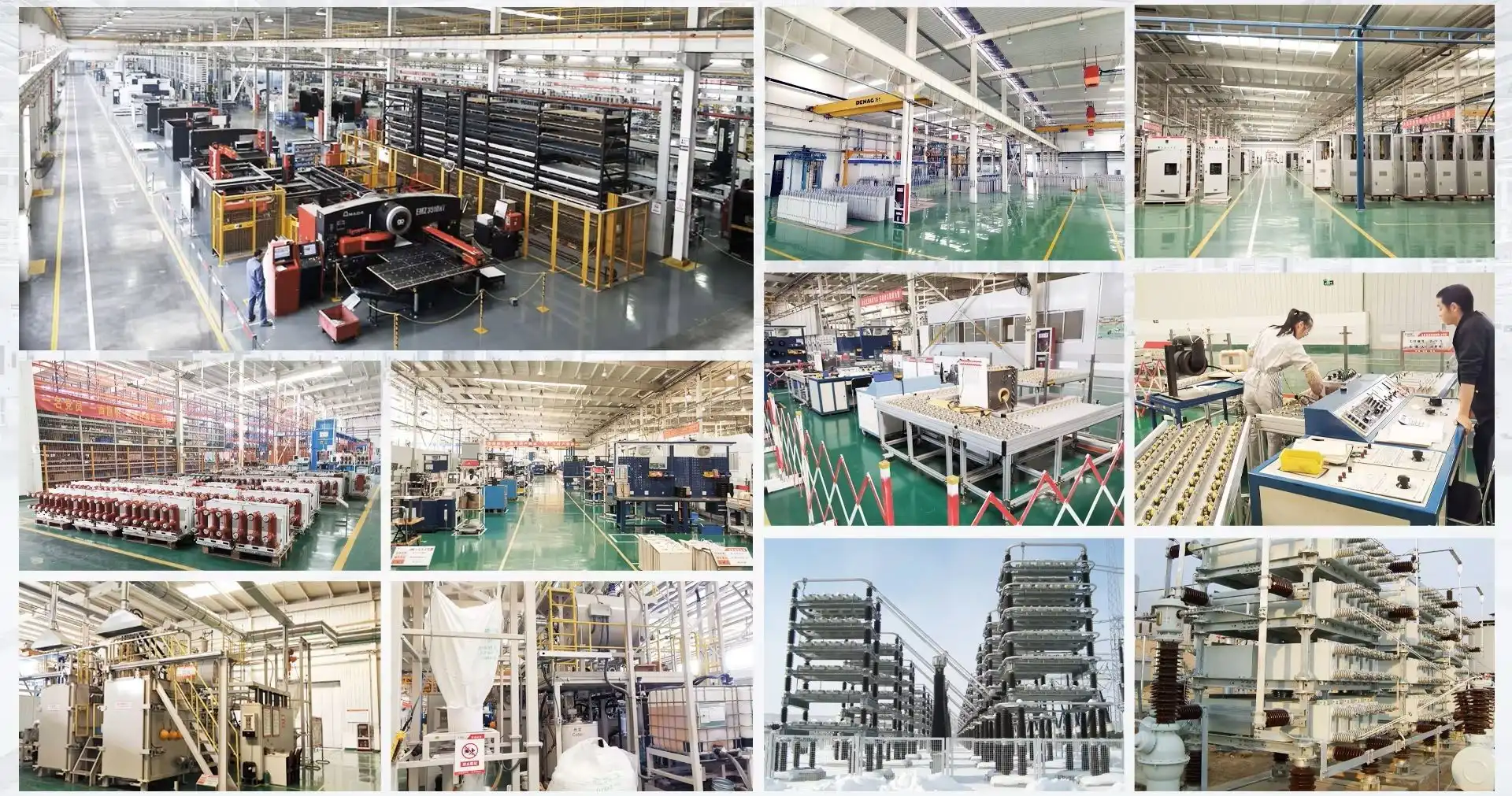
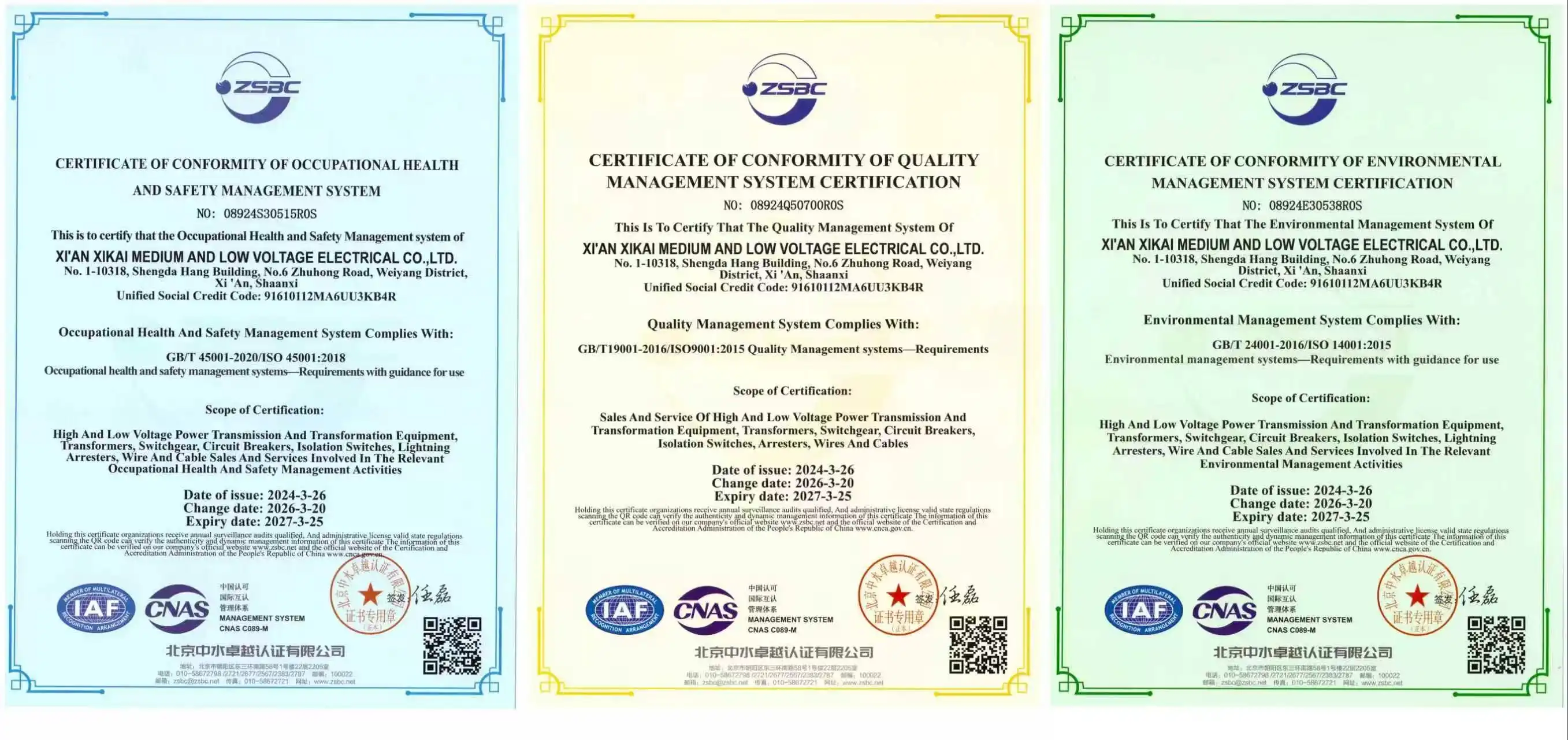
GE Grid Solutions provides rugged, utility-grade uptime products. Chinese manufacturers have improved, and the major ones now provide competitive costs while satisfying global requirements. This group includes Xi'an Xikai, which has 25 years of manufacturing experience, new plants, and international certifications.
Look for companies who provide expert assistance including application engineering, bespoke design, and post-delivery troubleshooting. Be sure to read the warranty. Coverage usually lasts 12–24 months, although longer is possible. Project planning must include delivery lead times of three weeks for stock products and many months for made-to-order items.
Quality assurance measures should be considered while selecting a vendor. Reputable manufacturers evaluate every device for insulation resistance, power frequency withstand, partial discharge measurement, and accurate verification. Certified quality management systems like ISO 9001 demonstrate a company's commitment to consistent manufacturing. Request test results showing essential app speed characteristics.
Procurement Strategy Recommendations
To have a successful purchase, start with detailed specifications that identify technical demands, working conditions, and compliance criteria. Include providers early in the planning phase to leverage their application expertise to enhance things. Find the most affordable prices by getting many quotations. Compare the whole cost of ownership, including delivery, installation, and product upkeep, throughout its lifespan.
Consider how you regularly utilise your items while handling them. Big buyers might set up consignment arrangements with suppliers to hold merchandise at their facilities. This reduces shipping costs and ensures immediate availability. Project-based buyers should check lead times against construction plans and provide additional time for delays.
Build relationships with Indoor Potential transformer vendors that understand your company needs and can provide professional assistance in addition to completing orders. The correct cooperation improves applications, communicates output plans, and fixes field issues rapidly.
Conclusion
Indoor Potential transformers are important parts of infrastructure that make it possible to measure voltage in business, utility, and industrial power systems safely and accurately. Their ability to separate high voltages while keeping exact secondary outputs helps with income metering, power quality tracking, and safe relaying, all of which are important for making sure the system works reliably. Knowing the technical details, installation needs, and upkeep procedures lets you make smart buying choices that improve the performance of measurement infrastructure. With distributed generation and digital monitoring, power systems are becoming more complicated. These devices are still changing to meet new needs, but they still do what they were made to do: measure voltage accurately to protect people, equipment, and profits in a wide range of settings.
FAQ
1. What distinguishes indoor from outdoor potential transformers?
These groups are split up by construction and natural safety. The small epoxy resin encasing on indoor units makes them ideal for switching rooms and substations that need to protect equipment from the weather. Outdoor types have porcelain or polymer insulators that are made to resist rain, UV light, pollution, and sudden changes in temperature. However, they take up more space and cost more.
2. How often should maintenance occur?
For controlled settings with stable working conditions, once-a-year checks are enough. Applications that are harsh or important should be reviewed every six months. Visual inspection for damage, thermal imaging to find hot spots, insulation resistance tests, and secondary voltage comparison with predicted values should all be part of every inspection. This way, problems can be found early on and fixed before they get worse.
3. Which brands offer superior accuracy for demanding applications?
Class 0.2 accuracy Indoor Potential transformers from Siemens, ABB, Schneider Electric, and GE, among others, are made to meet strict requirements for uses like revenue metering and precision protection. Xi'an Xikai offers similar performance with a 0.2% ratio error, while also offering reasonable price and full certification coverage across all foreign standards.
Partner with Xi'an Xikai for Your Voltage Measurement Needs
The Indoor Potential transformers are made by Xi'an Xikai Medium & Low Voltage Electric Co., Ltd., a company with more than 25 years of experience in making. They serve utility networks and industry sites in 30 countries. With choices for 30, 80, or 200VA of load capacity, our 24kV indoor voltage transformer is accurate to within 0.5% and is encased in epoxy resin for reliable performance in tight spaces. Compliance with IEC 61869 and GB 20840.2 ensures global compatibility, and our three-week wait times for big orders help meet the needs of projects with tight deadlines. Get in touch with our expert team at serina@xaxd-electric.com, amber@xaxd-electric.com, or luna@xaxd-electric.com to talk about your needs. As a well-known company that makes Indoor Potential transformers, we offer custom options at reasonable prices and full support after the sale. Check out our full line of products at xaxd-electric.com and ask for exact specs that meet the needs of your application.
References
1. Institute of Electrical and Electronics Engineers (2016). IEEE Standard for Instrument Transformers: Requirements for Voltage Transformers. IEEE C57.13-2016, New York: IEEE Standards Association.
2. International Electrotechnical Commission (2014). Instrument Transformers - Part 3: Additional Requirements for Inductive Voltage Transformers. IEC 61869-3:2011, Geneva: IEC Central Office.
3. Winders, J.J. (2002). Power Transformers: Principles and Applications. New York: Marcel Dekker, Inc.
4. Harlow, J.H. (2012). Electric Power Transformer Engineering, Third Edition. Boca Raton: CRC Press.
5. Zhang, W. & Liu, Y. (2018). Modern Measurement Technology in Power Systems: Applications and Standards Compliance. Beijing: China Electric Power Press.
6. Melhorn, C.J. & Davis, M.W. (2007). Substation Design and Installation: Practical Applications for Instrument Transformers. Atlanta: Georgia Tech Research Institute Technical Report.
_1774321455861.png)