Common Applications of Current Limiting Reactors in Power Grids
2026-04-03 11:29:37
Knowing about reactor technology is important for managing complicated electrical systems in factories, data centers, or high-voltage substations to make sure they work reliably and save money. Iron-core and air-core reactors are basically different in how they are built and how magnetic they are. Ferromagnetic materials are used in iron-core reactors. These materials can reach magnetic saturation when loads change, which could affect the stability of the inductance. By using only air as the magnetic medium, air-core reactors, especially the Dry-type Air Core Current Limiting Reactor, completely eliminate this saturation risk. They also offer better thermal management and linear performance characteristics. When purchasing professionals look at investments in electrical infrastructure, this difference has a direct effect on how often maintenance needs to be done, how safe the environment is, and how much it will cost to run in the long run.
 |
 |
Understanding Dry-Type Air Core Current Limiting Reactors
Choosing a reactor type affects footprint, maintenance, and performance. Iron-core reactors use copper or aluminum windings on laminated silicon steel cores, concentrating magnetic flux for higher inductance in a compact design. They are common in older factories with stable loads, saving space and leveraging proven reliability.
Operating Principles and Core Design Philosophy
Iron-core reactors exhibit non-linear behavior near magnetic saturation, which can reduce inductance during surges or faults, stressing the system. Air-core reactors maintain linear inductance regardless of load changes. This predictability is valuable in grids with fluctuating renewable energy, ensuring stable current and voltage under variable conditions.
Key Technical Specifications That Drive Performance
Iron-core units typically handle medium voltages (≤35 kV) and fit indoor substations with space constraints. Dry-type air-core reactors operate at high and extra-high voltages (110–500 kV), managing capacitive reactance and stabilizing transmission voltages. Their oil-free, air-cooled design reduces fire risk, soil contamination, and maintenance complexity.
Key Applications of Current Limiting Reactors in Power Grids
Modern power systems increasingly prefer air-core reactors for reliability, safety, and operational flexibility. With more variable renewables and electric transport, oil-free designs reduce environmental risks and fire hazards. Dry-type Air Core Current Limiting Reactors inherently handle failures safely, avoiding contamination from oil spills during earthquakes or equipment faults.
Transmission and Distribution Substation Protection
Variable renewable generation creates voltage swings and reactive power changes that challenge traditional grid equipment. Air-core reactors provide linear impedance, keeping inductance constant across all currents. This stabilizes compensation during load changes or surges, ensuring consistent voltage and reactive power management.
Industrial Power Distribution and Equipment Protection
Aluminum windings with air insulation manage harmonic currents and prevent hotspots, improving factory power quality. They also absorb capacitive currents during line energization, mitigating Ferranti effect overvoltages. Modular designs allow parallel connection for future MVAR growth without replacing existing units.
Renewable Energy Integration and Grid Stabilization
In offshore wind collector substations, where long submarine cables create a lot of capacitive reactive power, these features come in very handy. By installing the Dry-type Air Core Current Limiting Reactor at the point of common coupling, grid code compliance is maintained, and equipment on the offshore platform is protected from overvoltage stress. Engineering firms that are building these facilities are increasingly specifying air-core technology to cut down on maintenance needs offshore and increase availability.
Commercial Building and Critical Infrastructure Applications
Standardized series comply with CE, UL/cUL, and GOST-R certifications, enabling multinational deployment. Performance aligns with IEEE, IEC, and GB standards for voltage, temperature rise, partial discharge, and seismic resistance. This simplifies procurement and ensures reliable, globally compliant operation.
Dry-Type Air Core Reactors vs. Other Reactor Types: Making the Right Choice
Understanding how magnetic properties affect performance in the real world helps procurement teams predict how equipment will be used and what repairs it will need over its lifetime. Magnetic saturation is one of the most important problems that iron-core reactors have to deal with. During faults or switching transients, the ferromagnetic core reaches its flux density limits, where permeability drops sharply. This saturation really lowers inductance at the exact moment when current-limiting properties are needed the most.
Comparing Design Philosophies and Performance Characteristics
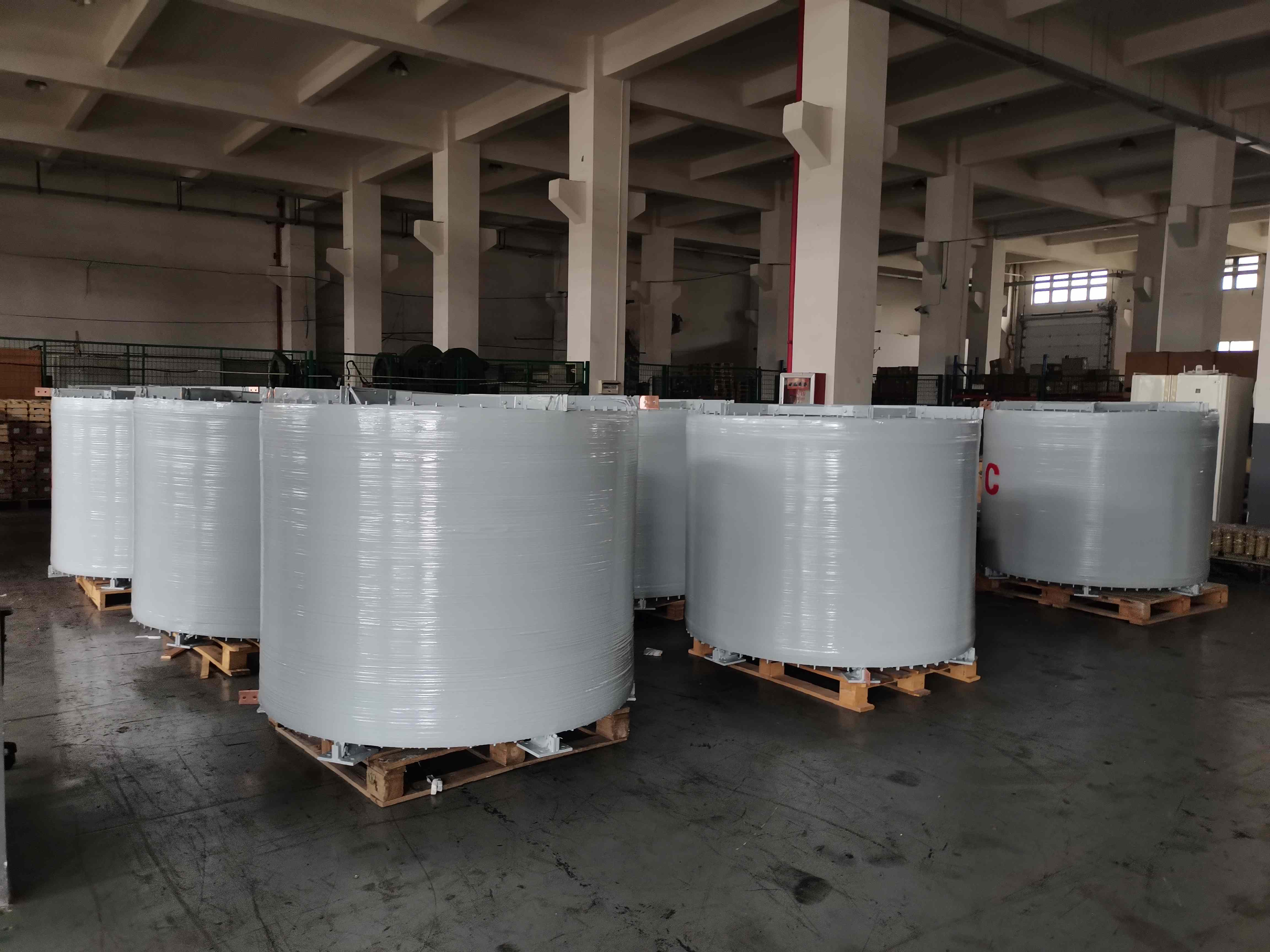
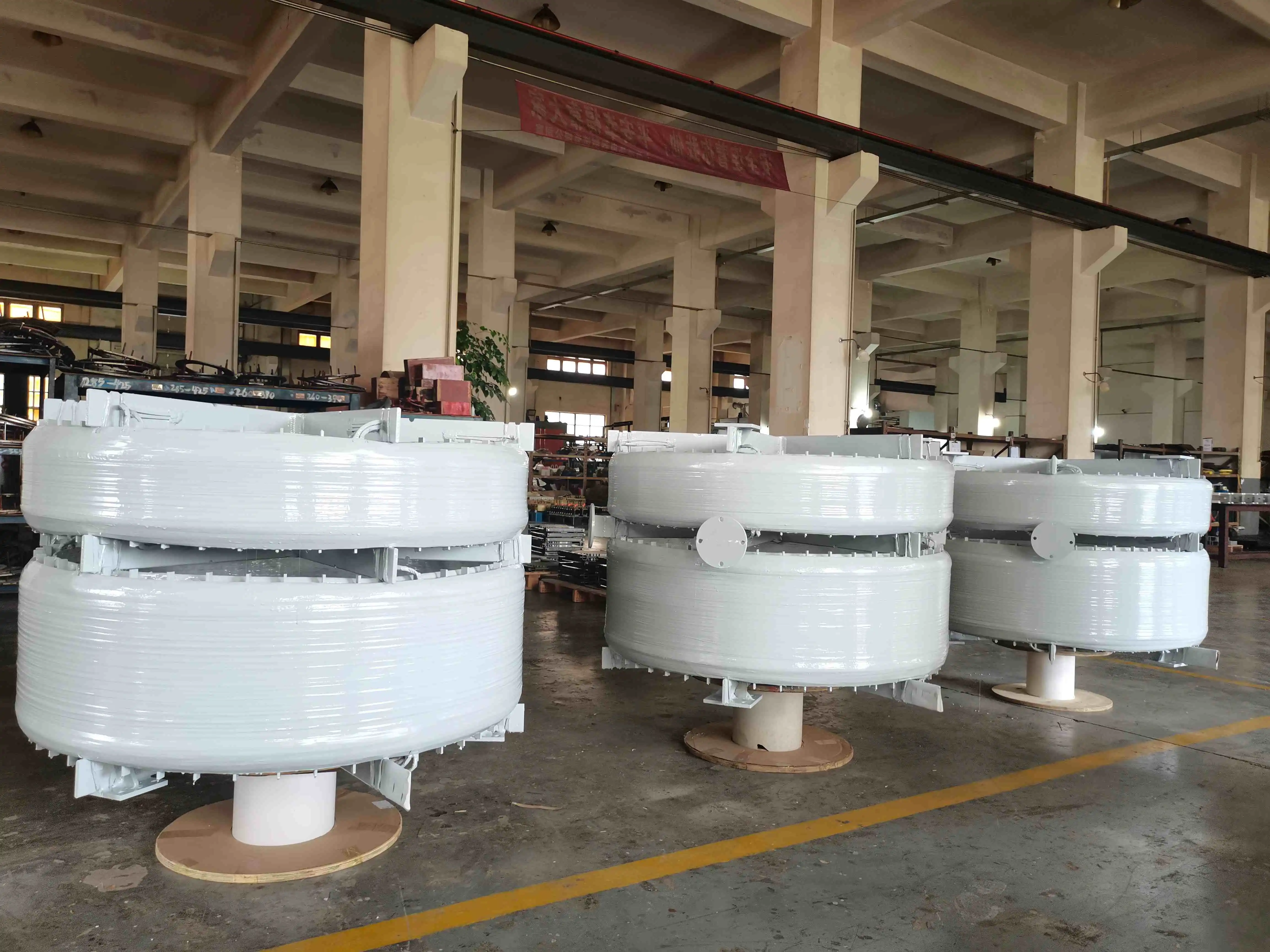
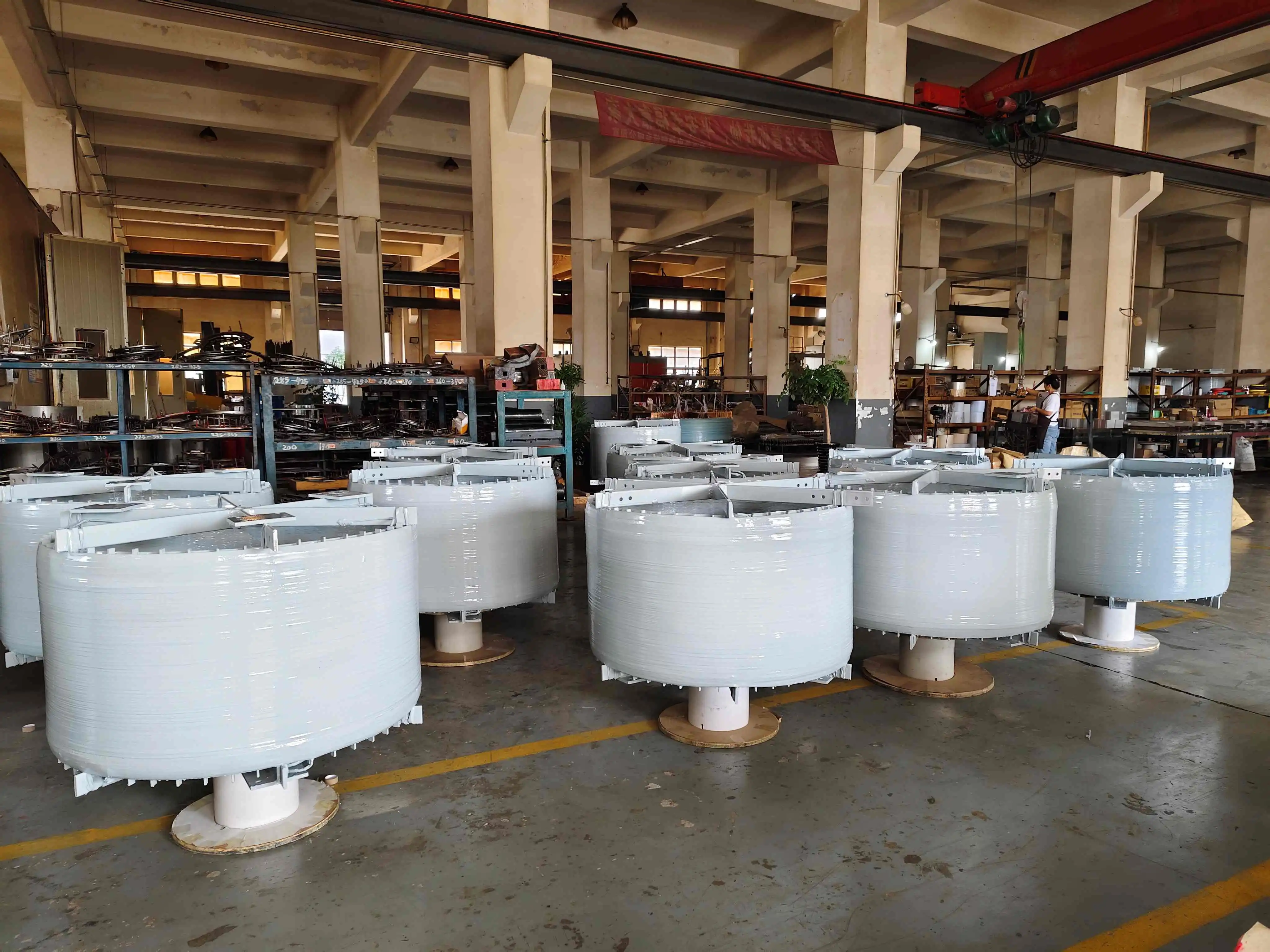
With the Dry-type Air Core Current Limiting Reactor configuration, this problem is not a problem at all. No matter how big the current is, magnetic saturation cannot happen without ferromagnetic materials. When there is a single-phase ground fault or a line energization event, the reactor keeps its full inductance, which protects against current flow. This straight-line behavior makes it easier to coordinate protections and makes the whole system more reliable. This is especially helpful in transmission networks where fault currents can be over 40 kA.
Thermal Management and Maintenance Considerations
The ways that different types of reactors get rid of heat are very different. Oil-filled iron-core reactors move heat from the windings to the insulating oil. Testing for moisture, acidity, and dissolved gases in this oil needs to be done on a regular basis. In dry-type air-core reactors, heat moves directly from the aluminum windings to the air around them. When epoxy is applied to the surfaces of conductors, it stops corrosion and makes thermal conduction more efficient. Improved winding geometries make the most of the exposed surface area, letting natural convection cooling happen even when the load is continuous.
Economic Analysis and Total Cost of Ownership
Air-core reactors make maintenance a lot easier. Visual checks are done on a regular basis to look for surface contamination or mechanical damage. Thermographic surveys are also done to make sure that the temperature is evenly distributed across all of the winding layers. Solid epoxy insulation doesn't absorb water or break down chemically, so it keeps its dielectric strength for decades of use. Without special diagnostic tools, installation teams can do a visual check in less than two hours. This improves return on investment by reducing site visits, contractor costs, and downtime.
Maintenance, Procurement, and Supplier Considerations for Dry-Type Air Core Reactors
Proper installation and maintenance procedures increase the reliability of equipment and keep workers safe throughout its operational lifecycles. Foundations must take into account both static weight and seismic loads. Keeping the minimum distances around the reactor—usually 1.5 meters on all sides—ensures that there is enough air flow for natural convection cooling. Establishing an electrical connection follows well-known safety rules, including using calibrated tools to torque all connections to the manufacturer's specifications.
Establishing Effective Maintenance Protocols
Setting up regular inspection routines for equipment increases its useful life. Visual checks done every three months find environmental contamination, mechanical damage, or animal entry. Look for discoloration that means the surface is too hot, cracks in epoxy surfaces, or corrosion on aluminum surfaces near the coast. Once a year, thermographic surveys map out how temperatures are spread out across winding surfaces to find connection hotspots, blocked ventilation paths, or insulation degradation. Monitoring for partial discharge lets you know early on when insulation is breaking down.
Identifying Qualified Suppliers and Manufacturers
Analyzing the electrical system is the first step in specifying a Dry-type Air Core Current Limiting Reactor. Design choices are greatly affected by environmental factors. Installations above 1,000 meters need to be derated because the lower air density makes cooling and dielectric strength worse. Anchorage designs that meet regional standards must be used in seismic zones. Technical ability and business dependability affect the choice of a supplier. Buying teams should check the certifications for the manufacturing process and ask for examples of installations that have been done in similar situations.
Strategic Procurement Approaches for B2B Clients
To find the true cost of ownership, procurement professionals have to look at things like installation costs, maintenance costs, and energy losses. Dry type reactors are shipped as fully assembled units that only need to be connected to electricity and grounded. They don't need to be filled with oil or have any other cooling systems. System integrators can save money on engineering, procurement, and construction costs when crane time is cut down and fewer trades are involved. Over the life of an item, maintenance savings add up. By not testing oil, annual operating costs are significantly reduced.
Future Trends and Innovations in Current Limiting Reactors for Power Grids
Modern reactors use safety features like temperature monitoring and current imbalance detection to prevent insulation damage and internal faults, while certifications simplify installation approval and insurance compliance.
Advanced Materials Enhancing Performance and Durability
Automated winding and partial discharge tests prove manufacturing maturity, ensuring precise dimensions and reliable insulation. Impedance verification confirms units meet specifications, while factory test reports and witness testing guarantee long-term dependability for Dry-type Air Core Current Limiting Reactors.
Integration of Smart Monitoring and Diagnostic Technologies
IoT-enabled monitoring provides real-time temperature and vibration data for condition-based maintenance. 24/7 technical support minimizes downtime, helping vendors stand out as reliable long-term partners in increasingly digitized power systems.
Supporting Renewable Energy and Distributed Grid Architectures
When you add renewable energy, the voltage and reactive power change in ways that make it hard for regular grid equipment to work. When wind speeds change, wind turbines cause real power to swing quickly. Reactors provide the necessary linear impedance response to ensure the inductance stays the same across the whole range of currents. This modular scalability lets you connect multiple units in parallel to handle future load growth without having to buy all new equipment.
Sustainability and Environmental Responsibility
Eliminating insulating oil gets rid of the risk of soil contamination and fire hazards. SF6-free building avoids greenhouse gases that are thousands of times more powerful than CO2. Recyclable aluminum windings and modular construction help recover materials that have reached the end of their useful life, which supports efforts to create a circular economy. As companies track Scope 2 emissions, these environmental benefits become more important in their buying decisions.
Conclusion
When you know the differences between Dry-type Air Core Current Limiting Reactor in terms of how they work and how much they cost, you can make smart decisions about what equipment to buy that fits your needs. Air-core technology, especially dry-type configurations, helps the modern grid deal with problems by preventing magnetic saturation, making maintenance easier, and protecting the environment. When purchasing professionals look at reactor technology, they shouldn't just look at the initial acquisition costs. They should also look at the total lifecycle costs, the technical capabilities of the supplier, and the long-term support infrastructure. This all-encompassing approach makes sure that investments in electrical infrastructure keep giving back over many decades of service.
Frequently Asked Questions
1. What distinguishes dry-type air core reactors from iron core alternatives?
In iron-core reactors, the ferromagnetic cores can become magnetically saturated when the current level is high. This temporarily lowers the inductance when the ability to limit the current is needed the most. It doesn't matter how much current is flowing through an air-core design; the linear impedance characteristics stay the same. This means that performance is predictable during faults, switching transients, or changes in variable renewable generation.
2. Can current limiting reactors operate in extreme environmental conditions?
Installations above 1,000 meters need to be derated because the lower air density makes cooling and dielectric strength worse. More corrosion protection is needed in coastal areas. IP55-rated enclosure options offer better ingress protection in salt spray environments. Anchorage designs that meet regional standards must be used in seismic zones. For installations where the temperature is 50°C or higher, desert-rated models have better thermal margin and UV-resistant coatings.
3. How do reactors integrate with renewable energy systems?
When wind speeds change, wind turbines cause real power to swing quickly. Solar inverters remove harmonics. Reactors solve these problems with a linear impedance response where inductance stays the same across the whole range of currents. Tolerance for harmonic currents helps power quality in factories that use variable frequency drives. In offshore wind collector substations, reactors installed at the point of common coupling maintain grid code compliance and protect equipment from overvoltage stress.
Partner with Xi'an Xidian for Reliable Current Limiting Solutions
With their tried-and-true dry-type air core shunt reactor technology, Xi'an Xidian, as a Dry-type Air Core Current Limiting Reactor supplier, is ready to help you with your important power infrastructure needs. Modern transmission systems need performance, dependability, and safety in the environment, and our BKGKL series delivers. We have been making dry-type air core shunt reactors for more than 25 years, so we know the problems that utility operators, industrial facility managers, and system integrators face in their daily work. Our engineers work with customers to come up with the best solutions for each site's specific needs, such as desert environments that need IP55 protection, seismic zones that need Zone 4 rated mounting, or the integration of IoT devices for monitoring. Email serina@xaxd-electric.com, amber@xaxd-electric.com, or luna@xaxd-electric.com to talk to one of our technical experts about how Xi'an Xidian's new reactor technology can make your system more stable while lowering its lifecycle costs. From the first specification to decades of operational service, we offer full support backed by global certifications and proven dependability in more than 30 countries.
References
1. Institute of Electrical and Electronics Engineers, "IEEE Standard for Dry-Type Air-Core Series-Connected Reactors," IEEE Standard C57.16-2011, Revision of IEEE Standard C57.16-1996.
2. International Electrotechnical Commission, "Power Transformers - Part 6: Reactors," IEC 60076-6:2007, Technical Committee 14: Power Transformers.
3. Electric Power Research Institute, "Application Guide for Current-Limiting Reactors in Transmission and Distribution Systems," EPRI Technical Report 3002011816, December 2017.
4. National Electrical Manufacturers Association, "Standards Publication for Dry-Type Reactors for Power Systems Applications," NEMA Standard SG 2-2011.
5. Cigré Working Group A3.34, "Fault Current Limiters in Electrical Medium and High Voltage Systems," Technical Brochure 767, International Council on Large Electric Systems, June 2019.
6. Zhang, W., Chen, H., and Liu, M., "Design Optimization and Thermal Analysis of Dry-Type Air-Core Reactors for Grid Applications," Journal of Electrical Engineering & Technology, Volume 15, Issue 4, Pages 1823-1834, July 2020.
_1774404811357.png)