Critical Uses of HV Disconnect Switches in Solar & Wind Farm Substations
2026-01-14 15:40:17
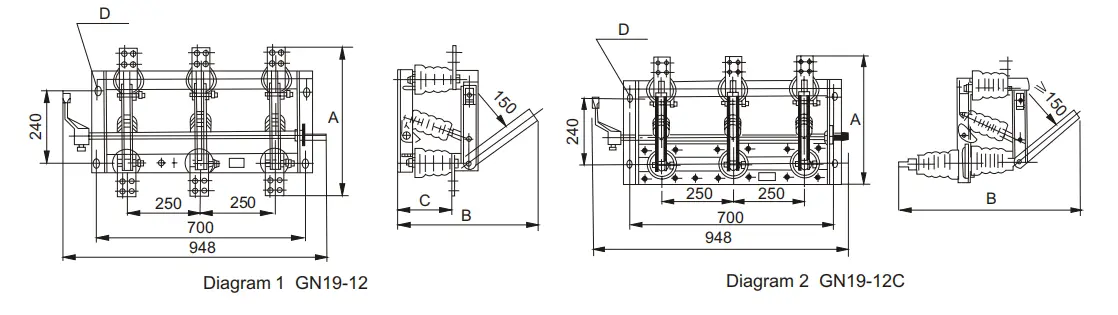
High voltage disconnect switch systems are very important for keeping solar and wind farm substations safe and the grid stable. These important parts keep the electricity from flowing during maintenance work and allow for smooth power flow control. Disconnect switches are an important part of making sure that green energy infrastructure is safe. They stop arcs from forming when equipment is being serviced and make it easier to shut down in an emergency.
Understanding High Voltage Isolation in Renewable Energy Infrastructure
Adjustable Power
Power plants that generate renewable energy confront distinct obstacles. Solar panels create fluctuating DC electricity that requires precise AC conversion, whereas wind turbines produce variable voltage outputs based on wind speed. These changes stress electrical systems, requiring reliable isolation methods.
Environmental Impact on Equipment Performance
Working on renewable energy projects in Southeast Asia and Africa has showed me how environmental factors exacerbate these issues. Dust storms in the Middle East, Southeast Asian monsoons, and severe Central Asian temperatures can affect equipment operation. The correct disconnect switch technology is much more important under these conditions.
Modern Switchgear Systems Matter
Contemporary switchgear must handle both regular electrical loads and renewable energy's harmonics and frequency changes. For renewable energy facilities to operate efficiently and safely in varied conditions, equipment selection is essential.
Essential Functions of Disconnect Switches in Wind Farm Operations
Disconnect switches are crucial in wind farm operations. Wind energy is changeable, therefore turbines or parts may need isolation without harming the system.
Turbine Maintenance Isolation
Regular gearbox and blade maintenance is needed for wind turbines. Electrical separation is essential during these processes. Disconnect switches show power circuits are de-energized. I've seen quality units' pantograph mechanisms generate a visible air gap for repair staff.
The obvious isolation provided by high voltage disconnect switch prevents terrible incidents while technicians work on supposedly de-energized equipment. Mechanical interlocks prevent accidental re-energization when personnel are in the turbine nacelle or tower.
Storm Protection and Emergency Shutdowns
Turbine shutdown must be fast in severe weather. High-quality disconnect switches isolate turbine strings in emergencies when wind speeds surpass acceptable limits. Enclosed transmission systems prevent moisture penetration from causing catastrophic weather problems.
At monsoon installations, cheaper solutions failed, leaving operators unable to properly separate equipment during strong storms. Failures have far-reaching economic effects beyond equipment replacement.
Grid Synchronization Management
Wind farms must be compatible with electrical grids without producing instability. Disconnect switches allow controlled connection and disconnection sequences to protect grid users from power fluctuations. Advanced units can switch without arcing during normal operation due to load break capabilities.
Solar Farm Substation Applications and Requirements
Electrical isolation equipment has particular obstacles in solar installations. DC-to-AC conversion causes harmonic aberrations that stress switching equipment beyond design constraints.
Inverter Protection and Isolation
Solar inverters are expensive investments that need upstream and downstream electrical fault protection. Disconnect switches isolate inverter repair and replacement without shutting down solar arrays. When DC circuits naturally resist current interruption, arc quenching is crucial.
Modern solar farms use string-level monitoring that requires selective isolation. Quality disconnect switches let maintenance crews isolate inverter portions while maintaining power generation from unaffected locations.
Cleaning and Maintenance Operations
For worker safety, solar panel cleaning and maintenance require total electrical isolation. Without sufficient isolation, water cleaning systems and electrical equipment can kill. Maintenance teams can work safely around powered solar installations with reliable disconnect switches with positive signal.
Grid Tie Protection
To avoid powering maintenance teams' utility wires during grid outages, solar farms must disconnect automatically. High-quality remote-operated disconnect switches automate grid disturbance separation. Solar farm equipment and electrical system workers are protected by this feature.
Safety Standards and Compliance Requirements
Performance Details
International safety regulations govern renewable energy disconnect switch functionality. IEEE C37.32 met North American market requirements for high voltage switching equipment, while IEC 62271 set minimum performance requirements. Disconnect switches in diverse applications must meet these standards for dependability and safety.
Testing/Compliance
Standards specify electrical clearances, mechanical operating cycles, and environmental performance. Disconnect switches must pass rigorous testing that simulates decades of operational stress in short durations. Thorough testing ensures equipment can survive real-world situations.
Regulations and Environment within Region
Southeast Asian and Middle Eastern policies generally include local environmental standards. Dust ingress protection is crucial in desert solar facilities, while corrosion resistance is crucial in coastal wind farms. Renewable energy system performance and safety depend on following these requirements.
Liability for Noncompliance
Non-compliant equipment has liability consequences beyond safety. Insurance, regulatory clearances, and project funding typically require international standards compliance. Disconnect switches must meet these standards to preserve investments and enable project success.
Environmental Challenges and Equipment Durability
Hard Environment
Green energy projects often face extreme conditions that strain electrical equipment. Desert solar systems subject components to harsh temperature cycles and abrasive dust, whereas offshore wind farms expose electronics to salt spray and persistent dampness. These conditions require unique solutions for reliable functioning, such as utilizing a high voltage disconnect switch designed to withstand these challenges.
Design Features for Environmental Stress
Quality disconnect switches handle environmental pressures. Marine hot-dip galvanized coatings withstand salt and moisture corrosion. In dry areas, sealed functioning mechanisms protect internal components from dust.
Material Choice and Temperature Cycling
Aluminum alloy conductors in premium disconnect switch units resist corrosion better than copper or steel. Another major stressor is temperature cycling, which can surpass 50°C daily in desert locations and fatigue poorer materials. Quality disconnect switches function reliably from -40°C to +85°C, guaranteeing they can resist their operating environments.
Integration with Modern Grid Management Systems
Monitor and control remotely
Smart grid technologies increasingly require remote monitoring and control from all system components. Modern disconnect switches have IoT sensors and communication connections for real-time status reporting and remote actuation. Energy management systems become more efficient and responsive with this connection.
Renewable Energy Advantages
These features are especially useful in renewable energy applications where bad weather may hinder remote installation access. Centralised control facilities allow operators to monitor switch positions, operational cycle counts, and environmental conditions, ensuring essential infrastructure monitoring.
Predictive Maintenance and Efficiency
Predictive maintenance algorithms evaluate operational data to spot possible problems before they fail. This proactive strategy optimizes repair scheduling around weather windows and generation projections to reduce unplanned interruptions. Operators can reduce downtime and improve system reliability by predicting maintenance needs.
Integration Issues, Cybersecurity
These technologies must be integrated with care to ensure communication standards and cybersecurity. In an increasingly connected world, quality equipment manufacturers enable system integration and cyber security, keeping smart grid systems resilient and secure.
Economic Impact and Return on Investment
Monitor and control remotely
Smart grid technologies increasingly require remote monitoring and control from all system components. Modern disconnect switches have IoT sensors and communication connections for real-time status reporting and remote actuation. Energy management systems become more efficient and responsive with this connection.
Renewable Energy Advantages
These features are especially useful in renewable energy applications where bad weather may hinder remote installation access. Centralised control facilities allow operators to monitor switch positions, operational cycle counts, and environmental conditions, ensuring essential infrastructure monitoring.
Predictive Maintenance and Efficiency
Predictive maintenance algorithms evaluate operational data to spot possible problems before they fail. This proactive strategy optimizes repair scheduling around weather windows and generation projections to reduce unplanned interruptions. Operators can reduce downtime and improve system reliability by predicting maintenance needs.
Integration Issues, Cybersecurity
These technologies must be integrated with care to ensure communication standards and cybersecurity. In an increasingly connected world, quality equipment manufacturers enable system integration and cyber security, keeping smart grid systems resilient and secure.
Conclusion
High voltage disconnect switches are an important part of renewable energy substation safety because they keep repair work safe and protect expensive equipment. These parts determine working safety and economic viability. For example, solar inverter protection during grid disturbances and wind turbine isolation during bad weather. Because green energy installations have to deal with environmental issues, they need equipment that is both strong and smartly designed. Quality disconnect switches with materials that don't rust, self-lubricating mechanisms, and the ability to connect to a smart grid give modern renewable energy projects the dependability they need to be successful in the long run.
Frequently Asked Questions
Q1: What maintenance schedule should I follow for disconnect switches in renewable energy applications?
A: Quality disconnect switches with self-lubricating bushings typically require inspection every 2-3 years under normal operating conditions. However, harsh environments like coastal wind farms may necessitate annual inspections. Always monitor operating cycle counts and schedule maintenance based on manufacturer recommendations rather than arbitrary time intervals.
Q2: How do I verify that a disconnect switch meets international safety standards?
A: Look for genuine certification marks from recognized testing laboratories. IEC 62271 compliance should be verified through accredited testing facilities, not just manufacturer claims. Request copies of actual test reports and certification documents before making procurement decisions.
Q3: Can disconnect switches handle the harmonics generated by solar inverters and wind turbine generators?
A: Modern disconnect switches designed for renewable energy applications incorporate enhanced insulation systems and arc quenching capabilities that handle harmonic distortions. Verify that equipment specifications explicitly address harmonic performance rather than assuming standard switches will perform adequately.
Partner with Xi'an Xidian for Reliable High Voltage Disconnect Switch Solutions
Your renewable energy project's long-term success depends on choosing the correct high voltage disconnect switch manufacturer. After 30 years in high-voltage solutions, Xi'an Xidian has over 1,200 successful installations worldwide, demonstrating our durability and performance. Lightweight aluminum alloy conductors in our disconnect switches prevent corrosion and lower installation costs. Self-lubricating bushings and enclosed transmission systems reduce maintenance by up to 60% compared to standard options, which is important for remote renewable energy installations with limited access to maintenance.
Besides our revolutionary features, Xi'an Xidian promotes manufacturing excellence with ISO-certified quality control and extensive testing. Our eco-friendly production procedures meet worldwide environmental requirements, and each device is 72-hour load tested before shipment. We tailor blade layouts and earthing switches for Southeast Asia, Central Asia, the Middle East, and Africa grids. Our plateau-type equipment works reliably at 4,000 meters, making it perfect for hilly wind farms. Our products are optimized with hot-dip galvanized bases that endure harsh temperatures and optional IoT sensors for real-time monitoring. Xi'an Xidian provides 24/7 technical support and a 5-year warranty during the equipment lifecycle. Contact us at serina@xaxd-electric.com, amber@xaxd-electric.com and luna@xaxd-electric.com to explore how our solutions help improve project dependability and profitability.
References
1. International Electrotechnical Commission. "High-voltage switchgear and controlgear - Part 102: Alternating current disconnectors and earthing switches." IEC 62271-102:2018.
2. IEEE Power and Energy Society. "IEEE Standard Requirements for Outdoor Apparatus Bushings." IEEE C37.32-2012.
3. Global Wind Energy Council. "Wind Farm Electrical Systems and Grid Integration Standards." GWEC Technical Guidelines, 2023.
4. International Renewable Energy Agency. "Electrical Safety in Renewable Energy Installations." IRENA Safety Standards Report, 2023.
5. Solar Power Europe. "Best Practices for Solar Farm Substation Design and Operation." SPE Technical Manual, 2024.
6. International Energy Agency. "Grid Integration of Variable Renewable Energy Systems." IEA Technology Roadmap, 2023.