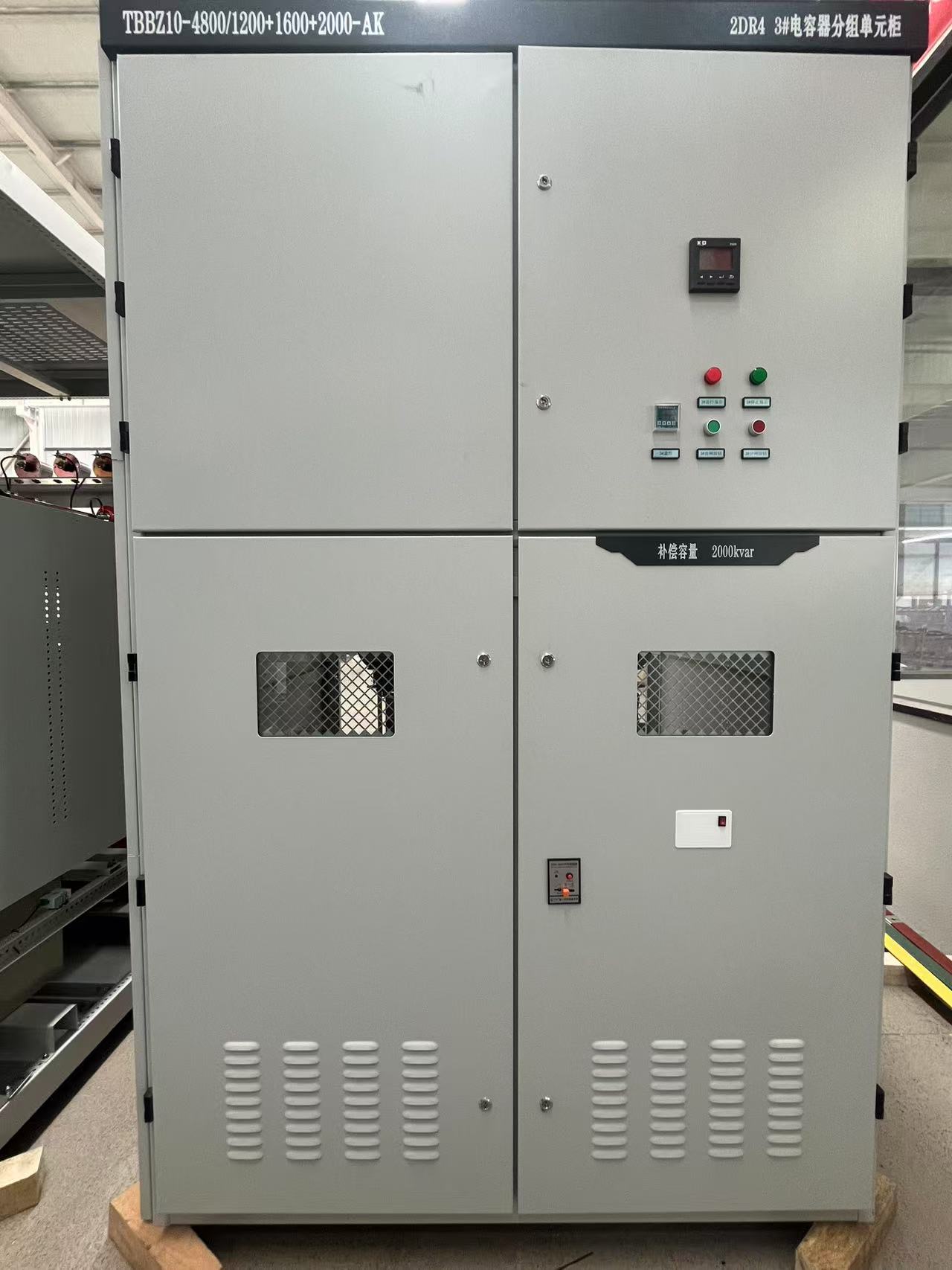
Top Performance Features of Modern Polymer Lightning Arresters
2026-01-15 15:58:13
These days, polymer lightning arresters are a huge step forward in electrical safety technology. They offer better surge protection than older porcelain designs. These state-of-the-art devices have weather-resistant polymer housings and advanced metal oxide varistor technology. They protect important power systems from overvoltage very well. Lightning arrester technology has changed over the years to meet the needs of industrial sites, utility companies, and system integrators that can't have electrical problems. Some important performance features are better resistance to contamination, fewer upkeep needs, longer operational lifespans (often over 25 years in harsh environments), and better surge energy absorption.
Revolutionary Polymer Housing Technology
A big step forward in polymer housing
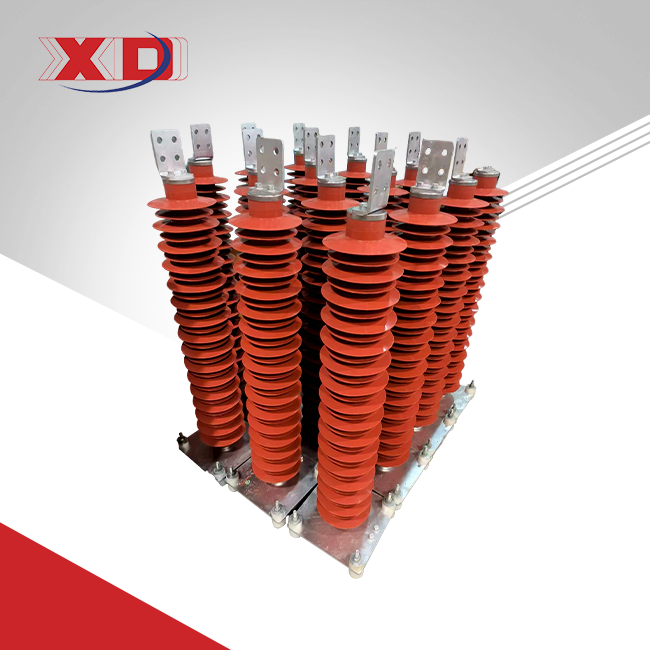
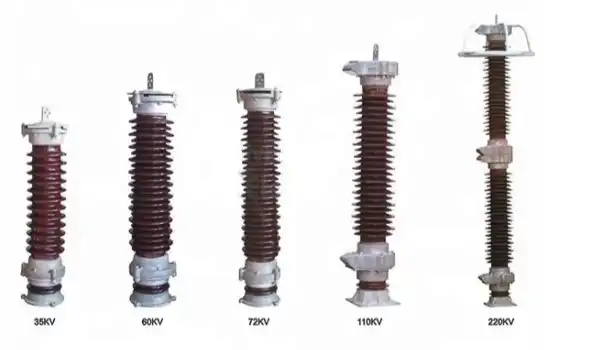
When it comes to surge protectors, the polymer housing is one of the most important technology advances. In contrast to traditional ceramic insulators, these advanced polymer materials are very resistant to external stressors that often cause arresters to fail. The hydrophobic surface features stop water from building up, which has historically been a major cause of flashovers in places with a lot of pollution.
Advantages for Important Infrastructure
This technology helps protect buildings from the weather, especially factories and data centers. Even when it's exposed to salt spray, industrial pollutants, or big changes in temperature, the polymer material keeps its insulating qualities. This better resistance to contamination directly leads to more reliable power lines and fewer unplanned repair visits.
Better installation efficiency
Additionally, polymer housings are easy to place because they are light. Engineers say that installation times are up to 40% shorter than with standard porcelain options. This increase in efficiency is very important for utility companies that are in charge of big building projects with tight budgets and due dates.
Advanced Metal Oxide Varistor Performance
Technology for Metal Oxide Varistor
This is the most important part of any high-performance surge arrester: the metal oxide varistor technology. Modern designs use carefully planned zinc oxide blocks that react instantly to voltage spikes, offering better protection against transient voltage. The switching properties of these varistors are amazing; they go from high resistance to low resistance states within microseconds of sensing dangerous overvoltage. Additionally, incorporating a lightning arrester into the system enhances overall protection, ensuring that even the most severe surges are effectively managed.
Why it's important for industrial operators
The stable discharge voltage that these advanced varistors offer is valued by industrial users. This exact voltage regulation is needed to keep expensive equipment from breaking down in factories with complex computerized control systems. Modern metal oxide varistors can handle multiple surge events without breaking down because they can lose energy quickly. This makes sure that the circuit protection works well in the long run.
Strong performance for important tasks
According to research, high-quality metal oxide varistor designs can handle surge energies greater than 10 kA without doing any lasting damage. Because they work so well, they are perfect for protecting high-voltage transmission networks, train electrification systems, and renewable energy installations that are constantly at risk of being struck by lightning.
Superior Grounding and Earthing System Integration
Important Part of Electrical Safety
Grounding that works well is an important part of all-around electrical safety systems. Modern polymer arresters have improved earthing system designs that make the best paths for fault currents to escape. The low-resistance connections make sure that energy moves quickly to ground, which shortens the time that dangerous voltage situations last.
Better safety for sensitive buildings
People who work in hospitals and other important infrastructure really like the extra safety that better grounding gives them. Within milliseconds of lightning hits or switching surges happening, the arrester's grounding system quickly moves harmful energies away from sensitive equipment. This ability to respond quickly stops failures that could put patients at risk or mess up production plans in factories.
Pros of wireless communication
Grounding designs that work better also help with wireless communication systems. Because discharge events produce less electromagnetic interference, signal quality stays high and transmission doesn't go down during bad weather.
Smart Monitoring and Predictive Maintenance Capabilities
Performance Data in Real Time
Modern surge protectors have smart monitoring systems that give building managers real-time information about how well the protectors are working. These smart features allow for planned repair plans that extend the life of equipment and lower the number of breakdowns that happen without warning. Leakage current, temperature changes, and discharge frequency are all constantly monitored by sensor technology built into the arrester case.
Pros for utility companies
These monitoring tools are very helpful for utility companies that are in charge of large electrical grid networks because they help them make the best use of repair schedules. Data analytics systems can look at information about how well an arrester is working to find units that are getting close to the end of their useful life before they break down. This proactive method lowers the cost of emergency repairs and raises the overall reliability of the system.
System integrators can benefit from these
System integrators who build modern substations are increasingly asking for arresters that can monitor themselves. The ability to check on the health of an arrestee from afar gets rid of the need for dangerous inspections that have to be done by hand and lowers their clients' long-term running costs.
Environmental Resilience and Climate Adaptability
Flexibility in High and Low Temperatures
Polymer arresters constructed in the modern era perform exceptionally effectively in a wide variety of environmental conditions. These devices always give the same level of safety, regardless of whether they are used in arctic installations that are kept at -40 degrees Celsius or in desert installations that are kept at over 60 degrees Celsius. Due to the fact that they are thermally stable, contemporary polymer materials do not lose their functionality over time in the same way that previous insulator technologies do.
Capabilities to Overcome Obstacles to the Coast
Sites that are located close to the seaside face challenges because of the presence of high humidity and salt contamination. Even after being exposed to marine conditions for a number of years, superior polymer mixtures do not allow salt to accumulate, and they continue to maintain their hydrophobic properties. Because they have such a long lifespan, lightning arrester designs are ideal for use in offshore wind farms as well as industrial facilities that are located close to the coast.
Mountain installations that are designed exclusively for mountain installations
Mountain sites require specialized arrester designs that take into consideration the decrease in air density and the increased exposure to ultraviolet radiation that occurs at heights of up to 4,000 meters. UV stabilizers are incorporated into modern polymer compounds, which prevent the material from degrading and maintain its mechanical strength even when subjected to stressful conditions.
Economic Benefits and Return on Investment
Maintenance costs will go down over time.
There are financial benefits associated with modern polymer arresters that extend far beyond the purchasing price of these arresters. Facility owners can save a significant amount of money over the course of time by reducing the amount of maintenance that is required. However, polymer designs do not require any maintenance for decades, in contrast to traditional porcelain arresters, which need to be inspected and repaired around once every year.
As a result of less downtime, cost reductions
A significant amount of money can be saved by manufacturing plants by reducing the frequency of breaks. If arresters fail to protect equipment in the appropriate manner, it can result in a loss of productivity that is worth thousands of dollars each hour. These costly interruptions are virtually entirely eliminated by the modern surge protection system, which in turn makes operations more profitable in a measured manner.
Premium reductions for insurance policies
A growing number of insurance firms are reducing the premiums that they charge for buildings that contain high-performance arresters that have been certified. As a result of the fact that these security measures have been demonstrated to be effective, claims for costly equipment damage are being made less frequently. In light of this, the decision to update facilities becomes more financially appealing.
Conclusion
Organizations that value electrical system dependability and operational continuity must invest in modern polymer lightning arresters. This review shows that contemporary protection methods have advantages over traditional ones, from environmental resistance to sophisticated monitoring. Industrial facilities, utility operators, and engineering firms are realizing that high-performance surge protection reduces maintenance costs, downtime, and equipment lifespans. Polymer-based arrester designs represent industry trends toward electrical protection system sustainability, efficiency, and technological innovation.
Partner with Xi'an Xidian for Premium Lightning Arrester Solutions
Xi'an Xidian is a leader in developing new lightning arrester technology. They have decades of engineering experience and can make high-tech products. As a trusted lightning arrester manufacturer, we provide tailored surge protection solutions that cater to the specific needs of industrial facilities, utility networks, and critical infrastructure projects worldwide. Our wide range of products includes more than 100 different types of high-performance arresters, each one designed to work best in a specific setting, from normal low-voltage applications to specialized high-voltage transmission systems.
When engineering teams choose Xi'an Xidian, they can use our cutting-edge plateau-type equipment, our patented polymer technology, and our track record in fields like steel metallurgy, petrochemicals, and green energy. We are committed to using the newest technologies in our lightning arresters to give you the best surge security and environmental durability. Our technical experts are ready to give you a full consultation and help you choose the best surge security options for your needs. Email us at serina@xaxd-electric.com, amber@xaxd-electric.com and luna@xaxd-electric.com to talk about your needs and find out how Xi'an Xidian can help you protect your important electrical assets.
References
1. IEEE Standards Association. "IEEE Guide for Application of Metal-Oxide Surge Arresters for Alternating-Current Systems." IEEE Standard C62.22-2019, Institute of Electrical and Electronics Engineers, 2019.
2. International Electrotechnical Commission. "Surge Arresters - Part 1: Non-linear Resistor Type Gapped Surge Arresters for A.C. Systems." IEC 60099-1:2010, International Electrotechnical Commission, 2010.
3. Christodoulou, Christos A., et al. "Polymer Surge Arresters: Design Principles and Performance Evaluation Under Severe Weather Conditions." IEEE Transactions on Power Delivery, vol. 35, no. 4, 2020, pp. 1847-1856.
4. Zhang, Wei and Liu, Mingxuan. "Advanced Metal Oxide Varistor Technology for High-Voltage Applications: Manufacturing Processes and Quality Control." Journal of Electrical Engineering Technology, vol. 18, no. 2, 2023, pp. 445-458.
5. Rodriguez, Maria Elena, et al. "Environmental Performance and Lifecycle Assessment of Polymer Lightning Arresters in Transmission Systems." Electric Power Systems Research, vol. 195, 2021, pp. 107-119.
6. Thompson, Robert J. and Anderson, Kenneth M. "Smart Grid Integration of Surge Protection Devices: Monitoring Systems and Predictive Maintenance Strategies." IEEE Power and Energy Magazine, vol. 21, no. 3, 2023, pp. 34-42.