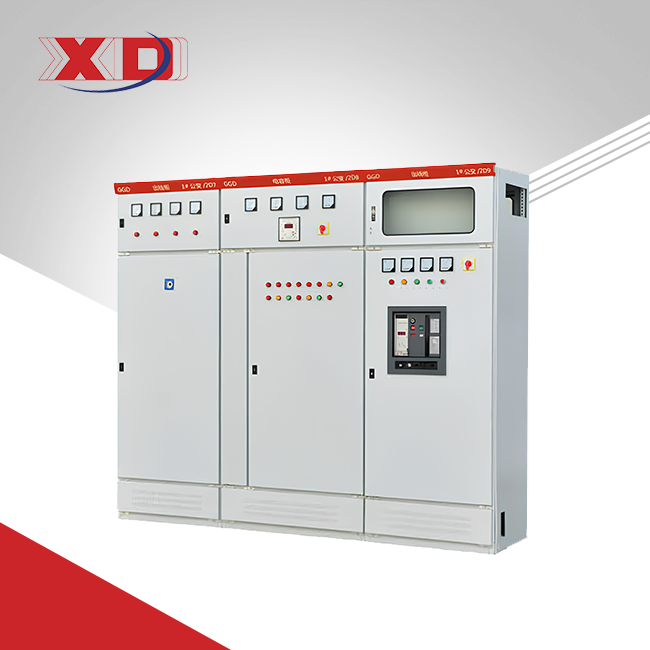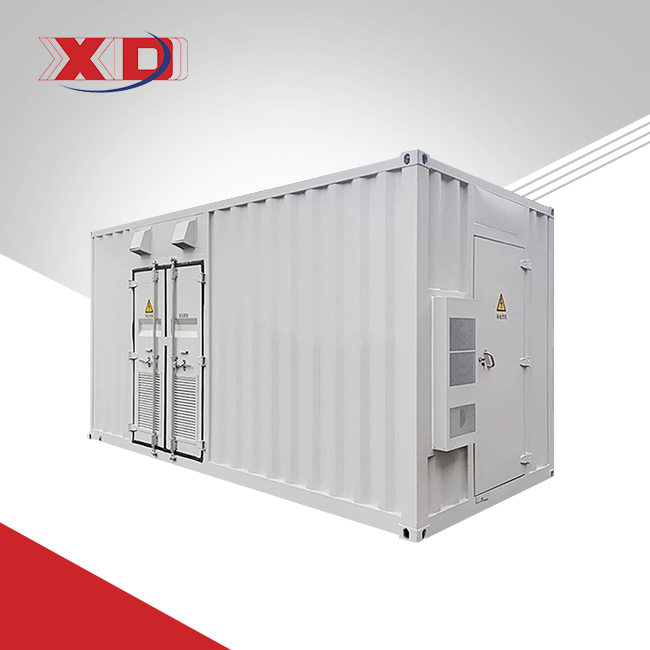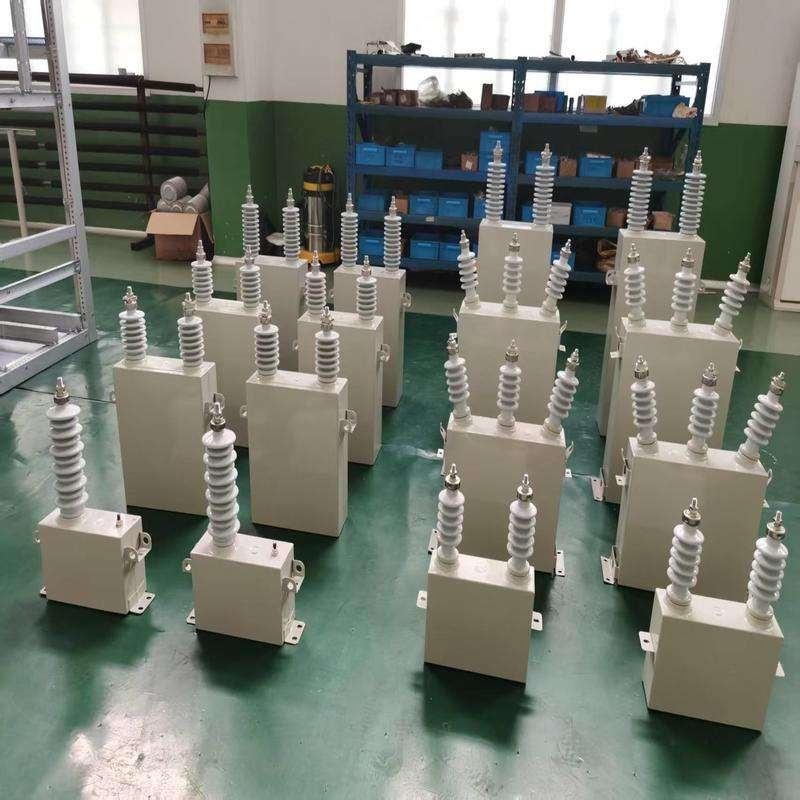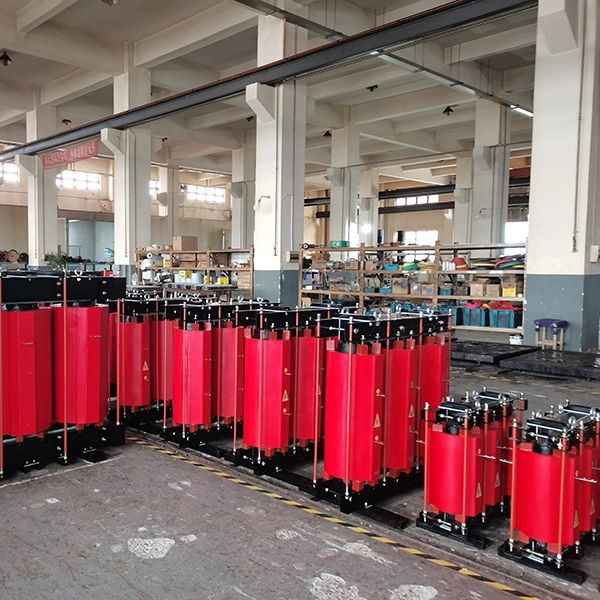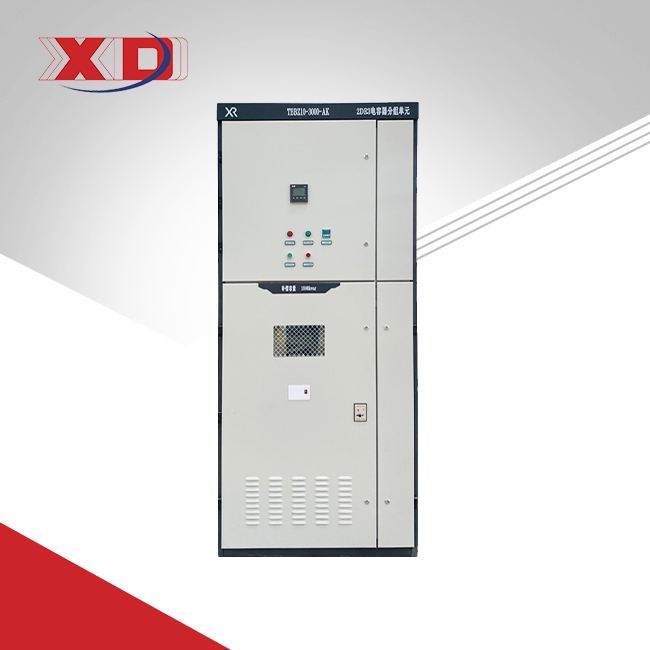
TBB10 High Voltage Reactive Power Automatic Compensation Device
Current Transformer vs Shunt Resistor: Which is Better for Your System?
2026-03-27 10:37:26
When choosing between current transformers and shunt resistors for power measurement applications, current transformers typically provide superior electrical isolation, enhanced safety, and better accuracy for industrial facilities. However, the optimal choice depends on your specific voltage levels, accuracy requirements, and budget constraints. Current transformers excel in high-voltage environments where safety is paramount, while shunt resistors offer cost-effective solutions for low-voltage direct current applications.
Understanding Current Sensing Technologies
When it comes to load control and energy metering, modern power systems need accurate current measurement in order to function properly. In order to accomplish this goal, transformers that convert current and shunt resistors each use a fundamentally different strategy. The concepts of magnetic coupling are used by current transformers in order to reduce powerful currents to levels that are more controllable. These devices are equipped with a transformer component that magnetically connects the main windings to the secondary windings. This guarantees that there is total electrical isolation between the measurement circuits and the power systems. Shunt resistors operate on Ohm's law, generating proportional voltage drops across known resistance values. This direct measurement approach requires careful signal conditioning to achieve acceptable accuracy levels.
Three core differences distinguish these technologies:
- Isolation capability: Current transformers provide galvanic isolation, while shunt resistors create direct electrical connections
- Voltage compatibility: Transformers handle high-voltage systems safely, whereas resistors work best in low-voltage applications
- Frequency response: Transformers excel at AC measurements, while resistors accommodate both AC and DC signals
If you need measurements in high-voltage industrial environments, then current transformers are more suitable due to their inherent safety advantages.
Performance Comparison: Accuracy and Reliability
Measurement precision directly impacts operational efficiency and cost management in industrial facilities. Current transformers from leading manufacturers achieve accuracy ratings of ±0.2% under normal operating conditions, supporting precise energy metering and fault detection systems.
Laboratory test data reveals performance characteristics:
- Current transformer accuracy: 0.1-0.5% typical error range
- Shunt resistor accuracy: 0.25-1% depending on temperature stability
- Frequency response: Transformers 50-60Hz optimized, resistors DC-100kHz
- Temperature coefficient: CT ±50ppm/°C, resistors ±15-100ppm/°C
Environmental factors significantly affect long-term reliability. Current transformers excel in harsh conditions due to their robust construction and minimal drift characteristics. The epoxy-sealed designs resist moisture infiltration and UV degradation common in outdoor installations. Shunt resistors face thermal stability challenges in variable temperature environments. Power dissipation creates self-heating effects that can compromise accuracy without proper thermal management. If you need consistent performance across wide temperature ranges, then current transformers are more suitable for maintaining measurement integrity.
Cost Analysis: Initial Investment vs Long-term Value
Budget considerations influence technology selection across industrial automation projects. Initial procurement costs favor shunt resistors, which typically cost 60-80% less than comparable current transformers. However, comprehensive lifecycle analysis reveals different economic outcomes. Current transformers offer extended service life exceeding 20 years with minimal maintenance requirements. Their robust construction reduces replacement frequency and associated downtime costs.
Cost breakdown comparison:
- Initial purchase: Shunt resistors 20-40% of CT cost
- Installation complexity: CTs require specialized mounting, resistors need thermal management
- Maintenance frequency: CTs virtually maintenance-free, resistors require periodic calibration
- Replacement intervals: CTs 20+ years, resistors 5-10 years depending on application
Power losses represent ongoing operational expenses. Current transformers consume minimal energy through magnetizing current, while shunt resistors continuously dissipate power proportional to measured current squared. There is a larger initial investment required for current transformers; but, if you want long-term cost effectiveness with minimum maintenance above, then current transformers as well are better ideal.
Safety Considerations in Industrial Applications
Personnel safety remains paramount in industrial electrical systems. Current Transformers provide complete galvanic isolation between primary power circuits and measurement equipment, eliminating shock hazards during maintenance operations. The magnetic coupling principle allows safe measurement of high currents without direct electrical connection. Secondary circuits operate at standardized 1A or 5A levels regardless of primary current magnitude, simplifying instrumentation design and reducing personnel risk. Shunt resistors create direct electrical paths that can pose safety risks in high-voltage applications. Any insulation failure potentially exposes measurement circuits to dangerous voltages, requiring additional protection measures.
Safety comparison highlights:
- Isolation voltage: Current transformers withstand 3kV+ isolation, resistors provide none
- Arc flash protection: CTs eliminate measurement circuit exposure, resistors require careful design
- Maintenance safety: CT secondary circuits can be safely accessed during operation
Xi'an Xidian Current Transformer designs incorporate advanced safety features including vacuum-cast insulation and rigorous partial discharge testing to ensure personnel protection. If you need measurements in medium or high-voltage systems, then current transformers are essential for maintaining electrical safety standards.
Application-Specific Recommendations
Different industrial environments favor specific measurement technologies based on operational requirements and system characteristics.
- Manufacturing plants benefit from current transformer installations for motor protection and energy management. The electrical noise immunity and robust construction handle harsh industrial conditions effectively. Smart grid compatibility enables real-time monitoring integration with facility management systems.
- Data centers require precise power measurement for efficiency optimization and billing accuracy. Current transformers provide the accuracy and reliability needed for critical infrastructure monitoring without introducing measurement circuit vulnerabilities.
- Renewable energy systems utilize current transformers for grid interconnection and performance monitoring. The AC optimization and weather-resistant construction suit solar and wind installations perfectly.
- Shunt resistors are used in DC power infrastructure, battery monitoring circuits, and low-voltage control circuits. These are the types of circuits in which isolation is not an essential component and cost minimization is the primary concern.
For the purpose of providing full facility visibility, current transformers are a more acceptable option if you want connectivity with smart grid infrastructures and remote monitoring systems.
Xi'an Xidian Current Transformer Advantages
Xi'an Xidian Medium & Low Voltage Electric Co., Ltd. delivers industry-leading current measurement solutions engineered for demanding industrial applications. Our Current Transformers incorporate advanced manufacturing techniques and proven design principles to ensure exceptional reliability and precision in any electrical environment.
- All-weather reliability through fully enclosed, epoxy-sealed construction resisting moisture, UV rays, and environmental pollutants
- Smart grid compatibility with low error rates (±0.2%) supporting real-time monitoring and energy management systems
- Extended service life exceeding 20 years through vacuum casting technology eliminating air pockets and ensuring flawless insulation
- Precision manufacturing utilizing automated winding machinery ensuring consistent turns ratios and repeatable performance
- Comprehensive testing protocols including partial discharge, thermal cycling, and seismic validation confirming durability
- Altitude capability supporting operations up to 4,000 meters meeting specialized installation requirements
- Multiple certifications including ISO 9001, ISO 14001, and ISO 45001 demonstrating quality management excellence
- International compliance meeting IEC standards for global project compatibility
Conclusion
Selecting between current transformers and shunt resistors requires careful evaluation of safety requirements, accuracy needs, and long-term operational goals. Current transformers provide superior isolation, extended service life, and enhanced safety for medium and high-voltage applications. While shunt resistors offer lower initial costs, current transformers deliver better overall value through reduced maintenance, improved reliability, and comprehensive safety protection. Industrial facilities prioritizing operational uptime and personnel safety typically achieve better outcomes with current transformer implementations.
Ready to Upgrade Your Current Measurement System?
Xi'an Xidian stands ready as your trusted current transformer manufacturer to enhance your facility's power monitoring capabilities. Our engineering team provides customized solutions matching your specific voltage levels, accuracy requirements, and environmental conditions. Contact our specialists at serina@xaxd-electric.com, amber@xaxd-electric.com, or luna@xaxd-electric.com to discuss your current measurement challenges and discover how our proven current transformer technology delivers superior reliability and long-term value.
References
1. IEEE Standard C57.13-2016: Standard Requirements for Instrument Transformers, Institute of Electrical and Electronics Engineers, New York, 2016.
2. Johnson, Mark A. and Williams, Robert C., "Comparative Analysis of Current Sensing Technologies in Industrial Power Systems," Journal of Electrical Engineering and Technology, vol. 15, no. 3, pp. 245-258, 2020.
3. Thompson, Sarah L., Power System Instrumentation and Measurements, McGraw-Hill Education, Boston, 4th edition, 2019.
4. International Electrotechnical Commission, IEC 61869-2:2012 Instrument Transformers - Part 2: Additional Requirements for Current Transformers, Geneva, Switzerland, 2012.
5. Chen, David K. and Rodriguez, Maria P., "Economic Evaluation of Current Measurement Technologies in Smart Grid Applications," IEEE Transactions on Power Delivery, vol. 34, no. 4, pp. 1456-1467, 2019.
6. Anderson, James R., "Safety Considerations in High-Voltage Current Measurement Systems," Electrical Safety Quarterly, vol. 28, no. 2, pp. 89-103, 2021.