
What is the purpose of a disconnecting switch?
2026-10-10 17:00:39
Disconnect Switch is a kind of Electrical Switch which is used to disconnect a circuit or equipment from its source of power. Its major aim is to provide a visible, positive break in the circuit, so that maintenance people may operate on it securely and without the possibility of inadvertent energisation. A disconnect switch is operated manually or with a motor while a circuit breaker trips automatically under fault circumstances. However it does not break the load current under typical fault conditions this is a planned managed isolation. Disconnect switches are the basic safety measure used before any operation is performed electrically in substations, industrial plants and commercial buildings worldwide.
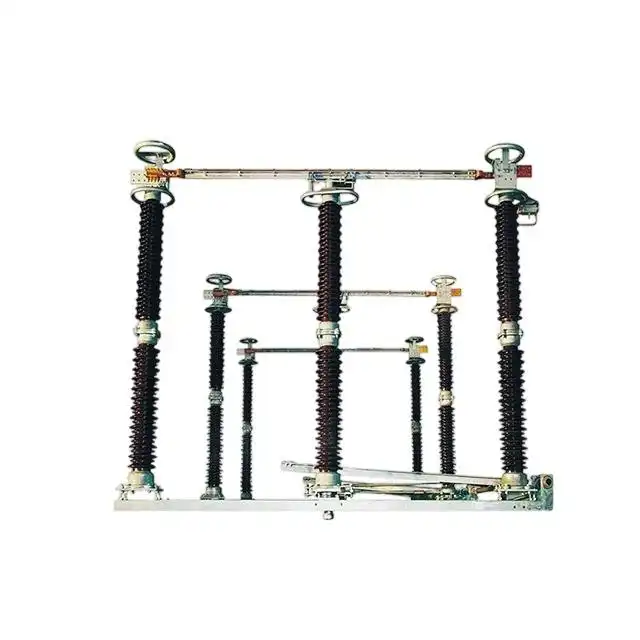
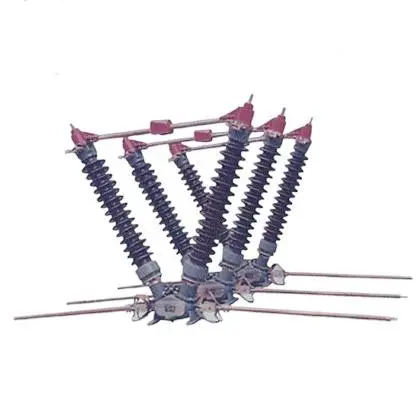
Understanding the Purpose and Function of a Disconnecting Switch
What Does a Disconnect Switch Actually Do?
The basic purpose of a disconnect switch is to isolate a live wire from equipment downstream by making an air break. This gap, which is mandated by law in many countries, is visible. If the technician can see an opened blade and a gap they know for sure the isolation is right. For example, at high-voltage substations, electrical separation switches are still required, even when circuit breakers are already present, to be visible.
Key Components: Contacts, Blades, and Insulators
A standard disconnect switch contains electrical blades, stationary contacts, support insulators and a means for it to function. When the blades are closed they break the circuit, when opened they convey the current. Insulators are used to electrically insulate the live parts from ground potential and must be able to withstand electrical stress and the weather. The speed and reliability of the gadget is determined by the operating mechanism, which might be a human handle, motorised drive or pneumatic actuator.
How It Differs From a Circuit Breaker
Circuit breakers instantly cut off current when they sense a fault, like an overcurrent or short circuit. A disconnect switch doesn't protect itself automatically. It can't be opened until the line has been turned off by a circuit breaker. This is done in a safe order: trip the breaker first, then open the disconnect switch to lock out the circuit. The two gadgets work together, but they can't be switched out. A common mistake that leads to arc flashes in manufacturing sites is skipping this step.
Types of Disconnecting Switches and Their Applications
Fused vs. Non-Fused Disconnect Switches
Fused disconnect switches protect against both overcurrent and separation in one housing. They are often used in motor control panels and low-voltage distribution boards that don't have a lot of room. Non-fused models are used for pure isolation and are paired with different safety devices further upstream. Which one to use relies on the layout of the panel, the level of fault current, and the level of security needed at a certain point in the distribution network.
High-Voltage Outdoor Disconnectors
Outside high-voltage disconnectors can handle voltages from 72.5 kV to 363 kV and more in transmission and utility settings. One well-known example in this group is the GW11 High Voltage Disconnect switch from Xi'an Xikai. The pantograph device physically separates the circuits. The two blades make an air gap that can be seen, which proves that the electrical separation is safe. Its aluminum alloy conductors make the device 40% lighter than traditional copper-heavy designs while still being very resistant to corrosion. This is a big plus for installations near humid coastlines or dusty industrial areas.
Disconnect Switches for Renewable Energy and HVAC Systems
Isolation devices that can handle DC or AC currents in a range of generation conditions are needed for solar farms and wind installations. DC-rated disconnect switches stop arcing from continuing while solar panel repair is being done. Disconnect switches in HVAC systems enable safe maintenance of fans and air handlers without turning off the power to the whole building. The contact material, enclosure rating, and voltage class of these application-specific variants are all different.
Comparison and Decision-Making: Choosing the Right Disconnecting Switch
Voltage Rating and Current Capacity
There is a rated voltage and a rated constant current for each disconnect switch. Overloading a device with more power than it can handle can cause the covering to break down, and overloading it with current causes the contacts to get too hot. Make sure the device you choose can handle more than the maximum expected operating conditions by a safe amount, usually 10 to 20 percent, to account for changes in the system or more work being done on it over time.
Environmental Conditions and Enclosure Standards
IP-rated or NEMA-rated shelters are needed for outdoor installs. Designs that keep out dust are needed in deserts, and coats that resist rust are needed near the coast. The GW11 disconnect switch directly addresses these issues: its sealed transmission system keeps dust and sand out, and its flexible joints make installation possible on uneven ground, which is useful for project sites in places like Nigeria, Kenya, and the Philippines where the ground isn't always level.
Certification Compliance for Cross-Border Trade
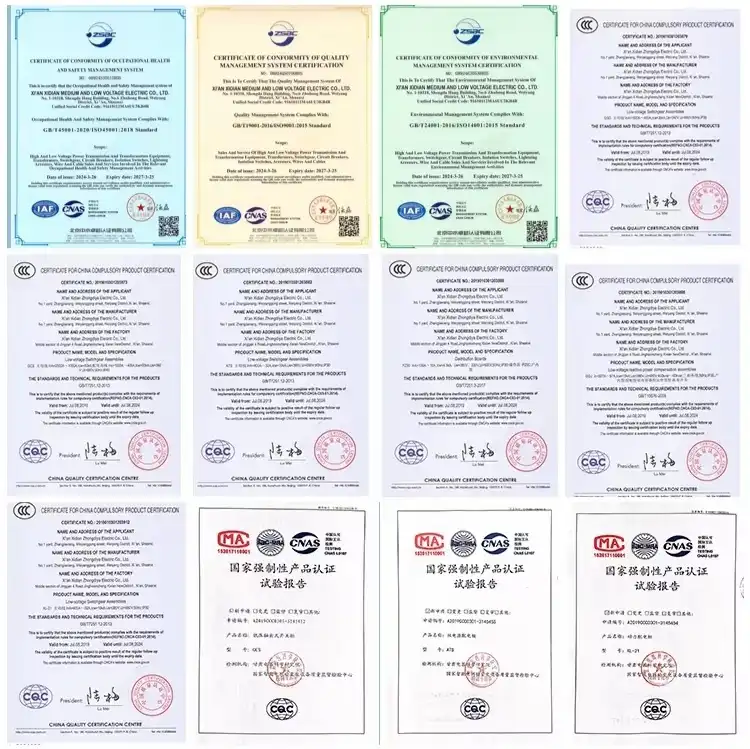
Certification is the key to getting in for sellers and buying teams that focus on exports. The GW11 meets the standards IEC 62271 and IEEE C37.32, which are widely used in South America, Southeast Asia, and Africa. It also has CE and RoHS marks, as well as ISO 9001 and ISO 14001 certifications. When dealing companies meet these standards, the most common problem they face is taken care of when their end customers ask for verified paperwork before taking shipment.
Installation, Maintenance, and Safety Tips for Disconnecting Switches
Pre-Installation Checks
Before installing any disconnect switch, make sure that all of the insulators are free of surface cracks or chips, that the data on the nameplate matches the requirements of the buying contract, and that the mounting base's measurements match the structure of the foundation. For outdoor three-phase units like the GW11, make sure that all three single-pole bases are level and on the same plane. If this stage isn't aligned correctly, the insulator will tilt and the contacts will be out of alignment after load cycling, which will greatly shorten the service life.
Step-by-Step Commissioning Process
The starting process is important after the mechanical installation is complete. First, put the conductive blade in the open position and make sure the insulation is straight. Then, move the blade to the closed position and make sure all the contact pins meet the moving blade at the right angle, which for horizontal pantograph designs is usually 90° ±5°. Once the blade height has been set and the contact clearances are even, join the bus conductors and check the alignment again, since the force on the bus can slightly move the blade.
Lockout/Tagout and Routine Inspection Intervals
Any disconnect switch used for isolation must have a physical lock after opening to keep it from closing again by accident. This is required by lockout/tagout (LOTO) procedures. In the US, OSHA 29 CFR 1910.147 says that this has to be done. High-voltage outdoor units usually need to be inspected once a year. These checks should include checking for contact wear, insulator leakage current, and lubrication of the operating mechanism. Unplanned outages are much more expensive, so preventative maintenance at these times saves a lot of money.
Procurement Guide: Buying Disconnecting Switches for Industrial and Commercial Use
What Drives Pricing in B2B Purchases?
The price of a disconnect switch depends on the type of conductor (copper or aluminum alloy), the voltage class, the number of switches bought, and the approval scope. It is usually more cost-effective to buy export kits that include isolators, circuit breakers, and transformers that are made of aluminum metal and work at medium to high voltage. When traders are putting together full substation packages, getting MOQ flexibility is just as important as unit price. A provider who is willing to mix SKUs across an order frees up working capital that would otherwise be used to buy things that don't move quickly.
Evaluating Disconnect Switch Suppliers
Here are the most important things you should check about a company before you sign with them:
- Factory certifications: ISO 9001 and IEC test reports issued by accredited third-party labs, not self-declarations.
- Production capacity and lead time: Confirm whether quoted stock is genuinely available or requires manufacturing. For time-sensitive projects, a 3–7 day decision window demands confirmed on-hand inventory.
- Sea freight packaging: Export packaging must meet ISPM 15 (fumigation) requirements for wood crating and include moisture-absorbing desiccants for long ocean transits. Damaged goods at port destination create costly disputes.
- After-sales support: A 5-year warranty backed by 24/7 technical support, as offered by Xi'an Xikai on the GW11 product line, reduces the risk that end customers in remote markets face unsupported failures.
ISO 9001 and IEC test records from approved third-party labs, not self-declarations, are what "factory certifications" are.
Conclusion
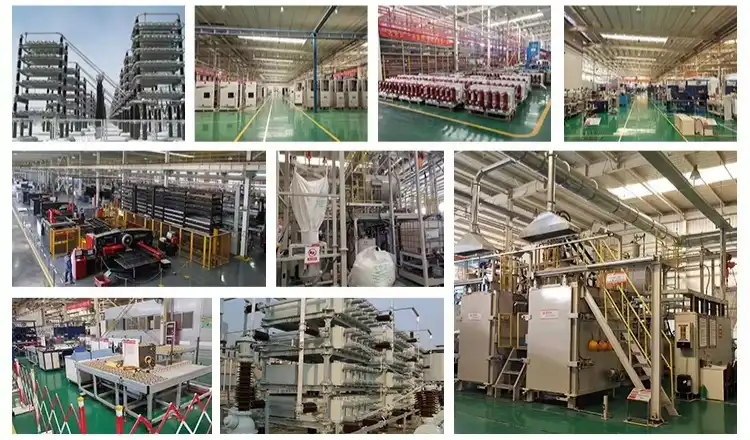
A disconnect switch performs one job exceptionally well: it creates a confirmed, visible break in an electrical circuit so that people and equipment stay safe. That straightforward function underpins every substation, industrial plant, and commercial facility that depends on controlled maintenance access. For B2B procurement professionals sourcing isolation devices for export markets, the decision criteria go beyond the device itself—certifications, packaging, supplier reliability, and after-sales coverage all determine whether a product succeeds in the field. The GW11 High Voltage Disconnect Switch from Xi'an Xikai addresses these requirements with aluminum alloy construction, IEC 62271 compliance, and a production process backed by ISO-certified quality control and 72-hour load testing.
FAQ
1.What is the difference between a disconnect switch and a circuit breaker?
Instead, it is opened by hand or by a motor drive after the circuit breaker has turned off the power. They are usually used one after the other because they do different things.
2.Can a disconnect switch be used in solar power systems?
Yes, but the device needs to be rated for DC voltage, which is different from AC voltage and makes it easier for sparks to last longer. For solar PV systems, you need isolation switches that can handle DC voltage and have the right stopping capacity. In DC lines, you shouldn't use standard AC-rated disconnect buttons instead.
3.How often should a high-voltage disconnect switch be inspected?
Outdoor high-voltage units usually need to be inspected once a year. Wear on the contacts, the state of the insulator's surface, the lubrication of the working gear, and the torque on the fasteners should all be checked. In places with a lot of garbage or salt, checks should be done every six months.
4.What certifications should I look for when importing disconnect switches?
The main international standard for high-voltage switchgear is IEC 62271. IEEE C37.32 is used a lot in North America and many foreign markets. ISO 9001 confirms that quality management is used at the level of production. CE and RoHS marks are needed for markets in the European Union and are being asked for more and more in other places.
5.What does MOQ mean in disconnect switch procurement?
The letter MOQ stands for "minimum order quantity." Trading companies need flexible MOQ terms so they can order different types of products in the same shipment. This is important when putting together full substation packages so they don't have too many of any one part.
Get in Touch With Xi'an Xikai for Disconnect Switch Supply
With more than 30 years of manufacturing experience and a 5-year warranty, Xi'an Xikai has helped install more than 1,200 GW11 disconnect switches on six continents. Our team of disconnect switch manufacturers offers flexible MOQ terms, documentation that is IEC-certified, and sea freight packaging that is ready to export. Our team is ready to help you, whether you need to find supplies for a single job or want to build a long-term relationship with a supplier.
Email us at serena@xaxd-electric.com, amber@xaxd-electric.com, or luna@xaxd-electric.com. Our website address is xaxd-electric.com.
References
1. International Electrotechnical Commission. IEC 62271-102: High-Voltage Switchgear and Controlgear – Alternating Current Disconnectors and Earthing Switches. IEC, 2018.
2. IEEE Standards Association. IEEE C37.32: Standard for Switchgear – AC High-Voltage Air Switches. IEEE, 2002 (Reaffirmed 2010).
3. Occupational Safety and Health Administration. OSHA 29 CFR 1910.147: The Control of Hazardous Energy (Lockout/Tagout). U.S. Department of Labor, 2019.
4. Glover, J. D., Sarma, M. S., & Overbye, T. J. Power System Analysis and Design, 6th ed. Cengage Learning, 2017.
5. Kundur, P. Power System Stability and Control. McGraw-Hill, 1994.
6. National Fire Protection Association. NFPA 70: National Electrical Code. NFPA, 2023.