Dry-Type Iron Core Reactor vs Air Core Reactor: What’s the Difference?
2026-04-02 16:53:03
Before deciding, you should understand the main distinctions between a Dry-type Iron Core Reactor and an air core reactor. Laminated silicon steel sheets form a Dry-type Iron Core Reactor's magnetic circuit. Installations with limited space benefit from its tiny size and low magnetic flux. An air core reactor, consisting of non-magnetic materials, operates well with electromagnetic fields but requires a larger installation space. Differences in operating efficiency, noise, thermal performance, and total cost of ownership are immediate. Facility managers and engineers responsible for power quality in tough industrial environments must consider these aspects.
 |
 |
Understanding Dry-Type Iron Core Reactors
Structural Design and Operating Principles
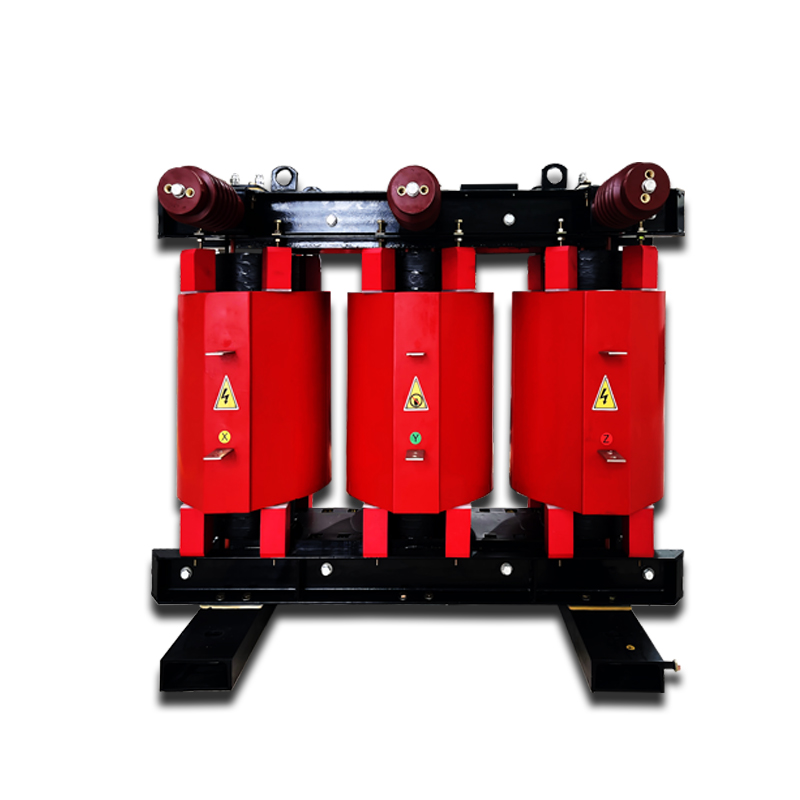
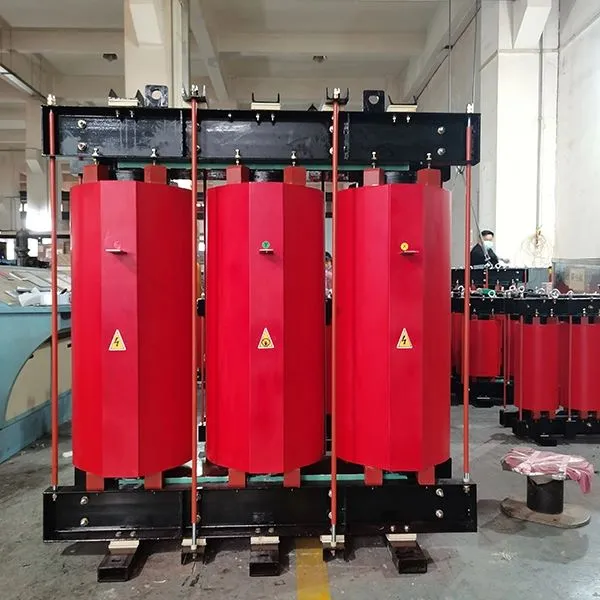
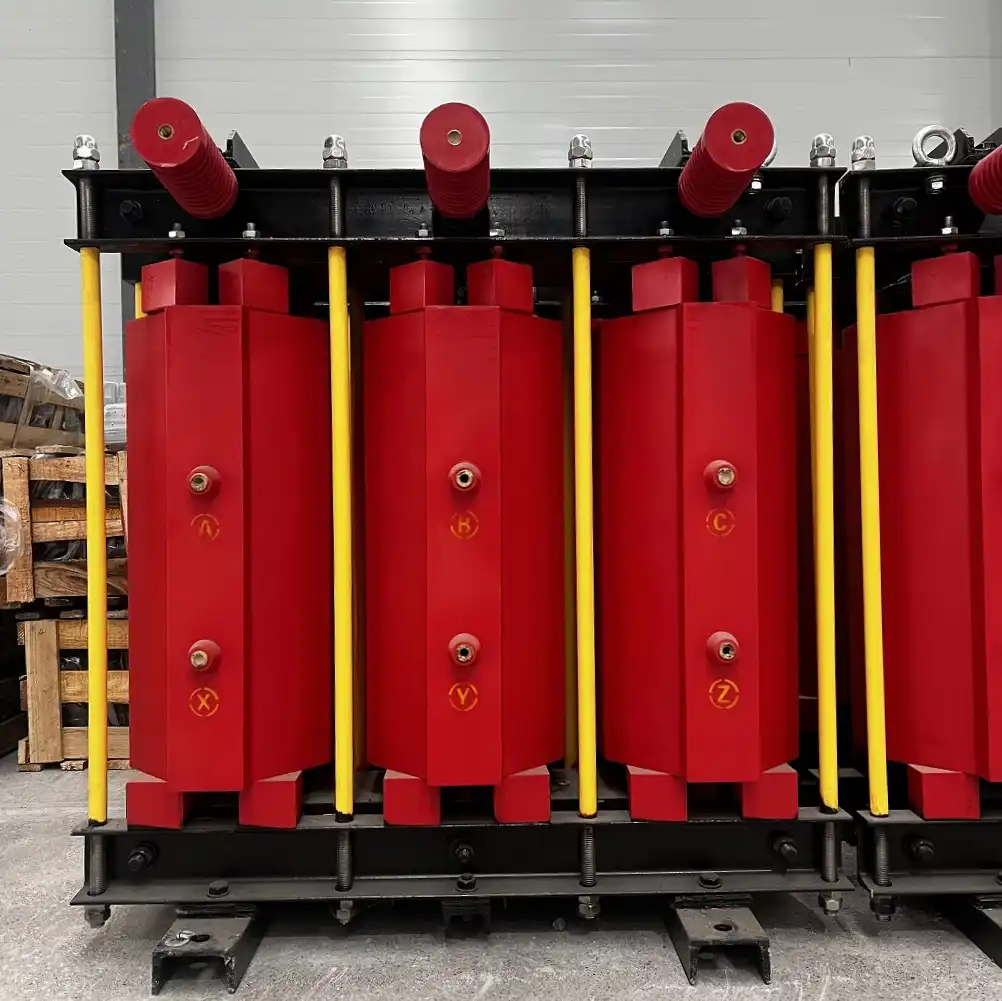
Dry-type Iron Core Reactors have grain-oriented silicon steel laminations that provide a regulated magnetic channel. This design concentrates magnetic flux within the core material, reducing undesired electromagnetic fields compared to air core designs. Energy and heat are wasted by eddy current losses. Laminated structures minimize these losses. To improve insulation, copper or aluminum windings are vacuum-impregnated with epoxy resin around the iron core. Epoxy encapsulation creates a water-, chemical-, and mechanical-resistant structure. Glass fiber reinforcement strengthens the coils, preventing breaking from temperature variations and high-current faults. Plans for air holes in the core structure prevent magnets from overheating during overload occurrences. Segmented designs maintain inductance regardless of current level. This ensures dependable performance in regular and transient settings. Finally, a reactor that can manage steady-state loads or voltage spikes was created.
Performance Characteristics That Matter
Dry - type Iron Core Reactor designs are better at managing heat. Its tiny size and excellent magnetic connection keep its temperature below 95°C even when the rated load is applied continually. Thermal efficiency extends insulation life and reduces cooling needs, particularly in enclosed substations with restricted airflow. Manufacturing improvements have improved sound. To prevent core vibration, modern iron core reactors employ segmented air-gap designs and high-temperature adhesives. Because of this engineering style, operating noise is below 75 dB, therefore these units may be employed in commercial buildings and substations in places with noise limits. The iron core's magnetic shielding limits electromagnetic interference to a narrow region. These reactors may be placed near metal switchgear and control panels without heating neighboring buildings. This helps for expanding small structures.
Maintenance and Operational Longevity
Dry-type Iron Core Reactors need no oil maintenance. Operators minimize the expense and environmental dangers of testing fluids, correcting leaks, and disposing of oil. The solid insulating system only requires visual and connection torque checks every year or two. Properly designed iron core reactors should survive 25–30 years in industrial settings. Protecting the windings from dirt and air moisture using epoxy glue prevents insulation breakdown and shortens equipment life. Durability lowers total cost of ownership over many years. Instead than fixing issues during shutdowns, facilities may schedule maintenance. The sturdy structure can withstand short-term overloads of up to 1.35 times the rated capacity without harm, offering you operating flexibility during peak demand or machine startup.
Insights into Air Core Reactors
Fundamental Design Philosophy
Air core reactors establish inductance using coils instead of ferromagnetic materials. Air is the magnetic medium and insulation for most cylinder or torus windings. Simple use is useful when electromagnetic purity is important. Iron-free cores eliminate magnetic saturation, hysteresis losses, and magnetostriction. Air core designs may be used in overcurrent situations since inductance is linear over a large current range. This function aids when fault currents surpass 100 times the operational current.
Operational Benefits and Trade-offs
Air core technology's main benefit is electromagnetic field compatibility. Without ferromagnetic components to concentrate magnetic flux, the electromagnetic field spreads broadly, limiting reactor harmonic generation. This helps sensitive instrumentation setups since even little electromagnetic disturbances might impair measurement accuracy. When weight counts, air core designs may help. No steel laminations means cheaper shipping and easier installation rigging. This helps with roof installations and lightweight buildings. Maintenance personnel like how simple the building is to inspect. However, these benefits have major drawbacks. To avoid induction heating, the magnetic field must be far from metal structures. Installation footprints are two to three times bigger than iron core substationfloors. Larger sizes increase material prices, especially when longer conductors are needed for sufficient inductance. Acoustic performance in air-core reactors varies substantially. Noise comes from mechanical forces between current-carrying conductors without iron core magnetostriction. When loaded, these electromagnetic forces may buzz in homes or offices with noise restrictions.
Comparative Analysis: Dry-Type Iron Core Reactor vs Air Core Reactor
Efficiency and Energy Losses
The majority of the time, Dry Type Iron Core Reactors are more effective. Due to better metalworking and production, core losses have minimized in contemporary silicon steel designs. With 30% less core loss than standard models, the CKSC series saves energy over time. Efficiency is particularly important in continuous-duty conditions, when little advances may save big. By definition, air core reactors lose little core. More resistive losses result with longer conductors. For compact, efficient installations, iron core is preferable.
Physical Footprint and Installation Requirements
Effective space usage aids Dry-type Iron Core Reactor construction. Engineers may get the inductance values they need in 40–60% smaller packages than air core units because laminated steel includes magnetic flux. The tiny dimension aids data centers and urban substations with limited space. Iron core reactor installers acquire safety certificates quicker. Controlled magnetic fields simplify cable routing and reduce substation space by bringing equipment closer. This cuts road and bridge building costs and speeds up projects.
Acoustic Emission Considerations
Increasing noise pollution rules limit hospital and residential equipment use. Modern Dry-type Iron Core Reactors with segmented air-gap designs and vacuum pressure impregnation run sub 75 dB at full load. These noise-reducing advances are in the CKSC Dry-type Iron Core Series Reactor. Current and mechanical design affect air core reactor noise. Higher current increases electromagnetic forces between conductors, which may generate a hum under load. Iron core technology is used in facilities that demand consistent acoustics.
Temperature Rise and Thermal Management
Thermal performance impacts equipment and comfort. Even when overloaded, the best Dry Type Iron Core Reactor units keep temperatures below 95°C. Thermal discipline increases insulation and minimizes AC demand in closed electrical rooms. Forced air cooling is needed for higher power ratings because air core designs spread heat. Natural convection cooling stops as unit sizes expand, raising equipment costs and causing cooling fan failure areas.
Cost Analysis for Decision-Makers
Even though initial purchase costs vary by rating and specification, most industrial application total cost of ownership estimations favor Dry-type Iron Core Reactor technology. Economics increase with smaller installation footprints, less civil work, maintenance, and energy efficiency. Calculate lifetime costs by considering energy demands throughout a projected lifespan. An iron core reactor at 99% efficiency saves money compared to an air core unit at 97% efficiency when megawatt-scale power flows consistently. The increased cost is usually covered in 3–5 years by operational savings.
Application Suitability Guidelines
Factory harmonic loads benefit from Dry-type Iron Core Reactor filter reactors. At resonant frequencies, the CKSC series removes the 5th, 7th, 11th, and 13th harmonic orders. This boosts power factor and safeguards upstream transformers. Power quality influences production in vehicle assembly, steel, and semiconductor factories. Iron core shunt reactors compensate for low-demand capacitive line charging in transmission network voltage substations. They are small and reliable, so they may be used inside and out. Grid operators value constant inductance for protection coordination and problem diagnosis. Commercial facilities modernizing outdated electrical systems use Dry-type Iron Core Reactors more. Eliminating flammable insulating fluids satisfies NFPA 70 fire safety standards and reducing noise meets comfort standards. Hospital administrators who guarantee critical care rooms have power think epoxy-encapsulated designs are best.
Procurement Guide for Dry-Type Iron Core Reactors
Technical Specifications to Define
Electrical settings must be set before buying a Dry-type Iron Core Reactor. Rated voltage must match system nominal voltage due to tolerance bands and short-term overvoltage. Medium-voltage distribution networks often use 480V, 4.16kV, 13.8kV, and 34.5kV. Set reactance settings carefully based on application goals. Harmonic filter reactors feature 5–14% reactance for series resonance at preset harmonic frequencies. Current-limiting reactors protect capacitor banks with 6–7% reactance. Voltage drop and inrush current avoidance are balanced. Thermal design employs constant current. This selection should be the greatest steady-state load you predict, taking ambient temperature and altitude into account. In buildings exceeding 3,300 feet, equipment must be derated or have sufficient cooling capacity to work.
Quality Standards and Compliance Requirements
Most reputable companies build IEEE C57.16 Dry-type Iron Core Reactors. The standard limits temperature growth, insulating materials, and test methods to assure product dependability. Using IEEE standards in procurement criteria sets quality expectations. Environmental compliance exceeds efficiency. California equipment must fulfill Title 24 energy efficiency standards. Entry to government facilities needs Trade Agreements Act compliance. Look for ISO 9001-certified quality management systems from providers. Their consistent manufacturing processes will be shown. Famous testing lab safety certifications provide you confidence. UL and CSA certificates say independent testers checked design safety and production quality. Certifications expedite local electrical inspector clearance and project commissioning.
Evaluating Manufacturer Capabilities
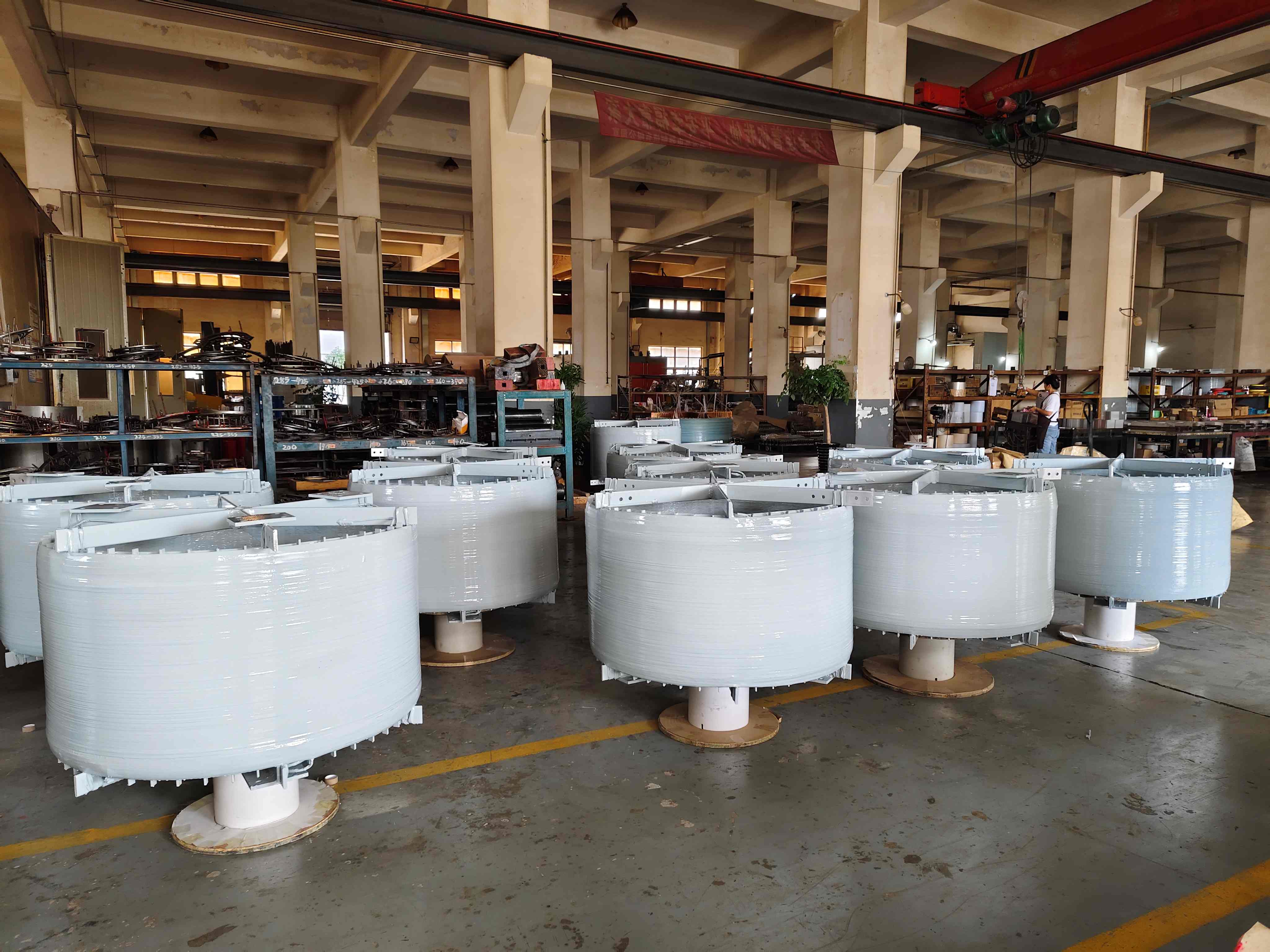
Dry-type Iron Core Reactor manufacturers excel in production and delivery. Established companies like Xi'an Xidian have large facilities that can create many commodities and meet specific needs. Their 34-series product line, which includes reactor technology products, shows engineers' versatility and expertise. Technical support is essential throughout an item's life. On-site commissioning supplies assure smooth setup and powering. Using application engineering during specification saves expensive mistakes. Prompt troubleshooting decreases operational downtime. Long-term dependability depends on product quality. To preserve coil form and insulation, modern suppliers use automated winding technology. Class F or H resin vacuum pressure impregnation generates void-free, partially discharge-resistant encapsulation. Leading manufacturers use a 12-step inspection procedure to find defects before shipment, decreasing field failure.
Customization Options to Consider
Dry-type Iron Core Reactor catalog items are helpful, but customization may address site-specific concerns. Adjust voltage ratings to fit historical or international system voltages. Use natural or forced air cooling for best performance in various climates. Proportions matter while retrofitting. Manufacturers may generally change enclosure sizes to fit through doors or on the floor without affecting electrical performance. Additional installation options include floor-standing, wall-mounted, and outside weatherproof enclosures. Terminal and connector hardware should meet substation standards. Correct busbar, stud, and terminal sizes simplify installation and decrease adaptor usage. These features prevent field edits from failing.
Supply Chain and Delivery Considerations
Standard Dry-type Iron Core Reactor orders ship from the facility in 8–12 weeks. Custom needs might delay manufacture by 14–16 weeks, depending on technological complexity. Avoid project delays by organizing procurement timetables around these factors.International purchases need more logistics. Ocean freight from Asian factories takes 4–6 weeks to reach West Coast ports. Two weeks for cross-country hauling. Avoid shipment delays by handling customs clearance and paperwork. Effective packaging protects equipment throughout transcontinental transport. Good providers use moisture-barrier wrapping, shock-absorbing containers, and tilt indications to protect goods. Check packaging before accepting delivery and absolving carriers.
Conclusion
Iron core or air core reactors affect power system performance, cost, and reliability. Dry-type Iron Core Reactors are appropriate for industrial and commercial applications because they minimize space, decrease operational losses, and confine electromagnetic fields. Some applications benefit from air core reactors' clean electromagnetic fields and linear inductance, but they need bigger rooms and more careful installation. The CKSC Dry-type Iron Core Reactor series demonstrates modern engineering's ability to solve problems. Protective epoxy encapsulation provides strength and environmental protection. Segmented air-gap construction reduces noise, making it suitable for cities. Less energy-intensive core designs save lifecycle costs and preserve infrastructure performance. Consider ownership costs while purchasing, not just the original price. The dependability, maintenance, energy efficiency, and space needs of equipment determine its economic value over decades. Choose established technology from well-known manufacturers for lifelong technical support and less risk.
FAQ
1. How do efficiency differences between iron core and air core reactors impact operating costs?
Dry-type Iron Core Reactors have 1-2% higher efficiency owing to lower core loss and greater magnetic coupling. This efficiency advantage saves a lot of energy over 20 years, especially in continuous-duty applications. The CKSC series decreases core loss by 30% over earlier designs, saving power and heat.
2. What maintenance activities do dry-type iron core reactors require?
Dry-type Iron Core Reactors are visually inspected annually for damage, tight connections, and airflow gaps. Fluid testing and leak monitoring are not necessary for Dry type equipment. Epoxy coating doesn't dissolve in the environment, therefore insulation lasts 25–30 years.
3. Can reactors be customized for unusual voltage levels or space constraints?
Reputable Dry-type Iron Core Reactor manufacturers provide options. To handle non-standard system voltages, change voltage ratings. Location-specific terminal sizes, combinations, and mounting options are available. Engineers in Xi'an frequently create novel refit and other solutions. They do this with 20-country experience.
Partner with Xi'an Xidian for Reliable Dry-Type Iron Core Reactor Solutions
Industrial operators and utility corporations trust Xi'an Xidian's Dry-type Iron Core Reactor technology to address power distribution issues. Our noise reduction and heat management unique techniques enable us to create a broad variety of reactors. Quality is our priority, as seen by the CKSC series. Vacuum-cast epoxy encapsulation and accurate air-gap designs improve performance. Our technical staff assists with application analysis, specification development, and commissioning to get the best outcomes for your requirements. Send an email to serina@xaxd-electric.com, amber@xaxd-electric.com, or luna@xaxd-electric.com to talk about your project needs and look into custom solutions from a top Dry-type Iron Core Reactor manufacturer.
References
1. Institute of Electrical and Electronics Engineers (2011). IEEE Standard C57.16: Requirements, Terminology, and Test Code for Dry-Type Air-Core Series-Connected Reactors. IEEE Standards Association.
2. National Electrical Manufacturers Association (2018). NEMA Standards Publication PE 1: Shunt Power Capacitors. National Electrical Manufacturers Association, Rosslyn, Virginia.
3. Copper Development Association (2016). Harmonics and Power Systems: Technical Reference Guide for Industrial Facilities. Copper Development Association, New York.
4. Electric Power Research Institute (2019). Power Quality Application Guide: Voltage Disturbances and Mitigation Strategies. EPRI Solutions, Inc., Palo Alto, California.
5. International Electrotechnical Commission (2014). IEC 60076-6: Power Transformers - Part 6: Reactors. International Electrotechnical Commission, Geneva, Switzerland.
6. McGraw-Edison Power Systems (2013). Application Guide for Dry-Type Distribution and Power Transformers. Cooper Industries, Houston, Texas.
_1774411186884.png)