How to Select the Right SVG Reactor for Your Application?
2026-04-02 16:53:05
Power systems' passive SVG Reactors store electrical energy and block harmonics without liquid dielectrics using a metallized polypropylene film wrapped in solid resin. These devices charge and discharge in response to AC waveforms to stabilize voltage, power factor, and high-frequency noise. Their self-healing metallization vaporizes defects to correct them instantaneously. Data centers, manufacturers, and utility grids that require stable power and must fulfill demanding electrical rules like IEC 60831 and NFPA 70 utilize them since they don't leak. Alternatives with oil may contaminate the environment.
 |
 |
Understanding SVG Reactors and Their Role in Power Systems
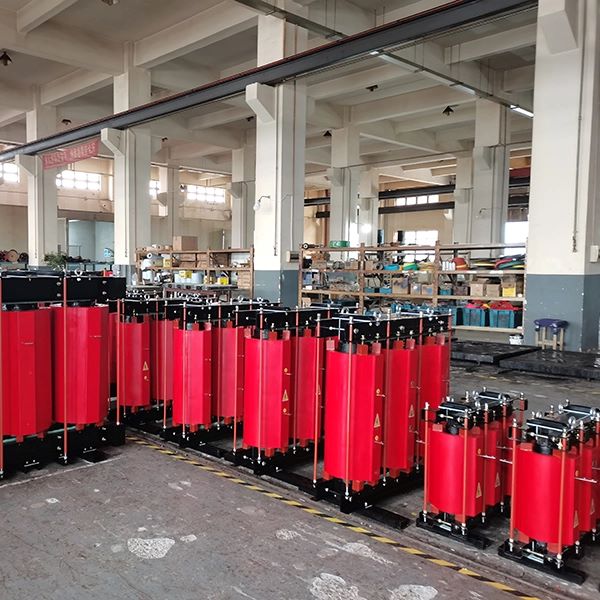
A contemporary hospital or factory's equipment runs on clean, dependable power after thousands of hours of preparation. The SVG Reactor, which filters and manages energy, is frequently overlooked yet crucial to dependability. Older oil-based designs varied greatly. Solid materials—mostly metallized polypropylene film—are wrapped securely and sealed in thermosetting resin instead of liquid-mixed dielectrics. This construction method solves industrial problems including fluid leaks, fires, and costly environmental cleanup costs.
What Makes an SVG Reactor Different from Standard Reactors?
It works because the SVG Reactor stores and releases electric charge as required. The terminals' dielectric substance polarizes when AC power is applied. This creates an electric field between metal layers. This field stores energy during voltage surges and releases it during troughs. This evens electricity supply.
Core Functions That Drive Operational Value
SVG Reactors' frequency-dependent impedance produces harmonic filtering. Current flows properly at 50Hz or 60Hz basic power frequencies due to their high impedance. Their impedance lowers significantly at harmonic frequencies, which are frequently odd multiples of 150Hz, 250Hz, or higher. This shields delicate equipment from distortions. Variable frequency drives, medical imaging equipment, and data processing systems may be damaged by voltage distortions that overheat, malfunction, or fail early. They avoid such issues with selective filtering.
Integration with Renewable Energy and Distributed Generation
Wind and solar farms supply inconsistent electricity to utility systems, making voltage regulation tougher. High-frequency switching artifacts from grid-tied inverters must be removed before reaching distribution networks. SVG Reactor banks at substation interconnection points stabilize voltage profiles, enhance power factor when generating circumstances vary, and prevent protection relay trips. Their modest footprint is excellent for outdoor substations with limited space since enclosure size impacts project cost.
Core Criteria to Consider When Selecting an SVG Reactor
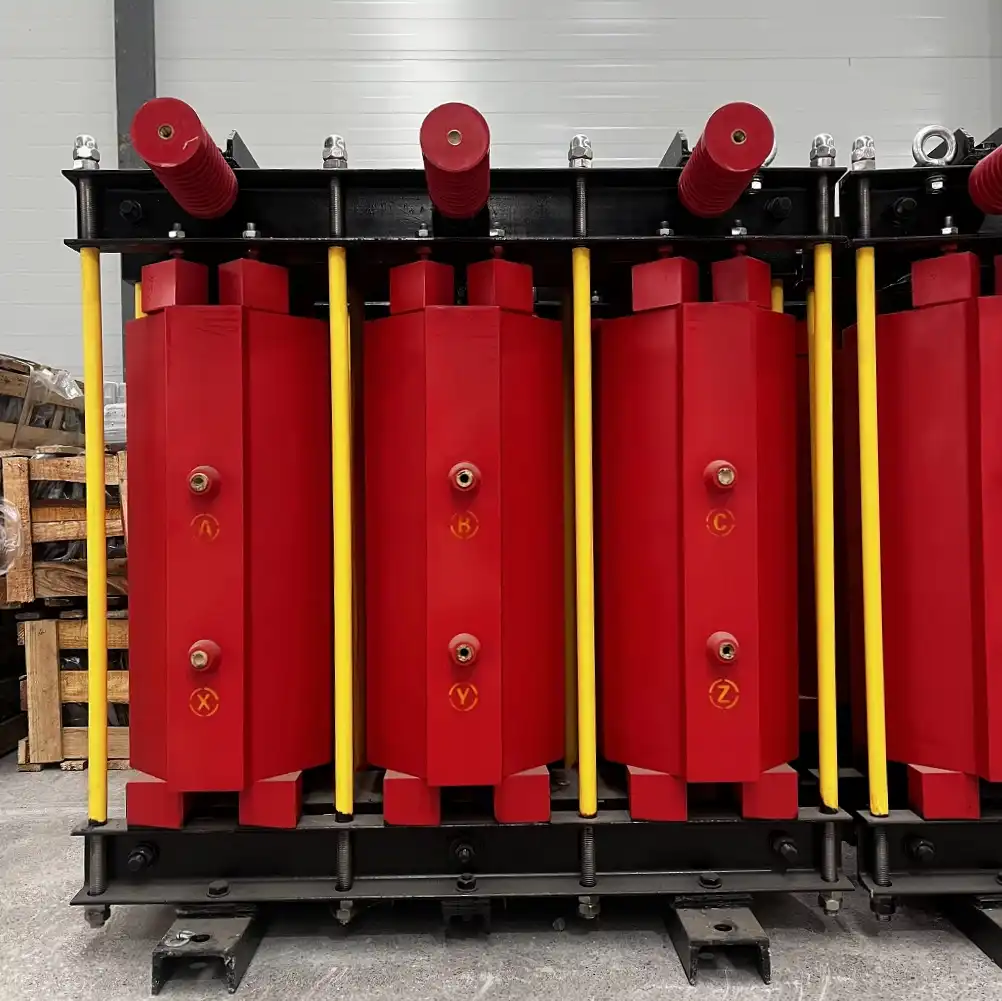
All maintenance managers know how stressful oily electrical equipment is. Eliminating liquid dielectrics eliminates these concerns. Xi'an Xidian employs UL 94 V-0 flame-resistant epoxy resin for dry construction. SVG Reactor encapsulation physically stabilizes the internal winding structure, offers thermal conductivity channels for heat escape, and blocks dampness.
Defining Your System Parameters and Application Requirements
Buying teams must consider several elements to ensure they operate with the building's electrical system. Voltage Rating matters: According to worldwide industrial voltage standards, 440V, 480V, 525V, and 690V are standard. The rating must be 10-15% greater than the system's nominal voltage to accommodate for utility regulatory ranges and prevent equipment wear. 525V units work well for 480V systems and 690V for 600V.
Critical Technical Specifications That Determine Performance
A unit's capacitance and reactive power output ratings from 5 to 100 kV are crucial. Target filtering frequencies detect industrial driving six-pulse and twelve-pulse rectifiers' problematic harmonic orders between 150Hz and 2500Hz. The type of SVG Reactor unit determines whether it operates at 85°C or 105°C. Because polymer chains break down faster at higher temperatures, every 10°C increase in temperature decreases lifetime in half.
Comparing SVG Reactors to Alternative Technologies
Oil-filled designs were once popular because they cooled better. Oil-containing units require containment devices to collect spills before they reach the groundwater or soil. These systems cost 20–35% more to install and need frequent inspections. Polluted oil must be analyzed and treated at recycling facilities before disposal. For safety, dry construction is becoming increasingly popular. According to the National Electrical Code, dry-type equipment may be placed near humans and fire-prone items, saving construction costs.
Evaluating Available SVG Reactor Products and Brands
Vacuum metallization producers monitor key parameters. At our Xi'an Xidian production line, laser trimming ensures capacitance tolerances of ±5%, crucial for balanced reactive power in multi-unit SVG Reactor banks. The film's thickness doesn't alter more than 0.01 mm across kilometers, preventing stress concentrations that accelerate aging.
Leading Global Manufacturers and Their Technical Approaches
The segmented metallization pattern's narrow, bare edges separate the electrode surface into zones, preventing defects from spreading significantly in self-healing processes. Breakdown clears just the broken portion, not the whole winding. This design allows Xi'an Xidian units to retain 95% or more of their rated capacitance after hundreds of self-healing operations.
Key Procurement Considerations Beyond Technical Specifications
Regulations must be followed: Federally funded, public, or international projects must fulfill specific conditions. Our production methods follow IEC 60831-1/2 for low-voltage components and IEC 61071 for power electronics. We have CE marking for European countries and UL requirements for North American markets. This certification portfolio simplifies approvals in many areas.
Pricing Benchmarks and Lead Time Expectations
Orders for regular catalog items with ratings between 440V and 690V and capacities between 5 and 100 kvar per unit ship within two to three weeks. Validating the concept, testing the prototype, and setting up production takes 4–6 weeks for custom-engineered solutions. For large projects with hundreds of units, phased delivery plans that fit with construction milestones are important.
Practical Tips for Procurement and Maintenance
Successful deployment goes beyond model selection. A study of lifespan costs found that the initial purchase price accounts for 15–25% of the total cost of ownership over 15–20 years. SVG Reactor lifecycles are largely determined on maintenance, energy losses, and replacement frequency. Dry-type devices with 100,000-hour MTBF are usually cheaper.
Streamlining the Purchasing Process
For non-standard needs, we maintain our production capabilities adaptable. Custom engineering is prioritized for projects with uncommon voltage ratings, mounting configurations, or environmental protection. Our design team chooses the appropriate building parameters for the installation based on load characteristics, ambient conditions, space constraints, and performance objectives.
Installation Best Practices and Cost Management
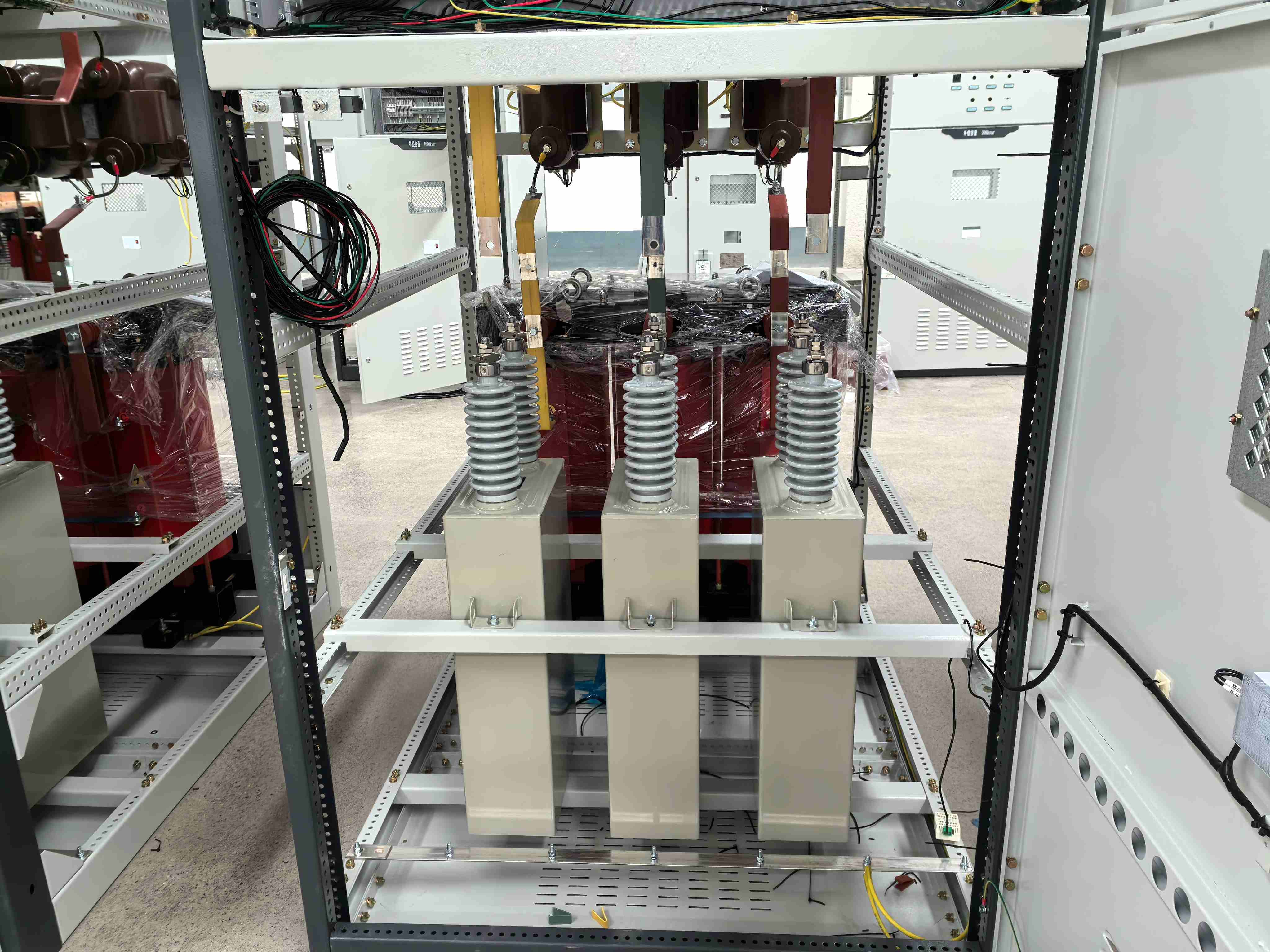
Retrofit projects that use existing panel space need various installation requirements. Cylindrical aluminum cans with threaded studs mount neatly on busbars, and rectangular plastic housings with quick-connect connections simplify maintenance window replacement. Universal installation allows units to be installed in any orientation without degrading. This function helps in cramped electrical rooms where placement must be balanced against wire routing.
Maintenance Protocols That Extend Equipment Life
We recommend visual inspections of the workplace every three months. Techs should record that the enclosure is solid and inspect for cracks, discolouration, and deformation. By inspecting the terminal connection, loose hardware—the main cause of failure—can be prevented. The torque values for M8 studs are 15 to 25 Newton-meters, and we recommend retorquing them annually. Infrared thermal imaging detects up heated connections during operation.
Case Studies and Application Scenarios
Real-world deployments demonstrate how proper SVG Reactor selection solves specific power quality challenges while delivering measurable financial returns.
Renewable Energy Integration Success Stories
Renewable energy sources like wind farms and solar panels supply inconsistent electricity to utility systems, making voltage regulation tougher. Grid-connected inverters produce high-frequency switching artifacts that must be removed. These banks at substation interconnection points stabilize voltage profiles, enhance power factor when generating circumstances vary, and prevent protection relay trips.
Industrial Applications Delivering Measurable ROI
The pulsing loads from precision machining centers produce voltage notches on facility buswork in CNC plants. These abrupt electrical system changes affect process controls. SVG Reactor Banks and adjusted Reactor Combinations eliminate resonance and correct power factor. Plants claim they no longer pay utility penalty costs and transformer capacity utilization has increased 15–20%.
Utility Grid Stabilization Projects
Server racks and network gear in data centers and telecom hubs require clean electricity that can't withstand 2% to 3% voltage variations. Installing SVG Reactor units with 440V to 690V ratings and 5 kvar to 100 kvar capacity stops these harmonics at their source. This maintains Total Harmonic Distortion (THD) below 5%, as IEEE 519 requires.
Conclusion
The SVG Reactor is a mature technology that improves industrial infrastructure power quality. Solid dielectrics protect against environmental threats and offer harmonic suppression, reactive power correction, and voltage stability for contemporary facilities. Self-healing metallized film architecture outperforms other technologies in fault tolerance. The technology will last longer and need less upkeep. Understanding operating principles, selecting the proper specifications, and practicing preventative maintenance can keep these parts working for decades.
FAQ
1. What is the typical lifespan of an SVG Reactor in industrial settings?
An SVG Reactor may survive 15–25 years if properly constructed and maintained, although some have lasted longer. How the device is utilized greatly affects lifespan. Operating at 100% of rated voltage and temperature puts greater stress on equipment than operating at 80–90%. Our field data demonstrates that thermal management maintains interior temperatures within design limits, extending MTBF to over 100,000 hours.
2. How do I determine whether an SVG Reactor or alternative solution is appropriate?
Load characteristics matter most. Standard metallized film devices can adjust power factor for continuous linear loads with little harmonics. Non-linear harmonic loads need heavy-duty SVG Reactor units with larger ripple current ratings and maybe detuning reactors to stop resonance. For safety in locations near people or combustible objects, dry construction is advised.
3. What challenges arise when retrofitting SVG reactors in existing infrastructure?
Retrofit projects that use existing panel space need various installation requirements. Universal mounting allows units to be installed in any direction without derating, which is beneficial in packed electrical rooms. Terminal connections must match busbar geometries, and cooling airflow surrounding new units must be adequate to avoid thermal damage.
Partner with Xi'an Xidian for Superior SVG Reactor Solutions
A SVG Reactor supplier is a partner for long-term operational success. Xi'an Xidian has 15 years of grid solution expertise and offers quick technical assistance and innovative production. Our reactors are designed for data centers and utility substations at 0.4kV to 10kV. Every device is factory-tested for thermal imaging, partial discharge analysis, and humidity simulation, and has ISO 9001 quality certification and various international safety clearances. We know procurement choices go beyond datasheets. That's why we provide consulting from specification development to commissioning and beyond. We have the flexibility and competence to supply regular catalog goods in weeks or custom-engineered solutions for particular limitations. Connect with our technical specialists at serina@xaxd-electric.com, amber@xaxd-electric.com, or luna@xaxd-electric.com to discuss your specific power quality challenges and explore how our SVG Reactor solutions deliver reliable performance, reduced operating costs, and measurable return on investment for your facility.
References
1. Institute of Electrical and Electronics Engineers. "IEEE Recommended Practice and Requirements for Harmonic Control in Electric Power Systems." IEEE Standard 519-2014, Revision of IEEE Standard 519-1992, 2014.
2. Hingorani, Narain G., and Laszlo Gyugyi. "Understanding FACTS: Concepts and Technology of Flexible AC Transmission Systems." IEEE Press Series on Power Engineering, Wiley-IEEE Press, 2000.
3. Mohan, Ned, Tore M. Undeland, and William P. Robbins. "Power Electronics: Converters, Applications, and Design." Third Edition, John Wiley & Sons, 2003.
4. Electric Power Research Institute. "Static Var Compensator Application Guide." EPRI Technical Report 1020394, Palo Alto, California, 2010.
5. Arrillaga, Jos, and Neville R. Watson. "Power System Harmonics." Second Edition, John Wiley & Sons, 2003.
6. International Electrotechnical Commission. "Electromagnetic Compatibility (EMC) – Part 4-30: Testing and Measurement Techniques – Power Quality Measurement Methods." IEC Standard 61000-4-30, Edition 3.0, 2015.
_1774321455861.png)