What Is an SVG Compensator? Working Principle and Benefits?
2026-04-01 17:37:05
It's possible for capacitor banks that are put in distribution networks to improve power factor and lower reactive power losses to interact with the system's impedances in a way that makes harmonic distortion worse. This effect is very dangerous for electrical equipment because it can cause it to overheat, lose its insulation, and break down early. As a result, these risks can be reduced with advanced SVG Compensator systems that have harmonic filtering, detuned reactors, and adaptive control algorithms. These systems make sure that the grid works smoothly and protects important infrastructure investments for businesses, utilities, and industrial facilities.
Understanding SVG Compensators: Definition and Core Principles
Electrical waveforms that aren't shaped like a perfect sine wave are called harmonics. Non-linear loads, like variable frequency drives, LED lighting systems, uninterruptible power supplies, and arc furnaces, which are common in factories, data centers, and hospitals, are the main cause of these distortions. Short pulses, not smooth waves, of electricity flow through these devices when current flows through them. They then send harmonic frequencies back into the distribution network, which are usually odd multiples of the basic 60Hz frequency.
What Exactly Is an SVG Compensator?
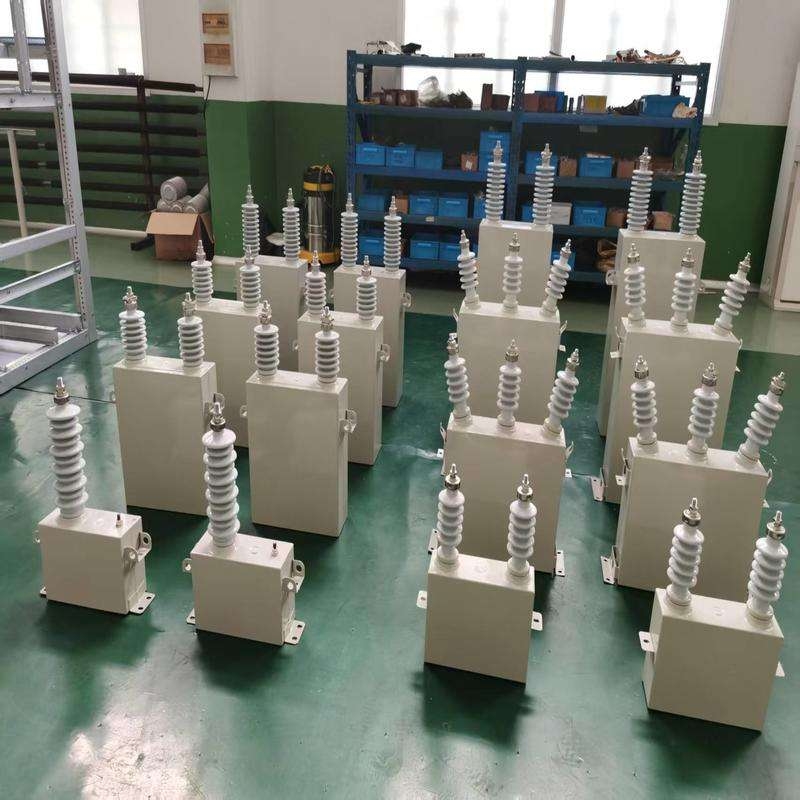
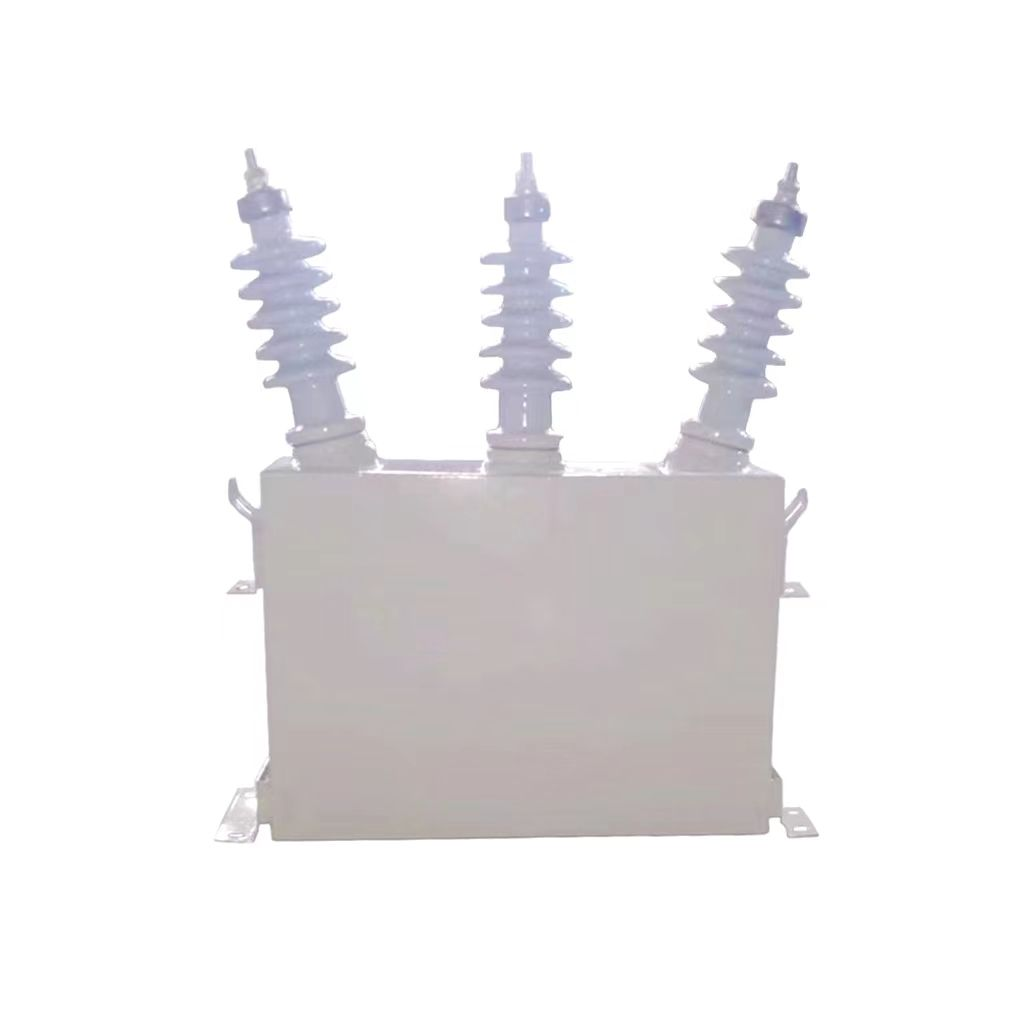
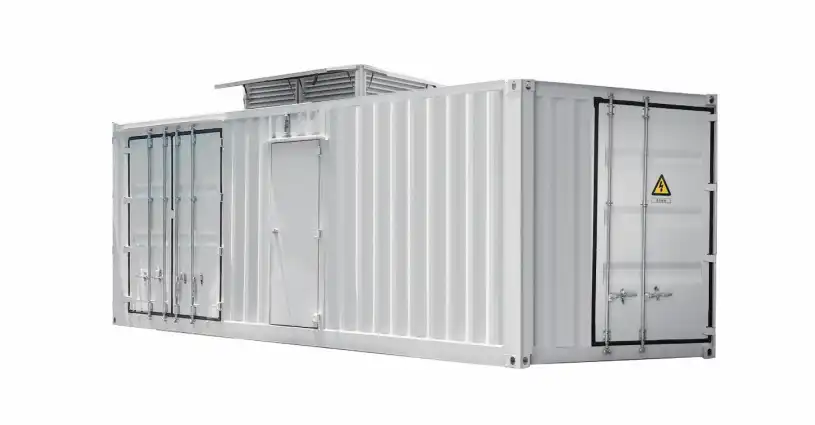
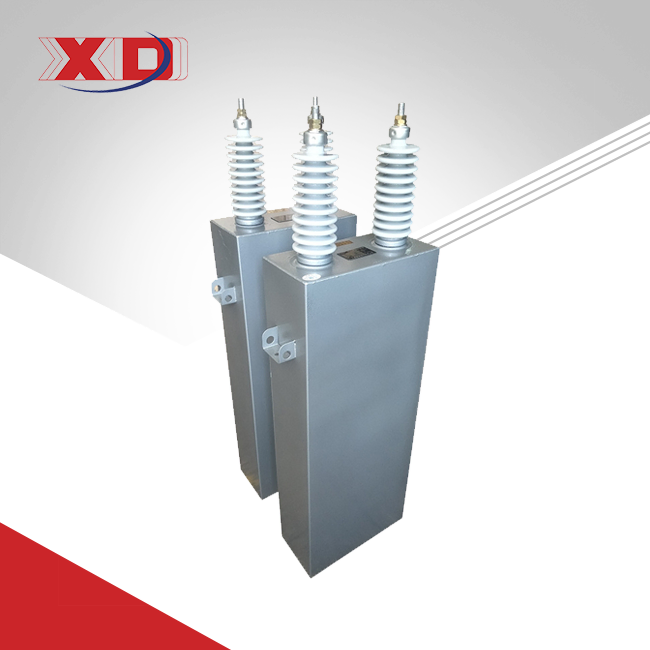
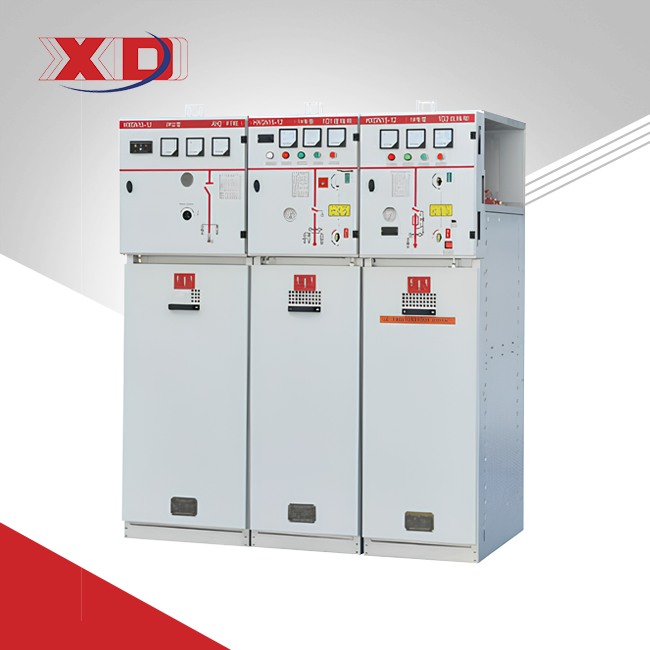
Modern SVG Compensator systems combine several subsystems into outdoor enclosures that are weatherproof and rated IP54 or higher. There are self-healing metallized film capacitors in the reactive compensation module that can handle continuous overvoltage operation. They are paired with series detuned reactors (usually 6%, 7%, or 13% reactance) that move the resonant frequency below the lowest significant harmonic, stopping amplification.
Core Operating Principle: How It Works
To turn on and off a capacitor, vacuum contactors or thyristor switches are used. With very little maintenance, vacuum technology can handle more than 50,000 mechanical operations, and thyristor-based soft-switching stops inrush currents by closing contacts precisely at voltage zero-crossing points. Fast Fourier Transform algorithms are run by the microprocessor controller to separate fundamental reactive power from harmonic distortion. This makes sure that switching decisions are based on real power factor measurements instead of distorted ones that would lead to wrong operations.
Key Components and Technology
The adaptive benefits of intelligent systems are clear from the work we've done with them. Intelligent controllers change switching delays and hysteresis bands to stop "hunting," which is rapid cycling that happens close to threshold boundaries. This greatly increases the life of the contactor. They have built-in voltage unbalance detection that turns off banks automatically when phase voltage differences go beyond safe limits. In cases of harmonic overload, the system can lock out certain steps while still doing some of the compensating.
Key Benefits of SVG Compensators in Industrial Applications
Issues with harmonics have direct effects on operations and finances. Transformer and motor efficiency drop by 10–20% when equipment gets too hot, which raises cooling costs and speeds up insulation aging. When given distorted voltage waveforms, sensitive electronic controllers in CNC machines and medical imaging equipment break down or lose data. An SVG Compensator ensures harmonic management is not just a technical issue; it is also a strategic priority for facility operators who want to protect profit margins and maximize uptime.
Improved Power Quality and Voltage Stability
When connected to the source impedance of the distribution system, capacitor banks naturally have inductive and capacitive properties that can be used to make series or parallel resonant circuits. The impedance drops or rises sharply when the resonant frequency hits a dominant harmonic frequency in the network. This is usually the 5th (300Hz) or 7th (420Hz) harmonic. This makes harmonic currents ten times stronger.
Harmonic Distortion Mitigation
This amplifying speeds up the breakdown of capacitor dielectrics, breaks fuses, and makes noise from transformers that can be heard. Installing a 1200 kVAr fixed capacitor bank at a chemical processing plant was known to lower the power factor from 0.72 to 0.96 while increasing 5th harmonic voltage distortion from 3.2% to 8.7%. Within six months, this caused three motor drives to fail. These examples show how important it is to take harmonic interactions into account.
Enhanced Power Factor Correction and Load Balance
Metrics on power quality show improvements that can be seen. Smart systems keep the power factor above 0.95 even when the load changes, while fixed banks go from overcorrecting when the load is low to undercorrecting when the demand is high. This level of consistency gets rid of utility penalties and raises demand charges the most. Facilities we've worked with say that switching to intelligent compensation has saved them between $2,000 and $8,000 a month in penalties.
Operational Cost Savings and Energy Efficiency
When the total cost of ownership is worked out, the investment gap closes very quickly. Intelligent systems cut maintenance costs by $3,000 to $5,000 a year by preventing part failures and getting rid of the need for emergency repairs. In typical industrial settings, saving energy adds another $4,000 to $7,000. Avoided downtime brings in the most money—avoiding just one unplanned outage in critical facilities is worth the extra cost of the investment.
Real-World Applications Across Industries
A factory in Arizona that made semiconductors put in a smart system with thyristor switching and reactors that were tuned down by 7%. Harmonic voltage distortion went from 9.2% to 2.8%, drive faults stopped happening, and yearly energy costs went down by $47,000. Similarly, since putting in an SVG Compensator with real-time harmonic monitoring, a Florida water treatment plant hasn't had a single capacitor fail in 42 months.
Practical Considerations for Procurement and Implementation
The initial cost of capital for an SVG Compensator is between 40 and 60% higher than for regular automatic banks with the same rating. Installing a 1200 kVAr intelligent outdoor compensation system usually costs $45,000 to $65,000. This extra charge is because harmonic mitigation features need more complex control systems, better parts, and more engineering.
Pricing Structures and Procurement Models
Depending on how much electricity is used and how much it costs, payback periods are usually between 18 and 36 months. Facilities that have harsh harmonic environments or strict uptime requirements see returns happen faster. We have proof of intelligent systems that paid for themselves in 14 months just by getting rid of power quality penalties, not counting the benefits to operations.
Identifying Trustworthy Suppliers and Installation Services
Commissioning services by professionals make sure that the system works at its best from the moment it is turned on. Expert technicians make sure that the equipment is properly grounded, that the settings for the controller are correct for the site, and that staged testing is done under different load scenarios. For systems up to 5 MVAr, commissioning usually takes two to three days.
Site Assessment and System Integration Best Practices
The most important problem that engineers need to think about during specification is still harmonic resonance. During the planning stages of a project, we do impedance frequency scans that plot the system's impedance across the 2nd to 25th harmonic frequencies to find possible resonance points. By choosing a detuned reactor, the resonant frequency stays below the 5th harmonic, usually between 200 and 210 Hz.
Compliance with Industry Standards and Regulations
When specifications are being made, communication protocol compatibility needs to be taken into account. These days, the grid works with standardized protocols, like DNP3.0 and IEC 61850 for utility systems and Modbus TCP/IP for industrial systems. Every year, a third party checks our factories to make sure they are following the rules for international safety and quality standards.
Maintenance and Troubleshooting Essentials
Testing the capacitor's capacitance and power factor every three years makes sure it is healthy. The capacitance of each capacitor unit should stay within ±5% of its nameplate rating, and the power factor should stay above 99.5%. Units that are outside of these ranges need to be replaced because they show advanced dielectric degradation that raises the risk of failure.
Future Trends and Innovations in SVG Compensator Technology
Monitoring harmonics all the time gives us the data we need to manage power quality well. When put in place at the point of common coupling, permanent power quality meters record voltage and current waveforms and instantly calculate harmonic spectra. An SVG Compensator integrated with these monitors can provide historical trends that show patterns that aren't visible in real-time measurements.
Enhanced Control Algorithms and IoT Integration
Setting baseline harmonic signatures during normal operations gives you a way to find problems. Any sudden rises in certain harmonic orders are signs of problems with the equipment or changes in the process that need to be looked into. A rise in the third harmonic voltage could mean that the neutral connection is breaking down, and a rise in the seventh harmonic current could mean that the variable frequency drive isn't working right.
Supporting Renewable Energy Integration
Redundancy is provided by two communication paths that use both cellular and fiber optic connections. Forensic analysis can be done after disturbances because local data logging keeps operational history for 90 days. This keeps data from being lost during communication outages, making it an ideal choice for remote renewable energy installations with limited network infrastructure.
Smart Grid Compatibility and Grid Services
Smart controllers can work on their own for a long time, and they can keep automatically adjusting the reactive power based on measurements of the local voltage, current, and power factor even if they can't talk to the central SCADA system. The logic inside the controller makes all the decisions about switching, protecting, and logging data on its own.
Research and Development Focus Areas
Firmware updates for controllers fix bugs that were found after the controllers were put into use and add new features that were made better through ongoing research. Every year, we usually put out firmware updates that include better harmonic filtering algorithms and support for more communication protocols. By updating firmware, systems can get the latest technology without having to buy new hardware.
Conclusion
In modern distribution networks, harmonic distortion is a big problem, especially after installing a capacitor bank, when resonance conditions can make problems much worse. To keep the electrical infrastructure safe and working well, it is important to know how harmonics are created technically, how capacitor banks affect system impedances, and how to set up smart compensation systems with adjustable controls and harmonic filtering. SVG Compensator systems have many advantages over traditional banks when it comes to operational performance, maintenance costs, and equipment protection. These advantages make them a good choice for demanding industrial, utility, and commercial uses. To have successful implementations, you need to pay close attention to the specifications, carefully evaluate the suppliers, and commit to ongoing monitoring and maintenance practices that keep the value of assets high over their longer service lives.
Frequently Asked Questions
1. How does an SVG compensator differ from a traditional capacitor bank?
When the inductive reactance of the source impedance of the distribution system is equal to the capacitive reactance of the installed capacitor bank at a certain frequency, this is called resonance. An SVG Compensator uses series reactors rated at 6%, 7%, or 13% of capacitor reactance to create a resonant frequency below the lowest significant harmonic in the system. This stops amplification while keeping the benefits of power factor correction, providing a much more stable and intelligent response than traditional banks.
2. What maintenance does an SVG compensator system require?
Every three months, there should be visual checks to look for physical damage and loose connections. Every year, thermal imaging and electrical testing make sure that the contacts are still good. The health of the capacitor is checked every three years by measuring its capacitance, and the controller's firmware is updated as new versions come out. Based on the duty cycle, vacuum contactors need to be inspected or replaced every 40,000 to 50,000 operations.
3. Can an SVG compensator help with renewable energy integration challenges?
Yes, smart controllers can work on their own for a long time, keeping the grid stable even if communication with the central SCADA system is lost. The logic inside the controller makes all the decisions about switching and protection on its own. Systems store operational data locally for 90 days, ensuring grid stability and power factor correction keep happening even if the communication network goes down, which is very important for remote renewable installations.
For systems up to 5 MVAr, commissioning usually takes two to three days after the physical installation is complete. Expert technicians make sure that the equipment is properly grounded, that the settings for the controller are correct for the site, and that staged testing is done under different load scenarios. Detailed documentation is provided for facility maintenance records upon completion.
Partner with Xi'an Xidian for Your Power Quality Needs
SVG Compensator maker Xi'an Xidian has been providing power quality solutions to a wide range of industries and tough environments for more than 30 years. We offer 10kV and 22kV outdoor line compensation systems that are both reliable and use cutting-edge technology to reduce harmonics. These systems are modular and can be changed to fit your needs, ranging from 300 kVAr to 10 MVAr. The smart grid-ready communication capabilities, all-around protection features, and stainless steel construction make sure that it will work reliably for decades in the harshest environments. Our technical team can be reached at serina@xaxd-electric.com, amber@xaxd-electric.com, or luna@xaxd-electric.com by facility managers, utility engineers, and system integrators. They will be happy to provide detailed application analysis and personalized recommendations.
References
1. IEEE Power and Energy Society. "IEEE Recommended Practice and Requirements for Harmonic Control in Electric Power Systems - IEEE Standard 519-2014." Institute of Electrical and Electronics Engineers, 2014.
2. Hingorani, Narain G., and Laszlo Gyugyi. "Understanding FACTS: Concepts and Technology of Flexible AC Transmission Systems." Wiley-IEEE Press, 2000.
3. Akagi, Hirofumi, Edson Hirokazu Watanabe, and Mauricio Aredes. "Instantaneous Power Theory and Applications to Power Conditioning." John Wiley & Sons, 2017.
4. Dixon, Juan, Luis Moran, Jose Rodriguez, and Ricardo Domke. "Reactive Power Compensation Technologies: State-of-the-Art Review." Proceedings of the IEEE, Volume 93, Issue 12, 2005.
5. Miller, T.J.E. "Reactive Power Control in Electric Systems." John Wiley & Sons, 1982.
6. Rashid, Muhammad H. "Power Electronics Handbook: Devices, Circuits, and Applications." Academic Press, Fourth Edition, 2017.
_1774324496045.png)