
GW10 Outdoor Disconnect Switch: What Sets Its Design Apart?
2026-11-18 17:19:34
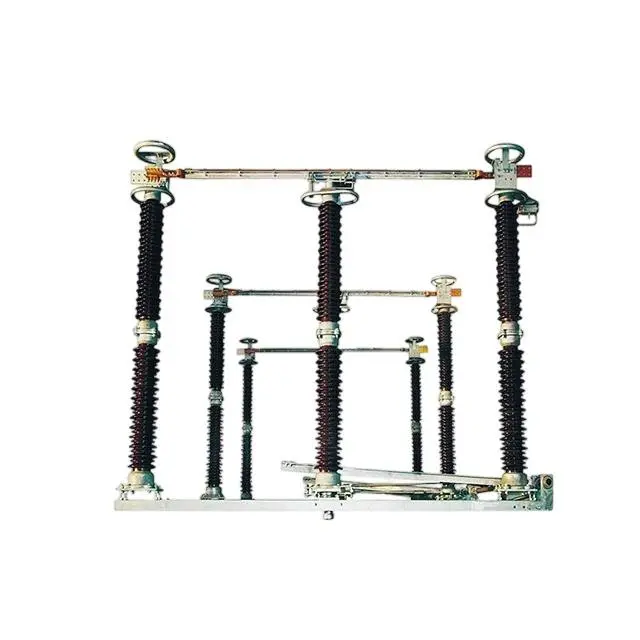
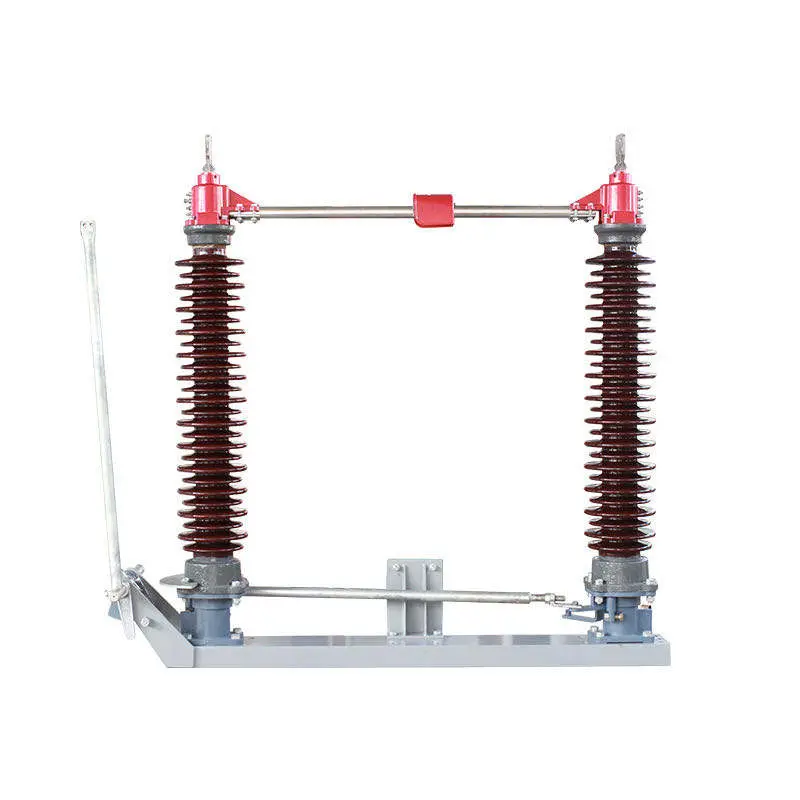
The GW10 outdoor disconnect switch stands apart through a single-column vertical pantograph layout, corrosion-resistant materials, and a contact system built for stable pressure. Hot-dip galvanized steel and a stainless steel transmission system resist rust, while an aluminum alloy profile improves heat dissipation. Grading rings and shields at the contacts control the electric field and reduce radio frequency interference. Rated for 126–550 kV and up to 5000 A, this high voltage disconnector suits substations and power plants. I will explain how each design choice works, what to verify before you buy, and how to specify it for your project.
What Is an Outdoor Disconnect Switch and How Does It Work?
Isolation, Switching, and Protection Are Different Jobs
An outdoor disconnect switch separates equipment from the live system and gives crews a safe, visible break before work starts. IEC 62271-102 describes a disconnector as a device that provides an isolating distance in the open position and carries normal current when closed. It may open or close a circuit only when the current is negligible. It cannot interrupt fault current, so the circuit breaker still handles protection. In a substation, the disconnector sits beside the breaker, and operators follow a set switching sequence. Mixing up these roles leads to wrong ratings and unsafe operation.
How the Single-Column Pantograph Mechanism Moves
The GW10 uses a single-column vertical pantograph design. When the operating mechanism turns, the stainless steel arms lift or lower the contacts vertically. In the open position, the arms fold down and leave an isolating gap you can see from the ground. One insulator column per phase keeps the footprint small, which helps in compact bays. Our product data lists smooth operation beyond 10,000 cycles, and the short friction travel limits wear on every stroke. Operate it only when the circuit carries no load.
Terminals, Contacts, and the Current Path
Current enters at the line terminal, moves through flexible busbar connections and the aluminum alloy profile, crosses the contacts, and leaves at the opposite terminal. Flexible connections absorb thermal expansion and small movement, so terminal pads carry less mechanical stress. Bent copper plates form part of the conductive path and make maintenance easier. Externally compressed stainless steel springs hold the contacts under steady pressure. Each link affects temperature rise at high current, so I suggest checking the temperature-rise results in the type test report before you approve a design. In this outdoor disconnect switch, the drawing and the test report should agree.
What Sets the GW10 Outdoor Disconnect Switch Design Apart?
Materials Built for Pollution and Salt Fog
Corrosion causes many field problems on an outdoor disconnect switch. The GW10 uses hot-dip galvanized steel for structural parts, and its pins, bushings, joints, and bearings are stainless steel. The zinc coat protects the base steel from pollution and salt fog, while stainless steel keeps moving joints free from rust that could stiffen operation. The aluminum alloy profile improves heat dissipation. Together, these choices suit coastal, industrial, and desert sites. Still, insulators decide pollution performance, so I cover creepage distance below. Ask for coating records and material certificates before approval.
A Contact System That Holds Pressure
Contact pressure decides how well a switch carries rated current and withstands short circuits. The GW10 compresses its stainless steel springs externally, which resists rust and keeps pressure stable. Short friction travel means the contacts slide only a short distance during closing, so surfaces wear less over many operations. Bent copper plates make maintenance easier. Together these features target mechanism reliability, a leading concern for bays where an outage costs a great deal. Ask the supplier to link each claim to mechanical endurance and short-circuit test records, and inspect spring condition during routine checks.
Electric Field Control at the Contacts
Grading rings and shields at the contacts shape the electric field around edges where stress peaks. A smoother field distribution lowers corona risk and reduces radio frequency interference, which matters near communication and protection equipment. At 550 kV, field control becomes a bigger design task, so ask for dielectric test records for your voltage class. Our product data lists dielectric strength tests up to 550 kV and salt fog corrosion tests. Compliance with IEC 62271-102 gives a common reference for design and testing, and I recommend confirming the exact edition your project requires.
GW10 Outdoor Disconnect Switch Applications and Configuration Choices
Where the GW10 Fits
The GW10 outdoor disconnect switch serves outdoor substations, power plants, and industrial grids on 126–550 kV transmission networks. Common positions include busbar isolation and line isolation beside circuit breakers. The single-column layout suits yards where space is tight, and the optional installation on both base sides helps retrofits. Wind and solar plants that connect at high voltage use the same isolation logic, so the same selection steps apply. Match the rated voltage and insulation level on the datasheet to your system, and confirm that the layout drawing fits your bay dimensions before you commit.
Rated Voltage, Current, and Short-Circuit Withstand
Start with three numbers: rated voltage from 126 to 550 kV, rated current up to 5000 A, and short-circuit withstand. Your design institute or engineer sets system voltage and fault level. Ask the supplier to confirm peak and short-time withstand values in a type test report, because these values show whether contacts and mechanism survive fault current without damage. Choose rated current with margin above the maximum load, and check temperature rise at that current. Choosing an outdoor disconnect switch by current alone leaves out insulation level, fault duty, and pollution exposure.
Creepage Distance and Base Orientation
For polluted sites, creepage distance deserves early attention. IEC 60815 groups site pollution severity into classes from very light to very heavy and links each class to a specific creepage distance in mm/kV. Heavy industrial and coastal sites need longer creepage, which can mean taller insulators or a changed layout. Next, decide the mounting side. The GW10 base can be installed on either side, which helps when yard geometry, mechanism location, or retrofit limits drive the layout. State your pollution class and preferred base side in your first inquiry to avoid redesign later.
Installing, Operating, and Maintaining an Outdoor Disconnect Switch
Pre-Installation Checks
Before lifting any part, compare the nameplate with the purchase contract and inspect each post insulator for cracks or chips. Our installation manuals for related disconnectors also tell crews to check fasteners, level the bases, and keep the insulator centerline vertical, since a slanted column loads the contacts unevenly. Operate the mechanism by hand once to confirm smooth rotation, firm end positions, and correct auxiliary switch action. Match the foundation drawing to the base dimensions. These steps take little time and prevent most alignment problems at commissioning.
Safety Rules on Site
Treat every outdoor disconnect switch as a lockout point. Apply lockout and tagout, test for absence of voltage, and install grounding before work begins. NFPA 70E sets requirements for electrical safety in the workplace, and your utility will add site rules. Operate the disconnector only after the breaker has cleared the circuit, and follow the interlock sequence between disconnector, earthing switch, and breaker. Only qualified personnel should commission the switch, using the model-specific manual and the final approved drawing. Record the as-built settings so later crews start from known conditions.
Maintenance Planning
The GW10 has a maintenance-free design in its key parts, yet I still advise scheduled inspections. Our manuals for related GW7-series isolating switches call for routine checks about every five years and an inspection after any severe short circuit. Typical tasks include cleaning insulators and contact surfaces, checking fasteners for looseness, inspecting insulators for cracks, and confirming that the mechanism and auxiliary contacts reach their final positions. For the GW10 itself, follow the manual shipped with your order. Planned checks cost far less than an unplanned outage.
Buying the GW10 Outdoor Disconnect Switch: A B2B Procurement Guide
What to Request Before You Order
I suggest four steps: define the site and pollution class, set voltage, current, and fault level, choose mechanism and base side, then verify documents. Request datasheets, outline drawings, type test reports, material certificates, routine test records, spare parts lists, lead times, and warranty terms. Confirm that the type test report covers the same model, voltage class, and contact design you plan to buy, because a report for another configuration gives little assurance. For projects needing several sets, count freight, installation, maintenance, and outage risk in total cost, not only the unit price.
How to Evaluate a Supplier
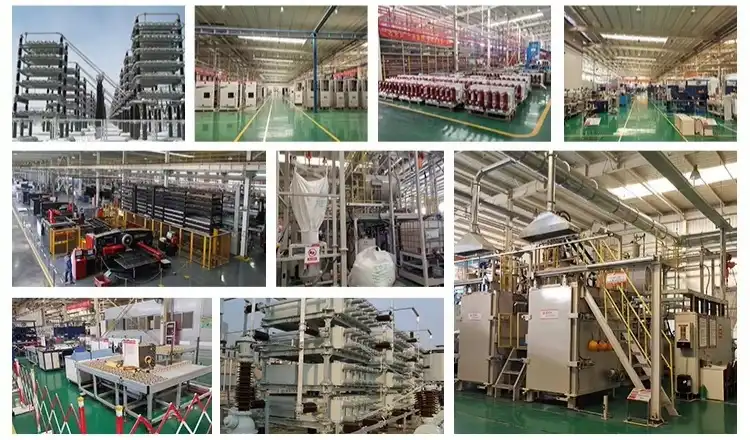
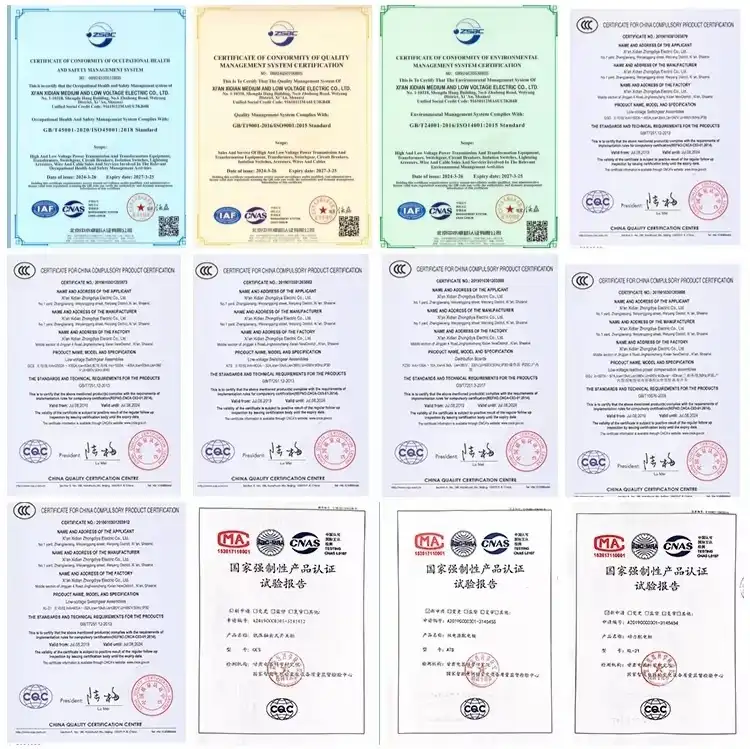
Separate manufacturers from trading companies by asking about production capability, quality systems, export experience, and engineering support. At Xi'an Xikai, production runs under ISO 9001, and each GW10 goes through 23+ quality checks from raw materials to final assembly. Our solutions serve State Grid systems, power engineering, petrochemicals, rail transportation, and renewable energy projects. When you contact any outdoor disconnect switch manufacturer, send a complete brief with quantity, destination, voltage, current, pollution class, and delivery schedule. A clear brief speeds quoting and cuts back-and-forth.
Mistakes to Avoid
Several errors repeat across projects. Buyers choose by current alone, skip the pollution class, or accept a test report from a different model. Some apply low-voltage NEMA 3R, 4, or 4X ratings to an air-insulated high voltage switch, yet those ratings describe enclosures for low-voltage equipment, while a 126–550 kV outdoor disconnect switch relies on insulators, creepage distance, and clearances. Others skip mechanism commissioning or leave operating sequences undefined. Avoiding these mistakes protects schedules, approvals, and outage windows. Review samples or factory acceptance records before bulk approval.
Conclusion
The GW10 outdoor disconnect switch combines a single-column vertical pantograph layout with hot-dip galvanized steel, a stainless steel transmission system, flexible busbar connections, stainless contact springs, and grading rings with shields. These features address the main field concerns: corrosion, contact pressure, heat, wear, and electric field stress. Its 126–550 kV and 5000 A range covers many transmission applications. A sound decision still depends on matching rated voltage, current, short-circuit withstand, and creepage distance to the site, then confirming each point with a type test report for the same model. Careful installation, safe switching sequences, and scheduled inspection keep any high voltage disconnector dependable, while a clear inquiry and document review limit procurement risk.
FAQ
1. What does an outdoor disconnect switch do in a substation?
It provides a visible isolating gap for maintenance. Under IEC 62271-102, it opens or closes only when current is negligible, while the circuit breaker interrupts fault current.
2. What voltage and current range does the GW10 cover?
The GW10 covers 126–550 kV and rated current up to 5000 A. Confirm the exact rating for your configuration on the datasheet.
3. How should I judge the GW10 for heavily polluted sites?
Request the creepage distance and compare it with the IEC 60815 pollution class for your site. Also ask for type test reports and material records for the model you plan to buy.
4. Can the GW10 base be installed on either side?
Yes, the GW10 offers optional installation on both base sides. State your preferred side and layout drawing when you inquire.
Request GW10 Outdoor Disconnect Switch Specifications from Xi'an Xikai
Planning a 126–550 kV project? Xi'an Xikai works as an outdoor disconnect switch manufacturer, and our plateau-type equipment meets operating needs at altitudes up to 4,000 meters. Send your voltage class, rated current, pollution level, and quantity to serina@xaxd-electric.com, amber@xaxd-electric.com, or luna@xaxd-electric.com. We will reply with datasheets and drawings and discuss your type test report requirements.
References
1. IEC 62271-102: High-voltage switchgear and controlgear – Part 102: Alternating current disconnectors and earthing switches, 2018
2. IEEE Std C37.30.1: IEEE Standard Requirements for AC High-Voltage Air Switches Rated Above 1000 V, 2011
3. IEC 60815-1: Selection and dimensioning of high-voltage insulators intended for use in polluted conditions – Part 1: Definitions, information and general principles, 2008
4. IEC 62271-1: High-voltage switchgear and controlgear – Part 1: Common specifications for alternating current switchgear and controlgear, 2017
5 NFPA 70E: Standard for Electrical Safety in the Workplace, 2024
6. IEEE C2: National Electrical Safety Code, 2023
