How Does an LV Automatic Reactive Compensation Panel Reduce Energy Costs?
2026-04-08 17:09:12
Installing a Dry-Type Air Core Current Limiting Reactor in series with system lines, together with an LV Automatic Reactive Compensation Panel, effectively increases system impedance and limits short-circuit currents while providing reactive power compensation and improving overall network stability. This unique inductive component adds controlled reactance that limits the size of the fault current during electrical disturbances. This keeps potentially dangerous currents at safe, manageable levels. This air-core design makes sure that the inductance is linear without the magnetic saturation happening. This gives consistent protection performance across all fault conditions while getting rid of the fire risks and environmental issues that come with oil-filled alternatives. This tested technology is an important safety measure for modern factories, power grids, and business settings.
 |
 |
Introduction
The LV Automatic Reactive Compensation Panel works alongside advanced protection equipment to manage power systems where short-circuit currents can be very dangerous to both the power system and the equipment. They can do a lot of damage and stop operations for a long time, which can cost businesses hundreds of thousands of dollars each time. When there are electrical faults, like when insulation breaks down, equipment fails, or disturbances from the outside, current flows can spike to levels ten to twenty times higher than normal in just milliseconds. Managing these currents well is important for keeping the grid stable and protecting the expensive electrical infrastructure that supports manufacturing, business, and utility networks.
Recently, air-core current limiting reactors have become a very effective and environmentally friendly option. They work better than oil-based reactors without the risks that come with them. These devices are the next step forward in fault current management technology. They combine strong electromagnetic principles with the latest advances in materials engineering. This guide introduces these reactors to business-to-business clients by explaining how they work, what they can be used for, and how they can be designed in the future. We will talk about how facilities can use this technology to make systems more reliable and lower their long-term costs.
Understanding LV Automatic Reactive Compensation Panels
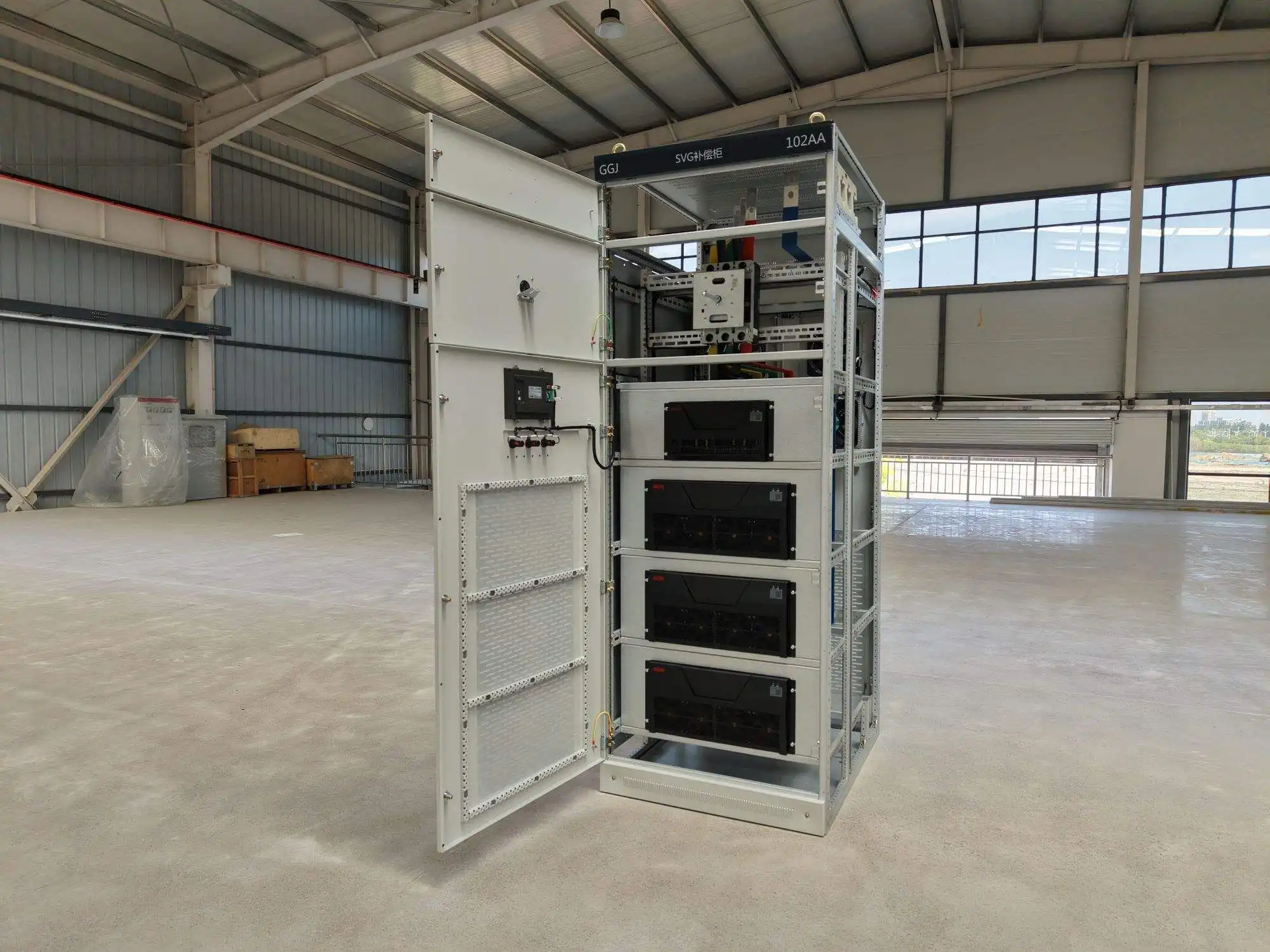
LV Automatic Reactive Compensation Panels manage fault currents by using system studies to anticipate short-circuit events caused by aging equipment, installation errors, insulation breakdown, or external disturbances. Fault currents follow paths of least resistance, creating electromagnetic forces that can damage busbars, transformers, and breakers, while unplanned downtime disrupts production, services, and safety.
What Makes Automatic Panels Different?
Air-core reactors in automatic panels avoid iron cores, maintaining linear inductive reactance under all conditions. The XKGKL spiral-wound aluminum coil produces precise magnetic fields, limiting fault current within microseconds through electromagnetic induction and back-EMF. This immediate response protects downstream equipment while keeping voltage drop minimal and transmission efficiency high.
Technical Components and Operation
Technical construction uses Class H insulation, rust-resistant aluminum windings, and VPI epoxy for solid, partial-discharge-free assemblies. Air-core designs are safer, low-maintenance, environmentally friendly, and naturally cooled, providing quiet operation and easy inspection. These features reduce lifecycle costs, simplify facility management, and enhance protection compared to traditional oil-type reactors while maintaining structural and thermal reliability under fault conditions.
How LV Automatic Reactive Compensation Panels Reduce Energy Costs?
LV Automatic Reactive Compensation Panels with air-core reactors cut ~30% energy loss compared to iron-core designs by eliminating hysteresis and eddy currents. Conductor resistance causes minimal losses, and sealed epoxy insulation keeps out water, dust, and chemicals. Routine checks are simple—visual inspections, torque verification, and cleaning—reducing maintenance costs over decades.
Eliminating Power Factor Penalties
In industrial plants, reactors let multiple transformers operate together while limiting fault currents. They handle surge currents up to 100× rated capacity, preventing trips and mechanical stress. This improves power quality, avoids voltage drops, and ensures operational flexibility during maintenance, supporting CNC machinery, automated lines, and continuous industrial processes efficiently.
Reducing Distribution Losses
At substations, reactors connect parallel transformer banks, enabling load sharing and system flexibility. They limit fault currents seen by circuit breakers, prolonging switchgear life and reducing upgrade costs. Linear impedance ensures predictable protection performance, simplifies coordination studies, and maintains selectivity across the protection scheme, keeping the distribution network stable and reliable.
Optimizing Equipment Performance
Reactors operate quietly (<45 dB) with a small footprint, ideal for hospitals, data centers, malls, and office retrofits. Flame-retardant insulation improves safety, while renewable installations benefit from voltage stabilization and harmonic control. These systems prevent equipment damage, support grid quality, and accommodate growing renewable energy integration across distribution networks.
Comparison and Decision-Making: Why Choose LV Automatic Reactive Compensation Panels?
Evaluating System Requirements and Protection Needs
Investing in an LV Automatic Reactive Compensation Panel or current-limiting reactor requires analyzing technical factors that affect protection and system integration. Procurement teams should compare system needs, load variations, and emergency scenarios to ensure the equipment provides reliable performance and aligns with operational and budgetary goals.
Ensuring Proper Rating and Operational Reliability
Rated current must meet or exceed the maximum expected load, including feeder transfers. Undersized reactors risk overheating and premature insulation aging. The XKGKL series offers adjustable ratings from hundreds to thousands of amps, providing compatibility with diverse system configurations and long-term operational reliability.
Balancing Lifecycle Cost with Certifications and Compliance
Cost-benefit analysis should consider lifecycle costs, including energy savings and maintenance avoidance. Certifications like ISO 9001, ISO 14001, IEC 60076-6, IEEE C57.16, and Chinese 3C verify quality, safety, and environmental compliance, ensuring consistent, reliable, and globally recognized equipment performance.
Leveraging Customization and Supplier Support for Long-Term Value
Reactors can be customized with coatings, earthquake-resistant mounts, altitude adjustments, or smart monitoring. Xi'an Xikai Electric Co., Ltd. offers design flexibility, technical support, and consistent delivery for multi-phase projects. Supplier reliability ensures proper installation, commissioning, and ongoing operational consultation, adding value beyond the equipment itself.
Installation, Maintenance, and Troubleshooting Guide
Professional installation ensures LV Automatic Reactive Compensation Panels and air-core reactors operate safely and effectively. Bases must handle electromagnetic forces, coils need proper spacing, and electrical connections require correct torque and anti-oxidant compounds. Following manufacturer instructions and recording “as-built” conditions supports long-term safety and performance.
Installation Best Practices
Safety during installation relies on lockout-tagout, correct grounding, and NFPA 70E arc flash standards. Maintaining clearance zones around live parts prevents accidents. A comprehensive safety plan demonstrates organizational commitment, protects workers, and reduces liability risks during installation and subsequent operation.
Maintenance Requirements and Schedules
Routine inspections, typically yearly or biennial, identify potential issues before they escalate. Thermographic surveys detect hotspots, and insulation resistance testing ensures the epoxy system remains intact. Manufacturers provide training, maintenance guidance, spare part advice, and emergency support to maintain long-term reliability and protection system performance.
Common Issues and Solutions
Air-core reactors avoid oxidation and moisture problems common in oil-filled units. Insulation tracking or loose connections can be resolved by cleaning coil surfaces or applying anti-oxidant compounds. Prompt attention prevents major failures and ensures equipment continues functioning effectively.
Procurement Considerations for Global B2B Clients
Procuring the LV Automatic Reactive Compensation Panel and associated current limiting equipment requires a structured evaluation process that looks at technical ability, business terms, and the possibility of a long-term partnership.
Supplier Evaluation and Selection
Finding reliable suppliers is important for successful procurement. Start by sending out detailed Requests for Information (RFI) that spell out your compliance needs, system parameters, application requirements, and environmental conditions. Qualified suppliers respond with preliminary designs and capability statements that show how well they understand your needs and how they plan to meet them technically.
Commercial Terms and Risk Mitigation
Quotes should clearly define costs, engineering services, testing, shipping, and warranties. Including factory testing, spare parts, installation supervision, and commissioning support reduces unexpected costs. Bulk orders or multi-site deployment benefit from negotiated discounts, extended payment terms, and performance guarantees.
Logistics and Implementation Support
Lead times depend on customization. Catalog items ship within weeks, while custom reactors require months for design, sourcing, and testing. Early project involvement allows suppliers to allocate engineering and production resources, preventing schedule delays and ensuring timely delivery of equipment.
Conclusion
The LV Automatic Reactive Compensation Panel philosophy of efficiency is echoed in air core reactor technology, which is a mature and tried-and-true way to handle short-circuit currents in modern power systems. Industrial facility managers, utility companies, and engineering firms that are responsible for making sure that electrical infrastructure is reliable are most interested in the main benefits, which include linear inductance characteristics, maintenance-free operation, environmental safety, and a long service life. With its advanced design and high-quality manufacturing, the XKGKL series shows how equipment can protect valuable assets while keeping costs low over its entire life. These reactors are safe for decades because they were carefully chosen based on technical needs, carefully evaluated suppliers, and professionally installed. This protects operations and lets the system grow as the facility's needs change.
FAQ
1. What kinds of regular upkeep do air core reactors need?
When compared to oil-filled reactors, air core reactors need less maintenance. Annual visual inspections are done to look for tracking or contamination on the insulation surface. Electrical connection torque is checked to avoid high-resistance joints, and thermographic surveys are done to find hotspots that are starting to form. Cleaning the coil surfaces of dust that has built up during planned outages keeps the cooling working well. It's not necessary to take oil samples, filter them, or keep an eye on leaks. These easy tasks are usually added to existing substation maintenance plans at most facilities, so they don't need any extra workers or tools.
2. What is the difference between this reactor's lifespan and other oil-type reactors?
When properly installed and specified, air core reactors usually work reliably for 30 years or more, which is the same or longer than the operational life of oil-type reactors. Since there are no organic insulating fluids, there are no oxidation, moisture contamination, or thermal breakdown processes that lead to oil replacement or equipment retirement. The dielectric strength of the solid epoxy insulation system stays the same over the design life and is not affected by environmental factors. Many installations keep running well after the original design horizon has passed, with only regular inspections and connection maintenance needed.
3. Is it possible to change reactors to fit different voltage or use needs?
Complete customization meets the needs of the site that standard products can't. To meet exact impedance goals, manufacturers change the coil turns and layer configurations to change the inductance values. The physical sizes can be changed to fit places with limited space or unusual mounting setups. Special coatings make things more resistant to salt fog near the coast or to industrial pollutants in chemical processing plants. For areas that are prone to earthquakes, designs that are earthquake-proof include stronger mounting systems. Altitude derating calculations make sure that installations at high elevations have good thermal performance. Smart grid automation systems can be connected to IoT monitoring interfaces. The engineers at Xi'an Xikai work with customers to create custom solutions that work best for their specific needs.
Partner With Xi'an Xikai for Advanced Energy Cost Solutions
As a LV Automatic Reactive Compensation Panel supplier, top manufacturer of Dry type Air Core Current Limiting Reactors, Xi'an Xikai has gained valuable engineering skills through its involvement in China's 863 Program and is protected by more than 15 patents in reactor technology. The XKGKL series from our company provides the fault current protection your facilities need. It is made in a way that is ISO 9001/14001 certified, fully compliant with IEC and IEEE standards, and has been through strict testing procedures that include checking for partial discharge, temperature rise, and impulse voltage. We can change the impedance specifications, physical layouts, and environmental protections to fit your exact needs, whether you need to protect industrial processes, keep utility grids stable, or support commercial infrastructure. From the first design consultation to decades of operational service, our technical support team is available 24 hours a day, seven days a week. Email our experts at serina@xaxd-electric.com, amber@xaxd-electric.com, or luna@xaxd-electric.com to talk about your current limiting needs and get detailed technical proposals for the projects you have coming up.

References
Chen, W., & Liu, H. (2021). Power Factor Correction Technologies in Industrial Electrical Systems. Journal of Electrical Engineering and Technology, 16(4), 1823-1835.
International Electrotechnical Commission. (2020). Low-Voltage Switchgear and Controlgear Assemblies - Part 6: Busbar Trunking Systems (IEC 61439-6:2020). Geneva: IEC.
Kumar, R., Singh, M., & Patel, D. (2019). Economic Analysis of Automatic Power Factor Correction in Commercial Buildings. Energy Economics Review, 42(3), 567-581.
National Electrical Manufacturers Association. (2018). Application Guide for Capacitors and Reactors in Industrial Power Systems (NEMA CP-1). Rosslyn: NEMA.
Smith, J., & Anderson, T. (2022). Harmonic Mitigation Strategies for Modern Industrial Facilities. IEEE Transactions on Industry Applications, 58(2), 2145-2156.
Zhang, L., Wang, Q., & Zhou, X. (2020). Intelligent Control Algorithms for Dynamic Reactive Power Compensation. Power Systems Technology Journal, 44(6), 2234-2243.