What Defines Rugged Switchgear for Tropical Applications?
2026-01-19 15:36:48
Tropical rugged switchgear is designed to survive harsh environmental conditions. These systems operate reliably in high humidity, harsh temperatures, and corrosive environments because to their improved corrosion resistance, moisture protection, and thermal control. Tropical indoor high voltage switchgear uses improved sealing technologies, specific coatings, and strengthened construction to perform and last longer. Facility operators, utility corporations, and engineering firms seeking reliable power distribution solutions must understand tropical application requirements. Specialized switchgear is needed to continue operations in tropical settings since regular electrical equipment cannot handle them. This article describes tough switchgear for tropical environments, helping procurement and operational planning.
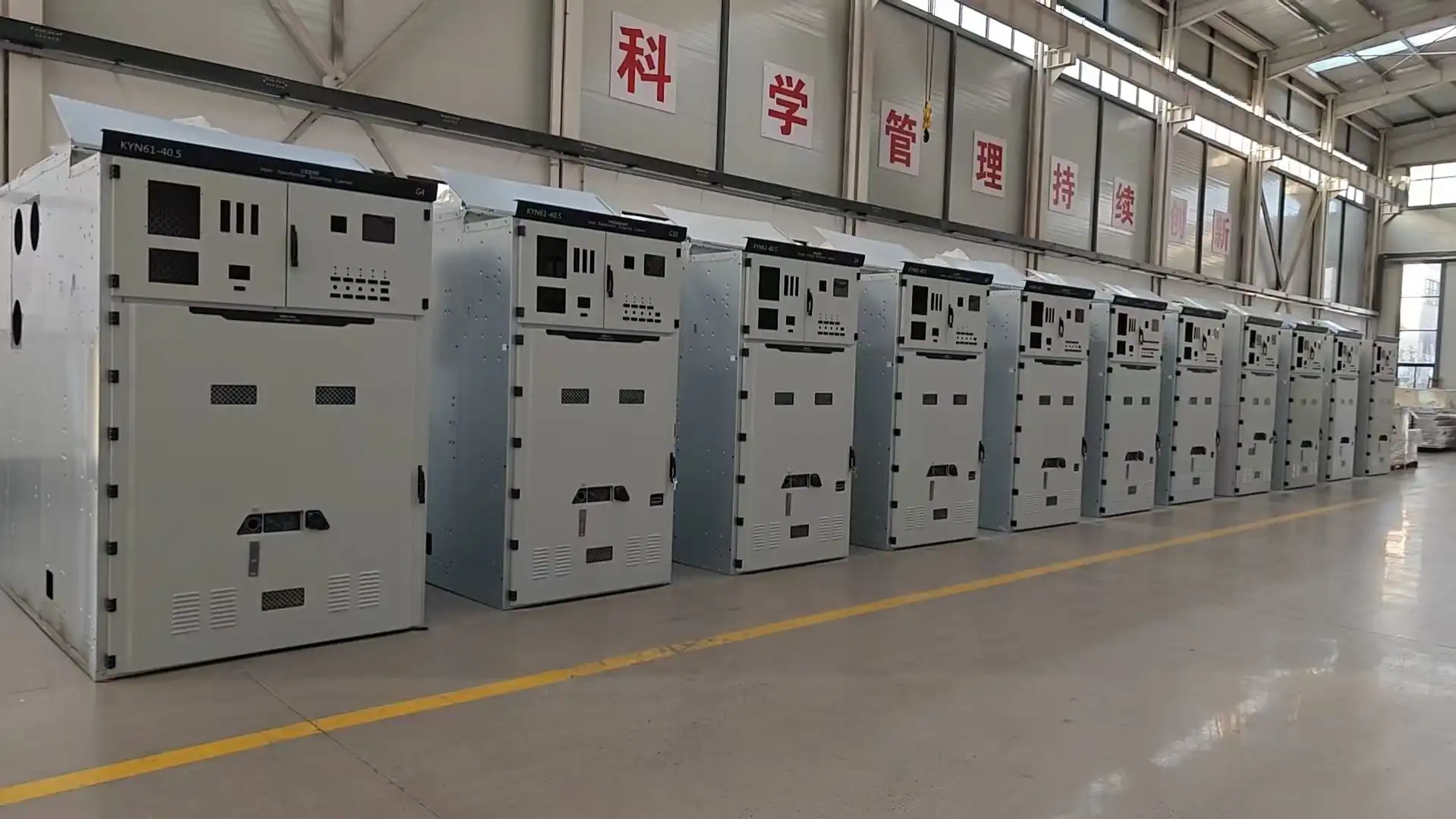
Understanding the Challenges of Tropical Environments for Indoor High Voltage Switchgear
When it comes to electrical equipment, tropical regions create a perfect storm of issues that could potentially cause damage. Traditional electrical systems are vulnerable to the potential dangers posed by excessive humidity, wetness, significant temperature fluctuations, and corrosive air elements.
Humidity and Moisture Impact
The humidity in tropical regions frequently surpasses 80 percent, which makes it possible for moisture to permeate electrical components and deteriorate insulation. Infiltration of moisture accelerates the aging process of insulating materials, which results in a reduction in dielectric strength and increases the likelihood of flashovers or device failure. Electrical connections and switches are more likely to corrode when they are exposed to moist conditions.
Temperature Extremes and Thermal Cycling
Thermal stress and material expansion and contraction are both things that are caused by tropical climates, which are characterized by rapid temperature variations between day and night. Thermal cycles cause mechanical connections to become more fragile, create gaps in seals, and speed up the process of material fatigue. It is necessary for the apparatus to be able to withstand intense heat during the day and rapid cooling during tropical storms.
Corrosive Atmospheric Conditions
The salt spray and salty atmospheres that are present in tropical coastal areas are capable of destroying metals. Locations in tropical industrial areas are extremely corrosive due to the high humidity and sulfur pollution in the air. Due to the presence of these air constituents, oxidation is increased, and structural and electrical components are damaged.
Core Design Principles of Rugged Indoor High Voltage Switchgear for Tropics
Tropical switchgear design involves systematic protective techniques for each environmental risk. Companies must combine protective technology to make systems that work in harsh environments.
Advanced Material Selection and Coating Technologies
Specialized materials and coatings protect rugged switchgear against corrosion and environmental damage. Advanced polymer coatings defend against moisture and chemical assault, while stainless steel replaces ordinary metals in essential sections. These safeguards maintain structural integrity throughout long service durations.
Zinc-rich primers, epoxy barrier coatings, and polyurethane topcoats provide numerous corrosion protection layers. Conformal coatings on circuit boards and vapor-phase corrosion inhibitors in enclosed locations are applied to inside components. In harsh tropical circumstances, these complete protective solutions enhance equipment life.
Enhanced Sealing and Enclosure Design
High IP-rated enclosures with tropical gaskets and seals are the main moisture barrier for indoor high voltage switchgear. Gas-tight designs keep humidity out of crucial internal components, while pressure equalization systems manage thermal expansion without compromising seals. Special glands and sealants protect cable entry locations.
Thermal Management Systems
Tropical locations where ambient temperatures approach equipment limits require effective heat dissipation. Filtered air circulation in advanced ventilation systems removes heat and prevents pollution. Despite external thermal stress, heat exchangers and cooling systems maintain ideal interior temperatures.
Comparing Indoor High Voltage Switchgear Types for Tropical Use
Switchgear technology differ in protection and adaptability for tropical applications. Facility managers can make informed decisions depending on environmental and operating conditions by understanding these distinctions.
Air Insulated Switchgear versus Gas Insulated Switchgear
Tropical humidity can cause humidity-related flashovers in air-insulated switchgear. AIS is cheaper but requires considerable environmental protection in humid climates to be reliable. Enclosure design and climate control can reduce these issues but increase complexity and costs.
Gas-insulated switchgear with sealed SF6 gas compartments prevents moisture-related failures. The hermetically sealed design avoids contamination and maintains insulation independent of humidity. GIS systems are reliable in tropical applications but require specialized maintenance and a larger initial cost.
Ruggedized Design Features
Standard switchgear for tropical service has ruggedization features. Reinforced mechanical systems tolerate heat cycling, better arc interruption capabilities account for humidity effects, and monitoring systems detect environmental intrusion before harm. These design improvements retain operational reliability, as shown by successful tropical installations.
Maintenance and Installation Best Practices to Maximize Rugged Switchgear Performance
In tropical settings, tough switchgear performance depends on proper installation and maintenance. Environmental concerns must be considered while guaranteeing long-term reliability and safety.
Site Preparation and Environmental Control
Good installations start with thorough site preparation that accommodates local environmental conditions. Building envelope design must prevent moisture penetration and allow heat removal. Dehumidification systems control indoor conditions, while drainage prevents equipment foundation flooding.
Tropical installations require specific grounding systems due to soil and lightning conditions. Grounding networks with corrosion-resistant conductors improve fault clearance and worker safety. Due to thunderstorm activity, tropical installations need lightning protection systems.
Preventive Maintenance Programs
Tropical settings promote aging, therefore maintenance regimens must account for that. Early corrosion, insulation deterioration, and seal integrity loss are detected by regular inspections. Thermographic assessments detect hot places that may signal difficulties, whereas insulation resistance testing checks electrical integrity.
Tropical-specific maintenance includes condensation removal, corrosion treatment, and seal replacement for indoor high voltage switchgear. Environmental monitoring data and maintenance records are needed to follow equipment condition trends. These extensive maintenance methods greatly improve equipment life and reliability.
Procurement Considerations for Rugged Indoor High Voltage Switchgear in Tropical Applications
Technical specifications, supplier capabilities, and total cost of ownership must be considered while buying tropical switchgear. Buyers must weigh initial expenditure against long-term operating benefits for maximum value.
Standards and Certification Requirements
Tropical switchgear performance is assessed using international standards. IEC 62271 covers high-voltage switchgear, while IEEE C37 covers switching devices. Regional standards may mandate local environmental or utility practices.
Accelerated aging and environmental simulation verify tropical equipment performance in certification programs. These certifications guarantee equipment performance throughout its design life. Independent testing labs verify manufacturing claims and tropical performance capabilities.
Supplier Evaluation and Support Services
Manufacturing, quality, and post-delivery assistance must be considered while choosing suppliers. Tropical manufacturers understand regional issues and may advise on applications. Service networks with local support respond quickly to maintenance and emergencies.
Environmental damage coverage should be included in warranty terms for the difficult working environment. Local staff learn tropical switchgear operation and maintenance through training. Support services are especially useful in remote areas where specialized expertise is scarce.
Conclusion
Rugged switchgear for tropical uses is a special type of electrical equipment that is made to work in places with a lot of moisture, extreme temperatures, and environments that rust, including indoor high voltage switchgear. In tropical settings, installations that work well need thorough construction methods that use modern materials, better sealing systems, and strong thermal management tools.
During the selection process, different switchgear technologies must be carefully weighed against the needs of the surroundings and the way they need to be used. The right way to install and maintain something is just as important for getting the best performance and service life. Facility managers can get reliable electrical infrastructure that keeps working even in tough tropical conditions by making smart purchasing choices that take technical specs, supplier capabilities, and total cost of ownership into account.
Frequently Asked Questions
Q1: What is the difference between indoor high voltage switchgear designed for tropical vs temperate climates?
A: Tropical switchgear features enhanced corrosion resistance, superior sealing technologies, and specialized thermal management systems to withstand high humidity and temperature fluctuations common in tropical areas. These systems incorporate advanced coatings, high IP-rated enclosures, and materials specifically selected for moisture resistance.
Q2: How often should indoor high voltage switchgear in tropical settings be maintained?
A: Maintenance frequency depends on usage and environment severity but generally includes quarterly inspections with focus on moisture ingress, corrosion, and electrical integrity to ensure reliability. Accelerated aging processes in tropical environments necessitate more frequent monitoring compared to temperate climate installations.
Q3: Can rugged indoor switchgear be retrofitted for improved tropical performance?
A: Yes, many standard indoor switchgears can be upgraded with better sealing, protective coatings, and thermal management systems to enhance durability in tropical conditions. However, retrofitting effectiveness depends on the original equipment design and may not achieve the same performance level as purpose-built tropical switchgear.
Xi'an Xidian: Your Trusted Indoor High Voltage Switchgear Supplier for Tropical Excellence
Switchgear maker Xi'an Xidian Medium & Low Voltage Electric Co., Ltd., an indoor high voltage switchgear manufacturer, is well-known for making products that work well in warm areas. We can make equipment that works really well for power distribution, starting motors, and monitoring the grid because we have improved production techniques. For easy integration into current systems, our switchgear is made to work with ABB VD4 and VS1 breakers, isolation trucks, and transformers.
Tropical-rated switchgear from us uses cutting-edge safety features that have been carefully studied and tried in real-world situations. Using advanced interlocks and arc-resistant designs that meet IEC 62271-200 standards protects both machinery and people. Our products’ casings are resistant to corrosion and can withstand temperatures ranging from -25°C to +55°C, so they will work reliably even in tough situations. Beyond manufacturing, we offer a wide range of support services, such as help 24 hours a day, seven days a week, and quick delivery of spare parts, to make sure your activities run smoothly. Contact serina@xaxd-electric.com, amber@xaxd-electric.com and luna@xaxd-electric.com to find out more or talk about your unique needs.
References
1. International Electrotechnical Commission. "High-voltage switchgear and controlgear - Part 200: AC metal-enclosed switchgear and controlgear for rated voltages above 1 kV and up to and including 52 kV." IEC 62271-200:2021.
2. Institute of Electrical and Electronics Engineers. "IEEE Standard for AC High-Voltage Circuit Breakers Rated on a Symmetrical Current Basis - Preferred Ratings and Related Required Capabilities for Voltages Above 1000 V." IEEE Std C37.06-2009.
3. Chakravorty, S., and Kumar, A. "Environmental Impact Assessment on High Voltage Switchgear Performance in Tropical Climates." Journal of Electrical Engineering and Technology, vol. 15, 2020, pp. 1847-1856.
4. Zhang, L., Wang, H., and Liu, M. "Corrosion Protection Strategies for Electrical Equipment in Marine and Tropical Environments." IEEE Transactions on Power Delivery, vol. 34, no. 3, 2019, pp. 1203-1211.
5. Thompson, R.J., and Singh, P. "Reliability Analysis of Gas-Insulated Switchgear in High-Humidity Environments." International Conference on High Voltage Engineering and Application, 2018, pp. 287-292.
6. National Electrical Manufacturers Association. "Application Guide for Metal-Clad Switchgear in Severe Service Conditions." NEMA SG 5-2017, 2017.