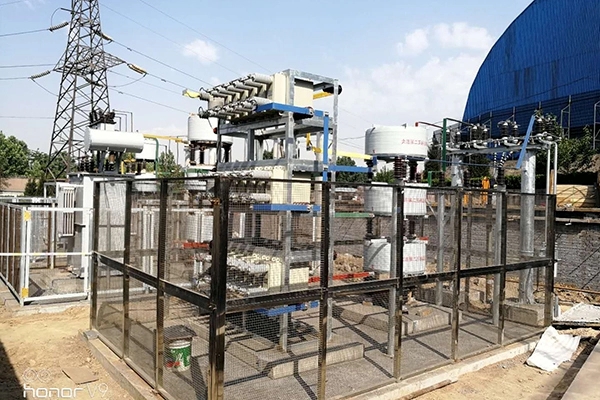
How Does Real-Time Voltage Monitoring Prevent Downtime?
2026-01-19 15:36:50
Real-time voltage monitoring in indoor high voltage switchgear systems locates anomalies before they cause costly breakdowns. Modern sensors and communication modules collect instantaneous electrical data and activate automated voltage disturbance protection. Facilities can detect concerns milliseconds after they arise to prevent equipment damage and maintain operations. Manufacturing, data centers, and commercial buildings must reduce downtime as unscheduled breakdowns cost $50,000/hour. Traditional monitoring fails to identify faults until they cause substantial damage, making operators reactive. Live electrical parameter monitoring keeps indoor high voltage switchgear running smoothly and warns users to problems.
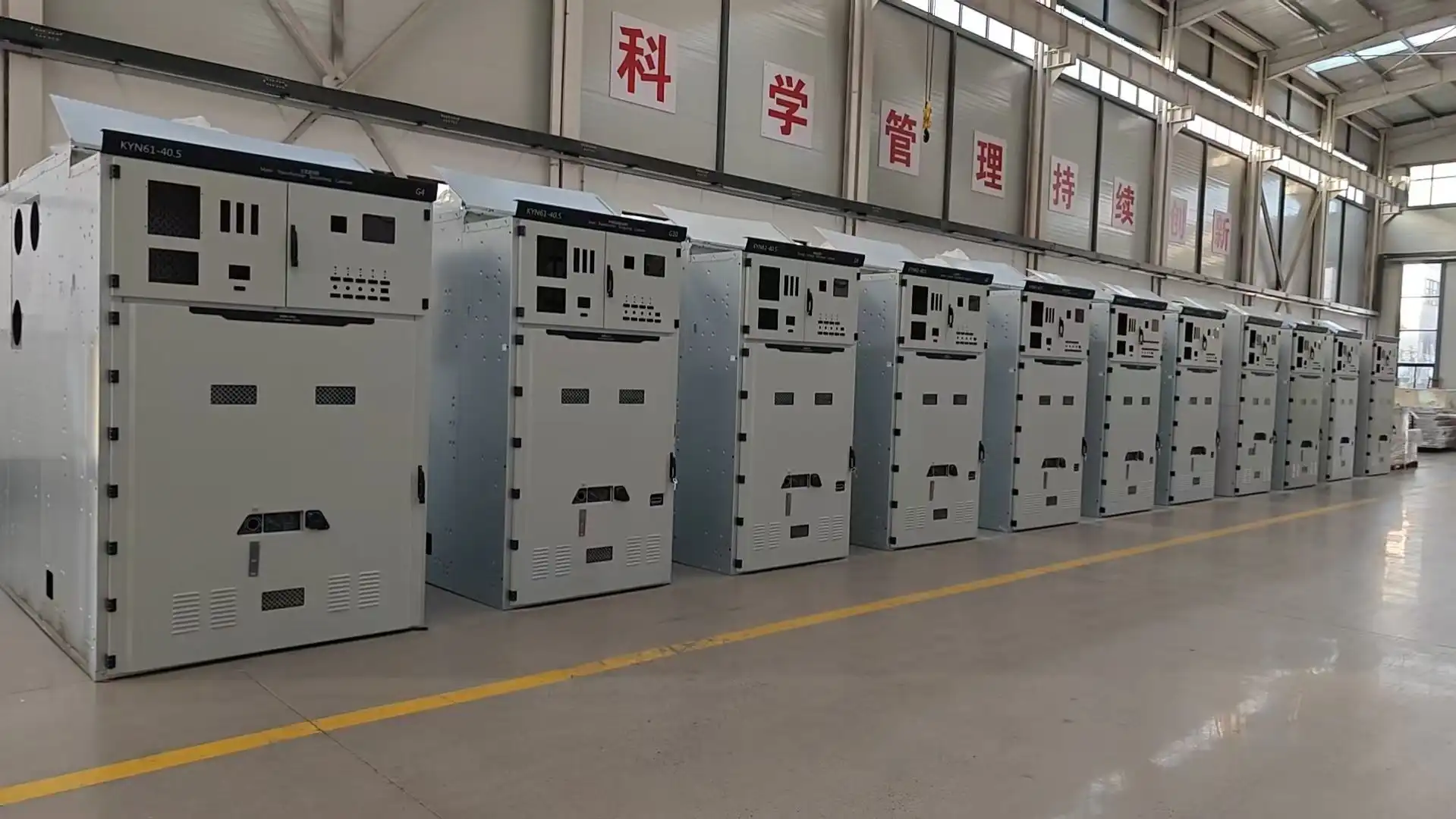
Understanding Real-Time Voltage Monitoring in Indoor High Voltage Switchgear
A significant change from routine inspections to ongoing monitoring of electrical systems is represented by real-time voltage monitoring. This system measures voltage, current, and power quality characteristics at microsecond intervals using advanced sensors installed in switchgear compartments. The data is sent to centralized control systems, where algorithms examine trends and spot variances that can point to new issues.
Core Components of Monitoring Systems
By carefully placing voltage transformers and current sensors, contemporary monitoring systems can integrate with indoor high voltage switchgear. These parts are connected to digital measurement tools that convert analog impulses into useful information. After that, communication modules send these data to SCADA systems, allowing for remote control and monitoring to support both distributed and local operations.
Data Processing and Analysis Capabilities
In order to set baseline operating parameters and identify minute changes that precede equipment failures, advanced monitoring platforms employ machine learning algorithms. Predictive maintenance scheduling and trend analysis are made possible by the systems' historical datasets. When combined with medium-voltage switchgear applications, where reliable power distribution is essential, this capacity is especially beneficial.
Common Causes of Downtime in Indoor High Voltage Switchgear Systems
In electrical distribution systems, equipment failures are usually caused by predictable factors that real-time monitoring can identify early. Facility operators can better appreciate how ongoing supervision avoids expensive disruptions and preserves operational efficiency by being aware of these failure modes.
Voltage Irregularities and Power Quality Issues
In industrial settings, overvoltage and undervoltage are the main reasons why equipment fails. These anomalies put stress on insulation systems and have the potential to activate protective devices that cut off electricity. Unexpected shutdowns and early equipment aging are also caused by power quality issues like harmonics and voltage sags.
Insulation Degradation and Partial Discharge
Thermal stress, moisture intrusion, and electrical aging cause insulation systems to eventually deteriorate. Monitoring systems can identify partial discharge activity, which frequently occurs months or years before total insulation failure. Conventional inspection techniques overlook these minute clues until a catastrophic failure happens.
Mechanical and Environmental Factors
Over time, mechanical vibration, variations in humidity, and temperature all contribute to component deterioration. As connections weaken, contact resistance rises, resulting in hot patches that thermal analysis can detect by monitoring systems. Comprehensive equipment oversight is provided via voltage measurement combined with environmental monitoring.
How Real-Time Voltage Monitoring Prevents Downtime — Mechanisms and Benefits
Through a variety of strategies that address both short-term risks and long-term equipment health, real-time monitoring reduces downtime. By switching from reactive to predictive maintenance procedures, this all-encompassing strategy helps facilities maximize operating schedules and reduce unplanned disruptions.
Early Fault Detection and Predictive Maintenance
Weeks or months before they result in failures, growing problems can be detected thanks to continuous monitoring. Gradual changes in operating parameters that signify component degradation are revealed via trending analysis. In order to prevent emergency shutdowns that interfere with production schedules, this advance notification enables maintenance teams to plan repairs during scheduled outages.
Automated Protection and Safety Systems
Protective relay systems are integrated with contemporary monitoring systems to offer improved safety features. Automated systems can isolate impacted circuits and notify staff of possible risks when voltage parameters surpass predefined criteria. This feature guarantees adherence to safety regulations while shielding workers and equipment from electrical malfunctions.
Optimization of Energy Consumption
Optimization of voltage control and power factor correction systems is made possible by real-time monitoring. By identifying distribution network inefficiencies and maintaining ideal electrical settings, facilities can lower their energy expenses. Through increased system efficiency, this capacity lowers operating costs while supporting environmental efforts.
Choosing the Right Real-Time Voltage Monitoring Solution for Indoor High Voltage Switchgear
System needs, compatibility issues, and long-term operational goals must all be carefully considered when choosing monitoring technologies. To find solutions that provide the most value, procurement managers must strike a balance between technical prowess and financial considerations.
Technical Specifications and Compatibility
Monitoring systems must provide precise data under all operating situations while integrating smoothly with current switchgear designs. Broad application across a variety of installations is ensured by compatibility with ABB VD4, VS1 breakers, isolation trucks, and transformers. To reduce integration complexity, data formats and communication protocols should be compatible with current control systems.
Scalability and Future-Proofing Considerations
Over the course of their operational lifecycle, efficient monitoring solutions can handle facility growth and technological advancements. Distributed operations are supported by remote diagnostics and data analysis capabilities made possible by IoT interoperability and cloud connectivity. Without having to replace all of the current components, modular designs enable gradual system expansion.
Vendor Support and Service Capabilities
Reliable vendor support, including maintenance, training, and technical support, is essential for long-term success. The availability of replacement parts, response times to service requests, and proficiency with particular industry applications should all be considered evaluation criteria. Service level agreements and warranty conditions safeguard investments while guaranteeing system performance.
Case Studies: Real-Time Voltage Monitoring Success in Reducing Downtime
The observable advantages of voltage monitoring technology in a variety of industrial applications are illustrated via real-world applications. These examples show how monitoring systems increase operational efficiency and decrease downtime to produce quantifiable benefits.
Manufacturing Facility Implementation
Over the course of two years, a significant automobile production facility reduced unplanned outages by 75% by implementing thorough voltage monitoring throughout its indoor high voltage switchgear systems. Three months prior to the anticipated collapse, the system detected emerging insulation issues, enabling planned maintenance that prevented a possible six-hour production halt. Through less emergency repairs and increased equipment reliability, annual savings topped $2.3 million.
Data Center Critical Infrastructure Protection
Despite difficult power quality circumstances from the nearby utility grid, a sizable data center facility used cutting-edge monitoring technology to achieve 99.99% uptime. When voltage sags beyond acceptable limits, the monitoring system immediately activated backup power supplies, averting server shutdowns that may have resulted in millions of dollars in lost income and data recovery costs.
Xi'an Xidian: Your Trusted Partner in Indoor High Voltage Switchgear and Voltage Monitoring Solutions
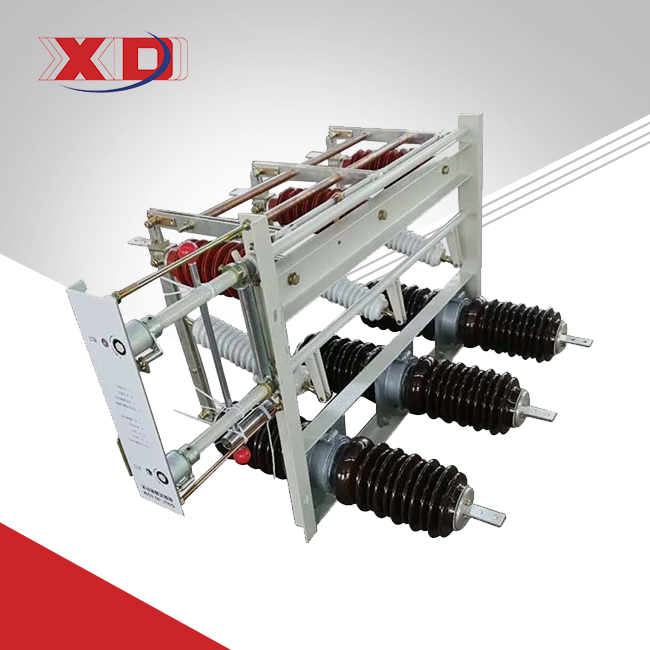
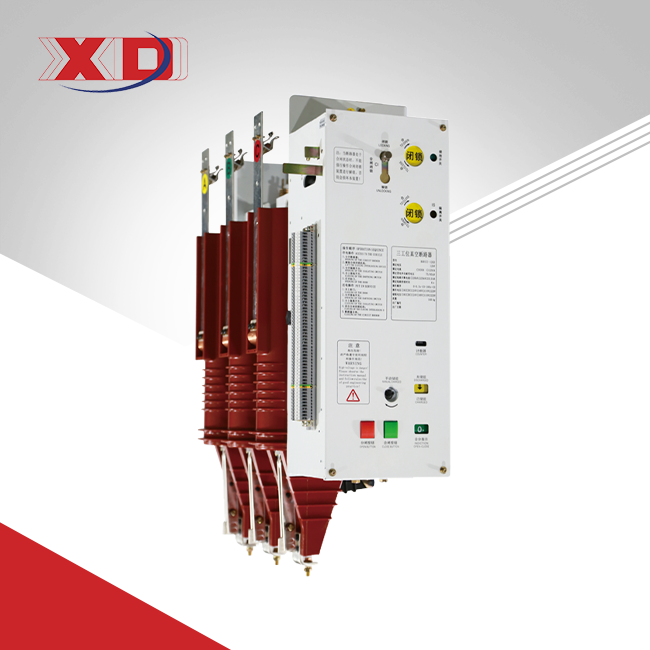
To provide complete electrical solutions, Xi'an Xidian Medium & Low Voltage Electric Co., Ltd. blends state-of-the-art monitoring technology with decades of manufacturing experience. Our indoor high voltage switchgear systems optimize operating efficiency while offering customers dependable security against downtime through seamless integration with real-time monitoring capabilities.
Advanced Product Portfolio and Capabilities
With more than 100 variations created for various industrial applications, our product line is divided into seven main categories. Our switchgear solutions, which range from normal facilities to extreme altitude installations up to 4,000 meters, maintain operational perfection in a variety of settings, from power distribution and motor starts to grid monitoring. Easy integration with current infrastructure is ensured by compatibility with top breaker technologies, such as ABB VD4 and VS1 systems.
Quality Assurance and Manufacturing Excellence
Production facilities use robotic assembly and precision welding to provide constant quality while maintaining ISO 9001 certification. Product reliability is confirmed by stringent testing procedures such as dielectric tests, mechanical endurance verification, and material quality evaluations. Our dedication to quality is demonstrated by our extensive support services, which include quick spare part delivery and round-the-clock technical assistance.
Conclusion
One essential technology for avoiding downtime in indoor high voltage switchgear installations in commercial and industrial settings is real-time voltage monitoring. These systems guarantee operational continuity while cutting costs by enabling automated protection capabilities, predictive maintenance scheduling, and early problem identification through ongoing electrical parameter monitoring. Through fewer emergency repairs, better maintenance plans, and longer equipment lifespans, investments in monitoring technologies yield quantifiable results. Real-time monitoring is evolving from an optional feature to a crucial infrastructure component as electrical systems become more intricate and vital to corporate operations.
Frequently Asked Questions
Q1: How quickly can real-time voltage monitoring detect faults in indoor high voltage switchgear?
A: Modern monitoring systems detect voltage anomalies within milliseconds of occurrence, enabling immediate protective actions to prevent equipment damage and operational disruption. Advanced algorithms can identify trending issues weeks or months before they cause failures.
Q2: Can real-time voltage monitoring be retrofitted to existing indoor high voltage switchgear installations?
A: Yes, most monitoring solutions integrate with legacy switchgear systems through modular sensor installations and communication interfaces. Compatibility assessments ensure proper integration without requiring complete system replacement.
Q3: What return on investment can facilities expect from voltage monitoring technology implementation?
A: Depending on operational scale and current maintenance practices, most facilities achieve return on investment within 12 to 24 months through reduced downtime costs, optimized maintenance schedules, and extended equipment lifespan.
Partner with Xi'an Xidian for Comprehensive Indoor High Voltage Switchgear Solutions
Xi'an Xidian offers indoor high voltage switchgear solutions that cut down on downtime and improve operating efficiency. These solutions are made possible by their proven manufacturing excellence and advanced monitoring technology. We offer a wide range of high-tech switchgear, tracking systems that are built in, and professional installation services backed by decades of experience in the field. Whether you need new systems installed or changes to ones you already have, our team can help you in a way that fits your needs.
As a leading indoor high voltage switchgear manufacturer, we uphold the highest quality standards while delivering competitive pricing and comprehensive support services. There are a lot of different uses for our goods, from monitoring the power grid and adding renewable energy to power distribution and motor control. Email us at serina@xaxd-electric.com, amber@xaxd-electric.com and luna@xaxd-electric.com to talk about your project needs and find out how our solutions can make your building more reliable and efficient. You can see all of our products there and find out more about how we're dedicated to providing reliable electrical solutions for modern business and industry settings.
References
1. Institute of Electrical and Electronics Engineers. "IEEE Standard for Metal-Clad Switchgear." IEEE C37.20.2-2015, Power and Energy Society, 2015.
2. International Electrotechnical Commission. "High-voltage switchgear and controlgear - Part 200: AC metal-enclosed switchgear and controlgear for rated voltages above 1 kV and up to and including 52 kV." IEC 62271-200:2011, Technical Committee 17, 2011.
3. Brown, Richard E., and Marshall, James R. "Reliability Assessment of Industrial Power Systems." IEEE Transactions on Industry Applications, vol. 45, no. 2, 2009, pp. 713-721.
4. Smith, David L., and Wilson, Patricia A. "Predictive Maintenance Strategies for High Voltage Electrical Equipment." Electric Power Systems Research, vol. 156, 2018, pp. 127-135.
5. Thompson, Michael K., et al. "Real-Time Monitoring Systems for Electrical Power Distribution Networks." IEEE Transactions on Power Delivery, vol. 33, no. 4, 2018, pp. 1854-1863.
6. Anderson, Robert J., and Lee, Susan C. "Economic Analysis of Power Quality Monitoring in Industrial Facilities." IEEE Transactions on Power Systems, vol. 34, no. 3, 2019, pp. 2156-2164.