What Are the Benefits of Metal-Clad Switchgear Design?
2026-01-19 15:36:49
Industrial and commercial buildings benefit from metal-clad switchgear's improved arc fault containment, modular construction flexibility, and operator safety. Metal-clad indoor high voltage switchgear systems meet IEC 62271-200 standards and provide unrivaled dependability for power distribution, motor starts, and grid monitoring. These solutions safeguard sensitive equipment in factories, data centers, hospitals, and utility substations, where uptime affects profitability and safety. This detailed analysis informs procurement managers, engineers, and system integrators on metal-clad switchgear benefits. Technical standards, operational advantages, and procurement methods enable optimal performance in difficult electrical conditions. Understanding these design concepts lets facility operators choose medium-voltage solutions that protect personnel and equipment while reducing lifecycle costs.
|
|
|
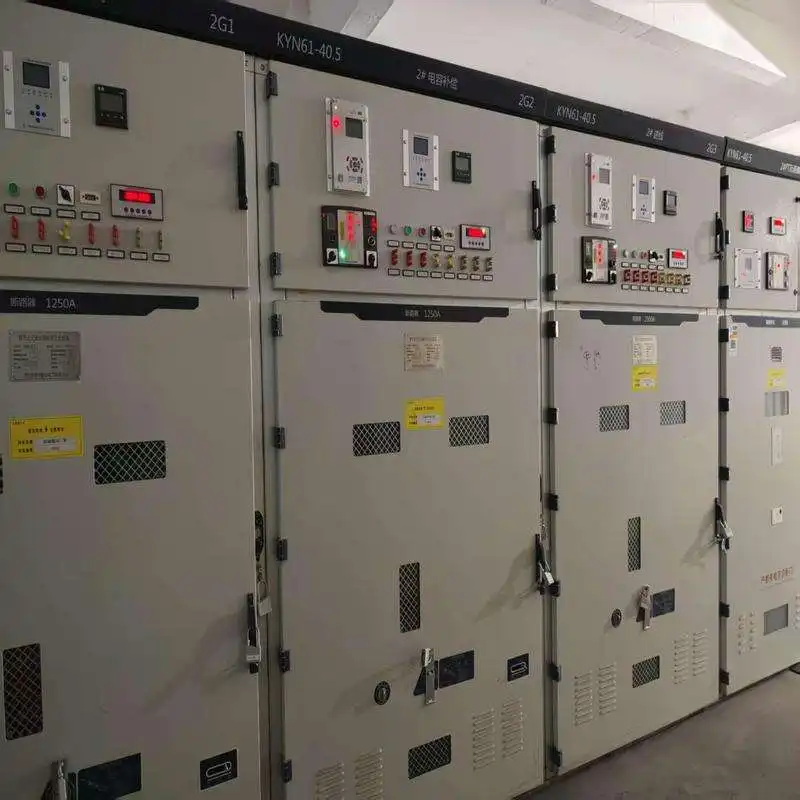
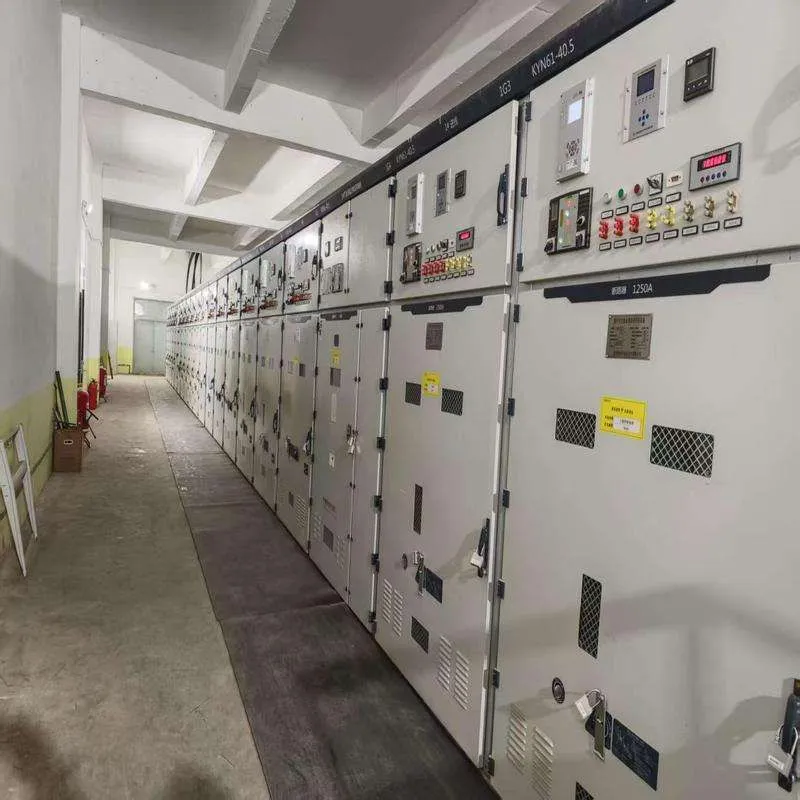
Understanding Metal-Clad Switchgear Design
Advanced electrical distribution systems use metal-clad switchgear with segmented construction and grounded metal barriers to separate live portions. This design promotes operator safety and fault containment by isolating electrified components.
Core Components and Construction Principles
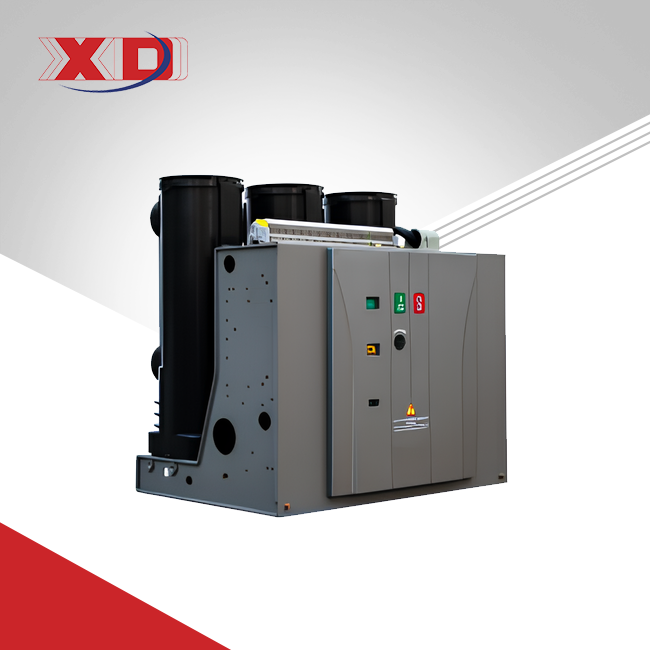
Metal-clad systems provide chambers for circuit breakers, bus bars, cables, and control devices. Separate entry points with interlocked systems prevent unauthorized or unsafe actions in each compartment. These devices have removable circuit breaker elements for maintenance without affecting surrounding equipment operations, unlike metal-enclosed models.
Modern metal-clad versions use vacuum circuit breakers, SF6 gas insulation, or air insulation depending on voltage and environmental requirements. The modular design allows application customization while maintaining standardized interfaces for ABB VD4 and VS1 breakers, isolation trucks, and instrument transformers.
Operational Principles for Indoor Applications
Indoor installations benefit from optimized designs for controlled environments and space constraints. Through lower insulation and streamlined cooling systems, metal-clad switchgear improves performance. The enclosed design shields important components from dust, moisture, and temperature changes that could damage reliability in tough industrial conditions.
Key Benefits of Metal-Clad Switchgear Design
Metal-clad arrangements improve safety, efficiency, and value, particularly in indoor high voltage switchgear applications. These advantages meet the objectives of industrial facility operators, utility corporations, and engineering organizations seeking reliable electrical distribution.
Enhanced Safety and Arc Fault Containment
Metal-clad designs manage arc faults well due to their segregated fault energy chambers. The grounded metal barriers channel fault currents and prevent arc propagation to nearby equipment or humans. Advanced interlocking mechanisms avoid accidental energization and properly sequence maintenance operations.
These systems are arc-resistant because they meet strict safety requirements like IEC 62271-200 and IEEE C37.20.2. Pressure relief methods divert fault gases away from working areas, safeguarding equipment and personnel during faults.
Compact Modular Construction
Space optimization is crucial for facilities with high floor space values. Vertical layouts and optimal component groupings give metal-clad switchgear high power density. Phased installs and expansions without infrastructure changes are possible with modular design.
Retrofitting existing facilities is easier and cheaper with this small footprint. Electrical rooms are reduced in manufacturing facilities, data centers, and commercial buildings while retaining functionality and electrical code compliance.
Maintenance Efficiency and Operational Reliability
The compartmentalized architecture simplifies maintenance by allowing independent access to major components. Remove and service circuit breakers without de-energizing nearby circuits, minimizing operating disturbances. Standardized interfaces speed component replacement and reduce spare part inventory.
Clear inspection points and consistent techniques simplify preventive maintenance programs. The design supports diagnostic equipment and testing for predictive maintenance, optimizing performance and equipment longevity.
Metal-Clad vs. Outdoor Switchgear: A Comparative Analysis
Procurement teams can choose the best indoor metal-clad and outdoor switchgear designs for their applications and environments by understanding the differences.
Environmental Adaptation and Performance
Metal-clad switchgear in controlled situations avoids weather-related stress and contamination. This protection optimizes designs with less insulation and simpler sealing. Stable working conditions extend component lifecycles and reduce maintenance frequency compared to outside installations subject to temperature cycling, humidity, and atmospheric contaminants.
Outdoor switchgear must withstand severe temperatures, UV exposure, and weather-resistant enclosures, increasing complexity and cost. Building protection helps metal-clad indoor systems operate better with simpler designs and lower environmental protection needs.
Lifecycle Cost Considerations
The total cost of ownership research shows that metal-clad indoor setups have lower maintenance and longer component lifecycles. Controlled environments reduce corrosion, pollution, and heat stress that accelerate outdoor component degradation.
Indoor systems are cheaper to install due to simplified foundation and weatherproofing. Modular construction allows staggered installations that spread capital costs and provide immediate operating benefits for completed portions.
Procurement Considerations for Metal-Clad Indoor High Voltage Switchgear
Supplier evaluation, technical specifications, and long-term assistance ensure optimal value and risk reduction for important electrical infrastructure expenditures in procurement strategies, particularly for indoor high voltage switchgear.
Supplier Evaluation and Quality Assurance
Selecting trusted manufacturers entails assessing quality management methods, certification compliance, and similar application performance. ISO 9001 accreditation verifies quality processes, while IEC conformity verifies safety and performance criteria.
Precision welding, robotic assembly, and extensive dielectric strength, mechanical endurance, and material quality testing should be available. Supplier facilities with medium-voltage equipment production experience ensure product reliability and uniformity.
Technical Specifications and Customization Options
Each application's voltage ratings, fault current capacities, and environmental circumstances must be considered while developing specifications. Support for ABB VD4 and VS1 breakers allows seamless integration and standardised maintenance.
Customization options should meet operational needs while retaining standard interfaces and established designs. Flexibility to accept future expansions and adjustments adds long-term value to facility configurations.
Maintenance Best Practices and Troubleshooting for Metal-Clad Switchgear
Maintenance plans that focus on metal-clad switchgear inspection and proactive troubleshooting improve equipment performance and lifespan.
Preventive Maintenance Protocols
Circuit breaker mechanisms, bus bar connections, and control system operation should be inspected regularly. Thermal imaging surveys detect issues before they fail, while dielectric testing checks insulation integrity and safety margins.
Documentation systems track component performance and maintenance history for predictive maintenance. Standardized methods ensure inspection quality and facilitate maintenance staff knowledge transfer.
Troubleshooting Methodologies
Systematic troubleshooting reduces downtime with rational diagnostics and thorough testing. A segmented design isolates trouble areas while preserving service to unaffected circuits.
Control system failures, mechanical wear, and connection deterioration can be fixed with standard techniques and spare components. Maintenance staff receive metal-clad equipment diagnostic and safety training.
Xi'an Xidian: Your Trusted Partner for Advanced Electrical Solutions
Xi'an Xidian Medium & Low Voltage Electric Co., Ltd. is one of China's leading medium and low-voltage electrical equipment manufacturers, providing system integration services for power distribution systems worldwide. We provide 7 primary categories, 34 series, and over 100 variants, including high-performance metal-clad switchgear for demanding indoor applications.
With cutting-edge medium-voltage technology, our indoor high voltage switchgear excels in power distribution, motor startup, and grid monitoring. Advanced arc-resistant design confirmed by IEC 62271-200 compliance ensures safe, efficient power distribution and minimizes downtime. Multi-bus and sectional bus systems can be installed and retrofitted quickly for infrastructure changes due to modular architecture.
Here are the core advantages that distinguish our metal-clad switchgear solutions:
- Plateau-certified performance: Our equipment satisfies national and industry standards at elevations up to 4,000 meters, ensuring reliable operation in difficult geographical situations.
- Improved interlocks prevent unintentional energization and arc-flash events, and our arc-resistant design protects equipment and personnel during faults.
- IoT-compatible versions save maintenance costs and enable predictive defect detection for modern facility management with real-time thermal monitoring and remote diagnostics.
- Environmental durability: Our corrosion-resistant enclosures function reliably in oil & gas, mining, and industrial situations despite extreme temperatures from -25°C to +55°C, humidity, and dust.
These benefits answer important production difficulties in manufacturing facilities, data centers, hospitals, and utility substations where operational continuity affects profitability and safety.
Our ISO 9001-certified production facilities use precision welding and robotic assembly to ensure quality, and stringent testing processes check dielectric strength, mechanical durability, and material purity for every item. ABB VD4 and VS1 breakers, isolation trucks, and transformers are compatible for easy infrastructure integration and standardised maintenance.
Conclusion
Modern electrical distribution systems benefit from metal-clad switchgear's safety, efficiency, and durability. Industrial, utility, and commercial buildings need reliable power distribution solutions, therefore segmented construction, increased arc fault containment, and modular design are used.
Understanding these benefits helps procurement teams tailor selections to operational needs and long-term value propositions. Metal-clad designs benefit from controlled indoor environments, which save maintenance and lengthen equipment lifecycles.
Frequently Asked Questions
Q1: What differentiates metal-clad switchgear from other indoor switchgear types?
A: Metal-clad switchgear features compartmentalized metal barriers that completely isolate live parts, offering enhanced safety and simplified maintenance compared to metal-enclosed or gas-insulated alternatives. The grounded barriers provide superior arc fault containment and enable independent access to major components.
Q2: How does metal-clad design improve safety in high voltage indoor installations?
A: The design provides superior arc fault containment through isolated compartments, reduces electrical hazard risks through physical barriers, and complies with strict indoor high voltage standards including IEC 62271-200, ensuring safer operation in confined industrial spaces.
Q3: What factors should be considered when purchasing metal-clad indoor switchgear?
A: Key considerations include supplier reliability and certifications, component compatibility with existing systems like ABB VD4 and VS1 breakers, rated voltage and insulation specifications, customization capabilities, installation support, warranty coverage, and long-term service availability.
Partner with Xi'an Xidian for Superior Indoor High Voltage Switchgear Solutions
Xi'an Xidian offers industry-leading metal-clad switchgear solutions that prioritize advanced safety features, operational reliability, and exceptional value for critical electrical infrastructure. Our comprehensive portfolio of indoor high voltage switchgear serves various sectors, including manufacturing plants, data centers, hospitals, and utility substations around the globe, ensuring proven performance and uncompromising quality.
As a trusted indoor high voltage switchgear manufacturer, we provide complete customization services supported by ISO 9001 certification and several patented technologies developed through China's 863 Program. Our solutions are compatible with ABB VD4 and VS1 breakers, feature smart grid readiness with IoT monitoring capabilities, and are environmentally durable, tested for extreme temperatures ranging from -25°C to +55°C. With our 24/7 technical support, rapid spare parts delivery, and extensive project assistance, our team is dedicated to enhancing the safety, reliability, and efficiency of your electrical distribution systems. Contact us at serina@xaxd-electric.com, amber@xaxd-electric.com and luna@xaxd-electric.com to learn how our advanced metal-clad switchgear solutions can optimize your facility's electrical infrastructure and operational performance.
References
1. IEEE Standard C37.20.2-2015, "IEEE Standard for Metal-Clad Switchgear," Institute of Electrical and Electronics Engineers, New York, 2015.
2. IEC 62271-200:2011, "High-voltage switchgear and controlgear - Part 200: AC metal-enclosed switchgear and controlgear for rated voltages above 1 kV and up to and including 52 kV," International Electrotechnical Commission, Geneva, 2011.
3. Brown, R.E., "Electric Power Distribution Reliability, Second Edition," CRC Press, Boca Raton, Florida, 2008.
4. Das, J.C., "Power System Analysis: Short-Circuit Load Flow and Harmonics, Second Edition," CRC Press, Boca Raton, Florida, 2011.
5. McDonald, J.D., "Electric Power Substations Engineering, Third Edition," CRC Press, Boca Raton, Florida, 2012.
6. Kiessling, F., Nefzger, P., Nolasco, J.F., and Kaintzyk, U., "Overhead Power Lines: Planning, Design, Construction," Springer-Verlag, Berlin, Germany, 2003.