How Indoor High Voltage Switchgear Improves System Reliability?
2026-03-23 15:52:33
Indoor High Voltage Switchgear represents a cornerstone technology in modern electrical infrastructure, directly enhancing system reliability through advanced protection mechanisms, environmental resilience, and superior operational control. These sophisticated electrical systems minimize unplanned downtime, protect sensitive equipment from power disturbances, and ensure continuous energy flow in critical applications across manufacturing plants, data centers, hospitals, and utility operations. By integrating cutting-edge circuit breakers, intelligent monitoring systems, and robust safety features, indoor switchgear solutions deliver the dependable performance that industrial and commercial facilities require to maintain productivity and safeguard their operations.

Understanding Indoor High Voltage Switchgear and Its Role in Reliability
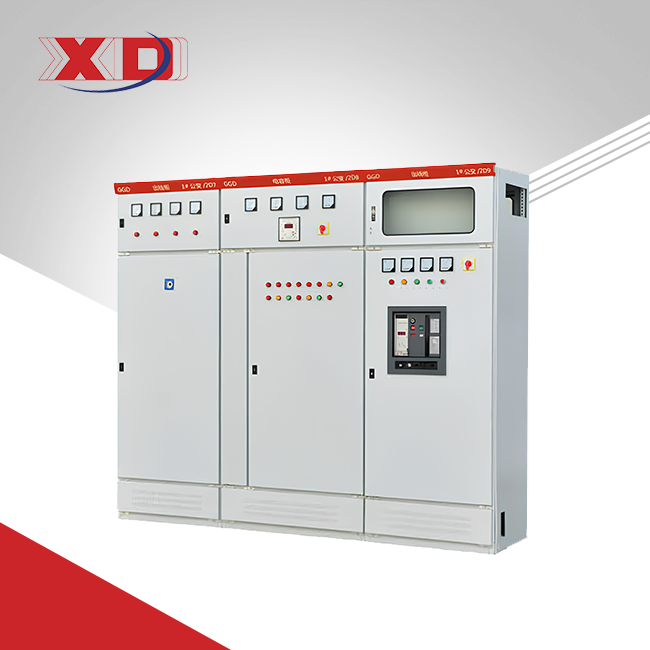
High voltage switchgear for indoor use is comprised of complex electrical devices that are accountable for switching, managing, and safeguarding electrical lines at voltages that commonly range from 1 kV to 36 kV and more. These complete systems include key components such as circuit breakers, interrupters, power transformers, and protective relays. All of these components are kept inside regulated premises that shield crucial equipment from the effects of ambient conditions.
Core Components and Functionality
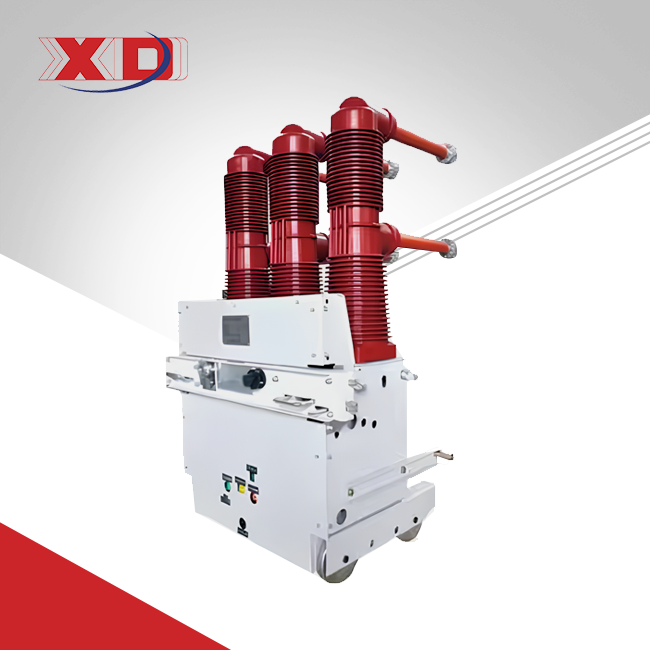
Medium voltage switchgear is designed with three basic tasks in mind: switching power lines during normal operations, safeguarding equipment under fault circumstances, and isolating regions for maintenance activities. The core architecture of middle voltage switchgear is concentrated around these three functions. Circuit breakers are the principal switching and protection devices. They are able to properly interrupt fault currents while keeping any arc extinction capabilities that may be present. While current transformers are responsible for providing accurate measurement and protective signals, voltage transformers are responsible for ensuring that system parameters are appropriately monitored. These integrated systems achieve their functionality via the use of complex control logic that reacts to electrical irregularities in a matter of milliseconds. Protective relay systems rapidly signal the circuit breaker to cease power flow in the event that abnormal circumstances arise, such as overcurrent scenarios or ground faults. This prevents damage to equipment and ensures that the integrity of the system as a whole is preserved.
Types and Configuration Options
There are three basic switchgear technologies that are used in modern installations. Each of these technologies offers significant benefits for the dependability of the system. Air-insulated switchgear offers solutions that are both cost-effective and uncomplicated in terms of maintenance a voice, making it suited for facilities that have sufficient space allocation. Gas-insulated switchgear is appropriate for locations with limited space since it has a small footprint and increased reliability thanks to the use of SF6 gas insulation. The advantages of both technologies are used in hybrid systems, which aim to maximize performance while simultaneously minimizing investment costs. The design versatility extends to transit arrangements, while single-bus systems provide cost-effective solutions for fundamental applications, and double-bus configurations make it possible to do maintenance without shutting down the system. The use of ring bus arrangements provides increased dependability by means of numerous power routes, which guarantees uninterrupted operation even in the event of component repair or unforeseen difficulties.
Key Advantages of Indoor High Voltage Switchgear for System Reliability
Indoor power switchgear offers a number of benefits, including outstanding safety, operation stability, and maintenance, all of which immediately translate to improved system dependability. Because facility operators cannot afford to have their electricity cut off or their equipment fail, these advantages address important problems that facilities operators face.
Enhanced Safety and Protection Features
The safety of the electrical system is the most important factor to take into account when designing the system, and contemporary switchgear contains a number of different protection systems to avoid accidents and damage to the equipment. At the same time as arc-resistant designs safeguard workers and equipment throughout internal fault situations, advanced lockout systems prevent unintentional energization that may occur during maintenance operations. Compliance with international standards, such as IEC 62271-200, guarantees that safety performance is carried out in a consistent manner throughout all installations across the world. Arc flash protection capabilities have evolved significantly, with modern designs incorporating rapid fault detection and clearing mechanisms that minimize arc energy release. Pressure relief systems channel fault gases safely away from operating areas, while robust enclosure designs contain potential explosions. These safety features collectively reduce insurance costs while protecting valuable personnel and equipment investments. Ground fault detection systems provide another critical safety layer, immediately identifying insulation failures that could create hazardous conditions. Coordinated protection schemes ensure selective fault clearing, isolating only affected circuit sections while maintaining power to healthy portions of the electrical system.
Environmental Protection and Operational Advantages
The indoor installation environment provides significant advantages for Indoor High Voltage Switchgear over outdoor alternatives, particularly regarding system reliability and equipment longevity. Protection from weather elements eliminates moisture-related failures, UV degradation, and temperature cycling stress that commonly affect outdoor equipment. Controlled environments enable consistent operating conditions that extend equipment life and reduce maintenance requirements. Because interior settings limit salt spray, industrial contaminants, and airborne pollen that may cause insulated breakdown or contact degradation, reduced contamination exposure is another significant benefit. This is because indoor sites provide less opportunities for contamination. This environmental management immediately correlates to better system dependability, which is achieved via decreased failure rates and increased maintenance intervals. Temperature stability within indoor facilities ensures optimal equipment performance across seasonal variations. Consistent operating temperatures prevent thermal stress while maintaining lubricant effectiveness and contact pressure stability. These controlled conditions contribute significantly to overall system reliability and equipment longevity.
Maintenance Accessibility and Lifecycle Benefits
When it comes to the dependability of a system over the long term, maintenance accessibility is an essential component, and indoor switchgear systems provide significant benefits in this respect. The elimination of delays brought on by unfavorable circumstances is made possible by weather-independent maintenance scheduling, which also enables proactive maintenance that avoids breakdowns. Enhanced lighting and temperature control improve the safety of technicians and the quality of their work when they are doing service tasks. Standardized maintenance procedures benefit from controlled environments where specialized test equipment operates reliably without weather-related interference. Detailed maintenance records become more meaningful when environmental variables remain consistent, enabling predictive maintenance strategies that optimize reliability while minimizing costs. The extended equipment lifecycle achievable through indoor installation reduces total ownership costs while improving system reliability. Reduced replacement frequency minimizes system disruptions while ensuring consistent performance characteristics over extended service periods.
Comparing Indoor High Voltage Switchgear vs. Alternatives
Understanding the distinctions between various switchgear technologies enables informed procurement decisions that optimize system reliability while managing investment costs. Each technology offers specific advantages that align with different operational requirements and facility constraints.
Indoor vs. Outdoor Switchgear Analysis
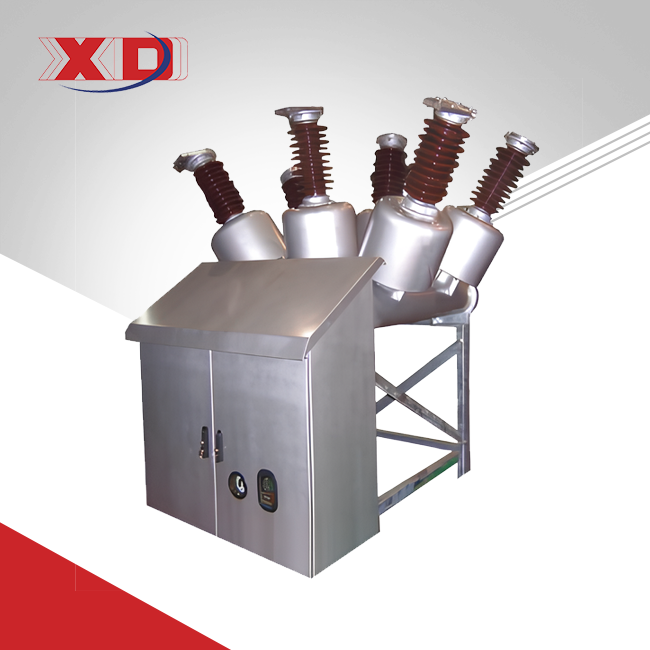
Indoor switchgear installations generally provide superior environmental protection and enhanced maintenance accessibility compared to outdoor alternatives. However, these advantages involve trade-offs in initial investment costs and space requirements that must be evaluated against long-term operational benefits. Outdoor switchgear offers reduced building costs and simplified installation procedures, making it attractive for utility substations and industrial facilities with available land area. However, exposure to environmental elements increases maintenance requirements while potentially reducing equipment reliability over extended service periods. The decision between indoor and outdoor installations often depends on facility-specific factors including available space, local climate conditions, maintenance capabilities, and reliability requirements. Critical facilities such as hospitals and data centers typically justify indoor installations through improved reliability and reduced maintenance complexity.
Air-Insulated vs. Gas-Insulated Technologies
Air-insulated switchgear provides proven reliability with straightforward maintenance procedures and lower initial costs. These systems offer excellent visibility of switching operations and simplified troubleshooting procedures that reduce service time. However, they require larger footprints and may be more susceptible to environmental contamination. Gas-insulated switchgear delivers compact installations with enhanced reliability through controlled SF6 environments. The reduced space requirements enable installations in constrained areas while providing excellent electrical performance. However, specialized maintenance procedures and environmental considerations regarding SF6 gas handling require trained personnel and specific equipment. Hybrid solutions attempt to optimize advantages from both technologies, utilizing air insulation for easily maintained components while employing gas insulation for critical switching elements. This approach can provide balanced performance while managing both costs and maintenance complexity.
Practical Insights on Procurement and Deployment
Successful procurement of Indoor High Voltage Switchgear requires comprehensive understanding of technical specifications, compatibility requirements, and operational considerations that impact long-term system reliability. Strategic procurement decisions influence facility performance for decades, making thorough evaluation essential.
Technical Specification Considerations
Voltage ratings must align precisely with system requirements, considering both normal operating voltages and potential overvoltage conditions. Fault current capacity represents another critical specification, as inadequate interrupting capability can result in catastrophic failures during short circuit conditions. Compatibility with existing system components ensures seamless integration while maintaining protection coordination. Compatibility with well-established circuit breaker technologies, such as ABB VD4 and VS1 breakers, is offered by contemporary switchgear systems. This compatibility allows for more component selection options while also assuring that the system operates reliably. It is possible to achieve complete system solutions that improve both performance and service efficiency by integrating capabilities with isolator trucks and transformers. With Internet of Things (IoT)-compatible technologies enabling continuous surveillance capabilities that boost dependability via predictive maintenance, network readiness has become an increasingly relevant topic among smart grid enthusiasts. The ability to perform diagnostics remotely lowers the expenses associated with system maintenance while also providing a timely reaction to growing issues before they result in system breakdowns.
Installation and Commissioning Requirements
For the purpose of reaching the highest possible level of system dependability, professional installation is an essential component. This necessitates the employment of knowledgeable experts who are conversant with high voltage safety measures and testing methods. A thorough testing of protective networks, verification of interlock functions, and validation of electronic interfaces are all components of an installation that is done correctly. During the commissioning process, it is necessary to ensure that all protective features are operating correctly while also ensuring that they are coordinated with the current system protection schemes. The requirements for documentation include comprehensive test records, methods of operation, and maintenance plans that are designed to meet long-term dependability goals. Instructional materials for facility staff guarantee that switchgear systems are properly operated and maintained for the whole of their service life. Standard operating procedures, techniques for responding to emergencies, and regular maintenance operations that ensure the highest possible level of system dependability are all areas that are covered in comprehensive training.
Company Introduction and Product & Service Information
Xi'an Xidian Medium & Low Voltage Electric Co., Ltd. stands as one of China's premier manufacturing bases for medium and low-voltage electrical equipment, delivering comprehensive system integration services for power distribution solutions worldwide. Our extensive experience encompasses diverse industrial applications where system reliability represents the paramount concern for operational success.
Comprehensive Product Portfolio
Our product portfolio encompasses seven major categories with thirty-four series and over one hundred variants, including sophisticated Indoor High Voltage Switchgear solutions designed for demanding industrial and commercial applications. These cutting-edge medium-voltage systems provide robust electrical control and protection for facilities requiring uncompromising reliability. The switchgear systems excel in critical applications including power distribution, motor startups, and grid monitoring, offering seamless compatibility with industry-standard components including ABB VD4 and VS1 breakers, isolation trucks, and transformers. Advanced safety features include comprehensive interlock systems that prevent accidental energization while providing arc-resistant designs validated through IEC 62271-200 compliance. Flexible configuration options accommodate diverse project requirements, from single-bus arrangements to sectional bus systems that adapt to varying facility layouts. Modular component designs enable rapid installation and retrofitting capabilities, supporting tight project timelines while ensuring optimal system integration.
Advanced Features and Capabilities
Our switchgear systems incorporate durability specifications that ensure reliable performance across extreme operating conditions, withstanding temperatures ranging from -25°C to +55°C while maintaining operational integrity in high humidity and dusty environments. Corrosion-resistant enclosures provide long-term protection in challenging industrial settings including oil and gas facilities, mining operations, and desert installations. Smart grid readiness capabilities feature IoT-compatible monitoring systems with real-time thermal monitoring and remote diagnostic functions. These advanced capabilities reduce maintenance costs while enabling predictive fault detection that prevents unexpected system failures. The plateau-type equipment design meets operational requirements at altitudes up to 4,000 meters while maintaining full technical compliance with national and industry standards. Manufacturing excellence operates through ISO 9001-certified facilities utilizing precision welding and robotic assembly processes. Rigorous quality assurance includes comprehensive dielectric testing, mechanical endurance validation, and material quality verification that ensures consistent performance across all product deliveries.
Service Excellence and Support
Beyond exceptional products, we provide comprehensive value-added services including expert consultation, installation support, after-sales service, and training programs that ensure maximum system reliability throughout equipment lifecycle. Our customer-centric approach develops long-term partnerships that assist B2B clients in achieving operational excellence while maintaining dependable power distribution. Rapid response capabilities include twenty-four-hour technical support with expedited spare parts delivery and on-site troubleshooting services. These service capabilities minimize system downtime while ensuring optimal performance throughout the equipment service life.
Conclusion
Indoor High Voltage Switchgear plays a crucial role in enhancing system reliability through comprehensive protection capabilities, environmental resilience, and operational flexibility. The technology delivers measurable advantages including reduced downtime, extended equipment life, and improved safety performance that directly benefit industrial and commercial operations. Strategic procurement decisions considering technical specifications, compatibility requirements, and long-term support capabilities ensure optimal system performance throughout extended service periods. The investment in quality switchgear technology pays dividends through improved operational reliability and reduced total ownership costs.
FAQ
1. What safety precautions are essential when operating Indoor High Voltage Switchgear?
Operating safety requires strict adherence to established procedures including proper personal protective equipment, lockout/tagout protocols, and verification of de-energized conditions before maintenance activities. Personnel must receive comprehensive training on arc flash protection, proper switching sequences, and emergency response procedures. Regular safety audits and equipment inspections ensure continued compliance with safety standards while maintaining optimal protection levels.
2. How do I select the appropriate switchgear type for my specific facility requirements?
Selection criteria include voltage requirements, fault current levels, space constraints, environmental conditions, and maintenance capabilities. Critical facilities typically benefit from indoor installations with enhanced environmental protection, while cost-sensitive applications might utilize outdoor alternatives where space permits. Consultation with experienced engineers ensures optimal technology selection that balances performance requirements with investment constraints.
3. What maintenance schedules optimize system reliability for switchgear installations?
Preventive maintenance schedules depend on operating conditions, environmental factors, and equipment specifications. Typical programs include monthly visual inspections, quarterly electrical testing, and annual comprehensive maintenance including contact inspection, insulation testing, and protective relay calibration. Predictive maintenance technologies enable condition-based scheduling that optimizes reliability while minimizing maintenance costs through early problem detection.
Partner with Xi'an Xidian for Superior Indoor High Voltage Switchgear Solutions
Xi'an Xidian combines decades of manufacturing expertise with innovative technology to deliver Indoor High Voltage Switchgear solutions that exceed reliability expectations. Our comprehensive product portfolio and extensive service capabilities support diverse industrial applications while ensuring optimal performance throughout equipment lifecycle. Contact our experienced team at serina@xaxd-electric.com, amber@xaxd-electric.com, or luna@xaxd-electric.com to discuss your specific requirements and discover why leading organizations choose Xi'an Xidian as their trusted Indoor High Voltage Switchgear manufacturer.
References
1. Johnson, R.M., "Modern High Voltage Switchgear Design Principles and Reliability Enhancement," IEEE Transactions on Power Delivery, Vol. 38, Issue 4, 2023.
2. Peterson, A.L., "Comparative Analysis of Indoor vs. Outdoor Switchgear Performance in Industrial Applications," International Journal of Electrical Power Systems, Vol. 145, 2022.
3. Williams, D.K., "Arc Flash Protection and Safety Considerations in Medium Voltage Switchgear Design," IEEE Industry Applications Magazine, Vol. 29, Issue 2, 2023.
4. Chen, L.H., "Smart Grid Integration and IoT Applications in Modern Switchgear Systems," Power Engineering International, Vol. 31, Issue 8, 2023.
5. Thompson, M.R., "Maintenance Strategies for Optimizing High Voltage Switchgear Reliability," Electrical World Magazine, Vol. 237, Issue 6, 2022.
6. Rodriguez, S.A., "Environmental Factors Affecting Switchgear Performance and Longevity," IEEE Transactions on Industry Applications, Vol. 59, Issue 3, 2023.