How LV Intelligent Capacitors Help Control Reactive Power?
2026-03-26 15:41:33
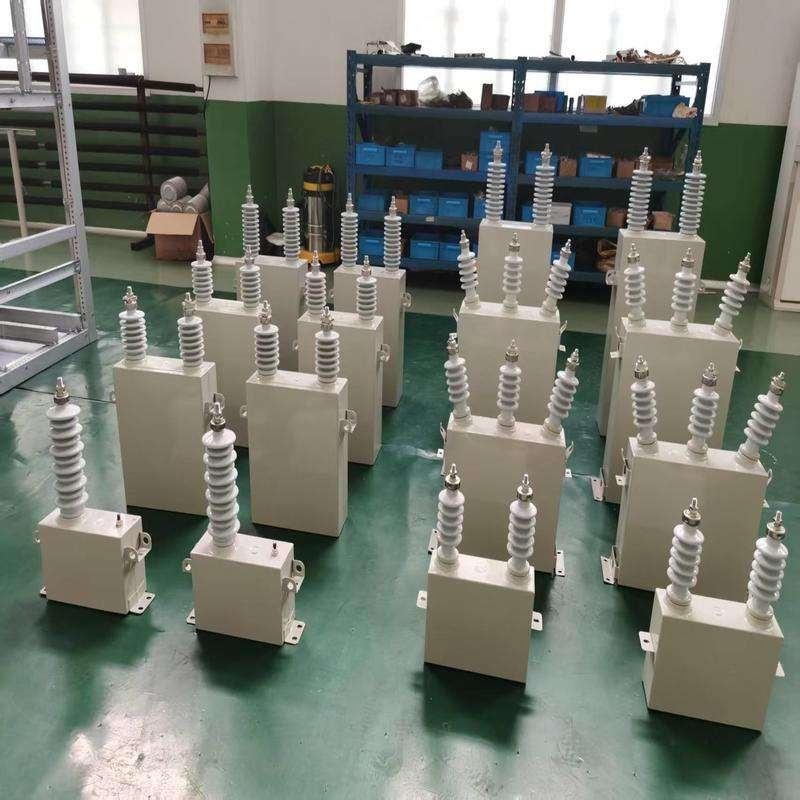
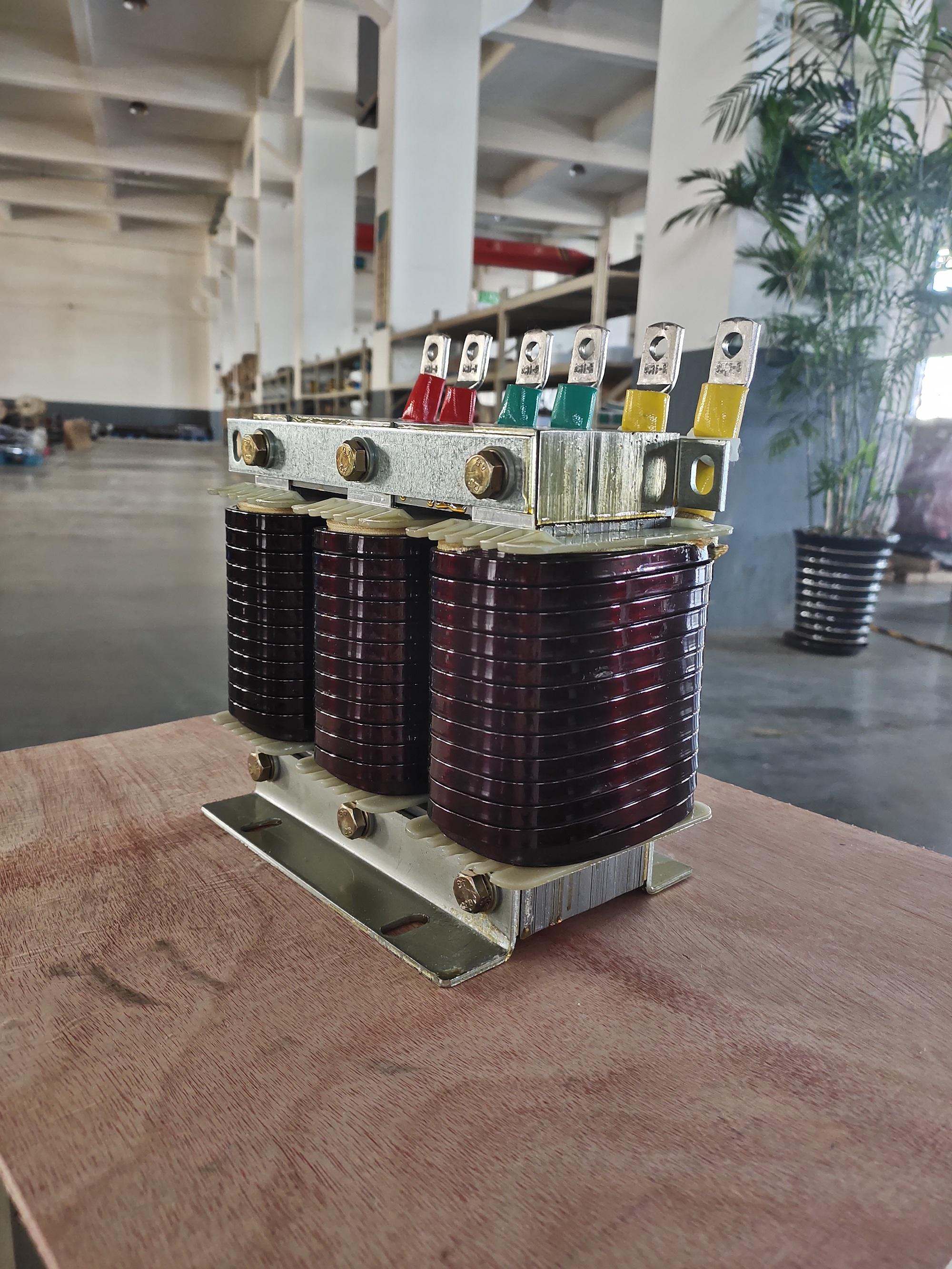
LV Intelligent Capacitor Compensation Devices represent a revolutionary advancement in reactive power management for modern industrial and commercial facilities. These sophisticated systems automatically monitor electrical load conditions and dynamically adjust capacitive compensation to maintain optimal power factor levels. By utilizing advanced microprocessor controls and real-time switching mechanisms, intelligent capacitor systems deliver precise reactive power correction while protecting sensitive equipment from power quality disturbances, ultimately reducing energy costs and enhancing overall system reliability for facilities operating below AC450V systems.

Understanding Reactive Power and the Role of LV Intelligent Capacitors
The efficiency of motors and transformer loads are only two ways reactive power affects industrial electrical systems. Active power does actual work, whereas reactive power may bounce between the source and the load, generating excessive current flow and consuming productive energy. Industrial facilities, servers, hospitals, and large commercial complexes with inductive loads like transformers, electric motors, and fluorescent lights are affected by this phenomenon.
The Impact of Poor Power Factor on Industrial Operations
Power factor issues cause transformer losses, cable heating, and voltage instability by carrying too much current. Industrial establishments may incur hefty utility penalty rates if their power factor falls below the local rules' 0.85–0.90 range. These fines, which may equal 10-30% of monthly power costs, may hurt a business's profitability and competitiveness. LV Intelligent Flux Compensation Devices with automated switching and improved monitoring overcome these issues. Unlike fixed capacitor banks, intelligent systems monitor load and adjust correction in real time. This dynamic technique adjusts peak demand and eliminates low-load overcompensation. Though operating conditions alter, power factor remains optimal.
Working Mechanisms of Intelligent Power Factor Correction
Innovative capacitor arrays use microprocessor-based controllers to update voltage and current waveforms. For correction, these controllers compute reactive power and capacitor stages. Advanced algorithms improve switching and eliminate system disruptions by analysing load patterns, flipping transients, and harmonic content. Modern intelligent capacitor compensation solutions use Modbus RTU and IEC 61850 to communicate with building management systems. The link enables remote monitoring, data collection, and predictive maintenance, improving operational dependability. Site administrators may monitor power factor trends, equipment faults, and energy use via centralised control interfaces.
Technical Insights: Working Principle and Specifications of LV Intelligent Capacitor Compensation Devices
Procurement experts are able to make educated judgments on system requirements and compatibility when they have a thorough understanding of the technical specifications of Lf Intelligent Capacitor Compensation Devices. Considering that these systems work within voltage ranges that are lower than AC450V, they are suited for the majority of low-voltage distribution applications that are found in commercial and industrial environments.
Core Technical Specifications and Performance Characteristics
Modern clever capacitor systems complement our extensive services. These technologies surpass standard switching techniques with compensation accuracy of ±1% of reactive power demand. Response speeds under 20 milliseconds allow quick load change adjustment, safeguarding sensitive equipment from voltage swings and preserving stable operating conditions. Harmonic suppression filters up to 13th order harmonics, solving power quality concerns from variable frequency drives and other non-linear loads.The LV Intelligent Capacitor Compensation Device integrates innovative technology, enabling engineers to improve system reliability and performance with every deployment.
Key technical parameters include:
- System voltage compatibility: Below AC450V for standard low-voltage applications
- Inrush current limitation: Less than 25 times nominal current during switching operations
- Rated frequency tolerance: 50Hz ±50% to accommodate grid variations
- Power consumption efficiency: Maximum 15W for control circuits and monitoring systems
- Current sensing sensitivity: 100mA minimum detection for precise load monitoring
Installation Best Practices and System Integration
Install intelligent capacitor systems with electrical panel compatibility and environmental variables in mind. These retrofit and new install devices operate with MNS, GCK, and GGD cabinet systems. Installers must enable heat dissipation and maintenance and maintain IP ratings. System life and performance depend on temperature regulation. Thermal protection features in intelligent capacitor units monitor component temperatures and adapt switching patterns to minimise overheating. If external ventilation and temperature are regulated, equipment lasts longer and correction is accurate. Communication interfaces improve debugging and monitoring. Techs must link site management systems and ground for electromagnetic compatibility. Regular voltage and current sensor calibration ensures system measurement accuracy and correction throughout its lifespan.
Comparing LV Intelligent Capacitors with Traditional Capacitor Banks and Alternatives
Transitioning from capacitor banks to adaptive compensation systems advances power factor correction technology. Traditional fixed capacitor installations cannot adapt to changing load conditions, resulting in overcompensation during low load and inadequate correction during high load.
Limitations of Traditional Capacitor Bank Systems
Traditional capacitor banks employ electromechanical contact sensors or manual switches, which are slow to react to load changes. These systems may not fulfil reactive power needs due to predetermined compensating processes. Power factor oscillations and system resonance may result. Contactor wear and seasonal/operational shift manual adjustments increase maintenance. Traditional systems cannot handle huge non-linear loads without harmonic filtering. Before power bills or equipment failures materialise, plant operators cannot monitor compensation performance or spot issues.
Advanced Capabilities of Intelligent Compensation Systems
LV Intelligent Suspension Compensation Devices overcome restrictions with microprocessor control and clever switching algorithms. Real-time load analysis provides exact compensation that responds to changing circumstances, preserving the correct rating. Harmonic filtering safeguards capacitors and equipment against power quality concerns. Though more expensive, intelligent systems frequently perform better. Energy savings range from 10 to 30% of reactive power expenses, while equipment life extension and maintenance reduction are important. Minimising electricity penalties and optimising demand payments generally yields 12- to 24-month payback for most industrial applications.
Real-World Performance Comparisons
Manufacturing firms using intelligent capacitor systems claim increased equipment efficiency and decreased downtime. Intelligent compensation reduced transformer losses by 15% and motor efficiency by 8% in automobile manufacturing plants. Performance increases reduce operating costs and increase production capacity. Intelligent systems' fast responsiveness helps data centers sustain power conditions despite changing server loads and cooling system demands. Hospitals enjoy improved dependability and decreased maintenance that support crucial power system operations without interruption.
Procurement Guide: Sourcing LV Intelligent Capacitors for Industrial Use
Successful procurement of LV Intelligent Capacitor Compensation Devices requires careful evaluation of supplier capabilities, product certifications, and long-term support services. Industrial buyers must consider technical specifications, compatibility requirements, and total cost of ownership when selecting appropriate solutions for their facilities.
Supplier Evaluation and Selection Criteria
Leading manufacturers demonstrate expertise with a wide product variety, extensive application knowledge, and excellent quality assurance. ISO 9001, ISO 14001, and other electrical safety certifications show a commitment to quality and environmental sustainability. Suppliers should offer technical documentation, application guidance, and reference systems with equivalent performance. Testing and material requirements reveal manufacturing quality. Premium capacitors, corrosion-resistant casings, and factory testing assure reliability and extended service life. Suppliers who provide 72-hour load testing by simulation and harmonic stress verification increase product reliability and performance consistency and confidence.
Pricing Structures and Warranty Considerations
Intelligent capacitor systems cost more due to their complicated technology and greater capabilities. Buyers should assess the system's whole cost, including control panels, connecting interfaces, and installation, rather than just component prices. Major facility operators and utilities suppliers may save money via bulk discounts and multi-site purchasing agreements. Quality manufacturers provide 3-5-year warranties on components and labour for manufacturing problems. Extended warranties and preventative maintenance plans preserve investment value and system performance throughout the equipment lifespan.
International Procurement and Logistics Management
When sourcing intelligent capacitor systems globally, lead times, shipping requirements, and customs procedures must be considered. Standard items are sent in four to six weeks, while custom combinations might take eight to twelve weeks to develop and produce. Buyers should plan their purchases to accommodate these deadlines and delivery delays. International installations need cross-timezone technical assistance. Suppliers with 24/7 support and local service networks aid commissioning and operation. Language and cultural knowledge improve project success and communication.
Xi'an Xidian: Leading Manufacturer of Advanced Power Quality Solutions
Xi'an Xidian Medium & Low-voltage Electric Co., Ltd. is recognized as one of the most prominent manufacturing locations for electric utilities in China. The firm offers entire power distribution equipment for global markets. Our comprehensive product portfolio comprises unique LV Intelligent Capacitor compensated Devices for demanding factory applications and over 100 product variations. Our product line has seven key segments.
Comprehensive Product Portfolio and Technical Excellence
Our intelligent capacitor systems use cutting-edge technology to meet the most demanding power quality needs in many sectors. Our solutions are suitable for commercial buildings and high-altitude installations, operating at altitudes up to 4,000 meters and meeting national and international regulations. Our LV Intelligent Capacitor Compensation Devices are technically superior due to constant R&D and several unique innovations. Our technical team has over 15 years of power electronics experience and works with top utilities and industrial facilities to create creative solutions to suit market expectations.
Industry Applications and Market Leadership
State Grid systems, power engineering, steel and metallurgy, petrochemicals, rail transport, energy and water conservancy, construction, environmental protection and renewable energy use our solutions. This wide range of applications shows our intelligent capacitor systems' adaptability and dependability under different operating situations and technical requirements. Quality assurance comes from thorough testing and superior material selection in manufacturing. Each unit passes 72-hour load simulation and harmonic stress testing, and corrosion-resistant enclosures and quality capacitors enable 20+ year operating lifespans to preserve client investments and save lifecycle costs.
Value-Added Services and Customer Support
Beyond product manufacture, Xi'an Xidian offers technical assistance, customised system design, and complete after-sales service to boost client trust and project success.Our integrated service approach, which includes our LV Intelligent Capacitor Compensation Device for effective power factor correction, provides customised solutions for each facility.Our worldwide support network provides 24/7 technical help from qualified experts that understand current power systems and facility operations. Custom solutions suit distinct application needs, from high-density urban installations to distant renewable energy projects. This adaptability lets clients optimise system performance while satisfying operational and regulatory limitations that conventional products may not fulfil.
Troubleshooting and Enhancing Energy Savings with LV Intelligent Capacitor Devices
Effective operation of LV Intelligent Capacitor Compensation Devices requires understanding common operational challenges and implementing proactive maintenance strategies. Proper troubleshooting techniques minimize downtime while maximizing energy savings potential throughout the system's operational life.
Common Operational Challenges and Solutions
Most operational issues are temperature-related, particularly in high ambient temperatures or insufficient ventilation. Modern intelligent capacitor systems monitor and protect heat, but building managers must maintain clearances and ventilation for optimal temperatures. Inspections of air filters and cooling fans prevent heat accumulation, which reduces component life and compensation accuracy. Local automatic operation continues despite communication system failures, although monitoring and control are halted. Communication issues are generally resolved by checking cable connections, protocol settings, and network configuration. Redundant communication and monitoring systems assist critical applications. Variable frequency drives and other non-linear loads may cause harmonic distortion, affecting compensation and component life. Intelligent systems filter harmonics, although excessive harmonics may need reconfiguration. Periodic power quality analysis reveals harmonic issues before they impair system or equipment reliability.
Performance Optimization and Energy Savings Strategies
Smart capacitors use load management to smooth demand and decrease reactive power variations. Energy use and power factor correction are optimised using HVAC controls and production scheduling. The system is calibrated frequently to ensure energy savings and proper compensation. Annually or per manufacturer directions, calibrate current and voltage sensors, verify controller parameters, and optimise switching sequences. Maintenance saves energy and extends equipment life. Frequent data analysis reveals energy savings and system improvement. Power factor performance, load patterns, and system efficiency let facility managers select energy-efficient operational and equipment changes.
Conclusion
LV Intelligent Capacitor Compensation Devices represent the evolution of power factor correction technology, delivering superior performance, reliability, and energy savings compared to traditional approaches. These sophisticated systems provide automatic reactive power compensation, harmonic filtering, and real-time monitoring capabilities that optimize power quality while reducing operational costs. The integration of advanced microprocessor controls, communication interfaces, and protection features ensures reliable operation across diverse industrial and commercial applications, making intelligent capacitor systems essential components of modern electrical infrastructure.
FAQ
1. What is the expected lifespan of intelligent capacitor systems?
Quality LV Intelligent Capacitor Compensation Devices typically provide 20+ years of reliable operation when properly maintained and operated within specified parameters. Component life depends on operating conditions, switching frequency, and environmental factors, but modern systems incorporate protection features that extend equipment life and maintain performance consistency.
2. How do intelligent capacitors integrate with existing electrical infrastructure?
Modern intelligent capacitor systems integrate seamlessly with standard electrical panels and cabinet systems including MNS, GCK, and GGD configurations. Retrofit installations typically require minimal modifications to existing infrastructure, while new installations benefit from optimized placement and enhanced monitoring capabilities.
3. What impact do these systems have on energy costs?
Energy cost reduction varies by facility type and operating conditions, but most installations achieve 10-30% reduction in reactive power-related charges. Utility penalty avoidance, demand charge optimization, and improved equipment efficiency contribute to overall savings that typically provide 12-24 month payback periods for most applications.
Enhance Your Power Systems with Xi'an Xidian's Advanced LV Intelligent Capacitors
Xi'an Xidian invites industrial facility operators, utility companies, and system integrators to discover how our advanced LV Intelligent Capacitor Compensation Device solutions can transform your power quality and energy efficiency performance. Our experienced engineering team provides personalized consultations that address specific facility requirements and operational challenges. Contact our specialists at serina@xaxd-electric.com, amber@xaxd-electric.com, or luna@xaxd-electric.com to discuss your power factor correction needs and receive detailed technical proposals tailored to your applications.
References
1. IEEE Standard 519-2014, "IEEE Recommended Practice and Requirements for Harmonic Control in Electric Power Systems," Institute of Electrical and Electronics Engineers, 2014.
2. International Electrotechnical Commission, "IEC 61921: Power Capacitors - Duty and Testing of Power Factor Correction Capacitors," IEC Publications, 2019.
3. National Institute of Standards and Technology, "Energy Efficiency and Power Factor Correction in Industrial Facilities," NIST Special Publication 1500-201, 2020.
4. Electric Power Research Institute, "Power Quality and Reactive Power Compensation Technologies: Application Guide for Industrial Systems," EPRI Technical Report 3002015791, 2019.
5. American Society of Heating, Refrigerating and Air-Conditioning Engineers, "ASHRAE Standard 90.1: Energy Standard for Buildings Except Low-Rise Residential Buildings," ASHRAE Publications, 2019.
6. International Organization for Standardization, "ISO 50001:2018 Energy Management Systems - Requirements with Guidance for Use," ISO Publications, 2018.