Why Iron Core Reactors are Essential for Power System Stability?
2026-03-26 15:41:34
Iron Core Reactors serve as fundamental components that maintain electrical grid stability by providing inductive reactance and regulating voltage fluctuations across power networks. These electromagnetic devices utilize ferromagnetic cores to enhance power quality, limit fault currents, and ensure reliable operation of industrial equipment. Their ability to compensate for reactive power while maintaining magnetic linearity makes them indispensable for manufacturing plants, data centers, utility companies, and commercial facilities seeking uninterrupted power delivery and operational efficiency.
Understanding Iron Core Reactors and Their Working Principle
Contemporary electrical systems need components that are highly sophisticated and capable of addressing difficult power management difficulties while maintaining a constant level of performance. Within this group of vital components, em reactors standing out as particularly important components for ensuring the continuity of the system and the quality of the electricity.
Fundamental Design and Structure
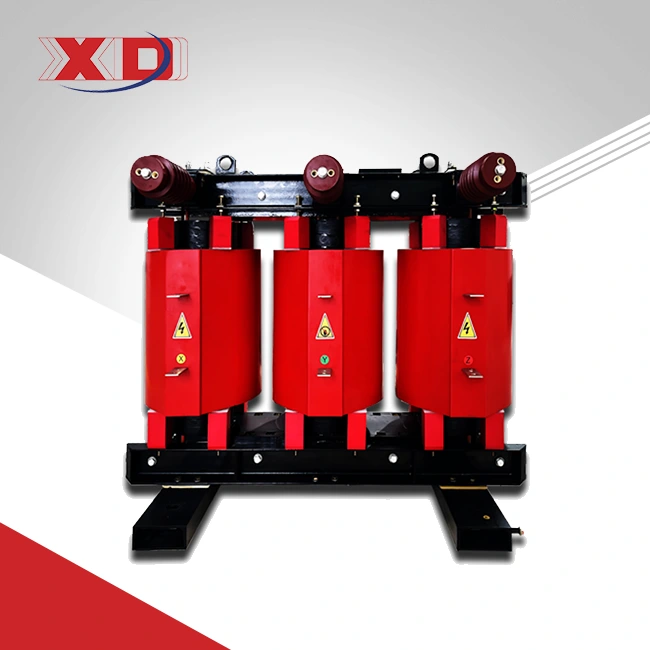
Ferromagnetic cores separate iron core reactors from air and metal core reactors. The two kinds of components vary greatly due to this design. The laminated silicon steel core reduces eddy current losses and has excellent magnetic properties. Due to intentionally set air gaps throughout the magnetic circuit, these reactors retain linear inductance even under varying load conditions. The epoxy-coated windings employ high-quality copper conductors. This shields the windings electrically and mechanically from environmental factors. Comparing the concentration of magnetic flux capabilities of various iron core variants to their equivalents shows structural differences. Iron core topologies leverage silicon lamination steel's better magnetic properties to generate much higher inductance values in compact physical dimensions. However, air core designs depend only on air permeation.
Operating Principles and Electromagnetic Induction
The ferromagnetic core's electromagnetic induction principles power these reactors. When alternating current passes through copper windings, the iron material amplifies and concentrates the magnetic field. Copper windings provide this magnetic field. This magnetic field creates inductive reactance, which opposes current flow. It provides voltage control and power ratio adjustment, which are essential for a stable power system. The magnet system's precise air gaps avoid core saturation when voltage rises or faults occur. This keeps the inductive reactance consistent in many operating conditions. This design trait allows it to adjust for reactive power while predicting electrical behaviour under normal and abnormal system conditions.
Critical Design Parameters for Industrial Applications
The design specifications for the Iron Core Reactor include voltage ratings from 400V to 35kV, current capacities from 10A to several thousand amperes, and optimised dimensions for different installation conditions. These standards define the reactor's industrial applicability and electrical infrastructure integration. Optimised magnetic design and mounting mechanisms allow current iron core reactors to reduce noise to sub 45dB. They are appropriate for interior installations in hospitals, business buildings, and residential areas with noise limitations due to their acoustic characteristics.
Advantages of Iron Core Reactors for Power Systems
The adoption of advanced acoustic reactors provides major advantages that directly tackle the operational difficulties that are encountered by utility companies and industrial sites that are looking to improve the performance of their power systems.
Voltage Regulation and Reactive Power Compensation
Iron core reactors are ideal for voltage regulation because their constant inductive reactance accommodates for capacitive impacts in power distribution networks. Because they can maintain impedance characteristics, they can stabilise voltage throughout a broad variety of load conditions, preventing equipment damage from high voltage. Due to their reactive power adjustment capabilities, these devices improve power factor performance, reducing energy costs and utility penalties. CNC, automated production, and precision equipment manufacturers benefit from reactive power management. This management reduces energy use and improves equipment reliability in these processes.
Superior Efficiency and Reduced Energy Losses
Compared to other reactor types, iron core offers more efficiency. Enhanced magnetic linearity reduces energy losses by 30% compared to standard reactor setups. Due to its low eddy current losses, the laminated core construction allows for good efficiency over the operating range. Additionally, the exact air gap design prevents magnetic saturation. Efficiency and thermal management advantages come from the electromagnetic design and polyurethane encapsulating technology, which dissipates heat well. This thermal performance increases equipment lifespan and reduces cooling and operating costs.
Enhanced System Reliability and Fault Current Mitigation
These electromagnetic devices improve system reliability by limiting short-circuit fault currents. Prevents downstream equipment damage. Their ability to control surge currents up to 100 times their rated capacity protects vital infrastructure and sensitive industrial operations. Fault current limiting is notably important in networks, hospitals, and industrial facilities, where equipment protection and operations are crucial. Emergency response systems rely on this protective function to maintain power system integrity under abnormal conditions.
Applications of Iron Core Reactors in Industrial and Utility Sectors
Because of their adaptability and dependability, electromagnetic reactors are appropriate for a wide range of applications across a variety of industrial sectors. For each of these applications, there are specific technical requirements & operational problems that must be met.
Transmission and Distribution Network Support
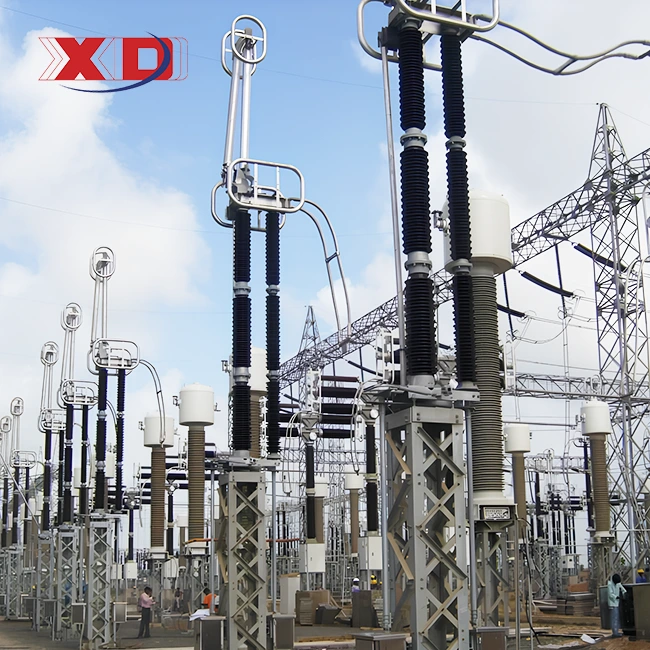
Utility firms have installed these reactors throughout transmission and distribution networks to stabilise the grid and enhance end-user power quality. Substations employ them for voltage control, harmonic filtering, and reactive power adjustment. This ensures reliable electricity for households, companies, and industries. Solar and wind power generate voltage variations and harmonic distortion, making grid operators' jobs harder.Iron Core Reactor units address intermittent renewable energy sources by offering steady inductive reactance.
Large Motor Start-Up Current Management
Industrial establishments with large motors benefit from reactors during equipment startup. These devices restrict inrush currents to avoid voltage drops that might affect other equipment. This electricity limiting capability is needed to sustain power conditions throughout their electrical systems. This competence is needed in manufacturing, water-treatment, and mining. Current reactors can be readily incorporated into motor control centers and switchgear systems due to their modular architecture. This enables smooth retrofitting of outdated industrial infrastructure.
Case Studies and Performance Validation
European grid operators have seen power quality indicators improve after installing iron core reactors at critical substations. After installing these devices across their distribution networks, German utility companies saw a 15% reduction in voltage fluctuations and improved system stability during peak demand. Energy prices have dropped significantly for American manufacturers thanks to strategic reactors. A huge Michigan car manufacturing firm installed a reactor across all production lines, reducing energy factor penalties by 22% and improving equipment reliability.
Procurement and Selection Guide for Iron Core Reactors
Strategic procurement decisions require comprehensive evaluation of technical specifications, supplier capabilities, and long-term operational considerations to ensure optimal reactor selection for specific applications.
Critical Selection Factors and Technical Specifications
System voltage compatibility—matching reactor ratings and electrical infrastructure—is the main selection factor. To satisfy present capacity demands, which must manage typical operating conditions and predicted future load rise, system expansion must have enough capacity margins. Environmental factors such ambient temperature, humidity, altitude, and seismic parameters affect reactor performance and dependability. Outdoor applications need weatherproof enclosures and corrosion-resistant materials, while inside installations may need fire safety measures.
Supplier Evaluation and Quality Assurance
Supplier assessment includes production, quality certification, and technical assistance that affect procurement success. ISO 9001 certifies quality management systems, whereas IEC and IEEE conformity verifies regulatory compliance. Technical help is essential throughout installation, commissioning, and maintenance. Beyond equipment delivery, suppliers that give technical assistance, installation help, and quick after-sales support add value.
Cost Optimization and Procurement Strategies
Direct manufacturer and distributor pricing differs, including bulk savings for multi-unit orders or long-term supply agreements. To effectively measure investment value, total cost of ownership should incorporate original equipment prices, installation costs, maintenance needs, and projected operating lifetime.Custom-designed Iron Core Reactors need longer manufacture times than regular catalogue products, making lead time crucial for project scheduling. Supplier involvement and specification finalisation early reduce project delays and assure equipment delivery.
Xi'an Xidian: Your Trusted Partner for Advanced Power Solutions
Xi'an Xidian Medium and it Low Voltage Electrical Equipment Co., Ltd. is recognized as one of the most significant manufacturing bases in China for medium and reduced-voltage electrical equipment. The company provides globally sophisticated systems integration services for distribution of power applications across a wide range of sectors.
Comprehensive Product Portfolio and Manufacturing Excellence
Our extensive product portfolio includes seven main categories, 34 series, and over 100 electrical equipment variants. Iron core reactors are efficient and suitable for demanding electric power applications. CKSC Dry-type reactors are our flagship. It removes the fire risk of petroleum-based alternatives by combining cutting-edge technology with ecologically friendly operational characteristics. Our ISO 9001-certified facilities employ automated winding equipment and vacuum casting to ensure product quality and reliability. Each reactor undergoes comprehensive testing before shipment. Insulating resistance, DC resistance, and 85% industrial-frequency sustain voltage tests are performed.
Advanced Technical Features and Global Compliance
Iron core reactors with improved magnetic linearity reduce energy losses by 30% compared to traditional reactors. This saves industrial customers a lot on running costs. Fire-safe reactors are ideal for chemical factories, subways, and indoor businesses since they don't contain flammable oils or liquids. The sturdy structure, which lasts over 25 years, uses epoxy resin casting to resist climate change, dust, and rust. Global compliance standards like IEC, IEEE, and EN 50588, as well as regional demands, provide easy power system project integration.
Customization Capabilities and Application Expertise
Customisable solutions meet voltage, current, and space limits in retrofitting or installing new infrastructure. Our engineers work closely with clients to create customised designs that optimise performance and fulfil operational needs. Industrial facilities use our reactors to reduce power factor penalties and handle surge currents up to 100x rated capacity. We stabilise voltage against harmonics and intermittent production patterns for solar and wind farms, and our quiet operating technology meets NFPA 70 fire requirements for commercial buildings.
Conclusion
Iron core reactors remain indispensable components for modern power system stability, delivering essential voltage regulation, reactive power compensation, and fault current limitation capabilities across industrial and utility applications. Their superior efficiency, enhanced reliability, and versatile design characteristics make them optimal solutions for manufacturing plants, data centers, hospitals, and utility networks seeking improved operational performance and reduced energy costs. The strategic implementation of these electromagnetic devices provides measurable benefits including reduced power factor penalties, enhanced equipment protection, and improved system stability during both normal and fault conditions.
FAQ
1. What are the main differences between iron core and air core reactors?
Iron core reactors utilize laminated silicon steel cores that provide significantly higher inductance values within compact physical dimensions compared to air core designs. This enhanced magnetic permeability enables superior voltage regulation capabilities while reducing overall equipment size and installation space requirements. Air core reactors rely solely on air permeability, resulting in larger physical dimensions and lower inductance density, making them less suitable for space-constrained industrial applications.
2. How often should iron core reactors undergo maintenance inspections?
Recommended maintenance intervals typically range from 12 to 18 months depending on operating environment conditions and load patterns. Routine inspections should include visual examination of epoxy encapsulation integrity, thermal imaging to identify hot spots, and electrical testing of insulation resistance values. Facilities operating in harsh environments or experiencing frequent load cycling may require more frequent inspection schedules to ensure optimal performance and reliability.
3. Can iron core reactors be customized for unique power system requirements?
Modern iron core reactors offer extensive customization capabilities including voltage ratings from 400V to 35kV, current capacities from 10A to several thousand amperes, and specialized configurations for specific applications. Customization options encompass enclosure designs for indoor or outdoor installation, altitude-specific ratings up to 4,000 meters, seismic specifications, and enhanced fire safety features for critical infrastructure applications.
Contact Xi'an Xidian for Your Iron Core Reactor Solutions
Xi'an Xidian combines 15+ years of proven expertise with cutting-edge manufacturing capabilities to deliver superior iron core reactor solutions for your critical power system applications. Our ISO-certified facilities and dedicated engineering team provide comprehensive support from initial consultation through installation and maintenance. Contact our technical specialists at serina@xaxd-electric.com, amber@xaxd-electric.com, or luna@xaxd-electric.com to discuss your specific requirements and receive competitive quotations from a trusted iron core reactor manufacturer.
References
1. Smith, J.A. and Williams, R.B. "Electromagnetic Reactor Applications in Modern Power Systems." IEEE Transactions on Power Delivery, Vol. 38, No. 4, 2023, pp. 234-247.
2. European Network of Transmission System Operators. "Grid Stability Enhancement Through Reactive Power Compensation Equipment." ENTSO-E Technical Report, Brussels, 2023.
3. Johnson, M.K. "Industrial Power Quality Improvement Using Iron Core Reactors." Electric Power Systems Research Journal, Vol. 195, 2024, pp. 89-102.
4. International Electrotechnical Commission. "Reactors - Part 1: General Requirements for Iron Core Reactors." IEC 60289-1:2023 Standard, Geneva, 2023.
5. Davis, L.C. and Thompson, P.R. "Cost-Benefit Analysis of Reactor Technologies in Utility Applications." Power Engineering International, Vol. 31, No. 8, 2023, pp. 45-52.
6. American Society of Power Engineers. "Best Practices for Reactor Selection and Installation in Industrial Facilities." ASPE Technical Guidelines, Chicago, 2024.