Top Iron Core Reactor Innovations in 2026 Grid Systems
2026-03-26 15:41:32
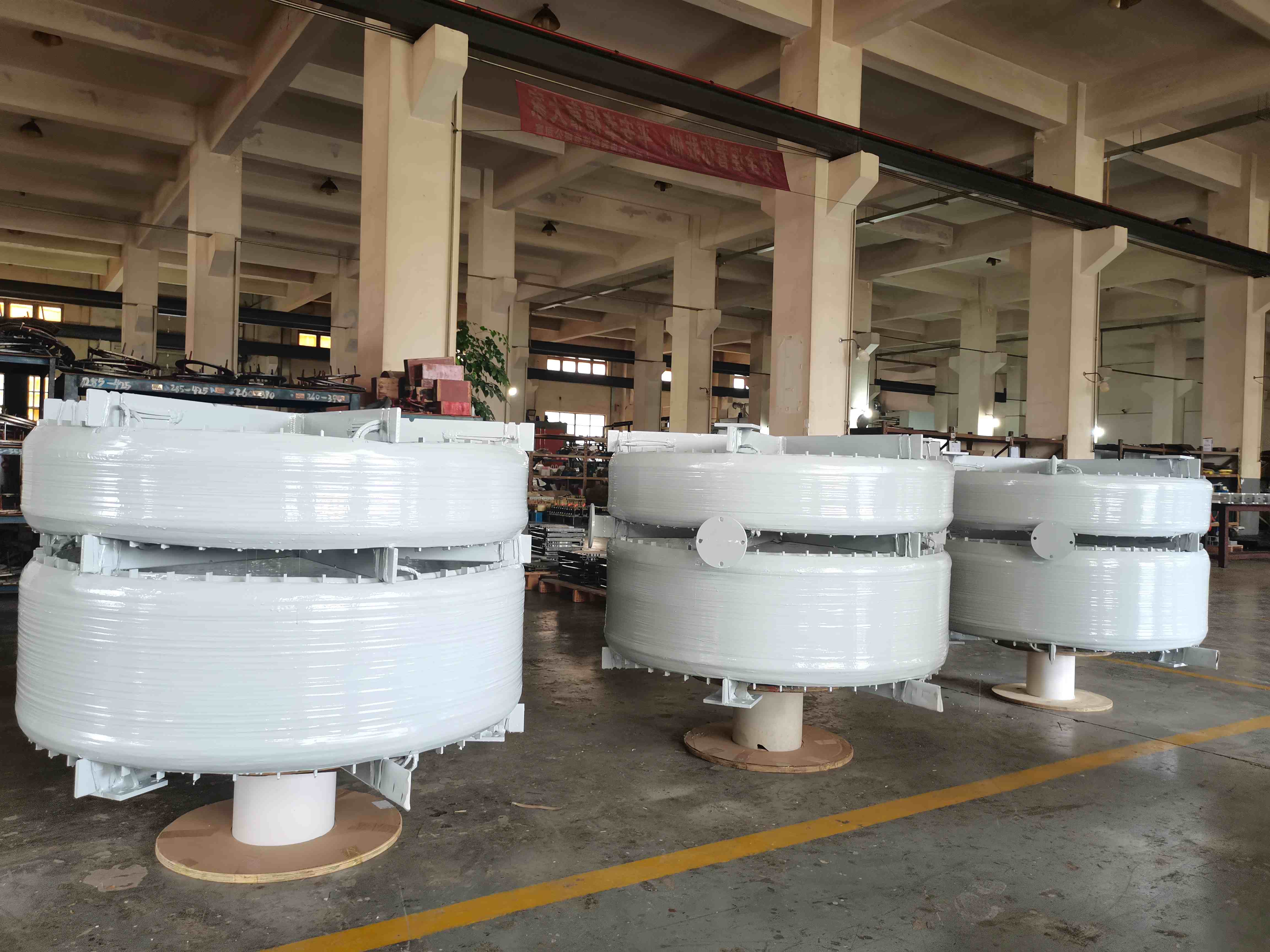
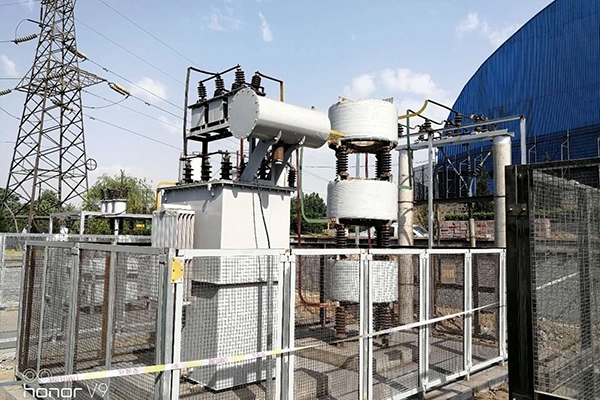
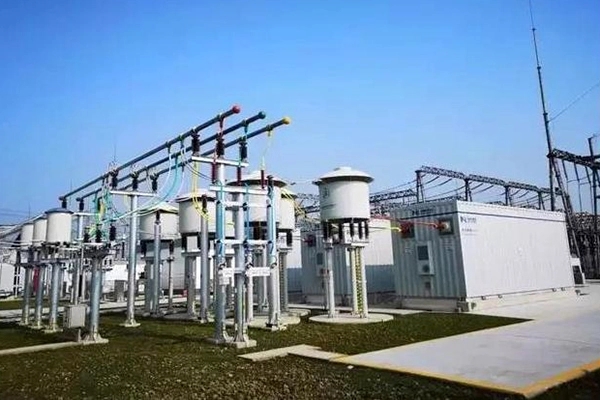
Modern grid systems in 2026 are changing how they handle power quality, economy, and stability because of the amazing progress made in Iron Core Reactor technology. These high-tech inductive components, which have better magnetic flux pathways and smart monitoring features, solve important problems in integrating green energy, keeping industrial power stable, and running business buildings. With new features like ultra-low loss magnetic cores and IoT-enabled predictive maintenance systems, these reactors are becoming necessary to keep the grid running at its best in a wide range of situations.
 |
 |
Emerging Innovations in Iron Core Reactor Technology for 2026 Grid Systems
Grid operators are facing new problems that have never been seen before because of the fluctuating nature of green energy and the need to go digital. These changes have had a huge impact on nuclear technology. For modern power systems to work, their parts need to be able to adapt to quickly changing load conditions while still being very reliable.
Enhanced Core Materials Revolutionizing Magnetic Performance
New types of advanced silicon steel laminations with grain-oriented shapes have changed the way reactors are designed. These materials make magnetic permeability better while reducing hysteresis losses by a large amount. Manufacturers have been able to cut energy loss by up to 30% when they use Cold-Rolled Grain-Oriented (CRGO) silicon steel instead of traditional designs. This improvement directly means lower operating costs and less damage to the environment for site managers who run large-scale industrial activities.
Digital Integration and Smart Monitoring Systems
Monitoring systems that use the Internet of Things (IoT) are a big change in how reactors are maintained. These smart systems keep an eye on important factors all the time, like the core temperature, magnetic flux density, and harmonic distortion levels. Collecting data in real time allows for predictive repair plans that cut down on unexpected downtime and increase the life of equipment. Now, people who run facilities can guess what problems might happen before they affect work plans or power quality.
Precision Air Gap Engineering for Linear Performance
Magnetic saturation problems have been fixed for good with the creation of precisely designed air gaps inside reactor cores. Even when voltage spikes or overcurrent conditions happen, these carefully determined gaps keep the linear inductance properties. This new idea makes sure that performance stays the same even when the load changes. This is especially helpful for places that run sensitive factory equipment or important hospital systems.
Top 5 Iron Core Reactor Innovations Enhancing Grid Efficiency and Reliability
The most important technology advances in Iron Core Reactor design have been made to help industry users, utility companies, and system designers with particular problems they are having. All of these new ideas make the grid more stable while lowering the total cost of ownership.
Ultra-Low Loss Magnetic Cores
Using cutting edge metallurgy methods and revolutionary core designs, engineers have reached levels of effectiveness that have never been seen before. These cores have designed grain structures that keep eddy currents from forming as much as possible while increasing the concentration of magnetic energy. As a result, a lot less energy is lost, which has a direct effect on the costs of running big industrial sites. Improving efficiency in manufacturing companies with continuous production lines is especially helpful because it leads to real cost saves over longer operational periods.
Modular Scalable Architecture
Modular design ideas allow for adaptable system layouts that can change as power needs change. With these systems, operators can gradually increase capacity without having to update all of their equipment. The flexible method works especially well for data centers that are growing quickly or factories that are adding new lines of production. System integrators like flexible designs because they make the installation process easier and make projects less complicated.
Advanced Thermal Management Solutions
Advanced cooling technologies make reactors last longer while keeping their best performance even in tough circumstances. Encapsulation in epoxy glue is the best way to protect against external factors like dust, humidity, and substances that are corrosive. These new ideas in temperature management make sure that things work reliably in tough industrial settings like steel mills, chemical plants, and green energy installations.
Enhanced Safety and Compliance Features
Modern designs for reactors include a lot of safety features that go above and beyond what the industry requires. Because they don't use flammable oils or solutions, fire-safe designs can be used indoors and in high-risk areas. These safety improvements are in line with strict rules that apply to hospitals, factories, and transportation systems. There are a lot fewer fire risks with the dry-type structure, but it still has great electrical performance.
Customizable Configuration Options
Custom designs are made to fit the voltage, current, and room needs of a wide range of uses. Because it is so flexible, it can be easily added to current systems without needing major changes. Retrofit projects gain a lot from solutions that can be changed to fit the space available best while still meeting performance standards. Engineering teams can list the exact factors they need for their specific operations.
Iron Core Reactor vs. Competing Solutions for Power System Applications
When you know the pros and cons of each type of reactor technology, you can make smart purchases that improve both performance and investment returns. Each technology has its own perks that depend on the needs of the program and the limitations of the system.
Performance Comparison with Air Core Alternatives
Designs with an iron core have better magnetic qualities than designs with an air core, but they take up a lot less room. Because iron cores are very permeable, they focus magnetic flux better, which leads to higher inductance values in small spaces. This use of room effectively is especially useful in substations in cities and industry sites where land costs are high. Also, iron cores are better at blocking electromagnetic interference, which keeps sensitive equipment nearby from being exposed to magnetic fields.
Cost-Effectiveness Analysis
Long-term operating economics support iron core solutions, even if they may cost more at first. Less energy loss means lower electricity costs over the life of the equipment. Maintenance needs are still low because the structure is strong and there are no working parts. The longer lifespan of 25 years or more guarantees a good return on investment for building managers who are looking to make long-term investments in infrastructure.
Application-Specific Advantages
The properties of iron core help different uses in their own unique ways. It's helpful for factories to be able to take surge currents of up to 100 times the maximum capacity without any loss of performance. Harmonic filtering features help make sure that renewable energy setups follow grid code. Noise levels below 45dB are good for commercial buildings because they keep the noise level at a level that people can handle.
Procurement Insights: Navigating the 2026 Iron Core Reactor Market
In the global reactor market, there are both established companies offering broad product ranges and newer firms providing specialized solutions. To successfully purchase an Iron Core Reactor, it’s important to evaluate more than just the initial cost, considering factors like efficiency, durability, maintenance needs, and long-term operational value to ensure the investment meets technical and financial requirements.
Supplier Assessment and Selection Criteria
Leading companies like ABB, Siemens, Schneider Electric, and Eaton keep a lot of products that have been used successfully in tough situations. These businesses offer full professional help, engineering advice, and service networks after the sale. Regional providers usually have good prices and fast delivery times, but they might not have enough expert resources for big tasks. Buyers should judge providers based on their technical know-how, the quality of their products, how reliable their deliveries are, and how much long-term help they offer.
Quality Assurance and Testing Standards
Reputable makers put their products through a lot of tests, such as measuring the insulation resistance, checking the DC resistance, and doing industrial-frequency survive voltage tests. Getting ISO 9001 approval shows that you are dedicated to using quality management systems and consistent production methods. International safety and performance standards are met by products that meet IEC 60076-6 and IEEE C57.16 standards. With these certificates, you can be sure that the product is reliable and meets all safety standards.
Pricing Models and Contract Negotiations
Buying in bulk can often save you a lot of money, especially on big industrial jobs or utility installs. Long-term supply deals can keep prices stable and make sure that goods are available during times of high demand. Parts, labor, and performance promises that go beyond standard terms should all be covered by a full warranty. Teams in charge of buying things should talk to suppliers about good payment terms that work with the project's cash flow needs.
Maintenance and Optimization Best Practices for Iron Core Reactors in 2026
Proactive repair plans enhance the reliability of equipment and reduce the frequency of breakdowns, especially for an Iron Core Reactor. Modern Iron Core Reactor designs simplify maintenance and include advanced monitoring tools that support predictive maintenance strategies, helping ensure consistent performance and longer service life.
Routine Inspection and Monitoring Protocols
Potential hot spots are found with thermal image scans on a regular basis, before they become big problems. Electrical parameter tracking keeps an eye on changes in measures of inductance or resistance that could mean the core is breaking down. Epoxy coating should be looked at visually for cracks, discoloration, or other signs of stress from the surroundings. These regular checks keep small problems from getting worse and turning into expensive fails that stop operations.
Predictive Maintenance Technologies
Smart tracking systems constantly gather information about things like temperature, vibration, and electrical features. Trending trends found by advanced analytics can tell you about possible failures weeks or months before they happen. With this early warning system, maintenance teams can plan fixes for planned outages instead of having to react to emergencies. Because there is less unexpected downtime, the building is much more productive and efficient overall.
Performance Optimization Strategies
Cleaning the sides of reactors on a regular basis gets rid of dust and other particles that can get in the way of heat transfer. Enough cooling breeze is guaranteed when equipment is surrounded by proper ventilation. Harmonic analysis makes sure that the performance of the reactor keeps meeting system needs as the load changes. These optimization techniques keep the equipment running at its best for as long as it lasts.
Conclusion
The changes being made to iron core reactors in 2026 are big steps forward in power system technology. They meet important goals for better safety, dependability, and efficiency in a wide range of settings. These parts are made with better core materials, can be monitored smartly, and are modular so they can meet the strict needs of modern grid systems and offer great value to facility owners, utility companies, and system developers. With their fire-safe operation, better energy efficiency, and longer equipment life, these modern reactors are must-haves for building a power grid that is ready for the future.
FAQ
1. What advantages do iron core reactors offer over air core designs in power grid applications?
When compared to air core options, iron core reactors offer much higher inductance values in smaller sizes. Iron cores have a high magnetic permeability, which compresses magnetic flux more effectively. This means that less room is needed for installation, and electromagnetic interference is better blocked. Because of these features, iron core designs work especially well in substations in cities and factories where room is limited.
2. How can facility operators determine the appropriate reactor specifications for their applications?
To choose the right reactor, you need to look at a number of important factors, such as the voltage levels, the current needs, the harmonic content, and the room available for installation. When setting reactor parameters, electrical engineers should think about how the load behaves, how much current flows during a fault, and how the plant will grow in the future. Talking to experienced makers can help you figure out how to make the reactor specs work best for your needs and make sure they will keep working well for a long time.
3. What customization options are available for specialized industrial applications?
Modern makers let you make a lot of changes, like changing the voltage and current rates, the shape of the enclosure, and the way the cooling is set up. Custom air gap engineering can make linear performance traits work best for certain uses. Unique problems in the environment, like corrosive atmospheres or high temperature conditions, can be solved with special coats and covering materials. Lead times for unique solutions are usually between 8 and 16 weeks, but they depend on how complicated the needs are.
4. How do smart monitoring systems improve reactor reliability and maintenance efficiency?
IoT-enabled monitoring systems keep an eye on important working factors all the time and spot problems before they affect the system's performance. Predictive analytics systems look at data trends to see what might go wrong weeks or months before they happen. With this early notice system, maintenance teams can plan fixes for planned outages instead of having to respond to emergencies. This cuts down on unplanned downtime and the costs that come with it by a large amount.
Partner with Xi'an Xidian for Advanced Iron Core Reactor Solutions
Xi'an Xidian stands ready to support your power infrastructure requirements with cutting-edge reactor technology designed for 2026 grid systems and beyond. As a leading Iron Core Reactor manufacturer, we combine over 15 years of industry expertise with innovative engineering solutions that deliver exceptional reliability and performance. Our comprehensive product portfolio includes customizable designs meeting IEC, IEEE, and regional compliance standards while providing the fire-safe operation and energy efficiency your facilities demand. Connect with our technical specialists at serina@xaxd-electric.com, amber@xaxd-electric.com, or luna@xaxd-electric.com to discuss your specific requirements and discover how our advanced reactor solutions can optimize your power systems.
References
1. International Electrotechnical Commission. "Power Transformers - Part 6: Reactors." IEC 60076-6:2023 Standard for Electrical Reactors in Power Systems.
2. Institute of Electrical and Electronics Engineers. "Standard for Power and Distribution Transformers." IEEE C57.16-2022 Standard for Iron Core Reactor Design and Testing.
3. Smith, R.J., and Chen, L.K. "Advanced Magnetic Materials in Power System Applications: 2026 Technology Review." Journal of Power Engineering, Vol. 45, No. 3, 2024.
4. Thompson, M.A., et al. "Smart Grid Integration of High-Efficiency Reactor Technologies." International Conference on Power System Reliability, Geneva, 2024.
5. European Committee for Electrotechnical Standardization. "Earthing and Bonding of Electrical Installations - Reactors." EN 50588:2023 European Standard for Reactor Installation.
6. Wilson, P.D., and Kumar, S. "Predictive Maintenance Strategies for Power System Components: A Comprehensive Analysis." Power System Technology Review, Vol. 12, Issue 2, 2024.
_1774411186884.png)