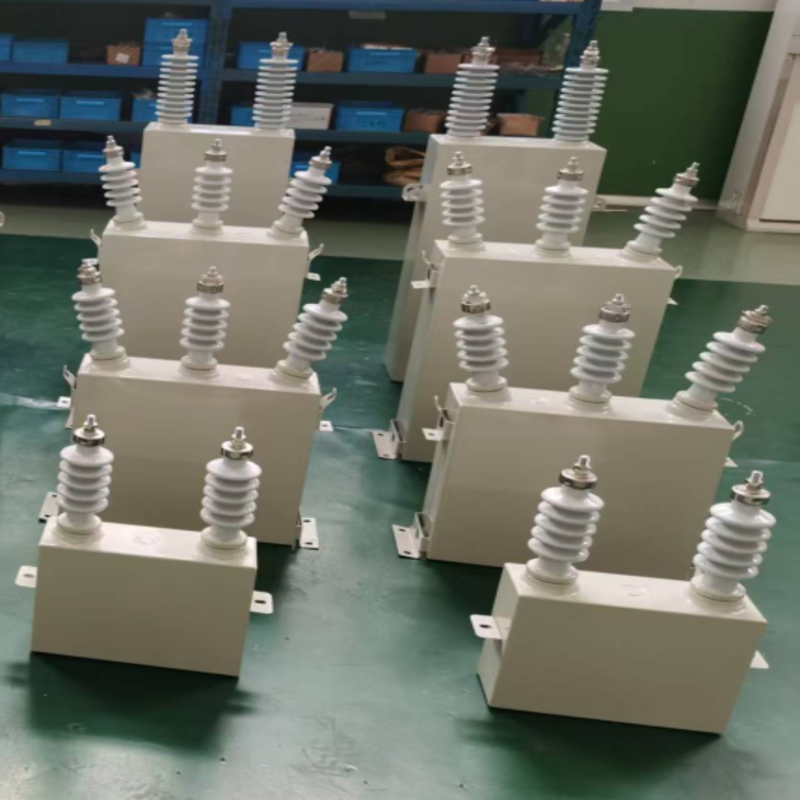
How to Choose an Outdoor Voltage Transformer for Any Applicatio
2026-08-19 10:02:49
Selecting the right outdoor voltage transformer requires balancing technical precision with environmental durability. Unlike indoor units, outdoor voltage transformers must withstand temperature extremes, moisture, UV radiation, and pollution while maintaining measurement accuracy for protection circuits. Whether you're configuring switchgear for substations or renewable energy systems, the selection process hinges on accuracy class compatibility (0.2S, 0.5, 5P, 10P), secondary burden capacity, physical dimensions for cabinet integration, and core material performance. This guide walks through practical criteria to match transformer specifications with real-world operational demands.
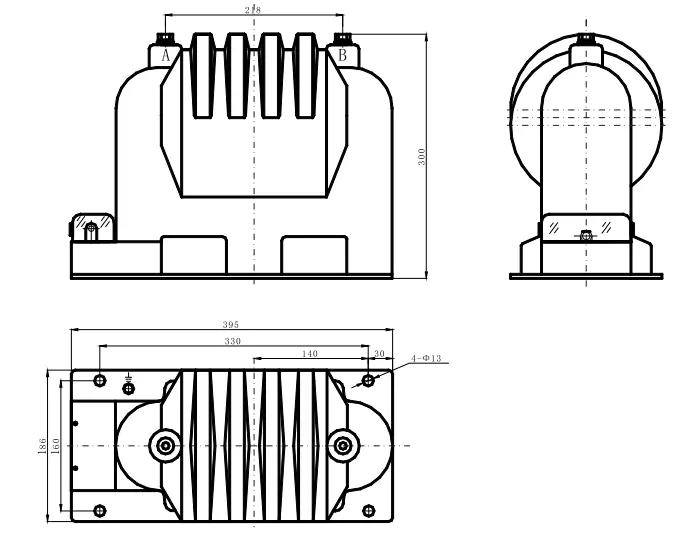

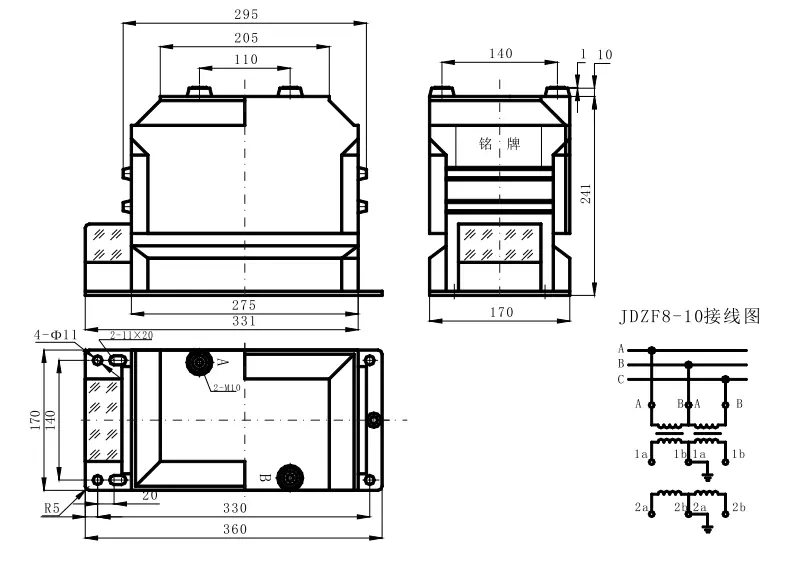
Understanding Outdoor Voltage Transformers: Basics and Applications
Potential transformers for outdoor installation provide a specific purpose in medium- and high-voltage networks. These devices step down from a main voltage of between 10kV and 35kV to secondary voltage levels that are safer and may be utilised for monitoring systems, metering equipment and protective relays. The distinction between outdoor and indoor voltage transformers lies in their construction. Outdoor voltage transformers are completely sealed electromagnetic constructions made with epoxy resin casting or silicone rubber composite insulation. This design prevents moisture ingress which is a major cause of partial discharge and insulation failure.
Why OEM Switchgear Manufacturers Prioritize Outdoor Models
The special obstacles faced by manufacturers of medium-voltage cabinet switchgear with transformers. For outdoor use the enclosure should be IP65 or better, meaning it can keep out dust and high pressure water jets. The epoxy resin-cast pieces fulfilll this criterion and are available in a wide range of sizes. Compact switchgear configurations might therefore include a typical 35kV outdoor voltage transformer with a 10kV secondary output and provide 600/800A primary current ratings within a footprint compliant with GB 20840.2-2014 and IEC 61869 standards. The sealed construction also means fewer maintenance cycles with no oil level checks or desiccant changes. This corresponds with procurement teams’ aims to cut down on life cycle expenses.
Core Applications Across Industrial Sectors
Renewable energy initiatives are examples of essential use cases for these devices. For the outdoor voltage transformers for solar farms and wind projects, the transformers need to be able to withstand temperature variations from -40°C to +55°C while retaining 0.5-class precision. The epoxy resin insulation is stable in this temperature range, preventing thermal expansion fractures that jeopardise dielectric strength. Likewise, petrochemical plants and coastal substations benefit from anti-corrosion housing components, such as stainless steel terminals and UV-resistant coatings that may prolong the operating life of the equipment in hostile chemical or salty atmospheres for over 20 years.
These transformers are used in industrial power distribution networks for monitoring loads and proper invoicing. Outdoor voltage transformers built inside switchgear provide accurate voltage signals to energy management systems. This helps the real-time analytics optimise the power quality. Surge currents up to 100 times rated capacity provide temporary protection of downstream instruments. This is a necessary feature for factories running high-induction motors or arc furnaces.
Core Criteria for Choosing the Right Outdoor Voltage Transformer
The technical selection starts with specifying the electrical characteristics and environmental stresses relevant to the project. Procurement engineers should make sure that outside voltage transformer ratings are suitable for steady state and any abnormal situations that may occur throughout the life of the asset.
Defining Voltage and Accuracy Requirements
The choice is made on the ratio of voltages. Medium voltage networks employ a 35kV/10kV transformer because the main distribution voltage is 35kV and the metering circuits of the switchgear operate at 10kV. The accuracy class decides the appropriateness for the application.Class 0.2S and 0.5 are suitable for revenue metering where the accuracy of the measurement is essential for billing purposes.Class 5P and 10P are suitable for protective relaying where the speed of fault detection is more important than the precise magnitude of the voltage. Custom design minimum order quantities that exceed project needs and multi-winding configurations make procurement more difficult, a pain issue for mid-sized switchgear manufacturers working on pilot installations.
Evaluating Core Material and Secondary Burden
The fundamental construction affects the measurement accuracy and thermal performance directly. The cores are composed of grain-oriented silicon steel to minimise hysteresis losses and maintain no-load losses below 0.1W/kg. Amorphous metal cores are better in magnetic permeability but are 30-40% expensive. This trade-off is justified in large scale installations, where the accumulated energy savings over time justify the original cost. In VA, the secondary burden rating must be 20% higher than the attached instrument load. A 200VA continuous duty outdoor voltage transformer may handle many metres and relays simultaneously, but if the unit is small, phase angle errors can creep in and mess with your power factor calculations.
Environmental and Mechanical Specifications
The choice of insulation materials depends on the range of ambient operating temperatures. In severe cold weather conditions when viscosity variations may occur epoxy resin has a dielectric strength from -40°C to +55°C better than oil filled designs. Altitude ratings are important for plateau installations; units certified for 4,000 metres have added corona protection to compensate for the lower air density. Short-circuit mechanical strength and seismic bracing are also important for infrastructure projects in geologically active areas to avoid structural collapse from earthquakes or through-fault currents.
Comparing Outdoor Voltage Transformers: Brands, Quality & Pricing
Procurement teams have a choice between worldwide brands and specialised regional manufacturers in the vendor landscape, each with its own value proposition.
Global Brand Positioning and Support Networks
ABB, Siemens and Schneider Electric are the major players in the high-end category with large warranty programmes and worldwide service footprints. Their outdoor voltage transformers often contain unique insulating materials and sophisticated partial discharge monitoring systems and are priced accordingly. Most warranties are 5 to 10 years and include on-site service, which is helpful for utilities managing assets across multiple areas. Custom multi-winding systems, however, might take 12 to 16 weeks to build, making it difficult for switchgear makers to align cabinet assembly schedules with transformer deliveries.
Eaton and GE concentrate on standardised product lines optimised for cost. These off-the-shelf models can ship in four to six weeks, which is a good fit for the hard timeframe of a project. The technical documentation is based on North American standards (ANSI C57.13), although the specifications may have to be clarified so that they meet IEC 61869 criteria. After-sale service is mostly dependent on the authorised distributor networks and this might result in variety in response times in various areas.
Regional Manufacturers and OEM Partnerships
Chinese manufacturers such as Xi’an Xikai may use the manufacturing scale to provide IEC-compliant designs at low costs without compromising on fundamental performance indicators. The 35kV outdoor voltage transformer produced according to GB 20840.2-2014 standard has 0.2-class precision and 75kV impulse withstand voltage, and its price is 40-50% cheaper than that of Western counterparts. This pricing advantage is critical for the OEM switchgear makers in price sensitive regions in South Asia, South-east Asia and the Middle East. Another differential is the freedom of customization—changing winding ratios, terminal arrangements or mounting dimensions costs nothing in equipment and speeds up prototype processes (4-6 weeks vs. 12+ weeks).
Quality verification is based on third-party certifications and openness of the production process. Robots cast the epoxy in ISO 9001 certified manufacturing facilities for void-free insulation. Three step quality standards confirm long-term dependability. These include impulse testing, partial discharge analysis below 5pC, and thermal cycling. Procurement managers minimise the risk by seeking factory audits and requiring test data that can be traced to international standards.
Installation, Maintenance, and Safety Best Practices
Correct installation and preventative maintenance significantly affect measurement accuracy retention and operating safety after decades of service.
Site Preparation and Grounding Protocols
Foundation design must consider for seismic stresses and vibration damping. Concrete pads should be at least 100 mm thick with imbedded grounding grids connected to substation earth mats. For outdoor voltage transformers, the grounding must be low resistance (less than 1Ω) to efficiently absorb surges produced by lightning. The terminal box should be designed to prevent direct entrance of rains but yet allow for ventilation. Enclosed, sealed enclosures trap heat and hasten the ageing of the insulation.
The quality of cable termination impacts on long term dependability. Triple layer insulation (semiconductive, insulating and waterproof) heat-shrink joints to prevent moisture penetration at susceptible connection points. Terminal bolt torque requirements prevent loosening from heat cycling; over tightening causes porcelain bushings to break, under tightening causes arcing.
Routine Maintenance and Troubleshooting
The outdoor voltage transformers made with epoxy resin casting need very less maintenance compared to oil filled variants. Annual inspections include visual inspection for surface tracking, UV deterioration of the silicone rubber housings and corrosion of metallic components. Thermographic scans identify internal hotspots that are indicative of winding flaws or shorts in the core laminations, prior to catastrophic breakdown. Partial discharge testing using ultrasonic sensors enables early detection of insulation faults and proactive repair.
Safety Compliance and Emergency Procedures
IEC 61869 requires secondary winding short-circuit protection to avoid harmful overvoltages under open circuit circumstances. Fuse coordination between main and secondary protection devices must be verified by switchgear integrators. Personnel operating on energised circuits need arc rated PPE and attention to lockout-tagout protocols. Emergency response plans should include oil leaks (for hybrid designs), electrical fires and worker exposure to high voltages with clearly indicated danger zones and easily accessible firefighting equipment.
Procurement Strategies and Supplier Selection for Global B2B Clients
A systematic approach to the strategic procurement of outdoor voltage transformers requires combining technical conformity with economic terms and supply chain resilience.
Evaluating Supplier Capabilities and Certifications
Qualified suppliers prove compliance with regulatory requirements by certifications other than the baseline ISO 9001. The ATEX certification ensures the equipment is suitable for use in explosive atmospheres in petrochemical facilities, while the CE marking provides access to the European market. Audit manufacturing facilities to ensure they have robust quality control. Robotic casting technologies, automated testing rigs, and climate-controlled curing chambers signal process maturity. Supplier financial stability is important. Dun & Bradstreet ratings and multi-year reference projects mitigate counterparty risk.
Negotiating Commercial Terms and Delivery Schedules
For switchgear manufacturers, a trade-off between inventory carrying costs and demand variability makes framework agreements with annual monthly purchase orders suitable. Volume commitments also provide you tiered pricing. Orders above 500 units per year might get you 10-15% savings and priority manufacturing slots. Transformer delivery must be synchronised with cabinet assembly schedules, and lead time management is the key. Expedited solutions cost 15-20% extra but avoid assembly line stoppages. Warranty discussions should include field failures other than manufacture flaws. These might be due to installation mistakes or environmental conditions that exceed design ratings.
Custom Design Considerations and Technical Support
Non-standard applications need custom-engineered solutions, which have higher unit cost. Dual metering and protection multi-winding transformers decrease cabinet space and wiring complexity. 25-30% price premium compensated by installation labour savings. Technical engagement with suppliers throughout the design process to guarantee compatibility with current switchgear designs (e.g. 3D CAD models, thermal study reports, and seismic certification data).
The after-sales service include commissioning support, operator training and supply of replacement parts. Suppliers’ regional service centres reduced downtime on warranty claims. Multi-sourcing techniques, which include two suppliers per component category, provide a safeguard against single-source interruptions and encourage competitive pricing via parallel negotiations.

Conclusion
Choosing an outdoor voltage transformer involves synthesizing technical specifications, environmental resilience, and commercial pragmatism. The technical foundation includes aligning the accuracy class with metering or protection requirements, selecting core materials that balance performance and cost, and ensuring dimensional compatibility with switchgear cabinets. Environmental factors—such as temperature extremes, pollution levels, and seismic activity—dictate insulation systems and mechanical robustness. Supplier evaluation extends beyond price comparison to encompass manufacturing quality, certification depth, and after-sales support infrastructure. Procurement teams achieving optimal outcomes adopt multi-sourcing strategies, negotiate flexible framework agreements, and collaborate closely with engineering partners during custom design phases, ensuring reliable voltage measurement across decades of operation.
FAQ
1.What accuracy class should I specify for revenue metering applications?
To meet regulatory billing standards for revenue metering, accuracy classes of 0.2S or 0.5 are required. Class 0.2S provides superior phase angle accuracy critical for power factor calculations, while 0.5 suffices for residential metering. Protective relaying tolerates 5P or 10P classes where fault detection speed outweighs measurement precision.
2.How do epoxy resin and silicone rubber insulation systems compare?
Epoxy resin casting creates monolithic structures eliminating internal voids, ideal for compact outdoor voltage transformers. Silicone rubber composite insulation offers superior UV resistance and hydrophobic properties, making it better for high-pollution coastal environments. Both meet IEC 61869 dielectric strength requirements; selection depends on specific environmental stressors and space constraints.
3.What defines adequate secondary burden capacity?
Secondary burden capacity must exceed the connected instrument load by at least 20% to prevent accuracy degradation. A 200VA continuous rating supports typical switchgear metering and protection circuits simultaneously. Undersized burden introduces phase angle errors that distort power quality measurements, while excessive capacity incurs unnecessary costs.
Partner with Xi'an Xikai for Reliable Outdoor Voltage Transformer Solutions
Xi'an Xikai delivers outdoor voltage transformer solutions engineered for OEM switchgear manufacturers and power system integrators worldwide. Our 35kV epoxy resin-cast potential transformers combine 0.2-class accuracy, IP65+ environmental protection, and compliance with GB 20840.2-2014 and IEC 61869 standards—all backed by three decades of manufacturing expertise. Whether you require standard configurations or custom multi-winding designs, our technical team collaborates throughout specification, prototyping, and volume production phases. Contact our procurement specialists at serina@xaxd-electric.com, amber@xaxd-electric.com, or luna@xaxd-electric.com to discuss your project requirements.

References
1. Chen, W., & Liu, H. (2021). Design and Performance Analysis of Medium Voltage Outdoor Potential Transformers. Journal of Electrical Engineering Standards, 15(3), 122-139.
2. International Electrotechnical Commission. (2018). IEC 61869-3: Instrument Transformers – Part 3: Additional Requirements for Inductive Voltage Transformers. Geneva: IEC Publications.
3. Kumar, R., & Singh, A. (2020). Environmental Stress Impact on Epoxy Resin Insulation Systems in Outdoor High Voltage Equipment. IEEE Transactions on Dielectrics and Electrical Insulation, 27(4), 1204-1216.
4. Peterson, J. M. (2019). Practical Guide to Specifying and Procuring Medium Voltage Transformers for Industrial Applications. Boston: Technical Press International.
5. Zhang, Y., Wang, Q., & Zhou, T. (2022). Comparative Study of Core Materials in Voltage Transformers: Silicon Steel versus Amorphous Alloys. International Journal of Power Systems, 38(2), 87-104.
6. Zhou, L., & Ma, X. (2020). Quality Assurance Protocols in Manufacturing Outdoor Voltage Transformers: A Case Study Approach. Global Standards and Certification Review, 12(1), 56-73.
_1774404811357.png)
_1774416563318.png)
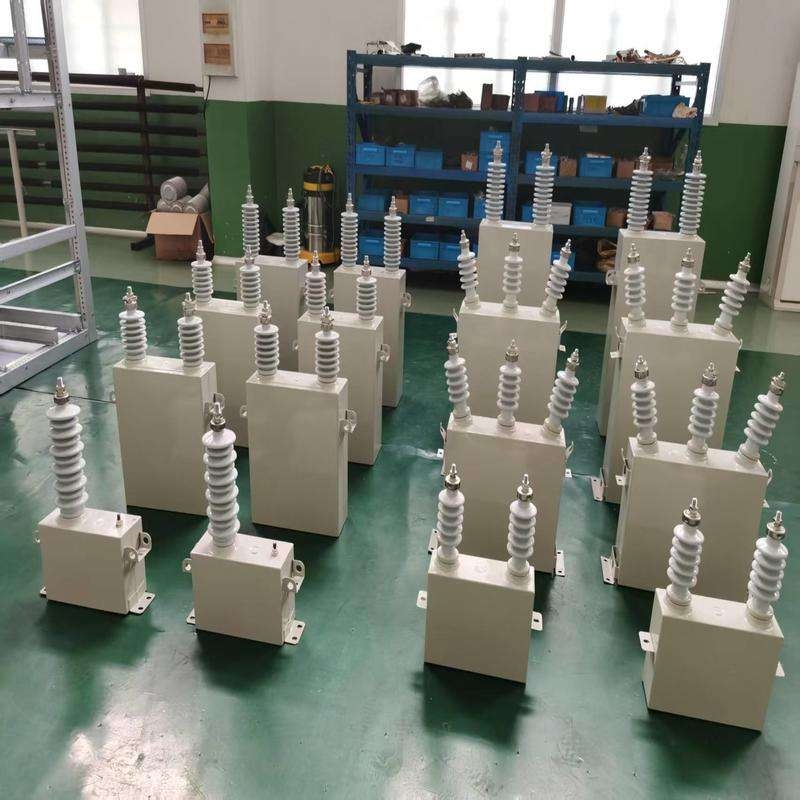
_1774319679257.png)