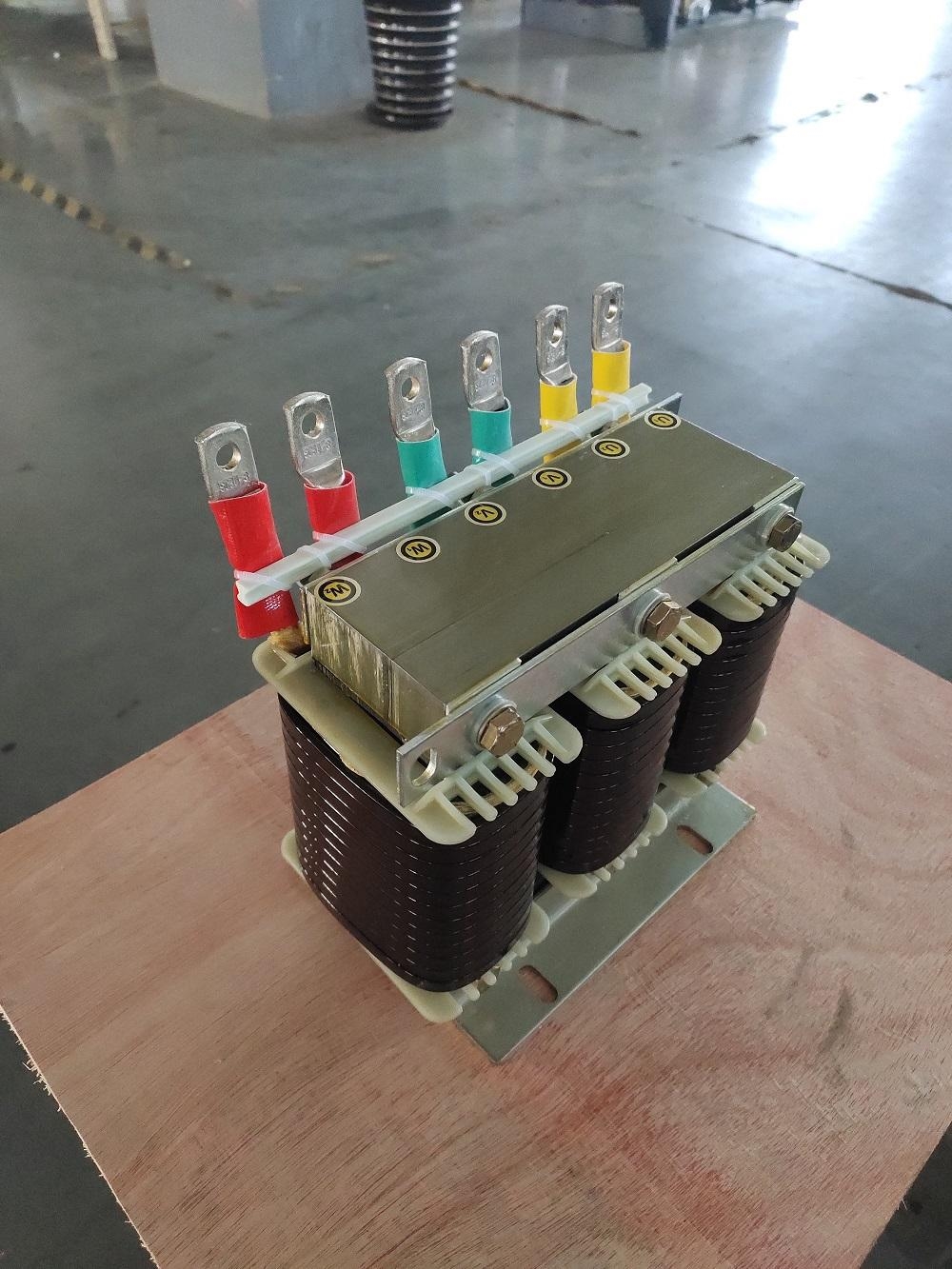
How to Choose Indoor Disconnect Switch for Switchgear Panels
2026-07-01 16:03:38
To ensure operational safety, system dependability, and maintenance effectiveness, choosing the right Indoor disconnect switch for your switchgear panels is essential. An Indoor disconnect switch serves as a manual isolation device that directly cuts off electrical circuits, enabling workers to perform repair on the system without turning it on. This choice affects not only safety right now, but also prices and performance in the long run. Facility managers in places like data centers, factories, and hospitals need to make sure that the Indoor disconnect switch they choose is compatible with the voltage levels, current capacity, working conditions, and safety standards. If you want to make a decision that fits your business needs, this guide will walk you through the important factors, technical details, and buying strategies.
 |
 |
Understanding Indoor Disconnect Switches: Key Functions and Benefits
Indoor disconnect switches are an important part of keeping electrical systems safe in business and industry settings. Unlike circuit breakers, which automatically stop problem currents, these switches make a break in the circuit that can be seen. This way, people can work safely on equipment that has been turned off. The way it works is simple: when the switch is turned on, the moving contacts literally separate from the fixed contacts, leaving an air gap that stops the flow of current.
How Disconnect Switches Enhance Operational Safety
The main job of these separation devices is to keep people safe. The Indoor disconnect switch makes sure that repair teams can work safely on generators, motors, or control systems by disconnecting the power in a way that can be seen and confirmed. Technicians can see this gap, which lets them know that the circuit is truly off, which lowers the risk of accidentally electrocuting someone.
Supporting System Reliability Through Seamless Integration
Indoor disconnect switches, circuit breakers, fuses, and tracking systems are all built into modern switchgear screens. With this integration, workers can cut off certain parts of the electrical network without affecting the spread of power as a whole. This makes the system more reliable and flexible, which is especially important in places like hospitals, data centers, and ongoing manufacturing processes where downtime directly costs money or puts people in danger.
Simplifying Maintenance and Reducing Downtime
Indoor disconnect switches make regular repair easier to do. Without shutting down the whole building, technicians can separate specific circuits, do inspections, change parts, and test. This flexibility cuts down on planned downtime and makes it easier to fix problems or add new equipment quickly.
Key Factors to Consider When Choosing an Indoor Disconnect Switch
To choose the right Indoor disconnect switch, you need to carefully look at a number of technical and practical factors. The wrong choice could cause tools to break down, create a safety risk, or not meet government guidelines.
Rated Voltage and Current Compatibility
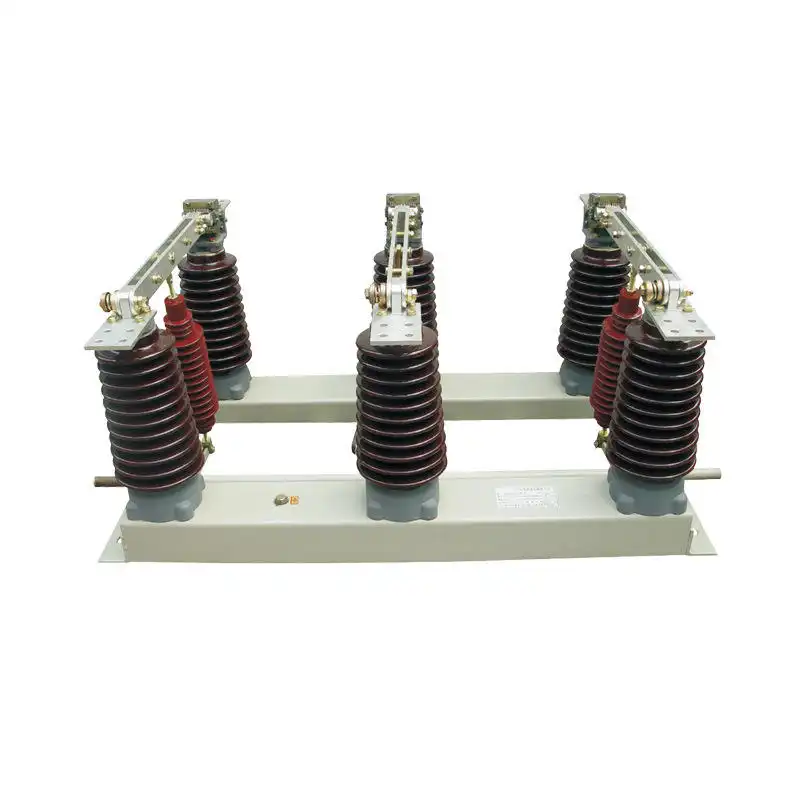
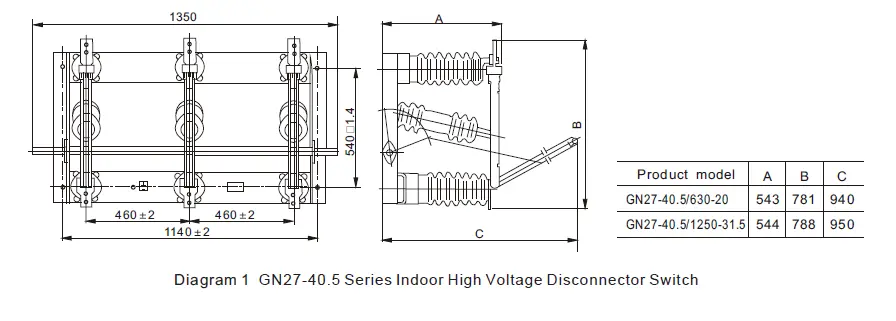
It is necessary to match the switch's maximum voltage and current to the working load of your system. For medium-voltage uses, voltage ratings usually fall between 12kV and 40.5kV, and current ratings run from 630A to 1250A or more, based on the load needs. If you underestimate these factors, you could cause thermal overload and contact damage. Overestimating raises capital costs without adding any value to the business. The GN27 High Voltage Disconnect Switch, which can handle up to 40.5kV and 630A or 1250A of current, is an example of a product made for grid and industrial uses that need to be very stable with voltage and current.
Safety Certifications and Compliance Standards
International safety standards like IEC 62271-102, IEEE C37.32, and UL standards make sure that the Indoor disconnect switch has been through strict tests to make sure it is safe for arcing, has strong protection, and will last for a long time. Utility companies and business owners who run factories must follow these standards in order to follow grid codes and safety rules at work. Certifications also make it easier for regulatory officials to approve projects and check them.
Installation Flexibility and Space Constraints
There are a lot of different ways that switchgear panels can be set up, especially when they are being retrofitted and room is limited. In small spaces, being able to place a Indoor disconnect switch horizontally, vertically, or at an angle gives you more options. Some types, like the GN27, can be mounted in more than one way, so they can be used in a variety of settings. This makes engineering faster and cheaper, especially in substation plans that are hard to understand or indoor buildings that aren't very big.
Material Quality and Durability for Long-Term Performance
The choice of material has a direct effect on how long the switch works and how often it needs to be serviced. High-quality insulators made of reinforced ceramic or composite materials can handle stress from the environment, and contact areas that don't rust keep wear to a minimum. The GN27's swing-contact design lowers pressure and wear on the contact surfaces, which improves heat transfer and makes the product last longer, even when it's constantly under a lot of load. This setup means that contacts don't have to be replaced as often, which lowers the total cost of ownership.
Environmental Adaptation for Extreme Conditions
Operating conditions range from high-humidity and salty seaside areas to high-altitude places where air density affects how well insulation works. Pollution-resistant and high-altitude versions deal with these problems by adding better insulation and special coats. Choosing a Indoor disconnect switch that was designed to work in your area stops equipment from breaking down too soon and makes it last longer.
Comparing Indoor Disconnect Switches with Alternative Solutions
Buying teams can choose the right part for each job by knowing how Indoor disconnect switches stack up against other isolation and security devices.
Indoor Disconnect Switches vs. Circuit Breakers
Circuit breakers stop fault currents instantly to protect equipment further down the line, and Indoor disconnect switches allow for human, off-load separation. Circuit breakers handle faults that happen on the fly, but Indoor disconnect switches let you stop the power so that you can do repair. In switchgear panels, these parts work together: Indoor disconnect switches allow safe maintenance and circuit breakers provide security. When you try to open a Indoor disconnect switch while it is loaded, dangerous sparks can form, so you need mechanical or electrical interlocks.
Indoor Disconnect Switches vs. Load Break Switches
When compared to circuit breakers and Indoor disconnect switches, load break switches are more flexible in how they work because they can stop load currents. But they are harder to use and cost more. On the other hand, Indoor disconnect switches are easier to use, more reliable, and less expensive when they don't need to stop the load. Load break switches work best in situations where they need to be switched on and off often while the system is under load, while Indoor disconnect switches are best for isolating the system for repair.
Rotary, Knife, and Modular Designs
Rotary Indoor disconnect switches have a small, smooth form and use a spinning device to separate contacts. Contacts that look like blades fit into fixed jaws on knife switches, making the open state easy to see. Because modular designs are flexible and can be changed as needed, they are good for electrical systems that are always changing. The swing-contact design of the GN27 takes the best features of both knife switches and rotary mechanisms and puts them together in a single unit. This lowers both mechanical stress and working torque.
Brand Comparisons: Schneider, Siemens, Eaton, ABB, and Xi'an Xikai
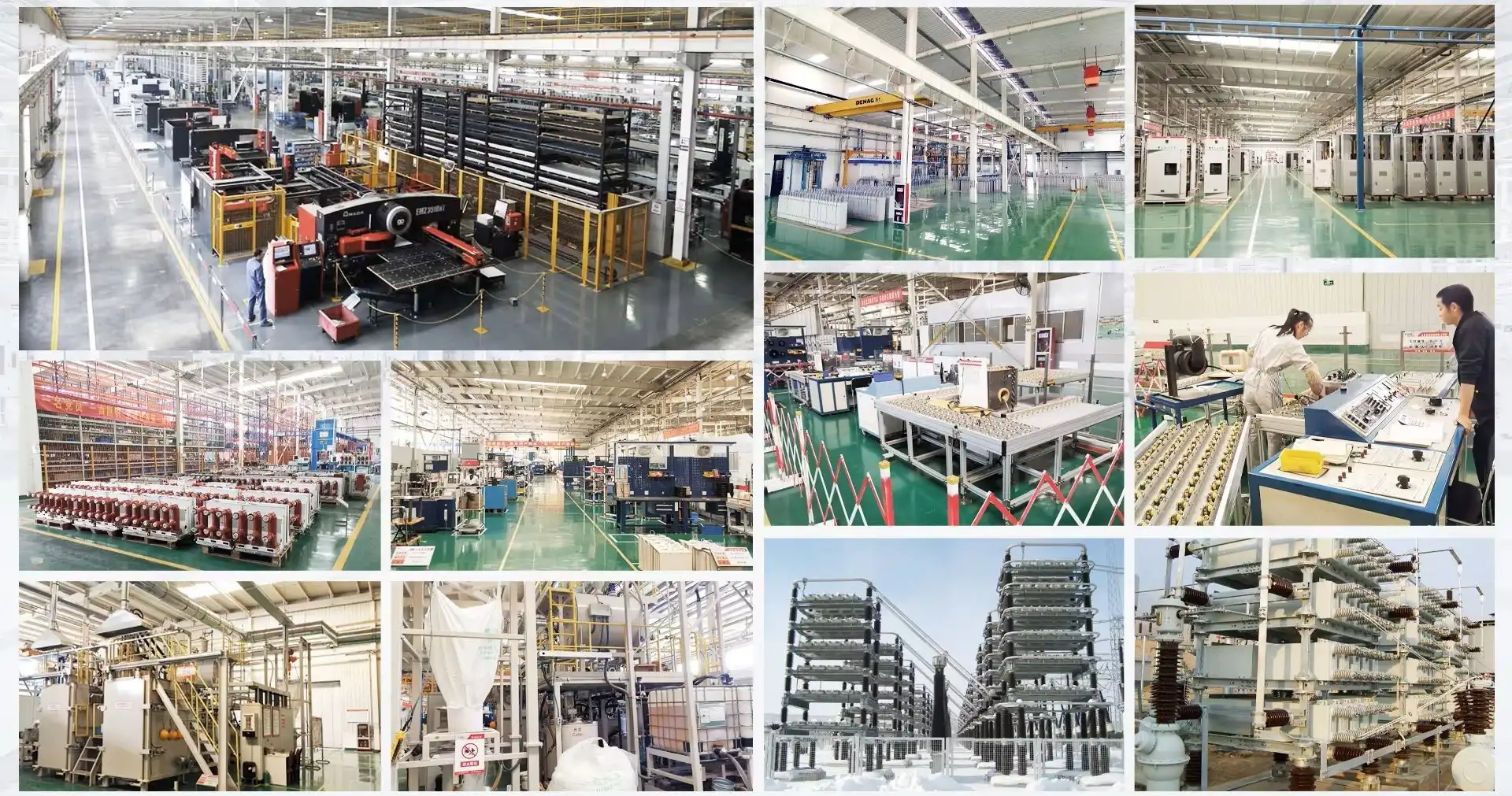
Leading producers have clear benefits. Schneider and Siemens both have a long history of engineering excellence in Europe and offer a wide range of products. Eaton and ABB put a lot of emphasis on smart grid connectivity and global service networks. With more than 50 years of experience in making, Xi'an Xikai offers options that are both cost-effective and high-quality. Our goods are tested and proven to work well in State Grid systems, steel mining, petrochemicals, and rail transportation. They also meet IEC and IEEE standards. This dedication is shown by the GN27 High Voltage Disconnect Switch, which lets you change its choices for resistance to pollution, high-altitude operation, and voltage signaling.
Procurement Considerations for Indoor Disconnect Switches
Good procurement strategies balance cost, quality, wait time, and supplier reliability. Understanding these aspects helps complete projects and sustain corporate performance. Prices and total cost of ownership: the initial price is essential, but the total cost of ownership includes setup, repairs, and downtime. Bulk purchases may save unit prices, particularly for large switchboard panel works. Lifetime costs—how frequently contacts, insulation, and mechanical maintenance are needed—help determine long-term value. Indoor disconnect switch manufacturers like Xi'an Xikai provide factory-direct prices and skilled assistance.
Price Analysis and Total Cost of Ownership
Long-term value is better understood by looking at lifetime costs, which include how often contacts need to be replaced, how often insulation needs to be tested, and how often mechanical repair needs to be done. Access to factory-direct pricing and expert help is ensured when working with an Indoor disconnect switch manufacturer like Xi'an Xikai.
Lead Time Evaluation and Supply Chain Planning
Problems in the global supply chain have shown how important it is to plan ahead for wait times. Standard goods usually get shipped within a few weeks, but unique solutions might take longer. Getting in touch with suppliers early on lets you plan production so that it fits with project goals. Because Xi'an Xikai can make a lot of things and has good inventory control systems, they can deliver quickly, even for big utility projects.
Supplier Credibility and After-Sales Support
Suppliers with a good reputation give clear product specs, test results, and certification paperwork. After-sales support, such as installation advice, help with testing, and guarantee services, has a big effect on the success of a project. Xi'an Xikai provides full support through expert engineers who help with setup, fixing problems, and planning long-term care. Our dedication to customer satisfaction goes beyond just delivering products; we also work hard to build long-lasting relationships with energy companies, EPC firms, and industry operators.
Customization Options and OEM Relationships
Customization can be used for specific practical needs, like different mounting arrangements, better insulation for high-altitude areas, or built-in voltage signs. By building ties with OEMs, you can get custom solutions that improve system efficiency. The engineering team at Xi'an Xikai works with clients to create and produce custom Indoor disconnect switches that meet the needs of each project and are easy to connect to existing systems.
Practical Tips for Installation and Long-Term Use
When Indoor disconnect switches are installed and maintained correctly, they work better and last longer, which lowers business risks and costs.
Pre-Installation Checks and Site Preparation
Make sure that the Indoor disconnect switch's voltage and current levels match the system's requirements before installing it. Check the insulators for damage, make sure the attaching hardware is complete, and make sure the switch works in the way it was designed to. When you prepare a site, you have to make sure there is enough space for safe operation and repair access.
Wiring and Connection Best Practices
When joining busbars and terminals, make sure you follow the manufacturer's instructions for the right amount of force. Too much tightening can damage parts, and too little tightening can cause high-resistance links that heat up. If you are in a humid or seaside area, make sure that the objects you touch have the right anti-corrosion chemicals. To keep activities safe, check mechanical interlocks that work with circuit breakers and earthing switches.
Regular Maintenance and Inspection Protocols
As part of regular repair, you should look for signs of warming, like discoloration on contacts or insulators. Every year, try the contact loop resistance to find signs of wear and tear early. Mechanical function tests make sure that everything moves smoothly and is lined up correctly. Manufacturers say to grease the moving parts and repair old parts before they break so that problems don't happen out of the blue.
Safety Protocols During Operation and Maintenance
Before using Indoor disconnect switches, always turn off the power to the circuit and make sure there is no energy. During repair, use lockout-tagout methods to keep the power from being turned back on by accident. When teaching people how to use switches properly, stress how dangerous it is to open them while they are loaded. Set up standard processes for isolating, testing, and restoring to make sure that all teams follow the same safety rules.
Conclusion
In industrial, business, and utility settings, selecting the appropriate Indoor disconnect switch for switchgear panels has an impact on safety, dependability, and operating efficiency. By knowing the technical details like maximum voltage, current capacity, mounting options, and environmental compatibility, you can make a choice that fits the needs of your building. When you look at Indoor disconnect switches next to other types of isolation devices, you can see how they fit into bigger plans for protecting electrical systems. When buying something, things like the total cost of ownership, the reliability of the provider, and the ability to customize it are all things that need to be thought about. When you install and maintain equipment correctly, you can make it last longer and work better, protect workers, and keep downtime to a minimum. Engineers, purchasing managers, and plant workers can safely choose and use Indoor disconnect switches that will last for a long time if they follow this complete guide.
FAQ
1.What amp rating should I select for my system?
Find the amp number by figuring out the highest load current your circuit can handle. Then, choose a Indoor disconnect switch that can handle at least 125% of that steady current as a safety measure. Different load needs can be met by the GN27's 630A and 1250A choices.
2.Can disconnect switches be operated under load?
No, normal Indoor disconnect switches are only meant to be used when the load is off. When the switch is under load, it can make dangerous loops and break. For on-load stoppage, use circuit breakers or load break switches, and make sure mechanical interlocks stop activities that could be dangerous.
3.How do I know if a switch is suitable for high-altitude installations?
Most switches can handle up to 1000 meters. As you go higher, the air density drops, which makes the shielding less effective. Versions for high altitudes have better insulation and longer clearing lengths. The GN27 has choices for high altitudes that were designed to work in those conditions.
Partner with Xi'an Xikai for Your Indoor Disconnect Switch Needs
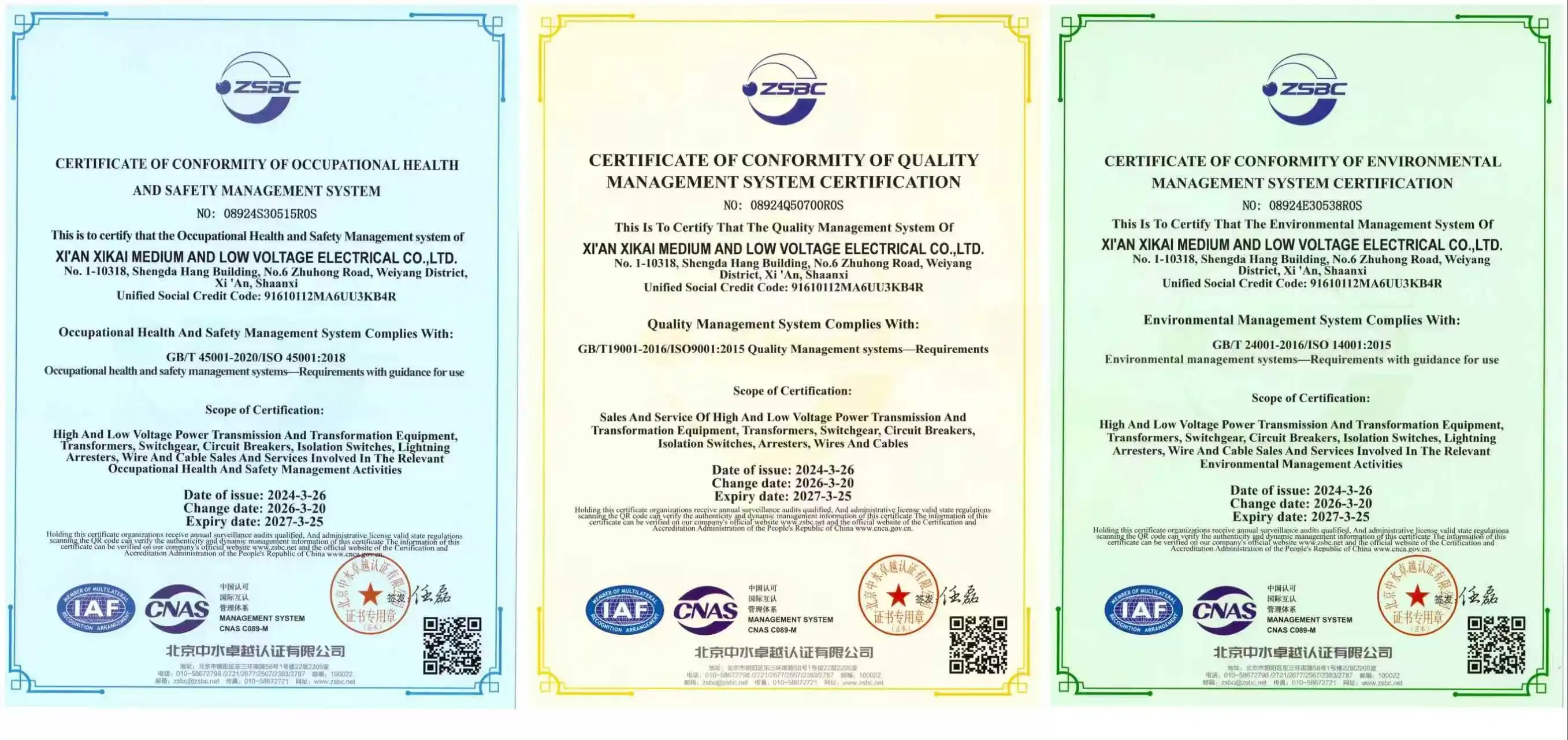
Xi'an Xikai Medium & Low Voltage Electric Co., Ltd. brings to every job more than 50 years of experience as a great engineer. We are a top Indoor disconnect switch provider, and we can help you with all of your operational issues. Our GN27 High Voltage Disconnect Switch shows how committed we are to quality, dependability, and new ideas. It comes with options for resistance to pollution, performance at high altitudes, and a variety of mounting choices. We provide customized solutions to utility companies, manufacturing sites, and EPC firms in over 30 countries. Our work is backed by ISO 9001 certification and strict quality control. Get in touch with our knowledgeable staff at serina@xaxd-electric.com, amber@xaxd-electric.com, or luna@xaxd-electric.com to talk about your needs and get reasonable quotes.
References
1. IEEE Standard C37.32-2020, "IEEE Standard for High-Voltage Switches - Schedules of Preferred Ratings, Construction Guidelines, and Specifications."
2. IEC 62271-102:2018, "High-Voltage Switchgear and Controlgear - Part 102: Alternating Current Disconnectors and Earthing Switches."
3. National Electrical Manufacturers Association (NEMA), "NEMA SG 10-2019: Isolating Switches - Standards Publication."
4. Zhang, W., & Liu, H. (2021), "Thermal Analysis and Contact Resistance Optimization in High-Voltage Disconnect Switches," Journal of Electrical Engineering and Technology, Vol. 16, pp. 1245-1258.
5. Electric Power Research Institute (EPRI), "Guidelines for Maintenance and Testing of Disconnect Switches in Substations," Technical Report 3002015830, 2019.
6. Chen, Y., Wang, S., & Li, Q. (2020), "Environmental Impact on Insulator Performance in High-Voltage Disconnect Switches," IEEE Transactions on Power Delivery, Vol. 35, No. 4, pp. 1832-1841.