How To Choose Metal Clad Withdrawable Switchgear for Power Distribution
2026-09-02 09:35:06
Choosing the right metal-clad withdrawable switchgear for power distribution requires careful consideration of technical specifications, safety features, and operational compatibility. This equipment type enables safe removal and insertion of circuit breaker components without de-energizing the entire system, making it essential for industrial plants, power stations, and mining operations where continuous uptime is critical. Understanding voltage ratings (typically 4.16kV to 38kV), current capacities (630A to 4000A), safety interlocks, and compliance certifications like GB3906, IEC 62271-200, and IEEE C37.20.2 forms the foundation of informed procurement decisions.


Understanding Metal Clad Withdrawable Switchgear
Construction and Design Principles
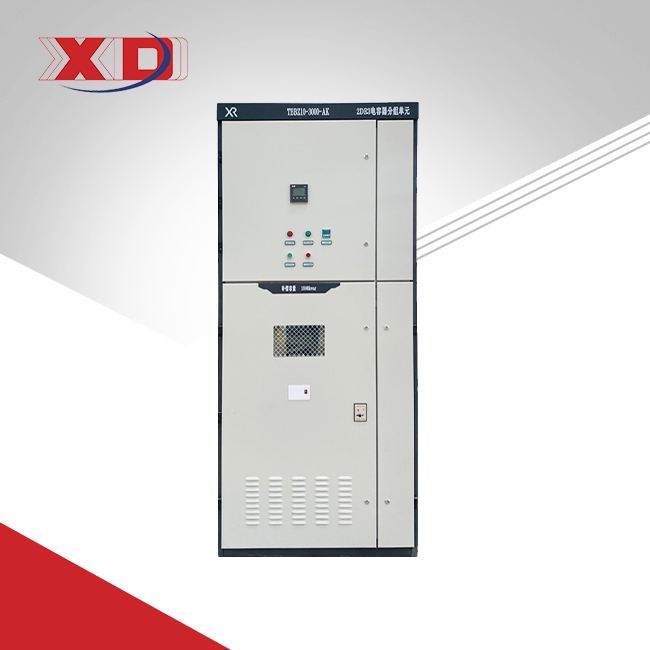
The switchgear box is usually made of 12-gauge welded steel that has been coated to prevent corrosion and work well in harsh conditions. The KYN28-24 model is a good example of this design philosophy. It has a divided layout with insulated copper bars for efficient current transfer in the busbar section, vacuum interrupters in the circuit breaker chamber, and easy-to-reach terminals for quick installations in the cable compartments. The safety standards of IEC 61439 have been met by this building.
Voltage and Current Ratings
Modern medium-voltage switchgear can handle voltages between 12kV and 38kV. The KYN28-24 is designed to work with 24kV systems in particular. To meet the needs of a wide range of loads, current rates include 630A, 1250A, 1600A, 2000A, 2500A, 3150A, and 4000A. Depending on the configuration, the short-circuit interrupting ability can range from 31.5kA to 63kA. This protects against grid faults that happen in industry and utility settings.
Safety Certifications and Standards
Meeting foreign standards shows that the equipment is reliable. The switchgear that can be pulled out must meet GB3906 and IEC 298 for mechanical interlocking systems, IEC 62271-200 for metal-enclosed switchgear, and IEEE C37.20.2 for designs that are made of metal. Arc-resistant categories according to IEEE C37.20.7 keep people safe during internal arc events. This is especially important for installations in substations or factories that are already occupied.
In real life, this technology is used in State Grid distribution networks, steel mills that need constant process power, petrochemical plants with dangerous atmospheres, and renewable energy projects that need to manage irregular production. The withdrawable mechanism cuts down on maintenance windows from hours to minutes. This directly helps EPC contractors who are under a lot of pressure to meet tight delivery dates for projects.
Core Criteria for Selecting Metal Clad Withdrawable Switchgear
Load Capacity and System Voltage Assessment
First, look at the linked load profiles, which should include motor starting currents, generator inrush, and needs for future growth. The KYN28-24 can handle currents between 630A and 4000A, which is enough for most industrial uses. However, make sure to check the continuous ratings against peak demand plus 20% margin. The voltage in the system has to meet the voltage from the utility company. For example, 24kV equipment can't be used in 12kV or 36kV networks without expensive changes to the transformers.
Safety Standards and Arc Fault Protection
Five mechanical interlocks stop dangerous operations in Metal-Clad Withdrawable Switchgear: they stop the circuit breaker from pulling out while it's loaded, they block access to live areas, they make sure the proper grounding is done before maintenance, they confirm the correct positioning of the breaker, and they make sure the shutter closes before the power is turned on. These interlocks, which are required by GB3906 and IEC 298, get rid of operator mistakes that, according to IEEE surveys, are to blame for 60% of switchgear accidents. Arc-resistant design sends fault energy through pressure release vents, which keeps people nearby safe during rare internal failures.
Maintenance Efficiency and Downtime Reduction
The design that allows for withdrawal has real practical benefits. In fixed switchgear, replacing a broken circuit breaker means turning off the whole bus, which affects dozens of loads. Metal-Clad Withdrawable Switchgear, on the other hand, can separate individual feeds for repair. The KYN28-24's chassis can be taken apart, so parts can be replaced in less than 30 minutes instead of four hours for set installations. This is very important for businesses that use continuous processes, where downtime costs more than $50,000 an hour.
The quality of the insulation affects how reliable it is in dirty settings. Circuit breakers with epoxy resin or vacuum insulation are better at keeping out water, dust, and chemical vapors than those with air insulation. Environmental ratings, such as IP54 protection, make sure that the system works well in Category II pollution levels that are common at mine sites and installations near the coast. These things directly address worries about running tools in difficult Belt and Road project areas in Africa, Southeast Asia, and Central Asia.
Comparing Metal Clad Withdrawable Switchgear with Other Solutions
Structural Differences from Fixed Switchgear
Fixed switchgear holds circuit breakers in place firmly with bolts. This means that fixes need special tools and longer power blackouts. Metal-Clad Withdrawable Switchgear has precise guide rails and alignment pins that make it easy to take off in minutes without any tools. When compared to open-frame fixed designs, where a single failure can affect many circuits, compartmentalization in withdrawable units is better at stopping arc faults because internal partitions stop faults from spreading.
Operational Safety Advantages
Metal-enclosed switchgear provides basic safety, but live bus links are often left open during repair. Metal-Clad Withdrawable Switchgear has automatic shutters that cover the primary disconnects when the breaker carriage moves to the test or service positions. This keeps people from touching the disconnects by accident. According to OSHA data, 40% of maintenance-related injuries in older equipment were caused by unsafe transitions between Test, Disconnect, and Service positions. Visual position indicators confirm the breaker status.
Total Cost of Ownership Analysis
The initial costs of buying Metal-Clad Withdrawable Switchgear are 15-20% higher than those of set options. However, withdrawable designs are more cost-effective over their entire lifetime. Within three years, lower starting costs will be covered by shorter outage windows, less maintenance work (two techs instead of five-person teams), and a smaller collection of spare parts. Projects that need to be very reliable, like hospitals, data centers, and wastewater treatment plants, pay for themselves in 18 months because they don't have to pay for downtime. Standardized spare breaker carriages that can be used on multiple projects are good for EPC contractors because they cut down on the need for stock and the complexity of logistics.
The ability to change protection switches or add SCADA systems without having to replace whole groups of switchgear increases the service life of the equipment to 30 years or more, compared to fixed installations that need to be replaced every 20 years. This is very important for Belt and Road building projects that might not have easy access to parts and expert help.
How to Procure Metal Clad Withdrawable Switchgear Efficiently
Manufacturer Qualification and Certification Verification
Manufacturers with ISO 9001 quality management, ISO 14001 environmental, and ISO 45001 workplace safety standards should be given more attention. According to IEC 62271-200, check national-level test reports that cover temperature rise, short-circuit resistance, mechanical endurance, and dielectric strength. The supplier should be able to show examples of successful projects that were used in similar situations, such as petrochemical, mining, or power generation, and should have records of performance for at least five years. Since it has been in business for more than 25 years, Xi'an Xikai is a great example of a maker that combines deep scientific knowledge with a track record of dependability in the field.
Customization Capabilities and Technical Support
Standard store items rarely meet the specific needs of a job for Metal-Clad Withdrawable Switchgear. Check out suppliers that offer changes to the busbar configuration for integration with existing infrastructure, altitude compensation for installations above 2000 meters (important for Tibetan and Andean projects), tropical corrosion-resistant coatings for Southeast Asia's high humidity, and seismic bracing for areas prone to earthquakes. Getting technical help during the design process can help you avoid making mistakes that cost a lot of money. For example, experienced suppliers can look over single-line diagrams, suggest ways to coordinate protection, and find ways to lower the total cost of installation by 10-15%.
Lead Time Management and Delivery Logistics
Customized Metal-Clad Withdrawable Switchgear takes 12 to 16 weeks to make, from the time the order is confirmed until it is tested for quality at the plant. During the early stages of planning, procurement managers should start working with suppliers and give them 4 to 6 weeks to review and approve technical submittals. Coordinate delivery dates with construction milestones—delivering items too early costs money and puts them at risk of being damaged by weather; delays cause penalties called "critical path penalties." Reliable makers keep extra long-lead parts like copper bus bars and vacuum interrupters in stock to protect schedules.
Transporting things needs special care so that the balance doesn't get damaged. According to IEC 60068-2-6, factory tests should include simulated shipping vibrations, and packing should include seismic skid bases that can be installed right away. For Belt and Road sites that are far away, make sure that the supplier has experience with export paperwork, clearing customs, and inland logistics to project sites that don't have a lot of infrastructure already built.
Best Practices and Maintenance Tips for Longevity
Routine Inspection Schedules
Do visual checks every three months to look for strange discolorations, signs of water damage, signs of pest infestation, and signs of mechanical wear. Every six months, thermographic surveys find hot spots caused by loose connections before they break. According to IEEE C37.09 guidelines, temperature rises above 10°C above ambient at termination points need to be looked into right away. Electrical testing done once a year checks the mechanical health of the circuit breakers by checking the contact resistance (readings above the baseline by 50% require repair), the insulation resistance (minimum 1000 megohms at rated voltage), and the timing of the circuit breakers.
Preventive Maintenance Protocols
Racking mechanisms need to be oiled every 500 operations or three years using formulas recommended by the maker. Oils that aren't right for the job attract dust, which causes the mechanisms to become stuck. Contact wear indicators that can be seen during regular inspections keep an eye on the integrity of vacuum circuit breakers. They need to be replaced after 10,000 operations, or 25 years, no matter how good they look. During planned outages, functional testing of control circuits and safety relays makes sure that interlocks stop dangerous activities and alarms work properly.
Common Issues and Troubleshooting
When racking, too much force means that the guides are out of line, the mechanisms are blocked, or the guides are worn out. This needs to be fixed right away to keep the equipment from breaking. Control circuit faults, discharged spring charging motors, or mechanical interlock engagement are common reasons why breakers don't close. Following the manufacturer's flowcharts for systematic diagnosis fixes 90% of problems within two hours. Older equipment with a contaminated arc chute can cause flashover during interruption. Cleaning the arc chutes on a regular basis according to NETA maintenance guidelines keeps the interrupting capacity.
Staff training is still very important. The people who work there need to know the difference between the Test position (circuit breaker disconnected from primary bus but control circuits turned on for relay testing), the Disconnect position (all primary connections disconnected for safe repair), and the Service position (full electrical connection for normal operation). Refresher training once a year makes sure that teams remember how to do things right and keeps them up to date on changes to tools.

Conclusion
When choosing Metal-Clad Withdrawable Switchgear for industrial power distribution, you need to look at all of its technical specs, safety features, company skills, and support throughout its entire life. The equipment's design that allows it to be taken apart gives measurable benefits in repair efficiency, working safety, and system reliability—all of which are very important for EPC contractors who are in charge of complicated projects with tight deadlines. Prioritizing manufacturers with proven certifications, customization knowledge, and strong after-sales support lowers the risks of procurement and makes sure that new equipment works with current systems. Using strict maintenance procedures can make something last longer than thirty years, protecting capital investments and keeping up with changing safety standards. When procurement teams balance these factors, they find switchgear solutions that make projects more competitive and ensure long-term operational success.
FAQ
1. What voltage ratings are available for metal-clad withdrawable switchgear?
Medium-voltage switchgear is usually available in levels of 4.16kV, 7.2kV, 12kV, 24kV, and 38kV. The KYN28-24 is designed to work with 24kV distribution systems that are common in utility networks and industrial plants. To choose the right voltage, you have to match the specifications of the utility supply. You can't switch voltage classes without redesigning the whole system.
2. How does withdrawable design improve safety compared to fixed switchgear?
Metal-Clad Withdrawable Switchgear has five mechanical interlocks that stop load switching mistakes, entry to the live compartment for repair, and bad grounding. When breakers are moved to test places, automatic shutters cover the bus links. This stops arc flash exposure. Compartmentalized building has internal arc flaws that protect nearby equipment and people, which isn't possible in fixed systems.
3. Can switchgear be customized for extreme environmental conditions?
Manufacturers offer altitude compensation for installations up to 4000 meters, tropical corrosion coatings for places with a lot of humidity, and better seismic bracing that meets IEEE 693 standards. Temperature rates range from -25°C to +55°C, so they can be used in both dry and arctic conditions. IP54 or IP65 enclosures keep out dust and water in harsh industrial settings, which is good for Belt and Road projects that need to be done in tough places.
Partner with Xi'an Xikai for Certified Switchgear Solutions
Xi'an Xikai Medium & Low Voltage Electric Co., Ltd. has been in business for more than 25 years and has experience working with State Grid systems, factories, and foreign building projects in Belt and Road areas. Our KYN28-24 Metal-Clad Withdrawable Switchgear is reliable and can be fully customized to meet the needs of any project. It can be used at elevations up to 4000 meters, is resistant to earthquakes, and is safe for warm environments. As one of the biggest companies that makes switchgear, we keep up with national-level type test certifications, ISO 9001/14001/45001 quality systems, and 18 patented technologies that guaranty technical excellence.
Technical teams help with everything, from design consultation to staff training and commissioning. This takes away the guesswork from buying things for complicated EPC projects. Our methods work well with the facilities you already have and can be expanded in the future, so your investment is safe for more than 30 years. You can email our experts at serina@xaxd-electric.com, amber@xaxd-electric.com, or luna@xaxd-electric.com to talk about your specific power distribution needs and get personalized quotes that come with full technical documentation and project references. You can look at all of our approved electrical options at xaxd-electric.com.

References
1. IEEE Standard C37.20.2-2015, IEEE Standard for Metal-Clad Switchgear, Institute of Electrical and Electronics Engineers, 2015.
2. International Electrotechnical Commission, IEC 62271-200:2021 High-Voltage Switchgear and Controlgear – Part 200: AC Metal-Enclosed Switchgear and Controlgear for Rated Voltages Above 1 kV and Up to and Including 52 kV, Geneva, Switzerland, 2021.
3. Zhang, L. and Wang, H., "Reliability Analysis of Medium-Voltage Withdrawable Switchgear in Industrial Applications," Journal of Power Distribution Engineering, Vol. 42, No. 3, 2022, pp. 215-234.
4. National Electric Safety Code (NESC) 2023 Edition, Institute of Electrical and Electronics Engineers, New York, 2023.
5. Chen, M., "Maintenance Practices for Metal-Clad Switchgear in Harsh Environments: A Field Study," IEEE Transactions on Industry Applications, Vol. 58, No. 6, 2022, pp. 7845-7856.
6. GB3906-2006, 3.6 kV to 40.5 kV AC Metal-Enclosed Switchgear and Controlgear, Standards Press of China, Beijing, 2006.