
What Is a Disconnect Switch, How It Works, Types, and Safety Importance
2026-06-03 15:57:51
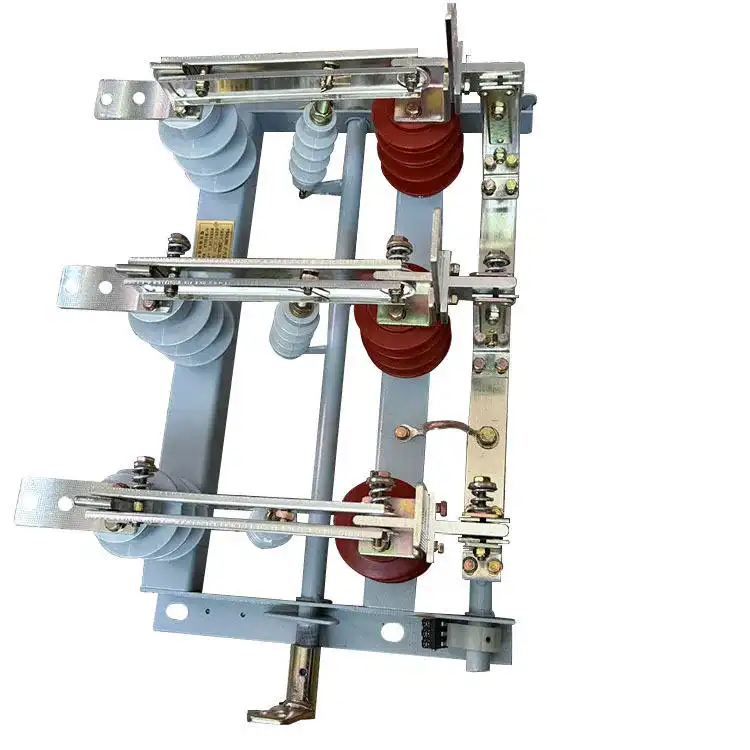
A mechanical disconnect switch isolates equipment for maintenance or emergencies by interrupting electrical lines. Switchgear rooms, manufacturing factories, and commercial buildings use Indoor disconnect switches to visually isolate power sources and downstream equipment. Disconnect switches provide a visible break point for professionals to fix without risking unintentional energization, unlike circuit breakers. Durable connections, an operational handle, and voltage and current-rated casings are characteristic of these devices. Their simple design provides dependability in industrial, utility, and commercial applications where uptime and worker safety are crucial.
 |
 |
Understanding Disconnect Switch Fundamentals
The Role of Disconnect Switches in Modern Electrical Systems
To avoid downtime and protect staff, data centers, hospitals, and factories need reliable isolation points for electrical systems. By physically separating electrical channels, disconnect switches meet this need. The switches isolate circuits to safely de-energize transformers, motor control centers, and distribution panels during repair.
The disconnect switch design stresses simplicity and visibility. Indicator windows or external handles eliminate guessing during important shutdowns by showing switch position. This openness is crucial in emergencies when fast action affects equipment survival.
The environmental requirements of Indoor disconnect switches are different from those of outside switches. Outdoor devices tolerate rain, UV radiation, and temperature extremes, whereas inside models are small and integrate with switchgear. This specialism lets procurement teams optimize electrical room space while meeting NEMA and IEC enclosure standards.
How Disconnect Switches Operate Mechanically?
Disconnect switches physically separate conducting parts to halt current flow. Internal linkages drive blade contacts away from fixed jaws as an operator spins the handle, generating an air gap that precludes electrical connection. The visible crack certifies de-energization, allowing maintenance to lockout/tagout.
Modern designs use spring-loaded devices to quickly separate contacts, reducing switching arcing. The quick-break action avoids contact erosion and prolongs service. Some sophisticated models use position sensors to send switch status to building management systems for remote monitoring of crucial isolation points.
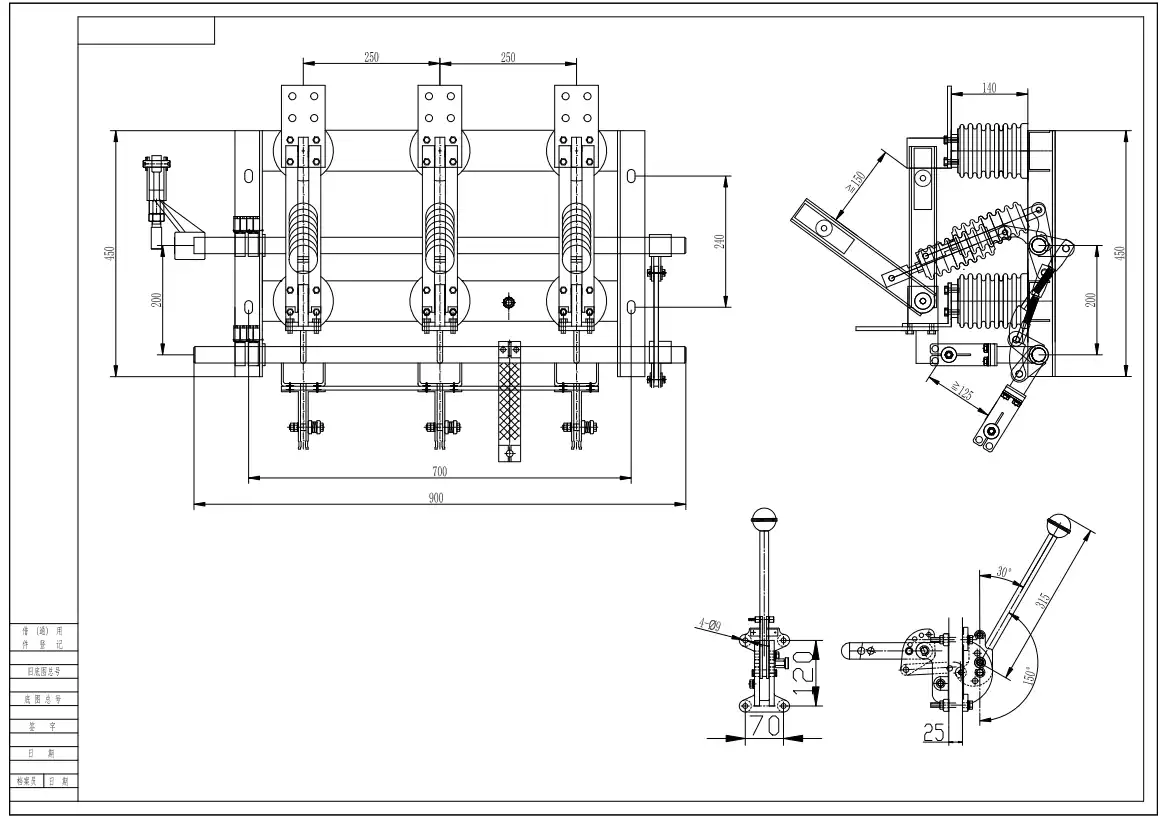
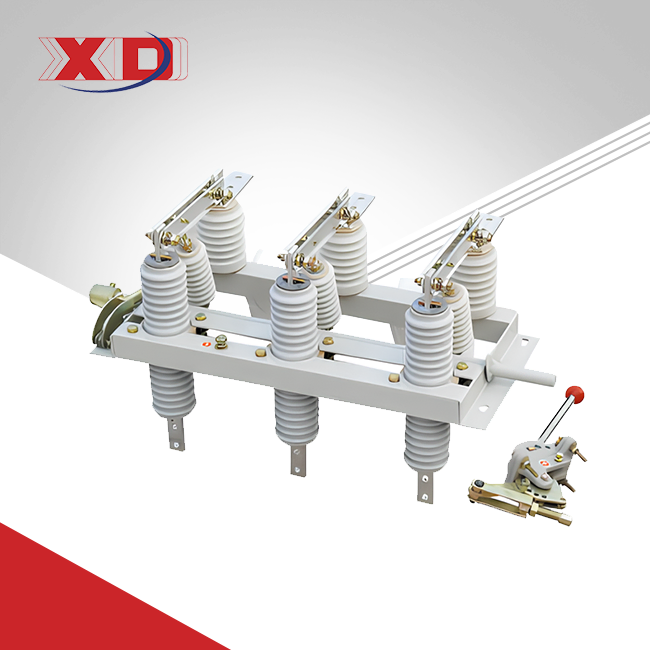
The GN24 High Voltage Disconnect Switch is well-engineered. This device isolates and transfers active or dead bus circuits under no-load situations for 12kV systems with 400A to 1250A current capacity. The horizontal pantograph mechanism lifts conductive blades with a revolving insulator column, revealing dual-break isolation gaps to maintenance staff. Through-wall mounting allows compact substation installation, while the incorporated earthing switch safely discharges residual currents.
Modern electrical infrastructure often has limited floor space, therefore through-wall mounting helps. These switches penetrate enclosure walls to connect compartments without compromising isolation. Hot-dip galvanized steel construction and silicone rubber insulation keep the GN24 running reliably in varied climates from -40°C to +55°C.
Types and Ratings of Indoor Disconnect Switches
Classification by Protection Level
Fused and non-fused Indoor disconnect switches provide different protection measures. Overcurrent protection and isolation are provided by replaceable fuse elements in fused disconnect switches. Fuse elements melt when fault currents surpass safe levels, stopping the circuit and safeguarding downstream equipment. Facility managers looking for space-efficient protection and separation will like its dual functionality.
Non-fused disconnect switches isolate only, using upstream circuit breakers or fuses for overcurrent protection. These units are suitable for applications with independent protective devices or load characteristics that require specialist protection. Their simplified construction reduces acquisition and maintenance expenses.
Configuration Options for Circuit Complexity
Low-voltage applications and specialized control circuits use single-pole disconnect switches to regulate one phase of electrical distribution. Split-phase household services and industrial operations require double-pole arrangements to interrupt two phases. To prevent phase imbalance and motor damage in commercial and industrial three-phase systems, multi-pole switches disconnect all phases simultaneously.
Specialized load break switches can interrupt powered circuits under normal operation. These devices use arc-chute assemblies to securely extinguish live switching plasma. Non-load break switches may only be used for maintenance isolation after load removal since upstream devices must clear the circuit before operation.
Critical Ratings That Drive Procurement Decisions
The greatest system voltage a disconnect switch can safely isolate is voltage rated. Standard indoor values are 600V for low-voltage and 15kV for medium-voltage. The GN24's 12kV rating fits medium-voltage distribution networks in utility substations and big industrial locations.
Without exceeding temperature increase restrictions, current values define continuous ampacity. Analysis of peak load and growth plans is needed for selection. The GN24's 400A, 630A, 1000A, and 1250A current ratings let engineers match switch capacity to feeder needs without over-specifying equipment.
Maximum fault current a load break switch may safely interrupt is called interrupting capacity. By recognizing that non-load break switches like the GN24 only work under no-load conditions, catastrophic failures can be avoided. Before determining switch types, procurement teams must check operational needs.
Enclosure grades indicate environmental protection. NEMA 3R enclosures tolerate rain and sleet for semi-outdoor use, whereas NEMA 1 suits clean, dry settings. IP2X prevents finger contact and IP54 protects against dust and water infiltration, like IEC IP standards. Indoor disconnect switches are NEMA 1–12.
Safety Importance and Maintenance of Indoor Disconnect Switches
Built-In Safety Features That Protect Personnel
Safety depends largely on lockout/tagout compatibility. Padlocks and warning tags prevent unlawful energization during maintenance on disconnect switches. Lockout compatibility is required for U.S. installations by OSHA Standard 1910.147. The interlock feature on the GN24 prevents unintentional earthing switch closing under load, preventing arc flashes.
Switching procedures entail serious arc flash concerns. Recent disconnect switches use quick contact separation and arc-quenching to reduce these risks. The GN24's low leakage current—less than 1 microampere at rated voltage—reduces persistent arcing and flash occurrences. Dual-break insulation provides redundant maintenance safety margins with two apparent isolation gaps.
Compliance Standards That Ensure Quality
International standards provide safety and performance norms. North American enclosed switches must meet UL 98 temperature rise, dielectric strength, and mechanical durability standards. IEC 62271 defines power frequency withstand voltage and lightning impulse resistance test procedures for high-voltage switchgear worldwide. The metal-enclosed switchgear assembly requirements in IEEE C37.30 supplement these standards.
OSHA requires workplace electrical safety. These rules protect workers against electrocution and arc flash injuries and shield employers from responsibility. To assure vendor compliance and enable acceptance testing, procurement requirements should expressly mention standards.
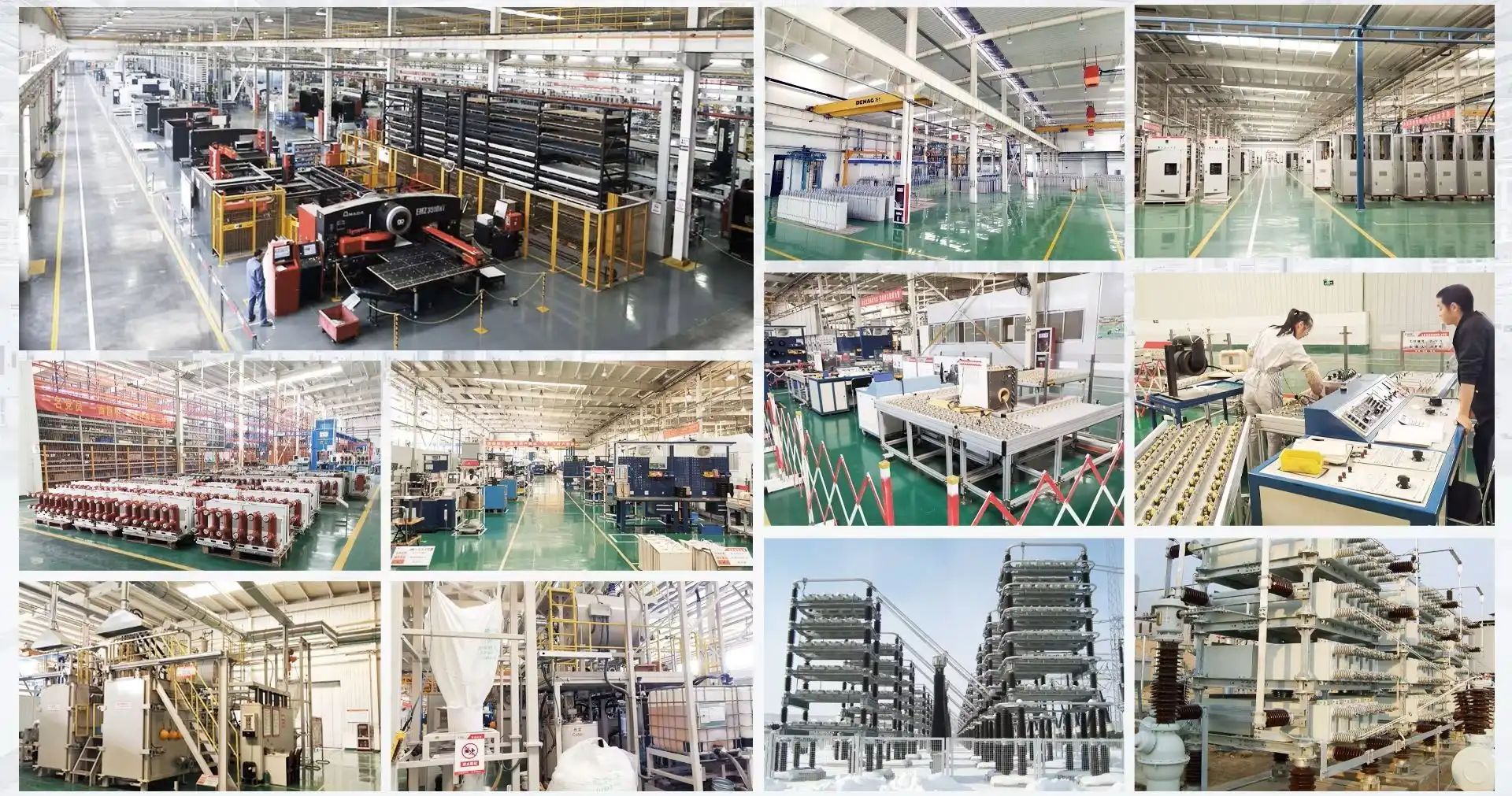
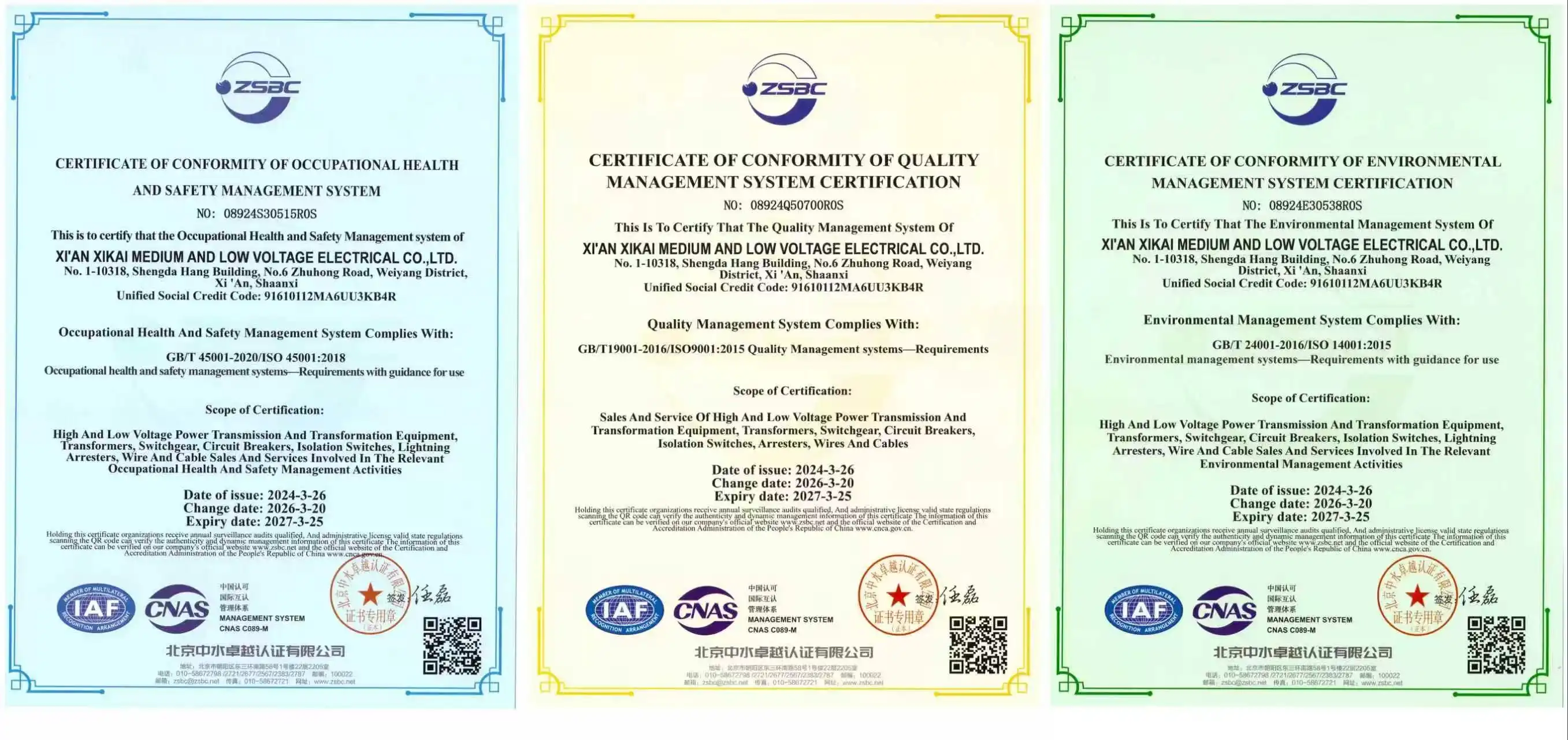
GN24 quality testing includes one-minute 36kV power frequency withstand voltage tests and 10,000 mechanical operation cycles under load. These tests surpass basic norms, ensuring long-term reliability. ISO 9001 accreditation provides quality control throughout manufacture, and automated CNC machining produces precision-tolerance parts that stay aligned for decades.
Maintenance Protocols That Extend Service Life
Operating frequency and environment determine Indoor disconnect switch inspection periods. Annual inspections are sufficient for lightly used switches in clean settings, whereas quarterly examinations benefit high-cycle applications or dusty or damp areas. Contact condition, insulating resistance, and mechanical linkage lubrication should be on inspection checklists.
Pitting, discolouration, and material transfer are signs of contact wear. When micro-ohm resistance testing exceeds manufacturer requirements, contact deterioration is imminent and requires replacement. The GN24's sealed bearings and self-lubricating joints eliminate maintenance, while routine checks ensure smooth performance.
Moisture, pollution, and heat cycling degrade insulation. Power frequency withstand voltage testing uncover insulating problems before breakdown. To anticipate component replacement intervals and follow deterioration trends, maintenance teams should record test findings. Clean insulator surfaces to eliminate conductive deposits that lower flashover voltage, especially in airborne pollutants.
Understand failure modes to fix common situations. Dry lubricants or corroded pivots cause mechanical binding, whereas contact warming suggests inadequate pressure or surface contaminants. Thermal imaging during operation detects hot regions before outages. These concerns are addressed proactively to reduce unexpected downtime and extend equipment life beyond ratings.
How to Choose the Right Indoor Disconnect Switch for Your Needs?
Evaluating Electrical Load Demands
Switch selection relies on accurate load analysis. Engineers must compute maximum continuous current using ambient temperature derating factors. Even under no-load situations, transformer magnetization and motor starting inrush currents require switches with suitable short-time current ratings. Planned expansion should affect capacity selection to prevent obsolescence.
Voltage coordination ensures system design compatibility. Switches below system voltage risk insulation failure, while high ratings waste money. The 12kV GN24 fits distribution systems at 11kV or 12.47kV nominal voltages found in North American utility networks and industrial facilities.
Application Environment Considerations
Indoor temperatures, humidity, and contaminants vary greatly. Manufacturing spaces with metal dust or chemical vapors require sealed enclosures with higher IP ratings, whereas clean electrical rooms use NEMA 1 enclosures. Above 1000 meters, insulation must be derated or designed at high altitude to minimize flashover in thinner air.
Space limits mounting options. Floor-mounted switches work well in large substations, while through-wall and gantry mounting alternatives like the GN24 allow for smaller installations. Dimensional compatibility is crucial for retrofit projects since new equipment must fit into existing buswork geometries.
Brand Reliability and Certification
Established Indoor disconnect switch manufacturers have decades of engineering experience and worldwide support. Siemens, Schneider Electric, Eaton, and ABB are expensive, but their dependability saves lifespan costs due to fewer failures and easily available components. Through tailored solutions that satisfy high performance criteria, Xi'an Xikai has garnered acclaim throughout State Grid systems, steel and metallurgy industries, and renewable energy projects.
Certifications verify product safety and quality. CE marking denotes European compliance, whereas UL listings show North American compliance. ISO 14001 and ISO 9001 exhibit environmental responsibility and systematic quality management, respectively. These certifications boost procurement trust and simplify engineering company and regulatory approval.
Optimizing Procurement Strategies
Price must balance initial acquisition prices and total ownership expenses. Budget switches may need more maintenance or replacement, offsetting savings. Volume purchases unlock discounts, but overstocking ties up cash and risks obsolescence if requirements change.
Lead times affect project timetables, especially for unique configurations or high-current ratings requiring specialist production. Relationships with suppliers who stock common ratings lessen delivery delays. After-sales services—including technical assistance, replacement parts, and warranty coverage—impact long-term satisfaction and should be prioritized in vendor assessments.
Conclusion
In secure, reliable electrical distribution systems, Indoor disconnect switches are essential. Facility operators may enhance uptime and safeguard staff by understanding their operating principles, recognizing suitable kinds and ratings, and following strict maintenance routines. The difference between load break and non-load break designs minimizes misapplication, while environmental ratings assure lifespan in various operating circumstances. In addition to lifespan cost, electrical needs, application settings, and supplier credentials help procurement decisions. As electrical infrastructure becomes more sophisticated, properly specified and maintained disconnect switches isolate vital systems for safety and efficiency.
FAQ
1. What distinguishes indoor disconnect switches from circuit breakers?
For maintenance, Indoor disconnect switches separate circuits but do not safeguard against overcurrent. Circuit breakers automatically stop electricity during overloads and malfunctions to protect equipment. Breakers safeguard against electrical problems, while disconnect switches provide apparent isolation for specialists. Multiple systems employ breakers for protection and disconnect switches for maintenance separation.
2. Can disconnect switches operate in humid or dusty industrial environments?
Environmental appropriateness relies on enclosure ratings. Standard Indoor disconnect switches work in dry, clean environments, but NEMA 12 or IP54 enclosures tolerate industrial dust and wetness. Cleaning regularly eliminates conductive residues that might damage insulation. Facilities with high contamination may need sealed enclosures or quarterly inspections instead of annual evaluations.
3. How often should disconnect switches undergo inspection?
Operating cycles and environmental severity affect inspection frequency. Annual contact, insulation resistance, and mechanical performance examinations are needed for lightly used switches in clean surroundings. Checks quarterly benefit high-cycle applications or hostile locations. Thermal imaging during operation reveals flaws before breakdowns, which is important for critical infrastructure because unanticipated outages have serious repercussions.
Partner with Xi'an Xikai for Reliable Indoor Disconnect Switch Solutions
Xi'an Xikai Medium & Low Voltage Electric Co., Ltd. delivers comprehensive switchgear solutions backed by over 34 product series serving State Grid systems, steel metallurgy, petrochemicals, and renewable energy sectors. Our engineering team specializes in customizing disconnect switches and integrated substations that meet operational requirements up to 4,000-meter altitudes while maintaining compliance with national and international standards. The GN24 High Voltage Disconnect Switch exemplifies our commitment to safety and performance through IEC-compliant design, dual-break isolation, and 10,000-cycle endurance testing.
Procurement managers seeking Indoor disconnect switch suppliers benefit from our competitive bulk pricing, flexible specifications, and comprehensive technical consultation. Our multiple patented technologies ensure products deliver both immediate reliability and long-term value. Contact our expert team at serina@xaxd-electric.com, amber@xaxd-electric.com, or luna@xaxd-electric.com to discuss your specific requirements.
References
1. National Electrical Manufacturers Association. (2021). NEMA Standards Publication: Enclosed and Miscellaneous Distribution Equipment Switches. Rosslyn, VA: NEMA.
2. International Electrotechnical Commission. (2020). IEC 62271-1: High-voltage switchgear and controlgear – Part 1: Common specifications for alternating current switchgear and controlgear. Geneva: IEC.
3. Occupational Safety and Health Administration. (2019). OSHA Standard 1910.147: The Control of Hazardous Energy (Lockout/Tagout). Washington, DC: U.S. Department of Labor.
4. Institute of Electrical and Electronics Engineers. (2018). IEEE Std C37.30: IEEE Standard Requirements for High-Voltage Switches. New York: IEEE.
5. Underwriters Laboratories. (2022). UL 98: Standard for Safety Enclosed and Dead-Front Switches. Northbrook, IL: UL Standards.
6. Palmer, R. E. (2017). Maintenance Fundamentals for Medium-Voltage Switchgear. Atlanta: Power System Engineering Publications.

_1774319435501.png)