
How to Evaluate Oil Immersed Transformer Manufacturers
2026-09-30 16:51:32
Evaluating oil-immersed transformer manufacturers requires a clear, structured process. An oil-immersed transformer uses insulating oil to cool windings and prevent arcing, making it a preferred choice for 10kV, 35kV, and 110kV distribution networks. For procurement professionals sourcing liquid-filled power transformers—whether for rural grid upgrades, industrial facilities, or utility expansion—the right manufacturer must demonstrate verifiable certifications, consistent production quality, and dependable after-sales support. This guide walks through every evaluation stage to help you make a confident purchasing decision.
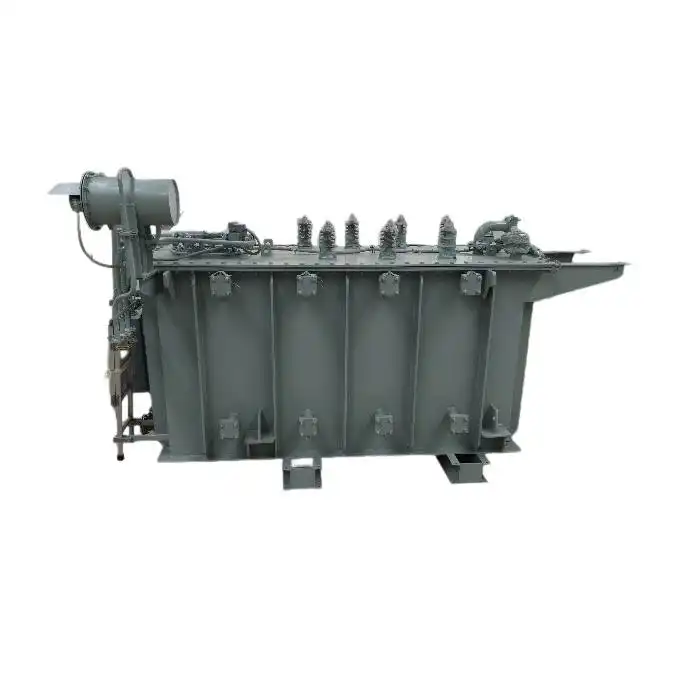
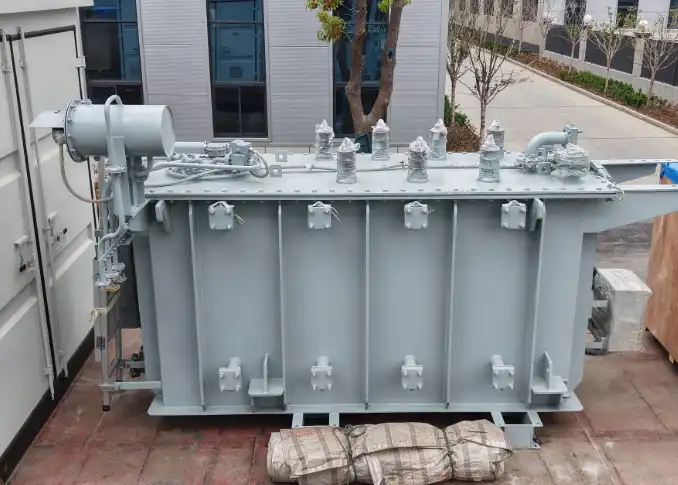
Understanding Oil-Immersed Transformers and Key Industry Requirements
How the Technology Works
Electromagnetic induction moves electricity from one circuit to another through an oil-filled generator. Mineral oil surrounds the active core and windings. It keeps the system cool and acts as an insulator. With modern tap switches, the voltage is changed in real time, so the voltage stays the same even when demand goes up. This style can handle constant heavy use and works better outside or in tough conditions than models that use air cooling.
Typical Applications and Voltage Classes
When it comes to power, liquid-filled distribution transformers are used for three main types: 10kV for county-level distribution lines, 35kV for regional substations, and 110kV for transmission interconnections. In mines, solar and wind farms, farm networks, and city substations, they are used. You can find out what technical specs you need from any manufacturer by knowing your voltage class and load profile. For example, you can find out if your loads are intermittent generator loads or steady industrial demand.
Compliance Standards You Must Verify
Manufacturers you can trust make sure their power transformers meet the standards set by IEC 60076, ISO 9001, and either the UL or CE marks for North American or European markets. People who want to buy systems from Southern Grid or State Grid should also make sure that the type-test results are true and that the energy saving scores are S13, S20, or S22. These papers aren't ads; you need them by law to buy things. If a maker can't give you verified test certificates from well-known labs, you should take them off your choice right away.
Core Criteria to Evaluate Oil-Immersed Transformer Manufacturers
Production Capacity and Technical Depth
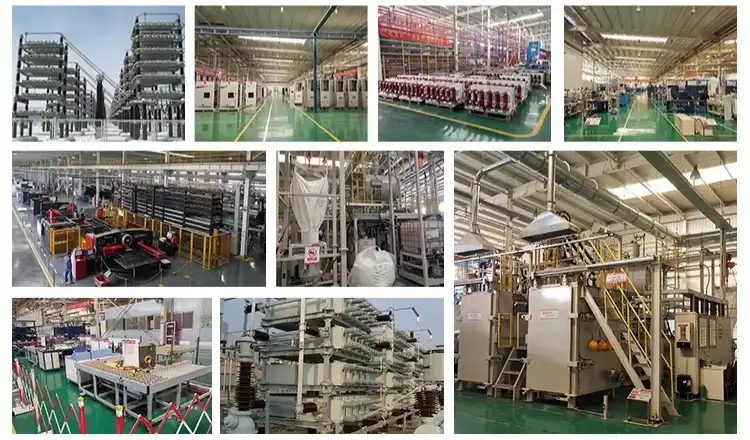
The factory floor can tell you more about a business than its writing. Check to see how much power they produce each year, what voltage classes and kVA range they build, and if their tech team can meet your specific needs. Xi'an Xikai Medium & Low Voltage Electric Co., Ltd., for example, has more than 100 different product versions across 34 lines. These include oil-immersed transformers with ratings from 10kV to 110kV, which shows that the company can actually make things and isn't just filling space in its catalog.
Quality Assurance Processes
Ask each possible maker to describe how they test their goods in-house. A core check of grain-oriented silicon steel to lower hysteresis loss, 24-hour hydraulic pressure tests on welded tanks to find leaks before shipping, and a measurement of partial discharge levels below 10pC are the very least that can be allowed. An IP55 grade and silica gel breathers are good signs that the maker thinks about how the product will be used in real life with damp and dust. A lot of people make this costly mistake when they buy something: they forget to do this step.
Warranty, After-Sales, and Lifecycle Support
It's possible for a transformer to last more than 30 years, but it still needs oil samples, regular maintenance on the tap changer, and new bushings every so often. People who buy something from a company that only guaranties it for 12 months and then disappears are responsible for all of its risks during its lifetime. Write down preventative maintenance schedules, make sure the seller has easy-to-reach spare parts on hand, and give you a technical reaction window that is measured in hours instead of weeks. A reputable Oil-immersed transformer manufacturer should provide technical support 24 hours a day, seven days a week, and a 10-year warranty.
Comparing Oil-Immersed Transformer Manufacturers: What Sets the Best Apart?
Certifications and Track Record
One manufacturer is different from another not because of their ads but because of the number and types of verified clients they have. Manufacturers whose goods have been used in South Asian farming networks, African state utility projects, and State Grid systems have shown that their goods work well in a lot of different temperatures, elevations, and voltage changes. Ask for written project references, and if you can, compare them to public records of purchases or databases that grid owners keep up to date.
The top manufacturers of liquid filled transformers are differentiated on the basis of performance as follows:
Amorphous or grain-oriented cores may reduce no-load losses by up to 30% as required by the EU EcoDesign criteria if you optimise them. The amorphous core models are 99% efficient and will help people save money on energy expenses over time.”
- Energy efficiency: Reduced no-load losses up to 30% with optimised amorphous or grain-oriented cores to fulfil EU EcoDesign criteria. Amorphous core designs attain 99% operating efficiency directly decreasing long-term power expenses to the end user.
- Environmental robustness: IP55-rated enclosures protect against dust and moisture. “In coastal, mining or offshore wind environments where standard enclosures fail within years, corrosion-resistant tanks and silica gel breathers increase service intervals.”
- Overload tolerance: Industrial grade devices are rated for 150% of the rated load for up to 2 hours, while equipment designed for solar farms or wind farms are able to tolerate 125% intermittent inverter loads without protective shutdowns.
- Seismic and noise performance Seismic design for Zone 4 earthquake standards; acoustic design for operating noise less than 65dB, making these units suitable for hospitals, schools and residential-adjacent substations.
When smart buying teams look at vendors, they think about how much it will cost to own everything. These perks answer those worries right away. A generator that works well, can handle stress from the environment, and can handle a power grid that isn't stable will need a lot less upkeep over the course of its life.
Customization Without Sacrificing Quality
Non-standard forms are needed for certain tasks. ATEX-certified units for dangerous areas, small designs for urban substations that don't have a lot of room, and ±0.5% voltage control models for lining up green energy grids are all examples of things that need engineering freedom that you can't get from a catalog seller. Check to see if the company has designers on staff as well as people who just put things together.
Pricing Transparency and Supply Chain Reliability
Long wait times and prices that aren't clear are signs of trouble. For orders of 10 to 100 units, a trustworthy Oil-immersed transformer source gives clear quotes, sets clear delivery dates, and keeps extra raw materials on hand to avoid delays. Find out from the supplier how long you have to wait for custom orders and how they handle problems with silicon steel or copper pipes.
How to Conduct Due Diligence and Verify Manufacturer Claims
Conduct a Factory Audit
The best way to be sure is to visit the factory, either by yourself or with the help of a third-party inspection service. Find out how the core lamination is stored and handled, how well the welds are done on the gaps between the tanks, and how the high-voltage test equipment was set up during the audit. What's a big red flag if a maker doesn't let auditors into test or production rooms when an audit is supposed to happen?
Authenticate Certifications and Test Reports
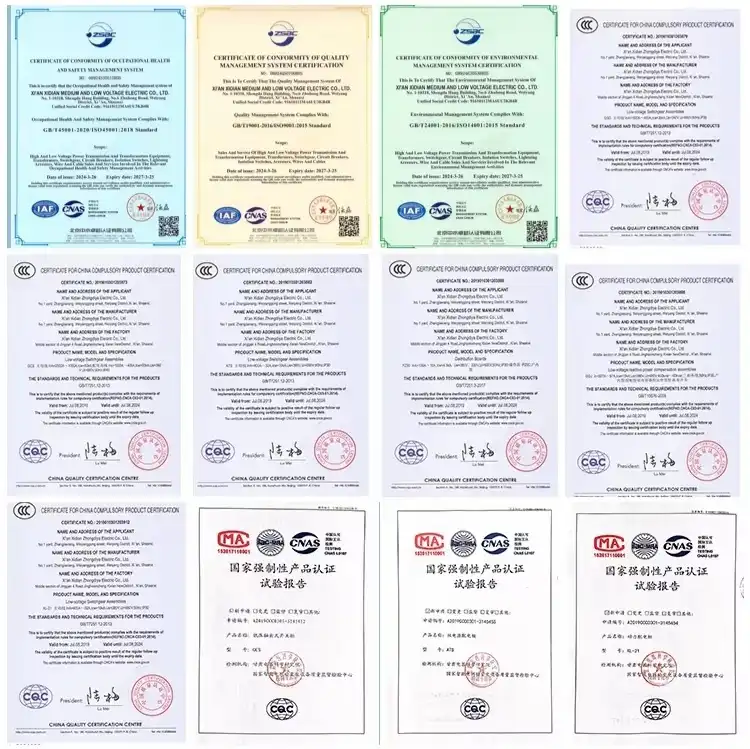
Before you accept a copy, you should always check the certificate number against the granting body's database, no matter how good the scan is. Type-test records for IEC 60076 should have more than just a "pass/fail" statement. They should also write down the name of the test lab, the date, the transformer's serial number, and the results that were measured. Third-party verification by national accreditation agencies or groups like TÜV shows that the document is based on a real test and not a template.
Evaluate Communication and Responsiveness
Send a technical question to every maker that you've made. Keep track of how long it takes them to answer and how well they answer. Within 24 hours, a seller must respond with specific technical information such as core loss numbers, cooling class (ONAN, ONAF, or OFAF), and impedance voltage. This shows that they have the internal organization to provide reliable help after the sale. When your tools break down in the field, you can expect the same thing to happen: answers that are slow or not clear.
Conclusion
Picking the right Oil-immersed transformer Manufacturer is a decision that will last for 30 years. During the evaluation process, you should look at more than just price. You should look at verified certifications, clear quality assurance procedures, proven field performance, and helpful expert support. Follow the steps in this guide to build supply relationships that reduce grid downtime, lower lifecycle costs, and please both internal technical teams and external regulatory auditors. This includes inspecting production facilities, making sure that compliance standards are met, and making sure that test reports are real. It will cost less to fix things in the future if you take the time to think about them now.
FAQ
1.What factors most affect oil-immersed transformer lifespan?
Insulating oil quality is the primary factor. Moisture ingress, oxidation, and dissolved gas accumulation degrade dielectric strength over time. Regular dissolved gas analysis (DGA) and oil filtration extend service life significantly. Thermal loading also matters—operating consistently above the rated load accelerates insulation aging. A well-maintained unit in a controlled environment regularly achieves 30-plus years of service.
2.How does an oil-immersed transformer compare to a dry-type unit?
Liquid-filled transformers generally carry higher power ratings, perform better in outdoor or harsh environments, and cost less per kVA at larger capacities. Dry-type units are preferred for indoor installations where fire risk or oil spill liability is a concern. For 10kV to 110kV distribution infrastructure in rural or industrial settings, oil-immersed designs remain the standard choice due to their thermal performance and cost efficiency.
3.What warranty and after-sales terms should I expect?
A credible manufacturer should offer a minimum 2-year product warranty and provide documented access to spare parts for at least 10 years post-delivery. Technical support response within 24 hours and access to maintenance manuals in the buyer's language are baseline expectations. Manufacturers offering 10-year warranties with 24/7 technical assistance represent the higher end of market practice.
Partner with Xi'an Xikai for Your Next Oil-Immersed Transformer Project
Since 1992, Xi'an Xikai Medium & Low Voltage Electric Co., Ltd. has been a trusted provider of Oil-immersed transformer solutions for State Grid systems, industrial sites, and utility projects in other countries. You can use our oil-immersed transformers with 10kV, 35kV, or 110kV power. They are approved by IEC 60076, ISO 9001, CE, and UL. Right away, get in touch with our team to get product specs, type-test paperwork, or a quote that is made just for your project. There are three ways to get in touch with us: luna@xaxd-electric.com, amber@xaxd-electric.com, or serina@xaxd-electric.com. Visit xaxd-electric.com to learn more.
References
1. IEC 60076-1: Power Transformers – General Requirements. International Electrotechnical Commission, 2011.
2. IEEE Std C57.12.00: IEEE Standard for General Requirements for Liquid-Immersed Distribution, Power, and Regulating Transformers. Institute of Electrical and Electronics Engineers, 2015.
3. Energy Efficiency Design Index for Power Transformers. European Commission Regulation (EU) No 548/2014, 2014.
4. Kulkarni, S.V., and Khaparde, S.A. Transformer Engineering: Design, Technology, and Diagnostics. CRC Press, 2012.
5. Guidelines for Procurement of Distribution Transformers in Utility Networks. World Bank Energy Sector Management Assistance Program (ESMAP), 2019.
6. Harlow, J.H. (Ed.). Electric Power Transformer Engineering, 3rd ed. CRC Press, 2012.